Who Offers Pest Control for Office Buildings? Find Trusted Services & Costs
Commercial pest control companies who offer pest control for office buildings typically specialize in handling common office pests like ants, cockroaches, rodents, and silverfish. These providers use targeted methods that protect office workers and equipment while effectively managing infestations. You should expect companies to assess your building’s unique conditions before recommending treatment schedules and chemical use.
This information targets facility managers, property owners, and administrative staff tasked with maintaining a clean, pest-free office. It covers how pest control works in office environments, what services are available, typical costs and treatment frequency, safety considerations, preparation steps, and signs of successful pest management to help you make informed decisions for your building.
Key Takeaways
- Commercial pest control companies like Terminix and Orkin often offer specialized services tailored for office building environments.
- Common office pests include ants, cockroaches, rodents, and flies, which thrive around food sources and cluttered areas.
- Integrated pest management combines inspection, baiting, and targeted sprays to control pests without harming office equipment or workers.
- Typical costs for office pest control range from $200 to $600 per treatment, varying with building size and infestation severity.
- Most office buildings require pest treatment quarterly or biannually to maintain a pest-free environment effectively.
- Offices should clear food debris, remove clutter, and secure entry points before pest control treatments begin.
Which Companies Specialize in Pest Control for Office Buildings?

Several companies specialize in pest control for office buildings, combining commercial expertise with specific solutions for office environments. These providers typically offer licensed, insured services and often include eco-friendly options to meet various client priorities. Choosing a reputable company involves checking certifications, insurance status, and available treatment methods adapted to office settings.
Top National and Regional Providers
Commercial pest control for offices is offered by large national firms such as Terminix, Orkin, and Rentokil. These companies have dedicated commercial divisions focusing on office environments, often employing technicians trained to handle office-specific challenges like sensitive electronics and employee safety concerns. Regional providers may offer more customized service and quicker response times. Examples include Ehrlich Pest Control on the East Coast or Western Exterminator on the West Coast. Comparing these firms involves looking at their experience with office buildings of similar size and complexity, as well as client reviews covering professionalism and effectiveness.
You can often find a good match by requesting proposals from multiple companies. Get details on their service scope, the number of visits included, and any guarantees on pest elimination. Most providers will tailor packages based on the office’s square footage, pest history, and usage patterns, making customized quotes essential to an accurate comparison.
Licensing and Insurance Essentials
Verifying that a pest control company is licensed and insured is critical for commercial contracts. Licensing ensures the company follows state regulations regarding pesticide use and technician qualifications, which protects occupants and property. You can check licenses on your state’s department of agriculture or pest control regulatory agency websites. Insurance protects your business against liability for accidents during service, such as damage to office equipment or worker injury.
Ask any prospective provider to show current licensing and insurance certificates before signing a contract. A licensed company will also have a certified applicator on staff or a licensed supervising technician. This person is responsible for proper pesticide use and safety protocols in your building. Without these credentials, you risk non-compliance fines and poor service safety standards.
Eco-Friendly Service Options
Some office managers seek pest control companies offering eco-friendly or integrated pest management (IPM) approaches. These options focus on minimizing pesticide use by combining monitoring, physical controls, and targeted treatments. Providers offering green pest control often use low-toxicity products and methods approved by environmental agencies. This can reduce the risk of chemical exposure to office workers and prevent damage to sensitive equipment.
You should ask companies specifically about their eco-friendly or IPM programs and what kind of products they use. Some companies market their green options clearly, while others may offer environmentally safer treatments upon request. Keep in mind that eco-friendly approaches might require more frequent inspections and cooperation from your building’s maintenance team, but they help maintain safer indoor air quality and fit company sustainability goals.
What Types of Pests Are Common in Office Buildings?
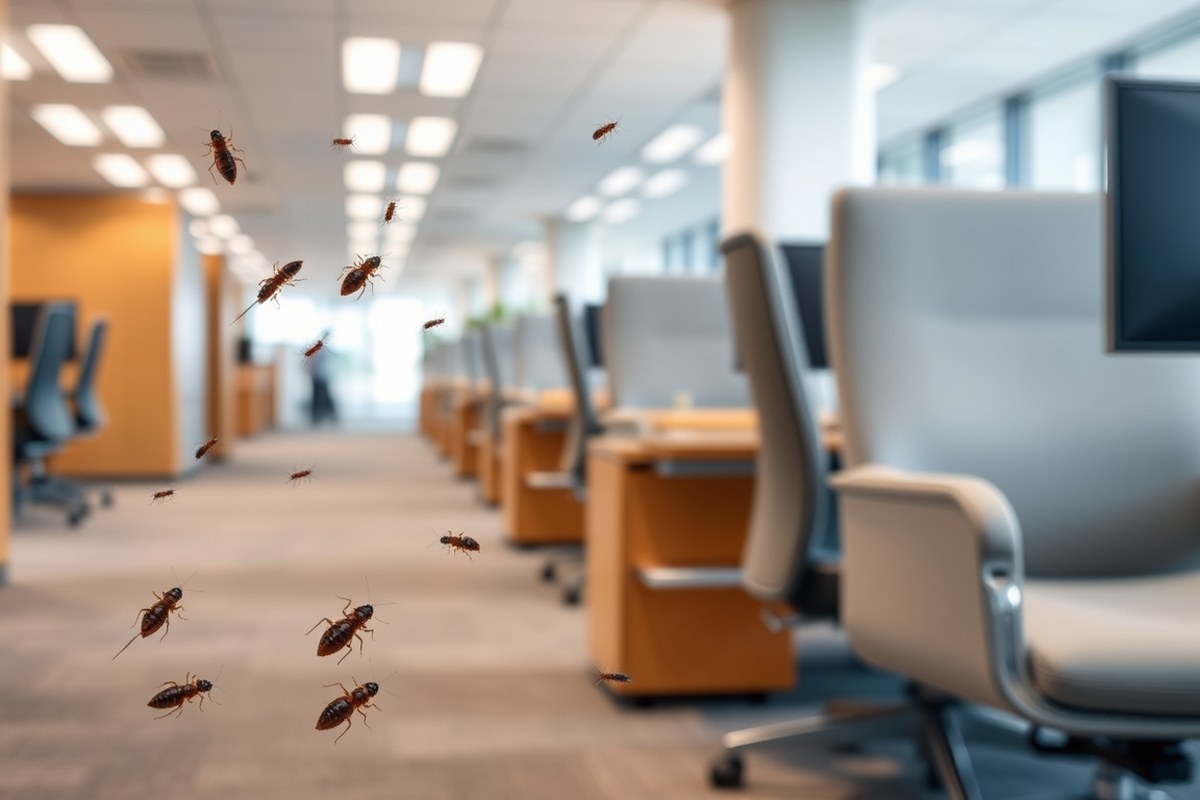
Office buildings commonly face infestations from a range of pests including insects, rodents, and other nuisance animals. These pests can damage property, spread disease, and disrupt daily business operations if not controlled promptly.
Insects Like Ants, Cockroaches, and Silverfish
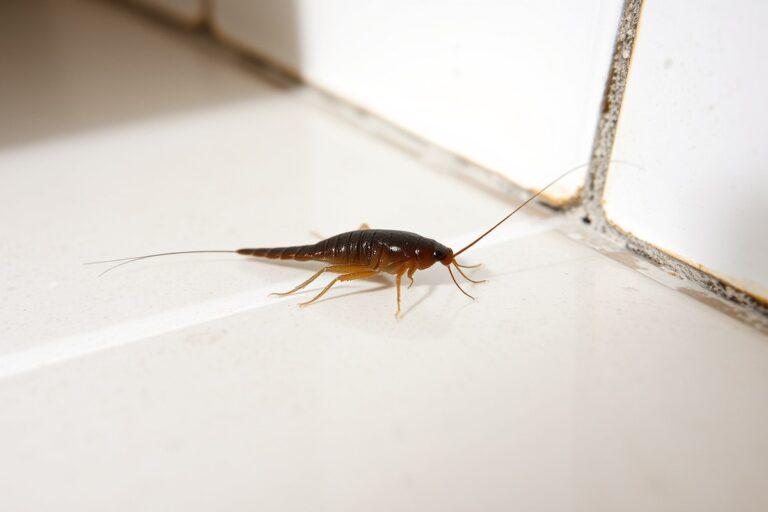
Ants, cockroaches, and silverfish are frequent insect invaders in office settings due to accessible food sources and shelter. Ants often enter through small cracks and follow scent trails to sweet or greasy residues on desks or in break rooms. Cockroaches prefer damp areas such as under sinks and around plumbing fixtures, where they find food scraps and moisture. Silverfish seek out dark, humid places, often hiding in paper storage areas or behind baseboards. These insects not only cause annoyance but can contaminate food and surfaces, triggering allergies or spreading bacteria. Signs to watch for include:
- Small ant trails visible near food storage or along windowsills
- Dark brown or reddish cockroach droppings in cabinets or under furniture
- Musty odor indicating cockroach presence in hidden spaces
- Yellow stains or scales left by silverfish on paper or fabric
- Visible live insects during early morning or late evening inspections
Early detection through routine cleaning and inspections reduces the chance of major infestations and limits health risks to staff and visitors. Regularly removing food waste and sealing entry points helps prevent these insects from becoming established.
Rodents Such as Mice and Rats
Mice and rats often enter office buildings through openings near utility lines, vents, and gaps in walls or doors. They seek warmth, shelter, and food stored in kitchens, break rooms, or storage closets. Rodents chew through wiring, insulation, and paper products, which can cause costly building damage and potential fire hazards. Rodent activity often goes unnoticed until it becomes severe; however, several signs suggest their presence:
- Gnaw marks on furniture, wiring, or stored items
- Droppings shaped like small pellets scattered along walls or in cupboards
- Scratching noises inside walls, especially at night
- Grease marks along baseboards where rodents travel frequently
- Nests made from shredded materials hidden in unlikely areas
Rodents carry diseases and can contaminate food and surfaces, posing health risks in high-traffic areas. Prompt intervention with traps or professional rodent control prevents reproduction and limits damage. Sealing openings at least 1/4 inch wide is an efficient exclusion method that protects long-term.
Other Nuisance Animals (Spiders, Birds)
Spiders are common in dim corners, window frames, and storage rooms, where they hide in webs. While spiders themselves pose little harm, their presence can cause discomfort among employees and clients. Some spiders can bite, which may require medical attention.
Birds sometimes roost around building ledges, vents, or rooftops, especially in urban areas. Their droppings can damage building materials and carry fungal spores that affect indoor air quality.
- Spider webs along ceilings, corners, and window frames
- Dead insects caught in webs indicating spider activity
- Accumulated bird droppings on ledges, roof, or outdoor seating areas
- Nesting materials found near vents or rooftop equipment
- Unusual noises from birds during early morning hours
Removing webs regularly and installing bird deterrents like spikes or nets reduces these animals’ ability to settle. Controlling insect pests inside reduces spider food sources, while managing bird access preserves exterior building conditions and health standards.
Maintain regular inspections focused on these key signs to catch infestations early and reduce the need for extensive treatments.
How Do Pest Control Methods Work in Office Environments?
Office pest control generally uses a combination of chemical treatments, physical controls, and integrated pest management (IPM) to address infestations effectively while minimizing disruption to daily operations. Choosing the right method depends on the type of pest, office layout, occupant sensitivity, and budget constraints.
Chemical Treatments and Fumigation
Chemical treatments involve applying pesticides designed to kill or repel pests such as ants, cockroaches, rodents, or flies. These products come in various forms, including sprays, baits, dusts, and aerosols. Certified pest control technicians select chemicals based on the pest species, office environment, and safety considerations. Application typically targets cracks, crevices, baseboards, and entry points where pests gather or travel. Treatment timing matters; often offices schedule applications outside normal business hours to reduce employee exposure and allow chemicals to dry or settle before people return.
Fumigation is less common in office buildings because it requires sealing off the space and vacating it for several hours to days. It’s reserved for severe infestations, such as termite colonies or widespread rodent presence. Fumigation involves releasing gas that penetrates walls and furniture, which kills pests inside hard-to-reach areas. However, fumigation is costly, risks damage to sensitive equipment if not done correctly, and needs detailed preparation including removing food and covering electronics.
Physical Controls and Traps
Mechanical methods include placing traps, barriers, and exclusion devices to reduce pest populations and prevent entry. For rodents, snap traps or glue boards positioned along walls or in break rooms catch individuals without chemicals. Sticky traps for insects monitor populations and isolate problem areas before they grow. Door sweeps, window screens, and sealing gaps around pipes and wiring physically block pest access.
These methods require ongoing inspection and maintenance since traps must be checked regularly and sealed openings repaired promptly. Physical controls work well in offices with pets or sensitive equipment where pesticides might pose risks. They also support early detection of infestations. However, relying solely on traps seldom eliminates infestations because pests breed and move quickly, so traps usually serve as part of a broader plan.
Integrated Pest Management Strategies
Integrated Pest Management combines chemical, physical, and preventive tactics based on monitoring and identifying pest species. Managers start by inspecting the building to pinpoint sources of infestation, such as poor sanitation, moisture leaks, or cluttered areas. Addressing these conditions reduces pest attractants. IPM includes regular monitoring with traps and visual checks to track pest activity and decide if chemical or mechanical actions are necessary.
IPM emphasizes using the least toxic solutions first, only escalating to pesticides when non-chemical methods fail to keep pests below harmful levels. It involves educating staff on practices like promptly disposing of food waste and maintaining clean common spaces. Implementing IPM may take time to show results, sometimes several weeks to months, because it focuses on long-term control and prevention rather than quick extermination.
This approach minimizes chemical use, lowering health and equipment risks, while controlling costs by targeting treatments precisely. For office buildings with varying pest pressures and occupant sensitivities, IPM provides the most balanced strategy, combining effectiveness with safety and sustainability.
How Much Does Pest Control for Office Buildings Usually Cost?
Pest control costs for office buildings typically depend on the size of the property, the severity of the infestation, and the treatment methods used. Most providers price their services based on square footage, number of offices, and pest type. You will encounter both one-time treatments and ongoing subscription plans aimed at maintaining pest-free conditions. Understanding the cost structure helps in budgeting and choosing between reactive and preventive pest control strategies.
One-time treatments usually range in price and serve immediate pest issues. These can cost anywhere from $150 to over $800 for standard office spaces under 5,000 square feet. Larger buildings or those with extensive pest problems cost more due to the labor, materials, and time required. These treatments focus on specific pest eradication but usually don’t include follow-up visits unless you pay extra.
Subscription or ongoing plans offer scheduled visits monthly, quarterly, or bi-monthly. These plans use inspections and preventive measures to stop infestations before they grow. Pricing for these services often falls between $50 and $150 per month depending on building size and frequency. This approach is typically more cost-effective over time by reducing emergency call-outs and extensive damage repair.
Several factors influence the cost of pest control services. The building’s age and condition affect how easily pests enter and hide. Accessibility issues in high-rise buildings or those with complex layouts increase labor costs. The type of pest is important: termites and rodents often require more expensive, specialized treatment than ants or flies. Seasonal factors also affect pricing; higher demand in warmer months might increase service costs.
| Service Type | Typical Price Range | Duration | Includes |
|---|---|---|---|
| One-Time Treatment | $150, $800 | 1 to 2 hours | Inspection, initial pest control, no follow-ups |
| Monthly Subscription | $50, $100 per month | 30 to 60 minutes per visit | Regular inspections, preventive treatment, general pests |
| Quarterly Subscription | $80, $150 per visit | 1 to 2 hours per visit | Complete inspection, targeted treatment, follow-ups |
| Specialized Treatments (e.g., termites) | $1,000, $3,500+ | Several visits over weeks | Specialized products, monitoring, possible structural repairs |
Choosing between a one-time treatment and a subscription plan depends on your building’s pest history and risk level. Offices with persistent or recurring pest problems benefit from ongoing services to prevent outbreaks. Low-risk buildings, newer constructions with fewer entry points, might manage with occasional one-time treatments. Make sure to confirm contract terms for subscription plans, including cancellation policies and what pests are covered.
You can expect a clearly itemized estimate from professional pest control firms before committing. The estimate should explain treatment frequency, chemicals used, and any guarantees for follow-up service. Comparing these details helps ensure you pay for the service level that matches the building’s pest control needs without overpaying or missing necessary protections.
How Often Should Office Buildings Be Treated for Pests?
Office buildings generally require pest control treatments every three months to maintain effective control over common infestations. This quarterly schedule works well for most mid-sized offices with moderate pest pressure because it interrupts pest breeding cycles and keeps populations low. Larger buildings or those with higher pest activity, such as locations near food service areas or urban centers, may need treatments every six to eight weeks to prevent infestations from increasing.
Seasonal changes significantly affect pest activity indoors, so treatment frequency should adjust accordingly. Warmer months, typically from late spring through early fall, encourage higher pest reproduction and movement, especially for insects like ants, cockroaches, and flies. During this period, increasing visits to every six weeks helps address rising pest pressure. In contrast, colder months reduce pest active times as many species become dormant, allowing treatments to stretch back to three or four months apart.
Implementing a timeline that reflects these seasonal shifts improves outcomes. Start the year with a thorough inspection and treatment in late winter or early spring to disrupt early infestations. From March through September, schedule pest control visits every six to seven weeks to stay ahead of the summer surge. After September, switch to quarterly treatments through November or December. This cycle balances the need to control pests increasing in warmer months and saves costs when pest activity naturally declines.
Small offices with limited entry points and less food storage may only need quarterly treatments year-round, as pest pressure tends to stay lower. However, buildings in warmer climates or near water sources could require monthly visits during the summer to avoid infestations. The specific treatment choice should depend on inspection findings and any recent pest sightings by occupants or maintenance staff.
Cost varies with frequency but expect quarterly pest control programs to cost several hundred dollars per visit, often including a pest inspection, bait placements, and targeted sprays or treatments. Increasing the number of visits will raise the annual budget proportionally, but fewer visits risk escalating infestations that become more expensive to eliminate. A good result means no visible pests, no increase in pest reports from building users, and no damage from infestations over several months.
Adjust treatment frequency based on recent pest activity reports and visual inspections, not just the calendar, to avoid unnecessary treatments or surprises.
What Preparation Steps Are Needed Before Pest Control Treatment?
Preparing your office building before pest control treatment involves several practical steps to ensure the process is safe, efficient, and effective. You must clear areas where technicians will work, protect sensitive materials, and communicate clearly with your staff. Providing detailed information about the building’s layout and any previous pest issues helps the treatment go smoothly.
Cleaning and Decluttering Work Areas
Thorough cleaning and decluttering remove food residues, dust, and hiding spots for pests, which improves treatment results. Clear desks, countertops, and floors in rooms scheduled for treatment so technicians can access wall corners, baseboards, and cabinet interiors. Vacuum floors and empty trash containers before they arrive.
Make sure to relocate any personal food items or office snacks to locked cabinets or break rooms away from treated zones. This reduces the risk of contamination and accidental exposure to chemicals. Communal kitchens or dining areas require special attention to prevent pest reinfestation in these shared spaces.
- Clear all desks and work surfaces of clutter and food items
- Vacuum and mop floors, especially in corners and under furniture
- Empty trash bins and dispose of garbage properly
- Store or remove pet plants or water dishes
- Move portable items away from walls and baseboards to allow access
- Notify cleaning staff to avoid reintroducing food debris before treatment
Skipping cleaning can reduce treatment effectiveness because pesticides need direct contact with pests or their hiding places. Spending a few hours on cleaning saves time and money in potential retreatments.
Securing Sensitive Equipment and Documents
Electronic devices, important paperwork, and sensitive files should be protected or moved away from treatment areas. Some pest control chemicals may leave residues or cause corrosion on equipment if direct contact occurs. Cover computers, phones, and other electronics with plastic sheeting or store them in sealed cabinets.
Confidential documents should be relocated or tightly sealed in folders or boxes. Inform your pest control provider about any areas containing sensitive information or fragile materials so they can adjust their application methods accordingly. Areas like server rooms or phone closets often require customized plans to avoid damage or downtime.
Failing to secure sensitive equipment risks accidental damage and interrupts business operations. Plan to allocate 1 to 2 hours before treatment for this step, depending on the size of your office.
Communicating Treatment Details to Staff
Informing your staff about the pest control schedule, safety precautions, and any access restrictions is important for smooth treatment. Provide them with the date and expected duration, along with instructions like removing food from treated areas and temporarily relocating personal items.
You should also explain what to expect after treatment, including any odors, slight discoloration, or areas that should remain undisturbed for several hours. Clear communication reduces misunderstandings and keeps staff safe from accidental chemical exposure. Share a simple notification, such as this example:
“Pest control treatment is scheduled for [date/time]. Please clear all food items from your desk and work area by [deadline]. Access to treated rooms will be restricted for [number of hours]. Please inform [contact person] by [deadline] about any sensitive equipment or documents so arrangements can be made.”
This approach helps avoid surprises and ensures compliance with safety protocols. Lack of communication might lead to improper preparation or disrupted workflows.
Are Pest Control Chemicals Safe for Office Workers and Equipment?
Pest control chemicals can pose risks to office workers and electronics if not applied correctly, so understanding how to minimize these risks is essential. Many standard treatments use pesticides that may emit vapors or leave residues harmful to sensitive equipment or cause respiratory irritation in employees. To protect health and electronics, it’s important to schedule treatments during off-hours or weekends when the office is empty, allowing time for the chemicals to settle or dissipate before staff return. Proper ventilation after treatment helps clear airborne particles. Sealing or covering computers, printers, and other electronic devices before treatment prevents exposure to spray or dust that could damage internal components. Following label instructions and safety data sheets supports safe application and avoids overuse, which can increase risks.
Eco-friendly or green pest control products often use botanical or microbial ingredients that degrade faster and have lower toxicity to humans and the environment. These options reduce chemical residues and lessen the chance of triggering allergies or chemical sensitivities among workers. In enclosed spaces like offices, choosing baits or traps instead of sprays limits airborne chemical release. Some green products use insect growth regulators or pheromones, which target pests without harmful effects on people or electronics. While eco-friendly treatments may take longer to achieve full control, their safety benefits make them suitable for occupied office spaces or buildings with sensitive equipment. You should ask your pest control provider about green certifications or Integrated Pest Management (IPM) programs, which combine monitoring, exclusion, and non-chemical tactics to reduce pesticide reliance.
To further minimize health risks during chemical pest control, employees should be informed ahead of time about the treatment schedule and safety measures. This allows them to plan for potential absence or extra ventilation upon return. Facility managers can request service providers to use the lowest effective pesticide concentration and apply it only where pests are present. Avoid spraying large open areas or air vents directly. When an office has a HVAC system, the pest control company must ensure chemicals do not circulate through it during or shortly after treatment. The cost difference between chemical and green products varies, with natural options generally costing 10 to 30 percent more due to specialized ingredients and slower action. However, reducing employee sick days and protecting equipment can offset higher upfront expenses.
Good results mean a noticeable reduction in pest sightings without reports of employee illness or equipment malfunctions after treatment. Workers complaining about odors, headaches, or respiratory issues, or computers showing errors, signal a need to review safety protocols. Regular communication with your pest control service about safe application methods and post-treatment monitoring helps balance pest control effectiveness with office health and equipment protection. Choosing experienced commercial pest control professionals familiar with office environments can improve outcomes and reduce risks. They know how to adapt treatments to your building’s layout, pest type, and occupancy schedule to keep both people and technology safe.
What Are Signs That Pest Control Is Working or When Retreatment Is Needed?
After a pest control treatment for your office building, assess the effectiveness by tracking pest activity over the following 7 to 14 days. Look for signs such as fewer pest sightings, reduced droppings, and absence of physical damage to office property. Walking through common problem areas like break rooms, storage closets, and entry points can help identify these changes. Noticing pests that remain or return shortly after treatment indicates the need for further action.
Start by contacting the pest control provider to report the issue. They should conduct a follow-up inspection at no extra cost during the warranty period, often around 30 days. The professional will check for reasons why pests persisted, this could be inadequate treatment coverage, missing pest harborages, or reinfestations from nearby areas. Based on findings, they may recommend a retreatment or an alternative pest control method.
When pests come back after a retreatment, escalate the response by requesting a detailed action plan. This might include more frequent visits, additional inspection points, or integrating preventive measures like sealing entry points and improving sanitation. Sometimes, cooperating with neighboring businesses is necessary to address widespread infestations. Keep clear records of treatment dates, areas treated, and pest observations to help professionals tailor their approach.
Use a decision flow similar to this: No pests detected after initial treatment? Continue routine monitoring for several weeks. Pests reappear within 14 days? Contact provider for retreatment and inspection. Persisting pests after second treatment? Request advanced treatment strategies and consider environmental modifications. When the problem remains unresolved after multiple attempts, it may signal a need for a pest control company with specialized office experience or more complete building maintenance changes.
Effective pest control reduces pest signs consistently after treatment; sporadic sightings might occur but should decline in number and frequency. Worsening or spreading infestations suggest the treatment likely failed or was incomplete. Retreatment costs often vary by treatment extent and company policies but expect a standard follow-up visit included initially. Significant additional work or specialized treatments can cost more but are necessary to protect business operations and worker comfort.
Document every pest sighting with date, location, and description; this data provides your pest control service a clearer picture and speeds up resolving recurring issues.
How Can Pest Control Minimize Business Disruption in Offices?
Pest control can be scheduled to minimize disruption by planning treatments during off-hours and using clear communication templates to keep staff informed. Effective scheduling and communication help reduce downtime and avoid surprises, keeping business operations running smoothly.
Scheduling Treatments Outside Business Hours
Scheduling pest control services outside normal office hours limits interruption to employees and business processes. Early mornings, evenings after work, or weekends are ideal times for treatments because these periods have low or no occupancy.
Discuss options with your pest control provider to find time slots that won’t conflict with meetings, client visits, or peak activity. Nighttime treatments may take longer due to extra precautions in empty spaces, potentially increasing cost. Still, this trade-off often outweighs lost daytime productivity.
Planning well in advance is essential. Providing at least one to two weeks’ notice to the pest control company and building occupants allows everyone to prepare. Last-minute scheduling can result in missed work or costly rescheduling fees. A typical evening treatment may take two to four hours, but your provider can give a more precise estimate based on the pest problem and treatment method.
Notifying Employees and Tenants
Clear communication before and after treatments builds trust and reduces confusion. Notifying staff explains what to expect and any necessary actions on their part, such as temporarily clearing work areas or avoiding certain rooms. Use written communication like emails, bulletin board notices, or internal newsletters. Here are templates you can adapt:
- Scheduling Announcement:
Subject: Scheduled Pest Control Treatment, [Date and Time]
Dear Team,
We have arranged a pest control service on [Date] starting at [Time]. The building will remain accessible, but certain areas may be temporarily restricted. Please secure personal items and avoid the [specific areas] during treatment hours. Contact Facilities at [Contact Info] with questions. - Day-of Reminder:
Subject: Reminder: Pest Control Treatment Today at [Time]
This is a reminder that pest control services will occur today starting at [Time]. Please follow any posted notices and avoid treated areas until cleared by the pest control technician. Let us know if you encounter issues. - Treatment Completion Notification:
Subject: Pest Control Treatment Complete
The pest control service scheduled for [Date] is complete. All treated areas have been approved for regular use. Please report any post-treatment concerns directly to Facilities.
These templates keep communication uniform and professional, reducing confusion while showing respect for employees’ needs.
Coordinating Access and Security
Effective coordination with building security and janitorial staff reduces delays and ensures smooth treatment. Make sure pest control technicians have proper access to all areas scheduled for service, including locked offices, storage rooms, and mechanical spaces.
Providing temporary access badges or master keys can prevent technicians from waiting or interrupting sensitive work. Confirm with security teams about any building lockdowns or after-hours security protocols to avoid access issues.
Sharing a detailed schedule with all involved parties, including reception, security, and cleaning staff, enables them to prepare and adjust their duties accordingly. This collaboration keeps downtime to a minimum and helps avoid conflicts that could increase treatment time or costs.
- Coordinate entry times with security to avoid delays
- Inform janitorial staff to avoid cleaning treated areas during or immediately after application
- Have a contact person available during treatment for questions or issues
- Secure sensitive equipment or documents prior to treatment if advised
When these steps are followed, treatment proceeds efficiently with minimal disruption to office operations.
What Preventative Measures and Best Practices Reduce Office Pest Risks?
Preventing pests in office buildings requires a mix of good housekeeping, proper building upkeep, and staff training. Pest control companies can support by advising on prevention measures and setting up monitoring programs to catch problems early. Maintaining cleanliness, sealing entry points, and encouraging employee vigilance together reduce the chances of infestations.
Regular Cleaning and Waste Management
Consistent cleaning removes food sources and hiding spots that attract pests. Focus on high-risk areas like kitchens, break rooms, and around trash bins. Wiping down surfaces daily and vacuuming floors prevents crumbs and debris buildup. Avoid leaving food out overnight or in unsecured containers.
Proper waste management is essential to limit pests attracted to garbage. Use covered trash bins that are emptied frequently, daily in busy offices or at least every other day in slower environments. Clean bins regularly to prevent odors that pests locate.
- Clear desks and communal areas of food and drink residues.
- Store snacks in sealed, pest-proof containers only.
- Schedule trash removal based on office size and occupancy.
- Clean spills promptly, especially sugary liquids.
- Empty and sanitize recycling bins as needed.
Neglecting these steps often leads to common office pests like ants, cockroaches, and rodents becoming problems. Investing staff time in cleaning routines and waste handling saves money on reactive pest treatments later.
Building Maintenance and Sealant Repairs
Fixing cracks, gaps, and holes in walls, windows, doors, and ceilings blocks pest entry points. Regular building inspections help identify vulnerable spots, especially around plumbing, electrical conduits, and loading docks. Sealing with caulk, weather stripping, or mesh barriers prevents pests from entering.
Routine maintenance also includes checking for leaks and standing moisture, which attract cockroaches and silverfish. Repairing plumbing leaks swiftly reduces water availability to pests. HVAC systems should be cleaned and filters changed regularly to avoid storing debris that pests feed on.
In older office buildings or those near vegetation, screen vents and overhangs should be examined every six months. Pest control professionals can assist by performing detailed inspections during scheduled visits and advising on necessary repairs.
Employee Awareness and Reporting Procedures
Training office staff to recognize early signs of pest activity supports prompt action. Educate employees on what pests look like, areas they commonly appear, and reporting protocols. Quick reporting allows for targeted treatments before infestations grow.
A simple reporting system might include a dedicated email or phone line for pest sightings. Encourage employees to document date, location, and type of pest seen. This data helps pest control providers track and address problem areas effectively.
Regular reminders via email or posters reinforce good hygiene habits and discourage behaviors that invite pests, such as storing food at desks or ignoring small leaks. Holding quarterly meetings to update staff on building maintenance and pest control status keeps everyone involved.
Quick-Start Action Plan for Hiring Pest Control in Office Buildings
Start by choosing the right specialist and prepare your office properly. Then schedule treatments and monitor results to keep pests under control with minimal disruption.
- Before You Start: Research and select a licensed pest control company that specializes in office buildings. Confirm they handle common office pests like rodents, cockroaches, ants, and flies. Choosing a specialist ensures they understand office environments and use methods safe for workers and equipment.
- Week 1: Schedule an initial inspection and treatment during off-hours or weekends to limit disruption. Ask the company for a cost estimate based on building size and pest type. Expect costs to vary widely, often between a few hundred to several thousand dollars, depending on infestation and treatment frequency.
- Before Treatment: Prepare the office by removing food sources, cleaning common areas, emptying trash, and securing sensitive equipment. This preparation increases treatment effectiveness and protects office assets. Confirm with the pest control provider any specific preparation steps to follow.
- During Treatment: Follow the pest control company’s safety guidelines, such as vacating treated areas for a few hours and ventilating afterward. Ensure the technician uses chemicals labeled safe for indoor office use. Proper precautions protect employees and maintain equipment integrity.
- Week 2 to Week 4: Monitor pest activity to evaluate treatment success. Look for fewer sightings, damaged pest trails, or absence of droppings. Report any ongoing issues to the provider promptly for possible retreatment, as pest elimination often requires multiple visits.
- Monthly to Quarterly: Establish a routine maintenance schedule based on your office’s pest risk level and local climate. Quarterly treatments are common in many offices to prevent new infestations. Regular check-ins help detect problems early, reducing overall costs and interruptions.
- Ongoing: Implement preventative measures such as sealing entry points, improving waste management, and educating staff on keeping areas clean. These steps reduce pest attraction and support the pest control treatments, making your office environment less conducive to infestations.
Frequently Asked Questions
Who Offers Pest Control for Office Buildings?
Pest control companies specializing in commercial properties offer pest control for office buildings. These companies have the proper licenses and equipment to handle office-specific pests without disrupting business operations.
Can I Hire a General Pest Control Company for My Office?
Yes, many general pest control companies serve office spaces, but commercial specialists better understand office layouts and pest risks specific to those environments.
Are There Pest Control Providers Experienced with Large Office Complexes?
Providers with experience in large office complexes manage extensive pest challenges with scalable solutions, including ongoing monitoring and tailored treatments.
Do Insurance Companies Recommend Specific Pest Control Providers for Offices?
Some insurance companies recommend certified pest control companies as part of their property risk management programs, which can influence liability and claims.
Are There Eco-Friendly Pest Control Services for Offices?
Yes, many pest control companies offer integrated pest management techniques that minimize chemicals, focusing on traps and prevention to protect office environments.
Can I Contract a Pest Control Company for Emergency Office Treatments?
Many pest control providers offer emergency services with quick response times, especially for infestations posing health risks or severe office disruptions.
Before You Go
Commercial pest control for office buildings is best handled by companies that understand the unique demands of office environments and can customize treatment schedules and protocols accordingly. Start by contacting a local licensed pest control provider who specializes in commercial properties to request an inspection and tailored plan; this usually takes less than an hour and helps identify the specific pests and risk areas. Prioritize companies with solid references and clear communication about chemical safety and disruption management, since your staff and equipment need protection alongside effective pest removal. Scheduling a professional evaluation now allows you to catch potential infestations early and reduce the chance of costly disruptions later on.