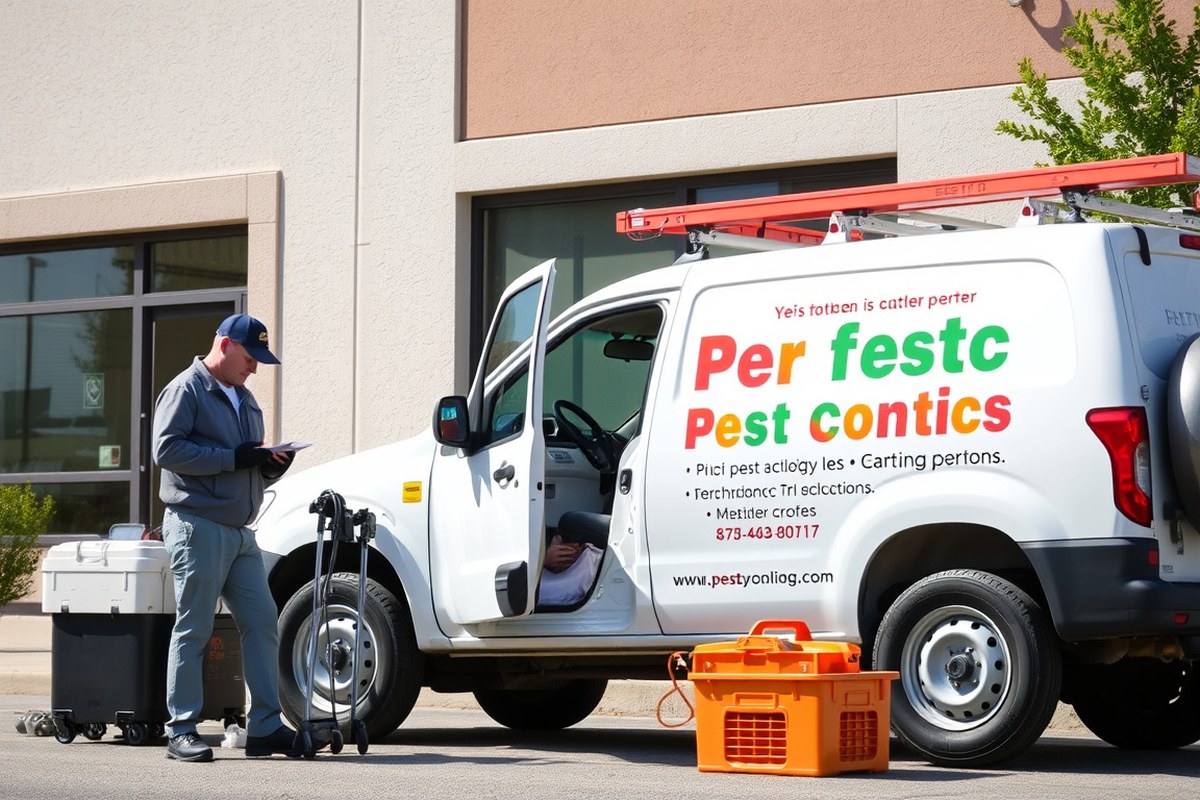
How to Value a Pest Control Business: A Complete Guide with Proven Methods
How to value a pest control business depends largely on assessing its cash flow, recurring revenue, tangible assets, and staff expertise. A clear understanding of these factors helps determine the business’s market worth and informs negotiation strategies. You need to analyze customer contracts, seasonality, and location impact while adjusting for market trends to get an accurate valuation.
This information targets pest control business owners, buyers, brokers, and valuators who want specific, practical guidance. You’ll find detailed explanations of valuation methods, common mistakes to avoid, and important considerations like goodwill, licenses, regulatory compliance, and deal structures.
Key Takeaways
- Evaluate a pest control business primarily by assessing cash flow and earnings to understand its operational profitability and growth potential.
- Review customer contracts and recurring revenue to gauge business stability and the likelihood of sustained future income.
- Include tangible assets like equipment and vehicles, plus staff expertise, as they directly influence service quality and valuation.
- Adjust valuation based on location, seasonality, and current market trends to reflect realistic earning capacity throughout the year.
- Avoid undervaluing goodwill, licenses, compliance status, and technology investments, as they add significant intangible business value.
- Increase business value pre-sale by improving contract retention, updating licenses, optimizing operational efficiency, and documenting staff qualifications.
How to Value a Pest Control Business: Key Methods Explained

Valuing a pest control business relies mainly on three methods: asset-based, income-based (EBITDA), and market-based valuation. Each measures different aspects of business worth and serves different sale or investment situations. Understanding these methods helps you determine which fits your pest control business best and what results to expect.
Asset-Based Valuation Overview
Asset-based valuation totals the value of tangible and intangible assets minus liabilities. Tangible assets include vehicles, equipment, and inventory, while intangible ones incorporate licenses and client lists. This method matters most when the business has substantial physical assets but less steady cash flow.
You calculate this by listing all assets at fair market value, subtracting debts, and arriving at net asset value. This process requires current appraisals of equipment and accurate debt schedules, which might need a professional’s help costing $1,000 to $3,000. It suits situations where cash flow or earnings are unstable or declining, typical for distressed pest control businesses or startups.
Good results show a clear, verifiable asset report, but poor results occur if assets are overvalued or liabilities overlooked. Asset-based valuation often undervalues pest control firms because it ignores future earnings and contracts that drive business value.
Income-Based (EBITDA) Valuation Explained
The income-based method focuses on the business’s earnings before interest, taxes, depreciation, and amortization (EBITDA). It reflects your pest control company’s ability to generate profit over time, which is critical for buyers focused on ongoing returns.
To apply this method, start by normalizing your EBITDA to remove one-time costs or unusual revenue. Use historical financial statements covering at least 2-3 years to establish trends. The valuation is the normalized EBITDA multiplied by an industry-specific multiplier, typically ranging from 3 to 5 for pest control businesses, depending on size, growth, and risk factors.
The advantage here is the focus on cash flow, which captures business sustainability. However, it requires reliable financial records and can be affected by short-term fluctuation or seasonality common in pest control services. This approach works well if the business shows steady earnings and well-managed costs.
Market-Based Valuation and Industry Multiples
Market-based valuation compares your pest control business to recent sales of similar companies, adjusting for differences. This method captures market trends and buyer sentiment, making it useful to benchmark your price range.
Industry multipliers for pest control typically revolve around earnings multiples like EBITDA, sales revenue multiples between 0.5x to 1.5x annual revenue, or seller discretionary earnings multiples. These fluctuate based on location, customer contracts, and market supply and demand. You find comparable sales through brokers, industry reports, or valuation databases specializing in pest control businesses. Gathering accurate comparables might cost a few hundred to over a thousand dollars in reports or broker fees.
Its strength is real-world pricing reflection, but its drawback lies in rare exact matches; differences in customer base, seasonality, or service mix may skew values. Use market multiples when you want to position your company competitively or understand how buyers might value it.
| Valuation Method | Key Metric | Pros | Cons | Typical Pest Control Multiplier | Best Use Case |
|---|---|---|---|---|---|
| Asset-Based | Net asset value (assets minus liabilities) | Easy to calculate; based on physical assets | Ignores cash flow and contracts; may undervalue business | Not multiplier-based; depends on asset appraisal | Businesses with significant equipment or declining earnings |
| Income-Based (EBITDA) | Normalized EBITDA x multiplier | Reflects earning power and profitability | Requires clean financials; sensitive to earnings volatility | 3 to 5 times EBITDA | Stable, profitable pest control companies |
| Market-Based | Comparable sales multiples (revenue or earnings) | Shows what buyers pay; reflects market conditions | Hard to find exact comps; can be inconsistent | 0.5x to 1.5x annual revenue or 3 to 5 EBITDA | Positioning business price; market comparison |
Choosing a valuation method depends on your company’s financial health, growth prospects, and assets. Asset-based fits when equipment or licenses have substantial value, income-based targets steady earnings, and market-based suits comparing real sales data. Combining methods can give a more balanced view by cross-checking results, but aligning with a professional broker or appraiser experienced in pest control businesses will improve accuracy and credibility in your sale or acquisition.
How Cash Flow and Earnings Impact Pest Control Business Value

Cash flow and normalized earnings have a direct impact on how buyers value a pest control business. Buyers focus on cash flow because it reflects the actual money the business generates, which affects their ability to cover expenses, invest in growth, and earn returns. Properly normalizing earnings removes irregularities to show a clearer picture of sustainable profits, making valuation more accurate and reliable.
Understanding Normalized Earnings
Normalized earnings adjust reported profits to exclude one-time expenses, non-owner related costs, or unusual revenues. This process provides buyers a realistic view of what the business can consistently earn each year. You achieve normalization by reviewing your financial statements, identifying items that do not reflect ongoing operations, such as owner’s personal expenses, litigation costs, or a major equipment sale, and adjusting these out of the earnings.
Normalizing earnings often requires examining several years of income statements to detect patterns and irregularities. It’s common to average earnings over three years to smooth out seasonal swings or atypical results, which can be especially relevant in pest control given the seasonal nature of pest activity. Doing this preparation takes effort and may involve a CPA or business valuator to make sure adjustments are reasonable and well documented.
Key Financial Documents for Valuation
You need several key financial documents before determining the business value. Most important are at least three years of tax returns and profit and loss statements. These documents provide a baseline for earnings history and help verify income reported to the IRS. Buyers and valuators also request cash flow statements that outline actual funds moving through the business to verify profitability beyond just net income.
Additional helpful documents include accounts receivable aging reports to check the quality of collections, balance sheets to review assets and liabilities, and detailed expense records that separate owner’s perks or non-recurring costs. Preparing these documents in a clear, organized way reduces delays and builds trust in the accuracy of your numbers.
Adjusting for One-Time and Seasonal Items
Removing one-time revenues or expenses is important so the earnings reflect ongoing operations, not sporadic events. For example, a large tax refund or a major equipment purchase unusually affecting profits should be excluded when calculating normalized earnings. Seasonal variations are common in pest control with peaks in spring and summer, so you may need to adjust cash flow to reflect a full year’s typical cycle rather than a single quarter’s results.
Buyers focus on cash flow because it shows how much money stays in the business to fund operations and expansion. Overlooking seasonal factors or one-time events can cause overvaluation or undervaluation, leading to disagreements or deal failures. Normalizing earnings properly can take days or weeks depending on record quality, but it significantly improves buyer confidence.
Always scrutinize owner-related expenses and remove them from earnings since buyers often plan to replace the owner and will incur different costs.
How Customer Contracts and Recurring Revenue Affect Business Value
Customer retention, contract length, and recurring revenue models significantly influence the valuation of a pest control business. Longer-term contracts with high renewal rates demonstrate stable cash flow, which buyers value more highly. Recurring revenue models increase predictability of income, allowing for more confident valuation and potentially higher sale prices.
Types of Recurring Revenue in Pest Control
Recurring revenue in pest control usually comes from ongoing service contracts such as monthly or quarterly pest inspections and treatments. These agreements often include preventative maintenance, which clients pay for on a regular schedule. Such predictable payments create a steady income stream that reduces reliance on one-time jobs or seasonal work.
Some businesses also have recurring revenue through specialized services like termite monitoring plans or rodent control subscriptions, which tend to have longer contract terms. The type of recurring contract matters because clients paying on a subscription basis typically have higher retention rates and yield a valuation premium compared to pay-as-you-go models.
Evaluating Contract Quality and Customer Retention
Evaluating contract quality involves reviewing contract length and renewal history. Contracts longer than 12 to 24 months with automatic renewal clauses and minimal cancellation penalties score higher in valuation because they secure future revenue. Renewal rates above 80% show strong customer loyalty, which reduces risk for potential buyers.
To value these contracts properly, multiply the average monthly revenue per customer by the expected remaining contract term, adjusting for the likelihood of renewal. For example, if a business has 100 customers paying $45 monthly under 2-year contracts and a 90% renewal rate, the value of this recurring revenue can be estimated as 100 × $45 × 24 months × 0.9, which equals $97,200 in projected contract value. Such calculations highlight the impact strong retention and longer contracts have on sales price.
Contract Transferability and Its Impact
Service contracts in pest control generally transfer to the new owner at sale, but the exact terms vary by contract and local regulations. Buyers will want contracts with clear assignment clauses that permit transfer without renegotiation. If contracts require customer consent before assignment, this creates uncertainty and can reduce value since some clients may cancel after ownership changes.
Buyers also assess how enforceable contracts are, especially regarding price changes during the term and cancellation conditions. Contracts restricting sudden price increases protect recurring income, positively affecting valuation. Conversely, frequent contract modifications without customer notification may discourage buyers, raising concerns about future client losses.
Role of Tangible Assets and Staff Expertise in Valuation
Vehicles, equipment, and staff expertise significantly influence a pest control business’s value by representing tangible operational capabilities and service quality. Trucks and equipment affect daily efficiency and replacement costs, while experienced staff and strong management demonstrate reliability and growth potential. Proper documentation and clear presentation of these assets help establish a precise valuation and justify pricing.
Valuing Vehicles and Equipment
Vehicles and equipment form the backbone of a pest control business’s operational capacity and should be valued based on current market worth and their role in generating revenue. Trucks customized for pest services, application tools, and safety gear must be accounted for at realistic resale or replacement values. Their condition, age, and maintenance history influence this value, as worn or outdated equipment lowers the business worth. Buyers often discount valuations when vehicles or machines need immediate repairs or replacement.
Depreciation schedules tailored to similar businesses can guide an accurate assessment. For example, a well-maintained service truck with under 100,000 miles might retain 60% to 70% of its purchase price depending on brand and condition. Equipment like sprayers and inspection tools depreciate faster, often requiring 3 to 5 years of use before needing replacement. Understanding these timelines helps you set expectations during valuation.
Including accessories specific to pest control, such as chemical tanks and containment units, further increases asset value. However, obsolete or noncompliant equipment, for instance, tools that don’t meet current environmental or safety standards, can reduce appeal and add hidden costs for the buyer to meet regulations.
Documenting Asset Condition
Detailed records of each vehicle and piece of equipment make valuations more transparent and credible. A checklist should include purchase date, maintenance logs, mileage or usage hours, current condition with photos, and any warranties or service contracts. This documentation shows buyers the assets are well-kept and reduces uncertainty about replacement costs.
Regular maintenance and timely repairs contribute positively, so providing receipts or digital service history networks strengthens your case. A standardized checklist example looks like this: asset description, serial number, purchase cost, maintenance dates, current market value estimate, and condition rating (excellent, good, fair, poor). This approach applies whether the business owns 3 or 20 vehicles.
Neglecting this step can lead to undervaluation or tough negotiations. Buyers without accurate details must either assume worst-case conditions or discount heavily to cover unexpected repair liabilities.
The Value of Skilled Staff and Management
Staff expertise, especially among technicians and management, greatly influences business value since it affects service quality and scalability. Buyers often pay a premium for businesses with trained, licensed employees who can execute treatments safely and comply with federal and state regulations. Likewise, a management team capable of delegation and operational efficiency signals business stability and growth potential.
Highlighting staff qualifications involves compiling licenses, certifications (such as pesticide applicator licenses), years of experience, and training records. You should also document turnover rates and any ongoing professional development programs. Including this data in your valuation materials shows the team’s strength beyond just payroll figures.
Demonstrating depth in management, through job descriptions, delegations, and documented processes, reduces the perceived risk that the business heavily depends on one person. For example, showing that the operations supervisor handles scheduling and route planning supports continuity after the sale. Avoid vague or undocumented management roles, as buyers may discount value anticipating disruption or needing to hire replacements.
Adjusting Valuation for Location, Seasonality, and Market Trends
Adjusting valuation for a pest control business requires careful analysis of location, seasonal demand, and growth trends because these factors directly affect revenue, customer retention, and future profitability. Each element modifies the risk profile and earning potential, influencing the final valuation multiple or discounted cash flow projection. Understanding how to quantify and incorporate these adjustments improves accuracy and decision making.
Impact of Geographic Location
Geographic location shapes valuation through its influence on pest prevalence, regulatory environment, and local economic conditions. Areas with humid climates, such as the Southeast or Gulf Coast regions, face year-round pest pressure, boosting steady demand and supporting higher valuations. Conversely, businesses in colder northern states may see shorter pest seasons, limiting revenue streams and lowering valuation multiples. Location also matters for licensing requirements and compliance costs, which vary state to state and can affect operating expenses and business attractiveness.
To adjust valuation for location, compare your business’s revenue and profit margins to regional averages collected from industry reports or local competitors. For example, if businesses in your state typically trade at 3.5x earnings before interest, taxes, depreciation, and amortization (EBITDA) but your location shows higher or lower risk, adjust your multiplier by 0.25 to 0.5 accordingly. Buyers will discount businesses in areas with weak demand or stringent regulations. If the business serves multiple regions, weight average multiples by revenue percentage per area.
Seasonality in Pest Control Business
Seasonal fluctuations can distort annual revenue and cash flow averages, requiring normalization for valuation. Pest control demand commonly peaks in warmer months and declines in winter, varying by pest type and geography. Higher seasonal swings raise working capital needs and can lower customer retention, increasing buyer risk. Adjust valuation by calculating a normalized annual revenue based on monthly or quarterly results over multiple years, smoothing out peaks and troughs to reveal baseline earning capacity.
A practical method is to use a weighted average of off-season and peak-season earnings, applying a factor to reduce multiples on highly seasonal businesses. For example, if peak months generate 70% of annual revenue, multiply the normalized EBITDA by 0.85 to reflect the volatility and cash flow uncertainty. Another step is confirming customer retention rates through seasons since recurring contracts reduce seasonal risks and support higher valuations. Always validate seasonality adjustments with at least three years of data to avoid overestimating off-peak earnings.
Seasonality adjustments require detailed financial records spanning several years; relying on a single year’s data can mislead valuation significantly.
Incorporating Growth and Market Trends
Growth potential and market trends influence forecasts of future cash flows, impacting valuation. Growing markets can demand higher multiples or justify premiums based on optimistic revenue scaling assumptions. Tracking local construction activity, housing market trends, and new regulations favoring pest control growth helps quantify these prospects. Conversely, saturated or declining markets warrant conservative projections and lower valuation multiples to reflect risk of stalling revenue.
In practice, integrate growth by projecting revenue increases of 3% to 7% annually if the local market shows steady expansion and the business adds customers or services. Apply a higher EBITDA multiple by 0.25 to 0.5 for demonstrable growth potential backed by contracts or market data. For example, a business earning $200,000 EBITDA with a 5% growth forecast and a 3.5x base multiple might apply a 3.75x multiple, valuing the business at $750,000 instead of $700,000. Always substantiate assumptions with market research and adjust growth rates downward if evidence is limited or uncertain.
Common Mistakes and How to Increase Pest Control Business Value Before Sale
Many pest control business sellers miss key steps that lower their business’s sale price. Preparing early and addressing operational, financial, and contractual details can significantly raise your valuation.
Common Valuation Pitfalls
Sellers often overvalue physical assets like equipment while neglecting recurring revenue and customer retention metrics, which weigh more in valuation. Another frequent mistake is incomplete documentation of customer contracts and service agreements. These documents prove stable income streams to buyers and increase trust. Sellers also overlook compliance with licensing and regulatory requirements. Missing licenses or unresolved violations can scare buyers away or demand discounts.
Another pitfall is ignoring the business’s operational consistency. For example, fluctuating service volumes or inconsistent staffing levels raise concerns about stability. Sellers sometimes fail to present accurate financial records or leave cash flow statements incomplete. This creates delays during due diligence and can lead to reduced offers.
Operational Improvements to Boost Value
Standardizing your operational procedures before sale improves value by showing a reliable, replicable business model. Train staff on consistent service delivery and update your employee manuals. This reduces risk in buyers’ eyes. Document your routine maintenance schedules, equipment logs, and compliance checks to demonstrate control over operations.
Invest in technology that tracks field service calls, routes, and inventory in real time. Software like ServiceTitan or PestRoutes offers reporting that proves operational efficiency and customer responsiveness. These tools also support higher customer satisfaction and retention, which increase business worth. Prepare a checklist focused on operational readiness:
- Verify all licenses are current and free of violations
- Train staff on standard operating procedures
- Implement scheduling and routing software
- Maintain equipment service records and logs
- Ensure stable employee retention and clear job descriptions
These steps typically require 1 to 3 months depending on your starting point and access to technology. Budget $2,000 to $5,000 for software and training materials. A well-documented operation reassures buyers and speeds up due diligence.
Financial and Contractual Preparations
Clear, organized financial statements are essential. Reconcile bank accounts and accounts receivable before listing your business. Prepare at least three years of profit and loss statements plus recent cash flow reports. Buyers expect accurate records to validate your claimed earnings. Avoid mixing personal and business expenses.
Customer contracts with automatic renewals or fixed terms prove recurring revenue value. Review all contracts and remove or renegotiate unfavorable terms. Highlight contracts with large commercial clients or those with multi-year commitments. Also, prepare a list of any vendor agreements with scalable terms. Here are key financial and contractual tasks to prioritize before sale:
- Organize and audit financial records for 3+ years
- Separate personal and business expenses clearly
- Review and standardize customer contracts
- Highlight contracts with automatic renewals
- Document key vendor agreements and terms
Taking these steps can take several weeks and might require an accountant’s help. Costs depend on your current record quality and accountant fees, generally from $1,000 to $3,000. Good financial and contractual preparation prevents valuation discounts and builds buyer confidence.
Due Diligence and Deal Structures in Pest Control Business Sales
Buyers must thoroughly verify financial records, customer contracts, licenses, compliance, and staff expertise during due diligence to accurately assess a pest control business. Typical deal structures often include asset sales with upfront payments combined with earnouts based on performance metrics to balance risk. Legal or customer issues require adjustments in valuation and clear contractual protections to avoid surprises after sale closure.
Key Due Diligence Areas
Start by reviewing at least three years of financial statements, tax returns, and detailed profit and loss reports to confirm reported earnings and cash flow. Examine recurring revenue streams, especially customer contracts and retention rates, because stable recurring income adds value. Verify pest control licenses and insurance compliance with state regulations, as noncompliance can lead to fines or operational disruptions.
Inspect tangible assets like service vehicles, equipment, and chemical inventories to confirm ownership and condition. Assess employee credentials, certifications, and retention history because skilled technicians support customer satisfaction and growth. Probe for pending legal disputes, complaints with regulatory agencies, or environmental liabilities, which may not appear in financials but affect risk.
Use a due diligence checklist tailored to pest control businesses covering financial health, licenses, contracts, assets, liabilities, compliance history, customer satisfaction scores, employee qualifications, and pending legal matters. This structured approach reduces overlooked risks. Expect the process to take 30 to 60 days depending on business size and complexity, with costs ranging from $5,000 to $15,000 for professional accountants, lawyers, and industry consultants.
Common Deal Structures and Terms
Most pest control business sales are structured as asset purchases so buyers acquire specific assets and liabilities but avoid unknown debts. Upfront payments commonly range from 30% to 70% of the agreed price. Sellers often accept the remainder tied to an earnout contingent on hitting revenue or EBITDA targets over 12 to 24 months, aligning incentives and reducing buyer risk.
Typical payment terms include a deposit holding buyer commitment, followed by a larger down payment at closing, and scheduled earnout or installment payments. Some deals use seller financing where the seller acts as lender with promissory notes bearing interest rates between 5% and 10%. Agreeing on performance metrics and clear calculation methods for earnouts is essential to prevent disputes.
Buyers should use a deal terms template listing price, payment schedule, contingencies (like satisfactory due diligence and license transfers), indemnifications for legal issues, and noncompete clauses. For example, a script to address buyer objections on upfront payment might be: “We understand your concern about the initial amount. We can adjust the earnout portion to lower the upfront while ensuring seller commitment through performance-based payments.” This keeps negotiation flexible and focused on risk-sharing.
Handling Legal and Customer Issues
Unresolved legal issues or significant customer complaints require valuation adjustments through escrow accounts or price holdbacks. Escrows typically hold 10% to 20% of the purchase price for 6 to 12 months, allowing time to resolve potential claims. This protects the buyer from unknown liabilities discovered post-sale.
Disclose all known legal or customer issues upfront to maintain trust and avoid renegotiations or litigation. Buyers often request representations and warranties specifically addressing these problems with corresponding indemnity clauses. If issues are severe, consider adjusting the purchase price downward or structuring an earnout tied to customer retention performance to mitigate risk.
A useful script to reassure sellers during negotiation is: “We value your business and want to ensure a smooth transition. Placing part of the purchase price in escrow allows us to address any unforeseen legal or customer challenges objectively without delaying the deal.” This approach balances concern for risk with respect for the seller’s position.
Understanding Goodwill, Licenses, Compliance, and Technology Value
Non-financial factors like goodwill, licenses, regulatory compliance, and the use of technology play a key role in valuing a pest control business. These elements affect the business’s reputation, risk profile, and operational efficiency, which investors and buyers carefully assess alongside financial metrics.
Goodwill and Brand Reputation Explained
Goodwill reflects the intangible value of a pest control business beyond its physical assets and liabilities. It includes customer loyalty, brand reputation, and the trust built over time. You calculate goodwill by subtracting tangible assets and liabilities from the total sale price or market value. For example, if a business sells for $500,000, and its net tangible assets are $300,000, the goodwill is $200,000. This figure captures factors such as repeat customers, positive word of mouth, and established relationships with suppliers.
Goodwill matters because it often makes up a significant portion of the sale price for pest control businesses with steady recurring revenue. A strong local reputation and customer trust reduce the risk for buyers and justify a higher valuation. When calculating goodwill, ensure you have up-to-date financial statements and a clear inventory of physical assets. Goodwill can be fragile if customer contracts are not transferable or if the brand has unaddressed complaints.
Licenses and Regulatory Compliance
Licenses and regulatory compliance directly influence a pest control business’s value because they determine the firm’s ability to operate legally and avoid costly fines. State and federal rules often require specific pest control licenses, depending on the types of pests treated and chemicals used. Confirm all licenses are current and transferable to new owners. Non-compliance can trigger penalties, loss of license, or expensive remediation, all of which lower business value.
Environmental regulations have become stricter, especially around chemical use and safety standards. Demonstrating compliance with these rules may require documentation like proof of training, safety protocols, and proper waste disposal methods. Buyers want evidence that the business has conducted a regulatory applicability assessment and maintains a compliance roadmap. Missing this documentation or failing to follow regulations can delay or derail a sale.
Regularly update and audit all licenses and compliance records; missing documentation is a common deal-breaker in pest control business sales.
Technology and Software as Value Drivers
Technology integration can improve operational efficiency, customer communication, and data management in pest control businesses, increasing their appeal to buyers. Common software applications include scheduling programs, CRM systems, invoicing, and routing optimization tools. For example, using software like LiveChat.com or HelpDesk.com can improve customer response times and service reliability.
To add value, highlight any proprietary systems or subscriptions that streamline operations and reduce manual tasks. Provide documentation such as software licenses, implementation schedules, and training materials to the buyer. The cost to maintain or upgrade these tools should be clear, as outdated or incompatible software can reduce value. Buyers value systems that support transparency, data security, and model documentation, especially if AI or automation components adhere to standards like ISO 42001.
Without solid technology infrastructure, a pest control business may struggle to scale or handle regulatory reporting, so consider investing in or updating digital tools before a sale. Technology that improves compliance tracking or customer retention can justify a premium.
Step-by-Step Action Plan for Valuing a Pest Control Business
Follow these steps to assess a pest control business value accurately. Each phase helps you gather key data, avoid common errors, and prepare to negotiate or secure financing.
- Before you start: Gather the last 3 years of financial statements including profit and loss, cash flow, and earnings reports. Reliable data on cash flow is essential because most pest control business valuations heavily rely on normalized earnings or discretionary cash flow to reflect true profitability.
- Day 1: Review customer contracts and recurring revenue details. Identify the percentage of customers under long-term contracts and monthly recurring service revenue. Stable, contract-backed income improves valuation multiples; aim to quantify recurring revenue as a proportion of total sales.
- Week 1: List all tangible assets such as vehicles, equipment, and inventory, and assess their condition and market value. Simultaneously, document staff expertise and certifications. Tangible assets contribute to the base valuation, but skilled, licensed technicians add to goodwill and operational value.
- Week 2: Adjust your preliminary valuation figures for location factors, seasonality, and local market trends. Analyze recent pest control business sales in your region to compare multiples. A seasonal business or one in a declining market will have lower value; factor these into your final price estimate.
- Week 3: Conduct due diligence on compliance, licenses, and technology systems in use. Ensure all state pest control licenses are current and regulatory compliance is documented. Updated technology for scheduling, CRM, and reporting can add value by increasing efficiency and customer retention.
- After 3 weeks: Calculate goodwill by comparing total valuation against fair market value of assets and normalized cash flow. Goodwill should reflect recurring customer relationships, brand reputation, and trained staff. Avoid overestimating goodwill if customer turnover is high or contracts are short-term.
- Week 4: Prepare a deal structure proposal incorporating earnouts, seller financing, or holdbacks based on risk factors identified in due diligence. Tailored deal structures can bridge valuation gaps between buyer and seller and manage risks related to seasonality or customer retention.
- Ongoing: Monitor common valuation pitfalls such as overstating earnings by including owner’s personal expenses or ignoring local regulatory changes. Revisiting cash flow normalization regularly ensures your valuation remains realistic and defensible during negotiations or financing applications.
Frequently Asked Questions
What Financial Metrics Matter Most Beyond Cash Flow When Valuing a Pest Control Business?
Besides cash flow, consider EBITDA margins and customer acquisition costs as they reveal profitability and growth efficiency. These metrics help identify hidden risks or strengths that cash flow alone might not show.
How Do Pest Control Industry Regulations Affect Business Valuation?
Strict compliance with local licensing and environmental rules can increase valuation by reducing legal risks. Buyers value businesses with clean records and up-to-date permits since noncompliance poses costly liabilities.
Can the Brand Reputation of a Pest Control Business Influence Its Value?
A positive local reputation improve goodwill, often adding a premium to the sale price. Reputation attracts repeat customers and builds trust, which supports sustained revenues and higher valuations.
What Impact Does Employee Turnover Have on Pest Control Business Valuation?
High turnover can lower value by signaling operational instability and the risk of losing skilled technicians. Stable, trained staff improves service consistency and customer retention, favoring a higher price.
Should Seasonal Variations Be Adjusted for in Revenue Projections?
Yes, adjusting for seasonality gives a more accurate view of sustainable income for valuation. It helps normalize earnings through peak and off-peak periods, preventing overvaluation based on short-term spikes.
What Role Do Technology Investments Play in Pest Control Business Valuation?
Investments in route optimization, customer management, and digital reporting tools add value by improving efficiency and client satisfaction. Technology reduces costs and strengthens competitive positioning, which buyers consider favorably.
Before You Go
Carefully assessing cash flow, customer contracts, and tangible assets gives you a realistic pest control business value grounded in daily operations. Start by gathering your last 12 months of detailed financial records, including recurring revenue streams, to calculate normalized earnings and spot trends. This hands-on step reveals areas where you can improve business value before any sale, such as securing longer contract terms or updating equipment. Taking this action creates a solid foundation for negotiation and helps avoid common valuation mistakes that lower your sale price.