What Siding Material Is Most Pest-Resistant? A Complete Guide for Smart Homeowners
The most pest-resistant siding materials are metal, fiber cement, stone, brick, and certain solid woods, according to FEMA’s Class 4 and 5 ratings. These materials resist moisture, insects, rodents, and birds better than plywood or engineered wood versions, making them smart choices if you want long-term defense against common pests. How you install siding also plays a key role, poor flashing and trapped moisture can lead to infestations regardless of the material.
This article is for homeowners, builders, and contractors seeking durable siding solutions that minimize pest damage. You’ll find clear comparisons of popular siding types, how climate and regional pest threats affect choices, tips on preventing woodpecker and rodent issues, and the impact of pest resistance on siding costs, warranties, and lifespan.
Key Takeaways
- Fiber cement and metal sidings provide superior pest resistance and durability, often lasting 50+ years with minimal maintenance.
- Wood siding is vulnerable to woodpecker damage and termite infestations, requiring regular maintenance and protective coatings every 2-5 years.
- Improper installation or moisture management significantly increases pest risks by allowing wood swelling, warping, and insect access behind siding.
- Regional climates and common local pests should guide siding choice, as materials perform differently in humid, arid, or termite-prone areas.
- Pest-resistant siding materials like Hardie® fiber cement deliver warranties up to 30 years with non-prorated coverage, reflecting lasting protection.
- Natural wood siding offers aesthetic appeal but demands higher upkeep and pest prevention versus engineered options with better resistance.
Which Siding Material Offers the Best Pest Resistance and Why?
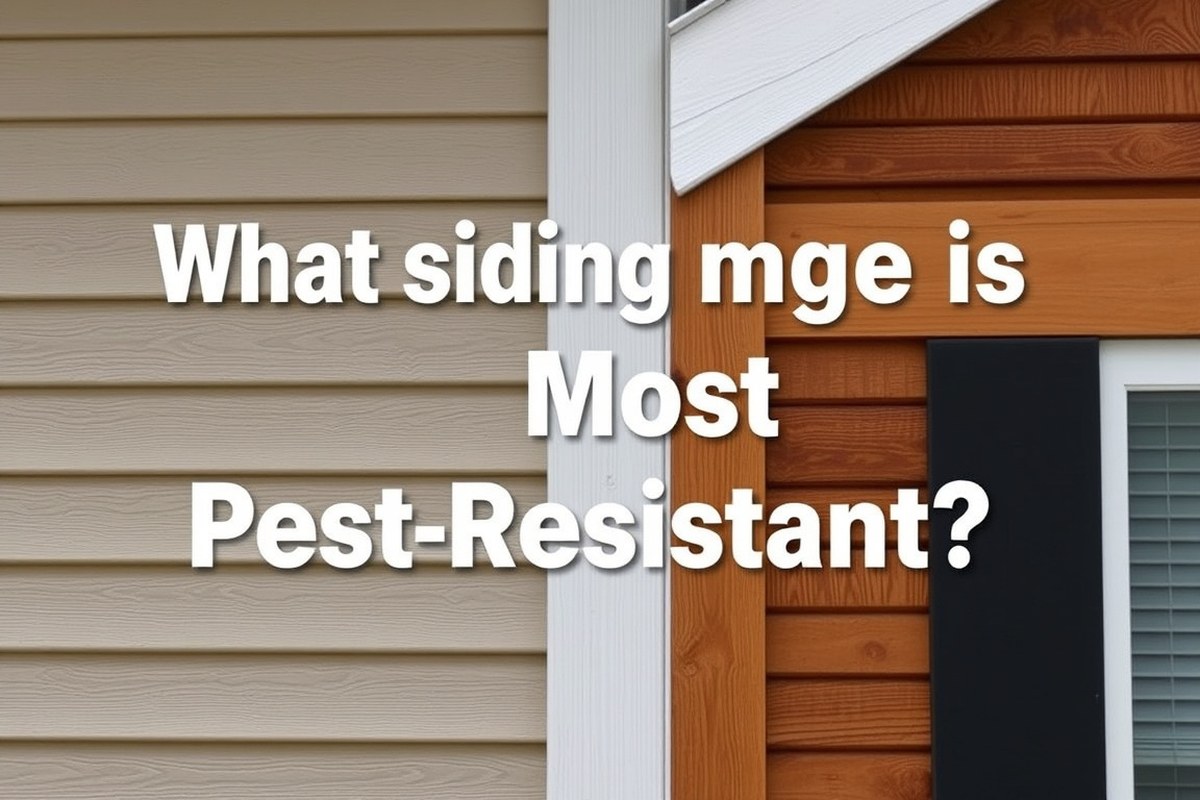
The most pest-resistant siding materials include fiber cement, masonry (brick and stone), and metal siding. These materials resist pests because they lack organic content that insects and rodents feed on or burrow into. Fiber cement siding stands out as a highly recommended option because it combines durability with pest resistance while offering a wood-like appearance. It is made primarily from cement and sand with a small amount of cellulose, so it’s not suitable food for termites, carpenter ants, or other wood-boring insects.
Fiber cement siding offers practical resistance that goes beyond pest avoidance. Its non-organic composition prevents decay and fungal growth, conditions that usually attract pests such as termites and carpenter ants. If water accumulates behind or against the siding due to poor installation, it can soften wood-based siding and create moist habitats that encourage infestations. In contrast, fiber cement’s hardness reduces the likelihood of sustaining damage that can create entry points for rodents and birds.
Masonry and metal sidings are even more pest-resistant as they don’t offer food or nesting material to pests and cannot be chewed or burrowed into easily. Brick and stone siding last for decades without worrying about pest-related damage but are typically more expensive and require skilled installation. Metal siding also resists insects and rodents but can be dented by larger animals or require maintenance to avoid rust in humid regions. Fiber cement sits between these options, providing strong pest resistance with easier installation and a lower initial cost compared to masonry.
Termites and carpenter ants target materials containing cellulose, so non-wood sidings like fiber cement, metal, and masonry are generally safe from damage by these pests. The few percent of cellulose in fiber cement siding is bound in a cementitious matrix that is difficult for pests to access or digest. Wood siding, especially if it is damaged, moisture-laden, or untreated, remains vulnerable to insect damage and subsequent structural problems. Bird damage is less about the material and more about exposed or soft wood surfaces that attract woodpeckers and nesting birds, so non-wood options reduce this risk as well.
A key to maximizing pest resistance with any siding starts with proper installation and moisture control. Even the most resistant materials can develop pest problems if gaps, improper flashing, or unsealed vents allow rodents and birds access. Ensuring a tight, well-sealed siding with adequate drainage is especially important for fiber cement to maintain its durability over 30 to 50 years. Protective screens on vents and regular inspection for cracks or holes also help keep larger pests out.
Pest Resistance Comparison of Popular Siding Materials
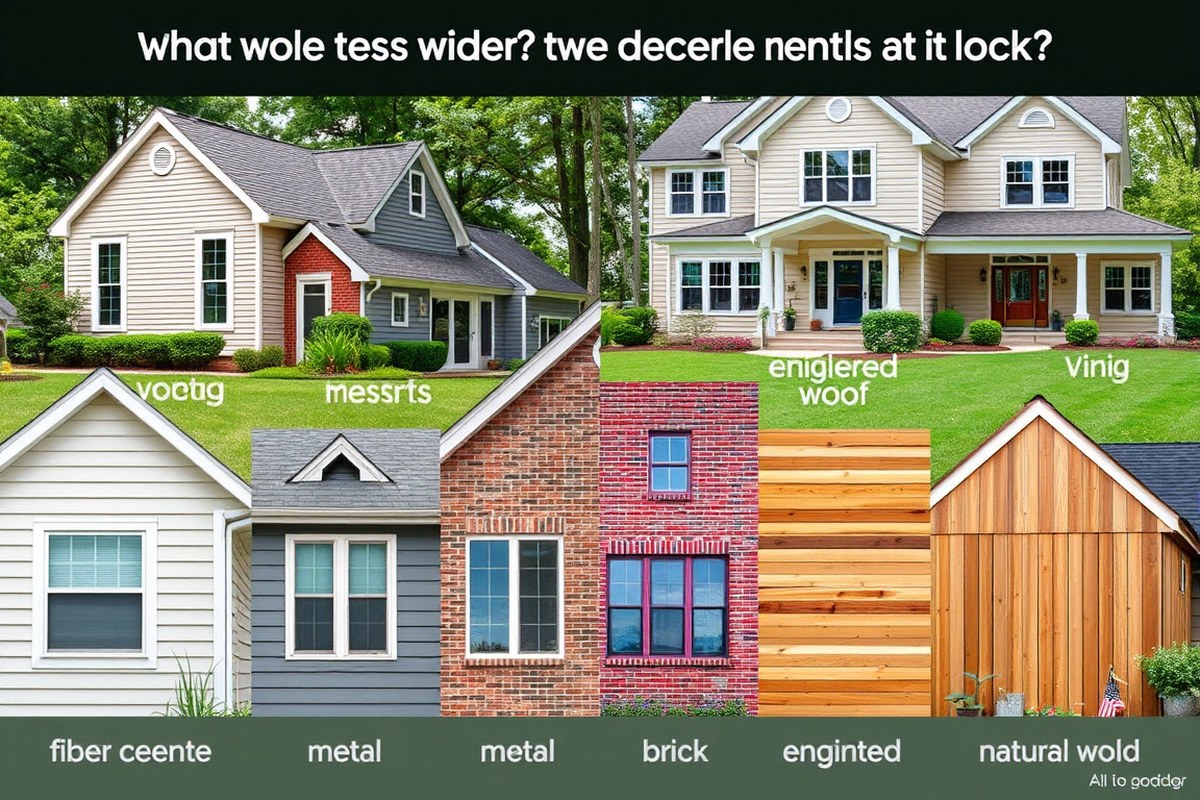
Siding materials differ significantly in how well they resist pests, moisture, maintenance demands, lifespan, and cost. Fiber cement and metal siding generally offer the best pest resistance because they do not provide food or nesting sites for insects or rodents. Vinyl also resists pests well since it is synthetic and moisture-resistant. Natural wood siding, on the other hand, is more vulnerable because it can absorb moisture and attract termites or carpenter ants unless it is regularly maintained and sealed. Engineered wood improves on natural wood’s durability and pest resistance but still requires upkeep. Brick has the longest lifespan and very low maintenance, but its installation cost is higher.
| Siding Material | Average Lifespan | Maintenance | Installed Cost (per sq. Ft.) | Pest Resistance | Notes |
|---|---|---|---|---|---|
| Fiber Cement | 30, 50 years | Moderate (repaint 15, 20 years) | $6, $13 | High | Does not rot or support insects, fairly moisture-resistant |
| Vinyl | 20, 40 years | Very low (hose rinse) | $3, $8 | High | Moisture resistant, no food source for pests, but can crack |
| Metal | 40, 70 years | Low | $8, $16 | High | Not edible by pests, withstands moisture and weather well |
| Brick | 100+ years | Very low | $12, $25+ | High | Longest lifespan, almost no pest problems, expensive upfront |
| Natural Wood | 20, 40 years | High (repaint or restain every 5, 7 years) | $7, $14 | Low to Medium | Prone to moisture absorption and insect attack if not maintained |
| Engineered Wood | 25, 35 years | Moderate (repaint 10, 15 years) | $6, $11 | Medium | Improves durability over natural wood but still needs upkeep |
Moisture retention greatly increases pest risk because wet wood attracts termites, carpenter ants, and sometimes mold that weakens siding. Materials like fiber cement, metal, and vinyl resist moisture well, limiting opportunities for infestation. Natural and engineered wood sidings need proper sealing and prompt repairs to avoid trapping moisture. Persistent dampness reduces the siding’s lifespan and invites both pests and rot.
Inspect siding annually for cracks, holes, and moisture buildup; sealing gaps and maintaining paint or stain can reduce pest attacks and extend siding life.
Pest resistance is a factor in cost and lifespan. More pest-resistant materials often cost more upfront but require less ongoing maintenance and avoid damage repairs. For example, brick and fiber cement have higher installation costs but last decades longer with minimal pest-related issues. Vinyl offers a budget entry point with reasonable pest resistance but may need more frequent replacement. Wood siding appears cheaper initially but demands frequent maintenance and pest protection, which adds to total expenses and can reduce overall lifespan if neglected.
How Moisture Management and Installation Affect Pest Resistance
Managing moisture and installation details like flashing and sealing plays a central role in keeping pests out of your siding system. Proper moisture barriers prevent water buildup that attracts insects and rodents, while careful sealing and flashing block common pest entry points. Applying consistent installation best practices across siding types ensures pests can’t exploit gaps or trapped moisture.
Role of Moisture Barriers in Pest Prevention
Moisture retention inside or behind siding materials creates an inviting environment for many pests, including termites, carpenter ants, and wood-boring beetles. Water trapped against wood or engineered wood promotes decay, softening the material and making it easier for insects to infest. Even pest-resistant materials lose effectiveness if moisture infiltrates and creates hidden damage.
Installing a continuous moisture barrier or drainage plane behind siding helps shed water and maintain a dry wall cavity. Common products include house wraps or specialized drainage mats that channel water downward and away from the structure. These layers reduce pest risks by denying moisture-dependent insects a foothold and maintaining siding integrity. Your installation checklist for moisture barriers should include:
- Apply a full wrap of water-resistant barrier material over exterior sheathing before siding
- Overlap seams by at least 6 inches and tape all joints correctly
- Extend barrier material down to the foundation with a proper shingle overlap for drainage
- Install a rainscreen or furring strips to create an air gap for ventilation behind siding where possible
- Check that window and door openings are covered with barrier membranes integrated with flashing
Consistent, damage-free barrier installation is important. Tears, holes, or improperly taped seams allow water to penetrate and undermine pest resistance.
Sealing and Flashing Best Practices
Sealing joints and installing flashing at siding transitions prevents pests from finding entry through small gaps. These details are even more important when walls have penetrations like vents, pipes, or electrical lines or meet the roofline and foundation where insects can crawl in.
Flashing, usually metal or flexible membrane, directs water away from vulnerable junctions. It must be continuous, correctly lapped, and extend well past siding edges. Sealing uses elastomeric caulk or back-primed siding cuts and trim elements to close off tiny openings rodents and insects can use. Installers should focus on these key areas:
- Flash under windows and doors with step or continuous flashing, lapping layers to channel water out
- Seal siding panel edges and joints with appropriate back-priming and caulk, especially on wood and composites
- Screen soffit, foundation vents, and weep holes with 1/8-inch or smaller mesh to exclude rodents and insects while maintaining airflow
- Maintain minimum 6-inch clearance from soil or mulch to siding bottom to cut off pest access
Proper flashing and sealing not only prevent water intrusion but also cut off direct pest pathways. Poor or missing flashing creates crevices ideal for insects and rodents seeking shelter near warm structures.
Common Installation Mistakes Increasing Pest Risks
Skipping or improperly installing moisture barriers is a common problem that leads to trapping water hazards and inviting pest infestation. Other frequent mistakes include inadequate flashing at roof-to-wall transitions, window heads, and foundation interfaces, where gaps create entry points for rodents and insects.
Allowing siding to sit too close to grade or vegetation makes it easier for pests to climb and nest. Lack of screening on vents and weep holes lets birds and mice enter typically hidden wall cavities. Also, failing to back-prime cuts on wood and engineered wood leaves exposed cellulose vulnerable to decay and insects. Typical errors to watch for during installation:
- Moisture barrier gaps or tears left unsealed
- Flashing installed without proper overlap or penetration sealing
- Direct contact of siding with soil, mulch, or dense vegetation
- Unscreened or oversized-vent openings
- Unprimed or poorly caulked siding trim and cut edges
Catching and correcting these mistakes during installation or replacement keeps pest risks low and siding durability high.
Ventilation and Drainage Considerations
Proper ventilation and drainage are critical to prevent moisture buildup behind siding, which attracts pests and accelerates material degradation. Rainscreen siding systems with an air gap behind help air circulation and speedy drying after rain.
Good site drainage slopes water away from foundations, reducing moisture seepage behind lower siding edges. Gutters and downspouts should direct roof runoff at least 5 feet away from the home’s base.
Ensure vents, weep holes, and behind-siding spaces are designed to promote airflow while being screened against pests. Regularly inspect these features and clear debris that can block airflow or trap water, undermining pest resistance efforts.
Rodent, Bird, and Woodpecker Damage Risks by Siding Type
Rodents and birds cause damage primarily by gnawing through siding or exploiting gaps to nest, and some materials resist this damage better than others. Vinyl siding, although termite-resistant, remains vulnerable to woodpeckers that can easily penetrate its surface, causing significant holes that require costly repairs. Birds may also find entry points in improperly sealed vinyl joints, which invites nesting and increases maintenance needs.
Metal siding, made from steel or aluminum, stands up much better against gnawing and pecking. Its hard surface prevents rodents from chewing through, and woodpeckers usually avoid metal due to its toughness. Proper installation is critical with metal: tight joints and securely fastened panels help avoid gaps rodents or birds might exploit. Loose trim or exposed fasteners provide opportunities for pests, so close attention to these details during installation reduces risks substantially.
Fiber cement siding offers strong resistance to woodpecker damage and rodent gnawing thanks to its dense composition of cement, sand, and cellulose fibers. This mixture creates a surface much harder than wood or vinyl, which resists both penetration and nesting attempts. Homes with fiber cement siding typically show fewer pest-related damages even after decades, with low maintenance requirements. It excels in areas where woodpecker activity is common, as these birds tend to avoid the hard, unyielding surface.
Vinyl siding does not attract insects for nesting, but its hollow panels can sometimes become shelter for small animals if damaged or loosely installed. Gaps created by poor installation or weather can become entry points, enabling rodents to enter and cause internal damage to walls. Installing vinyl with close-fitting locks and regular inspection prevents this but requires ongoing vigilance. In contrast, fiber cement and metal don’t have hollow spaces for pests to exploit.
Engineered wood siding may resist some insect attack but is more susceptible to rodents and woodpeckers as it contains natural wood fibers. Woodpecker damage can appear after just a few years, and rodents can gnaw into edges or joints to create nests. Swapping to fiber cement or metal siding reduces this risk significantly, though fiber cement usually demands professional installation to ensure performance and maintain warranties.
Spending more upfront on metal or fiber cement siding usually reduces pest-related repairs and maintenance costs over time. For example, a typical 1,500-square-foot home might pay $13,500 to $22,500 for fiber cement siding compared to $9,000 to $13,500 for vinyl, but the longer lifespan and pest resistance often recoup this investment. Ensuring tight joins and regularly checking for loosened panels or fasteners helps maintain the pest-resistant barrier these materials provide. Ignoring gaps or damaged siding invites rodents and birds, turning a durable siding choice into a maintenance burden.
How Regional Pest Threats and Climate Influence Siding Choices
Choosing siding materials that match your region’s pest risks and climate improves durability and reduces costly repairs. Local termite levels, humidity or dryness, and wildlife pressures guide which siding resists pests best and which to avoid.
High Termite Risk Regions
Areas with moderate to very high termite activity need siding that termites don’t eat or penetrate. Fiber cement siding like James Hardie is a strong choice because it resists termites, fire, and rot. Avoid traditional wood siding in these zones unless extensively treated and paired with physical barriers such as termite shields installed along the foundation. Termite-resistant sidings help homeowners avoid thousands in repair costs over the siding’s lifetime.
In California and the Southeast US where subterranean termites thrive, inspect local building codes for approved materials. Non-combustible fiber cement siding often meets fire and pest control rules, especially in wildfire-prone California counties. Metal siding also works in these areas due to its resistance to burrowing pests and fire, but it must be installed properly to prevent gaps rodents or insects could exploit.
Use corrosion-resistant fasteners and install termite shields at the foundation to block termite entry alongside non-cellulose siding in high-termiticide areas.
Humid vs Dry Climate Siding Impacts
Humidity fosters moisture-related pest problems, including termites and wood rot fungi, so siding materials that repel moisture and resist insect damage perform best. Fiber cement and metal sidings handle humid environments well because they do not absorb water. In southern US states with high humidity, these materials reduce maintenance and pest damage risks.
Dry climates reduce fungal decay risks but increase concerns about cracking or warping wood due to temperature swings. Stucco and fiber cement siding suit dry climates as they provide stable, breathable surfaces. Stucco’s ability to insulate works well in drier regions but requires maintenance to prevent cracks where insects can enter. Some fiber cement products, designed for specific climate zones like James Hardie’s Hardie™ Zone system, factor long-term climate effects into their durability profiles.
Local Rodent and Bird Challenges
Rodents and birds can damage many siding types by chewing or nesting, with impacts dependent on the local wildlife species. In rural or suburban areas with high rodent activity, metal siding offers better protection than cellulose-based products because rodents are less likely to gnaw through metal. Avoid wood siding near large bird populations such as woodpeckers, which can create holes seeking insects or nesting spots.
Install physical barriers like metal mesh around roof edges, vents, and openings to prevent bird nesting or rodent entry. Secure siding panels with recommended fasteners to avoid gaps rodents could exploit. Loose siding panels and wide utility penetrations attract pests, so proper installation and maintenance reduce these risks effectively.
Adapting Siding Choices Regionally
Match your siding to your home’s specific regional threats by combining material selection and installation practices. For example, Northern California homes in temperate, drier zones benefit most from fiber cement siding engineered for climate extremes, balancing termite resistance with fire and earthquake durability. East Bay residents facing moderate termites and wet winters should prioritize moisture-resistant fiber cement paired with good flashing and termite shields.
In coastal or hurricane-prone zones, use siding rated for high wind loads alongside pest-resistant materials to prevent damage from debris and seal entry points. Cost will vary by siding type and installation complexity; fiber cement can have higher upfront costs but reduces pest damage and maintenance expenses long term. Metal siding suits commercial and some residential areas with rodent problems but requires skillful installation to avoid corrosion and expand with temperature changes.
How Pest Resistance Influences Siding Cost, Lifespan, and Warranties
Pest resistance directly influences the overall cost and lifespan of siding by reducing damage and maintenance needs over time. Materials like fiber cement, which naturally repel insects and resist moisture, usually come with higher initial prices, about $9 to $15 per square foot installed, compared to vinyl siding that typically costs between $6 and $9 per square foot. Despite fiber cement’s higher upfront investment, its durability often spans 30 to 50 years, surpassing vinyl siding’s typical 20-30 years. This longer lifespan lowers the cost per year of service and cuts down on frequent repairs or replacements caused by pest infestation, which can improve maintenance expenses dramatically with less resistant materials.
Siding warranties vary depending on pest resistance and material quality. For example, fiber cement siding often includes a 15-year no-maintenance ColorPlus finish warranty that guarantees protection against pest damage and fading, which reduces the need for repainting or repairs. Vinyl siding manufacturers may provide warranties covering 20 to 40 years but often exclude pest-related damages or require homeowners to meet strict maintenance conditions. Metal siding, known for high pest resistance, generally offers warranties lasting 30 years or more. Thoroughly reviewing warranty terms helps you understand the scope of coverage for pest damage and maintenance responsibilities.
The presence of pests can significantly affect your home’s resale value, particularly if damage is visible or if siding materials show signs of deterioration from insect or rodent activity. Homes with fiber cement or metal siding tend to retain higher resale values because these materials are recognized for long-term protection against pests and weather. For instance, fiber cement siding can increase resale value by 121 to 145 percent return on investment. On the other hand, homes with natural wood siding might encounter value reductions unless meticulously maintained, due to its vulnerability to insect infestation and weathering, which can require costly upkeep or premature replacement.
Balancing initial costs with long-term durability is important. While vinyl siding may save money upfront, its susceptibility to pests and shorter lifespan often increase maintenance and replacement costs, driving up total expenditures over time. Fiber cement’s higher upfront cost is offset by its resistance to pests, fire, and moisture, minimizing repairs and improving longevity. When selecting siding, you should calculate not only installation cost but also expected lifespan, likely maintenance, and impact on resale pricing. For example, a fiber cement siding project costing $12 per square foot installed might seem expensive at first, but when distributed over a 40-year lifespan with minimal upkeep, the annual cost approximates $0.30 per square foot, making it competitive with cheaper but less durable siding types.
Ultimately, choosing pest-resistant siding requires weighing upfront expenses against potential savings in maintenance and better resale value. Checking detailed warranty coverage will show you how much risk you mitigate by investing in higher-quality, pest-resistant materials, allowing you to make an informed decision based on both budget and long-term property protection.
Comparing Natural Wood and Engineered Wood Siding Pest Vulnerabilities
Natural wood siding is more vulnerable to pests like termites and carpenter ants compared to engineered wood siding. Engineered wood has additives and treatments that improve resistance to these insects and moisture-related issues. Despite the risks, wood siding remains popular for its authentic appearance, provided you commit to proper maintenance and timely treatments.
Termite and Insect Risks for Natural Wood
Termites cause significant structural damage nationwide, and natural wood siding is particularly susceptible because it provides both food and shelter for these insects. Carpenter ants target wood that already shows signs of moisture damage or decay, so any damp or rotting wood siding increases your risk. Wood absorbs moisture, which causes it to swell and decay, creating an ideal environment for these pests to thrive. This vulnerability means untreated or poorly maintained wood siding will likely attract infestations over time.
The severity of termite and carpenter ant damage depends on climate and local pest pressure. Homes in humid regions or with poor drainage typically see faster wood degradation. This damage often starts in hidden areas behind the siding, making early detection difficult and increasing repair costs. Regular visual inspections and addressing moisture problems early can reduce these risks but require ongoing homeowner effort.
Engineered Wood’s Composition and Resistance
Engineered wood siding combines wood fibers with resins and additives designed to resist moisture absorption and insect attack better than natural wood. Products like LP SmartSide use a combination of wood strands coated with wax and special binders, resulting in a material that looks like real wood but resists rot and termite damage more effectively. These materials still require priming on all six sides before installation to maximize moisture resistance.
While engineered wood does a better job handling humidity and reducing swelling, it is not immune to pests if the siding becomes damaged or if moisture penetrates gaps. Installation quality greatly affects performance; poor sealing or failing to maintain the protective finish can allow moisture intrusion, which invites infestation. Compared to natural wood, engineered wood siding tends to have lower ongoing maintenance costs and lasts longer under similar conditions.
Maintenance Practices Reducing Pest Damage
Proper maintenance significantly reduces pest risks for both natural and engineered wood siding. For wood, this includes priming all sides before installation, adding a rain screen air gap, and applying high-quality exterior paint or stain at least every 5 to 7 years. Promptly repairing damage such as cracks, peeling paint, or swollen boards prevents moisture entry.
Engineered wood also benefits from similar care, including priming and sealing all edges, monitoring for surface damage, and maintaining the finish. Treating the siding with insecticide or termite repellent products can add an extra layer of protection, particularly in high-risk areas. Proper drainage and gutter maintenance help keep siding dry, directly limiting carpenter ant and fungal threats.
Scenarios Favoring Wood Siding Selection
Wood siding appeals to homeowners prioritizing natural aesthetics and traditional charm over low maintenance. Living in an area with lower termite activity or having a well-designed exterior drainage system allows wood to perform well with consistent upkeep. It may also suit renovation projects where matching existing wood siding is important.
Choosing wood siding makes sense when you are willing to invest time and money into regular inspections, preventative treatments, and prompt repairs. This commitment can extend wood siding’s lifespan considerably despite its pest vulnerabilities. Otherwise, engineered wood offers a better balance of appearance and durability with less ongoing effort, especially in wetter climates or regions with known wood-destroying insect populations.
Common Siding Installation Mistakes That Increase Pest Risks and How to Avoid Them
Common installation mistakes create easy entry points for pests and trap moisture, which invites infestation and damages siding over time. Avoiding gaps, ensuring thorough flashing, and properly installing moisture barriers form the foundation of pest-resistant siding.
Unsealed Gaps and Cracks
Gaps or cracks between siding panels and around windows, doors, and vents let insects, rodents, and birds into your walls. These entry points allow pests direct access to wood framing and insulation, where they nest, chew, or cause damage. Even small openings as thin as 1/8 inch can be exploited by rodents or insects.
The proper way to avoid this is to use high-quality caulk and backer rod in these gaps during installation. Seal seams tightly without relying solely on the siding fit because materials expand and contract with temperature changes. Inspect and reseal caulk annually as part of routine maintenance.
Using insect screens behind vents and weep holes prevents entry while maintaining airflow. Install siding with tight tolerances and avoid cutting corners to squeeze pieces into place that leave unintended gaps.
Improper Flashing and Trim Installation
Flashing directs water away from vulnerable junctions such as corners, window and door openings, and transitions between siding materials. Missing or incorrectly installed flashing lets water seep into the wall structure, raising moisture and inviting mold, rot, and pests that thrive in damp conditions.
Install metal or vinyl flashing under siding edges and trim pieces, lapping over moisture barriers according to manufacturer guidelines. All corners and window jambs require properly integrated flashing that overlaps the barrier and channels water downward.
Trims should be nailed with corrosion-resistant fasteners and sealed with paint or caulk to close gaps where pests could enter. Don’t leave gaps behind trim or siding that create cavities for bees or mice to build nests.
Always verify flashing is installed before siding to check for complete coverage and proper overlaps.
Ignoring Moisture Barriers
Moisture barriers block soil moisture and wind-driven rain from penetrating behind siding. Skipping or improperly installing these barriers undermines pest resistance because damp framing attracts termites, carpenter ants, and fungal decay. Poorly sealed housewrap also lets pests enter wall cavities.
Wrap your house with a breathable, vapor-permeable housewrap designed to shed water while letting trapped moisture escape. Overlap seams by at least 6 inches and tape all joints with approved seam tape. Extend barrier a few inches beyond the foundation to prevent insects from crawling up.
Some siding types require a rainscreen gap between the barrier and the siding for drainage. Create this air gap using furring strips or an engineered rainscreen system to keep wood sheathing dry and reduce moisture-related pest risks.
Poor Ventilation and Drainage Issues
Insufficient airflow behind siding or blocked drainage paths allow water to collect and stay trapped. This creates a damp environment ideal for pests and wood decay. Without proper ventilation, moisture from rain or condensation cannot dry, increasing infestation chances.
Ensure the installation includes adequate vents at top and bottom of the wall cavity to promote consistent airflow. The drainage plane must direct water downward and away from the building foundation efficiently.
Proper grading around the home prevents water pooling near siding bases, which attracts termites and rodents. Ground contact with wood or siding should be avoided by at least 6 inches to reduce direct contact with soil pests.
- Train laborers on siding-specific pest-resistant techniques before installation
- Use corrosion-resistant fasteners to avoid metal degradation that can lead to gaps
- Schedule annual inspections focusing on caulk, flashing, and moisture barrier integrity
- Maintain paint or protective coatings to prevent penetration and substrate swelling
- Choose siding with proper back-priming and moisture tolerance to reduce maintenance
- Install insect screens over vents and drainage openings
- Adhere to manufacturer guidelines for overlap, fastening, and sealing details
Step-by-Step Action Plan for Choosing Pest-Resistant Siding
Start by identifying the best siding material suited to your regional pest threats and climate, then focus on proper installation and maintenance to ensure lasting pest resistance.
- Before you choose siding: Research local pest issues such as termites, rodents, and woodpeckers in your area. Knowing which pests are most common helps you select materials with proven resistance against those specific threats.
- Within the first week: Compare siding types focusing on pest resistance, fiber cement, vinyl, metal, and brick typically resist pests better than natural wood. Pick siding that matches your budget and local building codes, noting that fiber cement offers long lifespan and termite resistance but costs more upfront.
- Before installation: Hire or consult with a licensed contractor experienced in pest-resistant siding installation. Confirm they will install moisture barriers and use proper flashing to prevent gaps where insects or rodents can enter. Proper installation reduces hidden moisture, which attracts pests and causes wood rot.
- During installation: Ensure siding seams and joints are tight and sealed. Ask the installer to avoid exposed wood edges and to use metal or vinyl trim where possible to discourage woodpecker damage. Well-sealed siding lowers pest entry points and external damage risk.
- Right after installation: Inspect the siding for gaps, loose panels, or damaged areas. Repair any issues before pests settle in. Check for proper grading around the foundation to keep soil moisture away from siding bases and reduce termite attraction.
- Within the first six months: Schedule a visual inspection for signs of pest activity, such as holes, chewing marks, or nests near the siding. Early detection allows you to address infestations before they cause significant damage.
- Ongoing yearly maintenance: Keep gutters and downspouts clear to prevent water pooling near siding. Repaint or seal any exposed natural or engineered wood siding every 3 to 5 years to maintain its protective barrier against moisture and insects.
- Every 5 to 7 years: Consider professional siding inspection to assess moisture intrusion and structural integrity. Replacing damaged siding promptly prevents pests from taking hold and extends the lifespan of your investment.
Frequently Asked Questions
What Siding Material Is Most Pest-Resistant?
Fiber cement siding is the most pest-resistant because it resists insects, rodents, and birds. Its cement and cellulose fiber composition creates a hard surface pests cannot easily penetrate or damage. Proper installation also reduces pest entry points and moisture buildup that attract pests.
What Is the Most Durable Siding Material?
Metal and fiber cement siding are the most durable, lasting 50+ years with minimal maintenance. Their resistance to fire, impact, and pests contributes to a longer lifespan compared to wood or vinyl siding. These materials withstand harsh weather better, preserving your home’s exterior longer.
How to Prevent Bugs on Siding?
Prevent bugs by sealing gaps, installing proper flashing, and managing moisture around siding. Bugs exploit cracks and damp conditions, so keeping joints tight and water away reduces attraction. Regular inspections and repairs help maintain a pest-free exterior.
What Is the Most Environmentally Friendly Siding?
Wood siding is the most environmentally friendly option because it is renewable and biodegradable. Choosing sustainably harvested wood types like cedar or pine supports environmental goals. However, wood needs maintenance to prevent pest and moisture damage.
What Siding to Avoid in a House Exterior?
Avoid untreated wood siding in damp climates because it attracts pests like termites and rot easily. Vinyl siding also often has a less eco-friendly manufacturing process. Choose materials with built-in pest resistance and proper water management for longevity.
Does Siding Choice Affect Home Insurance Rates?
Yes, siding materials like fiber cement and metal can lower insurance premiums because they reduce fire and pest risks. Check with your insurer about discounts for durable, pest-resistant sidings to potentially save on costs.
Before You Go
The siding materials that stand up best to pests are fiber cement and vinyl because they don’t provide food or nesting sites like wood does. You should inspect your current siding for gaps or damage and schedule repairs to prevent pests from entering. Applying proper flashing and sealing any openings during installation will reduce moisture buildup and pest access, which can save thousands in future repairs. Taking these steps today can help protect your home from costly pest damage over the next decade.