How to Book a Service When Pest Signs Are Found? Complete Steps & Tips
Booking a pest control service right after noticing pest signs requires quick action to prevent infestations from worsening. Start by identifying the type of pest and assessing the severity, then choose a professional service that matches your needs and budget. Schedule the treatment swiftly, ensuring the provider offers clear timelines and follow-up support to confirm the issue is resolved.
Homeowners, renters, property managers, and small business owners will find practical advice here on how to book a service when pest signs are found. You’ll understand what to do immediately, how to choose the right pest control service, what to expect during visits, and how to monitor after treatment. This will help you avoid common mistakes and comply with local regulations, especially if you operate a food service establishment.
Key Takeaways
- Act immediately after spotting pest signs by documenting evidence, removing attractants, and avoiding DIY treatments before booking professional services.
- Choose a pest control service based on the pest type, infestation severity, and whether you need residential or commercial expertise.
- Compare services by cost, treatment timeline, and method, like chemical, biological, or integrated pest management, to fit your situation.
- Book your pest control by researching providers, checking certifications, requesting quotes, and scheduling the earliest available appointment.
- Expect a thorough inspection during the first visit, followed by tailored treatment and clear communication about follow-up steps.
- Keep detailed records, monitor pest activity after treatment, and schedule follow-ups to ensure long-term control and regulatory compliance.
What to Do Immediately After Finding Pest Signs Before Booking

Taking quick and effective action right after spotting signs of pests can reduce damage and stop the infestation from growing. Containing the problem before the treatment begins helps limit pest movement and prevents them from spreading to other parts of your home or business. Acting promptly also increases the chances that the pest control treatment will be more targeted and successful, saving time and costs in the long run.
Follow these clear steps to protect your space after discovering pest activity and before your pest control professional arrives. This checklist keeps the affected area secure, minimizes risks, and prepares you for a smooth inspection and treatment process.
- Isolate the Affected Area. Close doors and windows in the immediate area where pests were spotted. Avoid moving items out of that space to prevent spreading eggs, droppings, or pests. Seal any gaps with temporary barriers like towels or tape if needed to block pest pathways.
- Clean and Disinfect. Remove food crumbs, spills, and clutter carefully without disturbing nests or hiding spots. Use a disinfectant on surfaces to eliminate germs pests may have carried. Avoid strong pesticides or traps before the professional arrives, as these might interfere with their treatment.
- Document Pest Evidence. Take clear photos of all pest signs such as droppings, damage, or live pests. This helps the technician understand the infestation size and type. Keep a written log of where and when you noticed symptoms for future reference.
- Remove Obstructions. Pull appliances and furniture slightly away from walls to give the pest control expert easy access to inspect and treat hiding places. Open cupboards, closets, and drawers that may harbor pests to speed up the inspection.
- Identify Entry Points. Check walls, vents, windows, and doors for cracks, gaps, or holes pests could be using. Note these areas so the professional can address them during treatment. Seal them temporarily if possible without causing damage.
- Contact a Licensed Pest Control Professional Immediately. The situation’s urgency depends on the pest type and infestation level, but calling as soon as you find signs reduces spread. Schedule an emergency or earliest available visit to limit any further pest activity.
- Prepare for the Technician’s Visit. Be ready to be home to grant full access. Clearing clutter and following any special instructions your pest control company provides will maximize treatment effectiveness.
How to Decide Which Pest Control Service You Need
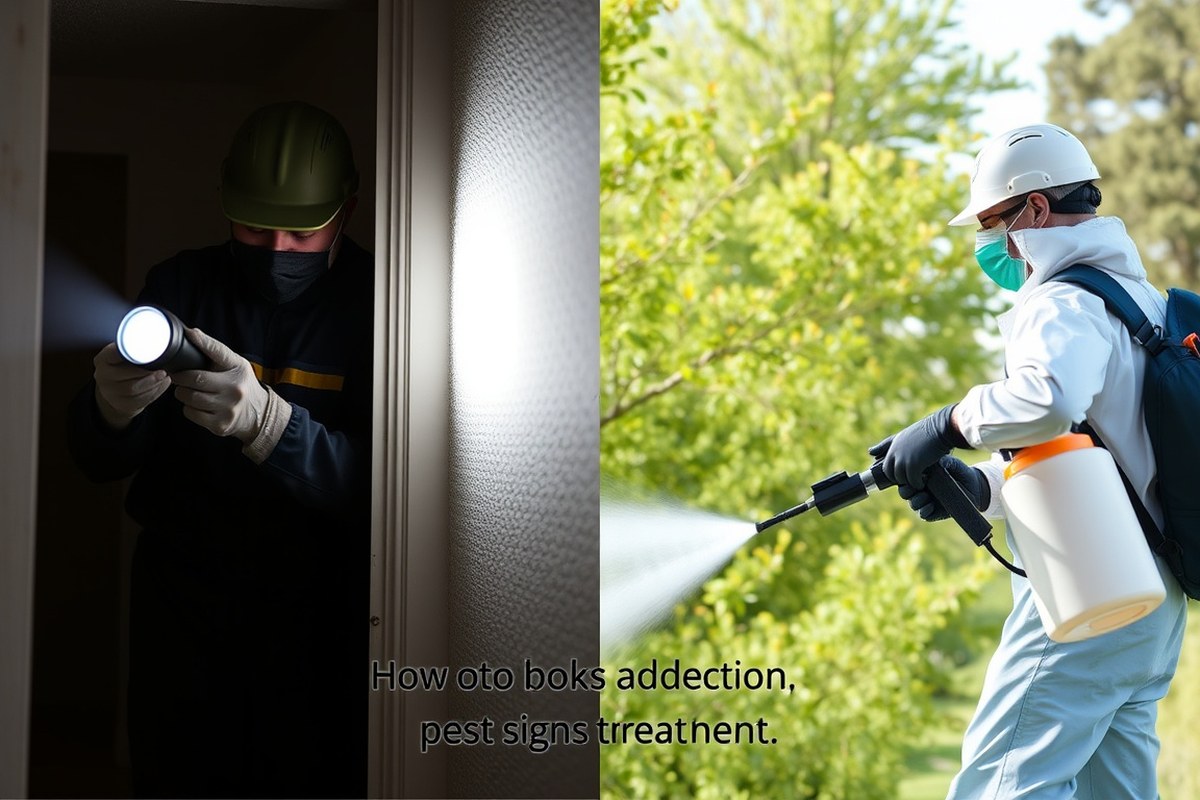
Deciding which pest control service you need depends largely on the type of pests present, the signs of infestation, and how severe the problem seems. Choosing between a pest inspection only, targeted treatment, or ongoing maintenance requires evaluating these factors carefully. A clear decision rule and flowchart can help you pick the right approach to resolve the issue efficiently and cost-effectively.
Identifying Common Pest Infestations
Different pests leave distinct signs that indicate their presence. Rodents like rats and mice tend to leave large droppings and gnaw marks on food packaging or electrical wiring. Cockroaches are often detected by small, dark droppings, egg cases known as oothecae, and a musty smell. Flies can be identified by frequent sightings of adults, maggots in food bins, and dead flies near windowsills or trash. Ants typically form visible trails and appear near sugary or greasy foods. Bird infestations may be suggested by droppings on surfaces and nesting materials in vents or on ledges. Stored product insects such as beetles or weevils create small holes in grains or cereals stored in pantries.
Recognizing these signs helps you determine whether a pest control professional needs to inspect your property. Knowing what type of pest you are dealing with influences not only the urgency but also the kind of treatment that may be necessary. Some pests require immediate, targeted intervention, while others might call for ongoing monitoring and prevention.
Assessing Severity of Pest Problem
Severity assessment involves judging how widespread and damaging the pest problem is. Spotting a few ants near your kitchen may not always require a full inspection but rather a targeted treatment to eliminate the small colony. However, damage like gnawed wires, holes in walls, or stains from droppings usually means a more severe infestation that calls for a detailed inspection to uncover the full extent of the problem. In cases where signs are scattered widely throughout the home or business, a professional’s inspection helps assess infestation depth and risk of further damage.
The location of the signs also matters. For example, sightings of pests inside food preparation areas or storage rooms in commercial kitchens are more urgent than isolated outdoor activity. Severity evaluation can guide you on whether to book just an inspection first or to combine inspection and immediate treatment.
Comparing Inspection and Treatment Benefits
An inspection service focuses on thoroughly examining your property for evidence of pests, identifying the types involved, and determining how active and damaging the infestation is. It provides valuable information but does not automatically include treatment. The cost of inspections varies with property size, location, and pest complexity, but it is generally lower than full pest control treatment.
Targeted treatment aims to eliminate a known pest problem based on visible signs without waiting for a full inspection. This can save time and money if the pest type and location are clear and limited. Licensed professionals use products suited to the specific pest and situation, offering better results than DIY options. However, skipping an inspection risks missing hidden infestations or underlying causes that can cause recurrence.
Determining Need for Regular Maintenance
Regular pest control maintenance involves ongoing visits to prevent future infestations rather than responding to current signs only. It usually applies in areas with a history of recurring issues or to safeguard commercial properties such as restaurants where pest control is critical to food safety. This service often includes routine inspections, treatments, and pest-proofing measures.
Choosing maintenance over one-time service depends on how prone your property is to pest problems, past infestation experiences, and whether pests are persistent despite previous treatments. Maintenance contracts often save you money in the long run by catching problems early. It’s especially important for businesses subject to health inspections or homeowners in pest-prone regions.
Using a Decision Flowchart Effectively
Start your decision with pest signs: when no or very minor signs are found, routine maintenance may suffice without an immediate inspection. Spotting a few pest signs in a limited area suggests targeted treatment might be efficient. Detecting significant signs such as widespread droppings, damage, or multiple pest types means a full inspection should be the next step to inform a complete treatment plan.
Flowchart steps: 1. Identify pest signs and type. 2. Assess if signs meet severity for inspection (damage, widespread activity). 3. When not severe, proceed with targeted treatment focused where signs are found. 4. For severe or unclear infestations, book an inspection, then treatment based on findings. 5. Consider ongoing maintenance if pests are recurring or property is high risk.
Booking an inspection before treatment is wise when pest signs are unclear or damage is suspected; this prevents unnecessary costs and incomplete fixes.
Comparison of Pest Control Service Types, Costs, and Timelines
Knowing your options for professional pest control services helps you choose the right fit for your situation, budget, and desired timeline. Most companies offer free pest inspections, especially for common concerns like bed bugs or termites. These inspections are detailed examinations by licensed technicians to identify pest presence and damage and must be accurate to create an effective treatment plan. Once the inspection is complete, you can decide whether a one-time treatment or an ongoing maintenance plan best suits your needs.
Costs vary by the size of your home, type of pest, and service complexity. Initial treatment fees usually range from $135 to $350. Free inspections often lead into these treatments but confirm with the provider if there’s no charge for the visit. Follow-up visits may be required to ensure pests are fully eliminated and to treat any remaining activity. For ongoing pest control, monthly maintenance plans typically charge about $50 per month, covering seasonal prevention and inspections, which benefits homeowners aiming for long-term pest management.
| Service Type | Description | Typical Cost | Timeframe | When It’s Best |
|---|---|---|---|---|
| Free Pest Inspection | Licensed techs conduct a thorough check for pests including bed bugs and termites | Free | 1, 2 hours per home | Initial assessment, before treatment decisions |
| One-Time Treatment | Effective treatment for identified pest issues like termites or bed bugs | $135, $350 | 1, 3 hours depending on home size and pest type | Eliminating an existing infestation |
| Follow-Up Treatment | Second visit to confirm pest elimination and treat residual activity | Often included or reduced cost | Scheduled within days or weeks of initial treatment | After initial treatment to ensure success |
| Maintenance Plan | Ongoing pest prevention with scheduled treatments and inspections | Approximately $50/month | Monthly or quarterly visits year-round | Long-term pest control and prevention |
Free inspections let you understand pest problems without upfront costs, making it easier to decide on treatment without pressure. One-time treatments work well for immediate pest removal but don’t guard against future infestations. Follow-ups verify success and address any lingering pests. Maintenance plans provide regular protection and include services like seasonal termite inspections, and pretreatment for bed bugs, ideal for homeowners wanting to avoid recurring pest issues.
When scheduling a pest control service, ask about free inspection availability, what specific pests they cover, and if the company offers complete maintenance plans tailored to your property’s past issues. Confirm when follow-up visits take place and what their typical charges are if separate. Having clear expectations about costs and service duration prevents surprises and helps you maintain better control over pest problems in your home or commercial property.
Step-by-Step Guide to Booking a Professional Pest Control Service
Booking a professional pest control service can be done by phone or online, depending on what’s most convenient and the company’s options. You’ll need to provide details about your pest problem, your property, and your availability. Many companies also offer emergency or same-day service if your situation requires immediate attention.
Gathering Essential Information Before Booking
Having key information ready before you contact a pest control company helps speed up the booking process. You should know the type of pest you’re dealing with, the size and type of your property, and any previous pest control treatments you’ve had. It’s also important to check your availability and preferred method of contact. Knowing these details ensures the company can match you with the right service and technician and give a reliable estimate of cost and timing.
Sample Phrases for Phone Appointment Requests
Calling to book pest control requires clear communication to get your issue addressed promptly. Use the following script to help you cover all necessary points:
“Hello, my name is [Your Name]. I’ve noticed signs of [type of pest, e.g., ants, rodents] in my [home/office/store], and I’d like to schedule an inspection and treatment. The property is approximately [size, e.g., 2,000 square feet], and this is the first time I’m booking your service. Do you offer emergency or same-day appointments? My preferred date and time are [your availability]. Could you please explain what information you need from me and the cost estimate?”
This approach gets you the essential information and helps the company prepare for your visit. Be ready to answer questions about your property’s layout and pest activity. You can also ask about any warranties or follow-up visits.
Online Form Fields Explained Clearly
When booking online, forms usually ask for details similar to a phone call but in written format. Typical fields include:
- Contact Information: Your full name, phone number, and email address.
- Property Type and Size: Whether the location is residential, commercial, or a rental, plus its approximate square footage.
- Pest Type or Issue Description: A brief description of the pests or signs you’ve noticed.
- Preferred Date and Time: Your availability to receive service technicians.
- Additional Comments: Space to provide details like if pets or children are present or specific problem areas.
Providing detailed and accurate information improves the quality of service and reduces back-and-forth communication before your appointment.
Confirming Appointment Details Professionally
After booking, confirm all appointment details to avoid misunderstandings. Use this example for phone or email confirmation:
“Thank you for scheduling my pest control appointment on [date] at [time]. Could you please confirm the technician’s estimated arrival time and any preparations I should make in advance? Also, can you confirm the cost and payment methods? I’d like to be sure everything is clear before the visit.”
Confirming details helps you prepare your property properly and ensures the pest control provider is fully informed, maximizing the chance of a successful treatment on the first visit.
Preparing for the Day of Service
Before the technician arrives, clear pathways to frequently affected areas like kitchens, bathrooms, and basements. Move furniture slightly away from walls if possible to give the technician better access. Notify the service provider of any pets or special circumstances that require attention. This preparation takes little time but can significantly improve the thoroughness and speed of pest control treatment, leading to better results and fewer follow-up visits.
- Identify the pest type and extent of infestation by observing clear signs.
- Gather property information including size, layout, and access points.
- Choose whether to call or book online based on personal preference and company options.
- Use a prepared script or carefully fill in online form with all requested information.
- Request emergency or same-day service if the infestation poses immediate risks.
- Confirm appointment details through a follow-up call or email.
- Prepare the property by moving furniture slightly and clearing access to pest-prone areas.
- Be on-site or make arrangements to allow the technician entry and provide any additional information.
What to Expect During Your First Pest Control Visit
Your first pest control visit begins with a thorough inspection, followed by a tailored treatment plan based on the specific pest problem found. Professionals check your home or business carefully before applying any treatments, and you’ll learn how to support long-term pest prevention. After this visit, expect recommendations for follow-up visits to ensure pests are fully controlled.
Inspection Procedures and Tools Used
The initial visit focuses mainly on inspection. The technician looks for signs like pest droppings, damage to structures or food, nests, and live insects or rodents. This examination covers common hiding spots such as cracks, crevices, baseboards, kitchens, and drains. Tools may include flashlights, moisture meters, and sometimes specialized detection devices to find insects or rodents hiding within walls or equipment.
Inspectors also note any conditions that attract pests, such as food debris, standing water, or clutter. This helps identify not only the pest species but also key areas to target for treatment. Some inspections may require access to attics or crawl spaces depending on the type of pests involved.
Treatment Methods Commonly Applied
Treatment depends on the pest type and severity of the infestation. For insects like ants, cockroaches, or bed bugs, technicians often use spot treatments, sprays, or baits designed to reach the source. Rodent control might include traps or rodenticides placed in secure, inaccessible locations. Professionals generally avoid foggers before their visit because these can make infestations harder to treat.
After identifying problem areas during the inspection, the technician applies targeted treatments rather than broad sprays. This increases effectiveness and reduces unnecessary chemical use. The visit also includes placing monitoring devices to track ongoing pest activity, supporting proactive follow-ups and prevention strategies.
Preparation Steps for Homeowners and Businesses
Preparing your property ahead of the visit helps the technician do a complete inspection and apply treatments safely. Remove clutter, clean food debris, and store food securely to expose access points pests use. For residential homes, vacuuming and mopping floors before the visit can aid in better detection of active pests.
If you run a business, especially food-related, clear counters, clean drains, and ensure you have access to storage areas. It’s best to be present during the visit to provide information about past pest activity and ask questions. Following the technician’s advice on post-treatment cleaning and follow-up visits will improve results and reduce the chance of pests returning.
Avoid using over-the-counter foggers or sprays before the visit, as these can interfere with professional treatments and make pest control less effective.
How to Monitor, Document, and Follow Up After Treatment
Tracking whether a pest treatment is effective begins by monitoring your property for signs of pest activity after the initial service. Check areas where pests were first noticed, such as cabinets, baseboards, and around plumbing. Look for droppings, chewed materials, or any new sightings. Regular inspections should continue at least weekly for several weeks since some treatments may require time to fully take effect or multiple visits.
Keeping detailed records of each service visit helps you and your provider assess progress and plan follow-up actions. Document the date, methods used, areas treated, and any specific instructions given by the technician. Retain receipts, contracts, and any written communications. Photos before and after treatment are valuable for proof of progress or ongoing issues, especially in rental or commercial settings where accountability and compliance with health codes are required.
If pests return or the problem continues, contact your service provider promptly. Report what you observe in writing, including new signs of activity and where you see them. A clear description focused on four details, the specific pest or issue, the treatment provided, the location of recurring activity, and how urgent the problem is, will help the technician adjust the approach. You may need additional treatments or pest-proofing work aimed at entry points and breeding spots to fully resolve the issue.
- Inspect key areas weekly and document any pest signs
- Keep receipts, contracts, and technician notes for every service visit
- Take photos of affected areas before and after treatment
- Note any technician instructions, including re-entry time and restrictions
- Report pest sightings in writing with pest type, location, treatment, and urgency
- Request follow-up visits if pest activity continues after expected timeframe
- Consult your lease or local regulations for responsibility and documentation requirements
For a restaurant or food service location, maintaining meticulous service records is not optional; it allows health inspectors to verify that pest control is managed properly and could prevent forced closures. Homes or rental properties benefit from clear documentation by establishing when treatments occurred and if the landlord or provider followed through as agreed. Monitoring after treatment may involve keeping a written log or checklist. Good results typically mean no further pest signs for at least several weeks. Persistent activity after that time often signals the need for reassessment by a licensed professional.
Seasonal and Pest-Specific Factors Affecting Pest Control Booking
Pest control urgency changes with the seasons and the type of pest involved. Rodents, for example, often seek shelter indoors as temperatures drop in fall and winter. This seasonal behavior means booking pest control becomes more urgent during these cooler months, especially if you notice signs like droppings, gnaw marks, or unusual noises. Insects, on the other hand, seem more active in warmer months but can persist year-round indoors. Spotting ants or cockroaches is a signal to book quickly because these pests reproduce fast, making infestations harder to control if delayed.
Rodent problems usually demand a different approach than insect infestations. Rodents may require traps, bait stations, and sealing entry points to stop them from returning. This approach generally takes multiple visits several days apart to address newly caught or displaced rodents. Insect treatments might involve sprays, baits, or targeted heat treatments, depending on the species, and can sometimes show rapid results after one visit. When booking pest control for rodents, mention any signs of nesting or food sources to help the technician prepare the right method. For insects, specifying the pest type seen or suspected helps professionals choose appropriate treatments and timing.
If you suspect pests but don’t see clear signs like droppings or damage, booking a professional inspection is still worthwhile. Many pests, especially at the early stage, leave subtle traces that an expert can spot. Scheduling an inspection can confirm if treatment is needed or if preventive measures should be taken. This is particularly true for homes and businesses where pests threaten food safety or health, such as restaurants. Asking directly during booking for a thorough inspection helps you avoid unnecessary treatments but ensures no infestation goes unnoticed.
Use a simple decision rule to prioritize pest control booking: if you find live pests, droppings, or damage, book immediately, within one to two days. For suspected but unclear signs, schedule an inspection within a week. Mention any seasonal timing, for example, report rodent activity in colder months promptly to avoid fast spread indoors. When calling or booking online, provide as much detail as possible about the pests, the timing of sightings, and the location inside or outside your property. This detail helps the pest control service assign the right technician with suitable equipment and treatments.
Costs and treatment timelines vary with pest type and severity but expect quicker scheduling when signs indicate venomous or disease-carrying pests, such as stinging insects or rodents in food areas. Quality pest control services usually explain expected results, like a major drop in pest activity within days after treatment, and advise on follow-up visits. Watch out for ineffective results like persistent sightings despite treatment; this can indicate missed entry points or resistant pests, which require additional professional attention rather than repeat DIY attempts.
Common Mistakes When Booking Pest Control and How to Avoid Them
Delaying the booking of a pest control service often allows infestations to worsen, increasing treatment complexity and cost. Booking promptly after spotting signs gives the technician a better chance to contain and manage the problem early. Preparation is another common mistake; failing to follow pre-treatment instructions can reduce the effectiveness of the service and prolong the issue. Clear communication with your provider about your specific pest problem and any concerns is key to getting the right treatment. Selecting an unlicensed or poorly reviewed pest control company can mean unsafe methods, ineffective treatments, or wasted money. Verify licenses and check for local consumer reviews before booking. Reliable providers should offer transparent pricing, detailed treatment plans, and clear instructions for before and after the service.
- Book as soon as you notice pests to prevent spread and reduce damage
- Follow all preparation guidelines, such as cleaning or removing food items
- Research and confirm the provider’s licensing and insurance credentials
- Request a written quote and treatment plan before agreeing
- Ask about non-toxic or pet-safe options if you have children or animals
- Choose providers who offer follow-up visits or guarantees
- Keep records of service dates, technician notes, and follow-up recommendations
Unprepared customers often overlook the importance of collaborating with the pest control technician, which can lead to incomplete treatment. Before the service, clean areas as advised and remove clutter to give technicians clear access. During booking, provide detailed information about where and when you noticed pest activity to target treatment effectively. Some providers may offer eco-friendly options or specialize in commercial compliance, which suits restaurants or property managers prioritizing safety and hygiene standards.
Never rely solely on the cheapest option; licensing and detailed service plans ensure your treatment is safe and effective.
Customer service features to prioritize include responsiveness, transparent communication, and the willingness to explain treatment details and follow-up steps. A reputable company will assess your situation carefully before recommending a service and be willing to adjust plans if your needs change. For renters, verify whether pest control responsibility lies with the landlord to avoid unnecessary costs. Good service providers often offer flexible scheduling and clear refund or retreat policies if pests return within a specified period.
Step-by-Step Action Plan for Booking a Pest Control Service
Follow these clear steps to handle pest signs effectively and secure the right pest control treatment for your home or business.
- Immediately after finding pest signs: Document the evidence by taking photos and noting the location and type of signs. This helps the pest control company assess the situation accurately.
- Within 24 hours: Identify the pest type using online resources or calls to local extension services. Understanding the pest helps you choose the appropriate treatment and service.
- Day 1 or 2: Research and compare pest control services that specialize in your pest issue. Look at service types, pricing, treatment timelines, and customer reviews to find the best fit.
- Day 3: Contact at least two pest control companies to request inspections and quotes. Prepare questions about treatment methods, safety, warranties, and preparation requirements.
- Day 4: Book your pest control service based on inspections, quotes, and your comfort with the provider. Confirm the date, preparation steps, and expected duration of treatment.
- On the treatment day: Follow all preparation instructions given by the pest control technician. During the visit, note any advice or concerns and ask about monitoring post-treatment.
- 1 to 2 weeks after treatment: Monitor the treated areas regularly, document any pest activity, and follow up with the company if pests persist or return. This ensures treatment success or timely reapplication if needed.
- Ongoing seasonal checks: Schedule routine inspections and treatments based on pest-specific seasonal patterns to prevent re-infestation. This keeps your property protected long term.
Frequently Asked Questions
How Do You Book a Pest Control Service After Finding Pest Signs?
Contact a licensed pest control provider promptly, describe the issue, and schedule an inspection. Providing detailed information upfront helps the technician prepare the right treatment plan for your specific pests.
What Steps Should You Take Immediately Upon Discovering Pest Signs?
Document the signs by taking photos and avoid disturbing the area before treatment. This helps the technician assess the severity and plan an effective response.
How Much Should You Expect to Pay for a Professional Pest Inspection?
Pest inspection costs typically range from $100 to $200 depending on location and pest type. Prices vary, so ask for an estimate before the service.
Which Pest Infestation Is the Most Difficult to Eliminate?
Cockroach infestations are often the hardest to eradicate due to their rapid breeding and hiding spots. Licensed professionals use targeted treatments to manage them effectively.
Is a Monthly Pest Control Fee of $70 Reasonable?
A $70 monthly fee can be reasonable for ongoing pest prevention services, but costs depend on property size and pest risk. Confirm what treatments and guarantees are included.
Can I Book a Pest Control Service Online or Do I Need to Call?
Many companies offer online booking for convenience, but calling allows you to describe your problem and get tailored advice before the appointment.
Before You Go
Booking a professional pest control service quickly and thoughtfully helps stop pests from causing more damage to your home or business. Choose a company that matches your specific pest problem, and schedule the service as soon as you notice signs of activity. Today, you can start by researching local pest control providers with good reviews and verifying their licensing to ensure the best results.