Are Condo Associations Responsible for Pest Control? A Complete Guide to Responsibilities & Solutions
Pest control in shared areas usually falls under the condo association’s responsibility, while owners typically address pests inside their own units. This split helps keep communal spaces healthy and well-kept, safeguarding the property and residents. State regulations and the community’s own rules provide clear guidance on who handles what pest-related tasks.
This clarity benefits condo owners, board members, and property managers who need to address pest problems effectively. You’ll find guidance on how responsibilities are divided, how state regulations shape these duties, and practical steps to manage infestations, budgeting, and vendor selection. This helps ensure your community stays pest-free and that everyone knows their role in maintaining a healthy living environment.
Key Takeaways
- Condo associations are required to manage pest control in common areas, while individual owners typically handle pest issues inside their units.
- State laws like Virginia’s POAA and Florida Statute 718.113 mandate associations maintain common areas, affecting pest control responsibilities accordingly.
- Pest control obligations depend on both state regulations and the association’s governing documents, so reviewing these is essential for clarity.
- Condo boards or property managers often initiate pest control in shared spaces such as hallways, lobbies, and laundry rooms.
- Effective pest management involves budgeting and contracting with vendors who offer regular service for recurring community-wide treatments.
- Pest control laws such as Washington DC’s Bedbug Control Act require associations to address infestations promptly, often within 30 days of notice.
Who Is Legally Responsible for Pest Control in Condos?

Condo associations are legally responsible for pest control in common areas, but individual unit owners handle pest control within their own units. Common areas include hallways, lobbies, basements, and shared laundry rooms, where the association must maintain cleanliness and address infestations. This division matters because common areas belong to all owners collectively, so the association coordinates and funds treatments to protect shared spaces and preserve property values.
The responsibility for pest control inside individual units usually falls on the owner. You need to schedule extermination services yourself when pests appear in your condo. These treatments can range from $100 to $300 per visit depending on the pest type and severity. Owners pay directly unless the governing documents specify otherwise. Clear rules in the condo’s bylaws and Covenants, Conditions & Restrictions (CC&Rs) help avoid disputes by defining who handles what. In Virginia, for example, state law defers to these documents but mandates good maintenance of common areas by the association.
Associations often contract with pest control companies for regular service covering all common areas and outdoor grounds. This contract pool funds through monthly association fees paid by unit owners. If there is an infestation that spills over into multiple units, such as bedbugs common in Washington DC, the association must act promptly to treat common areas after proper notice, often within 30 days according to local laws like the Bedbug Control Act. Coordination between the board and owners is essential since untreated individual units can reinfest common spaces and vice versa.
Costs for common area pest control vary by property size and pest types but typically come from the operating budget funded by assessments. For instance, if a pest control service charges $500 monthly for a building with 50 units, each owner’s monthly fee includes about $10 for pest control. The condo board or property manager decides when and what services to use based on infestation levels and preventative needs. Neglecting common area pest control can lead to widespread problems, higher treatment costs later, and legal challenges from owners.
Owners contemplating legal action against the association should review the governing documents and local law to confirm the board’s pest control obligations. Usually, infestation in common areas clearly falls under association duties even if pest control within units is the owner’s job. Many conflicts arise from unclear or outdated CC&Rs, so updating these to clarify responsibilities for both common areas and private units prevents costly misunderstandings. Owners should promptly report pests in common areas so the association can meet its maintenance duties and avoid health or safety issues affecting the entire community.
Understanding Common Areas vs. Individual Units for Pest Control
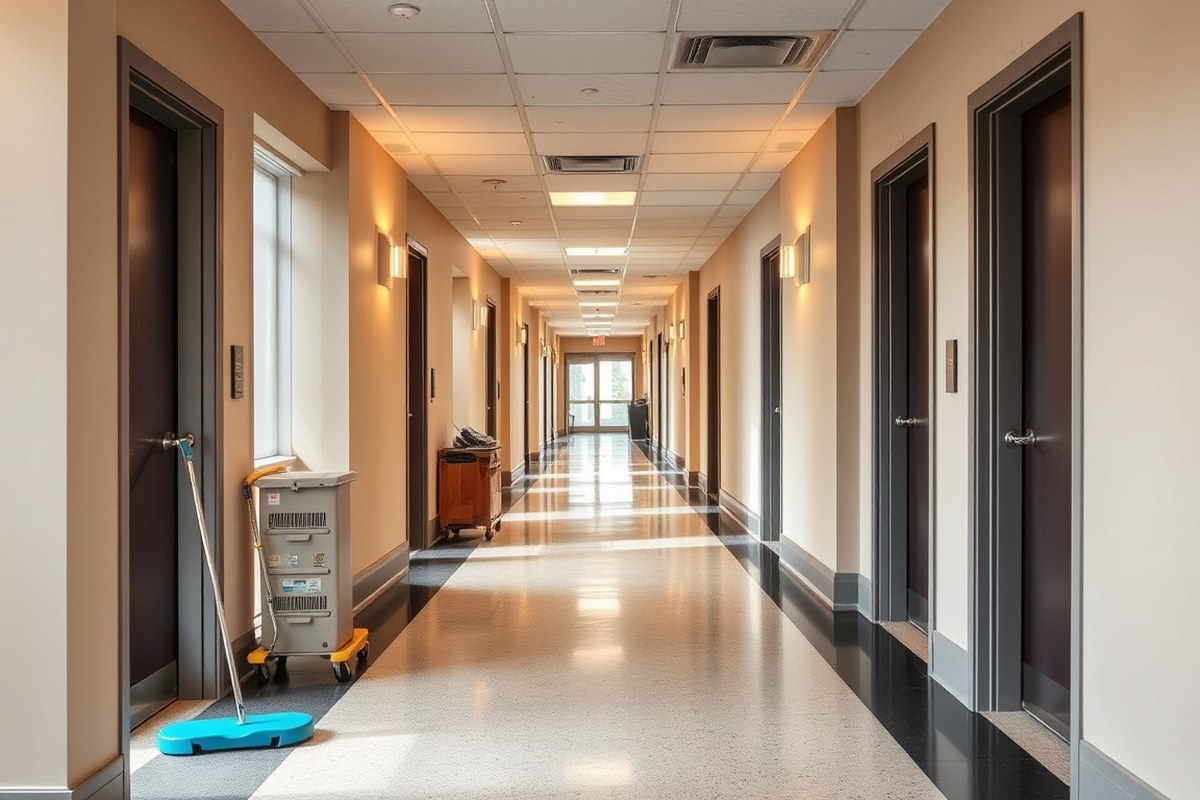
Common areas and individual units in a condominium significantly influence who handles pest control duties. The condo association typically manages pest control in common areas, while unit owners are generally responsible inside their private units. This division aims to clarify responsibilities and reduce disputes.
Definition of Common Areas in Condos
Common areas include all parts of the condominium property outside the boundaries of individual units. These usually cover lobbies, hallways, stairwells, shared walls, parking lots, yards, pools, gyms, and sometimes exterior walls and roofs. The condo association owns and maintains these areas collectively on behalf of all unit owners.
Pest control in common areas matters because pests often use these shared spaces as entry points or travel corridors between units. Treating these areas helps control infestations building-wide and prevents pests from spreading. Associations usually contract licensed pest control companies for scheduled treatments covering these spaces.
Different communities have varying definitions of common areas in their governing documents, so knowing your own condo’s declaration or CC&Rs helps understand which spaces the association is obligated to manage. This clarity can ease coordination in pest control efforts.
Defining Private Units and Owner Responsibilities
Private units are the individual residences owned by condo members, clearly defined in the condominium declaration with walls, floors, ceilings, and interior spaces under each owner’s exclusive control. Owners are responsible for maintenance and pest control inside their units and any exclusive-use areas assigned to them, like balconies or patios.
Managing pests inside private units is important because infestations often begin or remain contained within an owner’s space. Owners must address infestations promptly to prevent them from spreading to neighbors or common areas. Pest control companies servicing units usually require owner permission and access.
In many cases, even if the association handles common areas, owners still pay directly or indirectly for pest control inside units through special assessments or as needed. Understanding this helps owners plan for expenses and schedule regular treatments or inspections.
How Pest Control Duties Are Divided
The division of pest control duties hinges on whether the infestation affects common areas, private units, or both. Generally, the condo association schedules and finances treatments for common areas. Owners take care of pests inside their units unless the infestation originates in or spreads from common areas.
The association can sometimes treat private units if the governing documents allow it, especially if pests move beyond common areas and impact multiple units. Coordinated treatment between the association and owners reduces reinfestation risks and ensures more effective control. Here’s how responsibilities usually break down:
- Association schedules licensed pest control for building-wide common areas and surrounding grounds.
- Unit owners handle extermination and prevention inside their homes and exclusive-use spaces.
- Association may coordinate or require unit treatments when infestations spread beyond common areas.
- Owners notify the association promptly if pests from a unit threaten common areas or other units.
- Governing documents and state laws clarify and enforce these roles.
- Coordination between the association and owners reduces overlap and gaps in pest management.
Failing to communicate pest issues between owners and the association often causes ineffective treatments and persistent infestations.
It’s a good practice for associations to include detailed pest control responsibilities and procedures in their bylaws or CC&Rs. This approach reduces confusion during infestations and helps all parties meet their obligations efficiently. Boards should regularly review these plans along with licensed pest control vendors to match community needs.
How State Laws Affect Condo Association Pest Control Duties
State laws play a major role in defining condo associations’ pest control responsibilities, often alongside governing documents. Each state has specific rules that affect which pest control duties the association must manage and what falls to individual unit owners. Knowing these details helps board members comply with legal requirements and avoid costly disputes.
Key State Laws Relevant to Pest Control
Florida’s law under Statute 718.113 assigns maintenance and repair of common elements, including pest control, to condominium associations. This means HOAs typically handle pest control in shared areas. Virginia lacks a state-specific HOA pest control statute but relies on the Uniform Statewide Building Code and local health regulations to set pest standards. Boards should confirm compliance with these codes alongside their governing documents.
California Civil Code Section 1364 makes associations responsible for maintaining common areas affected by wood-destroying pests unless declarations specify otherwise. This gives boards authority to act on termites and similar infestations to protect structures from spreading damage. Washington DC and Maryland courts consult the association’s governing documents first, then apply state and local laws to resolve pest control responsibilities.
Special Regulations Like Bedbug Control Acts
Some states have specific regulations beyond general pest control laws, such as bedbug control mandates. These rules often require associations to coordinate treatment efforts, notify affected residents, and document remediation steps. Maryland’s local health codes add pest control requirements that can include reporting infestations and ensuring contracted companies meet licensing standards. Virginia mandates that pest control professionals working with HOAs hold a VDACS license, ensuring qualified service providers.
These special regulations can affect how condo associations plan, budget, and communicate during pest outbreaks. Boards should regularly review any pest-related state or local acts impacting their community and adjust policies accordingly. Contracting licensed, knowledgeable pest vendors minimizes legal risk and improves treatment success.
Comparative Overview of Selected States
The responsibilities and legal frameworks for condo association pest control vary significantly across Florida, Virginia, California, DC, and Maryland. The table below summarizes key differences and requirements in those states:
| State | Legal Basis for Pest Control Responsibility | Association Responsibilities | Owner Responsibilities | Special Notes |
|---|---|---|---|---|
| Florida | Florida Statute 718.113 | Maintenance, repair, treatment of common areas | Unit interior and caused infestations | Year-round pests; contracts steady |
| Virginia | Uniform Statewide Building Code; local health codes | Pest standards in common areas | Unit interior and infestation sources | No HOA-specific pest statute; licensed pest pros required |
| California | Civil Code Sections 1351, 1364 | Common area maintenance, termite control | Interior pest treatment unless otherwise stated | Wide variation; termite infestations have special rules |
| District of Columbia | Governing documents, state law | As defined by declarations and laws | Individual units | Court precedence on documents |
| Maryland | Code of Public Local Laws, county health codes | Common area pest control, reporting | Unit interior and infestation sources | Health code obligations; specialist legal advice recommended |
This comparison highlights the need to read your exact governing documents alongside state laws. Boards must check for any clauses assigning infestation-related costs to the responsible owner, this can shift financial burdens. Legal counsel familiar with local rules helps prevent misunderstandings and ensures compliance with evolving pest control laws.
Effective Steps to Handle Pest Infestations in Condos
Handling pest infestations in condos requires clear steps for reporting, inspecting, and treating the problem to prevent it from worsening. Residents and boards must work together promptly and follow a structured approach to keep infestations under control and protect both individual units and common areas.
Reporting Pest Issues to the Association
Residents should report pest sightings or signs immediately to the condo association or property manager. Early reporting allows the association to act before pests spread to multiple units or common spaces. Associations should discourage residents from attempting self-treatment, as improper methods can worsen infestations or cause health risks.
Residents typically report by submitting a written notice via email or an online management portal. This documentation helps the board track complaints and coordinate responses efficiently. The report should include the type of pest, location, date seen, and any previous treatments. Clear instructions to residents on how and where to report should be part of the association’s pest management plan.
Inspection and Treatment Process
Once a complaint is received, the association usually hires a licensed pest control company to inspect the affected units and common areas promptly. Regular inspections, often quarterly, help catch issues early and guide targeted treatment. Most contracts cover common areas only, but some associations offer voluntary treatment packages for owners to treat inside their units at group discount rates.
Common treatments include applying insecticides in cracks, crevices, trash rooms, and utility areas, as well as baiting rodent entry points and educating residents on prevention. Treatments can take several visits over weeks to fully resolve infestations, depending on severity. Owners can refuse internal treatments, but that refusal may increase risks for neighbors. Boards often require owners to allow interior treatment during outbreaks to protect the whole community, backed by association rules or local laws.
Communication Templates for Owners and Boards
Clear communication helps reduce misunderstandings and encourages cooperation. Below is a sample email template a resident can use to report a pest problem:
Subject: Pest Sighting Report, [Type of Pest] in Unit [Number] Dear [Property Manager/Association Name], I have observed [describe pest] in my unit ([unit number]) on [date]. The pest appeared near [specific location]. I have not applied any treatments on my own. Please advise on the next steps for inspection and treatment. Thank you, [Resident Name]
Boards or property managers can use this template to notify residents about upcoming inspections and mandatory treatments:
Subject: Scheduled Pest Control Inspection and Treatment Notice Dear Residents, As part of our ongoing pest management plan, licensed pest control professionals will inspect common areas and affected units on [date]. If your unit requires interior treatment, you will be contacted to schedule access. Please ensure access is provided to prevent infestations from spreading. For questions or to report new pest issues, contact [contact information]. Thank you for your cooperation. [Association or Property Manager Name]
Following these steps and maintaining open communication supports efficient pest control, minimizes disputes, and helps maintain a healthy living environment.
- Inform residents clearly about the reporting process and discourage self-treatment attempts to avoid delays and ineffective fixes.
- Require written reports detailing the pest type, location, and time to maintain organized records.
- Hire licensed pest control services for scheduled inspections of common areas and responsive visits to units with complaints.
- Offer optional interior treatments at group rates for residents willing to participate in complete pest control.
- Communicate inspection and treatment schedules with all residents, emphasizing mandatory interior treatments during infestations.
- Document all inspections, treatments, and resident communications to support enforcement of pest control rules.
- Encourage residents to follow preventive measures within their units to reduce recurrence.
Financial Responsibilities and Budgeting for Pest Control in HOAs
The cost of pest control services in condo associations is usually covered by the HOA’s operating budget, which comes from homeowners’ association fees. The board is responsible for budgeting these expenses to maintain common areas and prevent infestations. If infestations occur due to specific units or extraordinary circumstances, the association may impose special assessments to cover additional pest control costs.
Typical Pest Control Costs in Condo Communities
Monthly or quarterly pest control services in HOAs often range from $2 to $5 per unit, depending on the property’s size and pest risk level. This covers routine inspections, treatments in common areas, and preventive measures to deter pests like rodents, cockroaches, or ants. Bedbug treatments or termite interventions can substantially increase costs, sometimes requiring hundreds to thousands of dollars beyond routine service fees. Associations typically contract with licensed pest control companies to ensure compliance with health and safety standards and to obtain volume discounts.
Owners usually do not pay directly for these regular expenses; the HOA collects funds through monthly dues aimed at maintenance and repair. However, when a pest infestation is traced to negligence by a resident, some states, like Virginia, allow the HOA to charge that owner for pest control costs related to the issue. This can include situations where tenant or homeowner behavior leads to a bedbug outbreak or other pest problems requiring special treatment. The HOA’s governing documents should specify these conditions to prevent disputes.
Budget Planning and Contingency Strategies
Good budgeting for pest control means including a preventive pest management program within the overall maintenance budget. Boards should allocate a portion of monthly dues to cover both routine pest control and unplanned pest interventions. Failing to do this risks large unplanned expenses if an infestation appears suddenly. For example, a condo with 50 units budgeting $3 per unit per month sets aside $150 monthly, or $1,800 annually, for pest control services. This amount should cover routine treatments and help fund faster responses if pests are detected.
Contingency planning often involves creating or expanding reserve funds that can be tapped during pest emergencies or infestations requiring immediate and costly action. These funds avoid delaying treatment due to financial constraints, which would otherwise worsen the infestation and increase costs. Board members should review service contracts yearly to verify the scope of coverage and negotiate flat fees when possible to stabilize budgeting.
Special Assessments for Unexpected Pest Treatments
Special assessments can be levied by the HOA board to cover pest control expenses exceeding what the budget or reserves can handle. This usually occurs after identifying a severe infestation linked to one or more units, requiring expensive treatments not planned in the operating budget. The board must follow the governing documents regarding notice and approval requirements before imposing special assessments to ensure legal compliance and avoid owner disputes.
For instance, if a bedbug infestation spreads rapidly in a 100-unit building, requiring $15,000 in eradication costs, and the annual pest control budget is $6,000, the HOA might levy a special assessment of $90 per unit. This immediate funding allows professional pest control companies to act quickly and contain the problem. Proper communication with owners about the cause and necessity of the assessment helps maintain trust and compliance.
Boards should clearly define pest control funding and special assessment policies in the HOA’s governing documents to minimize conflicts when pest issues arise.
Common Pest Types and Prevention Strategies in Condominiums
Condominium communities often face pest challenges that require coordinated prevention and control efforts. Typical pests include rodents, insects, and mosquitoes that thrive in both individual units and shared spaces. Adopting integrated pest management (IPM) lets associations reduce chemical use and maintain healthy living environments through targeted, sustainable methods.
Common Condo Pest Species
Rodents like rats and mice frequently invade condos due to easy access through gaps and proximity to food sources. Their presence in shared halls, garages, and utility spaces poses health risks and property damage. Insects such as ants, cockroaches, and bed bugs also appear regularly; bed bugs require special attention due to their rapid spread and difficulty to eliminate.
Outdoor pests on condo grounds include mosquitoes and wasps, which affect residents’ enjoyment of patios, playgrounds, and landscaping. Termites threaten wooden structures of amenity buildings and decks, making termite protection a critical part of community pest control plans. Wildlife problems occasionally arise with animals seeking shelter in common areas.
Preventive Practices for Residents and Associations
Condo associations should establish ongoing treatments for common areas, including amenity buildings and around landscaping, to keep pests in check and comply with local housing codes like those in Montgomery County. Providing residents with clear guidance on prevention helps reduce individual pest entry points and sources within units.
- Store food securely in sealed containers to prevent attracting pests
- Remove garbage frequently and use covered trash bins in units and common areas
- Seal cracks and gaps around doors, windows, pipes, and electrical outlets
- Keep landscaping trimmed and free of debris that could harbor pests
- Report pest sightings to management promptly for early intervention
- Conduct seasonal checks to address specific threats like winter rodent-proofing or summer wasp nests
Regular communication is essential. Boards can send seasonal reminders through newsletters or management software platforms such as Condo Control, helping residents understand actions they can take. A community-wide pest management plan allows property managers to coordinate treatments and inspections efficiently.
Integrated Pest Management Approaches
IPM focuses on reducing chemical use by combining inspection, monitoring, and non-chemical tactics with targeted treatments only when necessary. This approach suits condos especially well because children and pets often use shared amenities, demanding safer pest control options. It begins with routine inspections to identify pest species, infestation levels, and entry points.
Effective IPM strategies include mechanical controls like traps for rodents, sanitation improvements, exclusion methods such as sealing and repairing vulnerable areas, and biological controls when feasible. Chemical treatments are applied as spot treatments rather than broad applications, minimizing environmental impact and potential health risks.
Associations adopting IPM typically budget for recurring treatments, often quarterly or biannually for common areas, with additional targeted responses initiated by inspection findings or resident complaints. A detailed pest management plan aligned with local regulations, including required steps for bed bug detection and treatment under Section 7-28-840, reinforces accountability and effectiveness.
Legal Remedies and Board Accountability When Pest Issues Are Neglected
A condo association that neglects pest control risks health, property damage, and lowered unit values. Owners affected by pest problems can take formal steps to compel the board to act, using legal notices and mediation if needed. Condominium boards must fulfill fiduciary duties to maintain common areas, which often include managing pest control responsibly and communicating openly with residents.
Owner Rights and Legal Recourse
Unit owners facing unresolved pest problems should first document all complaints with dates, pest types, and communications sent to the board. Checking the association’s governing documents, such as the CC&Rs, helps clarify whether pest control is explicitly the association’s responsibility and what procedures exist to address maintenance issues. When the board ignores pest complaints, owners can send formal demand letters requesting action and set deadlines.
When informal attempts fail, owners may seek legal recourse by filing a complaint with the state’s condominium or real estate regulatory agency or pursuing mediation or arbitration if required by the bylaws. Some states have specific statutes allowing owners to enforce the association’s obligations; for example, Virginia’s POAA permits enforcement actions to recover costs caused by violations. Consulting a lawyer familiar with local condominium law can guide you on the best legal step based on your state and situation.
Board Responsibilities and Fiduciary Duties
Condo boards must prioritize the association’s welfare by managing common spaces and tackling pest issues to prevent damage. Their role includes acting swiftly on pest reports, budgeting for pest services, and hiring licensed pest control companies after legal review. Failure to manage pests properly can lead to legal risks and erode residents’ confidence in the board.
The board should monitor pest control effectiveness, communicate scheduled treatments and preventive measures to owners, and retain records of service agreements and pest reports. Failure to act reasonably can be viewed as breach of fiduciary duty and may lead to legal challenges. Transparent decision-making and timely pest control services help meet both legal and community expectations.
Sample Complaint and Notice Letters
You can draft a clear, firm complaint letter to the condo board noting the pest issue, the impact on your unit, and previous attempts to report it. Include a request for specific actions with a deadline, such as: “I request the association arrange a professional pest inspection and treatment within 14 days.” This provides a written record and a reasonable timeframe for response.
When initial requests are ignored, a follow-up legal notice can cite relevant CC&R provisions or state laws applying to pest control. For example: “Pursuant to Section [X] of the CC&Rs and applicable state law, failure to address pest control issues constitutes neglect of the association’s maintenance responsibilities. Please respond within 7 days to avoid further legal action.” Using certified mail or another verifiable delivery method strengthens your case.
Choosing and Managing Pest Control Vendors for Condo Associations
Choosing a reliable pest control vendor requires careful screening, thorough contracts, and clear communication with residents. The association’s board needs to understand service terms and maintain oversight to ensure effective pest management throughout the property.
Screening and Selecting Pest Control Companies
Begin by identifying local pest control companies that specialize in multi-unit residential properties. Schedule meetings with several providers to compare services, pricing, and treatment plans. Include board members and representatives from the residents to get diverse input on the company’s reputation and responsiveness.
Look for vendors who provide regular property inspections, preventive treatments, and emergency response options. Verify their licenses, insurance, and references specifically from other condominium or HOA clients. A clear understanding of the pest types common in your area (such as rodents, ants, or bedbugs) helps narrow down companies experienced with those infestations.
One key step is to check the vendor’s service availability and their ability to respond quickly to pest outbreaks. Monthly recurring service contracts are common and provide a predictable maintenance schedule, which benefits the association’s budgeting and long-term pest control.
Contract Components and Service Expectations
Contracts should clearly outline the scope of work, schedule of services, pricing, and dispute resolution methods. Specify which pests will be treated, how often treatments occur, and the protocols for emergencies or additional infestations detected between visits.
Include terms addressing liability for property damage and guarantee periods for treatment effectiveness. The contract should also detail the company’s responsibility to comply with local pest control regulations and chemical safety standards.
Keep in mind that monthly service contracts usually include routine inspections and limited treatments. If more extensive work is needed, such as structural fumigation, the contract should specify separate approval and pricing.
- Service frequency and timing
- Covered pests and exclusion clauses
- Response time for urgent infestations
- Pricing structure and billing terms
- Liability and insurance requirements
- Worker licensing and chemical use policies
- Termination and renewal conditions
Always involve your legal advisor before signing to ensure all association liabilities and resident responsibilities are clear in the contract.
Best Practices for Resident Communication
Notify residents ahead of scheduled pest control treatments with clear details on dates, areas served, and any precautions they should take. Use multiple channels like emails, bulletin boards, and community apps to ensure the message reaches everyone.
Explain the pest control process, emphasizing that the vendor interacts directly with the association rather than individual unit owners. Outline how residents can report pest sightings or concerns to the board or property manager for coordinated follow-up.
Maintain transparency by providing periodic updates on pest control effectiveness and any changes in the schedule. This helps build trust and encourages resident cooperation, such as following recommendations to reduce pest attractants in common areas and inside units. Here is a simple notification template for upcoming treatments:
Dear Residents, Please be advised that pest control treatment is scheduled for [date] between [time window]. Pest control technicians will service common areas and building exteriors. Residents do not need to be home. Kindly secure pet food and remove personal items from affected areas if possible. For questions, contact [association contact] at [phone or email].
Step-by-Step Action Plan for Managing Pest Control Responsibilities in Condos
Clarify who handles pest control based on your condo’s legal setup and property boundaries, then take targeted steps to address and prevent infestations effectively.
- Day 1: Review your condo association documents and state laws to identify pest control responsibilities. Focus on what the bylaws say about common areas vs. Individual units and note any state-specific regulations. Knowing this helps prevent disputes and guides your next moves.
- Within 2 Days: Inspect common areas such as hallways, laundry rooms, and outdoor spaces for signs of pests. Document any problems and take photos. This quick check establishes baseline conditions and reveals the areas the association usually must maintain.
- Within 1 Week: Notify the condo board or management about any pest issues you found. Refer to your review of rules and laws to state clearly which responsibilities fall to the association versus unit owners. Clear communication ensures everyone knows their role in pest control.
- Within 2 Weeks: Arrange a joint meeting or written discussion between unit owners and the condo association to plan pest control action. Propose hiring licensed pest control professionals covering common areas and, if needed, provide resources for individual unit treatments. Coordinating efforts helps reduce repeat infestations.
- Within 1 Month: Confirm the pest control service contracts include routine inspection schedules and treatments for the common areas. Verify that budgets and fees are adjusted reasonably and transparently in HOA assessments. Proper vendor management and budgeting protect resident investments and improve pest outcomes.
- After Treatment Begins: Track effectiveness by monitoring pest activity. Check common areas weekly and encourage unit owners to report new incidents promptly. Successful control shows fewer pest sightings and no spread to untreated areas.
- If Pest Issues Persist: Consult state laws and consider legal remedies if the condo board neglects responsibilities despite proper notice. Document all communications and responses. Knowing your rights and following formal steps is essential to compel action or resolve disputes.
- Ongoing: Educate residents about prevention strategies specific to your condo’s common pests, like sealing food, reducing water sources, and maintaining cleanliness. Consistent prevention reduces dependence on extermination and lowers costs for everyone.
Frequently Asked Questions
Are Condo Associations Responsible for Pest Control?
Condo associations are responsible for pest control in common areas, while individual owners handle pest issues inside their units. This division helps prevent pests from spreading and ensures community maintenance stays consistent.
Does Condo HOA Cover Pest Control?
A condo HOA typically covers pest control for shared spaces, but owners generally pay for pest control inside their units. Check your HOA’s governing documents as coverage varies by community and state laws.
Who Is Responsible for What in a Condo?
Unit owners manage pest control inside their homes, and the condo association handles common areas. This split depends on state regulations and the association’s bylaws, which define maintenance duties clearly.
What’s the Worst Pest to Have in Your House?
Bedbugs are among the toughest pests to eliminate because they spread rapidly and resist many treatments. They often require professional intervention and coordinated efforts between neighbors in condos.
Are California Landlords Responsible for Pest Control?
In California, landlords must address pest control if infestation affects habitability, but tenants may need to handle minor issues. The law requires prompt action to keep rental properties safe and livable.
Can Pest Control Treatments by the HOA Affect Unit Owners?
Yes, treatments in common areas can reduce pest problems inside units, but owners should maintain their own spaces to prevent re-infestation. Coordinating efforts helps contain pests community-wide.
The Bottom Line
Condo associations usually handle pest control for common areas, while unit owners manage their individual units, based on legal and state-specific rules. You should review your condo’s governing documents and local laws to clarify responsibilities and ensure pest control services are budgeted and scheduled appropriately. Contact the board or property manager today to request a copy of the pest control policy and verify any planned treatments to address shared problem areas promptly. This proactive step helps prevent infestations from spreading and avoids disputes over who must act or pay for treatments.