

How to Get Rid of a Pimple in Your Ear Overnight: Safe, Effective Steps
You might not completely get rid of a pimple in your ear overnight, but you can shrink it and reduce pain by using gentle, safe approaches. Concentrate on lowering inflammation, using the right topical treatments, and avoiding anything that could irritate the area. These actions encourage quicker healing without increasing the risk of further damage or infection.
Anyone dealing with the discomfort of an ear pimple will find this helpful for quick relief and proper care. The article explains why ear pimples hurt more, how location affects treatment, what topical options are safe, home remedies for pain relief, and signs that require a doctor’s attention. It also shares common mistakes to avoid and tips to prevent future pimples while keeping your ears clean and healthy.
Key Takeaways
- Apply a warm compress for 10-15 minutes, three times daily, to reduce pain and help the pimple drain faster.
- Use 2-10% benzoyl peroxide or 0.1% adapalene cream to safely treat ear pimples without causing irritation.
- Avoid picking or squeezing the pimple to prevent worsening inflammation and potential infection.
- Recognize signs of infection like increasing pain after 48 hours or hearing changes, and seek medical care promptly.
- Pimples in the ear hurt more due to nerve endings and sensitive skin, with stress potentially worsening outbreaks.
- Prevent future ear pimples by maintaining gentle ear hygiene and managing stress to reduce excess oil production.
Immediate Steps to Reduce an Ear Pimple Overnight Safely
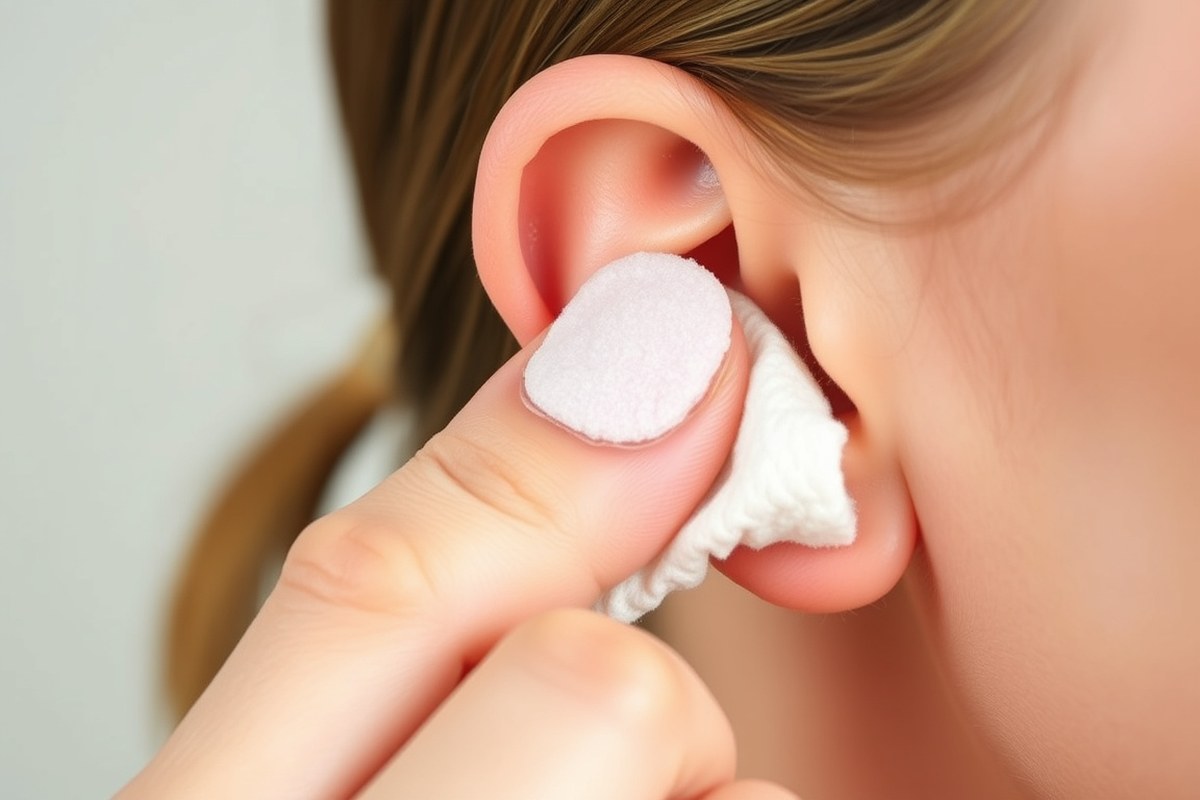
To reduce the size, pain, and inflammation of a pimple in your ear overnight, focus on gentle care that promotes healing without causing irritation. Applying a warm compress helps increase blood flow to the area, encouraging natural drainage of fluid and reducing swelling. Using a targeted topical treatment can help dry out the pimple and reduce inflammation, while good hygiene minimizes the risk of further irritation or infection. Following a clear step-by-step routine with proper timing and care precautions will give you the best chance of noticeable improvement by morning.
- Clean your ear gently. Use warm water and a mild, fragrance-free cleanser to wash the outer ear carefully. Avoid inserting anything deep into the ear canal. Pat the area dry with a clean towel to prevent moisture buildup.
- Apply a warm compress. Soak a clean washcloth in warm (not hot) water, around 99-104°F (37-40°C), then wring out excess water. Hold the compress against the pimple for 10-15 minutes. Repeat this 3-4 times throughout the day and again before bedtime. This reduces swelling and encourages the pimple to come to a head without popping it.
- Use a targeted topical treatment. After the compress, apply a small amount of an acne cream containing 2-10% benzoyl peroxide directly on the pimple. Benzoyl peroxide helps reduce bacteria and dries out the pimple. Alternatively, if redness and swelling are intense, 1% hydrocortisone cream can be used sparingly for its anti-inflammatory effect. Avoid using both creams at the same time to prevent irritation.
- Avoid touching or squeezing the pimple. Frequent touching or trying to pop it increases irritation and the risk of infection. Keep your hands away and resist the urge to pick at the area to allow it to heal naturally.
- Maintain ear hygiene through the night. Before bed, cleanse the ear again with warm water and dry thoroughly. Optional: Place a fresh warm compress for 10-15 minutes. Avoid covering the ear with tight headwear to allow air circulation around the pimple.
- Monitor the pimple’s condition. If pain worsens, swelling increases significantly, or you notice pus or discharge, consult a healthcare professional. These signs may indicate an infection needing medical treatment.
Following these steps consistently overnight helps reduce inflammation and discomfort safely. Warm compresses aid blood circulation without causing further harm, while benzoyl peroxide targets the bacteria that worsen pimples. Keeping the ear clean and hands away prevents irritation and supports healing. Time and gentle care are key, as completely clearing a pimple overnight is challenging, but these actions improve how it looks and feels by morning.
Why Pimples Form in the Ear and Why They Hurt More
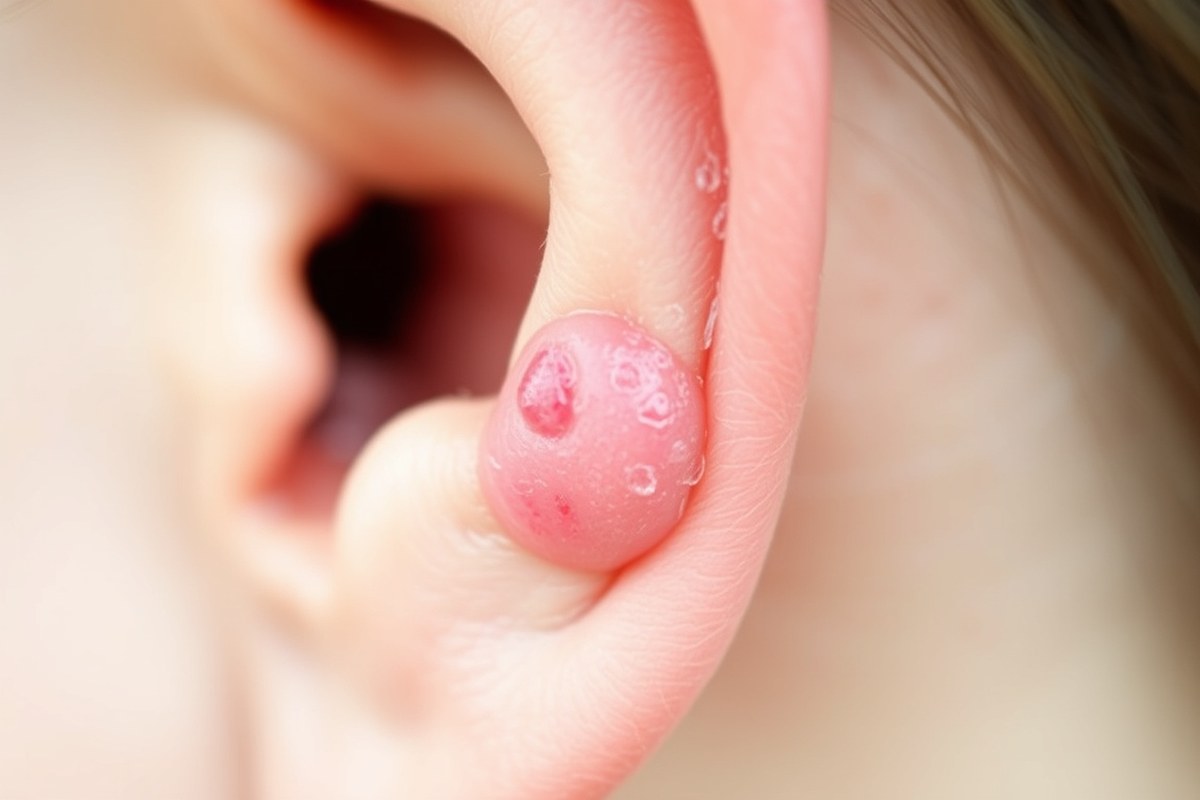
Pimples in or around your ear develop primarily from clogged pores. These pores become blocked when excess oil, dead skin cells, and bacteria gather together. Your sebaceous glands, which produce natural oils called sebum, sometimes work overtime and create too much oil. When this oil mixes with sweat, dirt, and bacteria, it can block the pores and lead to inflammation.
The skin inside and around your ear is thinner and more sensitive than skin in many other body areas. This sensitivity means that any swelling or infection causes more intense pain. The ear also contains many nerve endings packed in a small area, which makes pain signals stronger when a pimple forms. This explains why pimples in your ear can hurt much more than those on your face or back.
Hygiene factors play a significant role in ear pimples. Touching your ear with unwashed hands transfers bacteria and oils that can clog pores. Sweat and buildup of earwax add further risk by trapping debris inside pores, especially deep in the ear canal. Hair products or dirt can also contribute to clogged pores behind the ear. These clogged pores create the perfect environment for bacteria to multiply and cause infection.
A pimple inside the ear canal often involves hair follicles getting blocked too. This blockage traps pus and bacteria, causing pain from the expanding pressure inside a confined space. The cartilage around your outer ear can also develop pimples that are painful because cartilage is firm and does not stretch, so pressure from swelling presses directly on nerve endings. Pus from these infections remains trapped, which often leads to longer-lasting pain compared to pimples elsewhere.
It’s important to avoid squeezing or picking at ear pimples. Doing so pushes bacteria and pus deeper into the skin and pores, increasing inflammation and worsening pain. The thin skin and tight spaces in and around your ear mean infections can escalate more quickly. Instead, gentle cleaning and proper treatment help your body resolve the pimple safely.
Avoid touching or picking at the pimple to prevent pushing bacteria deeper into the ear, which can increase pain and infection risk.
The entire process of a pimple forming in the ear usually takes one to two days after pore blockage. If left alone and treated gently, pimples often clear up in about a week. However, due to your ear’s anatomy, discomfort can feel more intense and last longer than similar pimples elsewhere on your skin. Recognizing the cause, excess oil, bacteria, and blockage, helps focus on gentle, effective care to reduce pain quickly.
Differences in Pimples Based on Ear Location and Severity
Treating pimples in your ear depends strongly on their exact location because parts of the ear vary in sensitivity, skin thickness, and cartilage presence. Pimples in the ear canal require more cautious care than those on the outer ear or lobes due to thinner skin and proximity to sensitive structures. Severity and pain often increase when pimples involve cartilage or lie deeper inside the ear.
Ear Canal Pimples: Risks and Care
Pimples located in the entrance of the ear canal tend to be more painful and sensitive. The skin here is thin and lies directly over the periosteum, the tissue covering bone, with almost no cushioning fat to absorb pressure. This anatomical feature causes heightened pain when the pimple becomes inflamed or infected.
Treatment should be very gentle to avoid irritation or injury. Use a warm compress for 10 to 15 minutes a few times a day to reduce swelling and pain. Avoid inserting cotton swabs or fingers deeply into the canal to prevent pushing bacteria further inside.
- Apply a warm compress 3 to 4 times daily for 10, 15 minutes
- Use only mild, fragrance-free cleansers applied gently around the canal entrance
- Do not squeeze or pop the pimple to avoid infections
- Avoid water or irritants entering the ear canal during treatment
- Consider over-the-counter topical antibiotic drops if advised by a pharmacist or doctor
Paying close attention to hygiene and avoiding any harsh chemicals or aggressive cleaning can prevent worsening. These pimples typically last 3 to 7 days but can cause temporary discomfort or mild hearing changes.
Cartilage Pimples: Why They Hurt More
Pimples on the cartilage areas of the ear are often more painful and take longer to heal. Cartilage has less blood supply than softer tissues, which slows down the healing process. The skin covering cartilage is tight and sensitive, adding to tenderness and discomfort.
Applying warm compresses remains key, but avoid putting too much pressure. Treatment at home is usually safe if you keep the area clean and resist touching or squeezing the bump. Healing might take up to a week or longer due to slower cartilage repair.
- Use warm compresses 3 times daily without pressing hard
- Keep the area clean with gentle soap and water
- Avoid wearing earrings or anything that rubs against the cartilage until healed
- Do not pick or try to pop the pimple to prevent scarring or infection
- Consider seeing a healthcare provider if pain increases or the bump grows
Cartilage pimples can sometimes cause referred pain, such as jaw discomfort, especially if they are near the ear canal. Proper care minimizes complications and speeds recovery.
Ear Lobe Pimples: Common and Easier to Treat
Pimples on the earlobe are generally less painful because the tissue is softer and lacks cartilage. This area has better blood flow, helping the body fight infection and heal more quickly. These pimples are often easier to treat at home.
Most earlobe pimples respond well to a warm compress and light cleansing. Watch for allergic reactions if the pimple is near a piercing or if you use earrings made from reactive metals.
- Apply warm compresses 3 times daily for pain relief
- Clean gently with mild soap and water twice daily
- Avoid wearing earrings until pimples subside
- Check for metal allergies if pimples keep recurring near piercings
- Resist squeezing or popping to reduce infection risk
Earlobe pimples tend to resolve within a few days with simple care and rarely need medical treatment unless signs of infection appear.
Adjusting Care for Sensitive Skin or Allergies
People with sensitive skin or allergies should take extra care with ear pimples. Harsh soaps, fragrances, or certain topical treatments might worsen irritation. An allergic reaction can resemble or worsen a pimple, especially near piercings.
Choose fragrance-free, hypoallergenic cleansers and avoid any products known to cause sensitivity. If you suspect an allergy to earrings or hair products, eliminate those to see if the pimple improves.
- Use fragrance-free, hypoallergenic soap for cleaning
- Avoid applying multiple topical products simultaneously
- Limit exposure to hair sprays or shampoos that could irritate the ear
- Patch test any new topical treatment on a less sensitive body area before use
- Consult a healthcare provider if irritation or allergic symptoms persist beyond 3 days
Proper identification of allergies and gentle care help reduce inflammation and prevent pimples from worsening or spreading.
Safe Topical Treatments for Ear Pimples: What Works and What to Avoid
Applying topical treatments correctly and in the right amounts can help clear a pimple in your ear. Common options include benzoyl peroxide, salicylic acid, adapalene, and hydrocortisone, each with its own set of advantages, disadvantages, and safety considerations. Choosing the appropriate product and using it carefully is important because the skin inside and near the ear is sensitive and delicate.
Benzoyl peroxide is widely used for its antibacterial effects against acne-causing bacteria like Cutibacterium acnes. Concentrations between 2.5% and 5% are recommended for ear pimples to reduce inflammation and kill bacteria without causing excessive irritation. Salicylic acid helps by exfoliating dead skin cells and unclogging pores, typically used in 0.5% to 2% concentrations. Adapalene at 0.1%, a topical retinoid available over the counter, improves cell turnover and prevents new acne formation. Hydrocortisone, a mild steroid cream at 1%, can alleviate redness and swelling but should be used sparingly and not for long periods, especially inside the ear canal, to avoid thinning the skin or other side effects.
Product application requires care to avoid pushing treatment deep into the ear canal, which can cause irritation or damage. Use a clean cotton swab to apply a small amount of the chosen treatment directly to the visible pimple. Limit use to once or twice daily, depending on skin tolerance and product concentration. Overuse or high concentrations increase the risk of irritation, dryness, or allergic reactions.
| Topical Agent | Safe Concentration | Application Frequency | Pros | Cons & Risks |
|---|---|---|---|---|
| Benzoyl Peroxide | 2.5% – 5% | Once or twice daily | Kills bacteria, reduces inflammation, widely effective | Can cause dryness, peeling, irritation; avoid ear canal |
| Salicylic Acid | 0.5% – 2% | Once or twice daily | Exfoliates skin, unclogs pores, mild anti-inflammatory | May cause dryness or mild irritation; avoid deep ear canal |
| Adapalene | 0.1% | Once daily at night | Improves skin cell turnover, prevents new pimples | Possible initial irritation and redness; avoid inner ear |
| Hydrocortisone (1%) | 1% | Up to twice daily for short periods | Reduces redness and swelling quickly | Skin thinning, increased infection risk if overused |
Apply topical treatments directly onto the pimple using a cotton swab to avoid excess product spreading and irritation. Limit the application to the outer ear or visible parts of the ear canal but never insert creams deeply into the ear canal. Treatment frequency generally ranges from once to twice daily, and it’s best to start with once daily to test skin tolerance. Discontinue if severe redness, burning, or increased pain occurs.
Costs vary widely depending on the product and brand but typical over-the-counter acne spot treatments cost between $5 and $20 per tube. Adapalene gels and creams are often priced on the higher end. Sticking to safe and mild concentrations reduces risks and prevents worsening of the problem. Using stronger prescription medications without professional guidance is not recommended due to potential ear sensitivity and risk of damage.
Home Remedies and Pain Relief Techniques for Ear Pimples
Using natural remedies like warm compresses, tea bags, and honey can help reduce pain, inflammation, and swelling of an ear pimple overnight. Applying these safely minimizes irritation and encourages gentle drainage, while managing tenderness without risking further damage to the sensitive ear skin.
How to Make and Use a Warm Compress
A warm compress helps open pores and soften the skin around the pimple, promoting drainage and relieving pain. Applying it correctly ensures comfort and effectiveness without overheating the delicate skin. Follow these steps to prepare and apply a warm compress safely:
- Soak a clean washcloth in warm water around 104°F to 113°F (40°C to 45°C), making sure it is comfortably warm but not hot enough to burn the skin.
- Wring out excess water so the cloth is damp but not dripping.
- Fold the washcloth and gently place it over the pimple on the outer ear or the ear lobe.
- Hold the compress firmly but gently in place, allowing the warmth to penetrate for 10 to 15 minutes.
- Repeat this 3 to 4 times a day, spacing sessions at least 3 hours apart to avoid skin irritation.
- Use a fresh, clean cloth for each session to prevent introducing bacteria.
- After removing the compress, gently pat the area dry with a clean towel.
Never apply a compress that feels too hot, as the sensitive ear skin can easily burn or become more inflamed.
Benefits of Natural Remedies Like Honey and Tea Bags
Honey and black tea bags provide natural antibacterial and anti-inflammatory effects that complement warm compress treatment. These ingredients can calm pain and reduce swelling when applied carefully.
Honey, especially raw or medical-grade, contains enzymes and antioxidants that help soothe inflamed skin and inhibit bacterial growth. Apply a small dab onto the pimple after a warm compress session and leave it for 15 to 20 minutes before rinsing off gently.
Tea bags offer tannins and antioxidants that help reduce inflammation and kill bacteria. Use a black tea bag by soaking it in hot water, allowing it to cool until just warm, and placing it over the pimple for about 10 minutes, up to 4 times per day. This can be done alone or combined with a warm compress routine.
Tea tree oil, diluted properly (usually 5% concentration or less in a carrier oil like coconut oil), can be applied with a cotton swab once or twice daily for its antibacterial properties. Avoid using undiluted essential oils directly to prevent irritation.
Avoiding Aggravation: What Not to Do
Prevent making the pimple worse by avoiding common mistakes. Never attempt to squeeze or pop a pimple inside the ear canal yourself, as this can cause damage, infection, or spread bacteria deeper.
Avoid inserting objects such as cotton swabs, fingers, or earbuds inside the ear canal when a pimple is present. This can introduce bacteria and increase irritation. If the pimple is deep in the canal or symptoms worsen, seek professional medical advice from an ENT specialist. Do not apply harsh or abrasive cleansers, alcohol, or undiluted essential oils directly on the pimple, as these can exacerbate pain and delay healing.
Stop all insertable devices in the ear canal until the pimple fully heals to allow natural recovery.
How to Recognize Infection or Complications in Ear Pimples
A pimple in your ear can become infected if bacteria enter through broken skin or if the pimple is irritated by scratching or squeezing. Identifying an infected ear pimple quickly helps prevent complications like abscesses or spreading infection. You should carefully watch for changes in the pimple’s appearance and any developing symptoms. Look for these signs that suggest infection or worsening of a pimple in the ear:
- Increased redness around the pimple beyond the initial spot
- Swelling that causes noticeable bulging or hardening in the ear area
- Consistent or increasing pain, especially throbbing or tenderness to touch
- Pus, discharge that is yellow, green, or has a foul smell
- Fever or general feeling of being unwell
- The pimple does not start to improve or worsens after 3 days
- Lasting longer than one week without signs of healing
These symptoms indicate that bacteria, often Staphylococcus, might be actively infecting the area. The presence of bloody, green, or foul-smelling discharge is particularly a red flag and requires immediate medical attention. You should avoid poking or popping the pimple, as this increases the risk of pushing bacteria deeper or causing scarring. Deciding when to see a doctor depends on symptom severity and duration. Make an appointment or seek urgent care if your ear pimple shows any of the following:
- Lasts beyond one week without improvement
- Becomes more painful or swollen over time
- Discharge is present and especially if it is colored or odorous
- Redness spreads or you develop fever or chills
- You notice any hearing changes or severe discomfort inside the ear
Medical professionals might prescribe antibiotics for bacterial infections or drain a larger abscess if present. Early treatment reduces the risk of serious complications such as cellulitis or an ear canal infection. Monitoring your symptoms regularly, at least daily, allows you to detect warning signs early. Promptly removing earrings or avoiding headsets on the affected ear helps reduce further irritation while the pimple heals.
Common Mistakes to Avoid When Treating Ear Pimples
Popping or squeezing an ear pimple is unsafe and should be avoided. The skin in and around the ear is delicate and prone to infection. Pressing or breaking the pimple’s skin can push bacteria deeper, increasing inflammation and possibly causing an infection that spreads quickly. In severe cases, this can damage the ear canal or eardrum. Instead, focus on gentle, clean treatment methods to reduce pain and inflammation safely.
Ignoring proper hygiene is another common mistake that delays healing. Pimples in the ear often form due to trapped dirt, oil, or sweat. Failure to clean the outer ear regularly can worsen irritation. Use lukewarm water and a mild soap to gently wash the area at least once daily. Avoid harsh scrubbing or inserting objects deep into the ear canal, which can cause injury or push debris further inside.
Wearing earbuds or headphones while a pimple is present also slows healing. These devices can trap sweat and bacteria against the skin, leading to more irritation or infection. Clean your earbuds every few days with an alcohol wipe to reduce bacterial buildup. Consider not wearing earbuds until the pimple has healed completely if it is on the external ear.
- Avoid popping or squeezing pimples to prevent infection and scarring.
- Do not treat boils like regular pimples; do not squeeze or pick them.
- Maintain consistent ear hygiene using lukewarm water and mild soap daily.
- Clean earbuds regularly with alcohol wipes; avoid wearing them during healing.
- Avoid contact with hair products that can irritate the ear skin.
- Resist the urge to poke or scratch the affected area with cotton swabs or fingers.
- Seek medical advice if redness, swelling, or pain worsens to prevent complications.
Harsh chemicals or inappropriate treatments can irritate the pimple further or damage nearby skin. Avoid using strong astringents, alcohol, or abrasive scrubs in the ear area. Instead, use gentle topical treatments meant for sensitive skin. Keeping the area clean reduces the risk of spreading infection and speeds up healing time.
Some ear pimples result from irritation by earrings or piercings. If the pimple is near a piercing, keep the area clean and avoid wearing earrings until it heals. For pimples deep inside the ear or signs of severe infection, including fever or hearing changes, consult a healthcare provider promptly. They can provide treatments that minimize damage and prevent serious complications.
Preventing Future Pimples and Maintaining Healthy Ear Hygiene
Keeping your ears clean and avoiding common irritants are essential steps to prevent future pimples. You can also reduce flare-ups by managing stress and paying attention to environmental factors that affect skin health. Understanding how earwax buildup plays a role lets you take targeted action when needed.
Cleaning the Ear Safely
Cleaning your ears regularly helps remove dirt and excess oil without causing irritation. Use a warm, damp washcloth to gently clean the outer ear daily. Avoid inserting cotton swabs or any objects deep into the ear canal, as this can irritate the skin or push debris further inside, increasing the risk of pimples or infection.
To clean your ears regularly, wash the outer ear and the area behind the ears with gentle soap and water, then rinse and dry completely. If you use hearing aids or earbuds, wipe them daily with alcohol-based cleaners to stop bacteria from building up, which can cause pimples.
Avoiding Ear Irritants Like Earbuds and Hearing Aids
Prolonged use of earbuds, earphones, or hearing aids without cleaning can irritate the skin inside and around the ear. These devices trap sweat and oils, providing a breeding ground for bacteria. Cleaning hearing aids or earbuds every day as part of your ear hygiene routine helps reduce pimple risk. Here are some precautions that can help:
- Clean earbuds and hearing aids daily with alcohol wipes.
- Avoid sharing earphones or hearing devices with others.
- Limit usage time to reduce moisture buildup in the ear.
- Remove devices before applying hair products or lotions.
- Wear clean hats and avoid tight headbands that cause friction on ears.
Taking care to keep anything that touches your ears clean lowers the chance of irritation and acne caused by bacteria or trapped sweat.
Role of Stress and Environment on Skin Health
Stress can increase the production of oils on the skin and impair your immune response, making pimples in the ear more likely to form. Managing stress through activities like exercise, mindfulness, or adequate sleep may reduce flare-ups. The environment matters too, dry or polluted air can irritate sensitive skin, including inside your ear.
Try to maintain a balanced lifestyle that supports your skin’s health. Regularly moisturize the skin around your ears with a non-comedogenic lotion and avoid scratching or picking at any bumps.
Excess scratching or picking at ear pimples can worsen inflammation and increase infection risk.
When Earwax Buildup Contributes to Pimples
Earwax protects the ear canal by trapping dirt and blocking bacteria, but excessive buildup can clog pores and contribute to pimple formation. Noticing discomfort along with ear pimples or changes in hearing should prompt a visit to a healthcare professional for safe earwax removal.
Do not attempt to remove earwax with cotton swabs or sharp objects. Instead, you can soften earwax at home by placing a few drops of over-the-counter ear drops containing mineral oil, baby oil, or hydrogen peroxide in your ear canal for 3 to 5 days. Persistent earwax buildup that causes symptoms requires clearance by a licensed professional.
Step-by-Step Action Plan to Reduce a Pimple in Your Ear Overnight
Follow these clear steps to ease pain, reduce swelling, and prevent infection safely while monitoring for signs that require medical care.
- Immediately: Clean the area gently with warm water and mild soap, then pat dry. Apply a warm compress for 10 minutes to reduce pain and swelling. You’ll know it’s working if the area feels slightly less tender.
- Within 30 minutes: Apply a small amount of over-the-counter 2.5% benzoyl peroxide or salicylic acid cream directly on the pimple. Avoid getting the cream deep inside the ear canal. Look for a reduction in redness or discomfort by morning.
- Before bed: Use a clean cotton swab to apply a thin layer of antibiotic ointment if you see any skin breakage. This helps prevent infection overnight. The step has worked if the pimple does not worsen by morning.
- At night: Avoid sleeping on the affected ear and keep your hair off your ear to reduce irritation. Less pressure and friction help the area heal faster.
- Next morning: Check for signs of improvement such as reduced size, pain, or redness. Continue gentle cleaning twice daily and repeat topical treatments if no irritation occurs.
- Day 2: Monitor for signs of infection like increasing pain, pus, swelling, or fever. Seek professional medical care immediately to avoid complications when these signs develop.
- Ongoing prevention: Maintain ear hygiene by cleaning your ears gently, avoiding inserting objects inside the ear canal, and controlling skin oiliness. This reduces chances of future pimples.
Frequently Asked Questions
How to Cure Pimples Inside the Ear?
Clean the area gently, avoid picking, and apply a warm compress to reduce pain and swelling. Using over-the-counter topical treatments with benzoyl peroxide or salicylic acid can help speed healing.
Why Do Ear Pimples Hurt so Bad?
Ear pimples hurt more because the skin is thinner and packed with sensitive nerve endings. The pressure from swelling in a small space increases pain.
How Long Can Ear Pimples Last?
Ear pimples usually clear up on their own within about a week. Avoid popping or irritating them to prevent longer healing times.
Why Won’t the Pimple in My Ear Pop?
Ear pimples might not pop because they are deep under the skin or in hard-to-reach spots. Popping increases infection risk, so it’s better to let it heal naturally.
Can an Ear Pimple Cause Hearing Loss?
Temporary hearing loss is possible if swelling blocks the ear canal. It usually resolves when the pimple heals.
Is It Safe to Put Toothpaste on an Ear Pimple?
Toothpaste can irritate sensitive ear skin and is not recommended for treating pimples inside the ear.
Before You Go
Treating a pimple in your ear overnight requires gentle care and the right treatment to reduce pain and inflammation quickly. You can start by applying a warm compress for 10 to 15 minutes to soothe the area and speed up healing. Taking this simple step today sets you on the path to faster relief and less discomfort while protecting your ear’s sensitive skin.


