
How Long Does It Take to Get Rid of Ringworm? A Complete Timeline and Treatment Guide
How long does it take to get rid of ringworm? With treatment, you should see improvement within two days and expect full healing in a couple of weeks for most skin infections. Without treatment, ringworm can last much longer and may spread or worsen. Scalp and nail infections require several months of treatment to fully clear.
This information helps anyone dealing with ringworm on themselves, children, or pets. You’ll learn how healing times vary by infection location, when it is safe to resume regular activities, common reasons treatments fail, and how to prevent reinfection. Understanding these timelines and treatments sets realistic expectations and supports faster recovery.
Key Takeaways
- Ringworm usually appears 4 to 14 days after infection and starts improving within 2 days of antifungal treatment.
- Use over-the-counter antifungal creams for 3 to 6 weeks for mild skin ringworm; scalp or nail infections need oral medicine for 1 to 3 months.
- Ringworm stops being contagious 48 hours after starting treatment, so children can return to school or daycare then.
- Keep using the antifungal cream for at least an additional 7 days once the rash has disappeared to avoid getting reinfected.
- If the rash hasn’t improved or cleared after 4 weeks of treatment, or spreads after 2 weeks, consult a doctor promptly.
- Scalp ringworm requires oral griseofulvin for about 8 weeks, and hair regrowth may take 6 to 12 months post-treatment.
How Long Does Ringworm Take to Heal with and Without Treatment?

Ringworm usually begins to improve within two days of starting antifungal treatment. You can expect the contagious stage to end by then, which means your child can return to school or daycare after 48 hours of treatment. Itching and redness often start to subside within three days, but the infection itself takes longer to completely heal.
For most mild cases affecting skin without hair, treatment with antifungal cream or medication typically lasts between two and four weeks. You should apply antifungal cream daily for at least three to six weeks, depending on the severity. Although some people might see noticeable improvement after one to two weeks, it’s important to continue treatment until the rash fully clears to prevent recurrence.
Without treatment, ringworm can persist for weeks, months, or even longer. The fungus resists natural defenses and thrives on skin without antifungal medications. While the immune system may eventually fight off the infection, this process can be slow and leaves you or your child contagious for extended periods. This delayed clearance also increases the risk of spreading ringworm to others or reinfecting yourself.
Three days of treatment is generally not enough to get rid of ringworm completely. You might see initial relief in itching and redness, but the fungus remains active beneath the skin’s surface. Stop treatment too early, and the infection will likely return or worsen.
The overall timeline for ringworm healing includes early improvement (within 2, 3 days of treatment), gradual clearing of the rash over weeks, and total resolution usually by four weeks with consistent antifungal application. During these weeks, you should keep the affected area clean and dry and continue treatment as directed by your healthcare provider. Delays in starting treatment or inconsistent use can extend healing time and increase transmission risks.
Types of Ringworm and Treatment Options by Location

Treatment for ringworm varies by the infection site, affecting the choice of medication and duration. More straightforward skin infections often respond to over-the-counter (OTC) antifungal creams within a few weeks. In contrast, scalp and nail infections usually require prescription oral medication that can take several months to clear.
Skin Ringworm: OTC Creams and Expected Healing
Skin ringworm commonly appears as red, itchy patches on the body, feet, or groin. These infections typically respond well to OTC antifungal creams or ointments applied directly to the affected area. Such treatments usually take two to four weeks to eliminate the fungus when used as directed.
Good results depend on completing the full course of treatment, even if symptoms improve quickly. If you stop early, the infection may return or worsen. OTC options are affordable and convenient but are not suitable for scalp, beard, or nail infections, where topical treatments generally fail.
Scalp Ringworm: Oral Meds, Shampoos, and Timeline
Ringworm of the scalp requires a more aggressive treatment approach because topical creams cannot fully penetrate the hair follicles where the fungus lives. The main treatment is taking prescription oral antifungal medication such as griseofulvin daily, typically for about eight weeks. Doctors often recommend using a prescription antifungal shampoo alongside to reduce fungal spread.
Scalp infections can take longer to heal, sometimes more than two months, and treatment may extend to three months if severe. Consistent medication adherence and following a doctor’s guidance are critical to avoid relapse or spreading to other body areas.
Nail Ringworm: Longer Treatment and Prescription Options
Nail ringworm infections are among the most persistent types. Oral antifungal medications are standard, with treatment lasting one to three months or more because nails grow slowly and require time to replace the infected tissue. Topical creams are generally ineffective alone for nail infections.
Nail ringworm may also require monitoring by a healthcare provider to adjust treatment plans and prevent complications. Unlike skin or scalp infections, nail fungus needs a combination of long-term oral treatment, and sometimes supplemental topical therapies under medical supervision. The following table summarizes the treatment approaches and timelines for different ringworm locations to clarify your options:
| Ringworm Location | Common Treatment | Typical Duration | Effectiveness Notes |
|---|---|---|---|
| Skin (body, feet, groin) | OTC antifungal creams or ointments | 2 to 4 weeks | Effective if used fully and continuously |
| Scalp | Prescription oral antifungal pills + antifungal shampoo | 8 weeks to 3 months | Oral meds required; topical alone ineffective |
| Nails | Prescription oral antifungal medication | 1 to 3 months or longer | Topicals alone usually ineffective; slow response |
| Beard | Prescription oral antifungal medication | Several weeks to months | Similar approach to scalp infections |
Stopping medication too soon is the leading cause of ringworm treatment failure across all infection sites, complete the full prescribed course.
When Is Ringworm No Longer Contagious and Safe to Resume Activities?
Ringworm remains contagious as long as the fungal spores linger on your skin, even if you don’t notice symptoms yet. The infection can be spread through direct skin-to-skin contact or by sharing contaminated objects like towels or clothing. Because the rash may take up to two weeks to show after exposure, ringworm can be contagious before you see any signs. This makes stopping its spread more challenging.
You are safe to return to school, work, or sports only after your healthcare provider confirms the infection is no longer contagious. Typically, this means the rash has fully cleared and you have completed at least two weeks of effective treatment. Untreated or partially treated ringworm can remain contagious for weeks or months, increasing the risk of spreading it to others. Follow this checklist before resuming regular activities:
- You have visible improvement or complete clearing of the rash.
- You have used antifungal treatment consistently for at least two weeks.
- Your healthcare provider has confirmed the infection is resolving.
- You avoid sharing personal items like towels, hats, or sports gear.
- You cover any remaining rash with clothing or bandages if contact is unavoidable.
Here’s a sample script to inform your school or employer when returning:
“I have been diagnosed and treated for ringworm. I have completed two weeks of antifungal medication, and my rash has cleared or significantly improved. I have followed medical advice to ensure I am no longer contagious. Please let me know if you require any documentation from my healthcare provider.”
Taking these steps helps protect others and prevents the infection from spreading further. Always follow your healthcare provider’s instructions about treatment length and precautions. Avoid returning to group activities until you are sure the ringworm is no longer contagious.
Common Reasons Why Ringworm Treatment Takes Longer or Fails
Treating ringworm successfully takes time and consistent care. Many people stop applying antifungal medication as soon as the rash looks better, which can cause the infection to persist or even return. Although itching and redness may fade within a few days, the fungus itself usually takes 2 to 4 weeks to fully clear, and scalp infections may require 6 to 8 weeks of treatment. Stopping early leaves some fungi alive, allowing the rash to come back or spread.
Ringworm often thrives in warm, moist areas such as skin folds, feet, and areas under tight clothing. These conditions make it harder for treatments to work quickly, extending healing time. Not keeping the area clean and dry or continuing to wear contaminated clothing or shoes may cause the infection to persist. Persistent irritation or friction can also delay healing as the skin struggles to repair itself.
Another factor that can make treatment take longer or fail is reinfection. Pets with ringworm or someone in your household who is infected can easily pass the fungus back and forth. The fungus survives on shared items like towels, bedding, hats, or combs, so failing to disinfect these or treat pets at the same time increases the chance of recurring infection. Thoroughly cleaning the home for several weeks after a pet is treated for ringworm reduces this risk.
For children who require longer or repeated courses of oral antifungal medicine, blood tests may be recommended to monitor for side effects. These treatments can last 6 to 8 weeks because nail or scalp infections are more stubborn. Seeing a doctor for persistent infections is important because more serious fungal infections might require longer treatment, up to 12 weeks in some cases.
When ringworm treatment does not seem to work after the expected period, several possibilities exist: the fungus could be resistant to the medication, treatment may have been inconsistent or stopped too soon, reinfection might have occurred, or the diagnosis could be incorrect. In these situations, revisiting your healthcare provider is necessary to confirm the infection and possibly switch to a different antifungal or treatment method.
To troubleshoot and improve your chances of clearing ringworm, continue applying treatment at least 1 to 2 weeks after symptoms have disappeared. Keep the affected areas clean and dry, change socks and underwear daily, and disinfect personal items. Avoid sharing towels or clothing during treatment. Treat pets simultaneously if they show signs of ringworm. These steps help stop the fungi from surviving and causing reinfection, ensuring the full clearance of the infection.
Step-by-Step Ringworm Healing Timeline and What to Expect Weekly
Ringworm typically takes several weeks to clear up completely. You can expect to see the first signs of rash within a week or two after exposure and gradual improvement over 3 to 4 weeks with proper treatment. It’s important to keep applying antifungal medication for at least a full week after the rash disappears to avoid recurrence and monitor for any signs that the infection might be lingering or worsening.
Week 1: Incubation and Early Rash Appearance
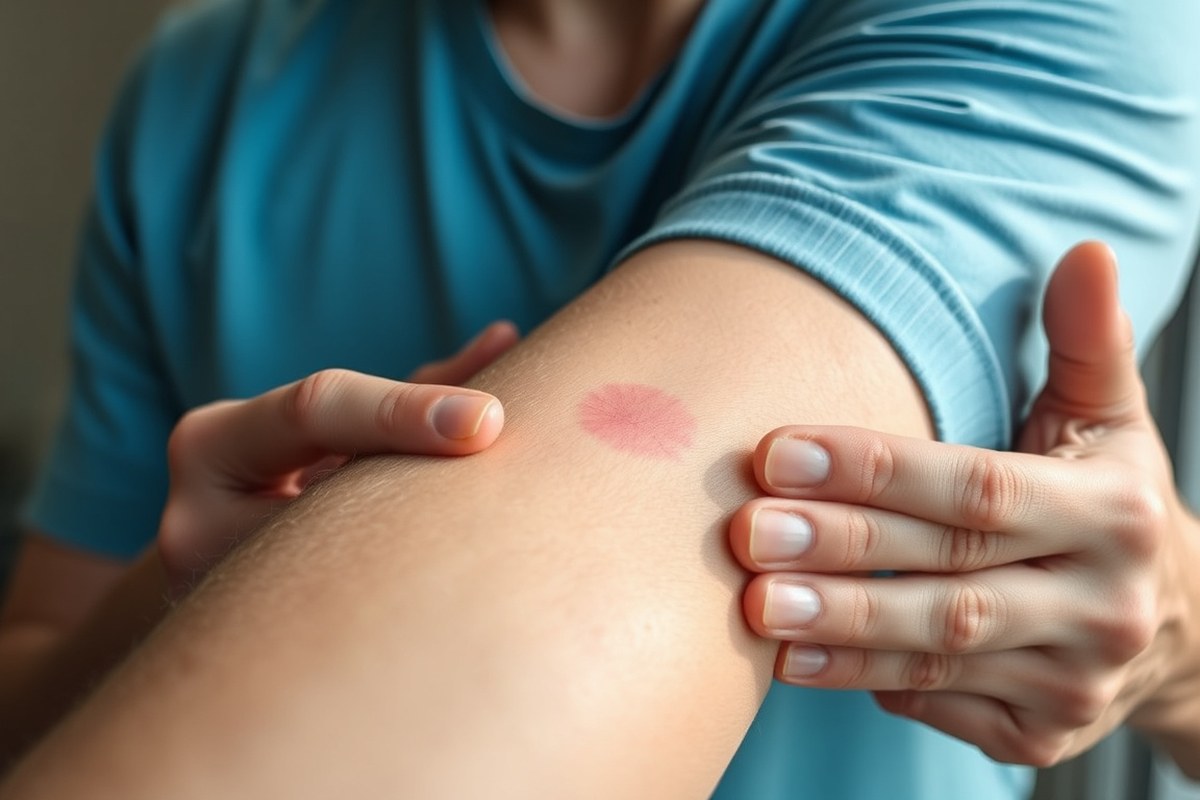
Ringworm’s incubation period usually lasts 1 to 2 weeks after contact with the fungus. During this time, you might not notice any symptoms. Once the fungus starts affecting the skin, a red, oval, or circular rash often appears. This rash can be itchy, scaly, and may have a raised border while the center looks clearer.
This early stage is when the infection is most contagious. Promptly starting an antifungal cream or prescribed treatment can help limit the spread. If you see the rash enlarge or new spots appear during this time, it’s a sign to use the medication consistently and avoid sharing towels or clothing.
Week 2: Start of Improvement and Rash Changes
With consistent daily application of an antifungal cream or lotion, you should notice some improvement by the second week. The rash edges often stop expanding and begin to shrink. Scaling and redness start to fade, and itching generally lessens.
Keep using the treatment as instructed, even if the skin looks better. Stopping too soon can lead to a return of the infection. Watch for these signs during week two to assess progress:
- Rash appearance becoming less red and inflamed
- Reduction in itching and discomfort
- No new patches appearing
- Scaling and crusting starting to flake off
- Rash shrinking in size and losing raised edges
A rash that grows larger or spreads after one week of treatment suggests the fungus is still active and may require medical evaluation.
Weeks 3-4: Resolution Signs and Continuing Treatment
Between weeks 3 and 4, the rash should continue to improve, with most of the visible signs clearing up. You may notice smoother, less irritated skin where the rash was located. At this point, many people might be tempted to stop treatment.
Make sure to apply the antifungal cream for no less than 7 days after the rash fully clears to lower the chance of the fungus returning. For fungal infections on areas with hair, such as the scalp, treatment with antifungal shampoo may be necessary for up to 8 weeks.
Beyond 4 Weeks: Persistent Cases and Next Steps
If the rash has not improved significantly after 4 weeks of consistent treatment, or if it worsens, you should see a healthcare provider. Persistent infection could mean the fungus is resistant to the treatment used, or there might be an underlying issue such as reinfection from contaminated clothing or pets.
In cases where antifungal creams do not work, your doctor may prescribe oral antifungal pills or recommend longer treatment duration. Children, people with weakened immune systems, or those with large affected areas might require special care or a different treatment approach.
- Reassess hygiene and clothing to prevent reinfection
- Continue prescribed medications as directed by a healthcare provider
- Consider an antifungal shampoo if scalp is affected
- Seek medical advice if rash enlarges or new lesions form despite treatment
- Be aware of immune status or other health issues that can affect healing
How to Prevent Reinfection and Stop Ringworm from Spreading
Stopping ringworm from spreading and preventing reinfection requires strict hygiene and thorough cleaning. The fungal spores that cause ringworm can live on household surfaces and fabrics for weeks, sometimes up to 12 to 20 months in warm, moist environments. This means simply treating the affected skin won’t be enough to keep your family and pets safe. You’ll need to clean and disinfect your home, wash clothing and bedding in hot water, and take care of your pets properly.
Start by washing all clothes, towels, and bed linens in hot water, at least 130°F, to kill the spores. Use regular detergent and dry items completely in the dryer on a high heat setting because spores survive longer on damp fabrics. Vacuum carpets, rugs, and upholstered furniture thoroughly, focusing on areas where your family or pets spend time. After vacuuming, clean floors and hard surfaces with a disinfectant spray or a bleach solution (1 part bleach to 9 parts water) to destroy lingering spores. Make sure to ventilate the area and wear gloves while cleaning.
- Treat any family members showing ringworm symptoms promptly to stop the spread.
- Isolate and treat pets diagnosed with ringworm, typically quarantining them for several weeks under vet supervision.
- Keep pets confined to specific rooms to limit contamination and make cleaning easier.
- Do not share towels, bedding, or clothing until everyone is fully treated and healed.
- Shower and wash your hands thoroughly after contact with infected areas or pets.
- Use antifungal shampoos, like ketoconazole, on pets as recommended by your veterinarian to reduce spore shedding.
- Regularly disinfect items like combs, brushes, and pet bedding.
Keep in mind that pets often need veterinarian-prescribed treatment and may require isolation for several weeks to prevent spreading ringworm to household members. Treating ringworm for the full recommended course ensures it doesn’t come back after you stop. Consistent cleaning and hygiene habits help protect everyone you live with, but skipping these steps puts you at risk of ongoing infections.
When to See a Doctor: Signs and Treatment Escalation for Ringworm
You should see a doctor if your ringworm symptoms don’t improve after two weeks of using over-the-counter antifungal treatments or if the infection gets worse. Persistent or spreading ringworm may require prescription oral medications or more specialized care. Identifying treatment failure early helps prevent complications and speeds recovery.
Recognizing Treatment Failure or Worsening Symptoms
After starting an OTC antifungal cream or ointment, the rash should begin to clear within about two weeks. If you see no improvement or if the red, scaly patches grow larger or become more inflamed, it likely means the treatment is not working. Look for symptoms like increased itching, swelling, or oozing, which signal a worsening infection. A ringworm rash that spreads beyond the initial area, especially crossing to other body parts, also indicates treatment failure. Sticking to the prescribed application schedule and continuing treatment for the full recommended period is important before concluding the therapy has failed.
Since some topical antifungals require weeks of use, you should cautiously monitor any signs of progression. Persistent symptoms despite proper OTC treatment indicate that fungal resistance or deeper infection may be present, and professional evaluation is needed. Avoid using steroid creams on ringworm, as they can mask symptoms and worsen the infection.
When to Try Prescription Antifungal Medications
If your ringworm doesn’t improve within two to four weeks of starting OTC medications, consult your healthcare provider. They may prescribe oral antifungal drugs like terbinafine (Lamisil), itraconazole (Sporanox), or griseofulvin (Grisactin and others), especially if the ringworm involves the scalp, beard, fingernails, or toenails. These medications often lead to quicker and more complete cures for stubborn or widespread infections. Prescription treatments generally last several weeks and might require blood tests to monitor for side effects, especially with oral options.
Prescription antifungals are also recommended for larger rashes that cover extensive skin areas or fail to respond to topical options alone. Your doctor will guide the length of therapy based on the infection site and severity. Oral treatments usually cost more than OTC creams but are covered by many insurance plans. Strict adherence to the full course is essential to prevent recurrence and resistance.
In some cases, your doctor may recommend antifungal shampoos for scalp ringworm to reduce fungal spores and household spread. Follow all instructions carefully and avoid self-medicating without professional advice.
Urgent Symptoms That Need Specialist Referral
Seek urgent medical care if the ringworm rash is very painful, rapidly spreading, or accompanied by fever, swelling, or pus. These signs may indicate a secondary bacterial infection requiring antibiotics or more intensive treatment. People with weakened immune systems, diabetes, or other chronic illnesses should also get prompt evaluation since their infections can worsen more quickly. A dermatologist or infectious disease specialist can provide specialized care if initial treatments fail or the infection is difficult to control.
In rare cases, extensive fungal infections may need longer-term oral therapy under close medical supervision. Early referral to a specialist helps prevent complications like scarring or widespread skin damage. Do not attempt additional OTC treatments or home remedies if symptoms worsen unexpectedly after starting medication.
Ringworm Causes, Symptoms, and How It Spreads
Ringworm is a common fungal infection affecting the skin, also known as tinea or dermatophytosis. Despite its name, it is not caused by a worm but by fungi called dermatophytes from families like Trichophyton, Microsporum, and Epidermophyton. These fungi thrive in the dead, outer layers of your skin, where they reproduce and cause the infection.
The infection usually appears one to two weeks after exposure, which is the typical incubation period for ringworm. You might first notice a dry, scaly, itchy rash that can slowly expand outward if left untreated. In many cases, the rash forms a ring-shaped pattern with redness around the edges, though this is not always the case. It often causes itching and burning, and the affected area may become red and inflamed. Ringworm can also affect the scalp, causing patchy hair loss, which is a different presentation but caused by the same types of fungi.
Ringworm transmits easily through direct contact with the skin of infected people or animals. It can also be passed indirectly by touching items like towels, clothing, or surfaces that carry the fungus. Scratching the infected patch and then touching other parts of your body can spread the infection. As some individuals and pets may carry ringworm without symptoms, it’s important to be careful around others who might be infected. Ringworm doesn’t result from poor hygiene, although keeping clean helps reduce spreading; anyone exposed to the fungus can get it.
A healthcare provider can usually diagnose ringworm by examining your skin and looking for the typical rash patterns and symptoms. Sometimes a skin scraping is taken for lab testing to confirm the fungus is present. Quick diagnosis helps start treatment sooner, which can limit the spread and growth of the infection.
To prevent spreading, avoid sharing personal items like towels and wash your hands regularly, especially after touching an infected area.
Step-by-Step Action Plan to Clear Ringworm
Follow this plan to treat ringworm effectively, reduce healing time, prevent spreading, and know when to seek medical help.
- Before You Start: Identify the infected area and clean it gently with soap and water. This prepares the skin for treatment and helps limit spread.
- Day 1: Begin applying an over-the-counter antifungal cream twice daily as directed. Expect early improvement within a week, such as less redness or itching.
- Week 1: Continue applying the antifungal consistently and keep the area dry. Notice shrinking of the rash’s edges or fading color, signs the treatment is working.
- Week 2: Monitor for stubborn or worsening symptoms like increased scaling or new spots. If seen, schedule a doctor visit to explore prescription options.
- After 2 Weeks: Maintain treatment for at least one week after rash clears to prevent relapse. Confirm healing by no visible rash, scaling, or itching.
- Post-Healing Phase: Wash clothes, towels, and bedding regularly in hot water and avoid sharing personal items. This stops reinfection and protects others.
- Ongoing: Check household pets for similar lesions and consult a vet if needed, since ringworm spreads from animals too.
- When Returning to Activities: Resume sports or close contact only after at least 48 hours of treatment and visible rash resolution to reduce contagion risk.
Frequently Asked Questions
How Do I Know If Ringworm Is Healing?
You’ll see the rash become less red and start to fade around the edges. The skin should gradually return to normal without new spreading spots appearing.
Is Ringworm Due to Poor Hygiene?
Poor hygiene alone doesn’t cause ringworm; it’s a fungal infection spread by contact. Good hygiene helps prevent it but isn’t a guaranteed protection.
How Do You Get Rid of Ringworm Fast?
Use antifungal creams consistently for 3-6 weeks and keep affected areas clean and dry. Early treatment speeds healing and reduces spread.
Can I Still Touch People If I Have Ringworm?
Avoid direct skin contact until after 48 hours of treatment when ringworm is less contagious. Cover lesions to protect others.
Can Ringworm Come Back After Treatment?
Yes, ringworm can recur if spores remain or if you’re re-exposed. Complete the full treatment and practice good hygiene to reduce risk.
Does Ringworm Require Oral Medication?
Most skin ringworm cases respond to topical creams, but oral medicine is needed for scalp or nail infections.
Before You Go
Ringworm usually clears up within two to four weeks with proper treatment, but it can take longer if left untreated or if treatment isn’t followed carefully. You can start improving your symptoms by applying an over-the-counter antifungal cream today and keeping the affected area clean and dry. If you don’t see signs of healing within two weeks or the infection spreads, make an appointment with a healthcare provider for stronger treatment options.


