
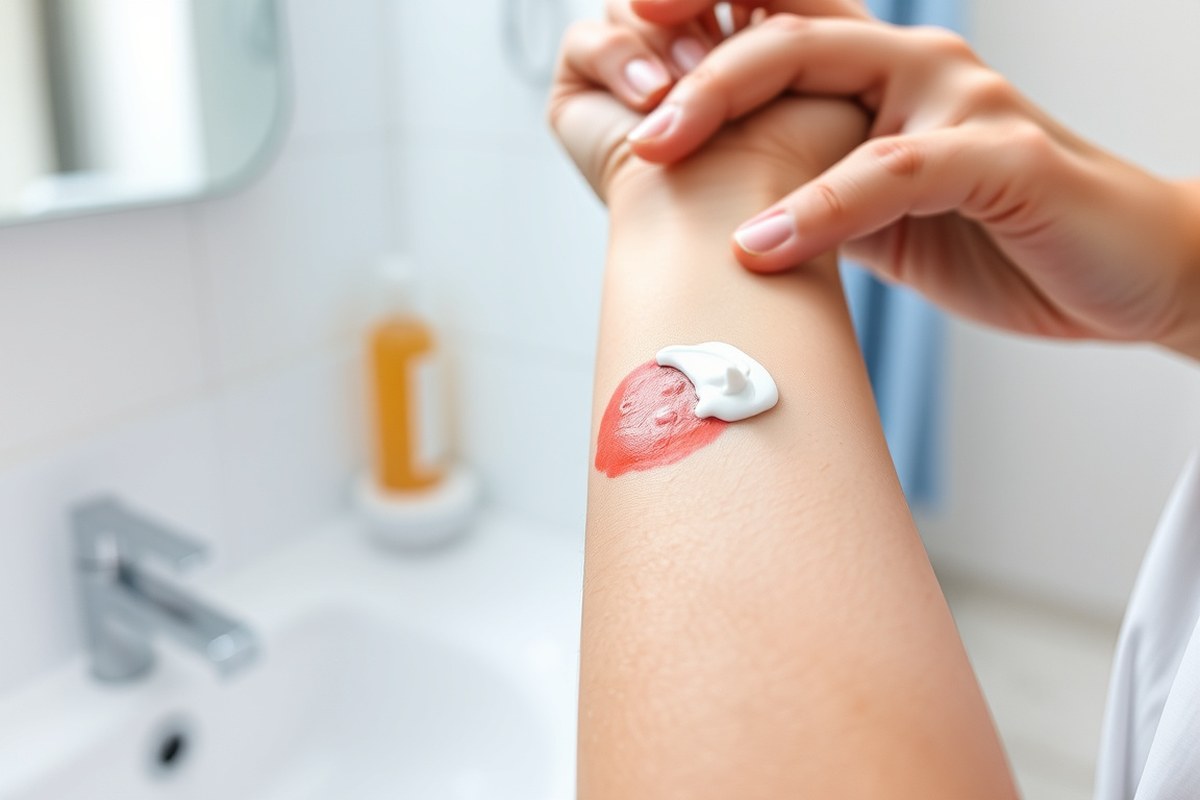
How Do You Get Rid of Ringworm Fast: 8 Proven Steps for Quick Healing
To get rid of ringworm fast, start using an FDA-recognized antifungal cream like clotrimazole 1% right away and keep the affected area clean and dry. Consistent treatment, daily hygiene, and washing bedding regularly can clear most skin infections within a few weeks. Oral antifungals may be necessary for scalp infections or if topical treatments don’t work.
This information is for anyone dealing with the red, itchy, circular rash of ringworm who wants steps for quick healing. You’ll learn the best treatments, hygiene tips to avoid spreading, how long to treat after symptoms improve, and when to see a doctor for stronger options.
Key Takeaways
- Use FDA-approved topical antifungal creams like clotrimazole 1% or terbinafine to clear ringworm on the body within 2 to 4 weeks.
- Apply antifungal creams twice daily and continue treatment for at least one week after symptoms improve to prevent recurrence.
- See a doctor if your ringworm worsens or doesn’t improve after two weeks; oral antifungals may be necessary, especially for scalp infections.
- Maintain strict hygiene by washing clothes, bedding, and cleaning surfaces regularly to stop fungal spores from causing reinfection.
- Natural remedies like tea tree or lavender oil may help, but expect a slower response and use them alongside medical treatments safely.
- Watch for signs of healing such as reduced redness and itching; stop treatment early can cause relapse or resistance.
1. Fastest Ways to Get Rid of Ringworm on the Body
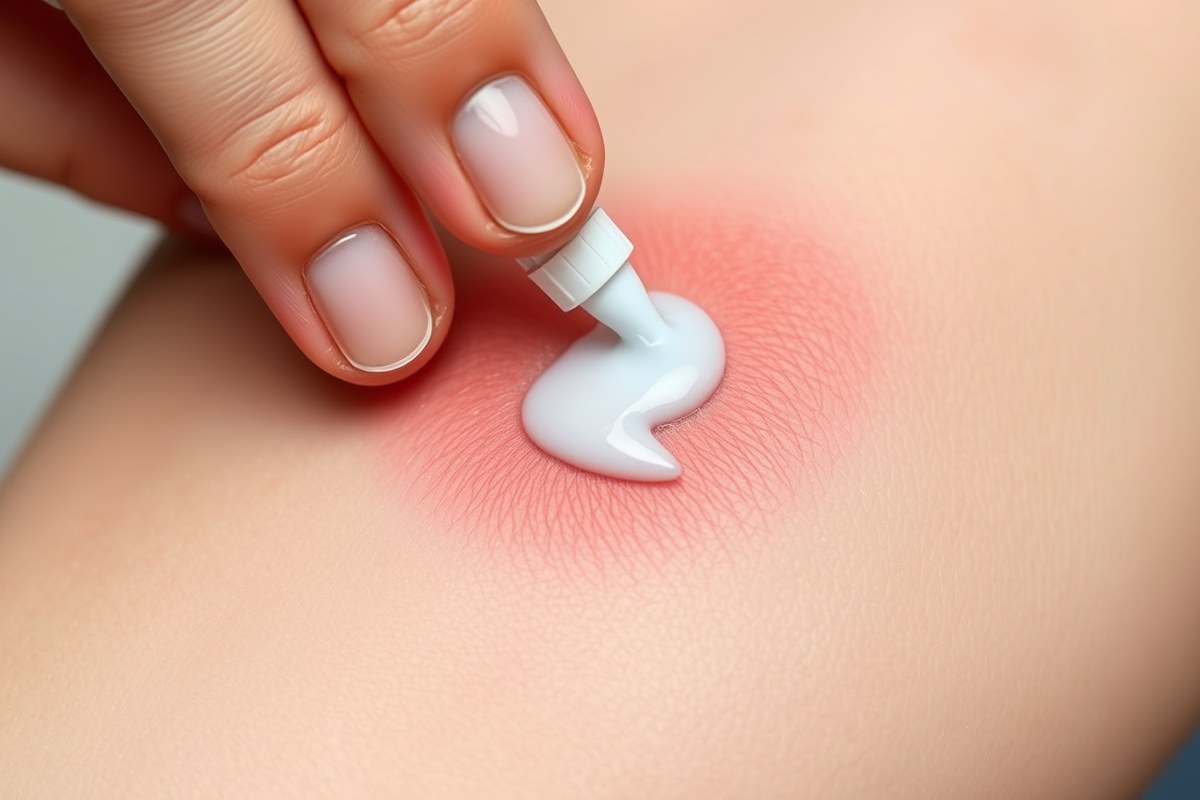
The fastest way to get rid of ringworm on the body is by using topical antifungal creams, especially those containing terbinafine. Studies show terbinafine clears ringworm within about four weeks in roughly 90% of cases, outperforming clotrimazole, which achieves around 59% effectiveness in the same period. These medications work by killing the fungus causing the infection and reducing symptoms like itchiness and redness.
Apply the antifungal cream two times each day on the infected skin and extend about an inch beyond the edges. First, wash the area gently with soap and water and dry it completely. Spread just enough cream to form a thin layer over the skin. Keep this treatment up for a minimum of two to four weeks without skipping, even if symptoms disappear quickly. For instance, applying it once after showering in the morning and once before sleeping helps keep a steady antifungal shield on your skin, stopping the fungus from coming back.
Clotrimazole creams also work but usually require longer treatment periods and are somewhat less effective than terbinafine. Both are typically available over the counter at pharmacies for around $10 to $20 depending on the brand and tube size. If you prefer, other options with similar application routines include miconazole and ketoconazole creams.
Ringworm can sometimes go away on its own without treatment, but this often takes several months and is far less reliable. Untreated infections risk spreading to other body parts or people, and symptoms can worsen over time. Treating promptly reduces the infection period and decreases discomfort.
In cases where topical treatment shows no visible improvement after two weeks, a doctor may suggest oral antifungal medication since some infections become stubborn or involve hair and nails, areas where creams are less effective. These pills provide a systemic approach that reaches fungus more deeply but require medical supervision due to potential side effects.
Alongside the medication, keep the infected area clean and dry, as fungi thrive in moist environments. Avoid covering the skin tightly with non-breathable fabrics, and wash clothing, towels, and bedding regularly in hot water to minimize reinfection risk. Using an antifungal powder in shoes or on feet can also help if ringworm affects those areas.
Applying medication consistently following these steps usually leads to visible improvement within a week, such as decreased redness and itching. The skin begins to clear as new healthy cells replace the infected layer. Stubborn patches or extensive rashes require longer treatment or additional therapies prescribed by a healthcare provider.
2. Topical Antifungal Creams: Which Work Best and How Fast?

Several over-the-counter antifungal creams effectively treat ringworm, with terbinafine generally working faster and showing slightly higher cure rates than clotrimazole and miconazole. Treatment typically lasts two to four weeks, depending on the product and severity of infection. Understanding each cream’s speed, effectiveness, and recommended use helps you choose the best option for your situation.
Clotrimazole: Effectiveness and Usage
Clotrimazole is a topical azole antifungal widely used to treat ringworm with an 80% to 90% cure rate when applied correctly. It belongs to the azole family, which works by disrupting the fungal cell membrane. Clotrimazole must be applied twice daily for two to four weeks and continued for at least one week after the rash disappears to prevent recurrence.
This treatment is safe for most adults and children and is considered a safe option during pregnancy due to its minimal systemic absorption. Common forms include creams and lotions, and products typically cost between $10 and $20 for a tube lasting the full treatment duration. Results may take longer compared to terbinafine, but this makes it a reliable choice for mild to moderate infections.
Terbinafine: Speed and Cure Rates
Terbinafine stands out for its faster action and higher cure rates in treating ringworm on the body. Studies show terbinafine can clear symptoms in as little as one week, matching or surpassing the four-week treatment period required for clotrimazole. Cure rates with terbinafine also reach 80% to 90%, making it a very effective option.
You usually apply terbinafine cream twice daily for about one week, which can reduce overall treatment time and offers greater convenience. Because terbinafine penetrates fungal cells differently than azoles, it tends to work quicker against the fungi. Over-the-counter terbinafine creams cost roughly $15 to $25 per tube.
Despite its advantages, some fungal strains may resist terbinafine, and the cream is not recommended for scalp ringworm where oral therapy is needed. Pregnant women should consult a healthcare provider before use.
Miconazole: Pros and Cons
Miconazole is another azole antifungal agent effective against ringworm but generally requires a longer treatment period, similar to clotrimazole. Like clotrimazole, it should be applied twice daily for two to four weeks. Cure rates for miconazole creams are comparable, typically ranging from 80% to 90% when used properly over the full treatment span.
Miconazole is widely available in creams, powders, and sprays, offering flexibility for different preferences and infection sites. Prices are usually in the $10 to $20 range for OTC options. It is also considered safe during pregnancy and is often preferred for its mild side effect profile.
The downside is a slower onset of action compared to terbinafine and less convenience due to the longer application period. Miconazole may be a good choice if you are sensitive to terbinafine or are pregnant. The following table summarizes the key differences between these treatments:
| Antifungal | Type | Cure Rate | Typical Treatment Duration | Application Frequency | Cost Range (OTC) | Pregnancy Safety |
|---|---|---|---|---|---|---|
| Clotrimazole | Azole | 80%, 90% | 2, 4 weeks | Twice daily | $10, $20 | Safe (Topical) |
| Terbinafine | Allylamine | 80%, 90% | About 1 week | Twice daily | $15, $25 | Consult provider |
| Miconazole | Azole | 80%, 90% | 2, 4 weeks | Twice daily | $10, $20 | Safe (Topical) |
Choosing between these antifungal creams depends on how quickly you want results, your pregnancy status, and sensitivity to medications. Always complete the full treatment course, even if symptoms improve early, to prevent recurrence and resistance.
Continue applying the antifungal cream for at least one week after the rash disappears to ensure the infection is fully cleared and reduce the chance of reinfection.
3. When to See a Doctor and Oral Antifungal Options
You should see a doctor if your ringworm infection does not improve after using topical treatments for four weeks, or if it affects the scalp or nails. Oral antifungal medications are typically prescribed in these cases because they work from inside the body to target the infection more effectively. Knowing when to escalate your care will help prevent complications and speed your recovery.
Recognizing Persistent or Worsening Symptoms
Ringworm normally starts clearing up within two to four weeks when treated properly with topical antifungals. If your rash is expanding, becoming more painful, intensely itchy, or showing signs of secondary infection such as pus or swelling, it means the infection is not responding to over-the-counter treatments. Lack of improvement after consistent application of creams for a full month signals that stronger medical treatment is necessary.
Some signs that treatment is failing include a rash that spreads beyond the original area, changes appearance, like thickening or crusting, and symptoms returning after initial improvement. These tell you to seek medical advice promptly to avoid prolonged infection and potential scarring or spread.
Identifying Complications Requiring Professional Care
Ringworm on the scalp, known as tinea capitis, generally requires a doctor’s attention because it almost always needs prescription oral antifungal drugs combined with medicated shampoos. This fungal infection can cause hair loss and may spread more aggressively without proper treatment. Similarly, ringworm of the nails is difficult to treat and often demands a combination of oral medications and antifungal nail paint for several months.
Consult a healthcare provider if you have extensive ringworm covering large body areas, if you have a weakened immune system, or if you notice swelling or discharge. Pregnant women should also seek a doctor’s guidance before using oral antifungals due to possible risks to the fetus. A professional diagnosis ensures you get the right treatment plan and minimize side effects.
Common Oral Antifungal Medications Prescribed
Doctors frequently prescribe terbinafine, itraconazole, griseofulvin, or fluconazole as oral options when topical creams fail or the ringworm affects the scalp or nails. Terbinafine is commonly chosen because it tends to have a shorter treatment duration and good effectiveness for both skin and nail infections. Itraconazole and fluconazole are alternatives that may be preferred depending on the infection site or patient tolerance.
Griseofulvin, an older drug, is still used for scalp infections and is taken longer but can be less expensive. Your doctor will select the medication based on your specific case, existing health conditions, and potential interactions with other drugs. These oral antifungals are widely available at pharmacies by prescription.
Duration and Dosage of Oral Treatments
Oral antifungal medications usually require treatment from one to three months to fully clear the infection. Scalp ringworm often needs 6 to 8 weeks of medication, while nail infections can take several months because nails grow slowly. Skin ringworm may also require oral treatment for at least 4 weeks if topical remedies do not work.
Dosages vary depending on the drug, your weight, and the severity of the infection. For example, terbinafine is typically taken once daily, while itraconazole may be given in pulse doses. Your doctor’s written prescription will specify the exact dosage schedule, and it’s important to follow it fully to avoid treatment failure or resistance.
Potential Side Effects of Oral Antifungal Drugs
Oral antifungals can cause side effects such as skin rash, itching, hives, or irritation. Some people experience swelling of the face, lips, or tongue, which requires immediate medical attention. Mild side effects like digestive upset or headaches are more common but should still be reported if persistent or severe.
Having your liver function monitored during treatment is often recommended because antifungal drugs can affect liver enzymes. Tell your doctor if any symptoms feel worse than mild or if you develop new issues while taking medication. Stopping treatment early without consulting a provider may lead to incomplete cure and recurrence of ringworm.
4. How Long Should Treatment Continue After Symptoms Improve?
Treatment for ringworm should continue for at least one to two weeks after the rash appears to have cleared to prevent the infection from returning. Stopping treatment too soon allows any remaining fungus to regrow and can lead to recurrence or spreading. Continuing treatment as directed ensures that the fungal infection is fully eliminated, not just masked.
Ringworm typically needs two to four weeks of consistent antifungal application, even if symptoms improve earlier. For scalp infections, oral antifungal medications are often required and might be taken for one to three months, depending on severity. Paying careful attention to your treatment timeline helps avoid prolonged infection and the risk of reinfection. Here are clear steps to follow after symptoms improve:
- Continue applying antifungal medication daily for at least seven to fourteen days beyond when visible signs like redness and itching disappear. This extra time clears lingering fungal spores.
- Do not stop treatment early even if the rash looks completely healed. Early discontinuation is the most common cause of ringworm returning.
- Keep the affected area clean and dry while you finish the treatment. Fungi thrive in warm, moist environments, so good hygiene supports medication effectiveness.
- Change towels and clothing that touch the infected area daily to reduce chances of reinfection from contaminated fabrics.
- Monitor the rash carefully during and after treatment. If the rash returns or worsens, consult a healthcare provider promptly to consider stronger or oral medication.
- Follow label directions or your doctor’s instructions exactly regarding dose, frequency, and duration to ensure full clearance.
- Contact a dermatologist if there is no improvement after two weeks of home treatment or if symptoms return after completing therapy.
Adhering to these practices helps you fully clear ringworm, reduce the risk of spreading it to others, and avoid frustrating recurrences. Taking the full course of antifungal medication is key even if the rash resolves sooner than expected.
5. Practical Hygiene and Environmental Cleaning to Prevent Reinfection
Stopping ringworm from spreading or coming back depends heavily on strict hygiene and thorough cleaning of your surroundings. This fungal infection’s spores can survive on fabrics and surfaces for many months, which makes daily cleaning essential to prevent reinfection. Focus on washing your clothes, bedding, and towels every day in hot water at 140°F (60°C) or higher, as this temperature is necessary to kill the fungal spores effectively.
Washing infected textiles separately prevents cross-contamination with other household laundry. Use a strong detergent and consider running an extra rinse cycle to ensure all fungus remnants wash away. Items such as pillow covers, bedsheets, and frequently used towels require particular attention because they come in close contact with your skin and fungi can linger on them.
Daily personal hygiene is another key factor. Always wash your hands thoroughly with soap and water after touching the infected areas. Keeping the infected skin clean and dry limits fungal growth and reduces the risk of spreading the infection to other body parts or other people. Avoid sharing towels, clothing, or grooming items to minimize transmission risks.
Pets can act as carriers for ringworm, especially cats and dogs. Watch for any signs like hair loss, scaly or red patches on your pet’s skin. If you notice suspicious symptoms, take your pet to a veterinarian promptly, since untreated animals can reinfect you. While treating yourself or your pet, clean common areas, pet bedding, and toys regularly using antifungal cleaners or hot water to remove fungal spores.
- Wash all clothes, bedding, and towels used daily at ≥ 140°F (60°C).
- Keep infected skin clean and dry; wash hands after any contact.
- Do not share personal items like towels, clothing, or brushes.
- Check pets for skin changes and visit a vet if needed.
- Clean pet bedding and grooming tools with antifungal solutions.
- Vacuum carpets and floors frequently to reduce spores.
- Cover infected areas with clean bandages if in contact with others.
Persistent failure to clean infected clothing and bedding thoroughly can cause ringworm to return or spread to others despite medical treatment.
Cleaning your environment plays a significant role as well. Vacuuming carpets, rugs, and upholstery daily helps remove fungal spores that can cling to these surfaces. Use disposable bags or empty vacuum containers outside to avoid contamination. Hard surfaces should be wiped regularly with a suitable disinfectant that targets fungi to minimize spores lingering around your home.
Maintaining these hygiene steps daily while you treat the infection can speed recovery and stop ringworm from spreading within your household. These measures require some extra effort and consistent attention but can prevent protracted treatment times and repeated infections.
6. Safe Use of Natural Remedies Alongside Medical Treatments
Natural remedies like tea tree oil and apple cider vinegar can play a supportive role in managing ringworm, but they are not replacements for antifungal medications. Tea tree oil has antifungal and antiseptic properties and some studies show that higher concentrations (around 25% to 50%) may improve symptoms and even help clear fungal infections in about 70% of cases. However, lower concentrations often have limited effectiveness, with only about 30% fungal eradication reported in one early study. High concentrations of tea tree oil carry a risk of skin irritation in up to 4% of users, so you should test a small skin patch before broader application.
Apple cider vinegar is a traditional remedy with some anecdotal support for fungal infections. Applying diluted apple cider vinegar two to three times daily for up to three days may help reduce ringworm symptoms by altering the skin environment to discourage fungal growth. However, scientific evidence is limited, and irritation is possible if used undiluted or too frequently.
Combining these natural options with proven antifungal creams can be safe if done carefully. Apply your antifungal cream according to label instructions, usually twice daily, and wait about 15 to 30 minutes before using the natural remedy. For example, apply a few drops of a 25% tea tree oil solution to the affected area and let it dry fully before applying the antifungal ointment. This spacing prevents dilution or chemical interaction between treatments. Use no more than two or three applications of apple cider vinegar per day, and avoid using it on broken or very irritated skin.
Here is a simple script you can follow for combining treatments: in the morning, wash and dry the infected area, apply your antifungal cream evenly, then after about 30 minutes, apply a couple drops of tea tree oil diluted to 25% concentration. Repeat this routine in the evening. Limit apple cider vinegar applications to once or twice a day for no more than three days, applying it separately from your cream. Always monitor your skin for irritation or allergic reaction and discontinue natural remedies if redness, itching, or burning worsens.
Natural remedies may take up to four weeks to show results, so patience is key. Using them alongside antifungal medications can sometimes speed symptom relief, but the proven antifungal agent remains the main treatment. Cost-wise, tea tree oil is affordable, commonly available as diluted solutions between $10 and $20 for a small bottle, and apple cider vinegar typically costs less than $5 for a bottle that lasts many applications. Avoid combining multiple natural products at once to reduce the risk of irritation.
Overall, natural remedies are best viewed as complementary rather than primary treatments. They require careful use to avoid side effects and to not interfere with your antifungal medication. Consult a healthcare provider if your symptoms do not improve after two weeks or worsen at any point.
7. Signs of Healing, Worsening, and Common Treatment Mistakes
You can tell when ringworm is healing by noticing a reduction in itching, redness, and the size of the rash. Worsening infections show increased symptoms like spreading redness, swelling, or pus. Avoid common treatment mistakes such as using steroid creams, which can worsen the condition and delay recovery.
Recognizing Healing Signs
Healing ringworm usually starts with itching and redness calming down within a few days of proper treatment. You may see the edges of the rash becoming less raised and the central area clearing up. The skin might start to peel slightly as new, healthy skin replaces the infected layer. These changes typically begin within 3 to 7 days after starting antifungal creams.
By day 10 to 14, the rash should show significant shrinking, with color fading and less irritation. Complete healing often takes 2 to 4 weeks, depending on the infection’s severity and infection site. Keep applying the medication as directed during this time to avoid relapse.
Warning Signs of Worsening Infection
Watch for symptoms that indicate ringworm is not improving or is getting worse, which requires prompt medical attention. These include:
- Increasing redness, swelling, or warmth around the rash
- Spread of the rash to new areas of skin
- Pus or fluid oozing from the rash
- Persistent or increasing pain in the affected area
- Fever or chills, which may indicate a secondary infection
- No improvement after two weeks of treatment
Such signs can mean the fungus is resistant to over-the-counter creams or a bacterial infection has developed. Avoid waiting too long to consult a healthcare provider if any of these occur.
Fixing Common Treatment Errors
Some mistakes can slow ringworm healing or make the rash worse. One of the biggest errors is using steroid creams like hydrocortisone, either alone or in combination with antifungal agents. Steroids suppress the immune response, allowing the fungus to multiply. This often causes a worsening of the rash, a condition known as tinea incognito.
Other common mistakes include stopping treatment too early, not cleaning clothing and bedding regularly, and scratching the rash, which introduces bacteria and delays healing. Proper treatment requires consistent application of antifungal cream three times a day until the rash is fully healed, which may take several weeks. To speed recovery and avoid these errors, follow these tips:
- Use only antifungal creams recommended for ringworm; avoid steroid or mixed creams without a doctor’s advice
- Continue treatment for the full recommended period, even if symptoms improve
- Keep infected areas clean and dry to inhibit fungal growth
- Wash clothes, towels, and bed linens frequently in hot water to remove fungal spores
- Avoid sharing personal items like towels and clothing
- Resist scratching to prevent spread and secondary infection
- Consult a healthcare provider if the rash spreads or gets worse despite treatment
8. Is Ringworm Contagious and How to Avoid Spreading It
Ringworm is contagious from the moment the fungal infection appears on your skin, before treatment starts. The fungus easily spreads through direct skin-to-skin contact or by touching contaminated items like towels, clothing, or bedding. Untreated ringworm remains contagious and can worsen or spread to other parts of your body over time. Once you begin antifungal treatment, guidelines generally say you become non-contagious after 48 hours of consistent use.
During the contagious period, isolating the affected area helps reduce spread. Keep the ringworm site covered with a clean, dry bandage or clothing if possible, especially when around others. Refrain from sharing personal items such as towels, hairbrushes, or sports gear. Washing your hands thoroughly with soap and warm water after touching the infected area is essential.
Maintaining good hygiene practices significantly lowers the risk of spreading ringworm. Wash clothes, bedding, and towels in hot water, at least 140°F, to kill the fungus. Dry these items completely in a hot dryer rather than air drying. Disinfect surfaces and any household items that may have come into contact with the infection, using a household cleaner effective against fungi. Avoid scratching or picking at the infected skin because fungus can transfer to your nails and under your nails, making the infection harder to control.
Continue antifungal treatment exactly as prescribed, even if the rash improves or disappears, usually for at least 1 to 2 weeks after symptoms resolve. This ensures full eradication of the fungus and reduces the chance the infection will return. Delay or stopping treatment early keeps you contagious and increases the risk of reinfection for yourself or others.
Restrictions on communal activities like swimming, wrestling, or gym use during the contagious phase can help prevent passing the fungus to others. For athletes, using clean clothing and showering immediately after activities reduces fungal spread. Children with ringworm should avoid close contact with classmates or teammates until treatment is underway and the contagious period has passed.
Always cover ringworm lesions and avoid sharing towels or clothing to stop spreading the infection to others.
Step-by-Step Action Plan for Fast Ringworm Recovery
Follow these clear steps to identify, treat, and prevent ringworm quickly and safely, and know when to get medical help.
- Day 1: Confirm and Start Treatment Gently clean the affected area and apply an over-the-counter antifungal cream twice daily. Look for reduced redness and itching within a few days as a sign it’s working.
- Days 1-7: Maintain Hygiene and Cleaning Wash your hands frequently, avoid sharing towels or clothes, and clean surfaces and bedding regularly. Check if new spots stop appearing to ensure you’re preventing spread.
- Day 7: Monitor Progress Continue treatment and observe the lesion’s shrinking size and lessened scaling. If there’s no improvement or the rash worsens, plan a doctor visit.
- Week 2: Assess Need for Medical Care If you see persistent or spreading rash beyond two weeks, or if it’s on your scalp or nails, schedule a medical exam for possible oral antifungal treatment.
- Week 3 and Beyond: Complete Full Treatment Keep using prescribed or over-the-counter antifungal creams for 1 to 2 weeks after the rash clears to prevent recurrence. Confirm healing when skin looks normal without any itching or scaling.
- Ongoing: Use Natural Remedies Safely Apply natural options like tea tree oil only alongside medical treatments and watch for any irritation. Stop if the rash worsens and consult your healthcare provider.
- Continuous: Avoid Spreading Cover lesions, avoid close contact, and keep personal items private. Make sure family or close contacts check themselves to catch any early signs.
Frequently Asked Questions
Can Ringworm Clear Up Without Treatment?
Ringworm rarely clears on its own and can last for months, so antifungal treatment is needed to eliminate the fungus effectively. Leaving it untreated also increases the risk of spreading it to others or other body parts.
Does Ringworm Come Back After Treatment?
Ringworm can return if treatment is stopped too soon or hygiene practices are not followed. Continuing treatment for several days after symptoms disappear helps prevent recurrence.
Can Ringworm Spread from Pets to Humans?
Yes, pets like cats and dogs can carry ringworm and pass it to humans through direct contact. Avoid touching infected animals and wash hands after contact to reduce risk.
Is It Safe to Use Antifungal Creams on Children?
Most antifungal creams are safe for children but should be used according to age recommendations on the label. For young children, consult a doctor before starting treatment.
Can Sweaty Clothes Make Ringworm Worse?
Yes, sweat traps moisture, which encourages fungal growth and may worsen ringworm. Wear loose, breathable clothing and change sweaty clothes promptly to aid healing.
How Soon Should You Expect Relief from Itching After Starting Treatment?
Itching usually starts to improve within a few days of antifungal treatment, although the rash may take weeks to fully clear. Persistent itching after one week suggests checking with a doctor.
Key Points to Remember
Getting rid of ringworm fast depends on starting effective antifungal treatments as soon as you notice symptoms. Begin applying a high-quality topical antifungal cream consistently and keep the affected area clean and dry to speed recovery. Today, check your medicine cabinet for an antifungal cream like clotrimazole or terbinafine and read the instructions carefully before applying it. If the rash does not improve in two weeks, schedule a visit with your doctor for further evaluation and treatment options.



One Comment