
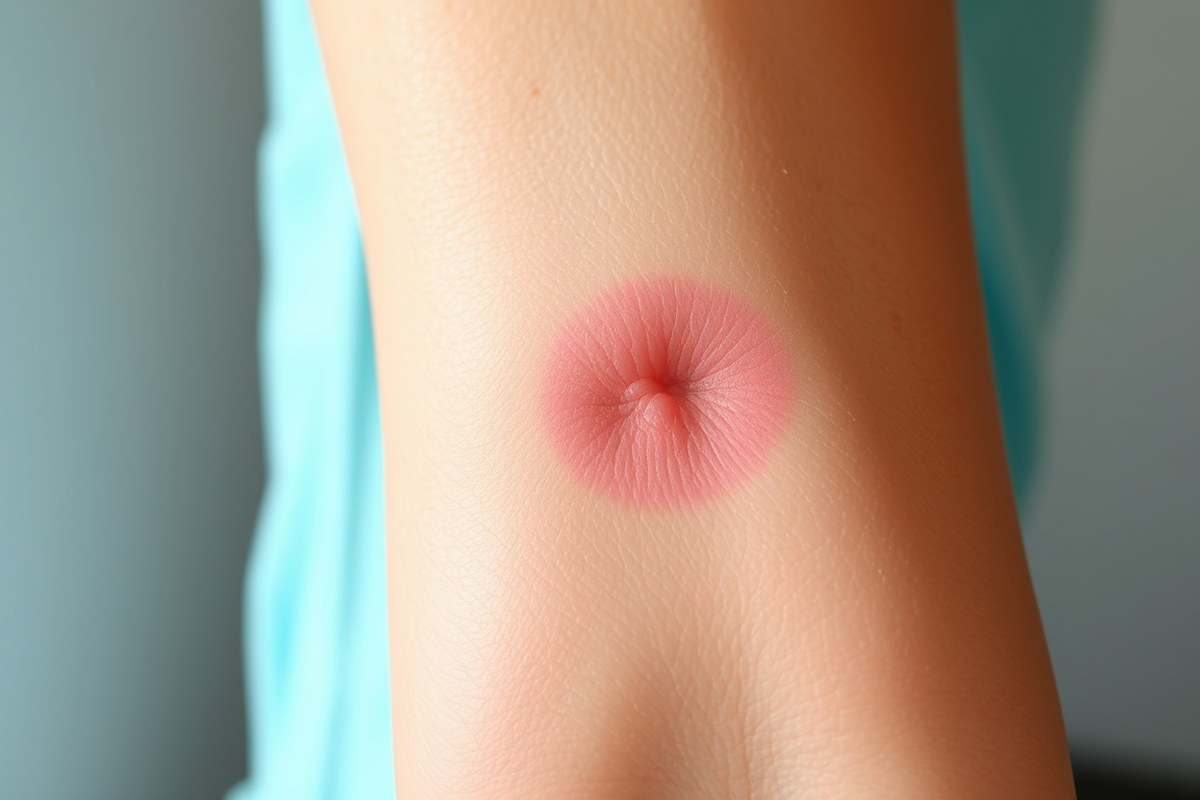
How to Get Rid of Keloids: 8 Effective Ways and What to Expect
Getting rid of keloids completely can be difficult, but several effective treatments can improve their appearance and reduce discomfort. Options range from safe home remedies and compression methods to medical treatments like steroid injections and specialized creams. How to get rid of keloids depends on the scar’s size, location, and your skin type, requiring a tailored approach.
This information is for anyone dealing with keloids from piercings, surgeries, or injuries, as well as caregivers researching options. You’ll get clear guidance on prevention, treatment comparisons, timing, and what results to expect, helping you make informed decisions about managing keloid scars safely and effectively.
Key Takeaways
- Keloids form from excessive collagen after skin injury, often appearing three months or more later, especially in people with darker skin tones.
- Use silicone gel or pressure earrings early, within 3 to 6 months post-injury, to reduce earlobe keloid risk after piercing.
- Injection treatments shrink 50% to 80% of keloids but often require ongoing care due to possible regrowth within five years.
- Surgical removal alone leads to nearly 100% recurrence, so combine with steroid injections and pressure therapy for better outcomes.
- Consult a dermatologist for tailored treatment planning, especially for sensitive skin or keloids on radiosensitive areas like the thyroid.
- Treatment duration varies from weeks to six months, with realistic results focusing on scar size reduction rather than complete elimination.
1. What Are Keloids and How Do They Form?

Keloids are raised scars that grow beyond the original wound edges, unlike typical scars that stay within the boundary of the injury. They can develop after skin damage like surgery cuts, piercings, burns, acne, or chickenpox. These scars appear raised and can be firm, itchy, and sometimes painful. What sets keloids apart is their excessive collagen production during healing, causing them to expand over time rather than just repair the wound.
The formation of keloids happens because of an abnormal healing response. Your skin produces more collagen than needed, and this tissue builds up aggressively at the site of injury. Keloids can appear weeks to months after the initial skin trauma, often becoming visible around 3 to 6 months after injury or piercing. Scar maturation takes up to a year, so the appearance and size of keloids may change for many months after they first develop.
Some people are more prone to keloids, especially those with darker skin tones, such as African, Hispanic, or Asian descent. A family history of keloids also raises your risk. For individuals with this tendency, even minor injuries can trigger keloid formation, making them a common challenge after body piercings or surgeries. Informing your dermatologist before a procedure can help start preventive treatments immediately, reducing the chance that keloids will form.
Early keloids are easier to diagnose by doctors through a physical exam. Prompt treatment after they begin forming is important because nearly all keloids will return if surgically removed alone. Combining treatments, like steroid injections or compression therapy for earlobe keloids, tends to improve outcomes, especially when started within the first few months.
Unlike hypertrophic scars, which remain within the wound margins and sometimes reduce over time, keloids extend beyond and rarely regress without intervention. Because they can become painful or limit movement depending on location, medical attention is often warranted. Treatment costs and complexity vary, but understanding these characteristics helps guide early consultations and realistic expectations for managing keloids.
2. Safe Home Remedies and Prevention to Reduce Keloid Risk

Safe home remedies can help reduce the size and discomfort of existing keloids and support smoother healing after skin injuries. Preventing keloids largely involves protecting your skin from unnecessary trauma and using targeted care like silicone sheets and moisturizing early on. Lifestyle choices have a role, but prevention depends most on timely and careful wound management.
Natural Ingredients That Soften Keloids
Some natural remedies may reduce itching, inflammation, and hardness in keloid scars, though these do not erase keloids completely. Applying natural oils with anti-inflammatory and moisturizing properties can soften scar tissue over time. Examples include aloe vera gel, which has soothing effects, and vitamin E oil, known for skin healing, though results vary by individual.
Use these remedies carefully by applying a small amount twice daily for several weeks; watch for any skin reactions, especially if your skin is sensitive. Combining natural ingredients with other treatments often improves comfort.
Using Silicone Sheets for Scar Management
Silicone gel sheets are one of the most effective home interventions for managing scars and preventing keloids after surgery or injury. These sheets create a moist, protected environment that softens and flattens scar tissue, reducing redness and itchiness.
For best results, apply silicone gel sheets over the healing wound as soon as the skin is closed, which is usually within one to two weeks post-injury. Wear them for at least 12 to 24 hours daily, consistently for 3 to 6 months or longer, depending on scar response. Sheets cost around $30 to $60 for a pack, lasting several weeks depending on size and usage.
Start using silicone sheets early, within 4 to 6 weeks of the injury, to influence scar formation while healing is still active.
Preventive care with silicone sheets can reduce keloid size and discomfort but typically needs to be combined with other methods for persistent scars.
Techniques to Minimize Skin Trauma
Preventing keloids begins with avoiding unnecessary skin injuries like cosmetic piercings, tattoos, and elective surgeries. Even minor trauma such as acne picking or aggressive exfoliation can trigger keloids in prone individuals. Protecting your skin during daily activities is important.
- Avoid new piercings or tattoos if you have a history of keloids
- Use gentle cleansing and moisturizing routines
- Wear protective clothing or sunscreen to prevent skin damage
- After an injury or surgery, follow wound care instructions precisely
- Refrain from scratching or picking scabs
- Use pressure dressings or compression garments as recommended
Reducing skin tension on healing wounds by avoiding stretching or excessive movement can also minimize abnormal scar growth. Some surgeons use special sutures or tape to reduce tension for this reason.
When to Avoid Piercings or Tattoos
People prone to keloid formation should generally avoid elective body modifications like piercings and tattoos. These procedures introduce controlled but unavoidable skin trauma that can trigger aggressive scar responses. This risk applies especially to the chest, shoulders, upper back, and earlobes, common sites for keloids.
Before deciding on these procedures, consider your personal or family history of keloids. Permanent skin injuries increase the chance of unpredictable scar development and may require future medical treatment to manage. Dermatologists often advise waiting or skipping these procedures entirely if you have had keloids before.
Daily Skincare Habits to Support Healing
Supporting your skin’s healing environment helps reduce keloid risk and improve scar appearance. Keep wounds clean and moisturized with fragrance-free ointments or creams. Avoiding sun exposure on healing scars is essential because ultraviolet rays darken scar tissue and promote irregular healing.
Regular gentle massage of the scar around 4 to 6 weeks after injury can also improve skin flexibility and reduce tension. Use light circular motions for 5 to 10 minutes twice a day with a moisturizing lotion or oil. This practice helps break down dense scar tissue and promotes healthier skin remodeling.
Good nutrition supports wound repair but no specific diet changes have proven to prevent keloids. Focus on balanced meals and staying hydrated to optimize skin function.
Protect your healing skin from the sun with broad-spectrum SPF 30 or higher for at least a year to avoid discoloration and worsening of scars.
3. Comparing Medical Treatments for Keloids: Effectiveness and Risks
Several medical treatments exist to manage and reduce keloids, each with varying effectiveness, side effects, and recurrence risks. Corticosteroid injections remain a common first-line option; they reduce inflammation and scar tissue buildup by delivering steroids directly into the keloid. Typically, multiple sessions are needed, around 3 to 6 injections spaced 4 to 6 weeks apart. Side effects may include skin thinning, discoloration, or pain at the injection site. While helpful at flattening keloids, steroids alone often require maintenance treatments and carry a moderate recurrence risk.
Laser therapy uses focused light to reduce redness and flatten keloids by destroying excess blood vessels in the scar. It can improve appearance and texture but usually works best in combination with other treatments. Laser sessions typically require monthly visits for several sessions. Recurrence is common if used alone, and side effects might include temporary redness or swelling.
Surgical removal excises the keloid, potentially providing immediate size reduction. However, surgery alone often leads to regrowth since surgery itself triggers new scarring. Because of this, surgery is usually combined with adjuvant treatments such as corticosteroid injections or radiation therapy to lower the chance of recurrence. Surgery costs range from about $1,000 to $3,500 depending on size and location.
Radiation therapy inhibits the scar tissue’s ability to regenerate and is the most effective adjuvant after surgery. It reduces recurrence risk by more than half compared to surgery alone over 30 months of follow-up. Radiation therapy is generally applied shortly after surgery and costs about $1,000 to $2,000. Its risks include pigment changes and a theoretical long-term cancer risk, so it’s reserved for difficult or recurring keloids.
Pressure therapy uses constant compression garments or devices to reduce blood flow and scar formation. It’s noninvasive, safe for children, and often combined with silicone sheets. Pressure therapy works best on earlobes or smaller keloids but requires wearing pressure devices for months to see results.
Silicone gel sheets or gels form a protective, hydrating layer over the scar, helping prevent keloids from worsening or returning after removal. They are easy to apply and recommended as a supportive treatment, especially when combined with pressure therapy or steroid injections. Silicone sheets need to be worn for 12 to 24 hours daily over several months.
Cryotherapy involves freezing the keloid with liquid nitrogen, which can reduce its size by destroying scar tissue. It works better for small keloids. Side effects include pain during freezing, blistering, and possible hypopigmentation where the skin lightens permanently. Recurrence risk varies, so cryotherapy is often part of a combined approach.
| Type of Treatment | Cost Range (USD) | Effectiveness | Side Effects / Risks | Recurrence Risk |
|---|---|---|---|---|
| Corticosteroid Injections | $100 to $300 | Moderate reduction, requires multiple sessions | Skin thinning, discoloration, pain | Moderate; often needs maintenance |
| Laser Therapy | $300 to $1,500 | Improves texture and redness; best combined with others | Temporary redness, swelling | High if used alone |
| Surgical Removal | $1,000 to $3,500 | Immediate size reduction | Scarring, infection | High without adjuvants |
| Radiation Therapy (post-surgery) | $1,000 to $2,000 | Reduces recurrence by ~55% | Pigment changes, theoretical cancer risk | Low when combined with surgery |
| Pressure Therapy | Varies (pressure garments cost) | Effective for earlobes/smaller keloids | Minimal | Low to moderate with consistent use |
| Silicone Gel Sheets/Gels | Low cost | Supports healing, prevents recurrence | Rare skin irritation | Low when combined with other treatments |
| Cryotherapy | $100 to $500 | Effective for small keloids | Pain, blistering, hypopigmentation | Variable |
Combining treatments often offers the best chance to control keloids and minimize regrowth. For example, surgical removal followed by radiation and corticosteroid injections significantly reduces recurrence risk in large or severe scars. Noninvasive options like silicone sheets and pressure therapy support healing after invasive treatments. Cryotherapy and laser therapy provide alternatives for smaller lesions or when surgery is not suitable. Your dermatologist will tailor treatments based on keloid size, location, and your medical history to balance effectiveness and side effects.
4. Step-by-Step Dermatologist Consultations and Treatment Planning
Visiting a dermatologist to manage keloids involves a clear plan where your doctor evaluates your scars and discusses treatment options that match your specific needs. Knowing how to prepare for the visit, what questions to ask, and understanding safety concerns for children or pregnant patients can help you get the most from your consultation.
Preparing for Your Dermatology Appointment
A thorough preparation before your dermatology visit can improve communication and treatment planning. Gather any past medical records related to the keloids, such as previous treatments, surgeries, or photographs of the scars at different stages. Be ready to describe how the keloids affect your daily life, including any symptoms like itching, pain, or cosmetic concerns. Here are practical steps to prepare for your consultation:
- Note key details about the keloid’s history, such as when it first appeared and any changes you’ve noticed.
- Compile a list of all current and past treatments you have tried.
- Write down any medical conditions or allergies you have, especially those related to skin or immune system problems.
- Prepare a clear description of your goals for treatment to share with your dermatologist.
- Bring a list of medications you are currently taking, including over-the-counter products and supplements.
- Consider arranging for someone to accompany you for support and to help remember details discussed.
Staying organized helps your dermatologist understand your case better and recommend suitable options, often combining treatments like intralesional corticosteroids or emerging alternatives such as botulinum toxin injections, which have shown promising results in reducing keloid size and volume.
Questions to Ask Your Dermatologist About Treatments
Effective communication ensures you make informed choices about keloid management. Asking targeted questions helps clarify what to expect from each treatment and addresses safety or cost concerns. Use the following script as a guide during your visit:
- What treatment options are available for my keloid based on its size, location, and severity?
- What are the benefits and risks of each treatment? How effective are they long-term?
- Are there any side effects or complications I should watch for?
- How many sessions or procedures will likely be needed, and what is the typical time frame for seeing results?
- What kind of aftercare or maintenance will I need?
- How much will the treatments cost, and are payment plans or credit options like CareCredit available?
- What realistic results can I expect, especially considering that complete removal is unlikely?
Clear answers to these questions will help set realistic expectations. For instance, surgical excision paired with postoperative therapies often prevents recurrence in 90%-100% of cases when followed correctly. Discuss whether combining treatments, like corticosteroids and 5-fluorouracil or using pressure earrings for earlobe keloids, suits your needs.
Discussing Special Considerations: Age and Pregnancy
Safety is critical when treating keloids in children or pregnant women. Certain treatments, particularly radiation therapy, are generally avoided for patients under 12 years old or pregnant individuals due to potential risks to sensitive tissues like the thyroid and developing fetus.
Inform your dermatologist if you are pregnant or planning to become pregnant, or if your child needs treatment. The doctor can recommend safer options such as intralesional corticosteroid injections or topical treatments that have minimal systemic effects. Some therapies, like imiquimod cream or botulinum toxin, might not be appropriate during pregnancy and will require careful consideration.
A frank discussion about your or your child’s health status allows the dermatologist to tailor a treatment plan that balances efficacy with maximum safety. This approach prioritizes minimizing irritation and symptoms while respecting developmental and hormonal factors that can influence keloid behavior.
5. How Long Does Treatment Take and What Results Are Realistic?
Treating keloids typically spans several months, often requiring multiple sessions before noticeable improvements appear. While treatments can reduce size, redness, and symptoms like itching, complete removal remains rare and recurrence is common. Managing expectations helps you stay patient and proactive in follow-up care.
Average Duration of Various Treatments
Treatments like intralesional corticosteroid injections usually show results within 3 to 6 months, but it may take up to a year to see full effects, especially with larger or older keloids. Surgical removal combined with adjuvant therapies such as radiation or topical creams can achieve faster flattening, but these approaches carry higher risks of side effects. For example, local application of captopril cream or oral enalapril may improve keloids over several months without serious side effects, although research is still evolving.
Pressure therapy, often used for burn scars, may require continuous application for 6 to 12 months to effectively flatten the keloid. More advanced treatments like superficial radiation therapy usually involve sessions over 1 to 4 weeks post-surgery, aiming to reduce recurrence risk.
Expected Visual Improvements over Time
Most patients notice less elevation, redness, and itching within the first few months of treatment. Clinical trials report up to 90% improvement in scar appearance, though complete disappearance of the keloid is rare. Some fading of color and smoother texture typically follows as treatments continue.
Side effects such as dryness, itching, or redness may appear during treatment but usually resolve within days to weeks. Keep in mind that improvements often plateau, so consistent maintenance therapies may be recommended to sustain results.
Frequency and Number of Therapy Sessions
Around 2 to 3 treatment sessions are common for intralesional corticosteroid injections to achieve visible results. Additional maintenance treatments might be necessary depending on how your keloid responds. Combining therapies, such as steroid injections with laser or radiation, may require coordination of several appointments over months.
For pressure therapy, daily or extended wear of silicone sheets or pressure garments is often necessary, sometimes for a year or longer, to see significant scar reduction. Surgical options generally involve one procedure followed by multiple adjuvant sessions to lower recurrence risk.
Signs of Keloid Recurrence to Watch
Recurrence happens in nearly a quarter of cases after surgery, even with post-operative treatment like imiquimod cream. Early signs include scar hardening, increased redness, or raised patches forming around the treated area. If these appear, prompt intervention with steroid tape or plasters can help control the returning tissue overgrowth.
Monitoring scar changes regularly is critical because timely treatment adjustments improve long-term outcomes. Consult your dermatologist immediately if you notice itching, pain, or thickening that wasn’t present before.
Start steroid tape or plaster treatment as soon as hardening or thickening is noticed to prevent full recurrence.
Factors Affecting Speed of Scar Reduction
The size, location, and age of the keloid influence how quickly it responds to treatment. Younger scars usually respond faster, while older, larger keloids may need prolonged therapy. Areas with frequent movement or high skin tension, such as earlobes or chest, tend to heal more slowly and have higher recurrence rates.
Individual factors like skin type and your body’s healing response also affect treatment speed. For sensitive skin, gentler options or close monitoring reduce the risk of irritation. Your dermatologist can tailor a treatment plan based on these variables to optimize timelines and minimize side effects.
6. Special Considerations for Different Body Areas and Sensitive Skin
Keloids tend to develop more frequently and behave differently depending on their location on the body. Common areas include the chest, shoulders, upper back, earlobes, jawline, and neck. Areas like the lower abdomen and deltoid experience more skin tension, which contributes to keloid formation. The face can be especially challenging due to sensitive skin and cosmetic concerns, while earlobe keloids often arise after piercings.
Different body areas may respond uniquely to treatments because skin thickness, blood supply, and tension vary. For instance, keloids on the earlobe often do well with combined approaches such as surgical removal followed by silicone gel sheeting or corticosteroid injections to minimize recurrence. In contrast, larger chest keloids might require ongoing steroid injections or even laser therapy to manage inflammation and collagen production.
Treating delicate regions such as the face and earlobes requires balancing strong results with minimizing skin irritation or color changes. Intralesional corticosteroids are frequently used, but the amount and how deep they’re injected may need to be altered to avoid skin thinning or discoloration, particularly in individuals with darker skin tones who have a 15% to 20% higher chance of keloid formation. Do not rely only on aggressive surgical removal in these locations because it tends to increase the likelihood of keloids returning. Key tips for managing keloids depending on location and skin sensitivity include:
- For face and neck: Use gentle treatments like silicone gels combined with low-dose steroid injections to reduce irritation.
- Earlobe keloids: Consider surgical removal followed immediately by steroid injection and pressure earrings to prevent regrowth.
- Chest and shoulders: Combine corticosteroid injections with laser therapy or cryotherapy to address larger keloids under skin tension.
- Darker skin tones: Monitor carefully for pigment changes; ask your dermatologist about treatment modifications to minimize risks.
- Areas under tension: Use pressure therapy or taping during healing to reduce mechanical stress, which worsens keloid formation.
- After surgery or trauma: Begin treatment early, typically within the first month, to prevent keloids from enlarging.
- When removing keloids surgically on sensitive sites, plan follow-up treatments like steroid injections or silicone sheeting to minimize recurrence.
Successful treatment depends on choosing methods suited to each body part’s characteristics and skin type. Face and earlobe treatments prioritize minimizing visible scarring and pigment changes, while larger keloids elsewhere may require more aggressive combined approaches. Early intervention and ongoing maintenance usually improve outcomes, lowering the risk the keloid will return or worsen.
7. Common Pitfalls in Keloid Treatment and How to Avoid Them
Starting silicone gel sheeting too late is a common mistake that can reduce the effectiveness of keloid treatment. Silicone works best when applied soon after the wound heals or after surgical removal of the keloid. Applying silicone early helps regulate collagen production and keeps the scar soft and flat, potentially flattening the keloid by up to 34% after six months of daily use. Delays allow the keloid to mature and thicken, making it harder to treat.
Pressure therapy also requires careful attention to timing and application. Pressure garments need to apply a steady force of 24, 30 mmHg directly to the keloid for at least 6 to 24 months. Wearing the garment just a few hours a day or using inconsistent pressure often results in treatment failure. Many patients struggle with compliance due to discomfort or high cost, but persistent use is necessary for optimal results. For earlobe keloids, pressure earrings worn almost continuously post-surgery can prevent keloid recurrence effectively.
- Start silicone gel sheeting as soon as the wound closes, usually within days to weeks after injury or surgery.
- Wear silicone sheets for at least 12 hours a day to maximize benefits.
- Use pressure garments consistently, aiming for 20 hours daily over several months to achieve the recommended 24, 30 mmHg pressure.
- Seek proper fitting for pressure garments to avoid uneven pressure or skin damage.
- Combine pressure therapy with moisturizing to keep skin pliable and reduce itching and pain.
- Monitor the treated area regularly and consult your provider if redness, soreness, or skin breakdown occurs.
- Be patient, keloid improvement takes time and treatment often lasts over half a year.
Improper pressure, such as too little compression or inconsistent wear, undermines the ability to reduce scarring and can promote recurrence. Pressure that is too tight may cause skin irritation, so professional guidance is key in choosing and adjusting garments. Moisturizing during therapy supports comfort and skin health, which encourages wearing the pressure device as prescribed.
Skipping or delaying post-surgical adjuvant therapies like silicone sheets or pressure earrings raises the risk of keloids growing back. Combining treatments, such as intralesional steroid injections and pressure devices, has shown higher success rates, especially for common trouble spots like the earlobes. Wearing earring-style pressure devices for months after excision can substantially reduce recurrence, a frequent obstacle in keloid management.
8. When to Seek Urgent Medical Care for Keloids
Keloids that suddenly change or worsen need prompt medical attention to prevent complications. Watch for signs such as increased redness, swelling, pain, or rapid growth. These symptoms can indicate infection, irritation, or abnormal scar progression requiring timely evaluation by a dermatologist.
Another urgent sign is bleeding or oozing from the keloid, especially if accompanied by fever or spreading redness around the area. Keloids larger than half an inch (about 1.25 cm) that cause significant discomfort or pain also merit professional care. Early intervention improves treatment success and may help prevent the keloid from becoming more difficult to manage. Use the following checklist to determine if you should see a doctor immediately:
- Keloid is rapidly growing or spreading beyond the original injury
- Severe itching or persistent pain that worsens over time
- Redness, warmth, or swelling around the keloid suggesting inflammation
- Bleeding, pus, or other discharge indicating possible infection
- Skin ulceration or open sores on the keloid surface
- Fever or other systemic illness along with skin changes
- Keloid causing physical limitations or severe discomfort
Early consultation with a dermatologist can help prevent worsening and avoid complications such as infection or keloid enlargement.
Schedule a professional evaluation as soon as you notice any of these symptoms. The dermatologist may recommend treatments like intralesional corticosteroid injections or 5-fluorouracil, which can reduce inflammation and size especially when started early. More complex cases might need combination therapies such as cryotherapy alongside medications to achieve better control of the keloid.
Prompt care usually results in better cosmetic and comfort outcomes, reducing the need for aggressive surgical removal that often leads to recurrence. Costs vary widely depending on the procedure and insurance coverage but initial office visits typically range from $100 to $300. Early diagnosis means you avoid the higher expenses and longer treatments associated with advanced or complicated keloids.
Step-by-Step Action Plan for Managing Keloids
Follow these steps to understand, prevent, and treat keloids effectively while setting realistic expectations for your results.
- Before you start: Learn what keloids are and why they form by reviewing the basic signs, raised, thickened scars extending beyond the original injury. Knowing this helps you recognize keloids early and avoid unnecessary treatments.
- Day 1: Begin safe home care with silicone gel sheets or silicone scar cream applied daily to the keloid area. Track softness and redness reduction weekly to gauge effectiveness. Avoid scratching or irritating the area.
- Week 2: Schedule a dermatologist consultation to discuss medical treatment options like corticosteroid injections or laser therapy. Prepare by noting your keloid’s size, location, and any discomfort, so your doctor can tailor the plan.
- Week 3, 4: Follow your dermatologist’s prescribed treatment regimen exactly. Watch for signs of improvement such as flattening, color fading, or less itching. Report any adverse reactions immediately.
- Month 2 and ongoing: Continue preventive measures to reduce new keloid risk, such as protecting the skin from trauma and avoiding unnecessary piercings or surgeries near the affected area. Monitor for new or returning keloid growth.
- When changes occur: If the keloid enlarges rapidly, becomes painful, or shows signs of infection (redness, warmth, discharge), seek urgent medical care to prevent complications.
- After 3, 6 months: Review your progress with your dermatologist to adjust treatment based on results and skin sensitivity, especially if your keloid is on a sensitive area like the face or chest. Set realistic expectations for improvement, as complete removal is often unlikely.
Frequently Asked Questions
Can I Get Rid of a Keloid on My Own?
You cannot fully remove a keloid on your own, but home remedies like applying fresh onion juice may reduce size and symptoms of new keloids. Professional treatments are usually needed for significant improvement.
Can Keloids Ever Go Away?
Keloids rarely disappear completely, but treatments can shrink them and improve appearance. They often return after removal due to the body’s healing response.
What Triggers a Keloid?
Keloids form from skin injuries such as piercings, surgery, or trauma, often appearing three months or more after damage. Darker skin tones are more prone to developing keloids.
How Do I Get Rid of Keloids from a Piercing?
Compression earrings combined with steroid injections used within 3 to 6 months after piercing are the best way to reduce earlobe keloids. Early treatment is key to success.
Can Botulinum Toxin Improve Keloid Scars?
Botulinum toxin injections can reduce keloid size and improve appearance, sometimes working better than steroid injections in some cases.
Is Radiation Therapy Safe for Keloid Treatment?
Radiation is not recommended for children under 12, pregnant patients, or sensitive areas like the thyroid, limiting its use in keloid care.
Wrapping Up
Effectively managing keloids involves understanding your options and working closely with a dermatologist to choose a treatment plan that suits your skin and scar type. You can start today by scheduling a dermatology consultation to get a personalized assessment and discuss safe, evidence-based treatments. Early action helps improve outcomes and reduces the chance of worsening keloids.


