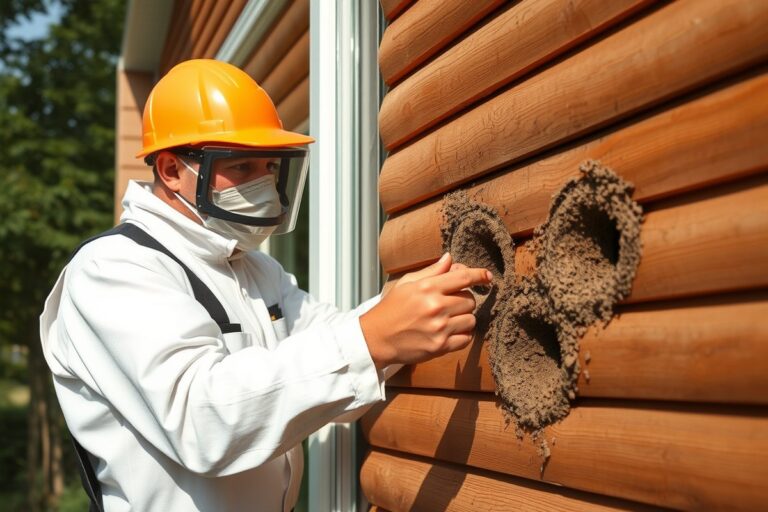
Who Provides Lawn Care with Pest Control Options? Complete Guide to Services and Choices
Many lawn care companies now provide integrated pest control options, combining services for healthier, pest-free yards. These providers typically include pest management for common lawn pests alongside fertilization, weed control, and maintenance. You can find options through local landscaping companies, national lawn care franchises, and specialized pest control services offering combined treatment packages.
This information is useful for homeowners, property managers, and small business owners seeking reliable providers who can handle both lawn care and pest control efficiently. The article covers key topics like service options, treatment frequency, costs, selecting reputable companies, and what to expect before and after treatment for optimum results.
Key Takeaways
- Many lawn care companies now include pest control options, combining treatments for convenience and complete property care.
- Common pest control in lawn packages involves insecticides, herbicides, and preventive soil treatments targeting ants, grubs, and ticks.
- Frequent pests treated usually include grubs, mosquitoes, ticks, and fleas, with treatments commonly scheduled two to four times annually.
- Combined lawn care and pest control services typically cost between $50 and $150 per treatment, varying by region and lawn size.
- Verify provider credentials by checking licenses, certifications, online reviews, and membership in professional lawn or pest control associations.
- Homeowners should prepare by mowing and watering before treatment and avoid lawn use for 24 to 48 hours post-treatment.
Which Companies Offer Combined Lawn Care and Pest Control Services?
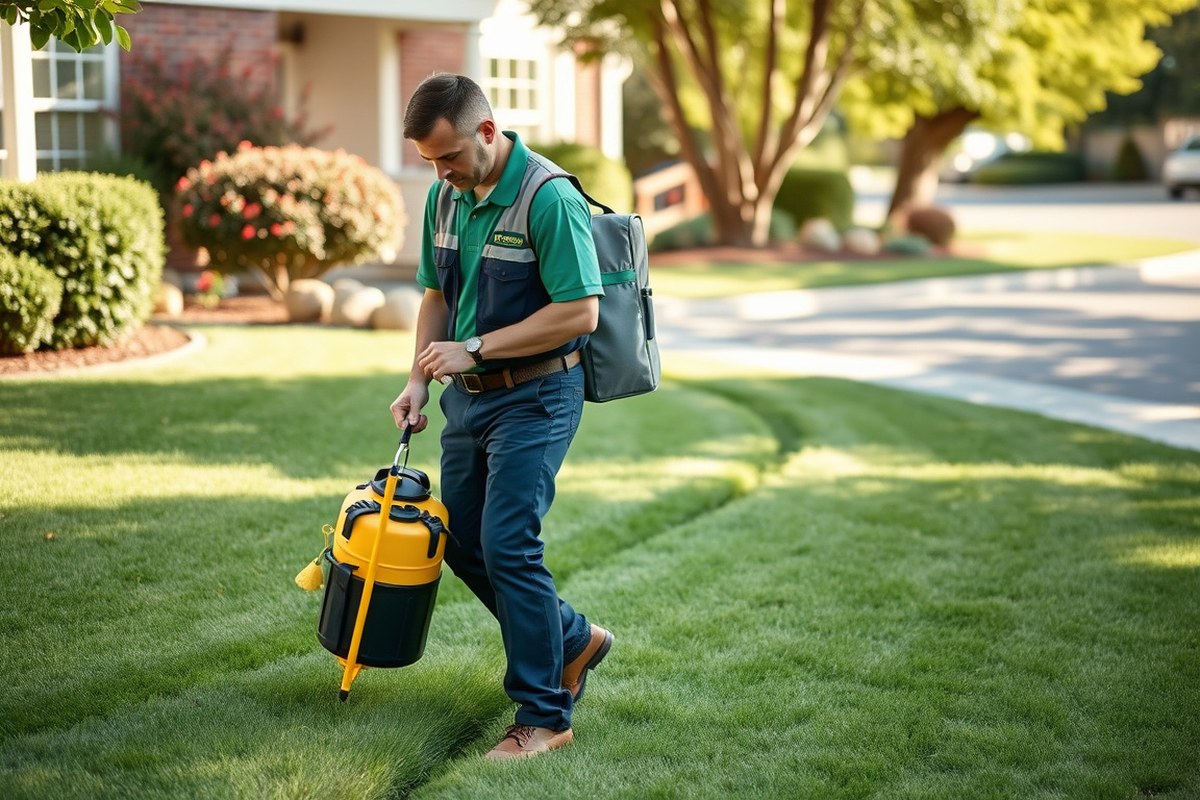
Many national and regional lawn care companies now include pest control as part of their service packages, offering a convenient solution for managing your lawn’s health and insect or weed problems together. Leading national providers such as TruGreen and Lawn Doctor commonly bundle treatments for pests alongside fertilization and lawn maintenance. These companies typically offer services like grub control, aeration combined with insect treatment, broadleaf weed control, and seasonal pest management. Larger companies often have in-house pest control divisions, allowing them to coordinate schedules and customize treatments with minimal hassle for you.
Regional providers may also offer combined lawn care and pest control, sometimes with a more localized approach. These smaller companies tend to have detailed knowledge of area-specific pests and soil conditions, which can result in more targeted treatments. Some local lawn care services partner with licensed pest control specialists when pest issues demand specialized chemicals or advanced expertise. This partnership approach can be beneficial if your property faces unusual pest challenges beyond routine lawn insects.
Finding providers near you starts with an online search using specific terms like “lawn care with pest control near me” combined with your city or zip code. Review websites and local listings on platforms like Yelp, Google Business, or Angi offer customer reviews and service details. You can also ask neighbors or local gardening centers for recommendations. When exploring options, check whether the provider conducts an initial inspection to tailor pest and lawn treatments, and confirm their licensing and insurance.
Evaluating combined service providers involves a checklist: confirm they cover your needed pest problems and lawn care tasks, verify how treatments are bundled and scheduled, inquire if they use licensed applicators for pest control, and request transparent pricing for both care types. Consider whether they provide follow-up visits and guarantees on pest eradication or lawn health. National companies might offer brand reliability and standardized service levels but often at a higher cost, while local providers may offer more customization and direct contact with technicians but can vary more in quality.
Choosing between local, regional, or national providers depends on your priorities. For broad pest control integrated smooth with routine lawn care, national firms can simplify scheduling and billing. For customization based on local pest prevalence or soil types, local specialists or regional companies may be better. Knowing how providers deliver pest control, whether in-house or through certified subcontractors, helps you assess their expertise and response time. Always confirm pest control treatments comply with state regulations and that technicians hold appropriate certifications.
Use this script to inquire about a potential provider:
“I’m interested in lawn care services integrated with pest control. Can you describe which pest problems you cover and how you schedule treatments alongside lawn maintenance? Are your pest treatments done by your employees or through partners? Also, could you provide details about licenses, pricing, and any service guarantees?”
Common Pest Control Methods Included in Lawn Care Packages

Lawn care companies usually include several pest control options in their service packages. Most providers offer chemical sprays, organic treatments, and integrated pest management (IPM) approaches. Each method has different procedures, benefits, and considerations that affect your lawn’s health and safety.
Chemical Pest Control Treatments
Chemical treatments involve the application of synthetic pesticides designed to kill or repel specific pests. These sprays usually contain insecticides, herbicides, or fungicides that target common lawn pests such as grubs, ants, and broadleaf weeds. They act quickly and are effective at reducing pest populations, often with scheduled applications every 4 to 6 weeks during the growing season.
These treatments require careful handling and timing to avoid harming beneficial insects or causing chemical resistance. Lawn care providers typically apply chemicals using tank sprayers or granular spreaders, and they follow safety guidelines to protect people, pets, and the environment. Chemical control is often the most cost-effective and reliable option for severe infestations but may not suit environmentally sensitive areas or those with children and pets.
Organic and Natural Pest Control Options
Organic treatments use natural substances like botanical oils, neem, garlic extracts, or microbial organisms to control pests. These options focus on less toxic ingredients and encourage biological activity in the soil that helps suppress harmful insects and diseases. Organic treatments can include products certified for organic gardening, which comply with strict ingredient and environmental standards.
Organic pest control tends to be slower acting and less broad-spectrum than chemical treatments, requiring more frequent applications or combined strategies for best results. Lawn care companies offering organic options may allow you to customize your plan based on personal preferences, especially if you want to minimize chemical exposure or support pollinators. These treatments often cost more per application because of premium ingredients and labor.
Integrated Pest Management (IPM) Approaches
Integrated Pest Management is a strategy that combines monitoring, prevention, and targeted treatments to minimize pest damage with the least environmental impact. Rather than relying solely on chemical sprays, IPM in lawn care involves inspecting your lawn regularly to identify pest issues early and choosing the least disruptive controls. IPM professionals may use a mix of cultural practices (proper mowing, watering, and fertilization), biological controls (introducing beneficial insects), and spot treatments only when pest populations exceed economic thresholds.
This approach requires more planning and observation but reduces pesticide use and improves long-term lawn health. Many lawn care providers incorporate IPM into their service packages, providing guidance and treatments tailored to your property. You can often customize IPM plans to prioritize organic methods or reduce chemical inputs.
| Method | Pros | Cons | Typical Cost | Lawn Suitability |
|---|---|---|---|---|
| Chemical Treatments | Fast action, broad effectiveness, lower cost per application | Potential toxicity, environmental concerns, risk to pets/kids | $30-$60 per application | Lawns with severe pest issues, less sensitive environments |
| Organic Treatments | Lower toxicity, supports ecosystem health, organic certification | Higher cost, slower results, more frequent applications | $40-$75 per application | Organic or pesticide-averse homeowners, pollinator-friendly areas |
| Integrated Pest Management (IPM) | Reduces chemical use, customized approach, sustainable | Requires regular monitoring, may need multiple tactics | $50-$80 per visit (may include inspections) | Most lawns, especially where long-term health is a priority |
Understanding these options helps you choose the approach that fits your lawn’s needs and your comfort level with pesticides. Some companies allow you to select or combine methods for a tailored plan, so discussing your preferences upfront is recommended.
Ask your provider about their monitoring and follow-up practices to ensure pest issues are effectively managed without unnecessary treatments.
Which Lawn Pests Are Usually Treated and How Often?
Common lawn pests targeted by pest control services include grubs, ants, fleas, mosquitoes, and sometimes ticks. Each pest has a unique life cycle and seasonal behavior that affects treatment timing and frequency. For example, grub treatments usually happen in late summer, when larvae are actively feeding underground, while ant and flea control might require multiple treatments in spring and fall to interrupt their breeding cycles.
Most lawn pest control treatments are seasonal rather than year-round. Seasonal treatments match the peak activity periods of pests to maximize effectiveness and reduce unnecessary chemical use. Homeowners in different climate zones will see variations in optimal treatment schedules, determined primarily by temperature and moisture levels which influence pest development.
To manage pests effectively, follow a seasonal pest control schedule tailored to your region’s climate zone. Southern regions with milder winters may begin treatment earlier in the spring and extend longer into the fall, while northern zones have shorter windows for pest activity.
| Pest | Typical Treatment Season | Recommended Frequency |
|---|---|---|
| Grubs | Late summer to early fall | 1 treatment per year |
| Ants | Spring and early fall | 2-3 treatments per year |
| Fleas | Spring through summer | 2-3 treatments per year |
| Mosquitoes | Late spring to early fall | Monthly treatments during active months |
Implementing this schedule often involves initial inspections to identify pest presence and severity. For example, detecting grub damage early can prevent brown patches before they expand. Treatments can range from insecticides targeting larvae to barrier sprays for adult mosquitoes and ants. Costs vary depending on treatment frequency and chemical choice, and homeowners typically pay more in warmer climates that require longer treatment seasons.
Effective pest control results in visibly healthier grass with fewer bare patches or insect activity. Common pitfalls include applying treatments too early or late, which reduces control efficiency, or using a one-size-fits-all schedule instead of tailoring to local pest lifecycles. Working with lawn care providers aware of these regional and pest-specific timing differences can optimize control and reduce lawn damage from pests.
How Much Does Lawn Care Combined with Pest Control Typically Cost?
The average cost for lawn care combined with pest control generally ranges from $100 to $300 per visit, depending on treatment extent and property size. For a typical suburban lawn of about 5,000 square feet, a single pest control treatment alongside lawn care usually costs between $120 and $180. More complex treatments, such as dealing with stubborn pests or treating larger areas, can push prices toward the higher end.
Several factors influence the total price. The size of your lawn is important; larger yards require more product and labor, which increases costs. The type and severity of pest infestation also matter. Treatments that target multiple pest species or involve specialized chemicals or equipment tend to cost more. Seasonal considerations play a role too; applications in spring and fall might include additional services like fertilizer that affect pricing. The complexity of your lawn’s terrain, accessibility, and your geographic location, for instance, urban versus rural settings, also impact service fees due to travel time and local pest prevalence.
Many providers offer seasonal packages that cover multiple treatments for about $400 to $900 annually. These packages often include 4 to 6 visits spaced throughout the growing season. Paying for a package up front typically lowers the per-treatment cost compared to buying services individually. For example, if one treatment costs $150, four treatments bought separately total $600. A package might run around $500 to $550, saving $50 to $100. This approach can provide consistent pest control and lawn care benefits through the season, which is important for effective pest management and lawn health.
On the other hand, pay-per-treatment options work better for homes with minor pest issues or for those who want to monitor their lawn before committing to regular visits. This route can be more flexible but tends to be more expensive over time if frequent treatments are required. Also, missed or irregular applications may reduce the effectiveness of the pest management.
To decide which option suits you, assess your lawn’s size and pest history. Yards that regularly need attention or homeowners wanting a set-it-and-forget-it approach benefit from seasonal packages offering cost savings and convenience. For small lawns with rare pest appearances, single treatments can be more budget-friendly. Always ask providers for a detailed cost estimate based on your property’s specific conditions to avoid surprises.
How to Verify Credentials and Choose a Reputable Provider
Confirming that a lawn care provider offering pest control is properly licensed and certified protects you from unqualified services and potential liability. Licensing requirements vary by state but typically focus on proper handling and application of pesticides. Ask the company to provide proof of their state-issued license and verify this information through your state’s department of agriculture or pesticide control agency website. Certification from recognized bodies, such as the National Association of Landscape Professionals (NALP) or the Professional Lawn Care Association of America (PLCAA), indicates additional training and adherence to industry best practices.
Insurance coverage is also critical. A reputable provider should carry general liability insurance and pesticide liability insurance to protect you and themselves in case of property damage or chemical mishaps. Request a current certificate of insurance and verify the insurer’s details. Without insurance, you could be liable for accidents during treatment on your property.
Environmental and safety standards help ensure that pest control treatments minimize risks to people, pets, beneficial insects, and the surrounding ecosystem. Providers following integrated pest management (IPM) practices use targeted, reduced-risk pesticides and monitor pest populations to avoid overapplication. Ask about their environmental policy and chemical usage guidelines. Companies committed to sustainability will often hold certifications related to green practices or use third-party audited products.
- Verify state pesticide applicator license via the state agriculture agency.
- Request certification credentials from industry organizations like NALP or PLCAA.
- Confirm current liability and pesticide insurance coverage with documentation.
- Ask for a detailed explanation of pest control products used, including EPA registration numbers.
- Review the company’s environmental policy for use of IPM and safe chemical handling procedures.
- Check for additional accreditations such as GreenPro or EcoWise certifications.
- Discuss guarantees or warranties related to pest control results and lawn health.
Environmental policies matter for long-term lawn health and to avoid unintended harm. Providers who integrate IPM focus more on prevention and less on chemical reliance, lowering health and environmental risks. Clarifying these policies in writing helps you understand what to expect and fits your preferences for chemical use.
Always cross-check licensing directly with state regulators; fake or expired credentials are more common than you’d expect and can put your property at risk.
Guarantees can vary. Some companies offer satisfaction guarantees or re-treatment within a specified period if pests return. Know exactly what these guarantees cover, any exclusions, and the time frame. This transparency helps protect your investment and sets clear expectations.
Pre- and Post-Treatment Lawn Care: What Homeowners Should Do
To get the best results from pest control treatments incorporated in your lawn care, you need to follow certain maintenance steps before and after the service. Proper preparation helps the treatment penetrate effectively, and careful post-treatment care reduces risks to your family and pets while supporting lawn recovery.
Preparing Your Lawn Before Treatment
Preparing your lawn before the pest control application ensures the chemicals reach the targeted areas without interference. Avoid watering your lawn for at least 24 hours prior to treatment, unless otherwise instructed by the provider. Keep your lawn free of debris and avoid mowing the grass on the service day because cutting it too short can reduce the surface area available for the treatment. Here is a simple step-by-step preparation plan to follow before your pest control treatment:
- Stop watering your lawn 24 hours before treatment to prevent dilution of pest control products.
- Remove toys, pet bowls, and furniture from the lawn to allow full access for technicians.
- Cut back tall grass or plants one day before to avoid obstructing treatment areas, but do not mow on the treatment day.
- Check with your lawn care provider about any specific instructions regarding irrigation systems or sprinkler use.
- Make sure pets and children are kept off the lawn from the night before to avoid contamination before the treatment.
- Inform the pest control technician about any heavily infested areas or special problem spots on your property.
Safety Measures for Pets and Children
Pest control treatments often use chemicals that can be hazardous if not handled properly, especially around children and pets. Most lawn care providers recommend keeping kids and pets off the treated area during application and for a specified period afterward, typically between 24 to 48 hours, depending on the product used.
Planning your family and pet activities around the treatment schedule helps minimize health risks. Keep pet feeding stations and play items inside during and immediately after service. Follow all posted safety signs and read any instructions left by the lawn care company about restricted zones or re-entry times.
Post-Treatment Lawn Care Practices
After receiving pest control treatments, your lawn will need specific care to maximize the results while ensuring safety for people and animals. Most services advise avoiding watering for 24 hours after application to allow products to settle thoroughly. You should also delay mowing for at least 48 hours, which prevents disturbing the treatment layer. Here’s a basic routine to follow once the pest treatment is complete:
- Keep pets and children off the lawn for at least 24 to 48 hours as recommended by the service provider.
- Avoid watering the lawn for a full day after treatment unless the product label indicates otherwise.
- Postpone lawn mowing for 2 days to maintain the pesticide’s effectiveness on grass blades and soil.
- Inspect your lawn regularly for signs of pest resurgence and notify your provider if problems persist.
- Maintain a regular watering and fertilizing schedule after the waiting period to promote healthy grass growth.
- Wash any pets’ paws after they re-enter treated areas to reduce chemical residue tracking.
Recognizing Treatment Effectiveness and Avoiding Common Mistakes
You can expect to see initial improvements in your lawn pest control within a week to two weeks after treatment. This timeline allows most pesticides or integrated pest control methods to affect the pest population noticeably. Look for fewer visible insects, less damage to grass blades, and a reduction in pest-related symptoms like brown patches or uneven growth. When these signs aren’t evident after two weeks, it may indicate pest resistance or other issues needing attention.
Pest resistance happens when insects adapt to chemicals, making treatments less effective. To detect this, monitor the pest population after treatment: pests persisting or reappearing quickly despite following the recommended schedule and application rates could indicate resistance. You might also notice specific pests surviving treatments that previously controlled them. Lawn care providers often rotate chemicals or use alternative pest management strategies, such as biological controls or physical barriers, to combat resistance effectively.
Common mistakes with pesticide applications include overapplication, underapplication, and poor timing. Applying too much pesticide can harm your lawn’s health by stressing turfgrass or disrupting beneficial insects. Underapplication might fail to control pests, encouraging resistance development. Poor timing, such as treating when pests are dormant or environmental conditions cause runoff, can reduce treatment success. Avoid applying products on windy days or before heavy rain, as this wastes product and risks environmental contamination.
Pest control companies prevent mistakes by carefully following label instructions and adjusting treatments based on seasonal pest cycles and weather conditions. They calibrate their equipment to apply accurate dosages and train technicians to recognize pest lifecycles. When resistance is suspected, providers often test pest sensitivity or switch to different treatment methods to maintain control.
Lack of satisfactory results after the initial treatment calls for this decision approach: first, verify that the product was applied correctly and the timing matched pest activity. When both are confirmed, but pests remain, the next step is to consult your provider about possible resistance. They may recommend retreatment with a different chemical or a combined approach using lawn maintenance improvements, biological agents, or mechanical pest removal. Retreatment costs vary but expect it may add 25-50% of the original service price, depending on the extent of needed follow-up. Maintaining open communication with your provider ensures they can adjust treatment plans promptly to protect your lawn effectively.
Customer Support, Guarantees, and Contract Essentials
Providers offering lawn care with pest control options commonly include guarantees covering pest elimination efficacy and lawn health. Contracts usually outline service frequency, pricing, and cancellation terms, all of which you should review carefully. Many companies provide online estimates after you submit property details and pest concerns.
Typical Service Guarantees and Warranties
Most companies guarantee effective pest control for a specific period, often 30 to 90 days after each treatment. If pests reappear during this window, they usually offer free retreatment. Lawn health guarantees vary; some providers promise noticeable improvements within the first few treatments, while others back only the pest control aspect. These guarantees reflect confidence in service but come with conditions, such as following recommended lawn care practices.
Understanding the guarantee terms is key. Providers may exclude certain pests or damage caused by weather, neglect, or external sources. Some offer money-back options or extended service credits if results don’t meet the standards outlined in the contract.
Important Contract Clauses to Review
Contracts should be clear and straightforward. Look for terms related to service frequency, costs, pest problems covered, and lawn care duties expected from you. Cancellation policies are often a point of negotiation; many require 30 days’ notice, while others may charge a fee for early termination. Also, check if there’s an automatic renewal clause and how changes to scope or price are handled.
Negotiating contract terms is possible, especially around length and cancellation fees. You might request a trial period or shorter commitment before signing a long-term agreement. Ensure the contract includes a detailed description of services and the provider’s liability limits.
- Service schedule and pest coverage details
- Pricing and payment terms, including adjustments
- Cancellation notice requirements and fees
- Renewal terms and contract duration
- Customer responsibilities, like pre-treatment lawn prep
- Conditions for guarantees or warranties to apply
Request a copy of the full written contract before any treatment begins, and allow time to compare providers. Good contracts protect both you and the service provider.
What to Ask During Your Initial Consultation
Gather key information by asking focused questions before hiring. Request an explanation of their pest control methods and how they integrate lawn care. Inquire whether their estimates are free and if they require photos, measurements, or an in-person inspection for accuracy. Also, ask about scheduling flexibility and response times for follow-up treatments. Specific questions to consider:
- What pests are covered in the service package?
- Are there any chemicals or eco-friendly options used?
- What results do previous customers typically see, and in what timeframe?
- How soon can you start after signing the contract?
- Do you provide documentation or follow-up reports after treatments?
- What steps should I take before and after treatment to maximize results?
Always get your estimate and contract terms in writing before authorizing service to avoid surprises later.
Online estimates often require details about your lawn size, pest issues, and any previous treatments done. Clear communication at this stage helps professionals tailor their plan and pricing to your situation.
Step-by-Step Action Plan to Find Lawn Care with Pest Control Services
Follow these steps to select a trusted provider, understand costs, and ensure effective pest control with your lawn care.
- Day 1: Research Local Providers, List companies offering combined lawn care and pest control in your area by checking online reviews and company websites. Confirm they treat common pests such as grubs, ants, and ticks. Identify those with clear service descriptions and pricing.
- Day 2: Verify Credentials, Contact top candidates to request state licenses, certifications, and insurance proof. A reputable provider will readily share this information to confirm safe and legal treatment methods.
- Day 3: Request and Compare Quotes, Get detailed estimates including treatment frequencies, pest types covered, and total costs. Compare packages to find the best value and avoid surprise fees.
- Before Service Starts: Prepare Your Lawn, Follow the provider’s pre-treatment instructions, such as watering schedules or clearing debris. Proper preparation helps pesticides work effectively and prevents lawn damage.
- After First Treatment: Observe Lawn and Pest Activity, Check for decreased pest presence and healthier grass within 1 to 2 weeks. Contact the company if you see no improvement or damage appears, for prompt follow-up.
- Month 1: Understand Your Service Agreement, Review contract terms about treatment frequency, customer support, guarantees, and cancellation policies to avoid surprises later.
- Quarterly: Maintain Communication, Schedule regular check-ins with the provider to discuss lawn condition and any new pest issues. Adjust treatments as needed to keep your lawn healthy year-round.
Frequently Asked Questions
What Qualifications Should Pest Control Providers Have Alongside Lawn Care Services?
Providers should have state licenses for both lawn care and pest control, ensuring they meet safety and regulatory standards. Check for certifications that indicate specialized training in integrated pest management for best results.
Can I Schedule Lawn Care and Pest Control as a One-Time Service or Must It Be Ongoing?
Many companies offer both one-time treatments and ongoing service plans. Ongoing plans often provide better long-term pest prevention and lawn health benefits compared to single visits.
Do Providers Use Environmentally Friendly Products in Combined Lawn Care and Pest Control?
Some providers specialize in eco-friendly solutions, using reduced-risk pesticides and organic fertilizers. Ask each company about their product options and environmental policies before signing a contract.
How Soon After Treatment Can Pets Be Allowed Back on the Lawn?
Re-entry times vary by product but typically range from a few hours to 24 hours. Always follow the specific guidance given by your service provider or product label to ensure pet safety.
Is There a Difference in Pest Control Effectiveness Between DIY and Professional Lawn Care Services?
Professional services often deliver better results due to stronger products, expert application, and knowledge of pest behavior. DIY methods can work for minor issues but might miss larger infestations or lawn health needs.
How Do Lawn Care Providers Handle Pest Control in Extreme Weather or Seasons?
Providers adjust their treatment schedules based on weather and seasonality to maximize effectiveness. Treatments may be postponed during heavy rain or extreme heat to ensure product adhesion and pest contact.
Final Thoughts
Choosing a lawn care provider that also offers pest control options gives you a single point of contact for maintaining a healthy, pest-free yard. You can start today by researching local companies with verified credentials and asking for detailed quotes that include pest control treatments. This ensures you understand the services, costs, and guarantees before making a commitment. Taking this step helps protect your lawn investment and keeps unwanted pests under control.