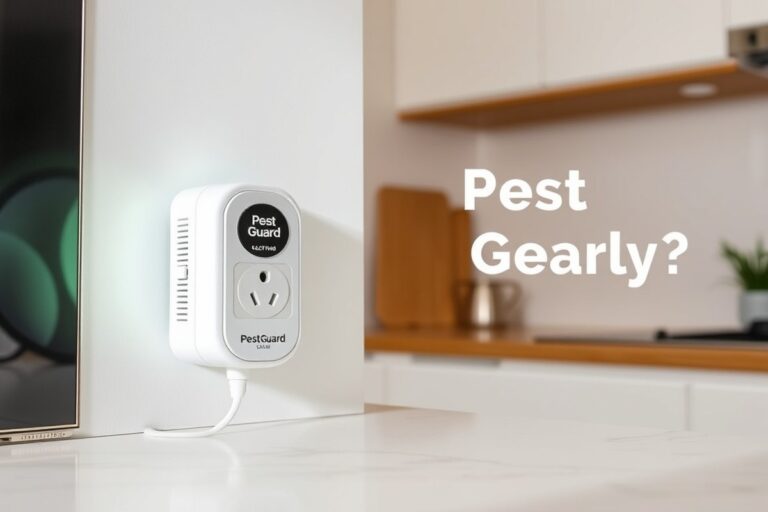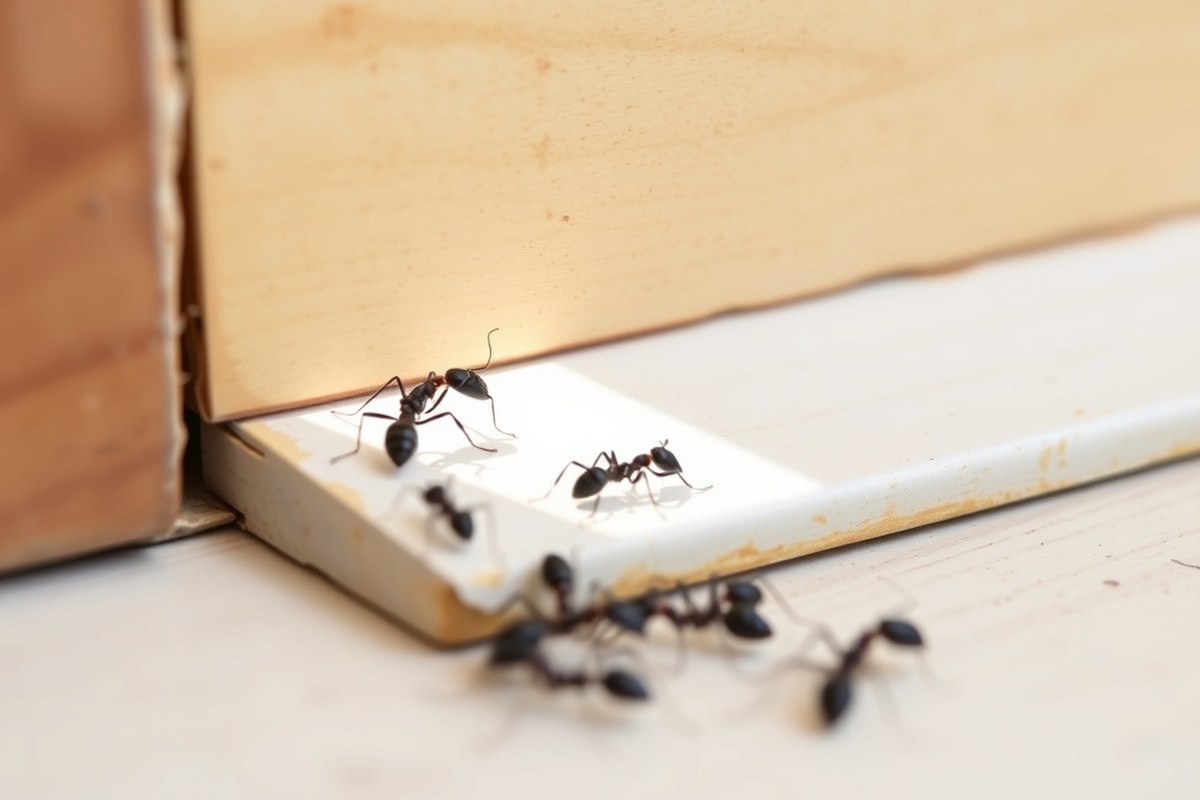
Do Ultrasonic Pest Repellers Work on Ants? What Actually Works for Ant Control
Do ultrasonic pest repellers work on ants? No, they do not reliably repel or kill ants in most home situations. These devices emit high-frequency sound waves meant to drive pests away, but scientific studies and user experiences show they often fail to keep ants from invading kitchens and bathrooms.
This information is for homeowners, renters, and DIY pest control enthusiasts looking to manage ants effectively. You will learn how ultrasonic pest repellers operate, why their results are limited, how to tell if one is working, and which proven ant control methods surpass them. The article also covers combining ultrasonic devices with other strategies and necessary safety and regulatory considerations.
Key Takeaways
- Ultrasonic pest repellers emit high-frequency sounds above 20 kHz aimed at disturbing ants, but evidence shows they rarely eliminate or repel them effectively.
- Studies and expert reviews, including from the University of Arizona and Iowa State University Extension, conclude ultrasonic devices do not reliably control household insects like ants.
- If ant activity continues after 2 to 3 weeks of ultrasonic repeller use, switch immediately to proven control methods to avoid wasting time and money.
- Combining ultrasonic devices with physical barriers, gel baits, or traps may help, but ultrasonic repellers alone are insufficient for ant management.
- Season, ant species, and device placement impact effectiveness, making ultrasonic repellers inconsistent as a sole ant control solution.
- Consumer Reports and regulatory bodies warn against ultrasonic repellents due to misleading claims and recommend traditional pest control products over these devices.
Do Ultrasonic Pest Repellers Effectively Repel or Kill Ants?

Ultrasonic pest repellers are not effective for ant control. Research conducted over the last three decades repeatedly shows these devices do not provide dependable results against ants. These repellers emit sound waves at very high frequencies, usually between 20 and 65 kHz, intended to disturb insects. Ants, however, do not possess organs capable of sensing airborne sounds, so ultrasonic signals have no impact on their behavior.
Ants rely on chemical cues and touch to find their way rather than sound detection. Because of this, ultrasonic signals do not disrupt their food foraging or movement patterns. A 2007 analysis in the Journal of Economic Entomology reviewed evidence on ultrasonic devices for insect control and found no effective pest management results. Further research confirms that ants, cockroaches, and spiders cannot detect ultrasonic sound, meaning claims that these devices permanently repel ants lack scientific support.
Consumers often report that ultrasonic pest repellers fail to reduce ant presence long term. For example, users have observed persistent ant trails near food sources despite having ultrasonic devices installed nearby. While it might seem like ant activity temporarily declines after installation, this effect is usually short-lived or coincidental. Ants quickly return because the sound waves neither deter them nor kill them, and no lasting habitat disruption occurs. This pattern aligns with broader findings that pests can habituate to ultrasonic noises when they do react, but in ants’ case, no reaction is typical.
The Federal Trade Commission has repeatedly cautioned consumers about ultrasonic pest control products. They warn manufacturers often lack scientific backing for their claims and that these devices should not replace proven ant control methods. Real-world use shows that relying solely on ultrasonic repellers may lead to continued infestations and wasted money.
For effective ant control, consider alternatives like gel baits specifically formulated for ants, maintaining good hygiene to remove food sources, and sealing entry points to deny ants access. These methods target ant behavior and biology directly, unlike ultrasonic devices, which attempt to influence pests through a sensory channel ants do not use. Spending on ultrasonic units for ant problems is unlikely to prevent ants from returning or eliminate existing colonies.
How Ultrasonic Pest Repellers Work to Target Ants
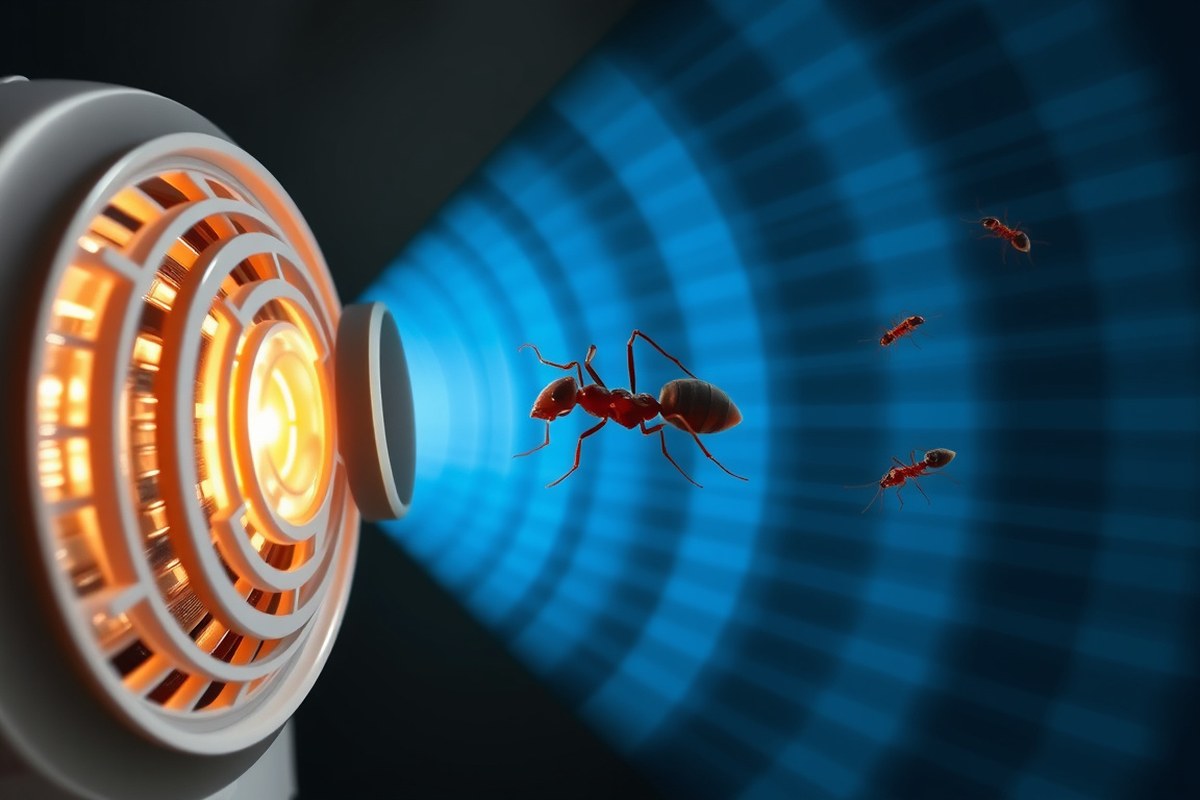
Ultrasonic pest repellers emit high-frequency sound waves aimed at disturbing ants and other pests to drive them away. These devices operate above the human hearing range, targeting insects by creating an uncomfortable environment through ultrasonic vibrations. Manufacturers claim these sounds disrupt ant behavior, but the exact impact on ants is not well supported by scientific evidence.
Ultrasonic Frequency Ranges Used
The frequencies emitted by ultrasonic pest repellers typically range above 20 kHz, which is beyond the hearing threshold of humans and most household pets. Devices marketed for ant control usually operate within 20 to 65 kHz to target ants and other insects thought to be sensitive to these sounds. The intent is for these frequencies to interfere with pests’ communication or navigation, though the exact effective range varies depending on the device’s power and room layout. Because ultrasonic waves attenuate quickly through walls and furniture, the sound may not reach all areas where ants are active.
How Sound Waves Affect Ant Behavior
Manufacturers assert that ultrasonic waves disrupt ants by causing discomfort or disorientation, which can make an area less attractive to them. The assumption is that the vibrations interfere with ants’ movement or their ability to detect pheromone trails used for navigation and colony communication. However, ants rely heavily on chemical signals and tactile cues, so sound waves may not directly affect their behavior as intended. Even if initially startled, ants tend to adapt quickly to persistent ultrasound sounds without changing their foraging or nesting patterns significantly.
Differences Between Ultrasonic and Chemical Repellents
Ultrasonic repellents seek to use sound energy rather than chemical substances to deter pests, promising a non-toxic and mess-free solution. Unlike chemical repellents that target ants’ olfactory receptors or interfere chemically with their biology, ultrasonic devices depend solely on creating an audibly imperceptible but supposedly annoying noise. Chemicals can kill or repel ants effectively for longer periods, while ultrasonic repellers rely on a sensory disturbance many insects may not perceive strongly enough to avoid. Thus, ultrasonic devices do not physically harm ants but aim to encourage them to leave, an effect hard to measure and sustain.
Ant Sensory Organs and Sound Detection
Ants detect their environment primarily through antennae equipped with sensory receptors sensitive to chemicals, humidity, and vibrations rather than airborne sounds. Unlike mammals, ants lack ears and do not process airborne sound waves in the same way, though they can sense substrate vibrations caused by movement. Ultrasonic frequencies travel mostly through the air, thus limiting direct detection by ants, who respond more to ground vibrations or chemical signals. This biological limitation means ultrasonic sound may not produce the intended disruptive effect on ant behavior.
Common Misconceptions About Ultrasonic Effectiveness
Many consumers believe ultrasonic pest repellers provide a simple fix because they are widely advertised as safe and effective. Manufacturers often claim these devices repel or even kill ants and other pests, yet credible research shows little support for these assertions, and some regulatory bodies have taken action against false advertising. The main issue is that pests quickly habituate to the ultrasonic noise, rendering the devices ineffective over time. Cost considerations and ease of use may make these units appealing, but the absence of strong evidence means relying on them alone often leads to disappointment.
Don’t expect ultrasonic repellers to replace traditional ant control methods; use them as part of a wider pest management plan if you choose to try them at all.
Limitations and Safety Concerns of Ultrasonic Devices for Ant Control
Ultrasonic pest repellers have notable limits and safety concerns, especially regarding their impact on sensitive pets and inconsistent effectiveness. They can cause discomfort to animals with acute hearing, may fail to reach all areas of a home, and sometimes cause adverse effects in humans. Proper placement, realistic expectations, and awareness of potential risks are essential when using these devices around ants.
Impact on Non-Target Household Pets
Ultrasonic devices emit high-frequency sounds that are usually inaudible to humans but can affect pets differently. Cats and dogs generally tolerate these frequencies well, though some may show signs of stress. Small pets with sensitive hearing like hamsters, guinea pigs, and rabbits can experience discomfort or behavioral changes, so these devices are not recommended in homes with such animals.
To protect sensitive pets, place ultrasonic repellers in areas where these pets do not frequent. Monitoring your pets for signs of agitation, restlessness, or avoidance behaviors helps ensure their well-being. Keeping the devices out of enclosed cages or play areas avoids unintended exposure to high-frequency sound.
Variability of Repeller Performance Indoors
Indoor environments influence how well ultrasonic repellers work. Dense furniture, carpeting, and household clutter absorb or scatter ultrasonic sound waves, reducing their effective range. Because ants often travel through cracks, walls, and hidden spaces, ultrasonic waves may not reach these critical areas to deter them effectively.
Common placement mistakes include aiming devices behind furniture or inside cabinets where sound is blocked or scattered. For better results, locate devices in open, visible spots aimed toward entry points where ants appear. Keep in mind that ultrasonic sound works best line-of-sight, so multiple repellers may be necessary for complete coverage.
Physical Barriers Limiting Sound Penetration
Ultrasonic frequencies struggle to pass through walls, ceilings, doors, and soft materials like curtains or upholstery. This limitation means a single device rarely covers an entire room or multiple rooms effectively. Ant colonies hidden behind drywall or inside furniture will not be exposed to sufficient sound to discourage activity.
Users should place devices strategically in each room requiring protection and avoid relying on one repeller for a whole house. Devices placed near floor cracks or baseboards where ants travel improve exposure. Also, maintaining a clutter-free zone around the repeller lets sound waves spread without interference.
Potential Health Risks for Sensitive Individuals
Most people do not hear ultrasonic sounds, but those with sensitive hearing may experience headaches, nausea, migraines, or tinnitus when exposed. Though these symptoms are uncommon, they can be severe enough for some to require device removal. Situations such as existing inner ear conditions or heightened noise sensitivity increase the risk.
Before widespread use, test the device in a small, less-used area of your home to check for adverse reactions. Should you or a family member develop symptoms like headache or ringing ears, discontinue use immediately. Keep in mind that repeated or prolonged exposure may amplify these effects.
Duration and Consistency Challenges
Ultrasonic repellers do not kill ants and provide only temporary discomfort, so they do not address the root cause of infestations. Continuous operation is required to maintain any effect, and intermittent use often fails to discourage ants long-term. Pests may also become accustomed to the sound, diminishing its impact over time.
Users should run devices 24/7 in treated areas for several weeks while monitoring ant activity closely. Regular inspection will reveal if ants continue to appear despite ultrasound. In that case, combine ultrasonic devices with proven ant control measures like baiting or sealing entry points for more reliable results.
- Place devices in open spaces, not behind furniture or appliances
- Keep ultrasonic devices away from small pets’ cages
- Test for human sensitivity before full deployment
- Use multiple devices for full room coverage
- Maintain continuous operation for several weeks
- Do not rely solely on ultrasonic repellers for infestations
- Watch for signs of pet or human discomfort
Following these tips reduces safety risks and improves device function. Expect ultrasonic repellers to be part of a larger ant management plan rather than a standalone solution, especially in diverse or complex home environments.
How to Assess If Your Ultrasonic Repeller Is Working Against Ants
Expect to observe the effectiveness of an ultrasonic pest repeller on ants over a 2 to 3 week period. Track ant activity carefully during this time to decide if the device is making an impact. If ant trails, sightings, or damage do not noticeably decrease within three weeks, it likely isn’t working and you should opt for other proven control methods.
Monitoring Ant Activity Before Installation
Start by identifying areas where ants frequently appear. Look for trails, nests, food sources, and signs like discarded wings or frass. Document how many ants you spot daily and note where you see them most often.
Recording baseline activity is critical to compare results later. Take photos or write detailed notes about the locations and intensity of ant presence for reference. This step ensures you have a clear picture of the infestation before the ultrasonic repeller starts working.
Signs of Reduced Ant Presence
Look specifically for fewer ants along known trails, a drop in sightings inside your home, and less damage to food packaging or plants. You may also notice fewer ants gathered near common entry points such as windows, doors, and cracks.
Reduction in any of these signs during the first two weeks suggests some effect. However, complete disappearance is uncommon with ultrasonic devices. Focus on significant decreases in ant activity rather than total eradication.
Evaluating Device Placement for Coverage
Proper placement directly impacts ultrasonic repellers’ potential to affect ants. Position devices near frequent ant routes or entry points, ideally in open areas free of furniture or thick walls that can block sound waves.
Each device covers a limited range, so use multiple units for large rooms or multi-level homes. Plug in devices at eye level or slightly higher for better dispersal. Check manufacturer guidelines, but avoid placing near carpeting or absorbent materials that reduce effectiveness.
Recording Changes over Multiple Weeks
Track ant activity daily or every couple of days during the 14 to 21 day period after device installation. A simple checklist or journal can record the number of ants seen, locations, and any newly discovered nests. Follow this step-by-step process:
- Note baseline ant activity for 3 days before starting the repeller.
- Install the ultrasonic device(s) as recommended by the manufacturer.
- Check and record the number of ants seen every 2, 3 days.
- Look for new signs of ant entry, nesting, or damage.
- Adjust device placement if ant activity remains unchanged after 7 days.
- Continue monitoring through day 21 to assess trends.
- Compare all data to baseline records for evidence of a decrease.
Consistency in monitoring helps reveal whether the device influences ant behavior or populations, especially since ants may appear sporadically.
When to Consider Alternative Control Methods
After 2 to 3 weeks, if ant activity remains steady or worsens, stop relying on the ultrasonic repeller and explore other options. Persistent infestation means the device is not controlling ants effectively.
Switching early prevents prolonged pest exposure and potential home damage. Proven methods include baits, barriers, and professional pest control services, which deliver more reliable results. Use ultrasonic repellers only as a supplement if desired, not as your main defense.
Comparing Ultrasonic Repellers with Proven Ant Control Methods
For ants, the most effective control methods involve targeted insecticides, baits, traps, and exclusion techniques rather than ultrasonic pest repellers. Ultrasonic devices promise a chemical-free solution, but research consistently shows they fail to deliver reliable ant control and often waste money. Quality bait stations like Terro T300 liquid ant baits attract foraging ants, which then share the poison with the colony, offering a more effective and lasting solution. Physical barriers such as steel wool and caulk block entry points, preventing infestations from restarting. Professional pest treatments combine these approaches and typically guarantee better outcomes, though at a higher cost.
Below is a comparison table ranking common ant control methods based on effectiveness, cost, safety, and ease of use. This will help you decide how to spend your resources wisely.
| Method | Effectiveness | Cost Range (US$) | Safety | Ease of Use |
|---|---|---|---|---|
| Ultrasonic Pest Repellers | Low | 15, 30 per unit | High (chemical-free) | Very Easy (plug-in) |
| Gel Baits (e.g., Terro T300) | High | 5, 15 per package | Moderate (use according to label) | Easy (place near trails) |
| Snap Traps | Moderate | 5, 20 per pack | High | Easy (set and monitor) |
| Exclusion (Steel wool + caulk) | High (prevents reinfestation) | 5, 20 per set | High | Moderate (requires inspection and work) |
| Professional Treatment | Very High | 150, 300 per visit | Varies (licensed applicator) | Low (professional handles) |
Choosing ultrasonic pest repellers might save you some upfront effort since they simply plug into outlets, but their low effectiveness makes them a poor investment for ant problems. Spending the same amount on gel baits or traps delivers a direct impact on the ant colony and reduces infestation persistently. Exclusion using steel wool and caulk costs little and improves the success of baiting by blocking ant access points.
Professional services provide the highest level of control and safety by using specialized products and knowledge, but their price may not fit every budget. For many homeowners, combining gel baits with exclusion and proper sanitation offers a strong, safe, and affordable approach.
Don’t rely on ultrasonic pest repellers as your only solution for ants; instead, invest in baits or physical exclusion to see real results and avoid ongoing infestations.
How to Combine Ultrasonic Devices with Other Ant Control Strategies
Combining ultrasonic pest repellers with other ant control strategies leads to more effective and lasting results than relying on them alone. Ultrasonic devices may reduce ant activity temporarily, but they rarely stop an infestation by themselves. You should focus on a complete plan that targets ants’ attraction, access points, and food sources alongside any technology you use.
Start by identifying and sealing ant entry points. Look for tiny cracks around windows, doors, baseboards, plumbing, and vents. Use a flashlight and mirror if needed to inspect hidden spots. A tight seal prevents ants from entering, which is a core principle in Integrated Pest Management (IPM). Caulk, weather stripping, or foam sealant are common materials for this task and cost between $5 and $15 per tube. Effective sealing might take a few hours on average and can reduce ant intrusion immediately.
Maintaining good hygiene is essential. Clean food crumbs, spills, and pet food daily. Store food in sealed containers to deny ants access. This habitat modification makes your home less attractive and supports other control efforts.
Use ant baits to target colonies directly. Baits attract worker ants that carry poison back to the nest. Place baits near trails and suspected entry points but out of reach of children and pets. Baits cost $5 to $15 per station or package and often require several days to weeks to work fully. Below is a practical stepwise control plan to integrate ultrasonic devices with proven methods.
- Inspect your home thoroughly for ant trails and potential entry points using a flashlight and mirror in low light.
- Seal all cracks, gaps, and holes using caulk or expanding foam, paying attention to doors, windows, pipes, and vents.
- Clean all surfaces daily to remove food sources. Store foods and pet food in airtight containers.
- Deploy ant bait stations near entry points, along trails, and in corners where ants are visible.
- Install ultrasonic repellents in rooms with ant activity, placing them about 2 to 3 feet above the floor for better coverage.
- Monitor bait stations and entry points regularly to track ant activity and replace or relocate baits if needed.
- Repeat sealing and cleaning as necessary, especially after seasonal changes or after noticing new ant trajectories.
Common mistakes include relying solely on ultrasonic devices, which can create a false sense of security and delay important steps like sealing and baiting. Another is improper sealing, missing tiny entry points or using insufficient materials allows ants to continue invading. Skipping regular cleaning undermines all efforts since ants follow food trails quickly.
Ultrasonic devices cost around $20 to $50 each. Installing multiple units may be required for larger homes. Their effectiveness relies on combination with these other steps rather than replacing them. By following this integrative approach, you can better reduce ant problems sustainably and avoid recurrent infestations despite using ultrasonic repellents.
Seasonal and Species Factors Affecting Ant Control Effectiveness
Ant species vary widely in behavior and habitat preferences, which influences how they respond to ultrasonic pest repellers. Common household ants fall into groups like odorous house ants, carpenter ants, pavement ants, and pharaoh ants. Odorous house ants and pavement ants often forage indoors, while carpenter ants nest in wood structures. Ultrasonic devices may have limited effect on species like carpenter ants, which spend most of their time inside nests deep within walls, shielded from external ultrasonic waves. Species that frequently move and forage in open areas inside the home, such as odorous house ants, might encounter ultrasonic frequencies more directly, though effectiveness is inconsistent.
Seasonal changes impact ant activity and thus how well ultrasonic devices seem to work. Ants usually emerge and become more active in spring and summer when temperatures rise. During colder months, many ants retreat deeper into protected areas or go dormant. This natural decrease in ant activity can lead to false impressions that ultrasonic devices are controlling the infestation when, in fact, the ants simply reduce movement due to weather changes. Warmer seasons often see peaks in ant foraging behavior, which could increase encounters with ultrasonic signals, but it also means higher ant pressure that might overwhelm the device’s limited influence.
Environmental conditions such as temperature, humidity, and the presence of competing noise affect ultrasonic pest repeller performance. Ultrasonic waves struggle to penetrate solid objects like walls, wood, or dense furniture, so ants hidden in nests or behind barriers remain unaffected. High humidity or moisture can slightly dampen ultrasonic signal propagation, further reducing coverage. Background noise from appliances or electronics may interfere with ultrasonic frequencies, potentially making the repeller less noticeable to ants. This limits the utility of the devices in environments where ants nest inside walls or move along hidden paths.
Exact control measures vary by species and situation. For ants that forage openly indoors, placing the ultrasonic device near entry points or active trails may increase its chance to deter them. However, check for gaps in coverage where waves cannot reach. In cases with carpenter ants or nests inside wood, relying solely on ultrasonic devices is not effective. Combine ultrasonic devices with physical barriers, bait traps, or professional treatments that target nests directly. Observe ant activity patterns seasonally: if ants decrease naturally in cold months, avoid attributing the drop solely to the repeller to prevent neglecting necessary treatments when ants return.
Costs of ultrasonic devices typically range from $20 to $60, but their varying success across species and settings highlights the need for cautious use. A homeowner might test a device during peak ant activity while monitoring ant behavior closely. If ant trails persist or nests remain active, integrating baits and sealing entry points is recommended. Good results show consistent repellent effects in open foraging paths of less shielded species during active seasons, while poor results appear as ongoing infestations despite device use combined with seasonal activity.
Consumer Warnings and Regulatory Perspectives on Ultrasonic Pest Repellers
The Federal Trade Commission (FTC) has taken a clear stance on ultrasonic pest repellers, including those marketed to control ants. Since 2001, the FTC has warned manufacturers that any claims about these devices’ ability to repel or kill pests must be supported by solid scientific evidence. Despite this, the ultrasonic pest repeller market remains flooded with products making broad claims without reliable proof. The FTC regards this as misleading advertising, which violates consumer protection laws.
Manufacturers often promote ultrasonic pest repellers as effective solutions for driving away rodents, insects, and ants using high-frequency sound waves. However, decades of scientific research have shown these devices largely fail to deliver the promised results. The persistence of false claims can be attributed to aggressive marketing tactics and the appeal of a simple, chemical-free pest control method. Consumers may be drawn to buying these products based on unverified testimonials rather than verified lab testing, which regulators have repeatedly criticized.
Regulatory bodies like the FTC emphasize that consumers have the right to accurate information and fair marketing practices. If a product fails to perform as advertised, you have grounds to question the seller or manufacturer. Writing a clear message helps communicate effectively with pest control professionals or device sellers about your experience. For example, you might say:
“I purchased this ultrasonic pest repeller expecting it to reduce my ant problem based on your advertising. After consistent use according to instructions for several weeks, I have seen no noticeable effect. Please provide scientific evidence that supports your product claims, or I would like to return the device for a refund.”
This script directly requests proof of efficacy or a refund without confrontation. It also signals an understanding of your consumer rights and the regulatory environment. When sellers fail to respond or provide evidence, you can escalate the complaint to consumer protection agencies or the FTC.
Knowing that many common claims about ultrasonic pest repellers are unsubstantiated can help you avoid products that overpromise and underdeliver. Regulators have specifically identified claims suggesting these devices eradicate ants or other pests as false when not backed by valid tests. Such claims ignore the complexity of pest behaviour and the limitations of ultrasound waves in practical home settings.
Following up on purchases with clear questions or requests for evidence usually takes a few minutes. Refund processes depend on individual retailers, but legitimate companies will often honour returns for ineffective products. Costs involved are limited mostly to the time spent communicating. Good results mean either receiving a refund or gaining clarity on what the device can realistically do. Poor outcomes include delayed responses, refusals, or continued misleading advertising.
Step-by-Step Action Plan to Manage Ants Using Ultrasonic Repellers and Other Methods
Follow this plan to evaluate ultrasonic pest repellers and combine them with effective ant control strategies for best results.
- Before You Start: Identify the ant species and locate their entry points or nests. Knowing this helps tailor the control methods and assess ultrasonic repeller effectiveness based on ant behavior.
- Day 1: Set up the ultrasonic pest repeller in the area with visible ant activity. Monitor for ant presence with a daily count or visual check to see if activity decreases over the next few days.
- Days 2 to 7: Keep the area clean of food debris and seal food containers tightly. This reduces ant attraction and supports both ultrasonic and other control methods working.
- End of Week 1: Check ant activity near the repeller. When ants persist or increase, understand that ultrasonic repellers alone often do not eliminate ants and prepare to use additional tactics.
- Week 2: Introduce proven ant control methods such as bait stations, insecticide gels, or natural deterrents near ant trails and nests. Look for decreasing ant activity as a sign the combined method works.
- Week 3: Continue monitoring ant activity weekly. Replace baits as directed and maintain good sanitation. Should ants continue despite efforts, consider consulting a licensed pest control professional.
- Seasonal Check: Repeat inspection and control at seasonal changes, especially in spring and summer when ant activity typically increases, adjusting ultrasonic repeller placement if used.
- Ongoing: Follow all product instructions for ultrasonic repellers and pesticides. Watch for any safety concerns and comply with local regulations to protect household occupants and pets.
Frequently Asked Questions
What Is the Best Deterrent for Ants?
The best deterrent for ants is a combination of proper sanitation and targeted insecticides. Keeping food sealed and cleaning up crumbs removes attractants, while baits and sprays directly reduce ant populations effectively.
Why Shouldn’t You Squish Ants in Your House?
Squishing ants can release chemical signals that attract more ants. This can worsen infestations by signaling danger and drawing other ants to the area.
Does Dawn Dish Soap Really Kill Ants?
Yes, Dawn dish soap can kill ants by breaking down their protective outer layer. Mixing soap with water and spraying it can be a quick, temporary solution to kill ants on contact.
How to 100% Get Rid of Ants?
Completely eliminating ants usually requires a combination of cleaning, sealing entry points, and using ant-specific baits. Persistence over several weeks is necessary since ants have complex colony structures.
Do Ultrasonic Pest Repellers Work Long Term Against Ants?
Ultrasonic pest repellers do not reliably work long term against ants; most studies show their effects are minimal or temporary at best.
Can Ultrasonic Repellers Harm Pets Like Cats and Dogs?
Ultrasonic pest repellers are generally safe for cats and dogs because the sounds are above their hearing range, but sensitivity varies by pet.
Before You Go
Ultrasonic pest repellers do not consistently work on ants and should not be your sole method of control. You can try using one as part of a broader approach by combining it with proven options like baiting and sealing entry points. Today, inspect your home carefully for ant trails and entry spots to address them directly alongside any ultrasonic device you decide to use.