
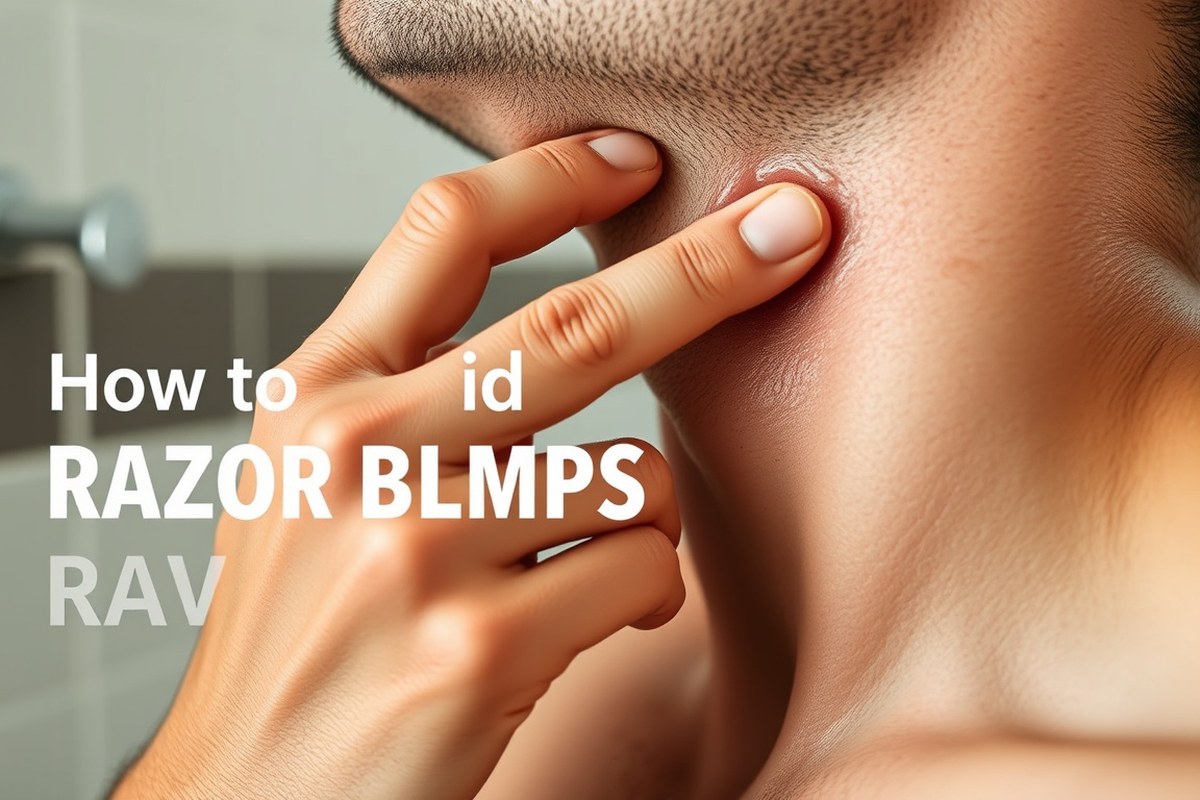
How to Get Rid of Razor Bumps: 8 Proven Ways for Fast Relief and Prevention
To get rid of razor bumps quickly, you need to change how you shave and treat your skin carefully afterward. Stopping shaving can eliminate bumps entirely, but most can find relief by using the right razor and products designed for sensitive skin. A consistent shaving routine with soothing care can reduce irritation and help bumps heal faster.
This advice suits anyone who regularly shaves areas prone to razor bumps, especially men with curly hair or sensitive skin. You’ll learn what causes razor bumps, how long they last, the best tools and products for your skin type, and effective treatments for fast relief and long-term prevention.
Key Takeaways
- Razor bumps form when hairs curl back into the skin, especially common with tightly coiled hair and sensitive skin types.
- Healing from razor bumps can take 2 to 3 weeks, with full resolution up to 3 months if shaving stops completely.
- Choose razors and shaving products designed for sensitive skin, ideally with natural exfoliating ingredients like jojoba beads to prevent irritation.
- Follow a shaving routine that includes moistening the skin, using a moisturizing gel, and avoiding going over the same spot twice to reduce bumps.
- Soothe razor bumps by applying treatments for 10 minutes and using warm compresses before shaving to soften hair and skin.
- Adjust razor bump care based on body area and hair type, focusing on gentle exfoliation and moisturizing sensitive regions like the neck and bikini line.
1. What Are Razor Bumps and How Do They Form?

Razor bumps, medically called pseudofolliculitis barbae, are small, raised bumps that develop after shaving. They appear when cut hairs curl back or grow sideways into the skin instead of rising out of the follicle. This causes irritation and inflammation, as the body treats the hair like a foreign object or splinter. These bumps usually form within one to four days after shaving and can be itchy or tender.
The formation process starts when a razor blade cuts hair very close to the skin, often leaving a sharp point. Curly or coarse hair types are more prone to this because their natural curl can easily turn back into the skin. As these hairs grow under the skin’s surface, they create red or skin-colored bumps that sometimes resemble pimples.
Razor bumps are essentially a type of ingrown hair, but not all ingrown hairs cause razor bumps. Ingrown hairs appear whenever hair grows sideways into the skin, but razor bumps specifically develop after shaving or hair removal. This distinguishes them from other skin conditions that might look similar. Razor burn, for example, appears almost immediately after shaving and shows up as diffuse redness, burning, and tightness without distinct bumps. In contrast, razor bumps tend to be individual raised lesions that often last longer and may recur with each shave.
Razor bumps can also be confused with acne or folliculitis. Acne typically has whiteheads or blackheads and can appear on various parts of the face and body unrelated to hair follicles. Folliculitis is an infection of the hair follicles, which causes clusters of small pus-filled bumps, often developing after shaving or exposure to hot tubs. Unlike razor bumps, folliculitis may require specific medical treatments if it worsens.
Distinguishing between razor bumps and these other conditions matters because treatment and prevention differ. For example, razor bumps result from mechanical irritation of hair follicles and improper hair growth, so addressing shaving technique and hair removal methods can reduce their occurrence. Using a warm towel on affected areas can help soften the skin and encourage trapped hairs to break through. Proper exfoliation removes dead skin cells, preventing hair from getting trapped. Razor burn needs soothing and hydration, while folliculitis, depending on severity, might call for an antibiotic or antiseptic product.
Understanding that razor bumps are tied to the way your hair grows and how you shave is key. People with curly hair, such as many men of African, Indian, or Middle Eastern descent, have a higher risk because their hair naturally curls back into the skin. Paying attention to this helps you manage and prevent razor bumps effectively by adapting your shaving habits and skincare accordingly.
2. How Long Do Razor Bumps Last and What Affects Healing?

Razor bumps typically last between two to three weeks before they fully heal. This timeline is connected to how hair grows and how your body’s immune system reacts to the ingrown hairs causing the bumps. The process can’t be instantly sped up by creams or ointments because the bumps usually remain until the trapped hair grows out and releases from under the skin, which reduces the inflammation.
The duration matters because lingering razor bumps can cause discomfort, itching, and sometimes darkened skin patches if left untreated or irritated. Understanding that healing takes time helps set realistic expectations for recovery and encourages patience without over-aggressive treatment.
Several factors influence how quickly razor bumps heal. Stopping shaving in the affected area is the most effective method to let the skin recover. Cleveland Clinic notes that ceasing shaving allows the hair to grow long enough so that it can break free from the skin, easing the inflammation and resolving the bumps naturally. This usually clears up razor bumps within a few weeks.
The type of hair and skin you have also affects healing time. Curly or coiled hair types are more prone to razor bumps and may experience longer healing times due to hair growing back into the skin more easily. Sensitive skin can react more severely, increasing irritation and inflammation, which slows healing.
Your shaving habits play a big role as well. Shaving with a dull blade, shaving multiple times over the same spot, or shaving too closely can worsen razor bumps and prolong recovery. Improving shaving technique and using proper skincare products designed for sensitive skin and razor bump prevention can help reduce flare-ups going forward.
In some cases, using soothing aftershave products that contain ingredients like salicylic acid or glycolic acid may reduce redness and discomfort, although they don’t shorten how long bumps last. Keeping the skin moisturized and avoiding scratching helps too.
Pause shaving in affected areas for at least two weeks to allow razor bumps to heal naturally and avoid making inflammation worse.
Growing a beard or longer hair in the area is a clear tactic to get rid of razor bumps permanently by preventing repeated razor irritation. However, if shaving is necessary, changing razors or switching to electric clippers instead of blades may reduce new bumps from forming during the healing phase.
Environmental and personal health factors also impact healing speed. Dry, cold weather can irritate skin and slow recovery, while well-hydrated skin with good nutrition supports faster healing. Avoiding tight clothing or friction on shaved areas gives skin the best chance to calm down quickly.
3. Choosing the Right Razor and Products for Your Skin Type
Choosing the right razor and shaving products depends heavily on your skin type and hair texture. For sensitive skin prone to razor bumps, single-blade razors such as those in the Bevel Shaving Kit help reduce irritation caused by multiple blades tugging the hair. Sharp blades lower the risk of nicks and razor burn, which can worsen razor bumps. Avoid dull blades at all costs, as they increase friction and irritation.
| Product Type | Best For | Key Benefits | Notes and Cautions |
|---|---|---|---|
| Single-Blade Razors | Sensitive skin, curly/coarse hair | Less irritation, fewer ingrown hairs | Requires careful technique; sharper blades need more frequent replacement |
| Multi-Blade Razors | Normal skin, straight hair | Closer shave but can cause more irritation | Not recommended if prone to razor bumps |
| Shaving Creams with Natural Soothers (aloe vera, jojoba oil) | Dry, sensitive skin | Hydrates and calms skin, reduces redness | Patch test recommended for allergy risk |
| Shaving Gels with Salicylic or Glycolic Acid | Oily or acne-prone skin | Exfoliates, unclogs pores, prevents ingrown hairs | Can dry out skin if overused |
| Natural Oils (tea tree, coconut, aloe vera) | Post-shave skin, all skin types | Antiseptic, anti-inflammatory, moisturizes | Test on small skin area first; some react to tea tree oil |
| Vaseline/Petroleum Jelly | Dry, sensitive skin | Creates moisture barrier, protects skin post-shave | Does not treat bumps directly; avoid clogging pores |
Shaving creams and gels containing natural ingredients like aloe vera, jojoba oil, and hyaluronic acid soothe and hydrate your skin during shaving. These ingredients reduce irritation, which lowers the chance of razor bumps forming. For oily and acne-prone skin, using gels with salicylic or glycolic acid helps exfoliate dead skin cells and prevents clogged follicles. Be cautious with acids as overuse may dry out your skin.
Natural oils such as tea tree oil, coconut oil, and aloe vera gel have antiseptic and moisturizing qualities that can calm razor bumps or prevent them after shaving. Tea tree oil has anti-inflammatory properties but can irritate sensitive skin, so always patch test before full use. Aloe vera gel applied directly from the plant works well for soothing razor burn immediately after shaving.
Though Vaseline or petroleum jelly acts as a good moisture barrier preventing skin dryness after shaving, it does not address razor bumps directly. It can help protect already irritated skin but should not be the primary treatment for bumps as it may clog pores if over-applied.
A practical decision rule for product selection looks like this: use a sharp single-blade razor if your skin is sensitive or your hair is curly/coarse. Pick a shaving cream with natural soothing ingredients if your skin is dry or sensitive, or a gel with gentle acids for oily skin prone to clogged pores. Incorporate natural oils post-shave to calm and moisturize, and use Vaseline only if your skin feels dry and needs protection from moisture loss. This tailored approach maximizes comfort while minimizing razor bump risk.
4. Step-by-Step Shaving Routine to Prevent and Treat Razor Bumps
Preventing razor bumps starts before you even touch the razor. Preparing your skin properly, adopting the right shaving technique, and caring for your skin after shaving all reduce irritation and ingrown hairs. A consistent, gentle routine that respects your hair growth direction helps minimize bumps and soothes your skin.
Skin Hydration and Exfoliation Before Shaving
Hydrating and exfoliating your skin before you shave prepares the hair and skin surface for a cleaner, less irritating shave. Softening hair with warm water makes it easier to cut, while exfoliation removes dead skin cells that can trap hairs and contribute to razor bumps.
Begin by washing your shaving area with warm water for about two to three minutes. This opens pores and softens hair. Use a gentle exfoliant or a soft brush to lightly remove dead skin; this step should be done carefully to avoid irritation, especially on sensitive areas like the neck or bikini line.
Shaving Technique: Direction, Pressure, and Blade Usage
Shaving in the direction your hair grows is important to preventing razor bumps. Shaving against the grain may result in hair being cut too short, then curling back into the skin to cause bumps and irritation, especially for curly or coarse hair types. Use a gentle hand and avoid pressing the razor hard onto your skin.
Razor blades should be sharp and clean to avoid tugging and skin irritation. Replace blades frequently, typically every 5 to 7 shaves or sooner if you notice pulling or dull edges. A single, slow pass with the razor usually suffices; avoid multiple passes over the same area, which increase irritation risk. Shave every 2 to 3 days to allow your skin to recover but avoid letting hair grow too long, which can make shaving more irritating.
Post-Shave Care: Soothing and Moisturizing
After shaving, rinse your skin with cool water to close pores and reduce inflammation. Pat your skin dry with a clean towel, avoiding rubbing motions.
Apply a soothing, alcohol-free aftershave or moisturizer formulated for sensitive or shaved skin. Look for ingredients like aloe vera or witch hazel to calm irritation without clogging pores. Moisturizing protects your skin’s barrier, reducing itchiness and the likelihood of developing razor bumps.
- Hydrate: Wash the area with warm water for 2, 3 minutes to soften hair and open pores.
- Exfoliate: Gently remove dead skin cells using a mild exfoliant or soft brush, avoiding irritation.
- Prepare razor: Use a sharp, clean blade; replace frequently to ensure a smooth shave.
- Shave with care: Shave slowly and gently in the direction of hair growth with light pressure; avoid multiple passes over the same spot.
- Rinse and dry: Rinse skin with cool water to close pores and pat dry with a soft towel.
- Moisturize: Apply a gentle, alcohol-free moisturizer or aftershave with soothing ingredients like aloe vera or witch hazel.
- Maintain schedule: Shave every 2 to 3 days, allowing skin time to heal and preventing hair from becoming too long or too short.
5. How to Soothe and Treat Razor Bumps at Home
To soothe and treat razor bumps at home, use warm compresses followed by topical treatments like salicylic acid or tea tree oil to reduce inflammation and speed healing. Aloe vera gel can also calm irritation, though evidence is limited. Avoid popping or squeezing razor bumps as it can increase irritation or cause infection.
Natural Soothing Remedies and Their Usage
Applying a warm cloth compress is an effective natural way to ease razor bumps. Use a clean towel dipped in water heated to approximately 100°F (38°C), squeeze out the excess, and place it lightly over the irritated area for 5 to 10 minutes. This process helps relax the skin and decrease inflammation by boosting blood flow.
Topical treatments with salicylic acid or tea tree oil effectively reduce redness and inflammation. Salicylic acid gently exfoliates dead skin to prevent clogged pores, while tea tree oil’s anti-inflammatory and antiseptic properties calm the skin and reduce the risk of infection. Apply a small amount directly on the bumps once or twice daily, preferably overnight. Use diluted tea tree oil to avoid irritation, mix with a carrier oil like coconut oil at a ratio of about one drop tea tree oil to one teaspoon of carrier oil.
Aloe vera gel can soothe irritated skin and provide light moisture. Apply a thin layer of pure aloe vera gel or an aloe-based lotion to the bumps twice daily. Because aloe vera is low-risk and gentle, it is useful especially in sensitive areas like the pubic region or neck. However, it should be viewed as a complementary remedy rather than a primary treatment due to limited specific research for razor bumps.
- Use warm compresses 1-2 times daily for 5-10 minutes
- Apply salicylic acid cream or toner once at night
- Dilute tea tree oil with a carrier oil to prevent irritation
- Apply aloe vera gel or lotion twice daily for hydration and soothing
- Keep skin moisturized with alcohol-free lotions after shaving
- Wear loose clothing to avoid further irritation in sensitive areas
Keeping skin clean and moisturized helps speed recovery and reduces itching. Choose fragrance-free, gentle products designed for sensitive skin.
Safe Practices to Avoid Worsening Bumps
Resist scratching or rubbing the affected areas, as this can worsen irritation and delay healing. Gently cleansing the skin with mild soap and lukewarm water twice daily prevents buildup of dirt and bacteria that may exacerbate bumps. Avoid harsh scrubs or exfoliants that can make skin inflamed.
Use shaving tools carefully by switching to a single-blade razor and applying pre-shave oil to reduce skin irritation beforehand. After shaving, apply an alcohol-free, soothing lotion or aftershave balm. Shaving less frequently during flare-ups allows skin more time to heal properly.
Accommodate sensitive areas like your neck or bikini line with extra care. Use gentle pressure when shaving and avoid shaving against the grain, which can pull hair strands back into the skin and cause more bumps.
When to Avoid Popping or Picking Razor Bumps
Never pop or squeeze razor bumps. This practice increases the risk of infection, scarring, and prolongs inflammation. Razor bumps are caused by hairs curling back into the skin or blocked follicles, not pus-filled pimples, so pressing them only worsens skin damage.
Instead, focus on calming and exfoliating treatments that encourage trapped hairs to emerge naturally. If a bump is swollen, painful, or does not improve within two weeks of home treatment, consult a healthcare provider as it might require medical attention or antibiotics.
Picking or squeezing razor bumps can lead to permanent scarring and spread bacteria, so keep your hands away from affected areas.
6. Tailoring Razor Bump Care by Body Area and Hair Type
Razor bumps show up differently depending on where you shave and your hair’s texture. The face and neck often suffer from irritation because of coarse, curly hair and sensitive skin. The pubic and bikini areas get razor bumps due to thicker, curlier hair and tight skin folds, raising the risk of ingrown hairs and infection. Legs usually face less irritation but still need care in shaving techniques and product choice. Knowing these differences helps you tailor your aftercare and pick products that work best for each area.
Face and Neck: Sensitive Skin and Coarse Hair Tips
The face and neck are common spots for razor bumps, especially for those with coarse or curly hair. The fine, sensitive skin combined with hair that curls back into the follicle creates a frequent source of irritation called pseudofolliculitis barbae. Use a sharp, single-blade razor to minimize tugging and avoid shaving too closely, as close shaves increase the chance of hairs curling under the skin. Always shave with hair softened by warm water and apply a generous layer of shaving cream formulated for sensitive skin, look for products with soothing ingredients like aloe vera or chamomile.
Exfoliate gently but regularly to free trapped hairs. Chemical exfoliants containing salicylic acid at concentrations of 1-2% can penetrate deeply and help prevent ingrown hairs by clearing dead skin from follicles. After shaving, use a fragrance-free, alcohol-free moisturizer to calm skin and reduce inflammation. People with denser, curlier hair might also benefit from an aftershave balm containing hydrocortisone 1% for short-term use to reduce redness and swelling, but limit use to a few days to avoid skin thinning.
Bikini and Pubic Area: Preventing Irritation and Infection
The pubic area and bikini line have thicker, curlier hair and more sensitive, thinner skin, which makes razor bumps particularly painful and prone to infection. Shaving here requires extra care to avoid damaging skin and causing pseudofolliculitis pubis. Begin by exfoliating with a mild scrub or chemical exfoliant to remove dead skin cells without causing microtears. Use a dedicated razor designed for the pubic area; these usually have protective guards that reduce the risk of nicks and cuts.
Apply a rich shaving gel or cream that offers strong lubrication and hydration to reduce friction. Shave in the direction of hair growth, not against it, breaking the habit of shaving as close as possible. After shaving, clean the area gently with lukewarm water and apply a soothing ointment, such as one containing zinc oxide or petroleum jelly, to protect the skin barrier and reduce irritation. Avoid synthetic, tight-fitting clothing for at least 24 hours post-shave to reduce friction and sweat buildup, which can worsen razor bumps.
Legs and Other Areas: Routine Adjustments and Product Picks
On the legs and less sensitive areas, razor bumps happen less frequently but still require tailored care to avoid irritation. Since hair here might be thinner and straighter, use a multi-blade razor set to minimize passes over the same area, which can strip moisture and irritate skin. Practise liberal use of a moisturizing shaving cream or oil. Avoid very hot water; instead, shave with water around 90°F (32°C) to soften hair without drying skin.
Post-shave, apply a lightweight, fragrance-free lotion or aloe vera gel to soothe skin and prevent dryness. For those with moderately curly or coarse leg hair, occasional use of a gentle exfoliant, like lactic acid at 5-10% concentration, can discourage ingrown hairs. Shaving frequency also influences outcomes: shaving legs every two days or more often without adequate preparation increases irritation risk. Keeping skin hydrated daily with body lotion under $15 can also improve skin resilience and reduce bumps.
7. Advanced Treatments and When to See a Dermatologist
Seeing a dermatologist about razor bumps is recommended if your bumps persist longer than two weeks or if you notice signs of infection such as increased redness, swelling, pain, or pus. A professional can assess whether your skin needs prescription treatment or specialized procedures. Chronic or recurrent razor bumps that significantly affect your skin’s appearance or cause discomfort also justify a dermatology visit. In these cases, self-care alone may not resolve the issue effectively.
Dermatologists often prescribe medicated creams or ointments to treat and prevent razor bumps. Retinoids, which come in prescription-strength formulations, are commonly recommended because they speed up skin cell turnover and reduce ingrown hairs. Topical salicylic acid may also be prescribed or suggested for its ability to exfoliate the skin gently and clear clogged pores that contribute to bumps. Aftershaves formulated to soothe irritation and reduce bumps are another professional recommendation to protect sensitive areas after shaving.
Laser hair removal is a more advanced treatment option that tackles the root cause of razor bumps by reducing or permanently removing hair growth. This approach significantly lowers the chance of ingrown hairs, which trigger bumps. Laser treatment also improves skin tone and elasticity in the treated areas. The procedure usually requires multiple sessions spaced four to six weeks apart to target hairs in different growth cycles effectively, and costs can range from several hundred to over a thousand dollars depending on the size of the area. Results are long-lasting, making laser hair removal a practical choice if you experience frequent or severe razor bumps.
You can receive laser hair removal from a board-certified dermatologist to ensure safe, effective results. While at-home IPL devices exist as a lower-cost option, dermatologist-led treatments provide customized plans that may include topical therapies or photodynamic therapy alongside laser sessions. This complete approach can calm existing irritation and prevent future breakouts better than any single treatment alone.
Deciding when to see a dermatologist follows this checklist: bumps last longer than two weeks; signs of infection appear; bumps recur after home treatment; or the irritation substantially disrupts your daily life. When these conditions are met, scheduling an appointment is the best course of action. A dermatologist’s expert guidance helps you move beyond common remedies and access treatments tailored specifically to your skin’s needs.
8. Common Mistakes That Worsen Razor Bumps and How to Fix Them
One common mistake that worsens razor bumps is using dull or old blades. A worn blade tugs hair instead of cutting it cleanly, increasing irritation and the chance of ingrown hairs. Replace blades after 5 to 7 shaves or sooner if you feel pulling. Using a clean, sharp blade reduces friction and helps smooth skin.
Over-exfoliation is another error. Scrubbing too hard or too often can inflame skin already sensitive from shaving. Limit exfoliation to 2-3 times a week using a gentle scrub or chemical exfoliant to clear dead skin without causing extra irritation. This balance helps trapped hairs release without damaging the skin barrier.
- Shaving without prepping the skin properly, always wet skin with warm water for 2-3 minutes to soften hair and open pores.
- Pressing too hard with the razor can cause cuts and increase bumps; use light, gentle strokes instead.
- Shaving against the grain often leads to razor bumps, especially with curly hair; shave in the direction of hair growth first, then cross-grain if needed.
- Skipping moisturizing after shaving leaves skin dry and prone to bumps; apply a fragrance-free, alcohol-free moisturizer immediately.
- Continuing to shave over areas with bumps delays healing and can cause scarring; give the skin at least a few days’ rest.
Tracking progress in reducing razor bumps means paying attention to how your skin looks and feels after each shave. Improvement often shows as less redness, fewer raised bumps, and reduced itching or pain within a week of adjusting your routine. Taking photos before starting treatments can help you compare over time. If bumps worsen or last beyond two to three weeks, it could be an infection or a different skin condition, so seeing a dermatologist is advised.
Always avoid shaving over active razor bumps to prevent worsening and scarring; instead, focus on soothing and letting your skin heal first.
Adjust your shaving habits based on your hair type and skin sensitivity. People with curly or coiled hair need to be extra cautious, shaving with a sharp blade and using precise, gentle strokes to avoid ingrown hairs. Sensitive areas like the neck and bikini line benefit from using soothing shaving creams without harsh fragrances or alcohol. In those regions, consider trimming longer hairs before shaving and applying a cooling aftershave balm. These small changes in your routine can make a big difference in managing razor bumps.
Step-by-Step Action Plan to Stop and Prevent Razor Bumps
Follow this simple plan to reduce razor bumps fast and keep your skin smooth long term. Each step includes what to do and how to tell it’s helping.
- Before You Shave: Choose a sharp razor designed for your skin type and apply a fragrance-free, moisturizing shaving gel to soften hair and protect skin. You’ll know it worked if your shave feels smoother with less tugging.
- During Your Shave: Shave gently in the direction of hair growth using light strokes without pressing hard. Rinse the blade often. Noticing fewer red bumps or irritation right after shaving means you’re on the right track.
- Immediately After Shaving: Rinse your skin with cool water and apply a soothing aftershave balm without alcohol. Relief from burning or itching shows the treatment is calming your skin.
- Daily Post-Shave Care (Week 1): Use a gentle exfoliant 2-3 times this week to prevent dead skin buildup that traps hairs but avoid harsh scrubs. When you see fewer ingrown hairs forming, exfoliation is working.
- Ongoing Prevention (Weeks 2 and Beyond): Stick to your shaving routine, avoid shaving too often, and keep skin hydrated with a non-comedogenic moisturizer. Notice that razor bumps appear less, and healing times shorten as you maintain these habits.
- Razor Bumps Persist After 3 Weeks: Try an over-the-counter product with salicylic acid or glycolic acid to treat stubborn bumps. Improvement in bump size and fewer flare-ups means the treatment is effective.
- When to Consult a Dermatologist: Seek professional advice if bumps become infected, very painful, or don’t improve after 4 weeks of home care. A dermatologist can provide tailored treatments to finally clear your skin.
Frequently Asked Questions
How Long Do Razor Bumps Last?
Razor bumps can last from a few days up to 2 to 3 weeks. Healing time varies based on skin type and bump severity, but gentle care speeds recovery.
Does Vaseline Help Razor Bumps?
Vaseline can protect skin and lock in moisture, but it does not treat razor bumps directly. Use it to soothe irritation but combine with exfoliation or treatment for best results.
Are Razor Bumps Basically Ingrown Hairs?
Yes, razor bumps are ingrown hairs. The sharp hair tip curls back into the skin, causing irritation and a raised bump. Treating the hair and skin helps reduce them.
Why Do I Still Get Razor Bumps on My Pubic Area?
Curly, thick pubic hair often regrows into the skin, causing bumps. Adjusting shaving technique and exfoliating thoroughly helps reduce bumps in this sensitive area.
Can I Pop Razor Bumps to Get Rid of Them?
Popping razor bumps can cause infection and scarring. Let bumps heal naturally and use warm compresses to ease discomfort safely.
Does Shaving Against the Grain Cause More Razor Bumps?
Shaving against the grain increases the risk of razor bumps by cutting hair too close and causing ingrowth. Shave with the grain for less irritation.
Final Thoughts
Razor bumps can be managed effectively by adjusting how you shave and care for your skin, especially if you focus on methods and products suited to your hair type and sensitive areas. Start today by examining your current shaving routine and switching to a sharper, single-blade razor designed for sensitive skin to reduce irritation and ingrown hairs. This small change can significantly decrease razor bumps and improve your skin’s appearance over time.





4 Comments