
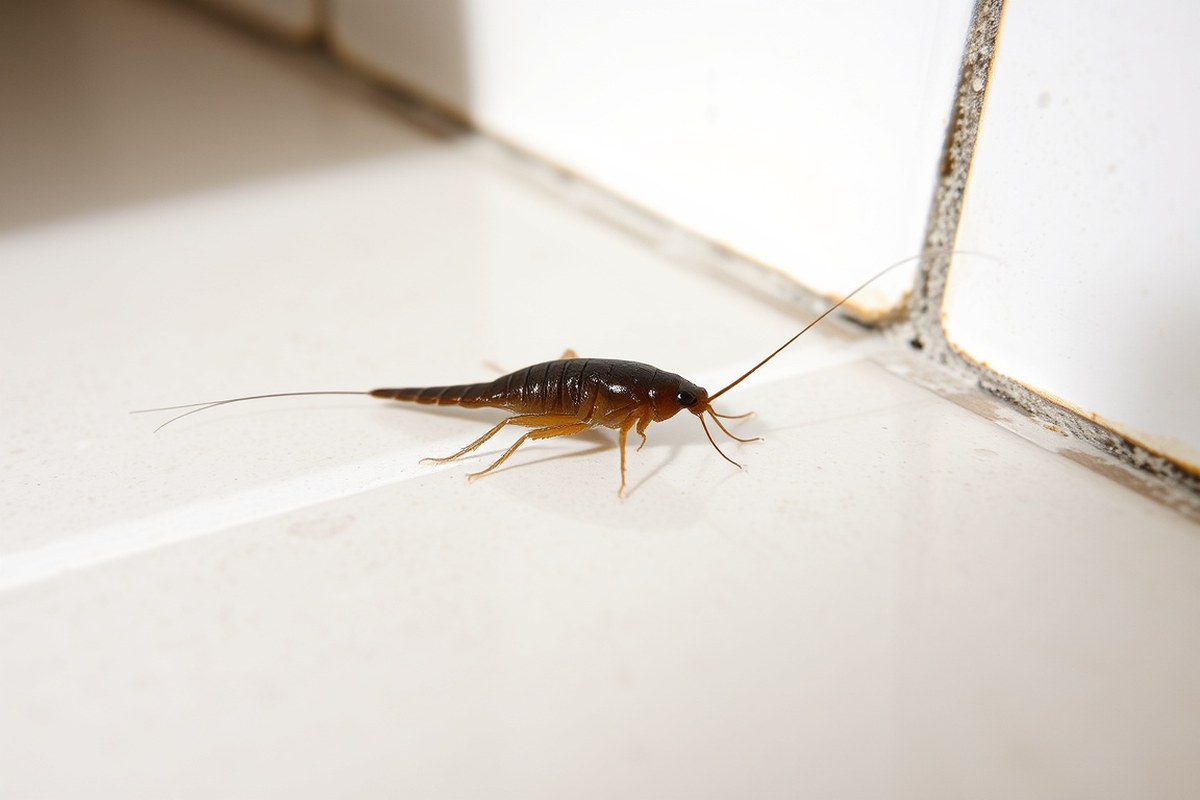
How to Get Rid of Silverfish: 8 Effective, Safe Strategies for Lasting Control
To get rid of silverfish effectively, remove their food sources, reduce indoor humidity, and clean regularly to disrupt their habitat. Use safe treatments like diatomaceous earth or boric acid, and set homemade traps to catch remaining pests. Maintaining a dry, clean home sealed from entry points is key to preventing reinfestation.
This advice is for homeowners, renters, and anyone wanting to control silverfish without harsh chemicals. You’ll learn how to identify silverfish, what attracts them, safe removal methods, and when it’s best to call a professional for lasting control.
Key Takeaways
- Identify silverfish by their small, silver, fish-like appearance and nocturnal activity in dark, humid areas of your home.
- Reduce home humidity below 60% using dehumidifiers and fans to make your environment unfavorable for silverfish survival.
- Apply diatomaceous earth or boric acid safely by following product labels to kill silverfish without harming pets or family members.
- Use newspaper traps by placing dry newspapers overnight, then discard them outside without unrolling to remove silverfish nests.
- Seal cracks, remove paper-backed insulation, and clean regularly to eliminate silverfish food sources like dead skin and paper debris.
- Call a professional if silverfish persist after repeated DIY treatments; expect sprays needing reapplication every 2-3 months.
How to Identify and Understand Silverfish Behavior
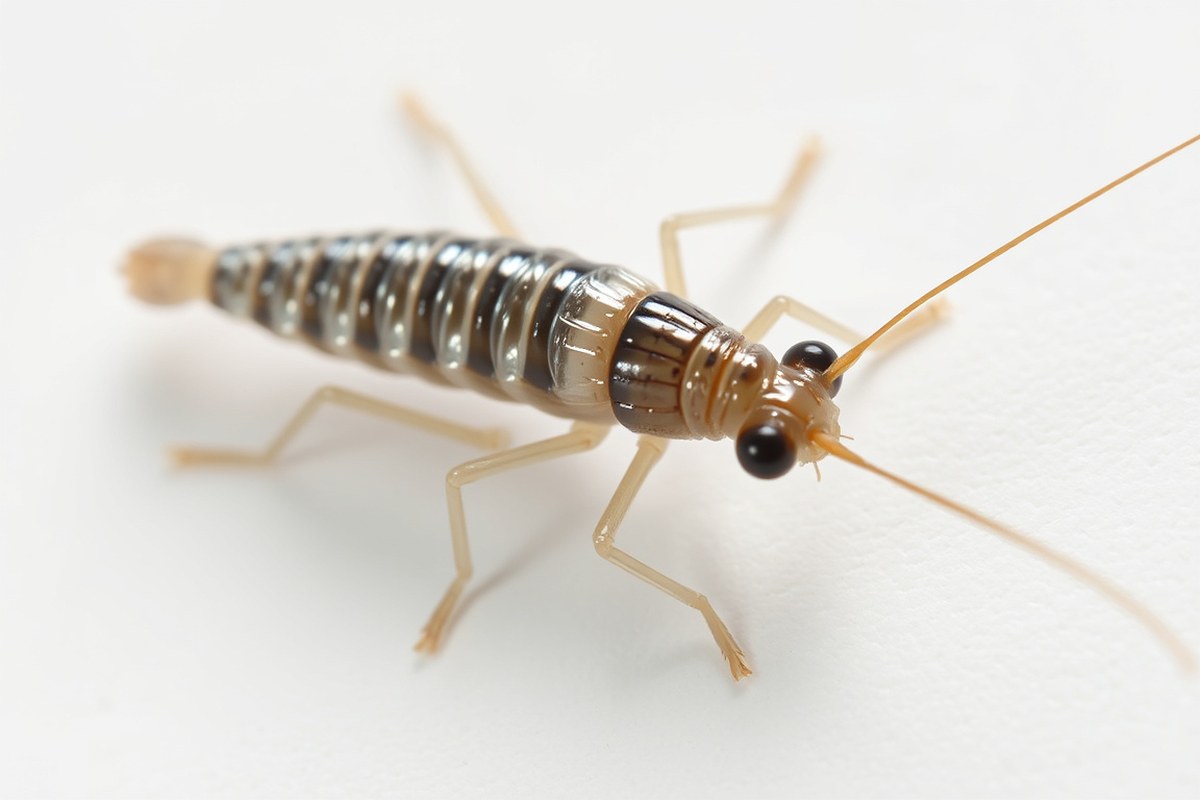
Silverfish are small, wingless insects known for their shiny, silver-gray color and fish-like shape. They measure about 1/2 to 1 inch long, with long antennae and tapered bodies that move in a wiggling motion, similar to a fish. You’ll often notice them in dark, damp areas like basements, bathrooms, and kitchens. Because of their fast, darting movement and shiny scales, they stand out once you spot them.
These insects feed mainly on starchy materials like paper, glue, dead skin cells, and certain fabrics. This explains why they often cause damage to books, wallpaper, clothing, and stored food packaging. While silverfish are not harmful to humans or pets in terms of bites or disease, their presence can lead to destruction of personal belongings and household items. They are nocturnal, meaning they come out mostly at night, making daytime sightings less common but still possible.
Silverfish are extremely resilient. They can survive for months without food but thrive best when they find ample resources. Their ability to live for as long as eight years indoors makes them tough to eliminate. They prefer environments with high humidity, typically between 75% and 95%, which is why they often dwell in damp corners or behind walls where moisture accumulates. Lowering humidity below 60% will make your home less hospitable to them.
Because silverfish depend on food sources like paper, fabrics, or leftover crumbs, thorough cleaning is essential to disrupt their survival. Vacuuming at least once a week helps remove eggs and potential food sources hiding in carpets, baseboards, or crevices. Spotting silverfish early and identifying their favored spots will help you take targeted action. Keep an eye on edges of cabinets, bathrooms, and hidden corners where they may hide during the day.
Recognizing silverfish and understanding their behavior helps you act quickly before they cause more damage. Their presence signals a likely moisture and food problem in your home. Since they don’t pose health risks but can live without food for months, tackling the environment they favor is the most effective way to lessen their numbers over time. Staying vigilant with cleanliness and lowering moisture will limit their ability to survive and reproduce inside your home.
What Attracts Silverfish and Where They Hide Indoors

Silverfish commonly hide in dark, damp locations within the home. You’ll often find them in bathrooms, basements, attics, and kitchens near sinks or plumbing fixtures. They also tend to reside behind baseboards, inside cracks in walls, under furniture, and within stacks of paper, books, or cardboard boxes. These areas provide the moisture and shelter silverfish need to survive and lay eggs.
What attracts silverfish most is high humidity, typically above 50 percent relative humidity year-round. They thrive in warm, moist environments because their bodies need moisture to avoid drying out. Areas around leaking pipes, wet towels draped over radiators, or cluttered storage spaces that trap moisture are ideal breeding grounds. To discourage them, it helps to reduce humidity using dehumidifiers or fans, especially in basements and bathrooms.
Homes with poor ventilation, water leaks, or high humidity levels are more prone to silverfish infestations. In addition, houses in climates with consistent humidity and warmth might face a higher risk year-round. Older homes with cracks, gaps between walls and baseboards, or damaged seals allow silverfish to enter and hide easily. Inspecting and applying a thin bead of caulk inside cracks and gaps can prevent entry points. This not only blocks their access but eliminates many hiding spots where they lay eggs and multiply.
Silverfish often enter homes unknowingly through cardboard packaging, furniture, or construction materials. Checking and cleaning these items before bringing them indoors can reduce new infestations. Maintaining a clean, clutter-free home also makes it harder for silverfish to establish themselves, since piles of paper and clutter provide hiding places and food sources. Regularly cleaning and organizing reduces moisture traps and food availability.
Seal any gaps between walls and baseboards with caulk and wait several days after applying silverfish traps, allowing the insects to crawl in and get caught effectively.
How to Reduce Humidity to Deter Silverfish Effectively
Keep your home’s humidity below 50% to effectively deter silverfish, a pest that thrives in moist environments. Use tools like hygrometers to monitor humidity and focus on controlling moisture in bathrooms, basements, and kitchens where silverfish favor dampness. Employ dehumidifiers, proper ventilation, and fix leaks to maintain ideal humidity.
Measuring Indoor Humidity Levels Accurately
Start by buying a hygrometer, an affordable device available at hardware stores, to measure your home’s humidity. The goal is to keep indoor humidity below 50%. Check readings in different rooms, especially dark or damp areas like basements or bathrooms, since conditions vary throughout the house. Track humidity levels daily or after activities that raise moisture, such as cooking or showering, to understand patterns and address problem spots.
Using Dehumidifiers and Ventilation
Dehumidifiers remove excess moisture from the air, which is key to creating an environment silverfish cannot survive in. For damp spaces like basements or laundry rooms, select a dehumidifier appropriate for the room size; residential models range from $100 to $300. Also, use exhaust fans in bathrooms and kitchens to vent humid air outdoors immediately after showering or cooking. Improving airflow by opening windows or using ceiling fans also helps reduce moisture buildup.
Proper use includes running dehumidifiers continuously in very damp areas until levels stabilize below 50%. Clean or replace air filters regularly to maintain efficiency. If you notice persistent high humidity, inspect your home for hidden leaks or water damage that might feed moisture.
Target Areas: Bathrooms, Basements, and Kitchens
Focus humidity control efforts on bathrooms, basements, and kitchens, as these areas typically have higher moisture levels and attract silverfish. Bathrooms should have functioning exhaust fans that run during and 20 minutes after bathing to clear steam. Basements often need dehumidifiers and can benefit from sealing cracks or installing vapor barriers to block ground moisture. Kitchens require vented range hoods and prompt cleanup of spills or leaks under sinks.
Regular inspection for plumbing leaks under sinks, behind toilets, and near water heaters is important. Silverfish return to persistent moist spots despite other control efforts, so repair leaks and dry problem areas quickly. Use moisture barriers or waterproof paints in basements for extra protection against humidity.
Routine Humidity Control Checklist
Maintain consistent humidity control by following these practical steps regularly:
- Purchase and place hygrometers in multiple home areas to track humidity levels.
- Run dehumidifiers in damp rooms, adjusting settings to target below 50% humidity.
- Use exhaust fans in bathrooms and kitchens during and after water use.
- Inspect plumbing fixtures monthly for leaks and repair any found immediately.
- Seal cracks and install vapor barriers in basements and crawlspaces to prevent ground moisture.
- Increase airflow using fans or open windows when weather permits.
- Clean and maintain all ventilation systems and dehumidifier filters every 1, 3 months.
Following this checklist helps reduce moisture sources that silverfish need, lowering the chance of infestation over time. The cost primarily involves purchasing a hygrometer and possibly dehumidifiers, with maintenance requiring only time and occasional minor repairs. Consistently low humidity creates a less hospitable environment for silverfish and contributes to overall healthier indoor air quality.
Safe and Effective Use of Diatomaceous Earth and Boric Acid
Diatomaceous earth and boric acid offer effective, low-toxicity options for controlling silverfish. Food-grade diatomaceous earth is safe around children and pets when used properly. Boric acid works well but requires careful placement to keep it out of reach of sensitive household members. Following specific application steps and safety precautions ensures successful treatment with minimal risk.
Applying Diatomaceous Earth Properly
Diatomaceous earth (DE) is a natural, powdery substance made from fossilized algae. Its tiny, sharp particles damage the silverfish’s exoskeletons, causing dehydration and death. Use food-grade DE, which is non-toxic to humans and pets but can irritate your lungs if inhaled during application.
To apply diatomaceous earth effectively, focus on areas where silverfish are seen or likely hiding, such as baseboards, cracks, and corners of rooms. Using DE as a preventive barrier helps catch silverfish before you notice an infestation.
- Wear a dust mask to avoid breathing in the powder during application.
- Lightly sprinkle a thin layer of food-grade diatomaceous earth along baseboards, under sinks, inside cupboards, and near cracks or crevices.
- Apply the powder in dry areas because moisture reduces its effectiveness.
- Leave the powder undisturbed for at least 3 to 7 days to allow silverfish contact with the DE.
- After about a week, vacuum thoroughly to remove the powder and any dead silverfish.
- Repeat the application in any areas where silverfish activity continues or returns.
Using Boric Acid Safely Indoors
Boric acid is a low-toxicity insecticide effective against silverfish when applied as a fine powder. It works by damaging the insects’ digestive systems after contact or ingestion. Boric acid is more toxic to humans and pets than diatomaceous earth, so careful placement is necessary.
Use boric acid powder sparingly in discreet spots where silverfish travel but children and pets cannot access it. An effective way to limit exposure is by focusing on cracks, behind appliances, and under furniture.
- Wear gloves and a dust mask while handling boric acid powder.
- Sprinkle a thin layer of boric acid along silverfish pathways, such as baseboards, inside wall cracks, and cupboards.
- Avoid spreading boric acid in open areas or near places children and pets can reach.
- Allow the powder to sit for 2 to 3 days to maximize contact with silverfish.
- Vacuum the treated areas thoroughly to remove residual powder and dead insects.
- Reapply only if silverfish activity resumes, continuing careful placement to maintain safety.
Safety Precautions for Families with Pets and Kids
Both diatomaceous earth and boric acid are effective against silverfish, but their safety profiles differ. Food-grade diatomaceous earth poses minimal risk to children and pets when applied correctly and kept dry. Boric acid can be toxic if ingested and requires tighter control to prevent accidental exposure.
Make sure children and pets do not enter areas where powders have been applied until residues are thoroughly vacuumed and cleaned off surfaces. Secure any leftover boric acid or diatomaceous earth in a safe place beyond their reach. To minimize breathing in dust, wear a dust mask while applying powders and keep these substances away from bedrooms and play zones.
For households with very young children or pets that roam freely, rely more on diatomaceous earth and natural prevention methods. Boric acid should be reserved for inaccessible areas or used in sealed bait stations designed for silverfish.
Homemade and Natural Silverfish Traps and Repellents
Homemade traps and natural repellents can reduce silverfish populations without harsh chemicals. Glass jar and wet newspaper traps catch silverfish by exploiting their attraction to moisture and shelter. Natural scents like lavender, citrus, and cedarwood repel silverfish and keep them from returning. Using a combination of these methods helps you manage infestations safely and cheaply.
Constructing Glass Jar and Newspaper Traps
Glass jars wrapped with masking tape and baited with bread lure silverfish inside by giving them a surface to climb and a food source. Wet newspaper traps create a moist hiding place where silverfish naturally gather. Both are safe for homes with children and pets, and reusable if cleaned regularly. Follow these steps to build effective traps:
- Wrap the outside of a clean glass jar with masking tape up to the rim to provide a climbing surface.
- Place a small piece of bread inside the jar as bait.
- Wet sheets of newspaper until damp but not dripping to attract silverfish seeking moisture.
- Fold the damp newspaper loosely and arrange it near areas of silverfish activity.
- Set both jars and wet newspaper traps along baseboards, closets, or dark corners.
- Check traps every two to three days to collect any caught silverfish.
- Dispose of silverfish by sealing the jar and placing it outside your home or clearing newspaper traps in trash bags.
- Rebait jars and re-moisten newspaper as needed to maintain their attractiveness.
Do not leave bread bait for more than a week without replacement to avoid mold growth and reduced trap effectiveness.
Applying Lavender, Citrus, and Cedarwood Oils
Essential oils like lavender, citrus (lemon or orange), and cedarwood produce scents silverfish avoid. Using pure essential oils concentrated in small amounts offers a strong natural repellent that can be applied without spraying chemicals all over surfaces.
To apply these oils effectively, dilute 10 to 15 drops of oil in 1 cup of water and transfer the mixture to a spray bottle. Lightly mist corners, baseboards, bookshelves, and storage areas where silverfish appear. Alternatively, place cotton balls soaked in the oils inside drawers, closets, or cupboards.
For ongoing protection, refresh sprayed areas and cotton balls every 5 to 7 days. Using fresh citrus peels or cedarwood shavings in sachets adds another layer of defense with minimal cost, replace peels about twice a week to prevent drying out.
Avoid spraying essential oils on delicate fabrics or finished wood surfaces as oils can cause staining or damage over time.
Placement Tips for Maximum Effectiveness
Place traps and repellents in locations silverfish frequent, such as dark, damp spaces near sinks, bathrooms, basements, attics, and behind appliances. Silverfish usually run along walls and baseboards, so position traps within 6 to 12 inches of these areas.
Using multiple traps spaced every 3 to 6 feet improves your chances of catching silverfish. Combine placement with natural repellents like lavender sachets or cedarwood oil sprays in the same zones to discourage silverfish from returning.
Keep traps and repellents away from children’s reach and regularly inspect or replace drowning newspaper and bait to maintain effectiveness. Note that silverfish populations may take one to two weeks of consistent trapping and repellent use to noticeably decline.
Check for and address moisture sources concurrently, as high humidity undermines the success of traps and repellents.
Cleaning, Sealing, and Food Source Removal to Prevent Infestations
Cleaning regularly, sealing entry points, and removing food sources form the foundation of preventing silverfish infestations effectively. Frequent vacuuming and dusting eliminate crumbs, dead skin cells, and hair, common silverfish foods, while decluttering removes their hiding spots. Aim to vacuum at least once a week, targeting areas where silverfish thrive, such as behind appliances and in closets where clothes are piled on the floor.
Sealing cracks and crevices around your home is essential because silverfish enter through tiny gaps in walls, doors, and windows. Use caulk specifically designed for indoor use to seal gaps around baseboards, window frames, door jambs, and any visible cracks in walls. This step costs about $5 to $10 for a standard caulking tube and can be done in a few hours depending on the number of entry points.
Eliminating food sources involves more than just cleaning spills. Silverfish feed on paper, glue, starches, and other household items. Store pantry goods like flour, cereal, and sugar in airtight plastic or glass containers instead of cardboard boxes or paper packaging. Also, watch out for paper-backed insulation and cardboard in storage areas as silverfish will consume them over time. Organizing closets and removing unused clothing and paper products help reduce these hidden food sources.
- Vacuum carpets, floors, and behind appliances weekly to remove food particles and hiding places.
- Wipe pantry shelves monthly with a damp cloth and allow them to dry before restocking.
- Seal all cracks around windows, doors, baseboards, and plumbing with indoor caulk.
- Store dry foods in sealed plastic or glass containers instead of cardboard boxes.
- Remove piles of clothes or paper clutter that provide dark, moist hiding spots.
- Check and clean behind furniture and appliances at least once a month.
Good results usually show within a few weeks as silverfish populations shrink due to lack of food and shelter. Omitting any of these steps makes it easier for silverfish to persist or return. For example, failing to seal entry points while cleaning regularly still allows new silverfish to enter. Taking a steady, proactive approach combining cleaning, sealing, and food source removal reduces the chance of reinfestation and gives you stronger control over silverfish in your home.
When to Call a Professional and What to Expect from Treatment
Heavy infestations show clear signs such as daily silverfish sightings in multiple rooms or significant damage to books, clothing, and stored paper products. Call a professional if you notice these signs or if silverfish keep returning despite your best cleaning and DIY efforts. Professional help becomes necessary when infestations resist standard treatments or when bugs spread through shared walls in apartments and condos.
Experts use a combination of methods, including chemical sprays, insecticide dusts, and foggers to target silverfish thoroughly. Professional sprays can last 2 to 3 months, but some areas with heavy activity might need retreatment sooner. Foggers kill silverfish on contact and help control large infestations quickly. Many pest control companies guarantee their work and will retake action if silverfish return after the initial treatment. The table below summarizes typical expectations for professional silverfish treatment, including costs, timelines, and when to consider calling experts:
| Factor | Details |
|---|---|
| Costs | $200 to $600 for most homes |
| Treatment methods | Chemical sprays, insecticide dusts, foggers |
| Duration of spray effectiveness | 2 to 3 months |
| When to call pros | Daily sightings in multiple rooms or extensive damage |
| Time to see results | Several days to weeks depending on treatment |
| Retreatment | Needed if silverfish return; guaranteed by many companies |
| Challenges in apartments/condos | May require building-wide treatments due to shared walls |
Expect several days to a few weeks to see full results after treatment. Treatments like borax or boric acid need time to work through the entire population. Professional sprays and foggers can show faster knockdown, but thorough eradication takes time. Regular follow-up inspections help verify progress and detect any returning silverfish early.
Consult a licensed pest control professional to discuss your specific situation. They can evaluate the infestation severity, recommend a tailored treatment plan, and provide cost estimates. Prompt professional treatment limits damage to your belongings and reduces the chances of persistent or recurring problems.
Creating a Lasting Silverfish-Free Home: Maintenance and Common Mistakes
Maintaining a silverfish-free home requires consistent effort and attention to several key areas. Preventing these pests from returning after treatment depends largely on controlling moisture, eliminating accessible food sources, and sealing entry points. Skipping regular maintenance or relying on a single method often causes infestations to recur. Seasonal changes can influence silverfish activity; they thrive in warm, humid conditions, so extra vigilance during spring and summer months helps reduce their presence. Follow this checklist to maintain control over silverfish, paired with common pitfalls to avoid:
- Monitor and Reduce Humidity Regularly. Use dehumidifiers or exhaust fans in damp areas like basements, bathrooms, and kitchens to keep humidity below 50%. Check humidity levels monthly, as silverfish breed faster in moist environments.
- Keep Food and Paper Products Sealed. Store pantry items, pet food, and paper goods in airtight containers made of glass or heavy plastic. Avoid leaving these materials exposed for long periods.
- Vacuum and Dust Frequently. Clean baseboards, corners, and crevices weekly to remove silverfish eggs and food debris. Dispose of vacuum bags outside your home immediately.
- Inspect and Seal Entry Points. Caulk cracks in walls, floors, and around windows and doors. Use door sweeps and window screens to block access, especially during warmer months when silverfish activity increases.
- Maintain Exterior Yard and Perimeter. Clear away dead plants, leaves, and mulch at least 3 feet from your home’s foundation. These materials create hiding spots that encourage silverfish to enter your home.
- Apply Pest Control Barriers as Needed. Consider professional-grade insecticide barriers applied around the foundation every 6 to 12 months. These create a lasting shield that kills silverfish attempting to enter.
- Rotate Control Methods. Avoid relying solely on traps or one type of treatment to prevent silverfish from developing resistance. Combine mechanical, chemical, and environmental controls for best results.
Don’t ignore small cracks or cluttered storage areas; silverfish exploit these spaces to hide and reproduce quickly.
Step-by-Step Action Plan to Get Rid of Silverfish
Follow this plan to identify, eliminate, and prevent silverfish infestations safely and effectively in your home.
- Before You Start: Inspect your home to identify silverfish signs and common hiding spots like bathrooms, basements, and behind books or cardboard. Confirm you have silverfish by spotting small, fast, silver-gray insects or their yellow stains. This ensures your efforts target the right pest.
- Day 1: Reduce indoor humidity by using a dehumidifier or increasing ventilation in damp areas. Check humidity readings below 50% with a hygrometer; lower levels make your home less attractive to silverfish.
- Day 2: Apply diatomaceous earth or boric acid in cracks, crevices, and around baseboards where silverfish hide. Use a dust applicator for a thin layer. After a week, fewer silverfish sightings or dead insects confirm effectiveness.
- Day 3: Set homemade traps using sticky tape baited with bread or oatmeal in infested areas. Check traps every 2-3 days for captures to monitor progress.
- Day 4: Thoroughly clean cluttered areas, especially removing cardboard boxes and paper piles that provide food and shelter. Watch for decreased silverfish activity as a sign your cleaning is working.
- Day 5: Seal cracks and gaps around windows, doors, and baseboards with caulk to block silverfish entry and hiding places. Inspect sealed areas after one week for new signs of infestation.
- After 2 Weeks: Reassess your home for silverfish presence. If you still notice activity despite following steps, schedule an inspection with a licensed pest control professional for targeted treatment.
- Ongoing Maintenance: Maintain low humidity, keep areas clean, and monitor traps monthly. Quickly address moisture issues or clutter buildup to prevent re-infestation.
Frequently Asked Questions
How Can I Safely Dispose of Silverfish Caught in Traps?
Without unrolling the paper, throw it into your trash outside to get rid of silverfish. This prevents any eggs from hatching indoors and keeps your home clean.
How Often Should I Vacuum to Prevent Silverfish Eggs and Larvae?
Vacuum and clean at least once a week to remove food sources and any silverfish eggs. Regular cleaning disrupts their life cycle and reduces infestation risk.
What Materials Should I Remove to Starve Silverfish?
Get rid of starchy materials like paper, glue, and book bindings that silverfish feed on. Removing these reduces their food supply and helps control their population.
Are Silverfish Dangerous to Humans or Pets?
Silverfish are harmless to humans and pets but can damage belongings by chewing on fabrics and paper. Prompt removal protects your possessions without health risks.
When Should I Consider Professional Pest Control for Silverfish?
Call a professional if infestations persist despite DIY methods and increased sanitation. Experts offer combined chemical and physical treatments for severe cases.
Can Natural Remedies Alone Eliminate Silverfish Infestations?
Natural remedies can be effective for small infestations but serious cases often require additional chemical treatments. Combine methods for best results.
Before You Go
Getting rid of silverfish requires consistent effort tailored to their behaviors and habitat preferences. Start by lowering the humidity in your home, as silverfish thrive in moist environments and struggle to survive in dry conditions. Today, use a dehumidifier or improve ventilation in commonly damp areas like basements or bathrooms to reduce their likelihood of returning.


One Comment