
How to Get Rid of Flies Outside: 8 Proven Methods for Fast, Safe Results
To get rid of flies outside quickly and safely, start by removing what attracts them, like garbage, standing water, and pet waste. Use a combination of natural repellents, traps, fans, and targeted sanitation to cut down their numbers and prevent future infestations. Chemical sprays and foggers can help, but they work best as part of a broader plan.
This advice is for homeowners, gardeners, and anyone dealing with flies in yards, patios, or gardens. You’ll find eight proven methods for fast, effective fly control, including identifying common flies, removing breeding sites, using DIY repellents, and knowing when to call professionals. These steps focus on safe, practical solutions to keep outdoor spaces fly-free.
Key Takeaways
- Identify the type of outdoor flies around your home to target control methods effectively and reduce fly-related nuisances.
- Eliminate breeding sites by removing trash, pet waste, and rotting organic material to sharply cut fly populations.
- Use natural repellents and traps, such as plants and homemade baits, for safe, chemical-free fly control outdoors.
- Place fly traps and sticky papers 20 to 30 feet from your home, but note they may attract flies to that area.
- Apply outdoor insecticides responsibly, following label instructions and keeping sprays away from children, pets, and beneficial insects.
- Encourage natural fly predators like spiders and use fans or air curtains with 1,600+ feet per minute velocity to reduce flies.
1. Identify Common Outdoor Flies and Why It Matters
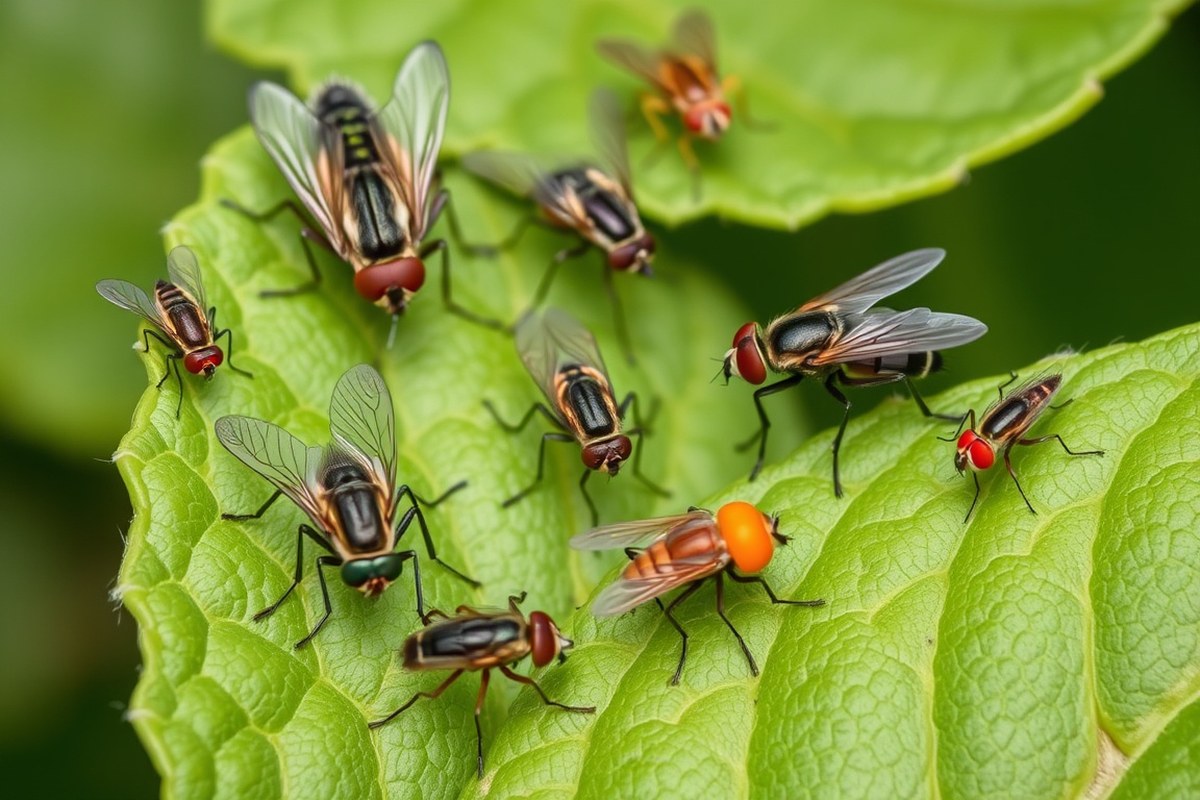
Outdoor flies commonly include house flies, cluster flies, blow flies, and stable flies. Knowing which type you’re dealing with matters because their habits, breeding sites, and risks differ. For example, house flies breed in garbage, pet waste, and decaying organic material, while stable flies prefer moist animal manure and decaying vegetation. Identifying the species helps target control methods where they’re most effective, reducing time and effort.
Flies undergo a four-stage lifecycle: egg, larva (maggot), pupa, and adult. This process can take from 7 to 14 days depending on temperature and species. Most fly eggs are laid in moist, nutrient-rich environments like manure, compost, or garbage. Larvae develop in these sites before emerging as adults. Interrupting this cycle by removing or treating breeding sites is important for lasting control. Adult flies live about 15 to 30 days but can lay hundreds of eggs, so stopping reproduction early reduces future populations. Use this checklist to identify the most common outdoor flies by appearance and behavior:
- House flies: About 1/4 inch long with gray bodies and four black stripes on the thorax; often found buzzing around garbage or food scraps.
- Cluster flies: Slightly larger, dark with golden-yellow hairs, they gather in shaded wall crevices in late summer and fall.
- Blow flies: Metallic blue, green, or black; attracted to dead animals and decaying organic matter.
- Stable flies: Similar to house flies but with piercing mouthparts; they bite and breed in moist manure or straw.
Many fly species lay eggs that hatch within a day under warm conditions, and larvae grow quickly. Regularly inspecting these breeding sites every few days lets you act before new adults appear. For example, removing pet waste daily and avoiding stagnant water can break the lifecycle early. Control methods like traps or insecticides have the best impact if timed to target newly emerged adults before breeding.
Getting the identification and breeding knowledge right offers an efficient path to reducing outdoor fly problems. Without it, attempts to stop flies may miss breeding hotspots or target the wrong types, wasting effort and allowing flies to return. Properly breaking their lifecycle eliminates the problem at its source, saving you time and providing more peaceful outdoor spaces.
2. Remove Breeding Sites and Sanitize to Cut Fly Sources
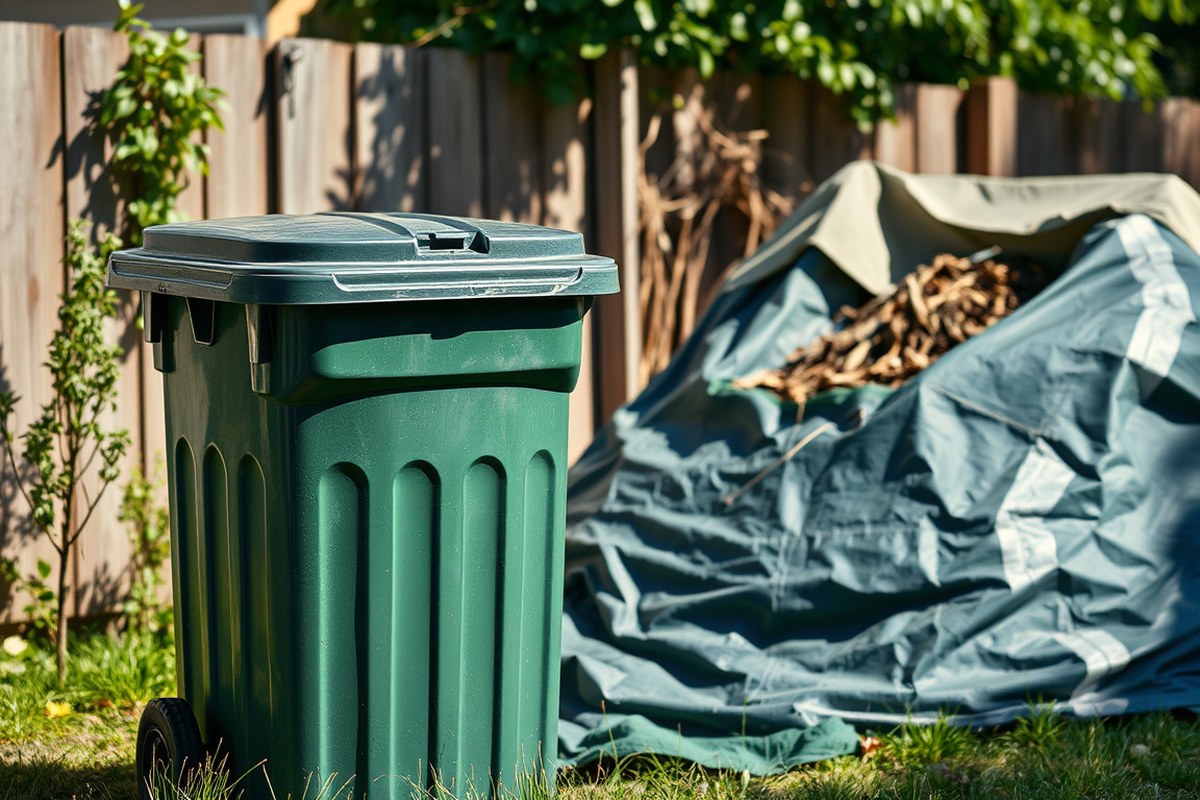
Stopping flies from breeding outdoors starts with cleaning up all their potential food and moisture sources. Without access to garbage, pet waste, compost, and standing water, flies can’t reproduce. Sealing cracks around your home limits their entry points.
Identify Common Fly Breeding Locations
Flies look for places rich in food debris and moisture to lay eggs. Garbage bins with food scraps, pet droppings in the yard, uncovered compost piles, and standing water are prime breeding grounds. Identifying these spots early helps prevent caterpillars of flies from developing into adults.
Check outdoor tables and grills for leftover food. Inspect trash containers for leaks and gaps where flies can get in. Regular walks around your yard can reveal areas where pet waste or damp debris accumulates. Addressing these common sites is essential for fly control.
Proper Garbage Disposal Techniques
Garbage bins attract flies when they contain food scraps or are left uncovered. To cut off fly reproduction, use bins with tight-fitting lids and clean them regularly. Empty trash frequently, ideally every few days, especially in warm weather when decomposition speeds up.
Washing bins with soap and hot water (above 100°F) once a week can remove residues that attract flies. Avoid leaving food scraps exposed outdoors, and store garbage bags inside a sealed container until pickup.
- Choose garbage bins with secure, tight lids to keep flies out.
- Empty trash cans at least twice a week during warm seasons.
- Clean bins weekly with hot, soapy water to remove residues.
- Store garbage bags inside sealed containers until collection.
- Use biodegradable liners inside bins to reduce leaks and odors.
Leaving garbage bins open even briefly invites flies to lay eggs; always close lids tightly after disposal.
Managing Pet Waste Effectively
Flies breed quickly in pet feces left on lawns or patios. Removing pet waste daily reduces fly attraction significantly. Use pooper scoopers or disposable bags to pick up droppings promptly.
Dispose of pet waste in sealed bags placed in a dedicated trash container. Avoid tossing waste into compost piles not designed to handle animal droppings, since this can increase fly breeding. Keeping the area clean lowers fly populations around your outdoor spaces.
- Pick up pet droppings from your yard at least once daily.
- Use sealed plastic bags to contain waste before disposal.
- Designate a separate bin for pet waste and empty it often.
- Clean the area with water and mild detergent to remove residues.
- Avoid adding pet waste to garden compost piles.
Allowing pet waste to sit for more than 24 hours in warm weather can lead to rapid fly buildup.
Maintaining Compost Piles Correctly
Compost piles can attract flies if not managed properly. Cover fresh food scraps with dry brown materials like leaves or shredded paper to limit odors and moisture. Regularly turning the compost every week accelerates decomposition and reduces fly breeding.
Keep the pile moist but not soggy, aiming for a texture similar to a wrung-out sponge. Using a compost bin with a secure lid or fine mesh screen reduces fly access. Remove finished compost promptly since sitting decomposed material may still attract flies.
- Layer food waste with dry browns to balance moisture and smell.
- Turn compost weekly to aerate and discourage flies.
- Maintain moisture like a wrung-out sponge, not wet or dry.
- Cover compost piles with a lid or fine mesh to limit fly entry.
- Harvest finished compost promptly and clean bin if needed.
Overly wet or neglected compost invites fly larvae; maintain proper moisture and turn the pile often.
Eliminating Standing Water Areas
Standing water provides a breeding habitat for some fly species. Empty or drain items that collect rainwater like buckets, flowerpot saucers, and clogged gutters. Keep irrigation controlled to avoid pooling.
Inspect low spots in your yard where water collects after rain or watering. If eliminating water isn’t possible, replace stagnant water with fresh water frequently (every 2-3 days). Installing gravel or improving drainage minimizes fly-friendly damp spots.
- Remove standing water from containers and yard depressions.
- Empty and scrub pet water dishes daily to prevent breeding.
- Clear gutters and drains of debris to avoid backups.
- Adjust irrigation to prevent puddling and excessive moisture.
- Improve yard drainage or add gravel in consistently wet areas.
Ignoring standing water can lead to explosive fly populations; regular inspection and drainage are key to prevention.
3. Natural and DIY Fly Repellents, Traps, and How to Use Them
Natural repellents and DIY fly traps can reduce outdoor fly problems effectively without harsh chemicals. Citronella, lavender, and several essential oils repel flies by scent, while simple vinegar-and-soap mixtures attract and trap them. Using these methods together covers both keeping flies away and catching those that linger.
Vinegar and Dish Soap Trap Recipe
The classic vinegar and dish soap fly trap is an inexpensive and efficient way to catch flies. Pour about 1/2 cup of apple cider vinegar into a small bowl or jar. Add a few drops (roughly 1 teaspoon) of dish soap to break the surface tension, causing flies that land on the liquid to drown.
Place the trap uncovered outdoors near where flies congregate, but not too close to your seating areas, ideally 25 to 30 feet away from the house or patios. You may want to cover the container loosely with plastic wrap, poking a few small holes in it for flies to enter while limiting evaporation and rainwater contamination. Refresh the vinegar and soap mixture every 3 to 4 days or when it becomes cloudy, and clean the trap to remove dead flies for maximum effectiveness.
Citronella and Essential Oil Options
Citronella is a well-known natural fly repellent often used in candle form. When lit outdoors, citronella candles emit a lemony scent that flies find unpleasant, making them useful for keeping flies away from outdoor dining or gathering spots. However, their effectiveness is limited to the immediate vicinity of the candle, requiring multiple candles for larger areas.
Other essential oils like lavender, eucalyptus, peppermint, lemongrass, rosemary, tea tree, and clove repel flies effectively due to their strong, pungent aromas. You can make your own spray by mixing 10 to 15 drops of one or more essential oils with water in a spray bottle and applying it to outdoor furniture, decks, or patio plants. Alternatively, soak cotton pads or strips of cloth in oils and hang them around outdoor spaces. Lavender plants and other aromatic herbs can also serve as passive repellents when placed near doorways and eating areas. Some natural remedies such as orange peels and pine oil offer moderate repellent effects, and cayenne pepper works primarily as a deterrent if sprinkled in fly-prone zones, though it may require frequent reapplication after rain or watering.
Placement and Maintenance Tips
Strategically placing traps and repellents determines success in reducing flies outdoors. Follow these guidelines:
- Set vinegar traps 25 to 30 feet from human activity to lure flies away from patios or decks.
- Distribute citronella candles evenly to cover all seating areas for consistent scent dispersion.
- Refresh DIY traps every 3 to 4 days to maintain attraction strength and hygiene.
- Apply essential oil sprays late in the afternoon or early evening when flies are most active.
- Position aromatic plants like lavender near entry points, dining tables, and garbage bins.
- Replace cloth strips dipped in essential oils every few days to keep scent potent.
- Use multiple repellent methods together for the best overall effect.
Proper maintenance includes wiping surfaces to avoid buildup, avoiding direct sunlight on oil sprays to prevent evaporation, and monitoring weather conditions that may reduce natural repellent performance. While none of these solutions guarantee a fly-free zone, consistent use can significantly reduce fly annoyance.
4. Using Traps and Sticky Fly Papers Outdoors: Pros and Cons
Outdoor fly traps and sticky fly papers can help reduce fly numbers, but each type has specific uses, advantages, and drawbacks. Choosing the right trap depends on your fly problem severity, outdoor space, and tolerance for maintenance tasks like replacement and cleanup.
Sticky Traps and Fly Paper Details
Sticky fly traps and fly paper work by luring flies onto a glue-coated surface that holds them so they can’t escape. These traps act quickly once flies land on them, making them useful for immediate reduction. You can find sticky traps as ribbons, sheets, or tubes coated with an adhesive layer, sometimes improve with attractants like corn syrup or scents similar to decaying matter.
One downside to sticky fly traps is they may produce an unpleasant smell, particularly if they catch many flies and are left too long. They also collect debris and dust, which lessens their effectiveness over time. Sticky papers generally cost around $5 to $15 per pack, depending on size and brand, making them an affordable option for spot treatments.
Place these traps near fly congregation points such as garbage cans, tree branches, or fence posts. Avoid placing them too close to seating areas because the smell and the sticky mess can become a nuisance.
Bait and Light Traps Explained
Bait traps use a strong-smelling attractant to lure flies inside a containment area, often including a liquid like soapy water that prevents escape. These traps are excellent for severe fly problems around compost piles, kennels, or farms. Because they rely on specific baits like bananas for fruit flies or other decaying matter for different species, you should adjust the bait based on the flies you are targeting.
Light traps work by attracting flies with a UV or electric light. When flies approach the light, they either get zapped or stuck on a glue board inside the device. These traps require electricity but generally catch flies without adding unpleasant odors. Best results come from hanging light traps above head height and away from windows and doors leading indoors, which helps reduce fly entry into your home and prevents competitors for the light’s attraction.
| Type | Effectiveness | Pros | Cons | Estimated Cost | Maintenance Needs |
|---|---|---|---|---|---|
| Sticky Fly Traps | Works quickly | Affordable, no power needed | Unpleasant odor, messy if left too long | $5-$15 per pack | Replace every 1-2 weeks |
| Bait Traps | Good for severe infestations | Attracts flies effectively by scent | Can be harmful if toxic baits used | $10-$20 | Renew bait weekly; clean trap regularly |
| Light-Based Fly Traps | Works well but not immediate | No odor, catches many flies | Needs electricity; placement sensitive | $25-$70 | Replace glue boards monthly; keep clean |
Choosing between these traps involves balancing cost, convenience, and how quickly you need results. Sticky traps are best for small, quick fixes, while bait and light traps serve ongoing or larger outdoor fly problems.
Placement and Trap Renewal Guide
Position fly traps and bait stations at least 15 to 20 feet away from outdoor living areas like patios or decks. This distance reduces the chance of flies being attracted near where you want to relax. Focus placement near fly breeding or gathering spots such as garbage bins, compost areas, or fence lines.
Sticky fly papers should be replaced every one to two weeks or once they are covered with flies and debris. Bait traps require weekly bait renewal and cleaning to stay effective and safe. Light traps need glue board replacements monthly during heavy fly seasons and should be kept free of dust and spider webs.
Hang light traps above head height to maximize attraction and prevent accidental contact. Avoid installing them near bright competing lights or close to doors and windows that open to the house. Following these placement and maintenance schedules ensures traps perform well and avoid creating new problems like odors or attracting flies too close to your outdoor activities.
5. Safe Use of Outdoor Sprays, Insecticides, and Chemical Options
Insecticide sprays formulated for outdoor use can provide quick relief from small fly populations. Look for concentrated sprays labeled specifically for exterior areas that list flies as target pests. You’ll want to apply these when winds are calm, temperatures are moderate (ideally between 50°F and 85°F), and no rain is expected within 24 hours to avoid runoff. Lightly spray around patios, trash bins, and shaded areas where flies rest. Avoid spraying plants directly to protect beneficial insects and prevent damage. Most outdoor insecticides are safer than indoor options but still require keeping children and pets away from treated areas until surfaces dry, usually within 30 minutes to an hour.
For high-level fly infestations in yards or near animal enclosures, foggers or broadcast insecticides can be a temporary solution. Foggers disperse a fine mist of insecticide that kills flying and resting flies on contact, offering quick knockdown over a larger area. However, foggers should only be used in open spaces to prevent chemical buildup indoors or near sensitive plants. Clear the area of children and pets before use, and allow the fog to settle and surfaces to dry before reentry, usually 2 hours or more. Frequent fogger use is discouraged as it can harm beneficial insects and may contribute to insecticide resistance.
Chemical bait stations contain attractants laced with insecticide to draw flies in and kill them over time. While effective in certain settings, like near dumpsters or livestock areas, they are not recommended in family yards or spaces where children and pets frequent, due to the risk of exposure. Always place baits out of reach and follow label instructions closely.
Deciding when to escalate from DIY measures like fans or natural repellents to chemical insecticides depends on the fly population and your tolerance for their presence. For small, occasional annoyance, physical barriers, traps, and sanitation are best. If flies exceed 50 per square yard during peak hours or persist despite source control, a targeted outdoor spray or fogger may be warranted for quick reduction.
When handling insecticides, always wear gloves and avoid breathing in sprays or fog. Store all chemicals in a locked cabinet away from children and pets. Regularly inspect treated areas for residue buildup or signs of overapplication, such as dead beneficial insects. Overuse can lead to environmental harm and reduced effectiveness over time.
Never apply outdoor sprays or foggers on windy days or immediately before rain to prevent chemical drift and contamination of non-target areas.
6. Using Fans and Encouraging Natural Predators for Fly Control
Fans can be a practical and chemical-free way to keep flies off your patio. Flies are weak flyers, so even a gentle breeze from a fan can make it difficult for them to land or hover comfortably. Set up fans to create airflow that pushes flies away from where you spend time. Position fans so they blow air across seating or dining areas and point the breeze away from you, not directly at you. A powerful oscillating fan or multiple smaller fans placed along the perimeter work well for patios or decks about 10 to 20 feet wide. Ceiling fans installed on covered patios provide continuous airflow, which discourages flies from settling.
Natural predators can reduce fly populations around your yard and outdoor spaces, helping to lower the number of flies you encounter. Spiders are effective fly hunters; their webs trap flies which they then consume. Avoid destroying spider webs in your outdoor areas to maintain this natural control. Birds, such as swallows and flycatchers, catch flying insects as food, and encouraging them can help, though they won’t eliminate flies entirely. Other helpful predators include certain wasps, like yellow jackets and bald-faced hornets, which prey on flies and other insects. You can attract and support these natural predators by providing simple amenities in your yard:
- Install birdhouses and birdbaths to draw insect-eating birds closer to your outdoor spaces.
- Plant native shrubs and flowers that offer shelter and food for beneficial insects and birds.
- Minimize pesticide use that could harm insect predators like spiders and wasps.
- Leave a few areas with natural debris or mulch where spiders can build webs undisturbed.
- Provide fresh water sources that birds and beneficial insects need for survival.
Setting up fans may cost between $30 and $100 per fan for models suitable to outdoor use, plus electricity to run them. Ceiling fans require a larger investment and installation but provide steady airflow for fly control in covered patios. This method works best combined with removing breeding sites and proper sanitation. Natural predators help maintain a balanced outdoor ecosystem but should be viewed as part of an integrated approach rather than a standalone solution for fly control.
7. Prevent Future Fly Problems with Sanitation and Home Maintenance
Keeping flies away for good takes regular sanitation and attention to your outdoor space. Flies can come back quickly after treatment, sometimes within a day or two, if conditions still invite them. Preventing future problems means removing their food sources, securing entry points, and managing attractants like outdoor lighting. Common mistakes include leaving food scraps uncovered, ignoring cracks where flies enter, and using outdoor lights that draw them in during evening hours. Taking straightforward steps on a schedule helps maintain a fly-free yard and patio.
Sealing openings around your home is an important step. Flies easily enter through gaps in window screens, door edges, or any cracks in siding. Installing or repairing screens on windows, doors, and patio enclosures reduces fly entry without chemicals. Ensure no tears or gaps larger than 1/16 inch remain, as flies can fit through very small openings. This simple fix can cut down indoor and outdoor fly presence dramatically.
Outdoor lighting attracts many flying insects, including some flies. Using bright white or yellow bulbs increases attraction. To reduce flies at night, limit outdoor lighting to tasks only, avoid leaving lights on overnight, and consider using motion-activated lights. Position lights away from dining or seating areas. Avoid citronella candles for flies; research shows they don’t repel common flies effectively, though they might help mosquitoes. To keep sanitation and home maintenance on track, follow this checklist regularly:
- Clean up food and waste immediately. Dispose of trash daily in sealed containers and clean grill areas after cooking, because flies flock to meat residues quickly.
- Remove standing water and organic debris. Flies breed in moist organic matter, so keep gutters clear and compost piles covered or located away from patios.
- Inspect and repair screens and seals monthly. Patch holes or replace damaged screens, seal gaps around doors, windows, and vents with weather stripping or caulk.
- Manage outdoor lighting smartly. Turn lights off when not needed, use lower-intensity bulbs, and install motion sensors to limit light attraction.
- Place outdoor fly traps away from seating areas. Traps reduce the overall fly population and should be checked and cleaned weekly.
- Schedule thorough cleanings weekly. Sweep patios, wash outdoor furniture, and wipe down surfaces to remove residues that attract flies.
- Store pet food indoors or cover it. Pet food left outside acts as a magnet for flies and can undo other prevention efforts.
Following this routine keeps fly populations from bouncing back and ensures you spend more time enjoying your outdoor spaces without these pests. The time investment is small compared to the continuous nuisance and health risks flies pose.
8. When to Call Professionals and What to Expect from Treatment
A serious fly infestation outdoors shows clear signs beyond the usual seasonal buzzing. Look for swarms near garbage bins, compost piles, or pet areas that persist through the day and night. A significant increase in fly numbers around your yard or patio, especially during cooler parts of the day, suggests breeding sites nearby that are not under control. Also, repeated sightings of fly larvae or maggots in outdoor moist areas or organic matter indicate a breeding problem that DIY measures may not fully solve.
You should consider calling a pest control professional when your efforts with standard sanitation, traps, and repellents have not reduced the fly population within two weeks. Persistent high numbers of flies despite removing breeding areas or using traps mean a professional assessment is necessary. Also, if flies are causing discomfort or potential health risks due to their proximity to food preparation or dining spaces, professional help is a smart choice.
Professional pest control services usually start with a thorough inspection to locate fly breeding and resting sites you might have missed. These experts use targeted treatments, such as residual insecticides safe for outdoor use, to directly reduce fly populations where they hide or breed. Common professional methods include applying sprays or baits specifically formulated to attract and kill flies, as well as fogging or misting in heavy infestation areas. The goal is to eliminate current adults and larvae while preventing new generations.
Effective treatments require combining chemical control with ongoing sanitation and physical barriers, not just spraying chemicals alone. Professionals will advise on removing nearby breeding materials and sometimes offer follow-up visits to maintain low fly numbers. Costs for professional outdoor fly control vary by location and infestation size but often range from $150 to $400 per treatment, depending on the property and treatment complexity.
Good results from professional treatments include noticeable reductions in fly numbers within a few days and minimal reappearance for up to several weeks, provided sanitation is maintained. However, treatments can be less effective if breeding sources persist or areas are missed during inspection. Weather conditions such as heavy rain can wash away treatments, delaying control.
Do not rely solely on chemical sprays; addressing fly breeding spots is essential to prevent repeated infestations and ongoing problems.
Step-by-Step Action Plan to Get Rid of Flies Outside
Follow these practical steps in order to identify, reduce, and prevent flies in your outdoor spaces safely and effectively.
- Day 1: Identify the Problem Flies, Observe the types of flies around your yard or patio to target your approach; common outdoor flies include house flies, fruit flies, and horse flies. Knowing the species helps you choose the right control methods.
- Day 2: Eliminate Breeding Sites, Remove food scraps, standing water, and decaying organic matter where flies lay eggs. Success looks like fewer flies appearing within a few days.
- Day 3, 4: Apply Natural Repellents and Set Traps, Use herbal sprays (like citronella or eucalyptus) and homemade traps made with sugar water to reduce adult flies. Check traps after two days for captured flies to see if they are effective.
- Week 1: Place Sticky Fly Papers and Outdoor Traps, Hang sticky papers away from high-traffic areas and set commercial traps to catch remaining flies. Effectiveness shows as a steady decline of flies stuck on papers over a week.
- Week 2: Use Chemical Sprays Carefully, Choose EPA-approved outdoor insecticides for spots where flies gather, following label instructions strictly to ensure safety. Fewer flies within a few days signals success.
- Ongoing: Run Fans and Encourage Predators, Use outdoor fans around seating areas to keep flies away, and plant or protect habitats for natural predators like birds and dragonflies. Notice a drop in fly activity near these spots.
- Monthly: Maintain Sanitation and Monitor, Regularly clean your outdoor space, dispose of waste properly, and inspect for new fly activity to prevent recurrence. A clean, fly-free environment confirms progress.
- As Needed: Call a Professional, If fly problems persist beyond four weeks despite your efforts, contact a pest control expert for specialized treatment. Improvement after professional service validates the intervention.
Frequently Asked Questions
What Is the Fastest Way to Get Rid of Flies Outside Instantly?
The fastest way to get rid of flies outside instantly is to remove attractants like food scraps and trash. Using fly-repellent candles or torches can also provide quick relief by driving flies away from your outdoor space.
Can Flies Be Eliminated by Using Outdoor Fans Alone?
Outdoor fans alone can help reduce flies by creating strong air currents that make flying difficult. Placing an oscillating fan where you spend time outdoors can significantly reduce fly presence without chemical use.
Are Foggers Effective for Outdoor Fly Control?
Foggers can be effective for quick, temporary fly control outdoors by dispersing insecticides over a wide area. Use foggers cautiously and follow label instructions to avoid harming beneficial insects and plants nearby.
How Do Natural Predators Control Outdoor Flies?
Natural predators like birds and parasitic wasps help reduce fly populations by feeding on fly larvae and adults. Encouraging these predators through habitat support can support long-term fly control without chemicals.
Can Keeping Compost Piles Properly Maintained Reduce Flies Outside?
Yes, maintaining compost piles correctly by turning them regularly and covering organic waste helps prevent fly breeding. This reduces the number of flies emerging near your home.
Is Combining Methods More Effective for Fly Control Outside?
Combining multiple methods like sanitation, traps, repellents, and fans generally gives better fly control results. Addressing several aspects of fly biology minimizes their presence more effectively than relying on one method.
Wrapping Up
Getting rid of flies outside requires a mix of removing their breeding sites, using targeted traps or repellents, and keeping your outdoor space clean. Start by inspecting your yard for any standing water or decaying organic matter and eliminate these sources today. Taking this step reduces the chance of flies multiplying and helps you enjoy a more comfortable outdoor environment.


One Comment