
How to Get Rid of Fruit Flies Fast: 8 Proven Strategies That Work
To get rid of fruit flies fast, remove their food sources and set up effective traps to catch the flies that remain. Combining thorough cleaning with DIY or commercial traps quickly reduces their numbers and stops new ones from appearing. Acting promptly and using multiple strategies together works best.
This is for homeowners and renters dealing with persistent fruit flies in their kitchens. You’ll find clear steps to identify fruit flies, learn about their breeding habits, use simple DIY traps, compare commercial options, and know when to call a professional. These proven methods help you reclaim your kitchen without harsh chemicals.
Key Takeaways
- Fruit flies invade kitchens because of ripe, fermenting fruits, vegetables, and moist organic matter left exposed for breeding.
- Identify fruit flies by their small size (3, 4 mm) and presence near overripe produce, drains, and garbage disposal areas.
- Fruit flies reproduce rapidly; females can lay about 500 eggs that hatch within 24 hours, with larvae maturing in a week to 10 days.
- Create DIY traps using common items like apple cider vinegar and dish soap for an effective, low-cost fruit fly removal method.
- Choose commercial traps like Aunt Fannie’s FlyPunch or Terro Fruit Fly Traps for targeted baiting, or UV light traps like Zevo for broader insect control.
- Regularly clean kitchen surfaces, dispose of overripe fruit, and maintain dry drains to prevent fruit fly infestations from recurring.
1. Why Fruit Flies Suddenly Invade Your Kitchen

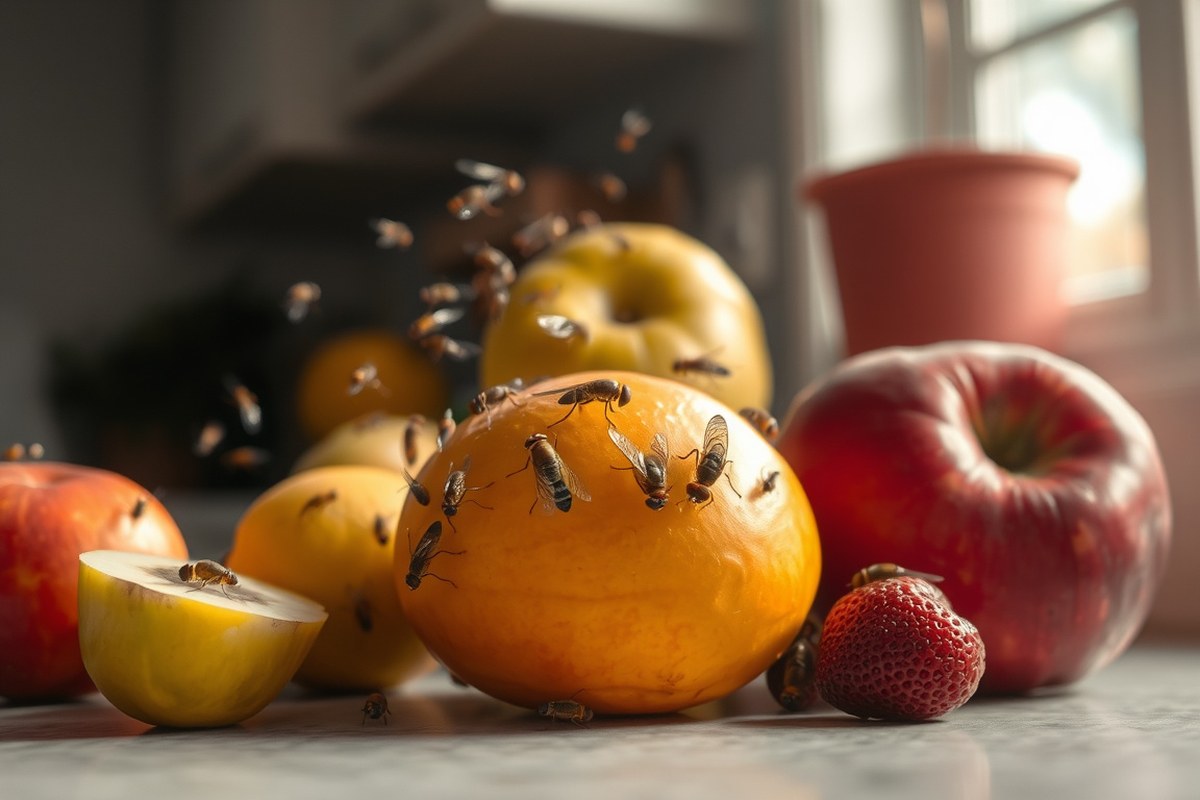
Fruit flies often appear suddenly in your kitchen because they are attracted to fermenting or decaying organic matter that provides ideal breeding conditions. Overripe fruits and vegetables left out on counters or in open bowls act like a beacon to these tiny pests. The sweet, fermented smell draws fruit flies quickly, and they arrive in large numbers once they detect this food source.
The most common attractants include not only fruits and vegetables but also kitchen drains, garbage disposals, and trash bins where food scraps and moisture accumulate. These moist, dark spots offer perfect places for fruit flies to lay eggs and breed. Drains and garbage disposals are especially problematic because organic debris can build up inside, creating a hidden breeding site that often goes unnoticed until the infestation becomes visible.
Regularly flushing drains and garbage disposals with boiling water or a solution of baking soda and vinegar helps eliminate sites where fruit flies breed. Taking out your trash, recycling, and compost often, at least every two days, keeps food scraps from attracting these pests. Use trash cans that seal tightly or have lids to keep flies out. Keeping fruits and vegetables refrigerated or stored in airtight containers prevents fruit flies from accessing their food supply.
Fruit flies tend to be more active and problematic during warmer months, especially spring through early fall. Higher temperatures accelerate their life cycle, leading to faster breeding and larger populations. This means you might notice fruit flies appearing suddenly in the kitchen as temperatures rise and more fresh produce is brought into the home. In cooler seasons, populations typically decline as fruit flies become less active.
To get rid of fruit flies, start by locating and eliminating their attractants. Remove any overripe fruit, clean spills immediately, and wipe down surfaces regularly. Use drain-cleaning techniques at least once a week in problem areas. Taking these steps will reduce what calls fruit flies into your kitchen and cut off their breeding grounds. Keep in mind that even a small overlooked spot with fermenting waste can sustain a fruit fly infestation, so thoroughness matters.
The initial cost of cleaning materials, such as baking soda, vinegar, or drain cleaner, and waste bags is low, often under $10. The effort involves 10 to 15 minutes of regular weekly maintenance with some daily attention to garbage and food storage. Good results show as a sharp drop in the number of fruit flies within days. Persistent or large infestations often need more thorough cleaning or multiple prevention methods combined to fully stop the problem.
2. Identifying Fruit Flies and Their Breeding Sites
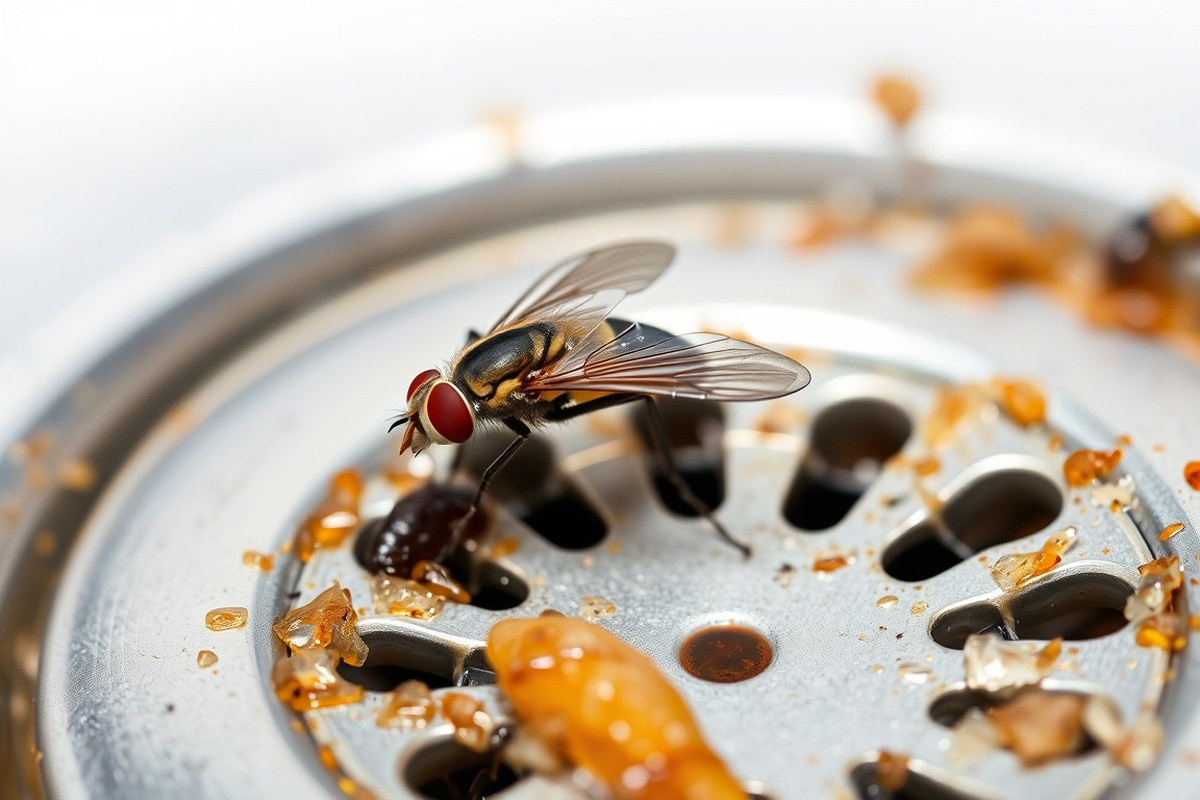
Fruit flies are tiny flies measuring about 2 to 4 millimeters long with distinctive red eyes and tan to brown bodies. They often get confused with similar small flies called fungus gnats or drain flies, but you can tell fruit flies apart by their size, color, and where you find them. Fungus gnats tend to have longer legs and are usually found around houseplant soil, while drain flies appear fuzzy and hover near drains. If you see small flies hanging around ripe or rotting fruits, trash bins, or kitchen sinks, you are likely dealing with fruit flies.
Identifying their breeding sites is key to stopping fruit flies quickly. They lay eggs on moist, fermenting or decaying organic matter where larvae can feed once hatched. Typical breeding locations inside your home include:
- Ripe, overripe, or rotting fruits and vegetables on counters or in fruit bowls
- Uncovered or dirty trash bins with food scraps
- Compost bins containing food waste, especially if not sealed
- Food spills or sticky residues on countertops, floors, and around sinks
- Unclean kitchen drains with food particle buildup
- Damp mops or dishcloths left wet
- Houseplants with saturated soil may attract fungus gnats but rarely fruit flies
While fruit flies prefer fermenting food, they can breed in wet spots like drains or spills of sugary liquids such as soda or alcohol. Compost bins can also serve as breeding grounds if they contain rotting food and are not emptied regularly. Fruit flies don’t typically infest dry houseplant soil but you might see fungus gnats there instead. In your kitchen, drains can be a hidden source if greasy gunk or food debris has accumulated.
Check all possible breeding sites as even a small spill or forgotten food piece can sustain fruit fly populations.
Use a checklist when inspecting your home to be thorough. This helps identify likely sources so you can clean, remove, or properly seal them. Replace any uncovered produce with fresh fruit stored in sealed containers or the fridge. Empty trash and compost often and clean kitchen drains using a drain brush and a natural cleaner or vinegar to remove gunk. Sticky traps or UV light traps placed near these areas help catch adult flies and confirm breeding spots. Identifying where fruit flies breed lets you attack the infestation at its source rather than just chasing flying adults around your kitchen.
3. Fruit Fly Life Cycle and Reproduction Speed
Fruit flies multiply very quickly, causing infestations to grow fast if not controlled promptly. One female can lay up to 500 eggs during her life, which typically lasts between 30 and 50 days in ideal conditions. She may produce 50 to 100 eggs daily. Eggs hatch in about 24 hours when temperatures are warm enough, especially on ripe or rotting food left out of the fridge. The entire life cycle, from egg to larva, pupa, and adult, takes roughly 10 days to complete.
The speed of the fruit fly life cycle explains why an infestation can get out of control quickly. When eggs hatch into larvae, they feed on the moist, fermenting material where they were laid. The larvae become pupae, and within days adult flies emerge ready to reproduce again. This close cycle means you can see a noticeable increase in fruit fly numbers within a week if breeding sites are left undisturbed.
A typical fruit fly infestation, if untreated, can last for several weeks. The adults usually live for about 30 to 50 days, but they continue to reproduce throughout their lives, adding hundreds of new flies from each female. Since a single female may lay multiple batches of eggs in her lifetime, the population grows exponentially without intervention. For example, if one female lays 500 eggs and half survive to adulthood, the next generation could easily multiply the problem tenfold in 10 to 14 days.
Because fruit fly eggs are so tiny, around 0.5 millimeters long, and larvae live hidden inside decaying fruit or organic matter, spotting new infestations early is challenging. If you delay removing breeding sites like overripe fruit, trash cans with food waste, or damp cloths that come in contact with produce, the infestation will persist. Even using sprays and traps only kills adult flies but does not stop the eggs and larvae already present.
Successful fruit fly control requires breaking this cycle quickly by removing or sealing off any moist, fermenting material where females lay eggs. Refrigerating fruits, emptying kitchen garbage regularly, and cleaning damp surfaces reduce breeding grounds. Doing so within the first few days of noticing adult flies can stop the life cycle before it escalates into a larger problem. Without these steps, the infestation can sustain itself for up to about a month or longer, driven by new adults hatching continuously from earlier eggs.
4. DIY Fruit Fly Traps: Recipes and Troubleshooting
Apple cider vinegar traps are the most effective homemade solution for capturing fruit flies. The vinegar’s fermented scent attracts the flies, while a few drops of dish soap break the surface tension, trapping them in the liquid. Alternative ingredients also work well if apple cider vinegar isn’t available, but adjusting bait and trap design will improve their effectiveness.
Apple Cider Vinegar Trap Recipe
Apple cider vinegar mimics the scent of fermenting fruit, drawing fruit flies close. Adding dish soap helps trap them by reducing the liquid’s surface tension, causing flies to drown. A simple glass or bowl with this mixture works best when placed near breeding sites like fruit bowls or trash bins.
- Pour about 1/2 inch (around 1 tablespoon) of apple cider vinegar into a small bowl or glass.
- Add 1-2 drops of liquid dish soap to the vinegar without stirring.
- Place the container where fruit flies are most active, such as near overripe fruit or the kitchen sink.
- Wait for fruit flies to be attracted and become trapped in the vinegar mixture.
- Replace the vinegar and soap every 2-3 days to maintain freshness and effectiveness.
This trap costs just a few cents to make and can catch dozens of flies within hours once set up properly.
Alternative Fruit Fly Trap Ingredients
While apple cider vinegar is the gold standard, other household ingredients can lure fruit flies. Sweet, acidic, and fragrant liquids generally work well. White vinegar, red wine vinegar, rice vinegar, or white balsamic vinegar serve as good alternatives. Overripe fruit scraps can also provide an even faster bait in some cases.
To create a trap without apple cider vinegar, use a piece of ripe banana or melon in a jar with a funnel top or cover the jar with plastic wrap poked with small holes. Fruit flies enter for the scent but cannot easily escape. Combining these baits with small amounts of dish soap or covering traps prevents fly escape.
Troubleshooting Vinegar Trap Issues
Traps sometimes fail because the bait is not fresh, flies are breeding nearby, or placement is incorrect. Replace vinegar every few days to keep the scent strong. Adding a drop of honey can increase sweetness and attract more flies, or switching to overripe fruit scraps may help. Avoid stirring the dish soap into the vinegar; it should float on top to break surface tension.
Make sure traps are near known fruit fly hotspots like garbage cans, drains, or fruit bowls. Poor trap location is a common cause of slow results. Persistent fly problems usually indicate hidden breeding sites such as forgotten spilled juice or food debris that need prompt cleaning.
Expected Timeline for Trap Effectiveness
You should see fruit flies caught in the vinegar trap within hours, especially during peak infestation. Full reduction in fly numbers typically takes 3 to 5 days of consistent trapping and sanitation efforts. Replace the bait every 2-3 days to maintain attractiveness. Persistent infestations may need multiple traps placed around the kitchen.
Traps alone won’t solve infestations if breeding sites remain. Using traps alongside cleaning and removing attractants speeds up the process. Some homemade traps with fruit scraps can catch flies faster but tend to spoil more quickly, requiring more frequent changes.
5. Commercial Fruit Fly Traps and Sprays Compared
Choosing the right commercial product to tackle a fruit fly problem depends on how quickly you want results, the safety of the ingredients, and your budget. Traps tend to cost between $10 and $20, work by attracting and capturing flies, and require you to refresh bait regularly. Sprays offer faster kill of adult flies and larvae but involve chemicals and safety precautions. UV and electronic traps are less common but appeal to users seeking chemical-free options, although they may not catch every fruit fly.
Top Commercial Fruit Fly Traps Overview
Commercial fruit fly traps usually use vinegar or other fermenting liquid as bait, with a container design that prevents the flies from escaping once inside. Most require you to add your own lure, such as apple cider vinegar or wine. Expect to place traps in multiple spots because fruit flies fly at different heights.
| Product | Price Range | How It Works | Pros | Cons |
|---|---|---|---|---|
| Sur La Table Fly Trap | $15 | Plastic container with holes, lure added | Stylish design, reusable | No bait included, needs frequent refilling |
| Store-bought Vinegar Traps (basic) | $10-$12 | Small plastic trap with vinegar inside | Inexpensive, simple to use | Limited capacity, must refresh bait |
| Pre-baited Vinegar Traps | $12-$20 | Comes with lure included | Ready to use, no mixing needed | Higher cost, bait loses effectiveness over time |
For best results, place multiple traps near fruit bowls, garbage, or drains. Change the bait every 2 to 5 days to keep it effective. Traps catch flies rather than killing them immediately, reducing the overall population indirectly.
Sprays and Soaps: Effectiveness and Safety
Insecticide sprays designed for fruit flies kill adults and larvae quickly. These usually cost between $5 and $15 per can and are helpful for severe infestations but require careful use. You must follow label instructions to avoid inhalation or skin contact. Sprays offer immediate reduction in flying adults but do not stop breeding sites, you need traps or cleaning to follow up.
Dish soap, such as Dawn, does not kill fruit flies by itself but helps traps work better. Adding a few drops of dish soap to vinegar or wine traps breaks the liquid’s surface tension, causing fruit flies to sink and drown instead of escaping. This inexpensive addition to traps improve effectiveness without introducing harmful chemicals.
Use dish soap sparingly in traps; too much soap reduces the bait’s attractiveness to fruit flies.
UV and Electronic Trap Options
UV and electronic bug zappers attract flying insects using light. Some models combine UV and blue light to target fruit flies, gnats, and houseflies. Prices for these devices can range from $25 to over $50. They work best in small, dark rooms away from competing light sources.
One example is the Zevo Flying Insect Trap, which uses light to lure flies inside where they are trapped or killed. While convenient and chemical-free, these devices may not attract all fruit flies, especially in well-lit kitchens. They work better as a supplement to traps and hygiene efforts rather than a standalone solution.
6. Cleaning and Preventing Fruit Flies from Returning
Regular cleaning is key to preventing fruit flies from coming back. Wipe down all kitchen surfaces daily, focusing on counters, sinks, and areas around fruit bowls. Leaving ripened produce out invites fruit flies, so store fruits in the refrigerator or in mesh covers designed to keep insects out. If you notice fruit flies despite these efforts, the drains might be breeding grounds. Pour boiling water down the drain or a mixture of 1/2 cup baking soda followed by 1/2 cup vinegar, then flush with hot water after 10 minutes to clear residues where flies lay eggs. Doing this weekly is a good routine to maintain drain hygiene.
Garbage management plays a important role in cutting fruit fly access to breeding sites. Always use tightly sealed trash bags and clean your bins regularly to remove odors and food residues. Fruit flies usually do not infest sealed trash bags but can breed in bins or bags if they leak or remain open. Avoid keeping garbage indoors longer than one day when possible. Reusable containers should be washed thoroughly before storing any fruit or vegetables to eliminate residues that attract flies.
Handling infested produce requires care. Discard any fruit or vegetable that is obviously rotten or mushy, as it serves as a prime site for fruit fly reproduction. However, fruits that are firm and show no signs of damage can usually be saved by rinsing under cool running water and then storing them in the fridge or covered securely. This prevents further exposure to fruit flies while protecting your food supply.
- Clean kitchen counters, sinks, and floors daily.
- Store ripe fruits in the fridge or under mesh covers.
- Pour boiling water or baking soda and vinegar mixture down drains weekly.
- Seal garbage in bags and empty bins frequently.
- Wash reusable food containers before use.
- Discard visibly spoiled produce promptly.
- Keep disposal units and drains sanitized to remove residue.
Consistency is essential. Fruit flies can complete their life cycle in about a week, which means missing just a few days of cleaning can allow a new generation to emerge. Watch for persistent odors or fly activity, which signal a need to intensify cleaning or check hidden spots like under appliances or behind the trash bin. By sticking to these routines, you reduce breeding sites and significantly lower the chance of fruit flies taking over your kitchen again.
7. Safe Use of Indoor Sprays and Handling Fruit Flies
C hemical sprays used indoors can carry some risks, especially if used improperly. These sprays often contain ingredients that may irritate your skin, eyes, or respiratory system. Pets and children can be particularly sensitive to these chemicals. To minimize exposure, always follow the label instructions carefully. Use sprays only in well-ventilated areas and avoid spraying directly on food, dishes, or cooking surfaces. Wearing gloves and keeping pets out of the treated zones until the area is dry can help protect your household.
When applying sprays against fruit flies, target the areas where the adults rest, like near garbage cans, drains, or fruit bowls. Avoid saturating surfaces excessively, as this can lead to residue buildup or pose a risk to surfaces like wood or fabrics. Most indoor insecticides cost between $5 and $20, and a little goes a long way, so using only the recommended amount saves money and lowers health risks.
Disposing of fruit flies and their larvae properly is important to avoid re-infestation. Larvae usually develop in moist spots with rotting organic material or standing water. After treating these areas, remove and discard any infested organic waste in sealed plastic bags. Clean the containers or drains thoroughly with hot water and a mild detergent to remove any remaining larvae or eggs. Flushing the larvae down clean drains with running hot water can help, but avoid composting infested material unless the compost gets hot enough (above 130°F) to kill larvae.
Fruit flies can potentially develop some resistance to sprays or traps, especially if you rely on a single method repeatedly. Rotating between different control strategies helps reduce this risk. For example, use a chemical spray one week, then a vinegar trap the next. This variety prevents fruit flies from getting used to any one treatment, improving your chances of success over time.
In situations where the infestation is limited to a small kitchen counter area, using a DIY fruit fly trap combined with spot spraying might be enough. For widespread infestations spreading through drains and garbage bins, deep cleaning combined with multiple interventions, including sprays and traps, is more effective. A heavy infestation may require several treatments spaced a few days apart, because fruit fly larvae mature in about 7 to 10 days and new adults will continue to emerge otherwise.
Proper timing also matters. Spray in the evening or early morning when adult fruit flies are less active, giving the chemicals time to work before flies move to other parts of the home. After spraying, wait the suggested drying time on the label to prevent exposure. Regular monitoring for new fruit flies tells you if your strategy is working or if a second treatment is needed.
8. When to DIY and When to Call Professional Pest Control
Knowing when to keep trying your own methods and when to call a professional depends on how severe the fruit fly infestation is and how well your DIY efforts are working. If fruit flies continue to swarm after several days of traps and cleaning, or if you spot larvae in hidden spots like drains, professional pest control can provide a thorough inspection and targeted treatment. Acting at the right time helps stop the spread and prevents costly damage.
Assessing Infestation Size
Count how many adult fruit flies you see daily around your kitchen or trash areas. A handful of flies likely means you can still handle the problem yourself. But when flies grow into dozens or hundreds, the infestation probably covers multiple breeding sites needing stronger intervention.
Look for signs beyond just the adults. Seeing pupae in drain traps or fruit bins means breeding is ongoing. The more breeding sites you find, the harder the infestation is to control on your own.
Signs of Failed DIY Control
Expect small improvements within 3 to 7 days after starting your DIY traps and thorough cleaning routine. Flies should decrease noticeably if you cover key breeding areas and remove all overripe or rotting fruit.
Failure signs include unchanged or growing fly populations despite traps, continued larvae sightings in hidden spots like garbage disposals, and recurring swarms near kitchen drains or compost bins. Common mistakes causing failure are missing breeding sites, not replacing traps regularly, and using ineffective homemade recipes.
Benefits of Professional Treatments
A licensed pest control company uses specialized tools and knowledge to find hidden breeding sources that DIY attempts may miss. They can safely apply targeted insecticides that last longer and affect the entire lifecycle, including larvae and eggs.
Professional services often include detailed inspections that help prevent reinfestation by identifying structural or sanitation issues contributing to fruit fly problems. While costs vary, expect to pay about $100 to $300 for initial treatment, depending on infestation size and location.
How to Choose a Pest Control Service
Select a licensed provider experienced in managing fruit flies. Check for positive reviews and ask about their inspection and treatment process. Transparency about chemicals used and their safety is important, especially for homes with children or pets.
Before hiring, confirm if follow-up visits are part of the service to ensure the infestation is fully resolved. Professionals should provide a written plan covering inspection, treatment, and prevention advice. Use this checklist to decide when to move from DIY to professional help:
- Track your fly count: Count adult fruit flies each day after starting DIY methods.
- Inspect breeding sites: Look inside drains, trash bins, compost, and any hidden damp spots weekly.
- Evaluate trap performance: Replace traps every 3 days and note reductions in captured flies.
- Review cleanliness: Confirm all overripe fruit and food scraps are fully removed and stored properly.
- Set a time limit: If no improvement in 1 to 2 weeks, consider professional inspection.
- Check infestation spread: If flies or larvae appear in multiple rooms or persistent spots, call a professional.
- Consult professionals: Get estimates and treatment plans from licensed pest controllers before proceeding.
Don’t ignore larvae or pupae sightings; they mean ongoing breeding that delayed action won’t stop effectively.
Step-by-Step Action Plan to Get Rid of Fruit Flies
Follow these clear steps to quickly eliminate fruit flies and keep them from coming back. Track your progress by checking the decline in fly activity.
- Before You Start: Identify all potential fruit fly breeding spots like ripe fruit, trash bins, and drains. Remove or seal these sources to cut off breeding grounds before treatment.
- Day 1: Set up multiple DIY fruit fly traps using apple cider vinegar and dish soap around problem areas. Check traps after 24 hours to see if flies are trapped, indicating active infestation spots.
- Day 2 to 3: Clean all kitchen surfaces thoroughly, including counters, sinks, and trash cans, to remove leftover residues that attract flies. Monitor for fewer fruit flies around these cleaned areas.
- Day 4: Use a commercial indoor spray if DIY traps don’t reduce flies noticeably. Follow label instructions carefully and ventilate rooms after spraying. Look for dead flies as a sign of effectiveness.
- Week 2: Replace bait in traps weekly and maintain strict cleanliness. Confirm significant drop or elimination of fruit fly activity by no new flies caught or seen.
- Week 3 to 4: Continue preventive measures, store fruits properly, cover trash bins, and fix leaks. Regularly inspect known hotspots to catch any early reappearance quickly.
- If Flies Persist After 4 Weeks: Contact a professional pest control service for thorough treatment and advice tailored to your situation.
Frequently Asked Questions
Why Do I Suddenly Have so Many Fruit Flies?
Fruit flies multiply quickly around ripe or rotting fruit, spilled juices, or damp organic matter. Removing these attractants and cleaning your kitchen regularly can reduce their numbers swiftly.
How Long Does a Fruit Fly Infestation Last?
A fruit fly infestation can last several weeks without action, as they reproduce fast. Eliminating breeding sites and traps help reduce the cycle and clear infestation sooner.
What Smells Make Fruit Flies Go Away?
Fruit flies dislike the scent of vinegar, eucalyptus, and basil. Placing these around your kitchen can deter them, but cleaning is essential for long-term control.
Does Dawn Dish Soap Kill Fruit Flies?
Yes, Dawn dish soap breaks the surface tension of the liquid in traps, drowning fruit flies effectively. Mixing it with apple cider vinegar creates a simple and effective DIY trap.
Can Fruit Flies Breed in Houseplants?
Fruit flies can breed in the moist soil of overwatered houseplants where organic matter decomposes. Allow soil to dry more between waterings to prevent breeding.
Are Fruit Flies Harmful to Health?
Fruit flies rarely pose direct health risks but can contaminate food with bacteria. Keeping kitchen surfaces clean and removing infested produce minimizes potential issues.
Final Thoughts
Getting rid of fruit flies quickly depends on removing their food sources and breeding sites while using effective traps or sprays safely. Today, focus on cleaning your kitchen thoroughly, especially around fruit bowls, drains, and trash cans, to cut off their breeding grounds. Taking this step now can drastically reduce their numbers and prevent another infestation.



3 Comments