

How to Get Rid of Back Acne: 8 Effective Strategies for Clear Skin
Learning how to get rid of back acne involves using targeted treatments with ingredients like benzoyl peroxide and salicylic acid, adopting daily hygiene habits, and knowing when to seek professional care. Back acne tends to differ from facial acne, so treatments and prevention strategies should be tailored specifically for it. Mild to moderate cases often respond well to over-the-counter products within 6 to 8 weeks, while stubborn cases may require prescription options or dermatological procedures.
This information is for anyone dealing with back acne, from teens to adults who want clearer skin and fewer breakouts. You’ll find effective strategies to treat active acne, prevent scarring, avoid common mistakes, and recognize conditions that look like back acne but require different care.
Key Takeaways
- Back acne results from clogged pores and bacteria but often involves thicker skin and hair, differing from facial acne in texture and treatment response.
- Use over-the-counter products with 2.5-10% benzoyl peroxide, 0.5-2% salicylic acid, or alpha hydroxy acids for mild to moderate back acne.
- Apply acne treatments daily, leave them on the skin for 2-5 minutes before rinsing, and layer carefully to avoid irritation.
- Maintain daily hygiene by using acne-fighting body washes like Cetaphil Acne Relief or Panoxyl, and wear loose clothing to reduce irritation.
- Consult a dermatologist if back acne persists beyond 6-8 weeks of consistent self-care and OTC treatment for potential prescription options.
- Avoid common mistakes like over-scrubbing, mixing too many products, or neglecting fungal acne, which may need antifungal shampoos like Nizoral.
1. What Causes Back Acne and How It Differs from Facial Acne
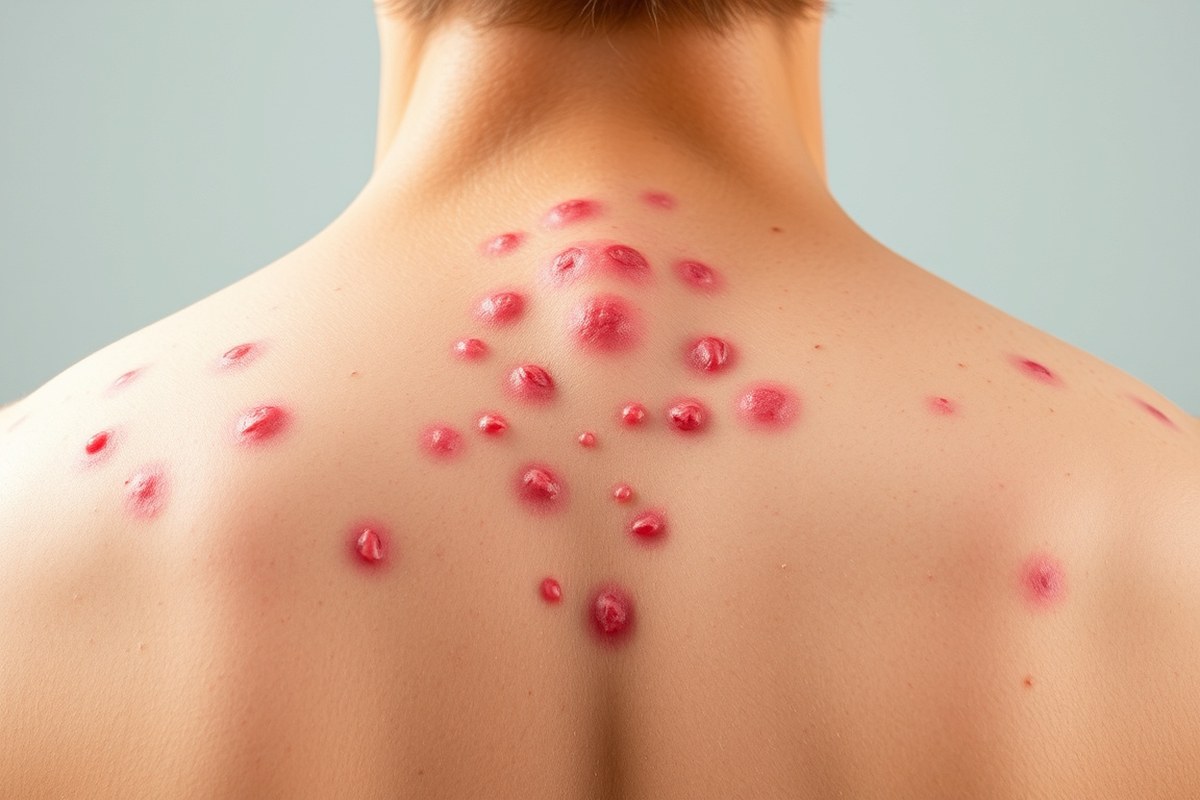
Back acne occurs when the pores on your back become clogged with oil, dead skin cells, and bacteria. Hair follicles on the back, just like on the face, can get congested with this mixture, leading to breakouts. This process causes inflammation and the formation of pimples or cysts. Though back acne shares many causes with facial acne, several factors make it distinct, such as sweat, friction, and the nature of the skin on your back.
Sweat plays a big role in back acne because your back often traps heat and moisture. When sweat mixes with oils and bacteria on your skin, it can clog pores more easily. If you don’t shower promptly after sweating, for example after a workout, the sweat and bacteria have more time to irritate your skin and contribute to breakouts. Wearing tight or nonbreathable clothing can worsen this effect by trapping sweat and friction against the skin, which irritates pores and encourages acne. For these reasons, showering within about 20 minutes after exercising and switching to loose cotton shirts can help reduce flare-ups.
Friction is another significant factor. Bags or backpacks rubbing against your back during the day can cause irritation and friction, making pores clog more quickly. This constant rubbing may also inflame existing acne, causing it to worsen. Skin on the back tends to be thicker and may have more strong oil glands than on the face, which sometimes results in larger, more stubborn pimples. Also, unlike facial acne where you often wash and treat the skin more frequently, many people find it harder to reach or properly cleanse the back regularly, allowing buildup to persist.
Another difference between back and facial acne is related to hair and hair products. Oils and silicones from conditioners or certain shampoos can accumulate on your back, clogging pores if they come into contact with your skin. Using hair care products formulated for acne-prone skin or rinsing hair thoroughly while showering can prevent this issue. Bed sheets and towels also influence back acne. Dirty linens may harbor acne-causing bacteria (P. Acnes), so washing bedding weekly and using clean towels can lower the risk of bacterial buildup.
Hormonal changes affect both facial and back acne, especially during puberty and menstrual cycles. Around half of those with facial acne also experience breakouts on their back and upper body, highlighting the role of systemic factors. However, back acne often requires additional care due to sweat, friction, and clothing factors. Managing these conditions by focusing on cleansing habits, avoiding tight clothing, washing hair properly, and showering right after sweating can significantly reduce back acne. These steps minimize clogged pores, prevent bacterial buildup, and ease inflammation, helping your skin heal more effectively.
2. Best Over-the-Counter Products for Treating Back Acne Quickly

Choosing the right over-the-counter product for back acne depends on the active ingredients and how they target clogged pores and bacteria. Benzoyl peroxide and salicylic acid are the two most common ingredients. Benzoyl peroxide kills acne-causing bacteria and helps reduce inflammation but can bleach clothes and cause skin dryness. Salicylic acid exfoliates dead skin cells and unclogs pores, making it a good choice for sensitive skin. Adapalene, an OTC retinoid gel, is effective in unclogging pores and regulating skin turnover, often used together with benzoyl peroxide for better results.
Many products designed for facial acne work well on the back, but body washes or sprays made for larger areas are easier to apply and spread evenly on your back. Using a body wash with active ingredients lets you treat more skin gently during your shower. Applying creams or gels directly from your face products can work but might be harder to cover the entire back consistently.
| Product Type | Active Ingredient | How it Works | Average Price | Usage Frequency |
|---|---|---|---|---|
| Body Wash | Salicylic Acid | Exfoliates dead skin, unclogs pores | $13, $15 | Daily during shower |
| Body Wash | Benzoyl Peroxide | Kills bacteria, reduces inflammation | $10, $14 | Daily or alternate days; start slow |
| Topical Gel | Adapalene 0.1% | Unclogs pores, regulates skin cell turnover | $15, $20 | Once daily at night |
| Spot Treatment or Mask | Tea Tree Oil | Antibacterial, less staining than benzoyl peroxide | $10, $15 | Apply to affected spots as needed |
Start your back acne treatment by cleansing with a body wash containing either salicylic acid or benzoyl peroxide. Apply a gentle, circular motion with a back brush or loofah to cover all affected areas. If you choose to add adapalene gel, apply it once per night after washing and drying your back. Use the benzoyl peroxide products less frequently at first, every other day, to avoid excessive dryness or irritation, then increase to daily use as tolerated.
Tip: Use loose-fitting clothing while treating back acne to reduce irritation and allow your skin to breathe, supporting the effectiveness of topical treatments.
3. How to Apply and Layer Back Acne Treatments for Best Results
Applying back acne treatments effectively means reaching all affected areas evenly and layering products safely without irritation. Use tools designed for hard-to-reach spots and follow a clear step-by-step routine at least once daily. Combining treatments is fine when applied in the correct order, avoiding excessive overlap of strong active ingredients.
Choosing the Right Applicator Tools
A long-handled lotion applicator or a spray-on treatment makes applying medication to the back manageable. Spray treatments like those from Murad or Glytone contain acne-fighting ingredients similar to creams but are easier to apply alone. You can also use back scrubbers or sponges with a pouch to hold a thin layer of topical product for even coverage.
Choosing an applicator depends on your comfort and acne severity. For mild breakouts, sprays are often enough. For thicker creams or gels, a flexible silicone brush or roller designed for skin care can help spread the product evenly. Asking a friend or family member for help is another option when applicators are not effective for you.
Layering Products: What Goes First?
Apply treatments in order of consistency: start with the thinnest formulas like serums or sprays before moving to thicker creams or ointments. Begin with cleansers, use a gentle, non-comedogenic body wash like Neutrogena or Cetaphil that removes excess oil and dirt without drying your skin.
After cleansing and drying your back, apply a topical acne treatment containing ingredients such as benzoyl peroxide, salicylic acid, or topical antibiotics. When using more than one treatment, put on the weakest or most hydrating formula first, like a lotion or serum, then follow with stronger medicated creams. Avoid applying multiple products with benzoyl peroxide or retinoids simultaneously to reduce irritation risk.
Recommended Application Frequency
Applying acne treatments once daily can be enough to clear mild back acne. For stronger prescription treatments or as advised by your doctor, twice daily application may be necessary. Consistency is key, but watch your skin for irritation, dryness, or redness, which signals the need to reduce frequency or consult a professional.
After applying treatment, allow each product to absorb fully, usually 1 to 3 minutes, before layering the next product. This prevents dilution and helps products work effectively. Washing your back after shampoo and conditioner is important to remove residue that could worsen acne. Worsening of acne despite correct application warrants advice from a dermatologist.
- Clean your back gently with a non-comedogenic body wash, rinsing thoroughly.
- Dry your back completely by patting with a clean towel to avoid excess moisture.
- Use a spray-on acne treatment or apply a small amount of cream or gel onto a long-handled applicator.
- Evenly spread the product across all affected areas, covering every visible pimple or spot.
- Wait 1 to 3 minutes to let the product absorb fully before adding any additional treatments.
- When layering treatments, apply the gentlest, thinnest formula first, followed by thicker creams or ointments.
- Repeat once or twice daily according to product instructions or your healthcare provider’s advice.
- Clean your applicator after each use to prevent bacterial buildup.
4. Daily Hygiene and Lifestyle Habits to Prevent and Reduce Back Acne
Sweat and hair products can contribute significantly to back acne by clogging pores and creating a breeding ground for bacteria. To prevent this, shower immediately after sweating or exercising to wash away sweat, oil, and any residue from hair or skin products. Leaving sweat on the skin for more than 20 to 30 minutes increases the risk of breakouts, so aim to shower within that time frame.
Keeping hair off your back is also important. Hair can trap oils and hair products that irritate the skin and trigger acne. Use hairstyles that lift your hair away from your back during workouts, and avoid heavy conditioners or styling products that drip onto your skin.
Clothing plays a major role in managing back acne. Tight or non-breathable fabrics trap sweat and bacteria close to your skin. Wear loose-fitting clothes made from breathable materials like cotton, especially during exercise. These fabrics allow airflow, helping sweat evaporate and reducing irritation. Avoid synthetic fabrics that retain moisture if you notice they worsen your breakouts.
- Shower within 20-30 minutes after sweating to reduce pore clogging
- Keep hair off your back using ponytails or braids during activity
- Choose loose-fitting clothing made of cotton or other breathable fabrics
- Change out of sweaty clothes promptly to prevent prolonged moisture exposure
- Use non-comedogenic hair and body products to minimize pore blockage
- Regularly exfoliate your back 2-3 times per week to remove dead skin cells
- Wash workout clothes after each use to avoid bacteria buildup
Follow a daily hygiene routine that includes showering after physical activity, wearing clean breathable clothing, and using gentle, oil-free skin and hair products. This approach helps reduce flare-ups by limiting the time sweat and bacteria spend on your skin. It typically takes several weeks of consistent care to notice improvement, as skin cell turnover and healing require time.
In situations where you sweat heavily or have long hair, extra vigilance is needed. For example, bring a clean, soft towel to the gym to pat your back dry immediately after exercise. Avoid backpacks or tight straps that put pressure on your skin and trap moisture. These small changes can make a difference in preventing breakouts by reducing irritation and keeping the skin clean and dry.
5. When to See a Dermatologist and What Prescription Options Exist
Treating back acne may need professional care if over-the-counter options don’t clear it up or if your symptoms worsen. Prescription treatments like retinoids and antibiotics target inflammation and clogged pores more effectively. Communicating clearly with your dermatologist ensures they understand your condition and can tailor treatment to your needs.
Signs It’s Time to See a Dermatologist
You should seek a dermatologist’s evaluation if your back acne persists despite trying at-home treatments for several weeks or months. Large pimples, painful cystic acne, or widespread inflammation on your back especially call for professional care. Dermatologists can also help if your acne worsens or starts to scar. Because back acne can be more resistant due to thicker skin and deeper clogged pores, it may require stronger medication than what you can buy over the counter.
If your acne is accompanied by other symptoms like redness, swelling, or signs of infection, a dermatologist’s input becomes even more essential. Telehealth visits may offer a convenient way to begin consultation if in-person appointments are difficult. The decision rule is clear: persistent, painful, or scarring back acne warrants a dermatologist’s attention to reduce long-term damage and improve treatment success.
Common Prescription Medications Explained
Prescription retinoids such as retinoic acid, adapalene, and isotretinoin are often prescribed for back acne. These medications reduce inflammation, unclog pores, and promote faster skin cell turnover. While retinoids work topically on the skin, isotretinoin is an oral medication reserved for severe, nodular, or cystic acne that doesn’t respond to other treatments. It can stop acne before it scars but requires close medical supervision due to potential side effects.
Dermatologists might also prescribe short-term oral antibiotics to reduce bacteria and inflammation. For women, hormonal therapies like oral contraceptives can regulate hormones contributing to acne flare-ups. Other treatments include prescription creams, chemical peels, laser treatments, and extraction procedures. Prescription options vary widely in cost, ranging from $30 to several hundred dollars per month, depending on the medication and insurance coverage.
Preparing for Your Dermatology Appointment
When you schedule your appointment, be ready to provide detailed information about your back acne history. Note when it started, what treatments you’ve tried, and any patterns you’ve noticed with flare-ups. Mention pain levels, specific spots affected, and whether you see scarring or new lesions forming. This information helps the dermatologist assess severity and select the best treatment plan.
You can use a simple template to explain your symptoms clearly: “I have had back acne for [duration], with [describe type and number of lesions]. I have tried [list treatments, including over-the-counter products], but my acne hasn’t improved or has worsened. The pimples are sometimes painful, and I worry about scarring. I’d like to discuss prescription options to manage this.” Asking about potential side effects, expected treatment duration, and follow-up plans is also important to help you set realistic expectations.
Allow at least several weeks for prescription treatments to start showing improvement, and avoid switching products too quickly to give them time to work.
6. Identifying and Managing Common Back Acne Treatment Mistakes
Back acne treatments often cause irritation when used incorrectly. Overusing products like benzoyl peroxide or salicylic acid can dry out your skin, increasing redness and peeling. To avoid this, start with a small amount once every other day, then gradually increase to daily use as your skin builds tolerance. Moisturizing is important because even acne-prone skin needs hydration to prevent flaking and maintain its barrier. Choose a lightweight, non-comedogenic moisturizer designed for acne-prone skin to keep your back balanced without clogging pores.
Ignoring side effects like excessive dryness or itchiness can lead to worsening inflammation or a stalled treatment process. When side effects appear, temporarily reduce application frequency or stop using the product for a few days. Using a gentle cleanser and adding a barrier-repair moisturizer can help calm irritation. Should irritation persist beyond a week, consult a dermatologist before continuing treatment.
Common mistakes include using too many products at once, neglecting moisturizers, and giving up too soon. Overloading your skin with multiple active ingredients can overwhelm and irritate it, slowing progress. Back acne treatment often takes at least 6 to 8 weeks to show improvement because skin cell turnover is a slow process. Patience and consistent application are key to success.
- Start acne treatments gradually, increasing frequency based on tolerance
- Always follow with a non-comedogenic moisturizer to prevent dryness
- Use only one or two active acne ingredients at a time to avoid irritation
- If skin flakes or burns, reduce use or pause for a few days
- Protect treated skin from harsh scrubbing or tight clothing
- Stay consistent for 6-8 weeks before expecting visible results
- Seek professional advice if irritation persists or worsens
Fixing stalls usually means adjusting how you use products rather than switching therapies immediately. Reducing frequency to every other day or mixing treatment days with rest days can improve tolerance. Adding a fragrance-free, gentle moisturizer morning and night supports your skin’s recovery. Should you experience flare-ups or sensitivity during seasonal changes or sweating, cleanse your back gently after sweating to prevent clogging pores. Proper technique in applying and layering products reduces risks of side effects and boosts treatment effectiveness.
7. Treating and Preventing Back Acne Scars and Recurrence
Back acne scars can be improved with professional treatments and natural remedies, while preventing recurrence relies on consistent skin care and lifestyle choices. Using the right approach helps reduce visible marks and keeps your back clear over time.
Professional Scar Treatment Options
Several professional techniques help reduce back acne scars by encouraging new skin growth and smoothing texture. Laser therapy uses focused light to target scar tissue beneath your skin’s surface. This can cost between $200 and $500 per session, with multiple sessions often needed. It works well for red or raised scars but may require several weeks of healing and can cause temporary redness or swelling.
Microdermabrasion is another option, involving a machine that exfoliates the top skin layer to fade scars and improve appearance. It typically costs $75 to $200 per session and requires a series of treatments spaced weeks apart. It is less invasive than laser therapy but may be less effective on deep scars. Both methods are usually done by licensed dermatologists or trained technicians.
Chemical peels, which use acids such as glycolic or salicylic acid, remove damaged skin layers and promote new skin growth. Prices vary, generally $150 to $300 per session. They help lighten dark spots and improve skin smoothness but need careful application to avoid irritation, especially on sensitive skin.
| Treatment | Cost per Session | Results Timeline | Best For | Potential Downsides |
|---|---|---|---|---|
| Laser Therapy | $200, $500 | Weeks to months | Red, raised scars | Temporary redness, swelling |
| Microdermabrasion | $75, $200 | Several sessions over months | Surface scars, pigmentation | Less effective on deep scars |
| Chemical Peels | $150, $300 | Weeks to months | Dark spots, mild scarring | Irritation risk |
Safe Natural Remedies for Back Acne
Tea tree oil is a popular natural remedy with antibacterial and anti-inflammatory properties that may reduce acne lesions and prevent new breakouts. Dilute it properly by mixing 1 part tea tree oil with 9 parts water or carrier oil like jojoba oil to avoid skin irritation. Apply with a cotton pad to affected areas once or twice daily, but stop if you notice redness or discomfort.
Azelaic acid, a natural compound found in grains, is available as a topical treatment that can improve back acne and help fade dark spots left by breakouts. Over-the-counter gels usually contain 10 to 20 percent azelaic acid and should be applied according to product instructions, often twice daily. It’s considered safe for long-term use and gentle on skin.
Maintaining Clear Skin After Healing
Long-term prevention relies on consistent skin care and healthy habits. Clean your back gently twice daily using a mild, acne-friendly body wash to remove excess oil and dead skin cells without over-drying. Avoid wearing tight or dirty clothing that traps sweat and oil against your skin, as this can cause new acne.
Keep hair clean and off your back, especially if it is long or oily, to reduce oil and dirt transfer. Look for hair products labeled “non-comedogenic” to prevent pore clogging. Avoid picking or squeezing existing blemishes to minimize scarring and inflammation.
Consider using an acne treatment aerosol spray that contains active ingredients like benzoyl peroxide or salicylic acid. This method reaches difficult areas on your back easily and can help prevent breakouts. Follow instructions carefully to avoid irritation. Regularly changing and washing sheets and towels also lowers the chance of bacteria buildup that can worsen back acne.
8. Fungal Acne and Other Conditions That Mimic Back Acne
Fungal acne can appear very similar to bacterial back acne but requires different treatment. Unlike typical acne caused by clogged pores and bacteria, fungal acne results from an overgrowth of yeast called Malassezia on the skin. This yeast thrives in warm, sweaty areas, like your back, especially if clothing traps moisture. It tends to cause small, itchy, uniform bumps that often don’t have the pus-filled heads seen in bacterial acne.
To tell the difference, check if your bumps are mostly identical in size and shape, clustered together without blackheads or whiteheads, and accompanied by itching. Bacterial back acne usually features a mix of blackheads, whiteheads, and inflamed cysts that may hurt or feel tender. Fungal acne bumps may also worsen after heavy sweating or when using oily skincare products that feed yeast.
Misdiagnosing fungal acne as bacterial acne often leads to ineffective treatment. Antibiotics and typical acne cleansers won’t clear fungal acne and can even make it worse by disrupting skin balance. Instead, antifungal treatments like topical ketoconazole, selenium sulfide, or zinc pyrithione shampoos can help reduce yeast growth. Apply these to your back 2 to 3 times per week for several weeks. Avoid heavy creams and oils that increase yeast proliferation.
Failing to properly treat fungal acne can cause persistent symptoms and postinflammatory hyperpigmentation, dark spots that remain after the bumps heal. Bacterial back acne also risks scarring if untreated or picked. Seeking an accurate diagnosis is critical to avoid prolonged skin issues and unnecessary irritation.
Back acne and fungal infections sometimes signal underlying health problems, such as hormonal imbalances or immune system changes. Persistent or severe outbreaks might indicate conditions like insulin resistance or diabetes, which affect skin health. Consulting a dermatologist can help uncover these factors if routine treatments do not work or symptoms escalate.
Try a patch test on a small skin area before applying antifungal treatment broadly to avoid irritation or allergic reactions.
Use this checklist to differentiate fungal acne from bacterial acne on your back: uniform, itchy, small bumps with no blackheads suggest fungal acne; mixed lesion types including large, painful cysts with blackheads suggest bacterial acne. Treatment differs greatly, so notice if your usual acne remedies fail and consider antifungal options under medical advice.
Step-by-Step Action Plan to Get Rid of Back Acne
Follow these clear steps to start treating your back acne effectively while preventing new breakouts and knowing when to seek professional help.
- Before You Start: Identify if your back acne could be fungal or another skin condition by noting if typical acne treatments cause irritation or no improvement. This helps pick the right products from the beginning.
- Day 1: Begin using an over-the-counter product containing benzoyl peroxide or salicylic acid designed for the back. Apply as directed, focusing on affected areas. You’ll know it’s working if redness and new pimples reduce over 1 to 2 weeks.
- Week 1: Improve daily hygiene by showering after sweating and wearing clean, breathable clothing. Use a gentle exfoliating scrub or wash 2, 3 times a week to remove dead skin without over-drying. Decreased oily buildup signals improvement.
- After 2 Weeks: Evaluate your treatment routine. If the over-the-counter products show limited results or irritate your skin, stop and consult a dermatologist for possible prescription treatments.
- Week 3 to 4: Maintain consistent use of treatments and hygiene habits. Add a non-comedogenic moisturizer to prevent dryness. Seeing fewer breakouts and less skin roughness means you’re on the right track.
- Month 2: Begin scar prevention by applying silicone gels or creams recommended for acne scars. Avoid picking or scratching. Notice if scars become less noticeable and the skin texture smooths over time.
- Ongoing: Watch for common mistakes like overusing harsh products or skipping sunscreen on your back. Adjust care accordingly to keep acne under control and prevent new flare-ups.
Frequently Asked Questions
Can Wearing Certain Fabrics Worsen Back Acne?
Yes, tight or non-breathable fabrics can trap sweat and oils, worsening back acne. Choose loose, breathable clothing to reduce irritation and prevent flare-ups.
Does Diet Affect Back Acne Severity?
Diet can affect back acne for some people, especially high-glycemic foods. Eating balanced meals and drinking plenty of water may help reduce inflammation and breakouts.
Is It Bad to Pick or Scratch Back Acne?
Picking or scratching back acne can cause more irritation and risk scarring. It’s best to keep the area clean and treat it gently with recommended products.
Can Excessive Sweating Make Back Acne Worse?
Excessive sweating can worsen back acne by clogging pores with sweat and bacteria. Showering promptly after exercise helps minimize this risk.
Are Home Remedies Effective for Treating Back Acne?
Some home remedies may soothe back acne but often lack strong evidence. Using proven OTC products is usually more effective for clearing breakouts.
How Long Does It Take for Back Acne Treatments to Show Results?
OTC treatments generally take 6 to 8 weeks to improve back acne. Consistent use and patience are key for seeing noticeable changes.
Before You Go
Back acne responds best to a consistent routine that combines the right products, proper application, and healthy habits. Start today by choosing a gentle, oil-free cleanser designed for body acne and apply it daily after sweating. Taking this simple step can begin to clear your skin and set you on the path toward long-term improvement.



3 Comments