

How to Get Rid of Sinus Infection: A Complete Guide with 8 Effective Strategies
To get rid of a sinus infection, focus on staying hydrated, resting, using sinus rinses like a neti pot, and taking appropriate over-the-counter medications. These steps help reduce congestion and promote healing. Antibiotics may be needed if an ENT specialist confirms a bacterial infection, especially when symptoms are severe or last more than 10 days.
This information is for anyone dealing with sinus infections, whether it’s your first or a recurring problem. You’ll learn how to spot sinus infection symptoms, effective home remedies, safe medication use, when to see a doctor, and how to avoid common treatment mistakes for lasting relief.
Key Takeaways
- Most sinus infections are viral and clear within 10 to 14 days without antibiotics, so focus on symptom relief first.
- Severe, worsening, or persistent symptoms over 10 days may signal bacterial infection requiring a doctor’s evaluation and possibly antibiotics.
- Use saline nasal sprays, warm compresses, and stay hydrated to relieve sinus infection symptoms safely at home.
- Over-the-counter cold remedies can ease sinus infection symptoms since most are viral and share similar signs.
- Watch for high fever, symptom return after improvement, or symptoms beyond 12 weeks to identify chronic or serious sinus issues.
- Children under 5 with sinus infection symptoms should see a healthcare provider promptly for proper diagnosis and care.
1. What Is a Sinus Infection and How Does It Start?
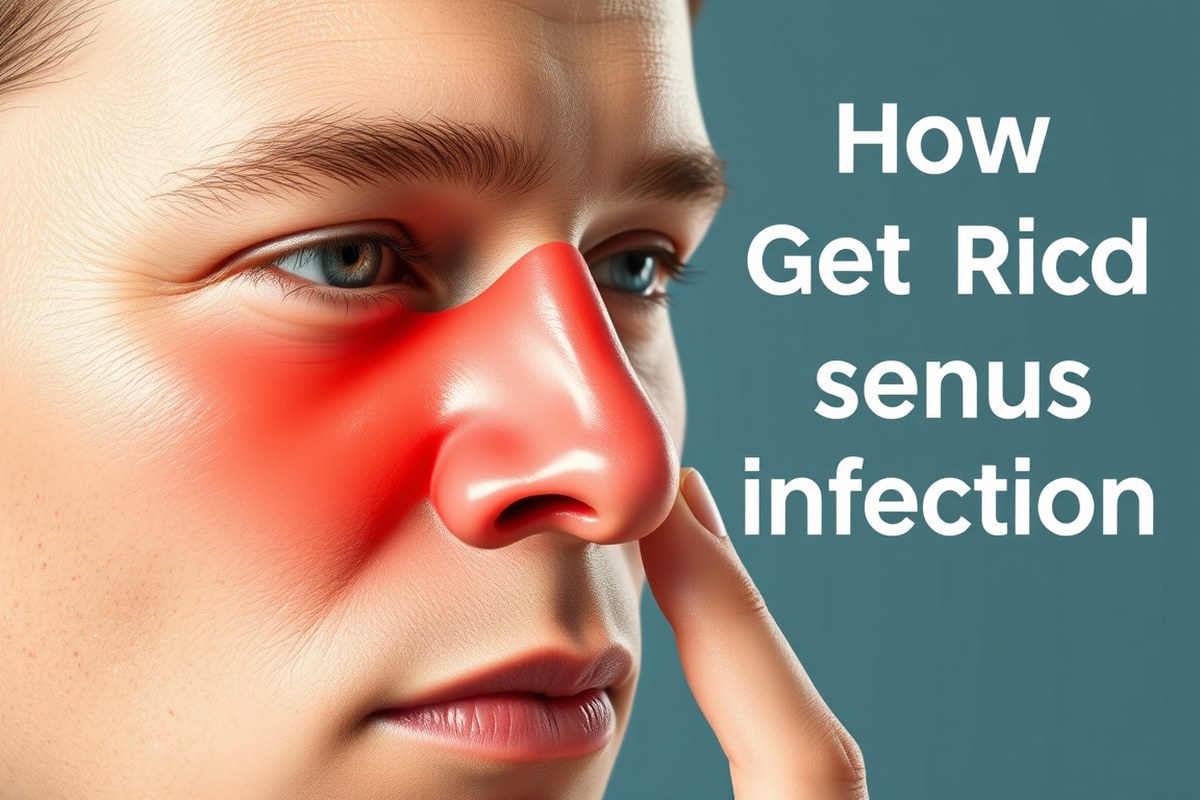
A sinus infection, medically known as sinusitis, occurs when the lining of your sinus cavities becomes inflamed and swollen. This swelling blocks mucus from draining normally, leading to a build-up of pressure, congestion, and pain in your face. Sinus infections usually develop after an upper respiratory infection, such as a cold, which causes the sinuses to become irritated and inflamed. The main causes are viral or bacterial infections affecting the sinus lining.
The most frequent sinus infections are viral, often caused by viruses behind the common cold, including some coronaviruses that make up about 15% of those colds. These infections usually get better by themselves within 7 to 10 days as your immune system fights the virus. Treatment during this period aims to ease symptoms like nasal congestion and facial discomfort while your body develops natural defense.
Bacterial sinus infections differ from viral ones in how long they last and how they affect you. Bacterial infections can last 10 days or more and do not get better with time without treatment. These infections may cause more severe symptoms, including fevers of 102 degrees Fahrenheit or higher. Because antibiotics only work against bacteria, they may be necessary if a healthcare provider confirms your sinus infection is bacterial and your symptoms are severe or prolonged. Ignoring bacterial sinus infections may lead to complications or worsening illness.
Your body’s response to these infections matters because treating viral infections with antibiotics is not effective and can lead to unnecessary medical costs and antibiotic resistance. Instead, managing symptoms such as staying hydrated, resting, and using saline treatments can help your body recover naturally from a viral sinus infection. Recognizing the difference in duration and severity of symptoms helps guide when to seek medical advice or consider antibiotics.
Sinus infections often start when a viral cold triggers inflammation in the sinus passages, making it easier for bacteria to invade and cause a secondary bacterial infection. Understanding this process explains why viral sinus infections usually clear up on their own while bacterial infections require more specific treatment. Accurate diagnosis by a healthcare professional can prevent unnecessary use of antibiotics and guide you toward appropriate care.
2. How to Identify Sinus Infection Symptoms and Tell Them Apart

Identifying a sinus infection involves noticing persistent symptoms like facial pain, congestion, and discolored nasal discharge. These symptoms overlap with colds, allergies, and COVID-19, but you can tell them apart by looking at factors such as symptom duration, fever presence, and additional signs like nasal itching or loss of taste. Understanding these differences helps you decide on the right treatment or when to see a doctor.
Key Symptoms of Sinus Infection
Sinus infections typically cause nasal congestion, thick yellow or green nasal discharge, facial tenderness or pain (especially around the forehead, cheeks, or eyes), and headache or dizziness. You may also experience a reduced sense of smell or taste. A fever might occur, particularly in more severe cases.
Symptoms usually last up to 10 days for an acute sinus infection. If symptoms persist beyond this or worsen after initial improvement, it may suggest a bacterial sinus infection or a need for medical evaluation. Children under 5 with these symptoms should be seen by a healthcare provider promptly.
Difference Between Sinus Infection and Cold
Colds and sinus infections share many symptoms, including nasal congestion, runny nose, and cough. Color changes in nasal discharge, such as yellow or green mucus, can happen with both, so this alone doesn’t confirm a sinus infection. A cold typically improves within 7 to 10 days, whereas sinus infection symptoms can linger and worsen after a week.
Facial pain or pressure and sinus headaches are more characteristic of sinus infections. A sinus infection may also come with a mild fever, which is not common with colds. Over-the-counter cold remedies often ease sinus infection symptoms since most sinus infections are viral.
| Symptom | Sinus Infection | Common Cold | Allergies | COVID-19 |
|---|---|---|---|---|
| Nasal congestion | Yes, often severe | Yes | Yes | Yes |
| Nasal discharge color | Thick yellow/green | Yellow/green possible | Clear | Clear or colored possible |
| Facial pain/pressure | Common | Rare | Rare | Uncommon |
| Fever | Possible | Rare | No | Common |
| Itchy nose/eyes | No | No | Yes | No |
| Duration | Up to 10 days or longer | Usually less than 10 days | Variable, chronic | Varies, often 1, 2 weeks |
This comparison highlights that facial pain, discolored mucus lasting over 10 days, or fever suggest a sinus infection over a cold or allergies. The overlap of symptoms with COVID-19 means testing and medical advice may be needed.
Distinguishing Sinus Infection from Allergies and COVID-19
Allergies mainly cause clear nasal discharge, itching in the nose and eyes, sneezing, and no fever. Symptoms tend to be chronic or occur seasonally. Sinus infections lack the itchy symptoms and often feature facial pain and thick mucus.
COVID-19 symptoms can look like those of a sinus infection or cold, including congestion, headache, and tiredness. Loss of taste or smell is more common with COVID-19. Testing is the sure way to distinguish COVID-19 due to its contagious nature and required isolation measures. The virus causing your sinus infection can spread to others, so practicing good hygiene like handwashing and avoiding close contact when symptomatic reduces transmission risk.
Tip: Track how long your symptoms last; sinus infections usually worsen or persist beyond 10 days, whereas colds improve by then. Consult a doctor if symptoms intensify or return after initial improvement.
3. Step-by-Step Home Remedies for Sinus Infection Relief
Many sinus infections improve without medicine by supporting your body’s natural healing with home remedies. You can ease symptoms and speed recovery with hydration, steam inhalation, saline rinses, warm compresses, and rest. These methods help clear mucus, reduce inflammation, and soothe pain.
How to Use Steam Inhalation Safely
Steam inhalation helps loosen mucus and relieve nasal congestion by moisturizing your nasal passages. This can reduce sinus pressure and make breathing easier. Use steam safely to avoid burns or discomfort.
- Boil water and pour it into a heatproof bowl on a stable surface.
- Place a towel over your head and lean over the bowl, keeping your face about 8 to 12 inches away from the steam.
- Breathe deeply through your nose for 10 to 15 minutes, taking breaks if the heat feels too intense.
- Repeat 2 to 3 times daily as needed, especially before bedtime or when congestion worsens.
- Keep children supervised or avoid steam inhalation for young kids to prevent burns.
Steam provides temporary relief and is best combined with other remedies. Avoid adding strong oils or substances that can irritate sensitive nasal tissues.
Using Saline Sprays and Neti Pots Correctly
Saline rinses and sprays clear out allergens, irritants, and excess mucus from your sinuses. They moisturize nasal tissues to reduce swelling and congestion. Using them daily during an infection or cold can speed relief.
- Choose a sterile saline spray or prepare a saline solution with a neti pot using distilled or previously boiled lukewarm water mixed with non-iodized salt.
- Lean over a sink and tilt your head to one side.
- Gently insert the spout of the neti pot or spray nozzle into the upper nostril.
- Pour or spray the solution slowly, allowing it to flow through the nasal cavity and out the opposite nostril.
- Breathe through your mouth during the rinse to avoid choking.
- Blow your nose gently to clear out any remaining fluid after rinsing.
- Clean the neti pot or spray bottle according to the manufacturer’s instructions after each use.
Use saline rinses once or twice daily until congestion eases. Overuse can irritate nasal tissues, so avoid more than three times per day.
Applying Heat and Cold Compresses for Pain Relief
Applying warm compresses over your sinuses eases pain by improving blood flow and loosening mucus. Cold compresses can reduce swelling and numb pain, useful if you experience sinus tenderness or headaches.
Try a warm compress for about 10 minutes at a time, wrapped in a clean cloth. Use moist heat for best results but avoid water that’s too hot, which can irritate or burn skin. Cold compresses should be applied wrapped in a towel for 5 to 10 minutes, several times a day as needed.
Alternate between warm and cold to find what works best for your symptoms. Never apply temperature extremes directly to the skin.
Best Fluids and Hydration Tips
Drinking plenty of fluids thins mucus, making it easier to drain and reducing sinus pressure. Staying hydrated supports your immune system, which aids your body in fighting the infection.
Aim for at least 8 to 10 cups (64 to 80 ounces) of water or other non-caffeinated, non-alcoholic liquids daily. Warm beverages like herbal teas, broth, or warm water with lemon add extra comfort and can soothe sore throats often linked to sinus infections.
Avoid drinks that dehydrate such as coffee, energy drinks, or alcohol. Keep a water bottle handy throughout the day and sip regularly. Rest is equally important, so balance hydration with enough sleep to help your body recover.
4. Safe Use of Over-the-Counter Medications for Sinus Relief
Over-the-counter medications can provide effective relief for sinus infection symptoms when used correctly. Decongestants such as pseudoephedrine (Sudafed) or nasal sprays like oxymetazoline (Afrin) work by reducing swelling and opening nasal passages to help you breathe easier. It is important to use nasal spray decongestants for no more than three consecutive days to avoid rebound congestion, where nasal swellings worsen after stopping the spray. Oral decongestants may cause side effects like increased heart rate or insomnia, so avoid them if you have high blood pressure or heart conditions without consulting your doctor.
Antihistamines like loratadine (Claritin), cetirizine (Zyrtec), and diphenhydramine (Benadryl) can help if allergies contribute to your sinus symptoms. These medications reduce histamine reactions that cause swelling and mucus buildup. Taking a daily antihistamine early in the sinus infection or during allergy season may prevent symptoms from worsening. Side effects may include drowsiness with certain older-generation antihistamines like diphenhydramine, so plan activities accordingly.
Painkillers like acetaminophen (Tylenol) and ibuprofen (Advil, Motrin) can help lower fever and lessen facial pain from sinus infections. It’s important to follow the dosage directions and avoid taking multiple medicines with the same active ingredient. For instance, if you are using a cold remedy that has acetaminophen, do not also take acetaminophen tablets, since too much can damage your liver or stomach.
Some common mistakes to avoid include using nasal decongestant sprays for longer than three days, which causes “rebound” nasal swelling and worsens congestion. Taking unnecessary antibiotics or mixing multiple cough and cold medicines without guidance can increase side effects without improving recovery. Also, avoid using aspirin or ibuprofen if you have a history of stomach ulcers or bleeding unless your doctor approves. Stay within recommended dosages and complete any prescribed treatment courses.
To safely use OTC medicines, start with a clear checklist: read the labels to know active ingredients, use nasal sprays only up to 3 days, avoid overlapping medications with the same drugs, and monitor for side effects like increased heart rate or excessive drowsiness. Decongestant tablets often cost about $10 to $20 for a month’s supply, while nasal sprays generally cost $7 to $15. Pills last longer but nasal sprays give faster, targeted relief. Choose what fits your symptoms best.
For example, if your main complaint is blockage and pressure, use an oxymetazoline nasal spray twice daily but stop at 3 days. You can supplement with acetaminophen for pain and a daily loratadine if allergies are present. Keep track of how long you have used each medication and stop or switch if symptoms do not improve within 7 to 10 days. Seek medical advice if symptoms worsen, if you develop a high fever, or if you experience side effects such as heart palpitations or severe drowsiness.
5. When Do You Need Antibiotics for a Sinus Infection?
Antibiotics are only necessary for sinus infections caused by bacteria, not viruses. Most sinus infections start viral and clear up within about 7 to 10 days without antibiotics. You should consider antibiotics if your symptoms last longer than 10 days without any improvement, worsen after initial improvement, or if you develop a high fever above 102°F. These signs suggest a bacterial infection that may need medical treatment. Using antibiotics unnecessarily can lead to antibiotic resistance, making future infections harder to treat and increasing the risk of so-called “superbugs.”
To decide whether you need antibiotics, use this checklist: Has your sinus infection lasted more than 10 days? Are your symptoms worsening or not improving? Do you have a fever higher than 102°F, swelling around your eyes, or severe facial pain? If yes to any, see a healthcare provider. Otherwise, continue home care and over-the-counter treatments.
Your healthcare provider can diagnose a bacterial sinus infection and prescribe antibiotics if needed. The typical course usually lasts 5 to 7 days. They may also recommend prescription decongestants or intranasal steroids to reduce inflammation. Do not expect antibiotics to speed recovery from viral infections, as they are ineffective against viruses.
Signs that your sinus infection is worsening or developing complications include persistent high fever, severe headache, swelling or redness around the eyes, vision changes, or increased facial pain. These require prompt medical evaluation as they may signal an infection spreading beyond your sinuses.
Taking antibiotics for sinus infections without a confirmed bacterial cause can cause side effects like stomach upset, allergic reactions, and disruption of normal gut bacteria. Most importantly, it encourages antibiotic resistance, which is a growing public health concern according to the CDC. Your doctor’s decision to prescribe antibiotics balances these risks against the benefits, based on the persistence and severity of your symptoms.
Only start antibiotics for a sinus infection after 10 days of symptoms without improvement, or sooner if you develop a high fever or worsening symptoms, to avoid unnecessary antibiotic use and resistance.
6. Warning Signs and When to See a Doctor or Specialist
Seek medical care if sinus infection symptoms last more than two days without improvement or worsen after initially getting better. Knowing what signs require urgent care and which need routine evaluation can help you avoid complications and find the right treatment. A clear checklist and preparation for your appointment make it easier to communicate your condition and get appropriate care.
Urgent Symptoms Requiring Immediate Attention
Certain symptoms signal that your sinus infection may be causing serious complications or spreading beyond the sinuses. These require prompt medical evaluation, often in an urgent care or emergency setting, to prevent more severe health problems.
- High fever above 101.5°F lasting more than 3-4 days
- Severe facial pain or swelling, especially around the eyes
- Sudden vision changes or difficulty moving your eyes
- Difficulty breathing or severe shortness of breath
- Confusion, dizziness, or weakness suggesting infection spread
- Unexplained lumps in the head or neck area
If you experience any of these symptoms, go to urgent care or the emergency room immediately. Quick intervention could mean the difference between a straightforward treatment and serious complications requiring hospitalization.
Routine Signs to Schedule a Medical Evaluation
For less severe cases, schedule a visit with your primary care doctor or an ear, nose, and throat (ENT) specialist if symptoms persist or recur. A visit is necessary if symptoms last longer than 10 days without improvement or worsen after initially getting better. Other signs that call for routine evaluation include:
- Sinus infection symptoms lasting beyond 10 days
- Fever persisting for over 3-4 days
- Repeated sinus infections or chronic sinus issues
- Hearing changes or new dizziness
- Sleep disruption related to sinus symptoms or breathing difficulties
- Yellow or green nasal drainage that does not clear
Virtual care options can include video visits with healthcare providers to assess your symptoms and decide if antibiotics, steroids, or further tests are needed. Don’t delay care when symptoms worsen or fail to improve as expected.
How to Prepare for Your Doctor’s Visit
Make the most of your visit by preparing a simple script and checklist of information to share with your doctor. Clear communication helps them choose the best treatment plan and decide if diagnostic tests are necessary. Before your appointment, write down:
- When your symptoms started and how they have changed
- Any home remedies or over-the-counter medications used, including doses and duration
- Specific symptoms like fever, facial pain, nasal drainage color, dizziness, or vision issues
- Previous sinus infection history or any chronic conditions like allergies or asthma
- Questions about the need for antibiotics or referrals to specialists
During the visit, the doctor may perform a physical exam, including feeling your face for tenderness and examining your nasal passages with a light. In some cases, they might order imaging tests or refer you to an ENT specialist for persistent or complicated cases.
7. Preventing Sinus Infections and Reducing Recurrence Risk
Preventing sinus infections often starts with good hygiene and managing factors that irritate your sinuses. Most sinus infections stem from viral colds, so frequent handwashing with soap and water for at least 20 seconds plays a key role in stopping the spread or acquisition of the viruses that cause these infections. Avoid touching your face, especially your nose and eyes, during cold and allergy seasons to reduce exposure to germs. When you are sick, covering your mouth and nose while coughing or sneezing helps protect others because the sinus infection itself is not contagious, but the viruses or bacteria causing it can spread.
Controlling your environment also lowers the chance of sinus problems. Using a humidifier set between 30% and 50% humidity keeps your nasal passages moist and prevents dryness that can irritate sinus linings. Make sure to clean the humidifier regularly to avoid mold growth. Avoid exposure to cigarette smoke, strong chemical fumes, and outdoor air pollution, which can inflame your sinuses. During allergy season, limit outdoor activities when pollen counts are high, and keep windows closed at home and in your car to reduce allergen exposure. Using saline nasal sprays or rinses daily can flush out irritants and help maintain clear nasal passages. This costs only a few dollars per bottle and can be done each morning and night.
Adapting prevention strategies based on your age is important. Young children benefit most from good hand hygiene and avoiding contact with sick peers, while older adults should also stay hydrated and treat underlying health conditions like allergies and asthma that increase sinus infection risk. Seasonal shifts play a role too. Dry, cold winter air makes sinuses more vulnerable, so keeping indoor air moist and wearing scarves over your nose and mouth in cold weather helps. In hot, dry climates, staying hydrated and using air conditioning with proper filters can reduce irritant exposure. Those living in humid, mold-prone areas should regularly clean living spaces and address water leaks to prevent fungal growth that contributes to sinus inflammation.
The sinus environment changes as you treat symptoms. Using nasal sprays or rinses not only eases discomfort but also creates conditions less favorable for infection. Consistent management of allergies with antihistamines or nasal steroids, as prescribed, reduces inflammation that can trap mucus and lead to infection. When your doctor diagnoses bacterial or fungal sinus infections, following their treatment and hygiene recommendations minimizes complications, though these infections themselves are not contagious. Avoiding repeated infections requires ongoing attention to lifestyle and environmental factors, with a focus on hygiene, allergen avoidance, and moisture control. This approach generally results in fewer sinus symptoms and fewer infections over time.
8. Avoiding Common Home Treatment Mistakes for Sinus Infections
Blowing your nose can provide some relief during a sinus infection, but doing it too hard or too often can actually make things worse. Forceful blowing may push mucus deeper into your sinus cavities, worsening the blockage and inflammation. Instead, try to blow gently and one nostril at a time to clear your nasal passages without irritation. Using a tissue to catch the mucus and washing your hands afterward helps reduce the spread of germs.
Common mistakes in home treatment include improper use of nasal sprays and neti pots, which can reduce their effectiveness or even cause harm. For nasal corticosteroid sprays, shake the bottle gently, avoid spraying directly onto the nasal septum, and follow the recommended dosage, usually one or two sprays per nostril once or twice daily. Overuse or frequent use beyond the prescribed period can lead to nasal dryness or irritation.
Neti pots and nasal irrigation devices are good for rinsing out mucus and allergens from your sinuses but must be used safely. Always prepare the saline mixture with sterile, distilled, or previously boiled and cooled water to avoid introducing bacteria or amoebas into your sinuses. Use lukewarm water at about body temperature (98.6°F or 37°C) to avoid discomfort. Clean and dry the pot thoroughly after each use to prevent bacterial growth.
Some people rely too heavily on nasal decongestant sprays for quick relief, unaware that using them for more than three consecutive days can cause rebound congestion, a worsening blockage after the medication wears off. This cycle can prolong symptoms and should be avoided by limiting use and consulting a healthcare professional if symptoms persist.
- Gently clear your nose by blowing one nostril at a time to avoid causing irritation.
- Use nasal sprays as directed: avoid overuse to prevent dryness or rebound congestion.
- Only use sterile or boiled, cooled water for nasal irrigation devices.
- Maintain a clean neti pot by washing and drying it after every use.
- Stop using nasal decongestant sprays after three days to avoid rebound congestion.
- Stay hydrated and keep rooms humidified to aid mucus drainage.
Always prepare saline solutions with sterile water to prevent infections when using nasal irrigation devices.
Self-treating a sinus infection at home carries some risks, especially if symptoms worsen or last more than 10 days. Persistent facial pain, high fever, or severe headaches need medical evaluation to rule out complications or the need for prescription medications. Proper care means knowing when to adjust your home treatments and when to seek help from an ear, nose, and throat specialist. Taking care to avoid these mistakes helps protect your sinuses and improves your chances of faster, safer relief.
Step-by-Step Action Plan to Get Rid of a Sinus Infection
Follow this plan to recognize sinus infection symptoms, manage relief at home safely, and know when to seek medical care for faster recovery.
- Day 1: Monitor your symptoms closely. Note nasal congestion, facial pain, or thick nasal discharge. When symptoms are mild and recent, start home remedies immediately.
- Days 1-3: Begin daily saline nasal rinses and apply warm compresses to your face to reduce congestion and pain. Improvement means easier breathing and less pressure.
- Days 1-5: Use over-the-counter pain relievers and decongestants as directed to ease discomfort. When nasal blockage or headache lessens, these are working.
- Days 4-7: Track symptom progress. Should fever persist beyond 3 days or facial pain worsen, consider contacting a healthcare provider to check if antibiotics are needed.
- After 7 days: When symptoms have significantly improved or resolved, continue prevention methods like staying hydrated and avoiding allergens. Symptoms that worsen or last beyond 10 days require medical evaluation.
- Ongoing: Practice prevention by regularly using humidifiers, performing nasal rinses during allergy seasons, and avoiding smoking or irritants to reduce future sinus infections.
Frequently Asked Questions
How Do I Tell If I Have a Sinus Infection?
You likely have a sinus infection if you have a stuffy or runny nose lasting beyond a cold or allergies, along with facial pain or pressure in your sinuses. These signs point to sinusitis, which is inflammation of the sinus lining.
Can a Sinus Infection Heal by Itself?
Yes, many sinus infections caused by viruses improve without antibiotics within 10 days, as your immune system fights them off. Viral sinusitis often resolves with rest and home care like saline rinses.
What Drink Opens Sinuses?
Warm fluids like herbal tea or broth can help open sinuses by loosening mucus and soothing inflamed tissues. Staying hydrated aids mucus drainage, which reduces sinus pressure.
Does Blowing Your Nose Help Sinusitis?
Gently blowing your nose can relieve sinus pressure by clearing mucus, but avoid forceful blowing to prevent irritating the sinus lining. Use tissues to avoid spreading infection.
When Can I Get Antibiotics for a Sinus Infection?
Antibiotics are prescribed if a doctor confirms your sinus infection is bacterial and symptoms are severe or last more than 10 days. They don’t help viral infections and should not be used unnecessarily.
Can Air Humidifiers Help with Sinus Infections?
Yes, using an air humidifier adds moisture to dry air, which can ease sinus irritation and help mucus flow, reducing sinus infection discomfort. Keep the humidifier clean to prevent bacterial growth.
Wrapping Up
Getting rid of a sinus infection involves recognizing your symptoms early, using safe home remedies, and knowing when medical care is necessary. Start by monitoring your symptoms closely and trying a saline nasal rinse today to relieve congestion. If your symptoms worsen or last more than 10 days, contact a healthcare provider to avoid complications and get appropriate treatment.


