
How to Get Rid of Maggots Quickly and Safely: 8 Proven Solutions
To get rid of maggots quickly and safely, start by locating their source and removing it. Natural remedies like boiling water or vinegar, combined with chemical treatments such as insecticides or bleach, can kill maggots effectively. You can also freeze or vacuum infestations for immediate relief. Regular cleaning and sealing trash bins help keep flies and maggots from returning. Understanding early signs, prevention steps, and seasonal effects improves long-term control.
This information is useful for homeowners, renters, and property managers dealing with maggots in kitchens, garbage bins, or yards. You will find proven solutions validated by natural and chemical methods, plus a clear checklist to stop and prevent infestations for good.
Key Takeaways
- Act within 24 hours to stop maggots, as fly eggs hatch into larvae quickly in warm conditions, sometimes within a day.
- Look for soft, moist trash and decomposing organic matter to identify early maggot infestations before they multiply rapidly.
- Use boiling water, vinegar (5% acidity), salt, diatomaceous earth, or lime to kill maggots naturally and reduce chemical use.
- Apply chemical treatments like bleach or insecticides carefully, following label instructions to effectively kill maggots and avoid risks.
- Freeze maggot-infested items for at least one hour or vacuum visible maggots to physically remove them from your home or yard.
- Prevent maggots by securing trash cans, cleaning spills promptly, and applying weekly preventative sprays inside bins to deter flies.
1. What Are Maggots and How Do They Quickly Infest Homes
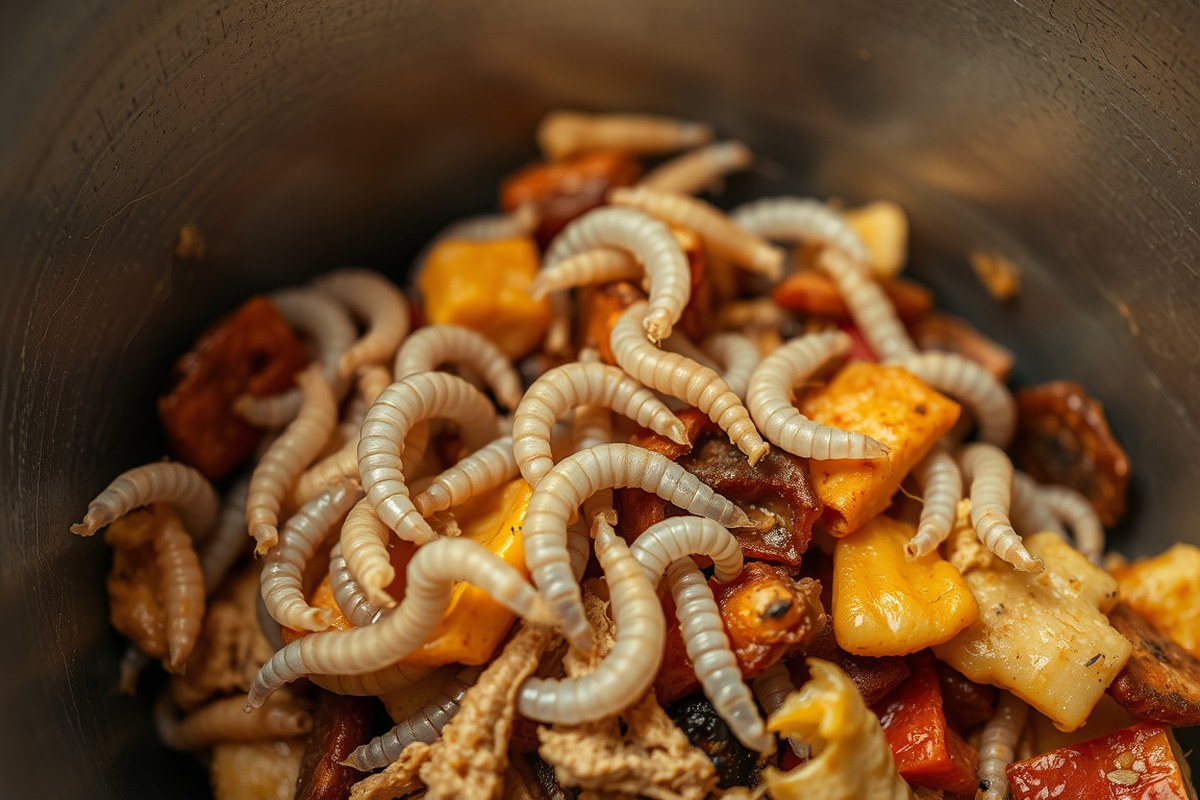
Maggots are the larvae of flies, typically hatching from the eggs of common house flies or blowflies. These larvae appear when flies lay eggs on decaying organic material, such as garbage, pet feces, or rotting food. Because maggots feed on this organic matter, they thrive in environments where waste is left exposed or food is spoiled and accessible. You may find maggots in trash bins that are not sealed or in leftover food scraps around your home, especially in the kitchen or yard.
Fly eggs hatch very rapidly in warm conditions, usually within 7 to 24 hours after being laid. The warmth accelerates their development, turning the eggs into wriggling maggots in less than a day. Once hatched, the larvae feed voraciously on the organic material surrounding them. This quick hatching explains why maggot infestations can develop so suddenly and why acting fast is important once you spot fly eggs or larvae.
The full life cycle from egg to adult fly takes about 10 days in warm summer months, but it can extend up to 30 days during cooler seasons. After 8 or 9 days, maggots mature into flies and can then spread to lay more eggs, continuing the infestation cycle. Within just 8 to 20 hours, a small number of eggs can turn into hundreds of maggots if conditions are favorable. This rapid growth highlights why you need to find and address breeding sites quickly.
Flies are attracted to several common home entry points and conditions that offer suitable places to lay eggs. Broken window seals, cracks, and crevices in walls or screens provide easy access, allowing flies to enter living spaces. Once inside, they seek out food sources such as uncovered garbage, compost bins, pet food, or spoiled fruits and vegetables. Keeping these areas clean, sealed, and free of organic debris reduces the odds of flies laying eggs in your home.
Because maggots thrive on decaying matter, maintaining strict sanitation is a practical first step. Removing or tightly sealing trash bags, cleaning food spills immediately, and storing food in airtight containers help prevent flies from laying eggs. Also, inspecting your home’s perimeter for possible fly entry points and repairing damaged screens or seals can stop adult flies from entering and starting the life cycle indoors.
2. How to Identify Early Signs of a Maggot Infestation

Early detection is key to stopping a maggot infestation from getting worse. Maggots hatch quickly from fly eggs left on rotting food, animal waste, or damp organic matter. The eggs can hatch within 24 hours, and what starts as a few tiny white larvae can explode into a large infestation in just a couple of days. Spotting the earliest signs lets you take action before they spread throughout your home or yard.
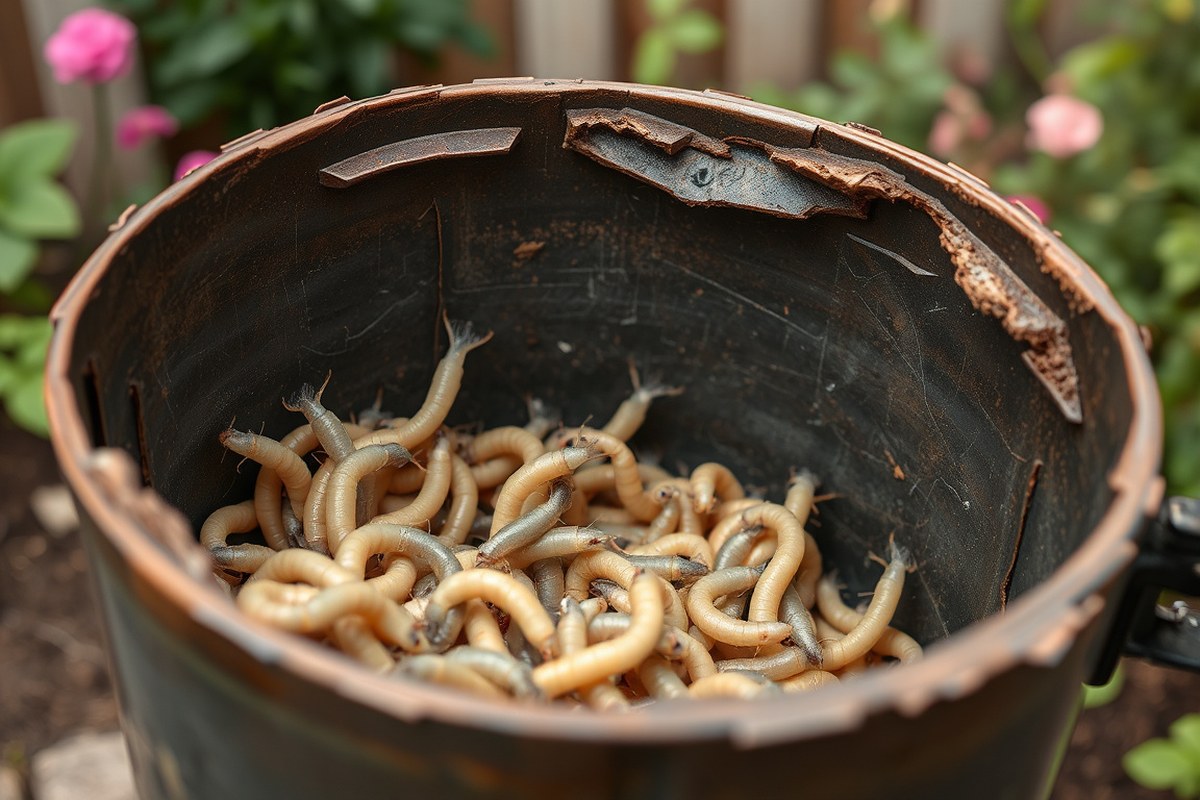
Look carefully in places where food scraps, garbage, or pet feces might collect. Maggots usually appear as small, white, wriggling larvae about 1/4 inch long. They gather in moist dark spots and sometimes look like a mass of tiny worms feeding on decaying matter. You may also notice a foul smell coming from the source of the infestation, another sign flies have laid eggs nearby.
Don’t assume maggots will go away on their own. The larvae feed aggressively, grow rapidly, and eventually turn into flies, restarting the cycle. Ignoring them allows the infestation to spread under sinks, into garbage cans, or around animal bedding. It can take 2 to 5 days to fully eliminate an infestation, so catching it early saves time and effort.
- Inspect garbage bins and compost piles daily for tiny white larvae.
- Check under refrigerator drip pans and around kitchen trash for damp, decaying spots.
- Look for oily, slimy residue in drains or on floors near food waste.
- Keep an eye on pet bedding, especially if your animals have open wounds or skin issues.
- Note any unpleasant, sour odor indicating decaying organic material.
Finding the source where flies lay eggs is about 90% of the battle. Removing that breeding ground stops new maggots from hatching. Using boiling water, vinegar, or diatomaceous earth can kill existing larvae rapidly once you locate them. If you see movement or feel a squirm while cleaning, there are likely eggs nearby that require thorough treatment.
Early inspection around trash, drains, and pet areas for tiny white larvae can prevent a larger maggot problem within days.
3. Natural Maggot Control: Boiling Water, Vinegar, Salt, Diatomaceous Earth, and Lime
Natural methods like boiling water, vinegar, salt, diatomaceous earth, and lime powder provide effective, eco-friendly options to kill maggots. Boiling water offers an instant kill, while vinegar mixed with boiling water kills most larvae quickly but might miss some. Salt works more slowly by dehydrating maggots but is inexpensive and safe. Diatomaceous earth and lime powder are best for creating barriers and can kill maggots over hours by drying them out without harsh chemicals.
Killing Maggots with Boiling Water Safely
Boiling water kills maggots instantly on contact, making it one of the fastest natural remedies. It’s especially useful for maggots found in trash bins, outdoor areas, or hard surfaces. You must handle boiling water carefully to avoid burns. Use this step-by-step approach to safely apply boiling water:
- Locate the area with visible maggots, such as garbage bins, trash bags, or infested corners.
- Boil enough water in a kettle or large pot; around 1 to 2 gallons covers typical problem spots.
- Put on heat-resistant gloves to protect your hands during pouring.
- Slowly pour the boiling water directly onto the maggots, making sure to cover all larvae.
- Allow the area to cool and dry thoroughly.
- Dispose of any remaining debris or infested material safely in a sealed bag.
- Follow with cleaning and disinfecting the area to prevent re-infestation.
Boiling water costs virtually nothing and has no harmful chemical residue, but it is limited to areas where it can be poured without causing damage. Avoid pouring on plants or surfaces that may crack from the heat.
Applying Vinegar and Salt Solutions
Mixing white vinegar with hot water creates a solution that kills most maggots within minutes. Vinegar alone may not eliminate all larvae, but when combined with heat, its effectiveness improves. Salt kills maggots through dehydration but works slower and requires direct contact for 30 to 60 minutes. Use the following steps for vinegar and salt applications:
- Create a solution by mixing 1 part white vinegar with 2 parts hot tap water (around 130°F to 140°F).
- Pour this mixture over maggots covering them thoroughly.
- Let it sit for 10 to 15 minutes, then wipe or mop the area clean.
- For salt, sprinkle a generous layer directly on visible maggots or suspected infested spots.
- Leave the salt in place for at least 30 minutes to allow dehydration to take effect.
- Sweep or vacuum the dead larvae and salt residue after treatment.
Vinegar is inexpensive and safe for kids and pets but may require repeat treatments for large infestations. Salt’s advantage is its low cost and easy availability; however, it’s less effective on large maggot clusters and may not kill newly hatched larvae quickly.
Using Diatomaceous Earth and Lime Powder
Diatomaceous earth (DE) and lime powder act as natural desiccants, stripping moisture from maggots and killing them over several hours. DE consists of fossilized algae particles that are safe around humans and pets if food-grade quality is used. Lime powder can also help neutralize odors in garbage areas, making it less attractive to flies. Follow these steps to apply DE or lime:
- Ensure the infested area is dry before application, as moisture reduces effectiveness.
- Sprinkle a thin, even layer of food-grade diatomaceous earth over maggot hotspots, such as garbage bins, compost piles, or cracks.
- Alternatively, apply powdered lime around affected areas but avoid direct contact with skin and eyes.
- Leave the powder in place for 12 to 24 hours to maximize dehydration.
- After this period, clean away the powder along with dead maggots.
- Repeat application if maggots persist or return.
These powders are low-cost and safe for ongoing use but work slower than boiling water or vinegar solutions. Avoid inhaling dust during application, and keep powders away from wet areas to maintain their drying power.
4. Chemical Treatments to Kill Maggots: Bleach, Insecticides, and Safe Usage
Chemical treatments can kill maggots quickly but require careful handling to ensure safety. Bleach and permethrin-based insecticides work fast, often within minutes to an hour. Proper application minimizes risks to children and pets, while maximizing effectiveness.
Preparing and Applying Bleach and Water Mixtures
Bleach is an effective chemical for killing maggots, especially for infestations in garbage bins or on hard surfaces. Mixing bleach properly protects surfaces and reduces harmful fumes.
A recommended ratio is 1 part bleach to 3 parts water (for example, 1/3 cup bleach per gallon of water) to create a diluted solution that’s still potent against maggots but less harsh on surfaces. For heavy infestations, you can increase to a 1:1 ratio, but only in well-ventilated areas and with proper precautions.
After applying the bleach mixture directly over the maggots, let it sit for about 30 minutes to ensure the larvae die completely. Close lids on trash cans to help contain fumes and suffocate maggots. Avoid using concentrated bleach on fabrics or porous surfaces to prevent damage.
Using Insecticide Sprays and Permethrin Safely
Permethrin-based sprays provide one of the fastest chemical ways to kill maggots instantly. Other insecticide sprays are effective but usually require multiple applications over hours or days.
Apply sprays carefully to cover both the maggots and surrounding areas where they may hide. Use 2 to 3 thorough sprays to ensure full coverage. Repeat if new larvae appear over the next few days. Insecticides can irritate eyes and lungs, so wear safety glasses and a mask during application.
Proper use involves avoiding overspray on surfaces where food is prepared or pets frequently lie. After spraying, keep pets and children away from treated areas until surfaces are dry and fumes dissipate, which typically takes several hours.
Safety Tips for Homes with Pets or Children
Chemical treatments carry risks if misused around children and pets. Always keep these chemicals out of reach and use barriers or temporary confinement to prevent accidental contact.
Diluted bleach solutions and food-grade diatomaceous earth are safer alternatives when pets and kids are present. Diatomaceous earth kills maggots more slowly but without harmful fumes or toxic ingredients.
When applying insecticides, do so in well-ventilated spaces and avoid enclosed rooms. Follow label instructions precisely, including PPE recommendations and waiting times before allowing children or pets back into treated areas.
- Identify the infestation area and remove any accessible organic material causing the maggot growth.
- If using bleach, mix 1/3 cup bleach with 1 gallon of water for general use or equal parts for heavy infestation.
- Pour or spray the bleach solution directly onto all visible maggots and the surrounding contaminated surfaces.
- For insecticide sprays, apply 2 to 3 long sprays over the maggots and adjacent areas to ensure full coverage.
- Let bleach sit for at least 30 minutes. For insecticides, follow label directions on drying or waiting times before re-entry.
- Ventilate the space well to reduce fumes, and keep children and pets out during and after application until safe.
- Dispose of dead maggots and contaminated materials safely, resealing trash cans to prevent reinfestation.
- Repeat applications if maggots reappear within a few days, especially for insecticide sprays.
5. Effectiveness of Freezing and Vacuuming Maggot Infestations
Freezing can be an effective method for killing maggots, especially in small, contained infestations. Maggots die when exposed to temperatures below 32°F (0°C) for several hours. To use freezing as a control method, collect the infested material, such as food scraps or cloth, place it in a sealed plastic bag, and put it in the freezer for at least 24 hours. This ensures all maggots inside reach lethal temperatures. Freezing is practical for items that can be easily moved and frozen without damage, like some fabrics or small garbage bags. However, it is not suitable for large infestations outdoors or in areas where freezing is not feasible. After freezing, dispose of the material promptly to prevent re-infestation or fly emergence.
Vacuuming works well for removing maggots from carpets, upholstery, and crevices where manual removal is difficult. Use a vacuum cleaner with strong suction and a narrow attachment to reach deep into fibers and corners. Vacuum thoroughly over the affected area, and seal the vacuum bag or empty the canister immediately into a sealed plastic bag to prevent maggots from escaping. This method provides quick physical removal without chemicals. Vacuuming is most effective for small to moderate infestations indoors, such as maggots hatched from fly larvae that fell onto carpet or fabric surfaces. It does not kill maggots but helps prevent their spread and allows you to treat the area afterward with heat or chemical options if needed.
After vacuuming, clean the vacuumed area with hot water and a disinfectant to remove eggs that may remain. Repeat vacuuming every day until no new maggots appear, as flies may continue to hatch for several days. Freezing and vacuuming are often part of a combined approach; vacuuming removes accessible maggots physically, while freezing kills those in movable infested items. Neither method alone guarantees complete eradication, especially in large or outdoor infestations, so incorporate other treatments like boiling water, insecticides, or garden lime as appropriate.
Freezing typically costs only the electricity to run your freezer and is suitable for homeowners and renters who have access to a freezer. Vacuuming requires a standard vacuum cleaner and may take under 30 minutes depending on the size of the infestation. Both methods avoid toxic chemicals, making them safer options around children and pets if combined with thorough cleaning afterward. Vacuum cleaners with HEPA filters help trap fine particles including fly eggs but check your vacuum manual for maintenance after picking up organic material.
Do not rely solely on vacuuming or freezing for large or outdoor maggot infestations; these methods are best for small, indoor areas or removable items to prevent maggots from spreading further.
6. How to Prevent Flies and Maggots from Returning Long-Term
Preventing flies from returning and laying eggs starts with removing the conditions that attract them. Since flies seek out food waste, pet droppings, and even moist plant areas to lay eggs, maintaining a clean environment is essential. A sealed trash bin stops flies from accessing food scraps and laying eggs inside, which otherwise hatch into maggots. This is especially important if you notice new maggots appearing overnight, as this indicates fresh egg-laying activity.
Keeping kitchens, garbage areas, and pet feeding zones free of exposed food is key. This means promptly cleaning food spills, washing pet dishes after use, and never leaving food uncovered. Flies are drawn to warm, moist spots, so drying areas around sinks and regularly emptying and cleaning compost or plant watering trays also reduces breeding places.
- Use tightly closed garbage cans, with sturdy bags sealed before disposal
- Promptly clean pet waste and outdoor animal areas daily
- Cover or refrigerate all food, including pet food when not in use
- Keep kitchen counters, floors, and sink areas clean and dry
- Remove or treat standing water in watering trays or outdoor pots
- Set up fly traps with baits like rotting-scent lures or pheromones near doors and bins
- Dispose of dead animals, rodents, or pests around the property immediately
DIY fly traps can be an effective way to reduce adult fly populations before they lay eggs. These traps attract flies with specific baits, then capture them to prevent reproduction. For outdoor or garage use, commercial or homemade fly traps range from simple bottles with sugar water to sticky ribbons placed near entry points. Regular monitoring and replacing bait weekly can keep fly numbers low.
Routine cleaning is the practical foundation for long-term fly and maggot prevention. Using disinfectants or hydrogen peroxide helps eliminate eggs and larvae hidden in small crevices or garbage bins. Scheduling weekly sanitation tasks, such as washing bins with soap and hot water, wearing gloves, and keeping pet areas tidy can stop new infestations from developing. The effort required varies by home size, but maintaining these habits prevents costly treatments and health risks associated with maggot infestations.
7. Step-by-Step Checklist to Stop and Remove a Maggot Infestation
Act quickly to stop maggots from spreading by isolating potential food sources, applying the right treatment, and cleaning thoroughly. Repeating treatment is necessary because eggs hatch within 8 to 24 hours. Safe disposal prevents re-infestation and contamination.
Isolate Food and Garbage
Stop maggots from spreading by immediately isolating all food and waste. Maggots thrive on organic matter like garbage, pet waste, or dead animals, so removing access to these sources is critical.
Move garbage bins outside and away from the home, ideally in sealed containers. Remove any pet waste or spilled food near affected areas. Check hidden spots such as under appliances, inside trash cans, or along baseboards for overlooked food debris or dead pests, since maggots can emerge there and restart infestation.
Choose and Apply Treatment Method
Select a treatment based on your situation, then repeat it after 24 to 48 hours to kill newly hatched larvae. Check carefully to avoid missed eggs that hatch and continue the problem.
- Locate all infested areas by looking for wriggling white larvae near garbage, pet areas, and hidden food sources.
- Apply boiling water or vinegar directly onto maggot clusters to kill them. Use caution to avoid burns.
- Use approved insecticides or bleach solutions if natural methods do not fully work, following all safety instructions and local regulations.
- Wait one to two days, then re-inspect and retreat all previously treated sites to catch newly hatched maggots.
- Check for any persistent infestation sources such as dead rodents in walls or blocked drains and remove them promptly.
Clean and Dispose Safely
After treatment, clean the affected areas to remove dead maggots, eggs, and residue that attract new flies and larvae. This lowers chances of re-infestation.
Use soapy water or a vinegar solution to scrub surfaces. Dispose of dead maggots and heavily infested materials in tightly sealed bags outside of the home. Avoid composting these wastes since maggots could survive or attract pests there. Wearing disposable gloves during cleanup minimizes health risks.
Repeat cleaning and disposal procedures at least twice, about 24 to 48 hours apart, along with treatment repetition to fully remove all life stages. Monitoring and removing hidden organic matter consistently helps prevent maggots from returning.
8. How Climate and Season Affect Maggot Infestations and Treatments
Maggot infestations often worsen quickly during warmer months because the full life cycle, from egg to adult fly, can take just 7 to 10 days in warm conditions. Temperatures above 70°F speed up development, making early detection and rapid treatment essential. Cooler seasons slow maggot growth, but the larvae can survive in sheltered, warm indoor areas. This means control efforts should shift based on season and your local climate.
During warm months, focus on fast and frequent interventions. Regularly inspect garbage bins, compost piles, and food storage areas outdoors and indoors. Apply treatments such as boiling water or vinegar solutions immediately when you spot larvae. Because maggots multiply fast, repeat treatments every 2 to 3 days for at least two weeks. In warm climates or peak summer, this intensifies due to faster reproduction rates.
In cooler seasons, maggot activity reduces but does not stop entirely. If you live in a colder region, your infestations may be limited to indoor spaces where temperatures stay higher, such as kitchens or basements. Treat these spots with freezing methods, such as placing infested items in a freezer for one hour, which works well below 32°F. You might reduce the need for harsh chemicals by maintaining strict sanitation and monitoring.
Humidity also affects maggot outbreaks. Excess moisture in a warm climate creates ideal breeding sites, especially in backyard compost or garbage. Make sure to keep these areas dry and sealed using tight lids or plastic bags. Cleaning residue and organic waste promptly prevents fly eggs from hatching into maggots. During rainy seasons, increase cleaning frequency because dampness prolongs larval life.
Costs vary with treatment type and frequency. Simple home remedies like vinegar or boiling water cost a few dollars, while chemical insecticides may range $10 to $30 per container. Freezing requires only a freezer. The time investment involves repeated monitoring and cleaning. Good results show no new maggots after two weeks of treatment and consistent waste management. Failure to adapt treatment timing to seasonal patterns allows new infestations to develop quickly, especially in warm, moist environments.
Always adjust treatment frequency and sanitation efforts based on local weather: warm, humid conditions demand faster, more frequent action to stop maggot populations from exploding.
Step-by-Step Action Plan to Get Rid of Maggots
Follow these practical steps to identify, kill, and prevent maggots in your home quickly and safely. This plan will help you resolve the problem using affordable and effective methods.
- Immediately: Locate the source of the infestation, such as garbage bins or spoiled food. Remove and dispose of all infested material in sealed bags. You’ll know it worked when no new maggots appear in that area.
- Within a few hours: Treat affected areas with boiling water or sprinkle diatomaceous earth to kill remaining maggots. Confirm success by checking that maggots are no longer moving or alive.
- Same day: Clean surrounding surfaces with vinegar or diluted bleach to remove eggs and discourage flies. The area should smell fresh and show no visible eggs or larvae afterward.
- Next 24 hours: Use a vacuum to remove dead maggots and debris. Dispose of vacuum contents outside promptly. Success means no visible larvae remain and no fresh maggots appear in treated spots.
- Within 2 days: Apply salt or lime powder around garbage bins and entry points to prevent new infestations. Monitor these spots for any return of maggots over the next several days.
- Ongoing: Store food securely, seal trash cans tightly, and keep kitchen areas clean and dry to fully prevent fly and maggot return. You’ll know prevention worked when you no longer find fly larvae over multiple weeks.
- Season change or warm weather: Be extra vigilant as maggots thrive in warmer climates. Repeat treatments if needed and maintain prevention steps continuously during these months.
Frequently Asked Questions
What Is the Fastest Way to Kill Maggots at Home?
The fastest way to kill maggots is pouring boiling water over them. This method immediately kills maggots on contact but be careful to avoid burns and damage to surfaces.
Can I Use Household Insect Sprays to Get Rid of Maggots?
Yes, general insect sprays like Raid can kill maggots on contact. Ensure the spray targets flies since maggots are their larvae. Follow product instructions for safe use indoors.
How Do I Find the Source of a Maggot Infestation?
The source is often decomposing organic matter like food waste or animal remains. Inspect trash bins, sinks, pet areas, and yard debris closely to locate and remove it.
Will Freezing Kill Maggots in My Garbage?
Freezing can kill maggots if they are exposed long enough, typically several hours. However, it’s less practical than boiling water or chemical treatments in most home settings.
Can Natural Remedies Prevent Maggots from Returning?
Natural remedies like diatomaceous earth or salt can help prevent maggots by making surfaces inhospitable. Combine these with regular cleaning for best long-term results.
When Should I Call a Pest Control Professional for Maggots?
Call a professional if infestations persist despite removal and home treatments. Experts can locate hidden sources and apply stronger solutions safely.
The Bottom Line
Getting rid of maggots requires prompt action and consistent prevention to keep your home safe and clean. Start by thoroughly cleaning any areas where maggots appeared and applying natural controls like boiling water or diatomaceous earth to kill any lingering larvae. Make it a habit to secure trash and remove food sources daily to reduce the chance of flies laying eggs and restarting the infestation cycle in your home.




One Comment