
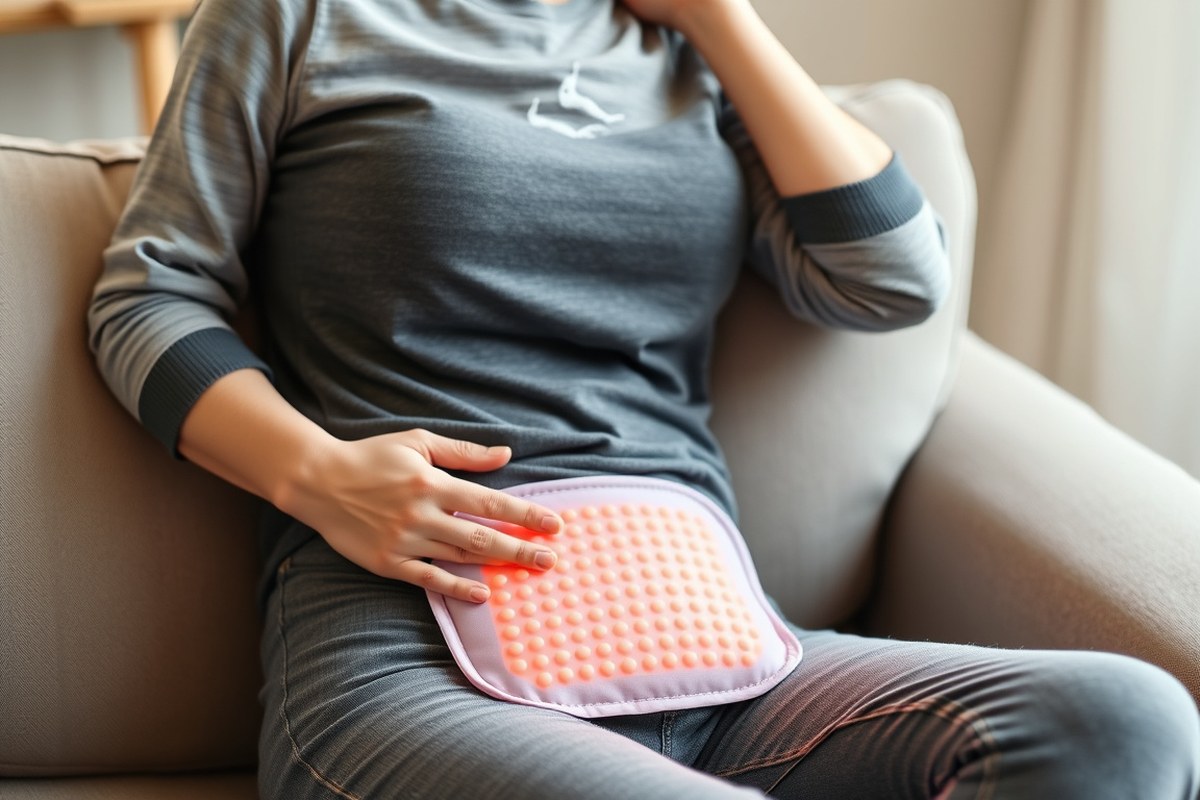
How to Get Rid of Period Cramps: 8 Proven Methods for Fast Relief
To get rid of period cramps quickly, use heat therapy, over-the-counter pain relievers, and gentle exercise. These methods help relax your muscles, reduce inflammation, and improve blood flow, providing fast relief. You can also manage cramps with lifestyle changes, supplements, and hormonal options for longer-term comfort.
This information is for anyone experiencing menstrual pain who wants effective and safe ways to ease discomfort. You’ll find proven strategies to tackle cramps from causes to treatments, including when it’s important to seek medical advice.
Key Takeaways
- Period cramps often start 1 day before your period and usually last 1 to 2 days, peaking within 24 hours after it begins.
- Applying heat therapy, like a heating pad for 15-20 minutes, can safely ease menstrual pain by relaxing uterine muscles.
- Over-the-counter NSAIDs, taken at the start of cramps, effectively reduce pain by blocking prostaglandins causing uterine contractions.
- Daily habits such as regular exercise, balanced nutrition, and stress management help reduce the severity and frequency of cramps.
- Natural supplements like vitamin B1, magnesium, and curcumin may lessen cramps, but consult your doctor before starting them.
- See a doctor if your pain is severe, lasts longer than 3 days, or if an IUD insertion increases discomfort significantly.
1. What Causes Period Cramps and Why They Hurt
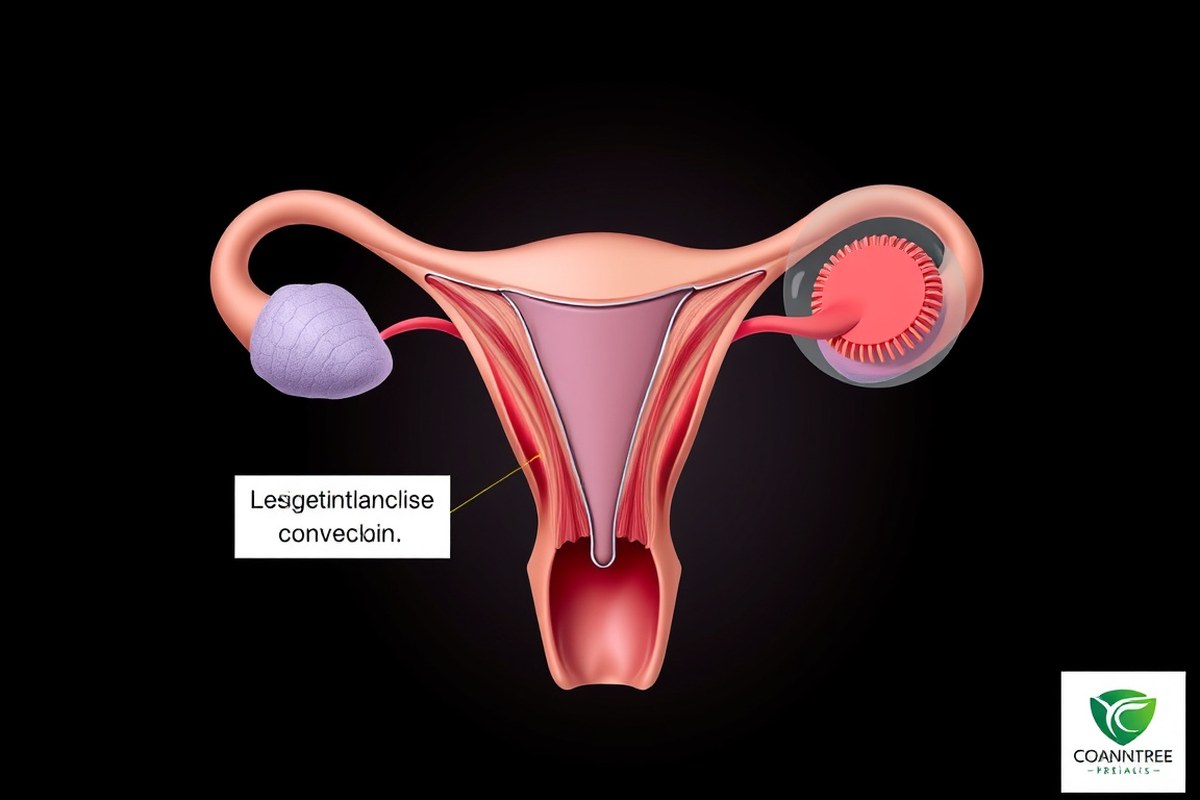
Period cramps result from your uterus tightening to help release its lining during your period. These contractions press on the blood vessels nearby, cutting off oxygen for a short time and causing soreness. The pain level depends on substances called prostaglandins, which your body makes. These chemicals cause the muscles to contract more powerfully and often, increasing the pain you feel.
Prostaglandins are important in causing menstrual cramps. Their levels rise just before your period starts, prompting the uterus to contract. The more prostaglandins released, the more intense the cramps tend to be. This explains why some cycles feel worse than others. For example, people with higher prostaglandin levels may notice sharp, throbbing pain that lasts for a day or two each month. Understanding this can help you manage the pain better.
The uterus behaves like a muscle when it contracts, and those cramps are similar to muscle cramps you might get in other parts of your body. The contractions push out the menstrual blood but also cause that aching or sharp pain you feel in your lower belly or back. Cramps usually start a day before your period begins and last up to two days. In some cases, they can be severe enough to disrupt daily activities.
Menstrual cramps can sometimes include additional symptoms like bloating, which happens when your body retains extra fluid. This can increase pressure and discomfort around your abdomen, making cramps feel worse. Cramping also tends to be more intense if blood flow is heavier or if muscle contractions are strong. Knowing this can guide you in choosing effective relief options such as timing medication early to target prostaglandins before they peak.
For example, taking non-steroidal anti-inflammatory drugs (NSAIDs) like ibuprofen right as your period starts can block prostaglandin production. This reduces the strength of uterine contractions and lessens the pain. These medications are usually effective if taken before cramps fully develop. However, they might not work as well if taken too late or in small doses. That’s why starting treatment early is often recommended by health professionals.
Not everyone experiences period cramps the same way. Some people may have mild discomfort, while others face severe pain linked to conditions like endometriosis or fibroids, which involve abnormal tissue growth or inflammation. This pain might feel different or last longer. Understanding the biological cause of your cramps can help you decide when to seek medical advice or try specific treatments.
2. How Quickly Can I Get Relief from Period Cramps?
Relief from period cramps can start as quickly as within minutes to hours, depending on the method you use. Taking over-the-counter pain medications like ibuprofen often begins easing pain in 30 to 60 minutes because it targets inflammation, a key cause of menstrual cramping. Acetaminophen may reduce your pain in a similar time frame but doesn’t address swelling, so it may not be as effective for all. Applying a heating pad directly to your lower abdomen can provide relief within 15 to 20 minutes by relaxing the uterine muscles and improving blood flow, which helps reduce cramp intensity.
Stress management also plays a role in how quickly you feel better. Since high stress increases pain sensitivity, practicing deep breathing, meditation, or light stretching can help lower stress and reduce pain perception in a matter of minutes to hours. Incorporating these strategies before your period, especially if you start their use at least five days ahead as with some gentle stimulation devices like Nettle™, can lessen cramp severity and shorten pain duration during your cycle.
It’s common for period pain to begin one to three days before your period and peak within about 24 hours after it starts, usually easing over the next two to three days. Early action matters, so when your cramps first appear, quickly applying heat or taking an anti-inflammatory pain reliever can greatly improve your comfort while waiting for longer-lasting lifestyle changes to take effect. Some women find that topical creams containing ingredients like lavender and clary sage oils applied daily during their cycle can reduce cramp duration over time as well.
Results vary based on the severity of your cramps and whether other factors like an intrauterine device (IUD) are present, which might cause pain lasting three to six months. If your cramps are severe and don’t respond to quick treatments within an hour or two, or the pain worsens, you should consider consulting a healthcare provider. Quick remedies help many women cope with sudden cramps, but they don’t replace professional diagnosis when needed.
Start pain relief methods as soon as cramps begin to improve results, delay can make cramps harder to manage and increase discomfort duration.
3. Using Heat Therapy to Soothe Menstrual Pain Safely
Heat therapy can significantly reduce period cramps by relaxing the muscles in your lower abdomen and improving blood flow. Using simple heat sources like warm pads or hot water bottles can ease pain as effectively as some over-the-counter medications. Applying heat correctly and safely ensures you get the maximum relief without skin irritation or burns.
Types of Heat Therapy for Cramps
Several heat therapy options are available ranging from reusable packs to electric heating pads. Heat patches that stick directly to your skin offer targeted warmth for hours, typically around 104°F to 113°F (40°C to 45°C). Hot water bottles provide a moist heat that penetrates deeply but cools faster. Electric heating pads usually have adjustable heat settings and are convenient for continuous use at home.
These methods differ in cost and convenience. Heat patches often cost between $5 and $15 for a pack and last up to 8 hours, making them portable and disposable. Hot water bottles are a one-time purchase of $10 to $25 but need refilling and reheating. Electric pads cost $20 to $50 and require a power source but deliver consistent heat over longer periods.
How to Use Heat Safely and Effectively
To maximize relief from heat therapy, follow a clear process. Begin by choosing the right heat source for your situation, such as a heat patch for on-the-go or an electric pad at home. Apply heat for 15 to 20 minutes at a time, and repeat every hour if needed. Keeping your lower abdomen warm helps relax uterine muscles and reduces cramping.
- Select a heat source suited to your lifestyle, like a heat patch, hot water bottle, or electric heating pad.
- Ensure the heat source is at a comfortable temperature, ideally between 104°F and 113°F (40°C to 45°C).
- Place the heat source directly on your lower abdomen, covering it with a thin cloth if necessary to prevent burns.
- Use heat for 15 to 20 minutes, then remove to allow your skin to cool.
- Repeat the process every hour or as needed to control pain.
- Stay hydrated and gently stretch your abdomen to aid muscle relaxation during heat therapy.
Applying heat while sitting comfortably or lying down can improve results. Avoid using heat while sleeping to prevent prolonged exposure that may harm your skin.
Avoiding Common Heat Therapy Mistakes
Common errors include using heat sources that are too hot, applying heat for too long, or placing them without protection directly on the skin. These mistakes increase the risk of burns and irritation. Always test the heat on your wrist before applying it to your abdomen. Using dry heat directly can cause discomfort; a thin cloth barrier helps prevent problems.
Another misstep is neglecting to limit heat sessions to 20 minutes. Overusing heat can cause skin redness or damage, which defeats the goal of soothing pain. Avoid electric heating pads with inconsistent temperature control, and never use a heating pad if it’s wet or damp.
4. Over-the-Counter Medications: What Works and How to Use Them
Ibuprofen and other nonsteroidal anti-inflammatory drugs (NSAIDs) are the most effective over-the-counter medicines for relieving period cramps. These drugs reduce inflammation and block pain signals, targeting the prostaglandins that cause uterine muscle contractions and pain. For best results, start taking NSAIDs as soon as you notice the first signs of cramps or when your period begins, not after the pain becomes severe.
Typical ibuprofen dosages for menstrual pain range from 200 mg to 400 mg every 4 to 6 hours, not exceeding 1,200 mg per day without medical advice. Always follow the dosage instructions on the label and use the lowest effective dose for the shortest time needed. Taking ibuprofen with food can reduce stomach discomfort, which is a common side effect. Avoid NSAIDs if you have stomach ulcers, kidney disease, or if you are allergic to these drugs, and consult a healthcare professional in these cases.
Other OTC options for menstrual cramps include naproxen and acetaminophen. Naproxen is also an NSAID and works similarly to ibuprofen but lasts longer, which may reduce the number of doses needed daily. Acetaminophen can relieve pain but does not reduce inflammation, making it less effective for cramps linked to prostaglandins.
Check product labels carefully. Some menstrual pain medications, such as Midol, combine pain relievers with ingredients for other symptoms like bloating or fatigue, but not all include an NSAID. Know what you are taking to avoid unnecessary ingredients or doubling up on medications.
| Medication | Typical Dosage | How It Works | Common Side Effects | Notes |
|---|---|---|---|---|
| Ibuprofen | 200-400 mg every 4-6 hours Max 1,200 mg/day OTC |
Reduces inflammation and pain by blocking prostaglandins | Stomach upset, nausea, dizziness | Take with food; avoid if ulcers or kidney problems |
| Naproxen | 220 mg every 8-12 hours Max 660 mg/day OTC |
Longer-lasting NSAID that reduces inflammation and pain | Similar to ibuprofen; risk of stomach issues | May reduce dosage frequency |
| Acetaminophen | 325-650 mg every 4-6 hours Max 3,000 mg/day OTC |
Relieves pain without anti-inflammatory effects | Rare; high doses risk liver damage | Less effective for cramps from inflammation |
For mild cramps, acetaminophen may work, especially if you cannot take NSAIDs. Naproxen suits those who want longer dosing intervals. In cases where you know your period schedule, preemptively starting NSAIDs at the onset of bleeding can lessen pain severity. Always monitor your body’s response and talk to your healthcare provider before combining medications or if you have underlying health concerns.
5. Daily Lifestyle Habits to Reduce and Manage Cramps
Daily habits in hydration, diet, exercise, and stress management play key roles in reducing period cramps over time. Making these lifestyle changes consistently helps lower inflammation, improve blood flow, and ease tension that can worsen menstrual pain. Here is how to adjust each area with clear steps for effective cramp prevention.
Hydration: How Much and Why It Helps
Drinking enough water reduces bloating and muscle tension, which often worsen cramps. Aim for about 64 ounces (roughly eight 8-ounce glasses) of water a day as a general target. Staying hydrated dilutes your body’s fluids, improving circulation and flushing out substances that trigger inflammation.
During your period, drinking water consistently throughout the day can help ease cramps by preventing excess water retention and reducing uterine muscle spasms. Avoid excessive caffeine and sugary drinks, which can dehydrate and increase cramp severity.
Dietary Choices to Fight Inflammation and Pain
Eating a healthy, balanced diet rich in anti-inflammatory foods supports long-term menstrual pain reduction. Focus on plenty of fruits, vegetables, and omega-3 fatty acids found in fish like salmon or plant sources such as flaxseeds. These foods help ease inflammation linked to cramping.
Avoiding foods that promote inflammation and bloating can further reduce pain. Limit your intake of sugar, trans fats, and excess salt, which can make cramps worse by increasing swelling and muscle irritation.
- Include leafy greens, berries, nuts, and fatty fish in your meals a few times per week.
- Choose whole grains over refined grains to stabilize blood sugar and reduce inflammation.
- Cut back on processed foods, fried items, and high-sodium snacks.
- Plan balanced meals with a mix of proteins, fiber, and healthy fats daily.
- Experiment with herbal teas like ginger or chamomile, which some find soothing during periods.
Exercise Types That Ease Menstrual Discomfort
Light to moderate exercise increases blood flow and oxygen delivery to muscles, which helps reduce cramp intensity. Gentle aerobic activities such as walking, swimming, or cycling are good options that don’t strain the body. Simple stretching and yoga poses targeting the lower back and abdomen can relieve tension.
High-impact or very strenuous workouts may sometimes backfire by increasing pain for sensitive individuals. It’s best to listen to your body and adjust intensity accordingly.
- Start with 10 to 20 minutes of gentle cardio like walking around your neighborhood.
- Add stretching exercises focusing on your hips, lower back, and thighs.
- Try yoga poses such as child’s pose, cat-cow, and seated forward bend.
- Increase duration gradually if you feel comfortable, but pause or reduce intensity if cramps worsen.
- Use breathing techniques during exercise to stay relaxed and reduce muscle tension.
Stress Reduction Methods for Cramp Relief
High stress can increase the severity of period cramps by causing muscle tension and hormonal imbalances. Regular practices that lower stress levels contribute to less painful periods. Techniques like deep breathing, meditation, or progressive muscle relaxation reduce both emotional and physical tension.
Taking time to rest and prioritize sleep before and during your period helps manage stress and boost your pain threshold. Tracking your stress and cramps side by side can help identify which methods work best for you.
- Set aside 5 to 10 minutes daily for deep breathing exercises or guided meditation.
- Practice mindfulness by focusing on your body and breath during moments of discomfort.
- Use apps or recordings that guide relaxation or progressive muscle relaxation techniques.
- Establish a calming nighttime routine to improve sleep quality around your period.
- Limit exposure to stressful situations when you feel prone to cramping.
Regular small steps in hydration, diet, exercise, and stress can add up to meaningful reduction in period cramps over months.
6. Natural Supplements and Massage for Menstrual Pain Relief
Natural supplements can provide significant relief from menstrual cramps by reducing inflammation and easing muscle tension. Magnesium is one of the most effective supplements to try; it helps relax uterine muscles and supports nerve function. Taking 200 to 400 mg of magnesium daily, starting a few days before your period, may lessen cramping. Vitamin B1 (thiamine) also shows promise in reducing pain severity. A daily dose of 100 mg can improve muscle function and energy metabolism, making cramps less intense.
Other helpful supplements include omega-3 fatty acids, vitamin E, vitamin D, and B-complex vitamins like B6. These nutrients contribute to lowering inflammation and balancing hormone-related pain. Consult with a healthcare professional before starting supplements, especially if you take medications or have existing health conditions. Supplements are usually affordable, ranging from $10 to $25 for a month’s supply, and you should expect to notice results after a few cycles.
Using essential oils with gentle abdominal massage offers a natural way to ease period pain. Essential oils such as lavender, clary sage, or peppermint have calming and muscle-relaxing properties. Dilute 3 to 5 drops of essential oil in a tablespoon of carrier oil like coconut or jojoba oil before applying to your skin to avoid irritation.
Massage should be gentle and circular over your lower abdomen for about 5 to 10 minutes. This helps improve blood flow and relax muscles. You can repeat this massage several times a day as needed, especially at the start of your period or when cramps intensify. Aromatherapy massage combines scent and touch, which many find soothing, but even massage alone brings benefits.
- Magnesium: 200-400 mg daily, start before cramps begin
- Vitamin B1: 100 mg daily, supports muscle and nerve function
- Omega-3 fatty acids: may reduce inflammation
- Use diluted essential oils (lavender, clary sage, peppermint) in 3-5 drops per tablespoon carrier oil
- Massage lower abdomen gently in circular motions for 5-10 minutes
- Repeat massage 2-3 times daily as needed
- Consult doctor before starting supplements if on medications or pregnant
Doing these natural treatments regularly can reduce the frequency and intensity of menstrual cramps. For some, combining supplements with massage provides a holistic approach that avoids medication side effects. If certain oils cause skin irritation or you don’t notice improvement after several cycles, stop and consult a healthcare provider. Safe use and patience are key to success with natural pain relief methods.
7. When to See a Doctor and Understanding Serious Causes
Seeking medical advice for period cramps is necessary when the pain is severe, worsens unexpectedly, or affects daily life. A doctor can diagnose any underlying conditions like endometriosis or infections and recommend treatments, including prescription medications.
Warning Signs Your Cramps Need Medical Attention
Strong period cramps that don’t improve with over-the-counter painkillers or home remedies should prompt a visit to your healthcare provider. Rapidly worsening pain can indicate conditions that need treatment beyond typical menstrual care. Also, cramps accompanied by unusual bleeding, fever, or pain during intercourse require evaluation to rule out infection or other issues.
- Pain that is severe or suddenly worse than usual
- Pain interfering with daily activities or school/work
- Heavy or irregular menstrual bleeding
- Fever or chills during your period
- Pain during or after sex
- New pain outside your usual cycle
- Pain that does not respond to standard pain relief
These signs signal the need for a pelvic exam and possibly further tests. Early evaluation helps identify the cause and prevents complications from delayed treatment.
Possible Underlying Health Conditions
In some cases, intense period cramps stem from health issues like endometriosis, fibroids, or pelvic inflammatory disease (PID). Endometriosis happens when tissue similar to the uterine lining grows beyond the uterus, leading to severe pain. Fibroids are benign tumors that also produce pain and may lead to heavier periods.
Pelvic inflammatory disease, often linked to infections, causes inflammation that leads to pain and requires antibiotics. A non-hormonal IUD may provoke inflammation and cramps for some users. Proper diagnosis is important because these conditions may affect fertility and overall reproductive health.
Age and Symptom Changes That Warrant Evaluation
Starting to experience severe cramps after age 25, especially when pain grips you more than before, should prompt medical evaluation. Changes in your menstrual cycle or new symptoms like pain between periods also indicate a need for professional care. Your provider may review your history and suggest lifestyle changes or prescribe hormonal treatments to manage pain.
Doctors typically take a detailed history and conduct a pelvic exam to diagnose your condition. For persistent or worsening symptoms, treatment options may include prescription painkillers, hormonal birth control, or other therapies tailored to your diagnosis. Prompt care can prevent chronic pain development and improve your quality of life.
8. Hormonal Birth Control and Its Role in Managing Cramps
Hormonal birth control methods can significantly reduce period cramps by regulating hormone levels and altering the uterine lining. Pills, patches, vaginal rings, and hormonal intrauterine devices (IUDs) each lower the production of prostaglandins, which cause uterine contractions and pain during menstruation. By thinning the uterine lining, hormonal contraceptives make periods lighter and less painful over time rather than providing instant pain relief like painkillers do. Approximately 90% of women who use birth control pills report decreased menstrual pain after several months.
Different methods have varying impacts. Oral contraceptive pills (OCPs) require daily intake, typically costing around $20 to $50 per month, depending on insurance coverage. They regulate cycle length and reduce cramps but may take two to three months to see full benefits. Patches and vaginal rings provide similar hormonal effects with less frequent dosing, weekly for patches and monthly for rings, offering convenience if daily pills are difficult to maintain.
Hormonal IUDs, such as those releasing levonorgestrel, can relieve cramps more effectively by delivering hormones directly to the uterus. Many users experience period pain reduction within three to six months. Some hormonal IUDs may even stop periods entirely, eliminating cramps completely. However, there can be initial irregular bleeding or spotting during the first few months after insertion. The upfront cost for a hormonal IUD ranges from $500 to $1,000, often covered by insurance, but it lasts for three to seven years, making it cost-effective long term.
Non-hormonal IUDs, such as copper devices, may initially increase cramps or bleeding for some users, so they are not a recommended choice if reducing menstrual pain is the main goal. Menstrual cups do not affect hormone levels or cramps directly but provide a reusable way to manage flow physically.
Long-term use of hormonal birth control is generally safe for most people but requires consultation with a healthcare provider to monitor side effects such as blood pressure changes or risk factors related to smoking and age. Switching methods might be necessary if cramps persist or hormonal side effects occur.
Consult your healthcare provider to choose the best hormonal method for your situation and expect a few months before seeing significant pain relief. Do not use IUDs without professional insertion and follow-up.
Step-by-Step Action Plan to Ease Period Cramps
Follow these steps to understand your cramps and quickly find relief using simple methods and habits you can start right now.
- Before Your Period Starts: Track your cycle and note when cramps begin. This helps you prepare with heat therapy or medications at the first sign of pain for faster relief.
- At the Onset of Cramps: Apply a heating pad or hot water bottle to your lower abdomen for 15-20 minutes. You’ll know it worked if the tension and pain lessen noticeably.
- Within the First Few Hours: Take an over-the-counter pain reliever like ibuprofen as directed on the package. Effective relief usually starts within 30 to 60 minutes.
- Daily During Your Period: Practice gentle stretches or light exercise such as walking to improve blood flow and reduce pain. Notice if your overall cramping decreases over the day.
- Ongoing Lifestyle: Incorporate magnesium-rich foods or supplements and try gentle abdominal massage daily. These can lower cramp intensity when done consistently for at least a week.
- After 2 Cycles: Evaluate your pain pattern. If cramps are severe or worsening despite these steps, schedule a visit with your healthcare provider to rule out underlying issues.
- Consider Hormonal Options: Discuss with your doctor if hormonal birth control might help manage your cramps, especially if other methods don’t provide enough relief.
Frequently Asked Questions
How to Get Rid of Cramps in 5 Minutes?
Use a heating pad on your lower abdomen and try deep breathing to relax your muscles quickly. This method works well even if you’re resting in bed.
Why Do Period Cramps Hurt so Badly?
Period cramps happen because your uterus contracts strongly to shed its lining, causing pain when blood flow is limited. Stress and heightened pain sensitivity can make the cramps feel worse.
What Is Level 10 Period Pain?
Level 10 period pain refers to the highest level of pain on a standard scale, where cramps are severe enough to disrupt daily activities completely. It may require medical attention if persistent.
What Is the Best Position for Period Cramps?
Lying on your back with knees bent or curling into a fetal position can ease cramps by reducing pressure on your abdomen and relaxing your muscles.
Can Exercise Help Reduce Period Cramps?
Moderate exercise like walking can relieve cramps by releasing endorphins that naturally reduce pain.
Are Menstrual Cramps a Sign of Pregnancy?
No, menstrual cramps usually signal your period; pregnancy cramps feel different and are less common early on.
Key Points to Remember
Finding relief from period cramps is possible through a combination of safe treatments and lifestyle choices tailored to your needs. Start today by trying gentle heat therapy, like a heating pad on your lower abdomen, to ease your pain quickly and safely. If your cramps persist or worsen, consider talking to your healthcare provider to explore other options and rule out any serious conditions.


One Comment