How to Get Rid of Kidney Stones: A Complete Guide with 8 Proven Strategies
To get rid of kidney stones, most small stones will pass on their own with plenty of fluids and patience. Larger or painful stones may need medical treatments like shock wave lithotripsy or surgery. Knowing when to manage stones naturally and when to seek professional care is key to safe and effective relief.
This guide is for anyone dealing with kidney stones or suspecting they have them. You’ll learn causes, symptoms, natural remedies, medical options, pain management, prevention tips, and recovery expectations to handle kidney stones confidently and reduce the chance of future problems.
Key Takeaways
- Most kidney stones (80%-85%) contain calcium and about 80% can pass naturally with increased fluid intake and patience.
- Drinking enough fluids to generate 2 to 2.5 liters of urine each day can cut your chance of developing kidney stones by about half.
- Include citrus fruits like lemons, limes, and cranberries in your diet to use citric acid’s effect in preventing stone growth.
- Seek medical care if kidney stone pain prevents you from finding a comfortable position or if symptoms worsen.
- CT scans provide the most accurate diagnosis and sizing of kidney stones, guiding appropriate treatment choices.
- Shockwave lithotripsy suits stones less than 2 cm; PCNL treats larger stones over 2 cm or complex kidney blockages.
1. Understanding Kidney Stones: Causes and Symptoms
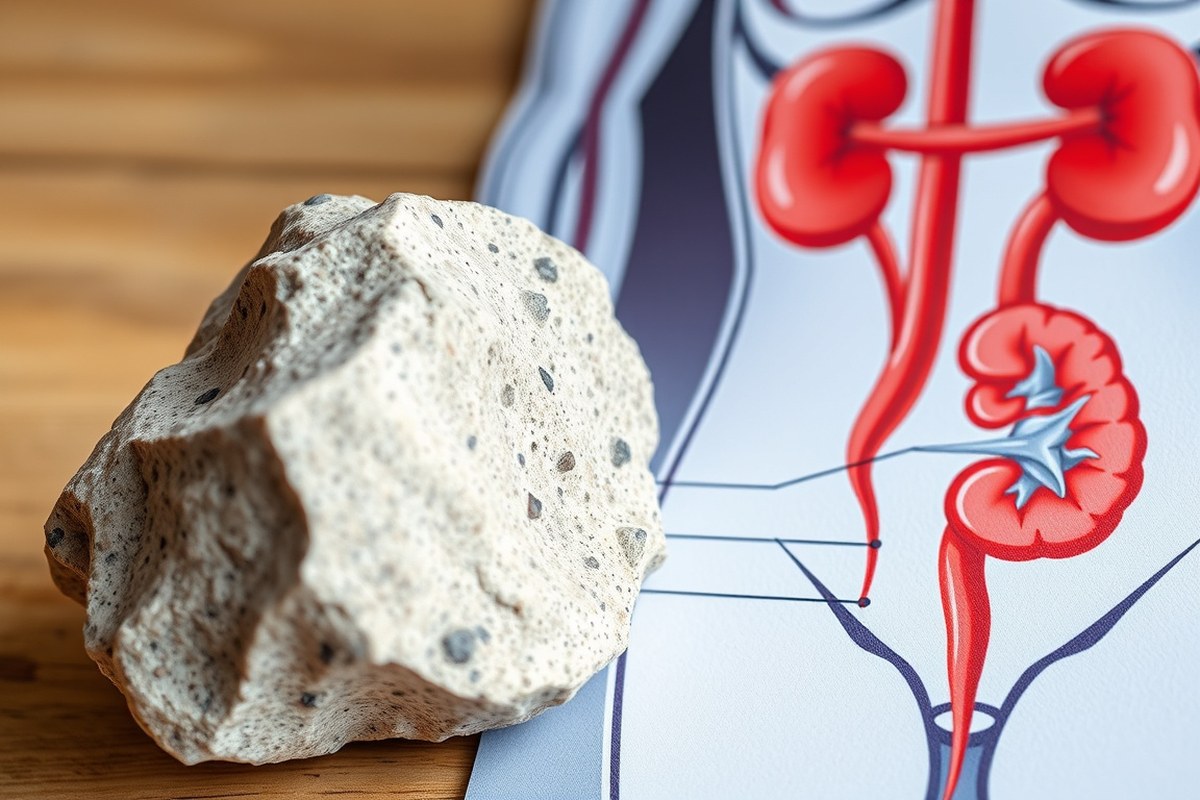
Kidney stones are hard mineral and salt deposits that form inside your kidneys. They develop when substances like calcium, oxalate, or uric acid become too concentrated in your urine, causing crystals to clump together. You may form kidney stones due to dehydration, certain diets, obesity, or medical conditions that affect urine composition. Having a family history or a previous kidney stone increases your risk, as does high calcium in your urine (a condition called hypercalciuria).
Recognizing kidney stone symptoms early can help you manage the problem effectively. You might feel sharp pain in your side or back that radiates toward your lower abdomen or groin. The pain often comes in waves, fluctuating in intensity. Other symptoms include blood in your urine, frequent urge to urinate, cloudy or foul-smelling urine, nausea, and vomiting. Mild fever or chills can signal infection and should not be ignored.
Some signs mean you need to see a doctor right away. Seek emergency care if you cannot find any comfortable position due to intense pain, have fever or chills, experience difficulty urinating, or have persistent vomiting preventing oral hydration. A kidney stone that blocks urine flow can cause serious complications if left untreated.
Doctors usually confirm kidney stones with imaging tests. A non-contrast CT scan is the most common and precise method, quickly locating stones and measuring their size. Stones smaller than 5 millimeters often pass on their own, while larger stones may require medical procedures. Your doctor may ask you to “catch” any passed stones for laboratory analysis. This helps determine the stone’s composition and guides a customized prevention or treatment plan.
Since about 80% of kidney stones pass naturally with enough fluids and time, your main task is to stay hydrated, aim for at least 2 to 3 liters of water daily to help flush the stones out. Over-the-counter NSAIDs can reduce pain while waiting. However, persistent or worsening symptoms require professional care. Treatment can range from minimally invasive procedures, like passing a wire basket to remove stones, to surgeries such as percutaneous nephrolithotomy for larger stones over 2 centimeters.
2. How to Pass Small Kidney Stones Naturally and Safely
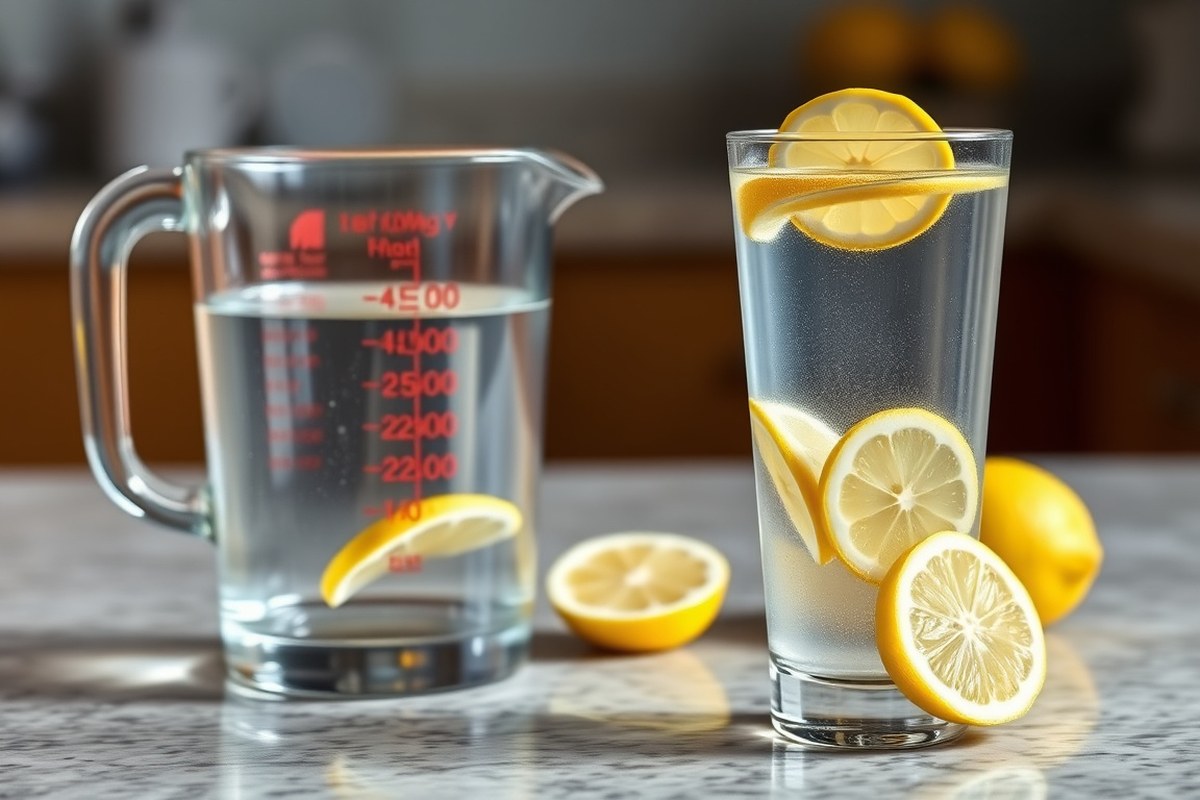
Small kidney stones, typically those less than 5 millimeters in diameter, can pass naturally through your urinary tract without medical intervention. Passing these stones may take from a few days up to several weeks, depending mainly on the stone’s size and location. Staying hydrated is the key to helping flush the stones out and reducing pain during the process.
Effective pain management alongside hydration improves your comfort while the stone is passing. Over-the-counter pain relievers such as ibuprofen, acetaminophen, or naproxen can help manage the typical cramping or sharp discomfort that occurs as the stone moves through your ureter. Applying heat to your lower back or abdomen can further ease muscle tension and pain. Here are clear steps you can take to pass small kidney stones naturally and safely:
- Drink plenty of fluids daily. Aim for at least 8 to 12 cups (about 2 liters) of water or other fluids daily to produce enough urine to flush the stone out. This keeps your urine diluted and helps move the stone faster. Fluids like coffee and tea also count toward your daily intake.
- Incorporate citrus juices. Drinking lemon, lime, or orange juice may help shrink stones or prevent them from growing because of their citric acid content. Add these juices to your water or drink them in moderation throughout the day.
- Use over-the-counter pain relievers as needed. Take ibuprofen or acetaminophen according to package directions to ease the pain. Avoid exceeding the recommended dose and consult a healthcare provider if you have other medical conditions.
- Use heat to ease discomfort. Apply a heating pad or hot water bottle to your lower back or belly for 15 to 20 minutes multiple times daily. Taking warm baths or showers can also help loosen muscles and reduce pain.
- Monitor your symptoms closely. Watch for signs that the stone is moving, such as changing pain locations or changes in urination. Passing the stone may cause discomfort but usually improves once it reaches the bladder.
- Collect the stone for analysis if possible. Use a urine strainer or filter to catch the stone once it passes. Your doctor can analyze it for proper diagnosis and prevention planning.
- Contact your doctor if pain worsens or you develop other symptoms. Severe pain, fever, chills, or blood in urine require prompt medical attention and may indicate an obstruction or infection.
Drinking enough fluids to produce about 2 liters of urine daily is critical to passing a small kidney stone safely and with less pain.
3. Natural Remedies and Dietary Tips to Dissolve and Prevent Stones
Some natural drinks and foods can help prevent kidney stones or ease their passage, but their effectiveness on dissolving existing stones varies. Lemon juice is recognized for its ability to reduce stone formation through citrate content. Apple cider vinegar (ACV) shows potential due to its acetic acid, but strong scientific support is limited. Diet adjustments and exercise play supportive roles in kidney stone management.
Lemon Juice Benefits and Dosage
Lemon juice contains citrate, a compound that binds with calcium in urine to prevent the formation and growth of calcium-based kidney stones. Studies suggest that drinking about 4 ounces of lemon juice daily, either straight or diluted with water, can help lower kidney stone risk. Consuming lemon juice in this amount increases urinary citrate, which helps stop stones from getting bigger or new ones from forming.
To use lemon juice effectively, squeeze fresh lemons into a glass of water, aiming for at least 4 ounces daily. Adding lemon to water encourages hydration, which also supports stone prevention. However, lemon juice alone won’t dissolve large existing stones, so it should be part of a broader hydration and diet strategy.
Apple Cider Vinegar and Myths
Apple cider vinegar contains acetic acid and some citric acid, which might help reduce stone size or ease passing small stones. Some studies link vinegar consumption with a reduced kidney stone risk, possibly due to these acids affecting urine chemistry. Despite this, scientific evidence supporting apple cider vinegar as a treatment to dissolve formed kidney stones remains weak.
For those who want to try ACV, a typical dose is 1 to 2 tablespoons mixed in a large glass of water daily. Drinking more might cause digestive issues or tooth enamel erosion, so it’s important to dilute it well. Use ACV as a supplement to other treatments and hydration, not a standalone cure, and check with your doctor before starting if you have concerns or digestive conditions.
Diet and Foods to Avoid
Diet plays a key role in kidney stone prevention. Avoiding high-oxalate foods such as spinach, nuts, tea, and beets can reduce the risk of calcium oxalate stones, the most common type. Limiting salt intake is also important since excess sodium increases calcium in urine, promoting stone formation.
Eating a balanced diet with adequate calcium from food (not supplements) helps bind oxalate in the gut, reducing absorption and stone risk. Staying well hydrated is critical, aim for at least 2 to 3 liters (68 to 100 ounces) of fluids daily, mostly water. Moderate intake of citrus juices like lemonade supports urinary citrate but limit sugary drinks, which can increase stone risk.
Regular exercise contributes to kidney stone prevention. Studies show that moderate aerobic activity, such as walking or gardening for 150 minutes a week, can reduce the risk by about 20%. Exercise may help regulate body chemistry and promote overall kidney health, assisting in prevention and ease of stone passage.
4. When to Seek Medical Treatment: Warning Signs and Diagnosis
You need to see a doctor immediately if you experience severe pain, fever, difficulty urinating, or bleeding. Doctors diagnose kidney stones using a combination of symptom review, imaging tests, and urine or blood samples. Knowing when to seek urgent care can prevent complications such as infections or kidney damage, making timely diagnosis essential.
Urgent Symptoms That Need Emergency Care
Severe pain in your back, side, or lower abdomen that comes on suddenly and is unbearable signals the need for urgent medical attention. Fever over 101°F (38.3°C), chills, or shaking chills alongside pain could indicate an infection linked to kidney stones. Difficulty passing urine or a complete inability to urinate requires immediate evaluation to avoid kidney damage.
Visible blood in your urine or vomiting that prevents you from taking fluids or medications also demands prompt care. These symptoms may suggest blockages or infections needing medical treatment, often beyond what home remedies can address safely. Avoid delaying an emergency visit if these signs occur.
Common Diagnostic Tests for Kidney Stones
Doctors start diagnosing kidney stones by taking a detailed history and performing a physical exam. Blood tests usually check kidney function and signs of infection or inflammation. Urinalysis helps detect blood, infection, and crystals that hint at the stone type.
Imaging tests are critical for confirming kidney stones and guiding treatment. A non-contrast helical CT scan is the most common and effective test; it provides clear images of stone size, number, and location without the need for contrast dye. Ultrasound serves as an alternative, especially in children or pregnant women, though it may miss smaller stones.
In some cases, doctors analyze passed stones to determine their chemical makeup. This information helps tailor future prevention strategies because different stones require different dietary or medical interventions. Expect to spend about 30 to 60 minutes in the clinic or hospital for these assessments, with imaging costs varying widely by location and insurance.
Signs of Complications and Infections
Kidney stones can cause complications when they block urine flow or trigger infections. Signs that complications are developing include ongoing pain despite painkillers, fever with chills, nausea, and worsening urinary symptoms such as urgency or burning.
An infection with kidney stones can lead to a serious condition called pyelonephritis or even sepsis if untreated. Watch for persistent high fever, confusion, or difficulty breathing, which require emergency care. Delay in treating these can cause permanent kidney damage or spread of infection.
People with chronic conditions like kidney disease or those who have recurrent stones should report any new or worsening symptoms promptly to their doctor. Prompt recognition and diagnosis of complications reduce risks and improve outcomes substantially.
5. Comparing Medical Treatments: Shockwave Lithotripsy, PCNL, and Ureteroscopy
There are several medical procedures to remove kidney stones when they cannot pass naturally or cause severe symptoms. Shockwave lithotripsy (SWL), percutaneous nephrolithotomy (PCNL), and ureteroscopy (URS) with laser lithotripsy are the main methods used based on stone size, location, and patient health.
Shockwave lithotripsy treats stones smaller than 2 cm by sending shock waves through your body to fragment the stones into pieces small enough to pass naturally. This procedure is minimally invasive and allows for a quick recovery, but some fragments may stay in the kidney or be too large to pass, which might need further treatment.
For stones over 2 cm or those with irregular shapes, PCNL is usually the recommended option. This less invasive surgery requires a small cut in your back to remove stones directly using a nephroscope. Recovery takes longer than with shockwave lithotripsy, and minor complications are more common. PCNL suits large stones or those occupying the kidney’s collecting area, especially when other options like SWL or URS are unsuitable.
Ureteroscopy with laser lithotripsy is used for smaller or complex stones in the ureter or kidney. A thin scope is inserted through the urethra and bladder into the ureter, where a laser breaks the stone into smaller pieces for removal. This procedure is versatile and effective but more invasive than SWL. Sometimes URS and PCNL are combined (ECIRS) to treat very large or complex stones.
Cost and recovery times vary by procedure and location. Shockwave lithotripsy is generally less expensive and has the shortest recovery, while PCNL costs more and requires careful post-operative care. Ureteroscopy usually falls between these two in cost and recovery length. Insurance coverage, hospital fees, anesthesia, and geographic factors also affect costs.
| Procedure | Ideal Stone Size | Invasiveness | Recovery Time | Success Rate | Typical Cost Range (USD) |
|---|---|---|---|---|---|
| Shockwave Lithotripsy (SWL) | Under 2 cm | Least invasive | 1-3 days | Varies; some stones do not pass | $2,000, $5,000 |
| Ureteroscopy (URS) with Laser | Small to medium, complex stones | Moderate | 3-7 days | High for carefully selected stones | $3,000, $7,000 |
| Percutaneous Nephrolithotomy (PCNL) | Greater than 2 cm | Minimally invasive surgery | 1-2 weeks | High, especially for large stones | $10,000, $20,000 |
Practical tip: Ask your doctor about the size and location of your kidney stone to understand which treatment fits your situation and what recovery to expect.
Choosing the right treatment depends on stone size, location, your medical history, and the risks you can accept. Larger stones usually require PCNL due to difficulty passing fragments from SWL or URS. Success rates for PCNL and URS with laser are generally high when done at experienced centers, but the recovery process can be longer and include managing minor complications. Costs vary widely and can influence choice, especially depending on your insurance situation. Discussing all options with a urologist will help tailor treatment to your needs.
6. Preventing Kidney Stones: Hydration, Diet, and Lifestyle Changes
Preventing kidney stones means controlling the factors that cause crystals to form in your urine. Drinking enough fluids to keep urine diluted, eating a balanced diet tailored to your stone type, and making practical lifestyle changes reduce your chances of new stones developing. Supplements like potassium citrate may also help if your healthcare provider recommends them.
Hydration Goals and Adjustments
Staying well hydrated lowers the concentration of minerals in your urine, making it harder for stones to form. You should aim to produce at least 2 to 2.5 liters (about 68 to 85 ounces) of urine daily, which usually means drinking about 3 liters (100 ounces) of fluids per day. Water is the best choice, but adding lemon juice to water can increase citrate levels, which helps prevent stones.
Hydration needs rise during hot weather, intense exercise, or illness causing sweating or fever. Adjust your intake by drinking extra fluids to replace losses and ensure your urine stays clear or light yellow. Monitoring urine color is an easy way to gauge if you need more fluids. Use this daily hydration planner template to track and adjust your intake:
- Start your day with 16 ounces (2 cups) of water.
- Drink 8 ounces (1 cup) of water every hour for the first three hours.
- Include a glass with meals and snacks, aim for 8 ounces each time.
- Add 4 to 8 ounces of lemon water (half an ounce to 1 ounce of lemon juice in water) once daily.
- Increase fluid intake by 16 to 24 ounces (2 to 3 cups) during or after physical activity or hot weather.
- Limit caffeine and alcohol since they can cause dehydration.
- Check urine color mid-morning and evening; drink water if it’s dark yellow.
- Adjust intake the next day based on urine color and thirst levels.
Dietary Strategies by Stone Type
Your diet matters differently depending on the type of kidney stones you have. Calcium oxalate stones are the most common, and consuming enough dietary calcium is important since it binds to oxalate in your gut to reduce absorption and stone risk. Avoid excessive calcium supplements though, as they could increase risk.
Limiting high-oxalate foods (spinach, rhubarb, nuts) helps if you form calcium oxalate stones. For uric acid stones, lowering intake of red meat, shellfish, and high-fructose sugars reduces urine acidity and the chance of stone formation. Citrate-rich foods like lemons or limes work for both types by increasing urinary citrate, which helps prevent crystals. Here are key dietary steps:
- Include 800 to 1,200 mg of calcium daily from dairy or fortified foods.
- Limit high-oxalate foods and avoid excessive vitamin C supplements (more than 1,000 mg daily).
- Reduce red meat and shellfish if you have uric acid stones.
- Cut back on added sugars and high-fructose syrup products.
- Drink a half cup (4 ounces) of lemon juice diluted in water daily or the juice of two lemons to boost citrate.
- Talk to your provider about potassium citrate supplements if your urine tests show low citrate levels.
Effective Lifestyle Habits
Besides fluids and diet, lifestyle factors influence stone risk. Regular physical activity helps regulate your metabolism and maintain healthy weight, which lowers stone risk. Avoid frequent dehydration and adjust fluid intake on physically active days.
Some other helpful habits include monitoring salt intake to avoid excessive sodium, which increases calcium excretion in urine, and quitting smoking if you do. Pay attention to any medications or supplements you take, as some increase stone formation risk.
- Exercise 30 minutes most days to promote metabolic health.
- Limit daily sodium intake to less than 2,300 mg (about 1 teaspoon of salt).
- Avoid dehydration by sipping fluids steadily throughout the day.
- Check with your healthcare provider about medications or supplements that may influence stone risk.
- Maintain a healthy body weight through diet and activity.
- Set reminders on your phone or use an app to keep hydrated and eat balanced meals.
7. Managing Pain and Avoiding Common Home Treatment Mistakes
Managing pain during kidney stone passage is important because the discomfort can be severe and disrupt your daily life. Over-the-counter options such as ibuprofen (Advil, Motrin) or acetaminophen (Tylenol) can effectively reduce pain. Ibuprofen, a nonsteroidal anti-inflammatory drug (NSAID), not only relieves pain but also reduces inflammation, which helps with swelling in the urinary tract caused by the stone. Take ibuprofen at a dose of 200 to 400 mg every 6 to 8 hours, not exceeding 1,200 mg per day unless advised by a healthcare provider. Avoid NSAIDs if you have kidney disease or stomach ulcers.
For easing pain naturally, applying a heating pad to your lower back or abdomen can relax muscles and ease cramping. Deep breathing exercises, meditation, and gentle yoga stretches may help reduce stress and distract from pain. Staying well hydrated is essential, aim to drink enough water to produce clear or pale yellow urine, which helps flush the stone through your urinary system. Avoid grapefruit juice since it may increase the risk of stone formation, but citrus juices like lemonade or orange juice are better choices for promoting stone passage.
Common home treatment mistakes can slow recovery or make pain worse. One frequent error is using too little water, which reduces the chance of passing the stone. Another is relying on home remedies exclusively when the stone size is too large, stones larger than 10 mm usually require medical intervention. Some people overuse pain medications and neglect warning signs of complications, such as fever or persistent vomiting, which require immediate medical attention.
- Take ibuprofen or acetaminophen as directed for pain relief.
- Use a heating pad for 20-30 minutes to ease muscle pain.
- Practice relaxation techniques, like deep breathing or meditation.
- Drink 2 to 3 liters of water daily to encourage stone passage.
- Avoid grapefruit juice during treatment; choose citrus juices instead.
- Do not ignore severe pain or symptoms like fever and seek medical care.
- Consult a healthcare provider before using home remedies if you have other health conditions.
Always monitor your symptoms carefully. If pain escalates or does not improve after a few days of home treatment, or if you notice blood in your urine or signs of infection, contact your healthcare provider promptly. Pain relief medications are for managing discomfort but cannot remove the stone itself. Using medications or hydration incorrectly can delay proper treatment, so follow instructions and adjust based on your condition. This balanced approach reduces unnecessary risks and improves your chances of passing the stone safely.
8. What to Expect During Recovery and Follow-Up Care
Recovery timelines vary depending on the kidney stone treatment you undergo. After passing small stones naturally, you might expect mild discomfort for a few days to a week, with most pain resolving as the stone exits the urinary tract. If you undergo shockwave lithotripsy, recovery usually takes one to two weeks. You may experience bruising or soreness in the treated area, and your doctor might advise drinking plenty of fluids to help flush the stone fragments. For ureteroscopy or percutaneous nephrolithotomy (PCNL), recovery can be longer, ranging from two to six weeks due to the invasiveness of these procedures. During this time, you might need pain management and follow your doctor’s instructions on activity restrictions.
The importance of follow-up care cannot be overstated. After any treatment, your healthcare provider typically schedules imaging tests, such as ultrasound or CT scans, within weeks to months to confirm all stone fragments have passed and to check for new stones. Failure to properly manage follow-up increases the risk of complications like infection, obstruction, or chronic kidney damage. Many kidney stones tend to recur; research shows recurrence rates can be as high as 50% within five years without preventive measures. Following up ensures timely intervention if stones return, reducing the likelihood of emergency situations.
Your follow-up visits provide an opportunity to assess your risk factors and adjust your prevention plan. This may involve analyzing passed stones, blood work, or urine tests to identify metabolic causes. Based on these results, your doctor could recommend lifestyle changes, medication, or dietary adjustments to lower stone formation. A typical follow-up checklist includes hydration monitoring (aiming for roughly 3 liters daily), limiting caffeine and soda to 1-2 cups per day to avoid dehydration, and ongoing symptom tracking.
Taking recovery seriously means managing pain promptly, staying well-hydrated, and gradually returning to normal activities. Restart any prescribed medications as directed and avoid heavy lifting or strenuous exercise until cleared by your doctor. Be alert to warning signs like fever, worsening pain, difficulty urinating, or blood in your urine, which require immediate medical attention. Incomplete treatment or ignoring follow-up can lead to persistent stones causing obstructions or infections, risking long-term kidney damage.
Keep all scheduled follow-up appointments and imaging tests to catch new stones early and prevent serious complications from untreated kidney stones.
Step-by-Step Action Plan to Get Rid of Kidney Stones
Follow these clear steps to manage kidney stones safely, pass small stones naturally, and prevent future issues. Monitor your symptoms closely and seek medical help if needed.
- Day 1: Identify Symptoms and Hydrate, Drink at least 2.5 to 3 liters of water to help flush your urinary system. Track pain levels and watch for symptom changes like severe pain, fever, or blood in urine, which need urgent care.
- Days 2-7: Use Natural Remedies and Dietary Adjustments, Increase intake of citrate-rich foods like lemons and reduce salt and animal protein to help dissolve small stones. Notice if pain decreases and if you begin passing small stones in urine.
- Week 2: Manage Pain Safely, Use over-the-counter pain relievers such as ibuprofen as directed, avoid harmful home remedies, and keep hydrated. Pain improvement and clearer urine suggest progress.
- Week 3: Monitor Stone Passage, Collect urine to catch passed stones and note any reduction in symptoms. Passing a stone or lessening discomfort means natural methods are working.
- Week 4: Evaluate and Seek Medical Advice, If stones have not passed or pain worsens, schedule an imaging test with your healthcare provider to assess stone size and location. Medical diagnosis guides next treatment steps.
- After Diagnosis: Discuss Medical Treatment Options, Consider shockwave lithotripsy, ureteroscopy, or PCNL based on stone size and symptoms, guided by a urologist. Improvement in symptoms after treatment confirms effectiveness.
- Ongoing: Prevent Recurrence, Maintain hydration, follow dietary recommendations, and avoid risk factors to reduce future stones. Regular follow-up with your doctor helps catch new stones early.
Frequently Asked Questions
What Medical Procedures Are Available to Get Rid of Kidney Stones?
Extracorporeal Shock Wave Lithotripsy (ESWL), ureteroscopy, and percutaneous nephrolithotomy (PCNL) are common procedures. ESWL is non-invasive, using shock waves to break stones into passable pieces, ideal for medium-sized stones.
How Do I Know If My Kidney Stone Requires Surgery?
Surgery is usually needed for larger stones causing pain, infection, or blockage. Your urologist will decide based on imaging results and symptoms to prevent complications.
Can I Treat Kidney Stones at Home Without Seeing a Doctor?
Small stones often pass naturally with fluids and pain management, but seeing a urologist ensures proper diagnosis and treatment. Avoid ignoring severe pain or inability to urinate.
What Role Does Exercise Play in Preventing Kidney Stones?
Moderate exercise can reduce kidney stone risk by nearly 20%. Aim for at least 150 minutes of activities like walking or gardening weekly for better kidney health.
How Many Treatments Does It Typically Take to Remove Kidney Stones?
Multiple treatments may be necessary because stones can be stubborn or recur. Understanding this helps manage expectations and plan follow-up care with your doctor.
What Dietary Changes Help Prevent Future Kidney Stones?
Reducing salt, limiting animal protein, and drinking plenty of water help prevent stone formation. Your doctor may tailor recommendations based on stone type for best results.
The Bottom Line
Getting rid of kidney stones involves a combination of proper hydration, pain management, and knowing when to seek medical help. Start by increasing your water intake to help flush out smaller stones before they cause complications. If pain worsens or you notice symptoms like fever or persistent nausea, contact a healthcare provider promptly for evaluation and treatment options.