
How to Get Rid of Smelly Feet Permanently: 8 Proven Steps That Work
How to get rid of smelly feet permanently involves managing both sweat and bacteria through consistent hygiene and smart choices. Using breathable shoes, moisture-wicking socks, effective foot soaks, and a foot deodorant powder that targets bacteria are essential steps. Addressing any underlying medical conditions can also help keep odor from coming back.
This information is for anyone struggling with persistent foot odor that affects daily life or confidence. You will learn proven steps to control sweat, reduce bacteria, select the right footwear, and treat odor effectively for long-lasting results.
Key Takeaways
- Use 3% hydrogen peroxide soaks once or twice daily for a few minutes to reduce odor-causing bacteria effectively.
- Clean feet thoroughly with soap and water, then dry well and apply long-lasting foot deodorant powder like On Your Toes.
- Soak feet weekly for 15, 20 minutes in warm water mixed with apple cider or white vinegar to cut bacterial growth safely.
- Choose moisture-wicking socks and breathable shoes to keep feet dry, preventing sweat and bacterial buildup that cause odor.
- Manage excessive sweating with treatments like iontophoresis, which reduces sweating by delivering mild electric currents through water.
- Avoid soaking feet if you have open wounds, and never skip thorough drying after any foot soak to prevent worsening odor.
1. How to Get Rid of Smelly Feet Permanently: A Step-by-Step Solution
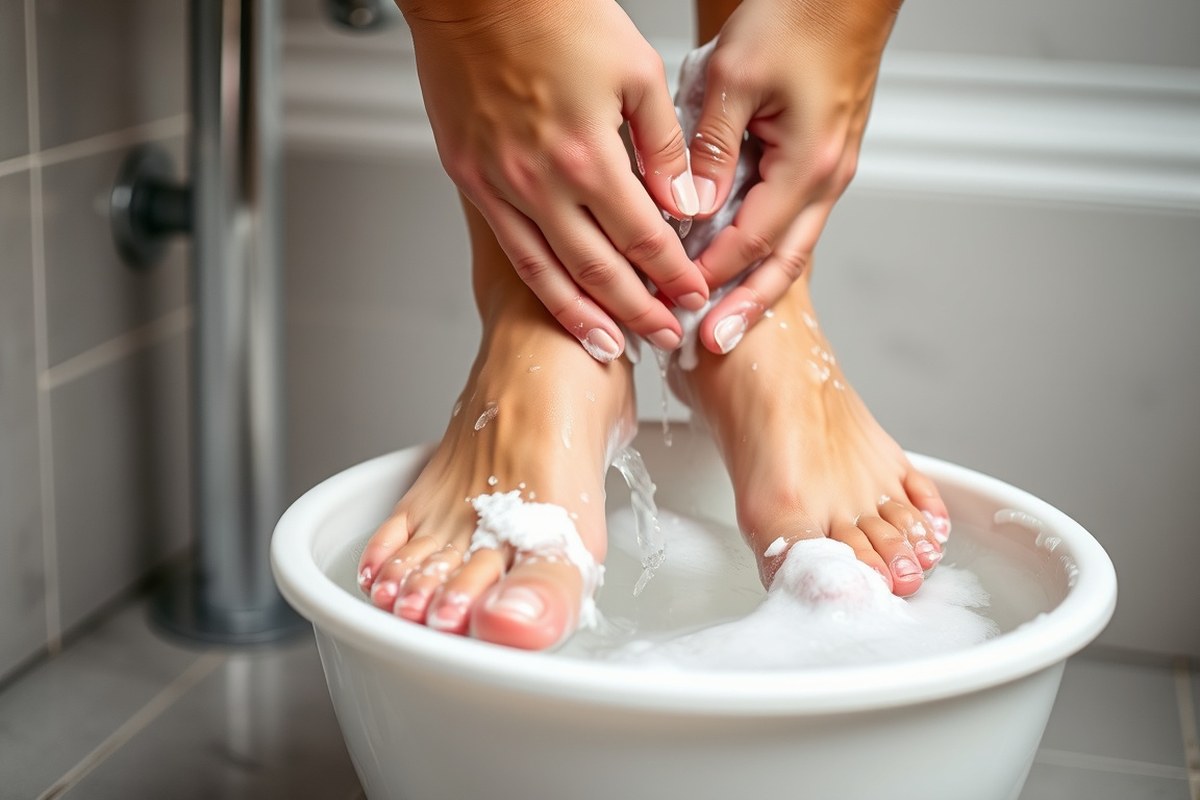
To eliminate smelly feet permanently, you need a consistent routine that combines thorough hygiene, proper footwear care, and targeted treatments. Most people begin to notice significant improvement within two to four weeks of following these steps regularly. The key is to reduce moisture and bacteria, which cause odor, and to seek medical advice if basic measures don’t work. Follow this checklist daily and weekly for the best results, adjusting based on your activity level and sweat intensity.
- Wash your feet daily. Use warm water and a gentle antibacterial soap to clean your feet every day. Scrub between toes carefully for at least 30 seconds. Dry your feet thoroughly afterward, especially between the toes, to prevent bacteria growth.
- Apply an antimicrobial powder or foot deodorant. After drying your feet, use a powder designed to reduce bacteria and absorb moisture. Look for products containing ingredients like zinc oxide or baking soda. Apply this every morning and reapply if your feet get sweaty during the day.
- Wear clean, moisture-wicking socks. Change your socks daily, or more often if you sweat heavily. Choose socks made from synthetic fibers or wool blends that wick moisture away from the skin better than cotton.
- Choose breathable, well-ventilated shoes. Select shoes made from leather or mesh materials that allow air circulation. Avoid wearing the same pair two days in a row; instead, rotate at least two pairs to allow each to dry out fully.
- Soak your feet weekly. Once or twice a week, soak your feet in warm water mixed with Epsom salts or a mild vinegar solution for 10 to 15 minutes. This helps kill odor-causing bacteria. Avoid vinegar soaks if you have cuts or open wounds.
- Maintain shoe hygiene. Regularly clean your shoes by wiping the inside or using sprays that fight bacteria and mold. Replace insoles every few months to prevent buildup of odor-causing agents.
- Consult a healthcare professional if odor persists. Persistent smelly feet may indicate an underlying condition such as fungal infections or excessive sweating. A doctor can recommend prescription creams, powders, or treatments like Botox injections to control sweating.
Adhering to this routine involves some effort and minor costs: expect to spend a few dollars weekly on powders, soaps, and socks, and about $50 to $100 quarterly for new insoles or shoes if needed. Results are usually steady and gradual, with noticeable odor reduction by week two, and permanent control between one and two months. Inconsistent care or ignoring footwear hygiene can cause the odor to return.
2. What Causes Smelly Feet and Why Your Sweat Isn’t the Only Factor
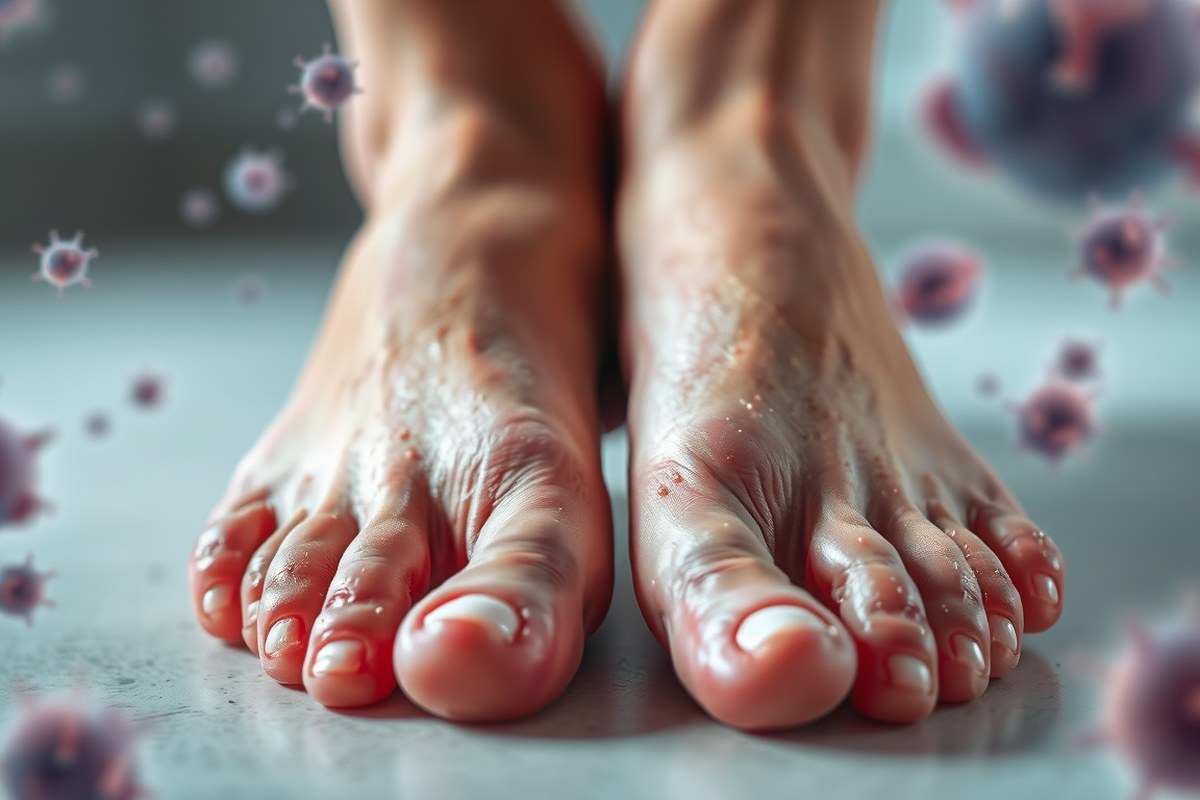
Smelly feet start with sweat, but sweat alone doesn’t cause odor. Your feet have millions of sweat glands that produce moisture to help cool the body. This sweat is mostly water and is odorless. The smell develops when bacteria on your skin break down sweat and dead skin cells, releasing sulfur compounds and other chemicals that create the familiar foot odor. The bacteria responsible include Brevibacterium, Propionibacteria, and Staphylococcus epidermidis, all feeding on the sweat and skin cells.
When sweat gets trapped in shoes and socks, especially those made from non-breathable materials, it creates a warm, moist environment. This encourages bacteria to thrive and multiply. The more bacteria break down sweat, the stronger the smell grows. Wearing shoes made with breathable fabrics like mesh, cotton, Lycra, canvas, or suede can reduce this moisture buildup by allowing air circulation, helping your feet stay drier and less hospitable to bacteria.
Besides bacteria, fungal infections can also contribute to persistent foot odor. Athlete’s foot, a common fungal infection, damages skin and causes itching, peeling, and excess moisture. This broken-down skin allows bacteria and fungi to live in deeper layers, increasing odor and the risk of infection. Using treatments like Listerine, known for its antibacterial and antifungal properties, can help clear both bacteria and fungi from your feet.
Skin condition plays a role too. Thickened or dead skin can trap sweat and bacteria. Regular exfoliation with an antibacterial soap and a washcloth in the shower helps remove this buildup, reducing the food supply for odor-causing microbes. Keeping feet clean also means thoroughly drying them afterward, especially between the toes where moisture hides. Moist skin can improve bacterial growth significantly.
People with hyperhidrosis, a medical condition of excessive sweating, have a higher risk of foot odor due to the increased moisture. This condition can be genetic or triggered by factors like stress and heat. Managing sweat production alongside bacteria control is necessary for lasting results. Even for those without hyperhidrosis, sweating a lot during activities or hot weather can increase foot odor if not managed properly.
Tip: Always dry between your toes after washing to prevent moisture buildup that encourages bacteria and fungi growth.
3. Effective Foot Soaks: What to Use, How Often, and What Works Best
Several foot soaks can help reduce smelly feet by targeting odor-causing bacteria and fungi. Vinegar, salt, and tea-based soaks offer antibacterial and antifungal effects that manage odor temporarily, while hydrogen peroxide can disinfect but carries more risk. Proper recipes and limited use are key to avoiding irritation, as no soak guarantees permanent odor elimination without other hygiene steps.
Vinegar Soak Benefits and Preparation
Vinegar soaks work because vinegar’s acidity helps kill bacteria and fungi that cause foot odor. Both apple cider vinegar and white vinegar are effective. To prepare, mix two parts warm water with one part vinegar in a basin. Soak your feet for 15 to 20 minutes daily or every other day. This acidic environment reduces microbial growth and neutralizes smell.
Overuse may dry out or irritate the skin. Avoid doing vinegar soaks more than three times a week. Also, rinse feet with plain water afterward to avoid leaving strong vinegar residue on your skin. Vinegar soaks don’t permanently eliminate foot odor but can significantly reduce odor when combined with drying and hygienic practices.
Using Salt and Tea Soaks Safely
Salt (such as Epsom salt) and black tea soaks are gentle options that reduce odor by drawing moisture away and inhibiting bacteria. Epsom salt contains magnesium sulfate, which soothes skin and helps control sweat, while tannins in black tea have antibacterial and antifungal properties.
For salt soaks, dissolve about 1/2 cup of Epsom salt in a tub of warm water. Soak feet for 20 minutes once daily or every other day. With tea soaks, brew strong black tea and let it cool, then soak feet for 15 to 20 minutes daily. Both options should be limited to a few times per week to prevent skin dryness or irritation.
Salt and tea soaks are less harsh than vinegar and hydrogen peroxide, making them suitable if your skin is sensitive. They help keep feet dry and reduce bacteria buildup, contributing to less frequent odor flare-ups.
Hydrogen Peroxide Soak Risks and Frequency
Hydrogen peroxide can kill bacteria on feet due to its oxidizing properties, potentially reducing odor. However, it is not recommended for regular foot soaks because it may damage healthy skin cells and delay healing, causing dryness and irritation.
Use a diluted solution of about 3% hydrogen peroxide mixed with water (half and half), soaking feet no longer than 5 to 10 minutes once or twice a week. Monitor skin for redness or sensitivity, and discontinue if irritation occurs. Hydrogen peroxide soaks should not replace other hygiene routines but can be a supplemental treatment in stubborn cases.
This soak is best used carefully and sparingly. Overuse may worsen skin condition, increasing odor problems rather than reducing them. The following table summarizes popular foot soaks, their preparation, recommended frequency, effectiveness, and precautions:
| Soak Type | Recipe | Frequency | Effectiveness | Precautions |
|---|---|---|---|---|
| Vinegar | 2 parts warm water, 1 part vinegar | Up to 3 times/week for 15, 20 minutes | Good antibacterial, antifungal; reduces odor temporarily | May dry/irritate skin; rinse afterward |
| Epsom Salt | 1/2 cup Epsom salt in warm water | 2, 3 times/week for 20 minutes | Draws moisture, soothes skin, controls sweating | Less harsh; avoid overuse |
| Black Tea | Strong brewed, cooled tea | Daily or every other day for 15, 20 minutes | Antibacterial, antifungal; reduces moisture and odor | Generally safe; watch for stains or allergies |
| Hydrogen Peroxide (3%) | Mixed 50/50 with water | 1, 2 times/week for 5, 10 minutes | Kills bacteria but may harm skin cells | Can cause irritation; monitor skin carefully |
Choose your soak based on skin sensitivity and odor severity. Vinegar, salt, and tea soaks are better for regular use, while hydrogen peroxide should be reserved for occasional treatment. Avoid soaking feet daily with harsh solutions, as this can worsen skin health and odor.
4. Choosing the Right Socks and Shoes to Keep Feet Dry and Odor-Free
Choosing the right socks and shoes plays a key role in keeping your feet dry and odor-free. Moisture is the main cause of smelly feet, so wearing moisture-wicking socks and breathable shoes helps minimize sweat buildup and bacterial growth. Properly rotating and disinfecting your footwear also prevents odor from settling in.
Best Sock Materials to Prevent Odor
Socks that wick moisture away from your skin reduce sweat accumulation and the bacteria that cause foot odor. Look for sock materials like merino wool or synthetic blends designed for athletic performance. These fabrics are effective at pulling moisture away and drying quickly. Avoid 100% cotton socks because they absorb moisture but don’t dry fast, leaving feet damp.
Some zinc-infused or antimicrobial socks can help reduce bacteria and even prevent infections such as pitted keratolysis, which also produce odor. Carrying an extra pair of socks and changing them during the day helps if you sweat a lot or spend long hours on your feet.
Ideal Shoe Materials and Construction
Shoes crafted from breathable materials such as leather, canvas, or mesh promote airflow and facilitate sweat evaporation. Avoid footwear primarily composed of synthetic plastics or rubber, as these tend to trap moisture and foster unpleasant smells. Shoes featuring mesh sections or ventilation holes work best in warm or humid environments.
The shoe’s interior lining matters, too. Natural fabrics or antimicrobial linings help limit bacteria buildup. Adding foot powder or cornstarch inside the shoes keeps feet dry by absorbing excess moisture throughout the day.
How to Rotate and Air Out Shoes
Wearing the same pair every day doesn’t allow moisture inside to dry out, increasing odor risk. Rotate between at least two pairs, letting each pair get 24 hours of air exposure before wearing again. Remove insoles during this time to speed drying.
After removing your shoes, loosen laces and place them in a well-ventilated spot away from direct sunlight or heat sources that might damage materials. Using a shoe dryer or stuffing shoes with crumpled newspaper can reduce moisture faster.
- Rotate shoes daily with at least 24 hours between wears
- Remove insoles and let shoes air out after use
- Store shoes in a cool, dry place away from direct heat
- Use a shoe dryer or newspaper stuffing to absorb moisture
- Sprinkle baking soda or foot powder inside shoes before wearing
- Keep extra pairs at work or gym if smelly feet is a concern
Following these steps prevents moisture buildup that leads to persistent odor.
Safe Methods to Disinfect Insoles
Insoles can trap sweat and bacteria, requiring regular cleaning to control odor. Wash removable insoles by hand with mild soap and warm water, then air dry completely before putting them back. Avoid machine washing, which can damage the insoles.
For routine disinfection, spray insoles with an antibacterial or antifungal foot spray after each use. Alternatively, sprinkle baking soda on insoles overnight to neutralize odors and absorb moisture, shaking out the powder before wearing. Replacing insoles every six to twelve months also helps maintain freshness.
5. Managing Excessive Sweating and Underlying Medical Causes of Foot Odor
Sweat itself is mostly water and salt, so it doesn’t smell bad. Foot odor happens when sweat mixes with bacteria and fungi on your skin. These microbes break down sweat and dead skin cells, releasing smelly compounds. Too much sweat creates a damp environment that makes it easier for bacteria and fungi to grow, worsening the smell.
Excessive sweating of the feet, also called palmoplantar hyperhidrosis, is a common cause of stubborn foot odor. This condition causes your feet to sweat much more than normal, even without heat or exercise triggering it. Hyperhidrosis affects approximately 1-3% of the population and may require medical treatment if over-the-counter antiperspirants and hygiene routines don’t help.
To control excessive sweating, start by applying clinical-strength antiperspirants designed for feet. Look for products with aluminum chloride, which blocks sweat glands. These usually cost $10 to $30 and should be applied to dry feet at night for best results, then washed off in the morning. Wearing moisture-wicking socks and rotating shoes to allow drying also helps reduce sweat buildup.
If foot odor persists despite good hygiene and antiperspirants, it could signal an underlying medical condition. Fungal infections like athlete’s foot cause persistent itching, redness, and odor. Diabetes and kidney disease can also alter your body chemistry, increasing sweat and odor. Finding and treating these medical issues is important; untreated infections can worsen and spread.
Consult a healthcare provider if your feet sweat uncontrollably, smell very strong despite good care, or show signs of fungal infection such as redness and peeling skin. Your doctor can confirm diagnoses and may prescribe stronger treatments, including prescription antiperspirants or medicated antifungal creams. In some cases, doctors offer treatments like Botox injections to reduce sweating. These procedures cost several hundred dollars and require several injections every few months for sustained relief.
Don’t delay seeking help if excessive sweating and odor affect your confidence or daily life. According to the American Podiatric Medical Association, smelly feet combined with uncontrolled sweating often respond well to medical treatment. Early intervention prevents complications and improves your comfort significantly.
Maintaining regular foot hygiene remains essential. Clean your feet daily with antibacterial soap, dry thoroughly, alternate shoes to let them air out, and use deodorizing powders or sprays as advised by your healthcare provider. These steps combined with medical treatment offer the best chance of managing symptoms permanently.
Consistently apply clinical-strength antiperspirant to dry feet at night for at least one month before expecting noticeable improvements in sweat and odor control.
6. Home Remedies and Topical Treatments That Actually Reduce Foot Odor
Several home remedies can reduce foot odor effectively, including the use of essential oils, foot powders, and topical antiperspirants. Each option works differently by targeting bacteria, fungi, or sweat that contribute to odor. Proper application and caution with sensitive skin will help you get the best results without irritation.
Using Essential Oils Safely and Effectively
Essential oils like tea tree and lavender have antifungal and antibacterial properties that reduce odor-causing microbes. Tea tree oil, in particular, is known for fighting fungal infections, a common cause of smelly feet. Applying these oils with care minimizes the risk of skin irritation, especially if your skin is sensitive.
Always dilute essential oils before putting them on your feet by mixing a few drops with a carrier oil such as coconut or almond oil. Test a small area first by applying the diluted oil on your inner wrist or behind your ear to check for allergic reactions.
For daily use, add 3 to 5 drops of tea tree or lavender oil to a tablespoon of carrier oil and massage your feet with this blend after washing and drying them thoroughly. Avoid applying essential oils to broken skin or open wounds.
Choosing and Applying Foot Powders
Foot powders work by absorbing sweat and reducing moisture, which limits the growth of bacteria and fungi that cause odor. Powders that contain antifungal ingredients such as talc mixed with baking soda, cornstarch, or zinc oxide are effective and readily available over the counter for about $5 to $15.
Use foot powder daily, especially if you wear closed shoes or socks for long periods. Apply it to completely dry feet before putting on socks and shoes to maintain dryness throughout the day.
- Wash and dry your feet thoroughly, focusing on the areas between toes.
- Spoon a small amount of foot powder into your palm or apply directly from the container.
- Gently rub the powder all over the soles, heels, and sides of your feet.
- Ensure the powder also reaches between the toes.
- Put on clean, dry socks immediately after application.
Be cautious if you have sensitive skin; stop using powder if irritation or redness develops. In such cases, consult a healthcare provider for alternatives.
Guidelines for Topical Antiperspirants
Topical antiperspirants for feet typically contain aluminium compounds that block sweat glands temporarily. This action reduces sweating and, in turn, limits the moisture that feeds odor-causing bacteria. Many people use antiperspirant sprays or roll-ons designed for underarms, but products made specifically for feet can be more effective and less irritating.
Apply antiperspirants to clean, dry feet for best results. Use them once daily, preferably at night, to allow the active ingredients to work overnight. Overuse can cause skin dryness or irritation.
- Wash feet with soap and water, then dry thoroughly.
- Apply a thin layer of the antiperspirant evenly over the soles and between toes.
- Allow your feet to air dry completely before putting on socks or shoes.
- Use the product once each evening before bed.
- Monitor your skin for redness or discomfort and reduce frequency if irritation occurs.
Topical antiperspirants generally cost between $7 and $20. Avoid using on cracked or damaged skin to prevent stinging or worsening irritation. If excessive foot sweating persists despite home treatment, see a healthcare provider for further options.
7. Mistakes That Make Foot Odor Worse and How to Avoid Them
Avoid soaking feet for more than 20 minutes to prevent skin damage Rotate shoes daily, giving each pair at least 24 hours to dry in open air Choose socks made from natural fibers or treated with zinc for odor control Change socks every day and anytime feet become damp Use a gentle foot lotion after washing and drying to maintain skin barrier Rotate your footwear by refraining from using the same pair two consecutive days. Store shoes away from humid areas to reduce moisture buildup
8. Adjusting Foot Odor Care for Seasonal Changes and High Activity Levels
Cold weather often requires wearing thicker socks and closed shoes for extended hours, which can hold in sweat and odors. Even if your feet produce less sweat, washing and drying them daily and changing socks frequently remain essential. Choose moisture-wicking socks made for colder climates to keep feet dry. If your shoes are slower to dry because they are made from heavier materials, consider using a shoe dryer or moisture-absorbing inserts to keep shoes fresh. Avoid wearing the same shoes two days in a row without giving them sufficient time to air out in all seasons. For athletes or anyone on their feet extensively, foot odor can become a persistent problem due to intense sweating and continuous shoe use. After exercise or activity, remove shoes and socks immediately, wash feet thoroughly, and dry completely. Use antibacterial foot sprays or powders to inhibit odor-causing bacteria. Athletic shoes should be rotated frequently, and consider using moisture-wicking insoles that you can remove and clean or replace regularly. For prolonged daily standing or walking, carry an extra pair of socks to change into when your feet start feeling damp. Change your socks at least once a day and alternate shoes daily to give them time to dry and reduce bacteria growth. Adapting your foot care routine to your environment and activity level is essential to controlling odor. Consistent hygiene and sock changes cost little but require discipline. Specialized socks and powders typically range from $5 to $15 per item, which is a small investment compared to the discomfort of persistent foot odor. Overlooking these adjustments, especially in hot weather or after physical activity, often leads to foul odor despite basic cleaning efforts.
Step-by-Step Action Plan to Permanently Get Rid of Smelly Feet
Follow this structured plan to tackle foot odor effectively by combining hygiene, footwear care, and addressing underlying causes. Track your progress by noting reductions in odor and sweat levels.
- Day 1: Start daily foot hygiene by washing feet thoroughly with antibacterial soap and drying completely. You’ll know it’s working when your feet feel clean and less damp throughout the day.
- Week 1: Introduce foot soaks using a vinegar or tea tree oil solution 3 times a week to reduce bacteria. A noticeable drop in foot odor after each soak shows success.
- Week 2: Switch to moisture-wicking socks made of natural fibers and rotate shoes daily to keep feet dry. If your feet stay drier and smell less by the end of the day, this change is effective.
- Week 3: Apply topical antiperspirants or over-the-counter foot powders every night to manage sweat and odor. Less sweating and reduced smell indicate progress.
- After 1 Month: Evaluate footwear condition and replace worn-out shoes that retain moisture. Improved comfort and reduced odor confirm this step’s impact.
- Month 2: Monitor any persistent excessive sweating or odor and consult a healthcare professional if symptoms continue. Medical treatment may be needed if odor doesn’t improve after proper care.
- Seasonal Check: Adjust your routine to increase hygiene and footwear changes during hot weather or high activity periods. Maintaining these habits prevents odor flare-ups.
Frequently Asked Questions
How Can I Tell If My Foot Odor Is Caused by a Medical Condition?
Persistent, strong foot odor despite good hygiene could signal a medical issue like hyperhidrosis or fungal infection, so consult a doctor for diagnosis and treatment options.
Can Diet Affect Foot Odor and How Should I Adjust It?
Diet can influence body odor; reducing spicy foods and increasing water intake may decrease foot odor by lowering sweat intensity.
Are There Specific Fabrics for Socks That Prevent Foot Odor Better Than Others?
Moisture-wicking fabrics like merino wool or synthetic blends reduce sweat buildup and odor better than cotton, which traps moisture.
How Often Should I Replace My Shoes to Prevent Smelly Feet?
Replace shoes every 6-12 months if worn daily to avoid odor buildup and bacterial growth from moisture retention.
Can Foot Odor Be Transferred to Other Parts of the Body?
Yes, bacteria from smelly feet can spread to hands or other skin areas if touched without washing, potentially causing odor elsewhere.
Is It Safe to Use Antifungal Powders Daily on My Feet?
Daily use of antifungal powders is generally safe but follow product instructions and consult a doctor if irritation occurs or symptoms persist.
The Bottom Line
Getting rid of smelly feet for good requires consistent care and attention to how you clean, dry, and protect your feet daily. Start today by choosing a pair of moisture-wicking socks and changing them at least once a day to keep your feet dry and prevent odor-causing bacteria from thriving. Taking this simple step sets a strong foundation for lasting freshness and comfort.




One Comment