

How to Get Rid of Split Ends: A Complete Guide with Proven Solutions
The only effective way to eliminate split ends is by trimming them off, ideally about 1/4 inch above where the split begins using sharp scissors. Getting regular haircuts removes damaged tips and helps prevent splits from extending further, keeping your hair healthier and stronger. Along with cutting, applying treatments like coconut oil and following good hair care routines can reduce damage and shield your hair from new splits.
This advice is for anyone struggling with split ends and seeking both immediate solutions and long-term prevention. You’ll learn how often to trim, which treatments and products work best, how to tailor care to your hair type, and how to avoid common mistakes. These steps will help you maintain healthier hair ends and reduce the appearance of split ends over time.
Key Takeaways
- Trim split ends every 6 to 10 weeks to permanently remove damage and maintain healthy hair length.
- Cut about ¼ inch above visible splits using sharp shears to prevent further splitting and breakage.
- Use home treatments like coconut oil to seal and protect hair, but trimming remains essential for repair.
- Prevent split ends by washing hair no more than three times a week with gentle shampoo and avoiding heat damage.
- Choose nourishing products designed for damage repair and moisture retention to strengthen and protect hair ends.
- Support hair health with a balanced diet rich in vitamins and minerals that promote stronger strands and reduce breakage.
What Are Split Ends and Why Trimming Is the Only Permanent Fix
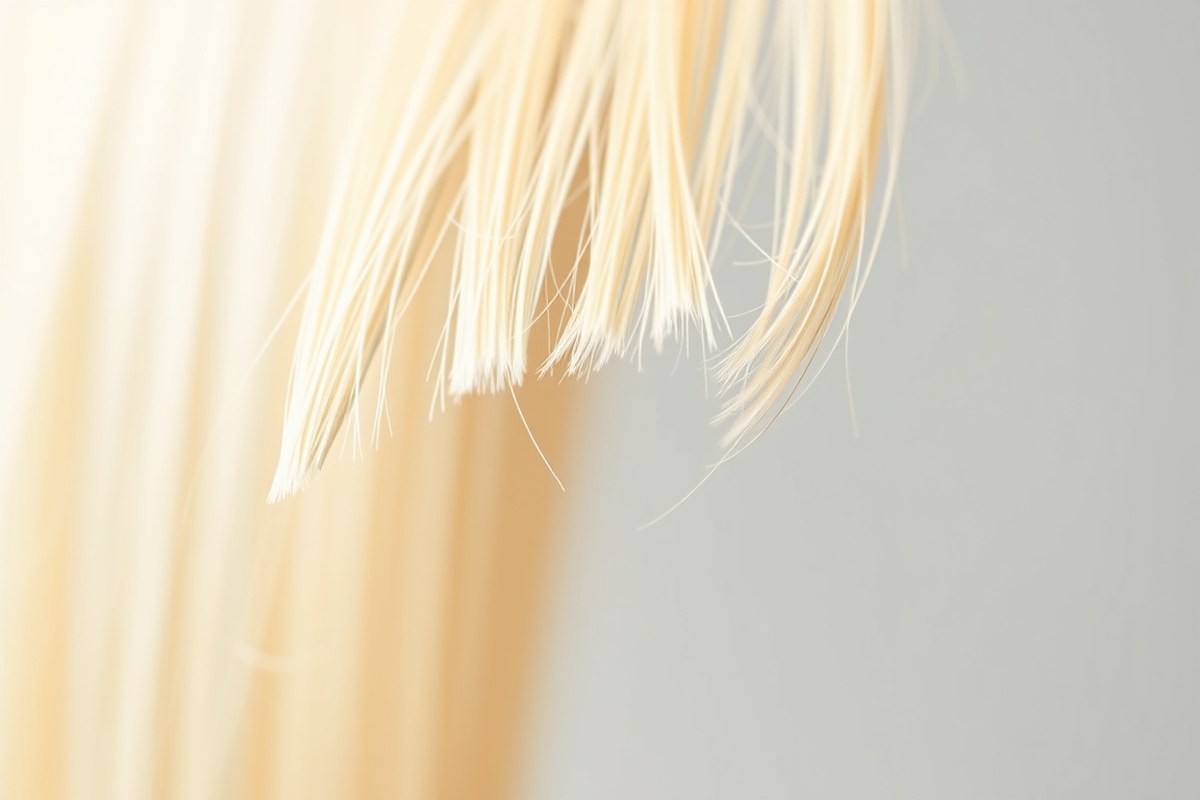
Split ends happen when the outer protective layer of the hair cuticle breaks down at the strands’ tips, causing the fibers to split into two or more sections. You can spot split ends by noticing frayed, uneven, or wispy tips instead of smooth, rounded ends. They often feel rough or dry and may cause hair to look dull or tangled. Heat styling, chemical processes, frequent washing, and physical stress from brushing or friction commonly cause them.
Once a hair strand splits, it cannot fuse back together on its own. The protein structure breaks down, and no topical treatment can reverse this damage completely. Hair repair products like conditioners and hair masks only coat the strand temporarily or fill in surface roughness but do not restore the integrity of the hair fiber itself. This limitation means that split ends are a form of permanent damage, it can be managed but never fully repaired in place.
The only permanent way to remove split ends is by trimming the damaged sections. Hairdressers recommend cutting about a 1/4 inch (6 mm) above where the split begins to ensure no weak fibers remain. Trimming stops the splits from traveling higher up your hair shaft, which would lead to more breakage and shorter hair over time. Regular trims every 8 to 10 weeks are suggested to maintain healthy ends and prevent splits from worsening.
Trimming might feel like a setback, especially if you are trying to grow your hair longer, but it prevents more serious damage that requires cutting off much longer sections later. You don’t have to go for a drastic cut; a small snip can make a big difference in hair health and appearance. When handling trimming at home, use sharp hair-cutting shears rather than regular scissors to avoid crushing or uneven cuts that can cause further damage.
For those who want to delay trimming, sealant treatments and leave-in conditioners can temporarily smooth and protect split ends, making hair feel softer and look less frizzy. However, these are short-term measures and should be combined with planned trims to keep hair healthy long term. Avoiding harsh heat styling, reducing washing frequency to about three times a week, and gentle brushing also help minimize new split ends.
Recognizing split ends involves noticing the fraying and dryness at your hair tips. Real repair isn’t possible without cutting away the damaged strands. Trimming small sections every couple of months is the proven method to maintain strong, healthy ends and avoid extensive damage that shortens hair length significantly.
How Often and How Much to Trim Split Ends for Best Results

Trimming split ends every 6 to 8 weeks works well for most hair types, balancing length retention and preventing further damage. This schedule removes damaged ends before they move up the hair shaft, which can cause more breakage. Noticing split ends earlier or having brittle hair means trimming every 4 to 6 weeks could be more effective. For slower hair growth or a desire to maintain longer length, trims every 8 to 10 weeks may be appropriate, but monitor for signs of damage closely.
The amount of hair cut depends on your hair’s condition and your goals. Cutting ¼ to ½ inch (about 0.6 to 1.3 cm) usually removes most split ends without sacrificing much length. Severe split ends might require up to a 1-inch (2.5 cm) salon trim. When preserving length is important, discuss layering techniques with your stylist to reduce bulk and split ends without major length loss.
Salon trims typically provide precise, even cuts that seal ends well and help control frizz. A professional stylist will carefully remove all damaged hair while preserving your desired shape. DIY trims can help maintain healthy ends between salon visits, particularly using the hair dusting method, which involves snipping small sections frequently to keep ends blunt and prevent split progression. Follow this checklist to manage split ends with trimming effectively:
- Schedule salon trims every 6 to 8 weeks for regular maintenance; adjust frequency based on hair health and growth rate.
- Inspect your hair ends weekly for signs of splitting and dryness to decide if an earlier trim is needed.
- Trim ¼ to ½ inch from the ends at each session; increase the cut length if damage is severe.
- Consider layered cuts if you want to reduce bulk and minimize noticeable split ends without losing length.
- Use salon services over DIY cuts for best results; if trimming at home, cut hair dry and in small sections to avoid uneven cuts.
- Between trims, use sealing serums to smooth ends and prevent splits from worsening.
- Adopt gentle hair care routines and protective styles to lengthen the time between trims by reducing damage.
Frequent trims keep ends blunt and prevent splits from advancing; skipping trims allows damage to spread, leading to more hair loss and uneven texture.
Home Remedies and Treatments That Minimize Split End Damage
Home treatments like hair masks, oils, and leave-in conditioners won’t cut split ends, but they can nourish and protect hair strands to make split ends less visible and slow down further damage. These remedies add moisture, smooth rough edges, and form a protective barrier that temporarily shields hair ends from environmental stress.
Best Oils and Masks for Split Ends
Hair oils such as coconut, argan, and jojoba oil are popular choices to help reduce the dry, frizzy appearance of split ends by sealing in moisture. Coconut oil, for example, can be used as a deep conditioning treatment by warming 1 to 2 tablespoons and applying mainly to the ends. Leave it on for 30 minutes before washing out to restore softness and shine. Avoid applying too close to roots to prevent greasiness.
Homemade masks using ingredients like avocado, honey, and olive oil can provide intensive hydration. One effective recipe combines half an avocado with 1 tablespoon of honey and 1 tablespoon of olive oil. Mix to a smooth paste, apply from mid-length to ends, and leave on for 20 to 30 minutes before rinsing thoroughly. This replenishes oils and moisture, temporarily smoothing split ends and reducing breakage risk.
Using such masks once a week can maintain hair hydration and improve the look of split ends. Consistency matters, but these treatments won’t fix split ends permanently. They work best when combined with gentle handling and regular trims.
How to Apply Leave-In Conditioners Correctly
Leave-in conditioners and serums add a protective layer to your hair, helping prevent split ends from worsening. Apply these products to towel-dried hair, focusing on the ends where damage is most common. For example, start with a dime-sized amount, spreading it evenly through the lower third of your hair.
Distribute the leave-in with your fingers or a wide-tooth comb for even coverage. Avoid applying too much near the scalp to prevent buildup and heaviness. Use daily or after every wash depending on your hair’s dryness. This routine keeps hair moisturized and smooth, making split ends less visible and less prone to splitting further.
Tips for Combining Treatments Without Overloading Hair
Balancing oils, masks, and leave-ins is key to nourishing hair without making it greasy or weighed down. Follow this simple routine for best results:
- Use deep conditioning masks once a week, ideally as a pre-wash treatment to avoid buildup.
- Apply hair oil treatments 1 to 2 times weekly, focusing on the ends and avoiding roots.
- Use leave-in conditioners daily or after each wash to maintain hydration and protection.
- Brush hair gently with a wide-tooth comb to avoid pulling and causing additional split ends.
- Minimize heat styling to prevent dryness and breakage that lead to split ends.
- Rinse hair with cool water at the end of your shower to close cuticles and lock in moisture.
Overusing any single product can cause buildup and dull your hair’s natural shine, so adjust the frequency based on how your hair feels and responds. Combining these treatments with careful hair care habits helps protect your ends and improve the overall look of your hair while you wait for trims to remove split ends fully.
How to Prevent Split Ends Through Proper Hair Care Habits
Preventing split ends involves gentle handling and protective care in daily hair routines. Washing, drying, brushing, and styling habits all impact hair health and can either reduce or increase split ends. Using heat tools carefully and with protective products also lowers the risk of damage.
Washing and Drying Without Damage
Try washing your hair only one to three times weekly, depending on your hair type, washing less frequently if you have thick curly or afro-textured hair. Concentrate shampoo on your scalp and roots since washing strands too often can strip away natural oils, leading to dryness and split ends. Avoid scrubbing harshly when shampooing and rinse well with lukewarm water to keep the hair cuticle smooth.
Towel drying by rough rubbing can cause mechanical damage to hair shafts. Instead, gently blot excess water using a soft microfiber towel or an old T-shirt. Never brush or comb hair while soaking wet, as the strands are weakest then and more likely to break or split.
Heat Styling Safely and Minimizing Use
Heat tools like flat irons, curling irons, and blow dryers can damage hair cuticles and promote split ends. Limit their use to special occasions or styles rather than daily routines. Always apply a moisturizing heat-protectant product on damp hair before styling. Focus more on the driest areas and ends where split ends start.
Maintain styling tools at or below 350°F to prevent excessive heat damage. Using a heat protection spray or serum specifically formulated with shielding ingredients helps reduce breakage. Skip heat styling completely if your hair is already dry or fragile to avoid worsening split ends.
Gentle Brushing and Combing Techniques
Use the right tools to protect hair structure. Brushes like those recommended by Sheila Stotts with flexible bristles avoid aggressive pulling. Start detangling from the ends and carefully work upward to the roots to prevent tugging that causes split ends.
- Choose wide-tooth combs for wet hair to minimize pulling.
- Brush hair gently several times daily without vigorous strokes.
- Use brushes with natural or soft bristles.
- Avoid metal combs or stiff brushes that snag hair.
- Brush only dry or slightly damp hair, never soaking wet.
Brushing too often or roughly may increase mechanical damage. Regular, gentle brushing helps distribute oils naturally and keeps hair looking smooth and healthy.
Avoiding Harmful Styling Habits
Daily styling practices can contribute to split ends if done improperly. Avoid tight hairstyles that pull on strands, such as tight ponytails or braids, which strain hair and create breakage points. Resist overusing chemical treatments like bleaching or relaxing, which weaken hair and accelerate splitting.
Use lightweight creams or serums like John Frieda’s Frizz Ease Secret Weapon Touch Up Cream on dry ends to seal and smooth. Protective products reduce friction that causes split ends during daily wear. Regular salon visits for trims combined with a careful daily routine keeps hair strong.
Choosing the Best Products to Treat and Prevent Split Ends
Good products for treating and preventing split ends generally contain ingredients that hydrate, smooth, and protect hair strands without causing buildup or damage. Look for products with natural oils like argan, jojoba, or coconut oil to moisturize dry ends. Silicone-based ingredients such as dimethicone create a protective coating, temporarily smoothing split ends and reducing frizz. Protein treatments with hydrolyzed keratin or silk amino acids can help strengthen weak strands prone to splitting. Avoid harsh sulfates and alcohols that strip moisture, worsening split ends.
Reading product labels helps you identify if they target split ends effectively. Check for moisturizing oils and silicones near the top of the ingredients list, which means they are present in higher concentrations. Steer clear of heavy alcohols, sulfates, and synthetic fragrances if your hair is fragile. Products specifically designed for damage repair or split-end sealing often perform better for these needs than regular conditioners or styling products.
| Hair Type | Recommended Product Type | Key Ingredients | Price Range (USD) | Recommended Use |
|---|---|---|---|---|
| Fine, Straight | Lightweight Leave-In Conditioner | Argan Oil, Dimethicone, Hydrolyzed Keratin | $10 – $30 | Apply sparingly to ends daily or post-wash |
| Wavy to Curly (Types 2-3) | Moisturizing Hair Cream or Oil | Coconut Oil, Shea Butter, Silk Amino Acids | $12 – $40 | Use on damp hair to seal ends and reduce frizz |
| Coily (Type 4 and 4C) | Rich Deep Conditioner or Leave-In Treatment | Jojoba Oil, Shea Butter, Hydrolyzed Keratin | $15 – $50 | Apply weekly; focus on ends and knots |
| Budget-Friendly | Basic Conditioner with Silicone | Dimethicone, Mineral Oil | $5 – $15 | Use regularly post-shampoo to smooth ends |
| High-End | Repair Serum or Split End Sealer | Advanced Polymers, Peptides, Natural Oils | $30 – $70 | Apply as a finishing step to visible damage |
Choosing the right product depends on your hair’s texture and condition as well as your budget. Fine hair benefits from lightweight formulas to avoid weighing it down. Thicker or curly hair often requires richer, more emollient products to lock in moisture. Budget options with silicones can provide quick smoothness but may not improve long-term hair strength. Premium products often include strengthening proteins or unique ingredients aimed at reducing breakage and sealing ends more effectively.
Be cautious of products claiming to fully repair split ends; they can temporarily smooth appearance but trimming remains the only permanent solution.
Nutrition and Supplements That Support Stronger Hair Ends
Your diet plays a significant role in maintaining stronger hair ends and reducing split ends. Hair strands need proper nutrients to stay resilient and less prone to damage. Consuming green vegetables regularly can supply essential vitamins and minerals, such as vitamin A, vitamin C, and iron, which help improve hair health. These nutrients support scalp health and hair shaft strength, making hair less susceptible to splitting.
Hydration also matters. Drinking 3 to 4 liters of water daily helps flush out toxins and improves the circulation of nutrients to hair follicles. Well-hydrated hair is less brittle and less likely to develop split ends. While this amount varies depending on your activity level, climate, and body size, aiming for this range supports both your overall health and hair integrity.
Supplements can fill nutritional gaps that diet alone might not cover. Biotin, a B-vitamin, is popularly taken to strengthen hair. It assists in keratin production, which forms the structure of your hair. Dosages typically range from 2,500 to 5,000 micrograms daily. Iron supplements might be necessary if you have an iron deficiency, which can cause hair thinning and damage. However, it’s essential to get tested and follow a healthcare provider’s advice before starting iron, since excess iron can be harmful.
Adding these supplements may take a few months before visible improvement occurs. Hair grows roughly half an inch per month, so strengthening the emerging hair ends will prevent future splitting when the nutrients reach hair follicles. Healthy nutrition supports prevention but does not repair existing split ends.
Certain lifestyle choices impact how well nutrition can support your hair. Environmental factors like sun exposure and pollution increase hair damage. Combining a nutritious diet with protective hair care routines creates the best results for reducing split ends. For some, professional advice on supplements and diet adjustments is beneficial, especially if hair damage is severe or linked to underlying health issues.
Making these nutrition changes could cost from affordable vitamin supplements, often $10 to $20 per month, to investing in seasonal fresh vegetables and other nutrient-rich foods. The effort involves consistent hydration and mindful eating habits. Positive results include stronger, shinier hair with fewer breaks during brushing or styling and noticeably fewer split ends over time. Poor nutrition can leave your hair dry, brittle, and more prone to splitting despite external treatments.
Tailoring Split End Care for Different Hair Types and Conditions
Caring for split ends varies widely depending on your hair type and the treatments it undergoes. Curly, straight, afro-textured, and color-treated hair each face unique challenges with split ends. Environmental factors and chemical processes also contribute to how split ends develop and what care methods will work best.
Curly vs Straight Hair Care Differences
Curly hair tends to be drier and more prone to split ends because natural oils from the scalp have a harder time traveling down the twists and bends. This dryness leads to brittleness, making the ends more susceptible to splitting. Straight hair allows oils to spread more easily, reducing the risk of dryness-related split ends but can still suffer from mechanical damage like heat styling.
For curly hair, focus on intense hydration and gentle handling. Avoid frequent heat styling and use leave-in conditioners that seal moisture. For straight hair, minimize heat damage by using heat protectants and opt for lightweight moisturizers that don’t weigh hair down. Avoiding harsh brushes and combing wet hair carefully prevents mechanical breakage on all types.
Protecting Color-Treated and Chemically Processed Hair
Coloring, bleaching, perms, and relaxers weaken hair structure by stripping natural proteins and moisture, making split ends more likely. Over-processing thins and roughens hair cuticles, so the ends split more rapidly and look frizzy or dry.
To protect chemical-treated hair, avoid overlapping chemical treatments during touch-ups. Use color-safe shampoos and conditioners designed to restore moisture and protein. Deep-conditioning treatments once a week help rebuild the hair’s integrity. Daily use of heat protectants and limiting heat styling also reduces damage.
- Schedule trims every 6 to 8 weeks to remove damaged ends
- Apply protein treatments once or twice a month to strengthen hair
- Use sulfate-free and color-safe shampoo and conditioner
- Limit bleach and peroxide use to avoid additional damage
- Use leave-in conditioners with heat protection when styling
- Opt for gentle detangling tools to avoid mechanical breakage
Regularly monitoring hair condition helps you adjust how often you treat or style chemically processed hair, as extreme dryness and brittleness are clear signs to scale back treatments.
Managing Hair Health in Various Climates
Environmental conditions greatly influence how split ends form. Dry, cold air in winter causes moisture loss, increasing brittleness and split ends. Hot, humid climates can cause swelling of hair strands, making hair more prone to friction damage and split ends, especially in curly or afro-textured hair. Afro-textured hair is naturally more fragile and prone to tangling, which worsens in arid or windy conditions.
Adjust your routine seasonally to protect your hair. In dry climates, increase deep conditioning and use oils or leave-in treatments that lock in moisture. Avoid frequent washing as it strips natural oils. In humid conditions, use smoothing serums and gentle protective styles to reduce friction and breakage.
- Use hydrating masks weekly in dry or cold seasons
- Wear hats or scarves to shield hair from sun and wind
- Choose anti-frizz, humidity-resistant styling products in wet climates
- Deep condition more often during seasonal transitions
- Protect hair overnight with silk or satin pillowcases
Changing your care routine with the seasons reduces damage and limits the development of split ends throughout the year.
Common Mistakes When Dealing with Split Ends and How to Avoid Them
Trying to fix split ends yourself often leads to common mistakes that can worsen hair damage. One of the biggest errors is picking or pulling the split ends. This might seem like a quick fix, but it actually causes more breakage and uneven strands, making hair look frizzy and unhealthy. Instead, avoid touching split ends as much as possible until you can trim them.
Another frequent mistake is trimming split ends too close or unevenly. Snipping just the split tip without regular, proper trims may disrupt your hairstyle or create noticeable unevenness. If you have a lot of split ends but want to avoid a full haircut, consider getting a professional “dusting.” This means trimming only the very ends, about 1/4 inch, to remove splits without changing your look drastically.
Heat styling is another area where many go wrong. Using high heat settings above 350°F repeatedly damages hair and encourages new split ends. To protect your hair, keep flat irons, curling wands, and blow dryers at or below 350°F. Using a heat protectant product every time you style also helps reduce damage.
Lastly, over-washing your hair can strip natural oils and leave ends brittle and prone to splitting. Washing hair every day is usually too frequent for most types. Depending on your hair’s texture, aim to shampoo no more than two to three times a week. On other days, rinse with water or use a conditioner-only wash to maintain moisture without stripping oils.
- Don’t pick or pull at split ends to avoid further breakage
- Ask a stylist for a dusting trim to manage lots of split ends without losing length
- Keep heated tools below 350°F and use heat protectant sprays
- Limit shampooing to 2, 3 times per week, adjusting for your hair type
- Regularly use moisturizing conditioners and hair masks on ends
- Avoid rough towel drying; instead, gently blot hair to prevent splitting
Don’t pick at your split ends; it causes more damage and prevents proper healing of your hair.
Following these tips helps maintain your hair’s health as you wait for regular trims. They reduce damage from heat and washing while preventing you from unintentionally causing more splits. Staying consistent with these habits keeps your ends stronger, smoother, and less prone to breaking.
Step-by-Step Action Plan to Get Rid of Split Ends
Follow these steps to trim split ends, protect your hair with home treatments, and create habits that keep your hair healthy and strong.
- Day 1: Schedule a trim to remove split ends. Cut about ½ inch or enough to remove damaged tips. You’ll know it worked when your hair feels smoother and looks less frayed.
- Immediately after trimming: Apply a deep-conditioning treatment or hair mask suited for your hair type. This helps minimize damage and restores moisture. Your hair should feel softer and less brittle the next day.
- Day 2, 7: Switch to gentle hair care products designed for split end prevention, such as sulfate-free shampoos and conditioners with protein or keratin. Hair will look shinier and be easier to manage within a week.
- Week 2: Establish a routine of weekly moisturizing treatments or leave-in conditioners to strengthen hair strands. You’ll notice reduced breakage and smoother ends after a few uses.
- Weekly ongoing: Avoid heat styling over 300°F and always use a heat protectant spray. Lower heat and protection prevent new split ends. Less frizz and fewer broken strands indicate success.
- Monthly: Trim your hair again every 6 to 8 weeks to keep split ends from returning. Regular trims maintain healthy ends and prevent split ends from traveling up the hair shaft.
- Daily: Use a wide-tooth comb on damp hair and avoid harsh towel drying. Gentle handling stops split ends caused by mechanical stress. Hair should feel less tangled and damaged during styling.
- Ongoing: Eat a balanced diet rich in protein, vitamins A, C, D, E, and omega-3 fatty acids or consider supplements if needed. Strong nutrition supports hair strength and reduces split end formation over time.
Frequently Asked Questions
Can Coconut Oil Help in Getting Rid of Split Ends?
Coconut oil can moisturize hair and reduce breakage but won’t fully remove split ends; trimming is necessary to eliminate them completely. Use it as a treatment to soften hair and protect against further damage.
What Is Velaterapia and Does It Work on Split Ends?
Velaterapia, or candle cutting, involves burning off split ends and can temporarily improve hair appearance but won’t replace regular trimming. It should be done by a professional to avoid damage.
How Can I Get Rid of Split Ends Without Cutting My Hair?
Cutting is the only way to fully remove split ends; treatments only smooth them temporarily. Focus on prevention through care and products to reduce their appearance and delay trimming.
Is It Better to Trim Split Ends Every Month or Every Few Months?
Trimming every 4 to 12 weeks depends on hair growth and condition; more frequent trims control splits better. Choose an interval that balances maintenance and hair length goals.
Can Hair Masks Repair Split Ends?
Hair masks can hydrate and protect hair but don’t repair split ends; they help minimize damage and improve overall hair quality. Regular use supports healthier hair, reducing future splits.
Does Brushing Hair Help in Preventing Split Ends?
Gentle brushing distributes natural oils and reduces tangles, helping prevent split ends. Avoid harsh brushing, especially when hair is wet, to minimize breakage.
Final Thoughts
Trimming remains the only sure way to get rid of split ends permanently, so schedule a trim to keep your hair healthy. Start by examining your hair this week and trimming off any obvious splits or seek a professional if needed. Taking that first step protects your strands and lets you build better care routines to prevent future damage. Your hair will thank you for the attention and have a fresher, stronger finish.


One Comment