

How to Get Rid of Oral Thrush: Complete Guide with Effective Treatments and Prevention
To get rid of oral thrush, antifungal treatments combined with good oral hygiene usually clear the infection in about two weeks if your immune system is strong. Home remedies like rinsing with sodium bicarbonate or using yogurt can support healing and prevent spreading but won’t replace medical treatment. Seek medical advice if symptoms persist beyond a week of treatment or if your baby under four months shows signs of oral thrush.
This information suits adults, caregivers, and anyone managing oral thrush, especially infants, elderly people, and those with diabetes, vitamin deficiencies, or weakened immunity. You’ll learn how to recognize oral thrush, understand treatment options, discover safe home remedies, and find out when to see a doctor to ensure effective recovery.
Key Takeaways
- Use antifungal gels for at least 48 hours after symptoms disappear to treat mild oral thrush effectively.
- If your oral thrush doesn’t improve after 7 days of treatment, or symptoms worsen, see a doctor promptly.
- Babies under 4 months need special care for oral thrush; antifungal gels are only suitable for those over 4 months old.
- Rinse your mouth daily with warm water mixed with salt, baking soda, or turmeric paste to support healing.
- Replace dentures regularly to prevent oral thrush, even if old dentures still fit comfortably.
- Avoid antibiotics unless necessary, since they can trigger thrush by disrupting your normal oral bacteria.
What Is Oral Thrush and How to Recognize It
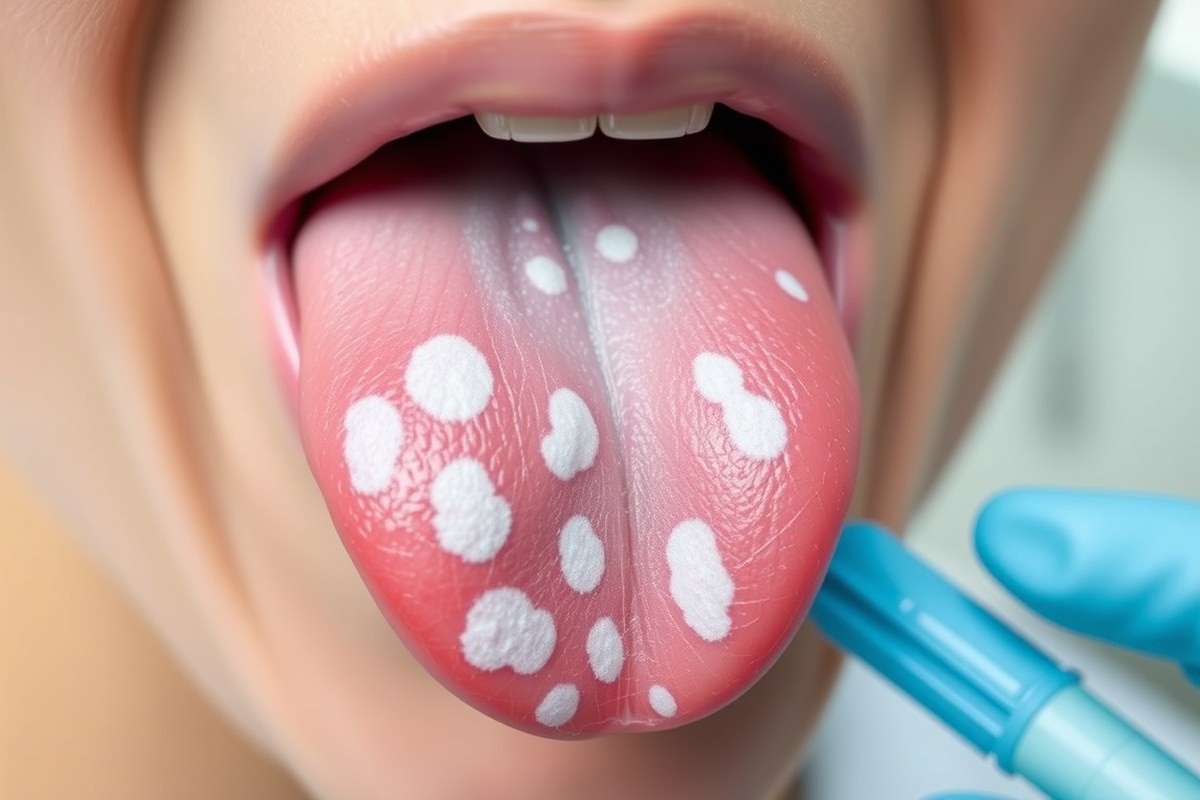
Oral thrush, or oral candidiasis, is a fungal infection in the mouth caused by an overgrowth of Candida yeast, primarily Candida albicans. This yeast normally exists in small amounts in the mouth, but when it grows excessively, it leads to the white, patchy lesions seen in thrush. Identifying oral thrush early is important because the infection can spread, causing discomfort or more severe symptoms such as nausea and heartburn if not treated.
You can spot oral thrush by checking for several common symptoms. Look for white or cream-colored patches on the tongue, inside the cheeks, roof of the mouth, and sometimes the throat. These patches may look cottage cheese-like and can be wiped away to reveal red, sometimes bleeding, surfaces underneath. Along with these patches, you may experience soreness, a burning feeling, loss of taste, or difficulty swallowing. Mild thrush can cause tenderness and slight irritation, while more severe cases lead to pain and swallowing problems.
Accurate recognition involves using a simple checklist to differentiate oral thrush from other mouth issues. First, confirm if you see white patches that linger after gentle scraping. Unlike food debris, which usually wipes off easily, thrush patches are more persistent and leave red spots underneath. Next, note any symptoms of mouth soreness, pain when eating or drinking, or a cottony feeling in the mouth. You or someone you care for, especially infants under 4 months old or older adults, displaying these signs likely has oral thrush.
Thrush symptoms vary in severity and duration depending on your immune health. In people with normal immune systems, mild oral thrush often resolves within two weeks, sometimes even without treatment if the underlying cause is removed. However, symptoms such as white patches and mouth pain should not be ignored, especially if they persist longer than a week or worsen. Monitoring symptom changes during treatment helps confirm whether the diagnosis is correct or if another condition might be causing the symptoms.
The cost and effort to recognize oral thrush are low but require careful observation. You can check the mouth daily for any changes, especially after starting antibiotics, inhaled steroids, or if you wear dentures. Early detection usually leads to prompt treatment, reducing uncomfortable symptoms and preventing spread. Noticing any of the key symptoms warrants consulting a healthcare provider for confirmation and appropriate treatment advice.
Who Is Most at Risk and What Causes Oral Thrush

Oral thrush occurs when the natural balance of Candida yeast in your mouth shifts, leading to an overgrowth. Certain factors, like immune system problems, diabetes, denture use, and some medications, can increase your chances of developing thrush. Understanding these risks is essential for preventing and managing the condition effectively.
Immune System Conditions Increasing Risk
A weakened immune system is one of the main reasons oral thrush develops. Conditions such as HIV/AIDS, cancer, or treatments like chemotherapy and organ transplants suppress your body’s ability to control Candida growth. When your immune defenses are low, the normally harmless yeast multiplies rapidly, causing infection that may spread beyond the mouth if left untreated.
Older adults and infants are especially vulnerable because their immune systems are either not fully developed or have weakened over time. Maintaining good immune health, managing underlying illnesses, and seeking prompt medical care for infections can reduce oral thrush risk. Your doctor may recommend antifungal medication as a preventive step if your immune system is compromised.
Impact of Diabetes on Oral Health
Diabetes raises the risk for oral thrush because high blood sugar levels promote Candida growth. Improve sugar in saliva creates an environment where the fungus thrives, and diabetes-related dry mouth can reduce your protection against infections. Uncontrolled diabetes also weakens your immune response, making it harder to fight the yeast overgrowth.
Managing blood sugar levels carefully through diet, medication, and regular monitoring is key to preventing oral thrush. When you notice symptoms, starting treatment early helps stop the infection from worsening. Your healthcare provider may adjust your diabetes management plan alongside antifungal treatment to ensure better control of thrush.
Role of Dentures in Thrush Development
Wearing dentures increases your risk of oral thrush because dentures can trap moisture and debris, creating an ideal place for Candida to multiply. Poorly fitted or unclean dentures can irritate your gums and disrupt the natural balance of microbes in your mouth. Bacteria and fungi can cling to denture surfaces, raising infection risk.
Proper denture care is essential. Clean your dentures daily using a denture brush and mild soap or a commercial cleaner, not toothpaste, which can be abrasive. Remove dentures overnight to allow your gums to rest and reduce yeast buildup. Rinsing your mouth and dentures with an antifungal mouthwash may also help limit fungal growth.
Always remove and clean dentures every night to reduce the risk of thrush and maintain oral health.
Medications That Promote Fungal Growth
Certain medications raise oral thrush risk by altering the natural oral environment or suppressing your immune system. Antibiotics can kill helpful bacteria that normally control Candida levels, allowing the yeast to multiply unchecked. Steroid inhalers, often used for asthma or chronic lung conditions, can leave residue that encourages fungal overgrowth if you don’t rinse your mouth after use.
Immunosuppressive drugs prescribed after organ transplants or for autoimmune diseases also dampen your immune defense, increasing the chance of thrush. When taking any of these medications, follow oral hygiene practices closely. Rinse your mouth well after steroid inhaler use and discuss preventative antifungal treatments with your doctor if you experience frequent infections.
Medical Treatments: Antifungals Explained and Compared
Antifungal medications are the primary treatment for oral thrush, available mainly as topical or oral forms. Treatment length usually ranges from 7 to 14 days, depending on severity and response. Choosing between mouthwashes, gels, lozenges, or pills depends on how widespread the infection is and any underlying health conditions.
Topical Antifungal Options
Topical antifungals work directly where the infection is in your mouth. These include mouthwashes, suspensions (liquid rinses), and lozenges. Nystatin suspension and clotrimazole lozenges are common OTC options effective against mild cases.
Antifungal mouth rinses weaken the Candida cell walls to stop the fungus from growing. You usually use these 4 times a day for about 7 to 14 days. Clove oil’s main ingredient, eugenol, has antifungal effects similar to nystatin, but you should use clove oil carefully and consult a healthcare provider before using it as a treatment.
Oral Antifungal Medications
Oral antifungals such as fluconazole and itraconazole are generally reserved for more severe or persistent oral thrush. These systemic medications work by entering your bloodstream to fight the infection throughout your body.
Fluconazole usually starts with a loading dose of 200 mg on the first day, then 100 mg daily for 7 to 14 days. Itraconazole is often used for patients with recurrent or hard-to-treat thrush and may require longer courses as directed by your healthcare provider. These oral treatments are especially important if you have an underlying condition that affects your immune system.
| Medication | Form | Typical Dosage | Duration | Prescription Required | Best For |
|---|---|---|---|---|---|
| Nystatin | Suspension (mouthwash) or lozenges | 4 times daily | 7, 14 days | Usually OTC | Mild to moderate thrush |
| Clotrimazole | Lozenges | 5 times daily | 7, 14 days | Usually OTC | Mild thrush |
| Fluconazole | Oral pills | 200 mg on day 1; then 100 mg daily | 7, 14 days | Prescription | Moderate to severe thrush |
| Itraconazole | Oral pills | Varies (as prescribed) | Variable | Prescription | Recurrent or severe cases |
Proper application of topical treatments requires swishing or holding the liquid in your mouth for at least 1 to 2 minutes before swallowing or spitting it out to let it coat the affected areas. Oral medications must be taken exactly as prescribed to prevent recurrence.
Common Side Effects to Watch For
Topical antifungals like nystatin and clotrimazole are generally well tolerated. Side effects may include mild nausea, stomach upset, or an unpleasant taste. It’s important to complete your course even if symptoms improve.
Oral antifungal pills can cause more significant side effects: headache, nausea, abdominal pain, and sometimes liver irritation. You should report any unusual symptoms to your doctor and avoid alcohol during treatment. People with liver problems or those taking other medications should consult a healthcare provider before starting oral antifungals.
OTC vs Prescription Requirements
You can usually find nystatin suspensions and clotrimazole lozenges at pharmacies without a prescription for mild oral thrush. These OTC treatments are effective when started early and used correctly for mild infections.
Moderate to severe cases, or infections persisting beyond two weeks, typically require prescription oral antifungals like fluconazole or itraconazole. Your healthcare provider decides based on your health history and infection severity. Antifungals are never substituted by antibiotics because antibiotics can worsen thrush by disrupting normal mouth bacteria.
Safe and Effective Home Remedies to Support Treatment
Several home remedies can help ease symptoms of oral thrush but won’t replace antifungal treatment prescribed by a healthcare professional. Home remedies mainly relieve discomfort and support faster healing by creating a less favorable environment for Candida, the fungus causing thrush. Some rinses reduce irritation and acidity in the mouth, while others have mild antifungal properties.
Rinsing the mouth with a warm saltwater solution can soothe soreness and help reduce inflammation. To make it, dissolve half a teaspoon of salt in 8 ounces of warm water, swish for 1-2 minutes, then spit it out. This method costs little and can be repeated several times daily. Baking soda rinses also work similarly by neutralizing mouth acids that encourage fungal growth. Mix half a teaspoon of baking soda into 8 ounces of warm water and swish twice or thrice a day. These rinses can help manage symptoms but don’t kill the yeast completely by themselves.
- Saltwater rinse: Soothes irritation and reduces inflammation; swish warm saltwater (0.5 tsp in 8 oz water) for 1-2 minutes, 2-3 times daily.
- Baking soda rinse: Neutralizes mouth acids and inhibits fungus; use same preparation as saltwater rinse, swish multiple times daily.
- Turmeric paste rinse: Mix turmeric powder with water to create a paste and dilute in warm water for mouth rinsing; has anti-inflammatory effects but limited antifungal evidence.
- Oil pulling with coconut oil: Swish 10-15 ml of coconut oil in the mouth for 10-15 minutes; natural antifungal properties, may reduce fungal load, but not a substitute for medication.
- Apple cider vinegar (ACV) rinse: Dilute 1 tablespoon ACV in 8 ounces of water and swish briefly; ACV has antifungal properties but is acidic, so use caution to avoid enamel erosion and limit use to once daily.
- Clove oil: Undiluted clove oil can irritate the oral mucosa; it’s safer to avoid or dilute greatly before use, and it should not be swallowed.
Be cautious with acidic rinses like apple cider vinegar or lemon juice. They can damage tooth enamel if used frequently or undiluted. Avoid undiluted essential oils like tea tree or clove oil inside the mouth because they may cause irritation or burns. Oil pulling with coconut oil can reduce fungal presence in the mouth as it contains lauric acid, which has antifungal effects. Swishing coconut oil daily for 10-15 minutes before spitting it out might ease symptoms but should complement, not replace, medical treatment.
Applying these home remedies along with good oral hygiene habits improves comfort and supports healing. Symptoms like white patches and soreness should gradually lessen over a few days. If symptoms persist longer than two weeks or worsen, consult a healthcare provider for proper diagnosis and treatment advice.
Diet, Oral Hygiene, and Lifestyle Changes for Faster Recovery
What you eat can impact how oral thrush progresses. Candida, the fungus responsible for thrush, thrives on sugars, so cutting back on sugary foods and drinks helps limit its growth and lowers the chance of the infection returning. Avoid sweets, soda, refined carbs, and too much alcohol while undergoing treatment. Eating probiotic-rich foods like yogurt with live cultures, kefir, or sauerkraut can help reestablish healthy bacteria in your mouth and digestive system. These foods introduce good microbes that compete with Candida, helping to prevent its overgrowth. For best effects, pick unsweetened or low-sugar probiotic options and consume a small portion daily throughout your treatment.
Probiotic supplements may also be beneficial, especially if your thrush followed antibiotic use. Antibiotics can disturb the natural oral flora, allowing Candida to grow unchecked. Discuss with your healthcare provider whether incorporating probiotics in supplement form or adjusting your antibiotic regimen will aid recovery and reduce thrush recurrence.
Maintaining good oral hygiene is key to clearing up oral thrush and stopping it from returning. Brush your teeth twice daily using fluoride toothpaste, and floss each day to remove food particles and plaque that can promote fungal growth. If you wear dentures, clean them carefully every day and take them out at night to avoid creating an environment where Candida can thrive. Using a mild antifungal or antibacterial mouth rinse as directed can also help control fungal growth, especially if you use corticosteroid inhalers. Always rinse your mouth with water after using an inhaler to reduce the chance of fungal buildup.
Smoking increases the chance of oral thrush because it weakens your immune response and changes the mouth environment to favor Candida growth. Quitting smoking helps your body fight the infection and reduces inflammation in the mouth, accelerating healing and lowering the risk of future infections. Even cutting back can improve outcomes, but quitting entirely offers the best benefits for oral health.
After inhaling corticosteroids, rinse your mouth with water immediately to help prevent fungal buildup and reduce thrush risk.
For specific situations like being elderly, diabetic, or immunocompromised, oral hygiene and diet adjustments become even more critical. Consistent brushing, flossing, and denture care combined with limiting sugar intake and adding probiotics support your immune system in controlling Candida growth. Caregivers should help monitor and assist with these routines to encourage faster recovery and reduce discomfort. For infants, using a soft cloth to gently clean the mouth and offering probiotic-rich foods if age-appropriate can help maintain balance and prevent persistent thrush.
When to See a Doctor and Red Flags to Watch For
Oral thrush usually clears up with treatment within 7 to 14 days, but without treatment, the infection can last longer and may worsen. In some cases, especially for people with weakened immune systems, untreated thrush can spread beyond the mouth to the esophagus or other organs, causing more serious health issues. You may not need urgent medical care if mild symptoms improve with home remedies or antifungal treatments. However, prompt medical attention is important if red flags appear.
Oral thrush is not considered contagious in adults through casual contact because Candida fungi normally live in the mouth. Babies can carry the infection between nursing sessions if nipples are not cleaned properly, so breastfeeding mothers should maintain nipple hygiene to reduce spread. Repeated or persistent cases in any age group warrant a doctor’s evaluation. Use this checklist to decide when to see a doctor urgently or seek routine care:
- Severe pain or discomfort that prevents eating or drinking
- White patches that bleed when gently scraped or cannot be wiped off
- Fever or signs of systemic infection
- Thrush in infants who refuse to feed or lose weight
- Symptoms last longer than 2 weeks despite home treatment
- Recurring oral thrush infections over several months
- Weakened immune system due to conditions like HIV, cancer therapy, or diabetes
Doctors diagnose oral thrush by examining your mouth and may recommend antifungal medications if your condition fits the criteria. They will also check for other conditions with similar symptoms, such as oral leukoplakia or lichen planus. Drinking enough fluids helps support recovery, especially if pain makes swallowing difficult.
For infants showing signs of oral thrush, or if you cannot safely manage the infection on your own, contact your pediatrician promptly. Your healthcare provider can guide you on medications safe for your baby’s age. For adults, persistent or worsening infections require medical advice to prevent complications and explore alternative treatments if infections recur.
Special Treatment Considerations by Age and Health Condition
Treatment for oral thrush varies depending on age and health status, as different groups require unique approaches to ensure safe and effective care. Infants, older adults, people with weakened immune systems, those with diabetes, and denture wearers all need tailored strategies to treat and prevent recurrence while avoiding common pitfalls.
Managing Oral Thrush in Infants and Young Children
Oral thrush is common in babies, especially those younger than one year, so careful treatment is essential. Using liquid nystatin remains a standard choice because it is safe and easy to dose for infants as young as 4 months. Apply the prescribed medication directly to the inside of the infant’s mouth after feeding, usually 2 to 4 times a day for 7 to 14 days, depending on instructions from the healthcare provider.
Maintaining hygiene is just as important as medication. Sterilize pacifiers, bottle nipples, and toys to reduce reinfection. Avoid sharing utensils with the baby, and clean breastfeeding nipples to prevent passing the yeast back and forth. Watch for signs of irritation or worsening symptoms and report them to a pediatrician promptly. Overusing antifungals or stopping treatment early increases the risk of relapse in young children.
Care Guidelines for Elderly and Denture Users
For older adults, especially denture wearers, oral thrush treatment must focus not only on antifungal medication but also on denture hygiene. Remove dentures at night to allow the mouth to recover and brush them thoroughly daily with a denture cleaner. Soaking dentures in antimicrobial solutions can reduce Candida buildup, lowering the chances of reinfection.
Older individuals may have dry mouth or other conditions that favor yeast growth, so addressing these underlying factors helps treatment succeed. Regularly rinsing the mouth, staying hydrated, and practicing consistent oral hygiene, including brushing the tongue gently, can reduce thrush risk. Antifungal gels or rinses prescribed for elderly patients typically require application twice daily for 7 to 14 days. Avoid skipping doses, which can delay recovery or lead to persistent infection.
Adjusting Treatment for Immunocompromised Patients
People with weakened immune systems, such as those undergoing chemotherapy or living with HIV, may experience more severe or persistent thrush. Treatment plans often require prolonged antifungal therapy beyond the standard 7 to 14 days and close monitoring by a healthcare professional. Oral rinses or systemic medications might be necessary depending on the infection’s severity and response to initial therapy.
Because the immune system struggles to control Candida growth, preventing reinfection becomes critical. Hygiene habits should include thorough cleaning of all oral appliances, avoiding mouthwashes containing alcohol that can irritate mucosa, and working closely with healthcare providers to adjust medications or treat underlying conditions. Immunocompromised individuals should never self-treat without medical supervision to avoid complications or resistance buildup.
Preventing Relapse: What Not to Do
Stopping antifungal treatment early or failing to maintain proper oral hygiene are the most common mistakes that lead to thrush relapse across all groups. Do not skip medication doses or discontinue use when symptoms improve; finishing the full course is essential to fully eradicate Candida overgrowth. Patients with diabetes must keep blood sugar levels well-controlled, as improve glucose promotes yeast growth and impairs healing.
Sharing oral devices or failing to clean dentures regularly also contribute to repeated infections. Avoid alcohol-based mouthwashes and harsh oral care products that can disrupt natural oral flora. For infants, neglecting to sterilize feeding equipment or allowing constant pacifier use without cleaning increases thrush risk. Following specific care instructions for your age and health condition improves treatment success and lowers chances of recurrence.
Tracking Treatment Progress and Avoiding Common Mistakes
You should see your oral thrush symptoms start to improve within 3 to 5 days of beginning treatment. Most people notice less redness, fewer white patches, and less discomfort in the mouth during this time. However, complete healing usually takes about 1 to 2 weeks. Continuing treatment for at least 48 hours after symptoms disappear helps stop the infection from coming back.
Stopping medication too soon is a common mistake that leads to relapse. Even if you feel better, keep using antifungals like nystatin or miconazole exactly as prescribed. Missing doses or reducing the treatment duration can allow the fungus to regrow. If you wear dentures, clean them thoroughly every day and remove them at night to avoid reinfection. Watch out for these common treatment errors, which can delay recovery or cause repeated infections:
- Stopping antifungal medicine as soon as symptoms improve
- Not maintaining good oral hygiene or keeping dentures clean
- Using steroid inhalers without rinsing your mouth afterwards
- Ignoring worsening symptoms beyond 7 days of treatment
- Not informing your doctor about underlying conditions like diabetes
- Failing to avoid sugar-heavy diets that feed the fungus
Consult your healthcare provider if symptoms haven’t improved within 7 days, or if they worsen at any point. Your provider might need to adjust your treatment, check for other causes, or test for resistance. For lasting recovery, follow a careful oral care routine: brush teeth twice daily, clean dentures properly, and avoid excessive mouth rinses with antiseptics that harm healthy bacteria.
Always complete the full antifungal treatment course to reduce the risk of thrush returning, even if symptoms disappear early.
Step-by-Step Action Plan to Get Rid of Oral Thrush
Follow this action plan to identify, treat, and prevent oral thrush effectively. Each step guides you on what to do and signs that your efforts are working.
- Before You Start: Check for white patches, soreness, or redness in your mouth to confirm oral thrush symptoms. Knowing these signs helps you take swift action.
- Day 1: Begin antifungal treatment prescribed by your healthcare provider or recommended over-the-counter options. Improvement in pain or patch size after 3 days indicates the treatment is working.
- Day 1 to 7: Use safe home remedies such as rinsing with a diluted saltwater solution and maintaining good oral hygiene by brushing gently twice daily. You’ll notice less irritation and cleaner mouth surfaces within a week.
- Week 1: Adjust your diet to limit sugar and yeast-containing foods, which can worsen thrush. Reduced white patches or discomfort shows your diet change is helping.
- Week 2: Track your symptoms daily, noting any reductions in patches, soreness, or difficulty swallowing. Stable or improved symptoms confirm treatment success.
- After 2 weeks: If symptoms persist or worsen, see your doctor to reevaluate treatment. Early medical reassessment prevents complications.
- Ongoing: Practice good oral hygiene, clean dentures thoroughly, and manage health conditions like diabetes to prevent recurrence. Absence of new symptoms over several months shows prevention is effective.
Frequently Asked Questions
What Kills Oral Thrush Fast?
Antifungal medications like nystatin or fluconazole work best to kill oral thrush quickly. Using these as prescribed by your doctor usually leads to noticeable improvement within a few days.
What Triggers Mouth Thrush?
Mouth thrush can be triggered by antibiotics, a weakened immune system, diabetes, or wearing dentures. These factors disrupt your mouth’s natural balance, allowing Candida to overgrow.
Will Oral Thrush Go Away on Its Own?
Oral thrush can go away on its own once the triggering cause is removed, especially if your immune system is healthy. However, treatment speeds recovery and reduces discomfort.
What Mouthwash Kills Thrush?
Antifungal mouthwashes containing chlorhexidine or nystatin are effective against thrush. Regular use as recommended helps clear the infection and prevent spreading.
Can Oral Thrush Spread to Other Body Parts?
Yes, oral thrush can spread to the throat or esophagus if untreated, especially if your immune system is weak. Early treatment helps prevent this.
Is Oral Thrush Contagious to Others?
Oral thrush is generally not contagious since Candida is a natural mouth fungus. It usually only causes infection if your own oral environment changes.
Key Points to Remember
Getting rid of oral thrush requires a combination of proper medical treatment, consistent oral hygiene, and attention to your diet and lifestyle. You can start today by gently cleaning your mouth with a soft toothbrush and rinsing with a saltwater solution to reduce discomfort and support healing. Keep track of any changes in your symptoms and consult your healthcare provider if you notice worsening signs or no improvement within a week.





One Comment