
How to Get Rid of Tinnitus: 8 Proven Methods That Work for Relief
Treating tinnitus primarily involves pinpointing its root cause and using established methods like sound therapy, hearing aids, changes to daily habits, and behavioral strategies. Relief often comes from combining several techniques, such as wearing hearing aids, engaging in relaxation exercises, or supplementing with nutrients like zinc. Many individuals notice improvement by avoiding known triggers and consulting healthcare professionals when necessary.
This article is for anyone experiencing ringing, buzzing, or hissing in their ears who wants effective relief options. You will learn about the causes of tinnitus, the best devices for sound therapy, when hearing aids help, natural remedies supported by research, lifestyle adjustments, and when to consult a specialist for more advanced treatment.
Key Takeaways
- Tinnitus affects about 15% of people, often linked to hearing loss, and requires tailored approaches based on its cause and severity.
- Sound therapy with devices used 30, 90 minutes daily can relieve tinnitus, especially if done consistently for 6 to 18 months.
- Hearing aids reduce tinnitus symptoms for roughly 60% of users, particularly when hearing loss is also present.
- Zinc supplements of 50 mg daily for two months may improve tinnitus in some cases, but follow product instructions carefully.
- Behavioral therapies like cognitive behavioral therapy and relaxation techniques, including yoga once weekly, show benefits for many patients.
- Avoiding loud noises and other triggers is important to preventing tinnitus flare-ups and decreasing symptom severity.
1. Understanding What Tinnitus Is and Why It Happens

Tinnitus refers to the perception of noise or ringing in the ears without an external sound source. It affects approximately 10 to 25% of adults, making it a common concern. The sounds can vary, including ringing, buzzing, hissing, clicking, or roaring, and often differ in volume and pitch from person to person.
There are two main types of tinnitus: subjective and objective. Subjective tinnitus is by far the most common type, experienced only by the affected individual. Objective tinnitus is rare, accounting for less than 5% of cases, and can sometimes be heard by a clinician through special equipment. Most cases of tinnitus involve subjective symptoms linked to auditory or neurological dysfunction.
Tinnitus is not a standalone condition but a symptom of underlying causes. It frequently occurs alongside hearing loss, with about 80% of people having tinnitus also suffering some degree of hearing impairment. Common causes include exposure to loud noises, which damage the inner ear structures. This explains why tinnitus is the most reported service-related disability among veterans exposed to gunfire, explosions, or loud machinery.
Factors like blood vessel issues, including high blood pressure and atherosclerosis, can disrupt blood flow to the ear and contribute to tinnitus. Conditions such as Meniere’s disease, TMJ disorders, injuries to the head or neck, benign growths, and low thyroid function may trigger or worsen tinnitus symptoms. Over 200 medications, such as aspirin, NSAIDs, specific antibiotics, diuretics, antimalarials, and antidepressants, are known to cause or increase tinnitus severity.
Diagnosing tinnitus starts with a detailed medical history and physical exam, focusing on ear health, noise exposure, and medication use. A hearing test (audiogram) is also standard to identify hearing loss. Objective tinnitus diagnosis, if suspected, may involve specialized tests like Doppler ultrasound to detect vascular issues. Subjective tinnitus diagnosis relies mostly on your description of the sounds and their impact since the noise isn’t always measurable by external means.
A checklist to understand if you likely have tinnitus includes: a persistent or recurring perception of sound without an external source; differing sound types (ringing, buzzing, hissing); recent exposure to loud noise or head injuries; current use of medications known to cause tinnitus; and any accompanying hearing loss. If these apply, seeing a healthcare provider for evaluation is appropriate to identify causes and explore management options.
Recognizing tinnitus as a symptom helps target treatments effectively. Avoiding known risk factors like loud noises, certain medications, and stimulants such as caffeine, alcohol, and nicotine can reduce risk or severity. In some cases, careful evaluation for underlying health issues is essential for appropriate treatment and relief.
2. How Sound Therapy Helps and Which Devices Work Best
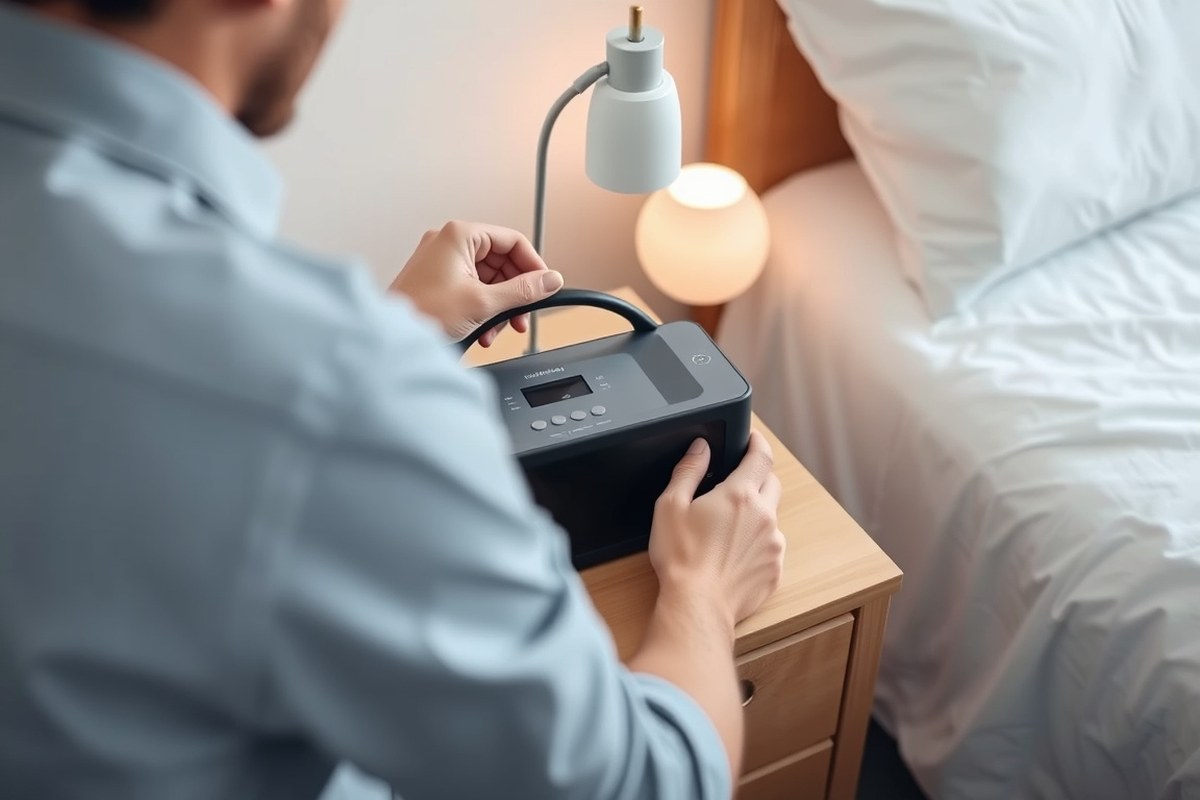
Sound therapy reduces tinnitus by adding gentle external noise that helps your brain adjust and focus less on internal ringing or buzzing. Devices range from simple sound-masking machines that drown out tinnitus temporarily to customized sound generators that produce tailored sounds designed to promote long-term relief. These tools work best with consistent use and proper adjustment to your tinnitus level and preferences.
Types of Sound Therapy Devices
Sound-masking devices create a background noise aimed at covering the tinnitus sound while in use. They produce sounds like white noise, static, or natural sounds such as rainfall or ocean waves. These devices can be tabletop machines for room use or small in-ear devices worn throughout the day. Their primary benefit is immediate reduction of tinnitus awareness during operation.
Customized sound machines, including medical-grade devices, generate sounds specifically tuned to your tinnitus frequency. This personalization can improve the brain’s ability to habituate to tinnitus, making it less bothersome over time. Tinnitus Retraining Therapy (TRT) pairs these sounds with counseling to retrain your brain both emotionally and physiologically.
Some hearing aids include sound therapy programs combining amplification with soothing sounds to reduce tinnitus perception. While cognitive behavioral therapy (CBT) doesn’t remove tinnitus, it often works alongside sound therapy to lessen distress and improve coping.
How to Use Sound Therapy Safely
Effective sound therapy depends on proper fitting, sound choice, volume control, and consistent use. Start at a volume that blends your tinnitus with the external sound without causing discomfort or hearing strain. Experiment with the “mixing point” where external noise neither overpowers nor underwhelms your tinnitus, allowing gradual brain adjustment.
Before beginning, get an assessment by an audiologist or tinnitus specialist to select appropriate devices and sounds tailored to your tinnitus characteristics. Follow manufacturer instructions closely to avoid excessive volume or prolonged, unmonitored use that could worsen hearing issues.
- Consult a hearing professional for an evaluation and recommendations on sound therapy options.
- Choose a sound-masking or customized sound device based on your tinnitus intensity and lifestyle.
- Set the device volume to a level that mixes but does not overwhelm your tinnitus sound.
- Use the device during quiet periods, such as when trying to fall asleep or during stressful times.
- Practice gradual exposure by increasing device use each day to build tolerance.
- Combine sound therapy with counseling or behavioral strategies if recommended.
- Monitor changes and side effects, adjusting usage as needed under professional guidance.
- Replace or update sounds periodically to maintain effectiveness against habituation.
Always keep volume at a comfortable level to avoid noisy environments that could damage hearing further.
Expected Timelines for Improvement
Results from sound therapy may vary but typically require weeks to months of regular use. Immediate relief can occur with masking devices, especially during use, but lasting benefits need habituation and brain retraining.
For customized sound machines paired with counseling, progress usually unfolds over 6 to 12 months. This gradual desensitization helps your brain classify tinnitus sounds as neutral, reducing reaction and emotional distress.
Consistency is important; irregular or brief use often yields little improvement. Expect to adjust devices and therapy plans periodically based on symptom changes and feedback from your hearing professional.
3. When and How Hearing Aids Can Reduce Tinnitus Symptoms
Hearing aids can reduce tinnitus symptoms, especially if your tinnitus is linked to hearing loss. To decide if you need hearing aids, consider whether you have measurable hearing loss or notice difficulty understanding speech, especially in noisy environments. Hearing aids vary in price, typically ranging from $1,000 to $4,000 per device, depending on technology and fitting services.
Why Hearing Loss Affects Tinnitus
Tinnitus often results from damage to the inner ear or auditory pathways, commonly associated with age-related or noise-induced hearing loss. Hearing loss reduces the sound input your brain receives, causing it to increase the sensitivity of auditory neurons, which can create or worsen tinnitus sounds. Research shows that every 1-decibel loss in hearing raises the risk of tinnitus by 6 percent in older adults, indicating a strong link between hearing degeneration and tinnitus.
Using hearing aids restores some of the lost sound signals, which can reduce the brain’s need to compensate with tinnitus noises. This partial return of sound input often decreases the perceived loudness and annoyance of tinnitus. Untreated hearing loss may allow tinnitus to worsen, as the brain continues adjusting to poorer hearing. Early intervention, even with mild hearing loss, can help control tinnitus symptoms before they intensify.
Choosing the Right Hearing Aid
Work closely with an audiologist to find a hearing aid tailored to your specific hearing loss and tinnitus needs. Many modern hearing aids come with built-in tinnitus management features, such as sound masking or noise generators, designed to reduce tinnitus perception. A proper fit and adjustment period are essential; poorly fitted aids can increase discomfort and fail to provide tinnitus relief.
Your audiologist will conduct a hearing test to determine your loss and discuss your tinnitus symptoms. If you have normal hearing thresholds but significant tinnitus, hearing aids might not be the best option. Instead, other therapies could be recommended. A good quality set of hearing aids, correctly fitted, can reduce or even stop tinnitus linked to hearing loss, providing dual benefits of better hearing and symptom relief.
Financial Considerations and Insurance
The cost of hearing aids varies widely, generally between $1,000 and $4,000 per ear, influenced by technology level, brand, and included support services like follow-up care, programming, and adjustments. Prices may be higher in audiology clinics with extensive support programs. Some insurance plans, especially Medicare, do not cover hearing aids, but certain private insurers might offer partial coverage or discounts through employee benefit programs.
Veterans and people with qualifying disabilities may receive hearing aids at little or no cost through government programs. It’s recommended to check with your audiologist about payment options, warranties, and trial periods. The upfront cost can be significant, but many find the improvement in tinnitus symptoms and hearing quality justifies the investment. Regular follow-up appointments help ensure the hearing aids continue to meet your hearing and tinnitus management needs over time.
4. Natural Remedies, Supplements, and What Science Says
Natural remedies and supplements like zinc, vitamin B12, ginkgo biloba, and magnesium are commonly used to try to relieve tinnitus symptoms. Scientific evidence does not strongly support their effectiveness for typical tinnitus, but some people may find mild improvements. Choosing to try supplements requires consistent use for at least several weeks to months, along with careful attention to safe dosage and potential interactions with other medications.
Popular Supplements for Tinnitus
Zinc is one of the most studied supplements for tinnitus. Some research shows people taking about 50 milligrams daily for two months experienced mild symptom improvement. Vitamin B12 is sometimes used because a deficiency can contribute to nerve issues, but it only helps if you are deficient. Ginkgo biloba is widely used due to its believed ability to improve blood flow to the brain. Typical doses range from 120 to 240 milligrams daily, often split into two doses. Magnesium and CoQ10 are also popular for supporting nerve and vascular health, although their effects on tinnitus remain unclear. Acai and ginseng have been researched less but are included in some herbal blends targeting tinnitus relief.
Some people try combinations of these supplements in multivitamin or herbal formulas that contain zinc, ginkgo biloba, and B12 together. These may support overall wellness, but their direct impact on tinnitus lacks conclusive proof. It’s important to remember that no supplement currently offers a guaranteed cure for this condition.
Evaluating Scientific Evidence
Reviews published in 2022 and earlier show inconsistent or weak evidence that ginkgo biloba, zinc, or high-dose vitamins significantly improve tinnitus symptoms. Many studies have small sample sizes and varied dosing, making it difficult to draw firm conclusions. For example, while one study reported that ginseng at 3,000 milligrams daily reduced tinnitus severity more than ginkgo biloba, this result requires further validation.
Melatonin has shown some promise for tinnitus patients struggling with sleep, with 3 milligrams taken nightly providing relief in specific cases, especially men without depression and those experiencing tinnitus in both ears. However, melatonin does not treat tinnitus itself but may improve quality of life by aiding sleep. Mindfulness meditation and relaxation show better evidence for reducing tinnitus distress compared to supplements. Experts agree more rigorous trials are needed to confirm benefits and safety of any natural remedy for tinnitus.
Safe Dosages and Usage Tips
Before starting any supplement, consult your healthcare provider to rule out interactions, especially if you take blood thinners, antidepressants, or other medications. Zinc doses around 50 milligrams daily are common in tinnitus studies but avoid exceeding 40 milligrams long-term without medical advice, due to risks such as copper deficiency. Ginkgo biloba supplements typically provide 120 to 240 milligrams per day; divide doses with meals to reduce stomach upset. Magnesium doses vary; many take 200 to 400 milligrams daily, but high doses may cause diarrhea or cramping.
Supplements usually require at least 6 to 8 weeks of daily use before assessing any symptom improvement. Document your tinnitus severity and any changes during this period to evaluate effectiveness. Stop use if you experience side effects like headaches, digestive upset, or allergic reactions. Do not rely on supplements alone; integrate them with medical management and lifestyle adjustments. Generally, supplements cost between $10 and $30 per month depending on brand and formulation.
5. Behavioral Therapies and Relaxation Techniques That Work
Cognitive behavioral therapy (CBT) helps you change how you react to tinnitus by addressing negative thoughts and reducing anxiety related to the noise. Instead of trying to eliminate the ringing or buzzing, CBT teaches you coping skills and relaxation techniques to lower the emotional impact. Sessions usually involve a trained therapist guiding you to recognize unhelpful thinking patterns and replace them with more constructive responses. This process can take several weeks or months, often costing between $100 and $250 per session, though some clinics offer sliding scales or insurance coverage.
Mindfulness meditation focuses on fully experiencing the present moment without judgment, which can ease stress and reduce tinnitus distress. It works by directing your attention away from the tinnitus sounds towards a calm, neutral focus such as your breath or bodily sensations. A mindfulness program tailored to tinnitus, like Mindfulness Based Tinnitus Stress Reduction, includes guided breathing, gentle yoga, and meditation exercises practiced daily for 20 to 30 minutes.
Relaxation techniques, including deep breathing and progressive muscle relaxation, lower tension in the head and neck, improving blood flow and calming the nervous system. Using these methods regularly supports your brain’s ability to filter out tinnitus noise and reduces anxiety that can worsen symptoms. Try setting aside time once or twice daily for relaxation routines that last at least 10 to 15 minutes.
- Start CBT with a licensed therapist experienced in tinnitus management
- Practice mindfulness meditation daily for 20 minutes using guided audio or apps
- Use deep breathing exercises: inhale slowly for 4 seconds, hold 7 seconds, exhale 8 seconds
- Incorporate gentle neck stretches and light yoga to reduce muscle tension
- Create a quiet, comfortable space free from distractions for meditation and relaxation
Set realistic goals; behavioral therapies help you manage tinnitus distress, not stop the sound itself.
Here is a simple sample script for a mindfulness meditation session focused on tinnitus:
- Sit comfortably with your eyes closed and focus on your natural breath.
- Notice the sensations of breathing, air flowing in and out of your nostrils.
- When tinnitus sounds appear, acknowledge them without judgment, then gently return focus to your breath.
- If your mind wanders, calmly bring attention back to breathing.
- Continue for 15-20 minutes, then slowly open your eyes and notice how you feel.
Consistent practice of these therapies usually leads to reduced anxiety, improved mood, and less awareness of the tinnitus over time. Missing sessions or skipping daily exercises can slow progress. Sometimes, tinnitus symptoms remain constant, but the distress they cause becomes manageable. Combining these behavioral strategies with sound therapy and lifestyle changes often delivers the best results for long-term relief.
6. Lifestyle Changes to Avoid Triggers and Reduce Symptoms
Reducing tinnitus symptoms often starts with lifestyle changes that minimize common triggers. Loud noises can worsen tinnitus, so protecting your ears by wearing earplugs or avoiding noisy environments helps prevent symptom intensification. Managing stress is equally important, as anxiety and tension may increase how much you notice the ringing or buzzing. Relaxation techniques like yoga, practiced just once a week for three months, have shown improvement in chronic tinnitus cases. Oils such as lavender, rosemary, or chamomile used in aromatherapy may help reduce anxiety and improve sleep quality, indirectly easing tinnitus awareness.
Diet also affects tinnitus. Salty foods can raise blood pressure, which might worsen symptoms, so limiting salt intake is advisable. Staying hydrated and maintaining a balanced diet supports overall ear health. Some medications trigger or worsen tinnitus; reviewing your medicines with a healthcare provider can identify potential culprits. Not all medication changes are simple, so this should be done under professional guidance.
- Use ear protection in loud settings to avoid noise-induced worsening
- Practice stress reduction methods like deep breathing, meditation, or yoga regularly
- Avoid salty and processed foods to help keep blood pressure in check
- Maintain adequate hydration, aiming for about 64 ounces (8 cups) of water daily
- Consult your healthcare provider about any medications that might contribute to tinnitus
- Use calming essential oils such as lavender or chamomile before bedtime
Changing how you respond to tinnitus is another important step. Learning coping skills through counseling can prevent stress from worsening your symptoms. Many people find that understanding their condition reduces anxiety and improves their quality of life. When tinnitus results from earwax blockage, minor infections, or dehydration, fixing these issues can directly reduce symptoms. However, chronic tinnitus without an identifiable cause usually requires ongoing management, making these lifestyle changes essential to keep symptoms less intrusive.
7. When to See a Doctor or Audiologist and Recognizing Emergencies
You should see a doctor or audiologist if your tinnitus starts suddenly, gets worse quickly, or is accompanied by other symptoms like hearing loss, dizziness, or severe ear pain. A healthcare professional can perform a thorough evaluation, including a detailed medical history and an examination of your ears, head, and neck. This helps determine if your tinnitus is linked to an underlying condition such as ear infections, jaw problems, or vascular issues causing pulsatile tinnitus, where the sound pulses along with your heartbeat.
Medical emergencies related to tinnitus are rare but require immediate attention when they happen. Seek same-day care or go to the emergency room if tinnitus begins suddenly after a recent respiratory infection or trauma, or if you experience sudden hearing loss, severe headache, weakness, numbness, or confusion alongside tinnitus. These signs could indicate serious conditions like stroke, tumors, or infections that need urgent treatment. Pulsatile tinnitus, which sounds like a rhythmic thumping, may also signal vascular disorders that require prompt diagnosis.
Diagnosing tinnitus starts with your healthcare provider asking detailed questions about your symptoms, medical history, and medication use. They will check your ears and surrounding areas for infections, earwax buildup, or structural issues. Audiologists conduct hearing tests to assess the presence and degree of hearing loss, which often accompanies tinnitus. In some cases, imaging tests like MRI or CT scans are needed to rule out tumors or blood vessel abnormalities. Objective tinnitus, noises generated inside your body that a doctor can hear during examination, signals specific causes different from subjective tinnitus, which only you can hear.
A simple decision rule to decide when to seek professional help includes these checkpoints: tinnitus lasting more than a week, worsening symptoms, associated hearing loss or dizziness, and any sudden onset of symptoms. Using a checklist can also help. Note if your tinnitus is constant or intermittent, if you hear a pulsing sound, and whether you have other symptoms like pain, headaches, jaw discomfort, or recent infections. Sharing this information with your healthcare provider improves diagnosis accuracy.
Costs for seeing a doctor or audiologist vary by location and insurance. An office visit may range from $100 to $300 without insurance. Hearing tests typically cost $40 to $150, but insurance often covers these if ordered by a doctor. Imaging tests can cost several hundred to over a thousand dollars. Early diagnosis can guide treatment to reduce tinnitus impact and avoid complications, making these costs worthwhile for many people.
Good results occur when the underlying cause of tinnitus is identified and addressed, such as treating ear infections, managing jaw disorders, or adjusting medications that contribute to ringing. While no medication specifically cures tinnitus, doctors may prescribe antidepressants or anti-anxiety drugs to help with symptoms like anxiety or sleep problems tied to tinnitus. Some cases improve on their own or respond well to sound therapy and behavioral strategies that a specialist recommends.
What goes wrong often involves delayed medical consultation or ignoring warning signs. Relying solely on online information or unproven remedies can miss serious underlying conditions. If tinnitus is linked to medical issues like vascular problems or tumors, late treatment can worsen outcomes. Always consult a qualified health professional, preferably an audiologist or ear, nose, and throat (ENT) specialist, to ensure an accurate diagnosis and appropriate treatment plan.
8. Emerging Treatments and Avoiding Common Management Mistakes
Neuromodulation devices like Lenire have gained attention as new options for tinnitus treatment. Approved by the FDA in March 2023, Lenire is a prescription device that uses mild electrical pulses combined with sound therapy to help retrain the brain’s response to tinnitus. Treatment typically lasts several weeks or months, with sessions occurring daily or several times a week, depending on your healthcare provider’s guidance. Some users report a reduction in tinnitus loudness or distress after consistent use. However, results vary, and it may take 8 to 12 weeks before noticeable improvement appears.
Alternative therapies such as acupuncture show mixed results. A 2018 randomized clinical trial found acupuncture can reduce loudness and severity for some individuals, but definitive evidence remains limited. Mindful meditation stands out as a more reliable complementary approach, especially to alleviate tinnitus-related distress. Yoga and ginseng need more research before they can be recommended confidently.
Common mistakes in managing tinnitus include expecting immediate relief from treatments, neglecting to track symptom changes, and relying solely on medications or unproven supplements. Many care guidelines advise against using certain medicines or alternative therapies without professional guidance, as these may lack effectiveness or cause side effects.
Tracking treatment effectiveness is essential. Keep a daily tinnitus diary noting the loudness, pitch, stress levels, and any triggers. Use apps designed for tinnitus management or simple journals to record these details. Set treatment review points every 4 to 6 weeks to discuss progress with your audiologist or healthcare provider. If symptoms worsen or remain unchanged after 12 weeks, it may be time to adjust your approach.
| Treatment Type | Evidence Level | Typical Timeline | Effectiveness Notes |
|---|---|---|---|
| Neuromodulation (Lenire) | FDA-approved, emerging | 8-12 weeks | May reduce loudness and distress; varies by patient |
| Acupuncture | Mixed clinical trial results | Ongoing sessions over weeks | Helps some, but not reliably effective |
| Mindful Meditation | Supported by research | Daily practice, weeks to months | Reduces distress from tinnitus |
| Yoga | Under study | Regular practice | More research needed |
| Ginseng | Limited evidence | Variable | Effectiveness unclear |
Track your symptoms daily to accurately assess whether a new treatment is helping or if adjustments are needed.
Evaluating treatments requires patience and consistent measurement. Progress might be subtle, and some methods like behavioral therapies or neuromodulation devices need time to show benefits. Working closely with your healthcare provider to tailor approaches based on your tinnitus profile can help avoid common pitfalls and make management more effective.
Step-by-Step Action Plan to Manage Tinnitus
Follow this plan to understand your tinnitus and try practical steps to relieve or manage your symptoms safely. Each phase focuses on clear actions and what signs show you’re making progress.
- Day 1: Learn What Tinnitus Is, Read a reliable source or talk to a healthcare provider to understand your tinnitus type and possible causes. Knowing this helps you choose the right methods and signals if you need medical help.
- Week 1: Try Sound Therapy, Use a white noise machine, smartphone app, or low-level background sound during quiet times. Notice if your awareness or discomfort of the tinnitus lessens after a few days.
- Week 2: Assess Hearing Needs, Schedule a hearing test to see if hearing aids could help. If recommended, try hearing aids and track changes in how often or intensely you hear tinnitus sounds.
- Week 3: Add Behavioral Techniques, Practice relaxation exercises or cognitive-behavioral strategies daily, such as deep breathing or mindfulness. Improvements show if stress about tinnitus decreases or you notice it less during calm moments.
- Weeks 4 to 6: Adjust Lifestyle, Identify and reduce caffeine, alcohol, or noise exposure that may worsen symptoms. Monitor if avoiding triggers results in fewer or softer tinnitus episodes.
- Ongoing: Use Safe Supplements Cautiously, Consult your doctor before starting any supplements claimed to help tinnitus. Evaluate changes carefully since evidence varies, and side effects can occur.
- Anytime: Seek Professional Help for Changes, Contact an audiologist or ear specialist if your tinnitus worsens, changes suddenly, or if you experience dizziness or hearing loss. Early evaluation can prevent complications.
- Month 2 and Beyond: Review Emerging Options, Stay informed about new treatments with your healthcare provider but avoid unproven remedies. Focus on methods that have shown effectiveness in managing your symptoms.
Frequently Asked Questions
Can Tinnitus Be Completely Cured?
Tinnitus cannot be completely cured for most people, but many manage symptoms effectively. Treatment depends on the cause and individual response.
Does Tinnitus Always Indicate Hearing Loss?
Not always, but about 80% of people with tinnitus also have some hearing loss. Check with a hearing specialist for evaluation.
Can Zinc Supplements Help Reduce Tinnitus?
Zinc supplementation helped nearly half of patients in one study when taken at 50 mg daily for two months. Consult a doctor before starting.
Is Tinnitus Worse at Night and Why?
Tinnitus often seems louder at night due to a quieter environment and less distraction, making sounds more noticeable.
Are There Any Exercises Proven to Reduce Tinnitus Symptoms?
Yoga practiced once a week for three months showed improvement in some chronic tinnitus patients. Gentle exercise and relaxation may help.
Can Quitting Caffeine Reduce Tinnitus?
Some people may find reduction in tinnitus by quitting caffeine, but evidence is mixed. Monitor your symptoms after reducing caffeine.
Wrapping Up
Getting rid of tinnitus usually means managing it through a mix of approaches tailored to your symptoms and lifestyle. Starting with a simple step like trying sound therapy using a white noise app or device can provide immediate relief and help you assess what works best for you. Consult a healthcare professional if symptoms persist or worsen to explore personalized treatment options that fit your needs. Taking action today can improve your comfort and prevent tinnitus from disrupting your daily life.