How to Get Rid of Japanese Beetles: 8 Proven Strategies for Lasting Control
To get rid of Japanese beetles effectively, start with consistent hand-picking and use natural repellents like essential oil sprays. Combining physical barriers for high-value plants with safe grub control options, such as milky spore soil treatments, gives lasting protection throughout their short 6 to 8-week active period. Avoid overreliance on traps, as they have limitations and can attract more beetles if not used properly.
This advice suits home gardeners, small-scale farmers, and landscape enthusiasts dealing with these destructive pests. You’ll learn how to identify beetles at all stages, time your treatments for maximum impact, protect vulnerable plants, and weigh chemical versus natural control methods for healthier, greener outdoor spaces.
Key Takeaways
- Apply Milky Spore to your soil when temperatures reach 60-70°F to naturally control Japanese beetle grubs late in the season.
- Use physical barriers like row covers to protect high-value plants such as roses from adult Japanese beetle feeding.
- Japanese beetles are most active during sunny mornings above 80°F, so plan treatments during this peak activity period.
- Neem oil with azadirachtin applied every 3-4 days can reduce adult beetle damage without harming beneficial insects.
- Japanese beetle traps attract beetles but have limitations; combining traps with other control methods improves effectiveness.
- Identify all life stages of Japanese beetles to time treatments effectively and break their lifecycle within the 6-8 week active period.
1. How to Get Rid of Japanese Beetles: Effective Control Methods
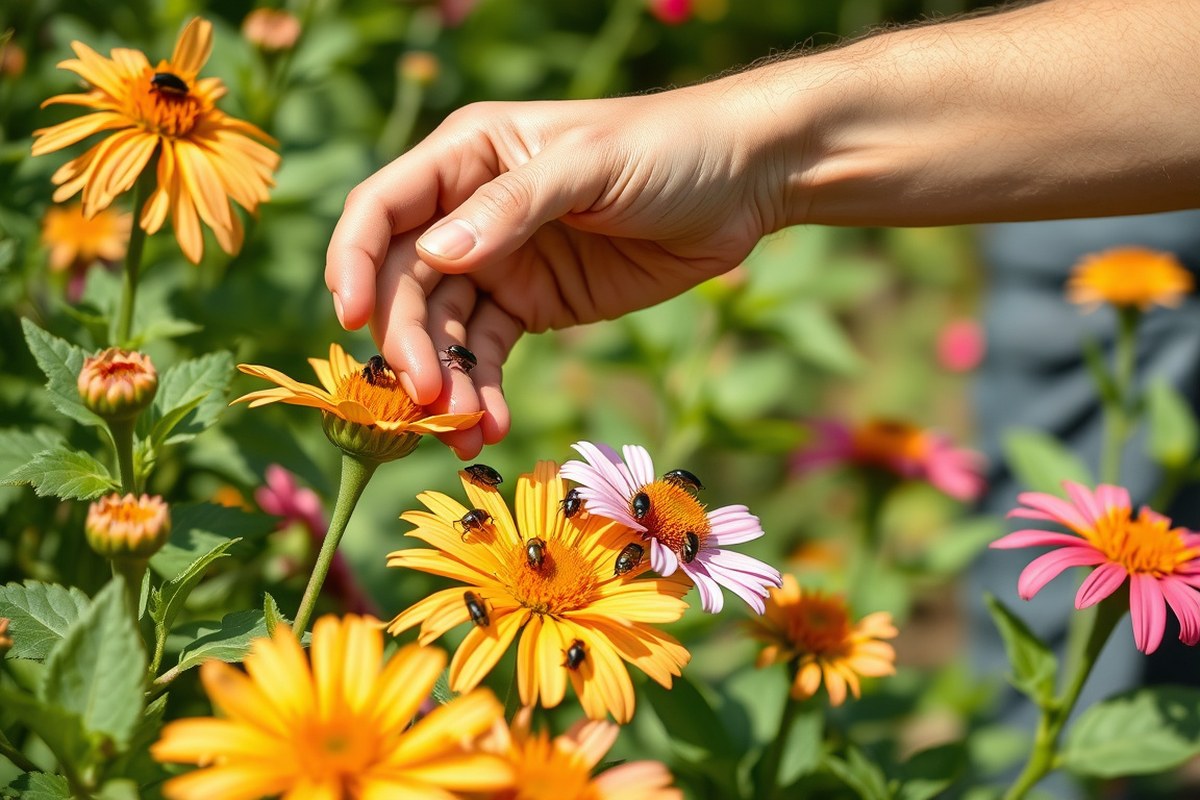
Getting rid of Japanese beetles permanently is unlikely, but you can manage their populations effectively each season by combining physical removal, natural deterrents, and, when necessary, targeted insecticides. Using an integrated approach minimizes harm to beneficial insects and reduces the chance of reinfestation from nearby areas.
Hand Picking and Physical Removal
Hand picking remains the most practical and direct method to reduce Japanese beetle numbers when the adults are active. This works best in small to medium gardens or on your most vulnerable plants. Removing beetles by hand daily or every few days keeps their population in check before they have a chance to lay eggs, as Japanese beetles produce one generation per year. Follow these steps to hand pick effectively:
- Equip yourself with gloves and a bucket filled with soapy water.
- Go outside early in the morning or late afternoon when beetles are less active and easier to remove.
- Gently shake plants or use your fingers to knock beetles into the bucket.
- Drop the beetles in soapy water to drown; avoid crushing them on plants to prevent staining.
- Dispose of the bucket’s contents daily to prevent beetles from escaping.
- Repeat hand picking every 2 to 3 days during peak beetle activity, usually from late June to early August.
- Focus on highly susceptible plants like roses, grapes, and fruit trees first.
Using Soapy Water and Commercial Traps Safely
Soapy water traps are an effective, chemical-free way to kill beetles once you remove them from plants. Filling a small bucket with water and a few drops of dish soap creates a natural trap that suffocates beetles quickly. This method complements hand picking as you can scoop the beetles into these traps easily.
Commercial Japanese beetle traps attract adults using pheromones; however, they can lure beetles from surrounding areas, sometimes increasing damage to your plants. Use traps cautiously and place them at least 30 feet away from vulnerable plants. Trap placement is essential to reduce beetle pressure without unintentionally attracting more beetles into your garden.
Applying Neem Oil and Chemical Insecticides
Naturally derived neem oil is effective as a deterrent and ovicide when applied consistently. Spray neem oil every 3 to 4 days during the adult beetle’s active phase, coating leaves thoroughly but avoiding application in direct midday sun to prevent plant damage. Neem disrupts adult feeding and reduces egg viability; however, it’s less effective at heavy infestations and works best combined with other methods.
Pyrethrin-based insecticides, made from chrysanthemum flowers, provide fast knockdown of beetles on contact and may be used when beetle numbers spike. Apply these insecticides in the early morning or late evening and follow all label instructions to minimize risks to pollinators and beneficial insects. For grub control in lawns, products with imidacloprid treat larvae but won’t reduce adult populations significantly.
Integrating hand picking, neem oil applications, and careful insecticide use maximizes control while limiting environmental impact. Consistency and timing are key to preventing new generations and protecting your garden throughout the summer.
2. Identifying Japanese Beetles and Their Damage at Every Life Stage

Recognizing Japanese beetles at their adult and grub stages is key to controlling their damage effectively. Adults are metallic green with coppery wing covers, feeding on over 300 plant species and leaving behind shredded leaves. Grubs live underground, feeding on grass roots and causing lawns to weaken and die.
Adult Beetle Appearance and Behavior
Adult Japanese beetles measure about ½ inch long and have a shiny metallic green body with coppery-brown wing covers. Along the sides of their abdomen, you’ll notice small white tufts of hair, which sets them apart from other beetles. These beetles typically emerge in early summer and live for 30 to 45 days, feeding mostly during the day.
They tend to feed in groups on a wide range of plants, especially roses, beans, grapes, and raspberries, creating visible damage that appears as skeletonized leaves. Although they do not pose a health risk to people or pets, their feeding can badly affect the appearance and health of your plants.
Grub Characteristics and Lawn Damage Signs
Japanese beetle larvae, known as grubs, are white, curved into a C shape, and can grow as long as 1 inch. These grubs live underground, feeding on the roots of grass and other plants, which often causes lawns to develop brown spots and a spongy texture. They spend the winter beneath the soil and tend to be most active in late summer and early fall when soil temperatures range from 60 to 70 degrees Fahrenheit. You can check for grub infestations by loosening the grass in affected areas and looking for these white C-shaped larvae. Additional signs include:
- Brown or yellow patchy lawn areas that don’t respond well to watering
- Grass that lifts easily because the roots have been eaten
- Increased activity of animals like birds or raccoons digging up the lawn to eat the grubs
Controlling grubs in your soil reduces next year’s beetle population but won’t stop adult beetles flying in from nearby areas.
Damage Patterns on Susceptible Plants
Adult Japanese beetles feed on leaves, flowers, and fruit, often leaving behind a “skeletonized” look where only leaf veins remain. This damage mostly affects the aesthetics of garden plants but can stress young or already weakened plants. They often target roses, raspberries, grapes, beans, and other popular garden crops.
Grubs, on the other hand, affect lawns and garden plants by feeding on roots. Lawn damage begins with wilting or dry patches and can quickly spread if the grub population is severe. Identifying and addressing grub damage early can save your lawn from significant deterioration.
Keep in mind that by the time you see adult beetle damage, grubs causing lawn problems have been feeding underground for weeks, so early detection is essential.
3. The Japanese Beetle Lifecycle and Optimal Treatment Timing
Japanese beetles have a relatively short active adult phase, typically lasting only 6 to 8 weeks each summer. The best time to control Japanese beetles is during this window when adults are feeding and before they lay eggs. Adults become most active on sunny mornings with temperatures above 75°F, reaching peak activity between 75 and 85°F. This temperature range also maximizes the effectiveness of treatments like sprays or hand-picking because beetles are out feeding rather than resting.
Understanding the lifecycle is key. After adults lay eggs in the soil, grubs hatch and develop underground over several months. Targeting grubs is effective for reducing next year’s beetle population but requires patience. Milky spore powder is a natural bacterium used to kill Japanese beetle grubs within the soil. However, it can take 3 to 5 years of repeated applications to build a population density high enough to significantly reduce grub counts and, by extension, adult beetle numbers.
For persistent infestations, applying Milky Spore three times annually, in spring, summer, and fall, over at least two consecutive years increases success chances. This timing aligns with grub development stages, allowing the bacterium to infect the larvae effectively. Keep in mind that Milky Spore specifically targets Japanese beetle grubs and won’t affect other lawn grubs or pests. When your lawn has a grub problem unrelated to Japanese beetles, Milky Spore won’t solve it.
Weather influences beetle activity significantly. Cool or overcast days reduce adult movement, making chemical or manual control less effective. Applying treatments during periods of stable warm weather, especially in the morning when beetles are most active, offers the best chance to decrease feeding damage quickly. Avoid spraying on windy or rainy days because the treatment may not stick and can wash away.
Although the adult beetle lives only about 40 days, it can cover a large area, so controlling the adult population locally is important to prevent egg-laying in your soil. Hand-picking beetles early in the morning when they are sluggish, or using traps during peak activity times, helps reduce their numbers. However, trapping alone often is insufficient since beetles can quickly fly in from nearby untreated areas.
To manage Japanese beetles, focus on controlling adult beetles during their 6 to 8-week summer activity period. Target them on warm, sunny days when temperatures reach between 75 and 85°F for best results. For lasting grub control, apply Milky Spore early in the season and repeat applications yearly over several years to suppress larvae underground. Expect slow progress, as population decreases often take a few seasons, so consistent application and patience are necessary.
4. Plants Most Vulnerable to Japanese Beetle Damage and Repellent Strategies
Japanese beetles cause the most damage to plants that include roses, grapevines, lindens, birches, Japanese maples, and stone fruit trees. These plants attract adult beetles who feed on their leaves, flowers, and fruits, often leaving behind skeletonized foliage. Knowing which plants are most vulnerable helps you focus your protection efforts and reduce overall damage.
Using companion plants that Japanese beetles avoid can protect these high-risk plants naturally. Garlic, scallions, marigolds, and catnip are known repellents; planting them near susceptible species helps confuse or repel beetles, lowering feeding pressure. For example, planting a border of marigolds around your roses or fruit trees creates a natural barrier that beetles dislike.
- Plant garlic or scallions around roses or grapevines as a repellent border.
- Use marigolds near Japanese maples or birch trees.
- Add catnip or chives near vegetable gardens to deter beetles.
- Consider overplanting favorites like raspberries or beans; you can pick beetles off less valuable plants to save prized ones.
- Use row covers during peak beetle activity, starting mid-May to late-May in southern regions, mid-June in northern areas, for 6 to 8 weeks.
- Introduce resistant plants such as red maple, boxwood, flowering dogwood, magnolia, and lilac to reduce beetle presence in your garden.
Protecting high-value plants like roses and fruit trees without harming beneficial insects requires careful balance. Avoid broad-spectrum insecticides that can kill pollinators. Instead, handpick beetles daily during peak feeding times or use targeted approaches like row covers. Row covers block beetles physically while allowing sunlight and air, protecting plants for the entire feeding window. Pairing this with companion plants that repel beetles reduces chemical use and helps preserve beneficial insect populations in your garden.
Successful repellent planting and protective strategies usually show less visible damage on leaves and flowers compared to untreated plants. You may still see some feeding, but healthy plants survive moderate damage with minimal impact. Problems arise when beetle numbers overwhelm defenses or repellent plants are spaced too far apart. Maintaining dense, consistent companion planting around your vulnerable plants is key. Also, remove wild vegetation and weeds near your garden, especially in shady, drought-prone spots, since Japanese beetles often congregate there.
5. Natural Grub Control with Milky Spore and Soil Management
Milky spore is a natural bacterium called Paenibacillus popilliae that targets Japanese beetle grubs specifically. When applied to the soil, milky spore infects these grubs as they feed underground on grass roots, causing a disease that kills them. This bacterium does not harm beneficial insects or plants, making it a safe option for natural grub control. However, milky spore takes time to build up in your soil and begin controlling grub populations effectively.
Begin treatment by spreading milky spore powder evenly over affected lawn or garden areas where Japanese beetle grubs are found. This is best done in late summer or early fall, when grubs are actively feeding and more vulnerable. Use roughly one ounce per 1,000 square feet, then lightly water the area to help the spores settle into the soil. Milky spore bacteria can survive in soil for up to a decade but might not show visible grub reductions for three to five years, so allow time and stay consistent with applications.
Because Japanese beetle grubs damage turf roots and cause brown patches, milky spore works best as part of a long-term strategy rather than an immediate fix. For quick control, curative insecticides in early fall can reduce grubs but do not provide the lasting effects of milky spore. Adding beneficial nematodes like Steinernema species can also lower grub numbers by 70 to 80 percent and may speed up results when combined with milky spore.
One risk in spreading Japanese beetles comes from bringing in nursery plants or soil contaminated with grubs or beetle eggs. Japanese beetles were introduced to the United States through soil attached to ornamental plants, so avoid purchasing plants from nurseries where beetles have been detected. Always inspect roots and soil for white grubs before planting and consider purchasing soil-free potted plants. Quarantine new plants in a separate area before adding them to your garden to reduce the chance of introducing grubs. Practical tip: Apply milky spore in the late summer when grubs are active near the surface, water it in thoroughly, and expect to wait several years for full grub control results.
6. Safe Use and Limitations of Japanese Beetle Traps and DIY Soapy Water Traps
Using soapy water traps can provide a simple, low-cost way to reduce Japanese beetle numbers, especially when combined with handpicking. Commercial Japanese beetle traps may capture some beetles but often attract more into your garden, potentially increasing damage. Proper placement of any trap is critical to minimizing beetle attraction near your plants and maximizing trap effectiveness.
DIY Soapy Water Trap Recipe and Setup
A homemade soapy water trap uses common household ingredients to trap and kill Japanese beetles by causing them to drown and suffocate. This method is safe for you and the environment, although it requires regular maintenance. Use a mild dish soap like Dawn, as harsher soaps can harm plants if sprayed directly. Follow these steps to prepare and use a soapy water trap:
- Fill a bucket or large container with 1 gallon of water.
- Add about 1 tablespoon of mild dish soap and stir gently to mix without creating excessive foam.
- Transfer the solution into a spray bottle if you want to spray beetles directly, or keep it in the bucket for dropping beetles into it manually.
- Approach infested plants in the early morning or late afternoon when beetles are less active.
- Handpick beetles or gently knock them off leaves into the soapy water bucket where they will sink and die.
- Repeat daily during peak beetle activity to reduce populations effectively.
- Dispose of dead beetles in the soapy water by dumping the contents on your compost pile or down a drain.
This approach costs only a few dollars for soap and water, making it an affordable option. The key to success is persistence and timing your effort to when beetles cluster on plants.
Commercial Trap Pros and Cons
Commercial Japanese beetle traps usually contain a pheromone lure combined with a floral scent to attract beetles. While these traps can capture a portion of the beetle population, studies show about 75% of attracted beetles end up trapped, they also draw many more beetles into the vicinity. This often results in higher beetle pressure on nearby garden plants.
Traps are more suitable for large yards where you can place them far from edible or ornamental plants. This spacing allows beetles to be lured away from the garden instead of toward it. In small gardens or closely spaced landscapes, commercial traps may worsen beetle damage because they concentrate beetles where you want to avoid them. Keep in mind:
- Effectiveness varies by trap brand and lure type; some may attract non-target insects or beetles without trapping efficiently.
- Traps do not eliminate beetle populations fully; they serve as a supplemental control.
- For best results, traps must be checked and emptied regularly, or dead beetles can decay and reduce trap attractiveness.
Optimal Trap Placement and Maintenance
Placing Japanese beetle traps requires careful thought to avoid attracting beetles into your garden. Ideally, position traps at least 30 to 50 feet away from plants you want to protect, on the opposite side of your property or near structures like sheds or garages where beetles are less likely to move from the trap toward your garden.
Choose a shaded spot away from high-traffic areas and direct sunlight to prolong lure life and reduce evaporation. Check traps every 2 to 3 days during peak beetle season to remove trapped beetles and replenish any lures or sticky trap surfaces as recommended by the manufacturer. Simple maintenance tips for soapy water traps and commercial devices include:
- Refreshing soapy water every couple of days to maintain effectiveness.
- Avoiding placing traps near wind corridors where scents disperse away from the target area.
- Handpicking beetles found near traps to prevent escaped beetles from damaging plants.
- Removing traps after peak season to prevent attracting beetles as they disperse.
7. Physical Barriers and Protective Measures for High-Value Plants
Row covers and physical barriers offer an effective way to protect high-value plants like roses and fruit trees from Japanese beetles while minimizing harm to beneficial insects. Use floating row covers made of lightweight fabric or fine mesh netting to block beetles during their most active feeding period, which typically lasts 6 to 8 weeks starting in mid-June. These covers prevent beetles from landing on your plants, stopping damage before it starts without affecting pollinators and natural predators that operate outside the plants’ canopy.
Apply row covers before beetles appear, generally by mid-June, and keep them on until late July or early August when beetle activity declines. Secure the edges with soil, clips, or stakes to prevent beetles from crawling underneath. Avoid covering flowering parts for plants that require insect pollination, or remove covers briefly during early morning to let pollinators access flowers. For fruit trees, use barrier netting focused on branches rather than the whole tree to limit interference with natural insect activity.
- Start covering plants in mid-June before beetle emergence
- Use lightweight, breathable fabrics for floating row covers or fine mesh netting
- Secure edges firmly to prevent beetle entry
- Remove or adjust covers briefly during flowering to allow pollination
- Inspect plants regularly for trapped insects or damage
- Remove covers after 6-8 weeks when beetle activity drops
- Combine barriers with hand-picking at dawn or dusk to catch any beetles present
Physical barriers cost between $30 and $100 depending on size and material, making them a durable option compared to repeated chemical treatments. Results include noticeably reduced leaf skeletonizing and healthier blooms on especially vulnerable plants. Problems arise if covers trap heat and moisture, leading to fungal issues, or if they remain on during flowering without adjustment, which reduces fruit set and insect diversity.
This method suits small to medium garden areas where you can monitor covers and adjust them readily. Large trees may need selective branch netting or other controls to avoid harming beneficial insects that contribute to your garden’s overall ecosystem. Regular checks to catch any beetles inside covers can prevent beetles from multiplying under the barriers. Using row covers thoughtfully balances effective physical exclusion with preserving pollinators and beneficial bugs important to your garden’s health.
8. Comparing Chemical and Natural Japanese Beetle Controls: Pros and Cons
Choosing between chemical and natural controls for Japanese beetles requires balancing effectiveness, safety, and impact on beneficial insects. Chemical insecticides often provide fast and broad control, but they can harm pollinators, birds, and other wildlife. Natural options like neem oil or bio-insecticides offer safer alternatives, but they may need repeated applications over a longer period to keep beetle populations down effectively.
Neem oil is a natural product that suppresses beetles when applied regularly during active beetle periods. Typical applications occur every 7 to 14 days. The timing usually starts as soon as you notice adult beetles feeding on plants. This repeated application is important because neem oil works mainly by disrupting feeding and reproduction rather than killing instantly. It’s safe on beneficial insects when used carefully and costs about $10 to $20 per quart, covering several applications depending on your garden size.
On the other hand, pyrethrin-based insecticides target a wide range of insects, including Japanese beetles, cucumber beetles, fleas, and ticks. They act quickly but carry risks to bees and other pollinators, especially if sprayed during flowering. Resistance to some chemical insecticides has developed in beetle populations in regions like Northeast Ohio, making repeated or improper use less effective over time.
| Control Method | Effectiveness | Safety for Beneficials | Cost Estimate | Application Frequency & Timing |
|---|---|---|---|---|
| Neem Oil | Moderate to High with repeated use | Safe when applied carefully | $10, $20 per quart | Every 7, 14 days during beetle activity |
| Pyrethrin-Based Insecticides | High but decreasing due to resistance | Risks to pollinators and wildlife | $15, $30 per bottle (varies by product) | At first beetle detection; use per label instructions |
| Bacillus thuringiensis galleriae (Btg) ‘BeetleGONE!’ | Effective against adult beetles | Safe for beneficial insects | Varies; generally comparable to chemical controls | Follow product label; repeat applications needed |
Bio-insecticides like BeetleGONE! Combine the safety of natural products with effectiveness similar to chemical insecticides. Because they target adult beetles, they offer control with fewer risks to wildlife. Use these products according to their instructions for best results. Regardless of the method, following label directions limits harm to beneficial species, while increasing control success.
Always avoid spraying insecticides during bloom or when bees are active to protect pollinators and reduce harm to beneficial insects.
Step-by-Step Action Plan to Control Japanese Beetles
Follow this plan to identify, treat, and prevent Japanese beetle infestations effectively, using a blend of natural and chemical methods timed to the beetle’s lifecycle.
- Before Beetles Emerge (Early Spring): Apply milky spore powder or beneficial nematodes to your lawn to target grub stages in the soil. Check for reduced grub activity in summer by looking for fewer brown patches in grass.
- When Beetles First Appear (Early Summer): Start handpicking adult beetles in the early morning when they are less active. Confirm success by seeing fewer beetles on plants after a few days.
- First Week of Appearance: Set up physical barriers like row covers or netting on your most vulnerable plants. Effective coverage means visibly fewer bite marks on leaves and flowers.
- Within 1 to 2 Weeks of Beetle Detection: Use Japanese beetle traps placed away from high-value plants to reduce adults. Check whether beetle counts drop in the garden and avoid traps attracting more beetles to your plants.
- After Initial Adult Control (Mid to Late Summer): Apply targeted insecticides or natural sprays early in the day to minimize harm to pollinators. Look for decreasing feeding damage to know treatment is working.
- Late Summer to Early Fall: Maintain lawn health with proper watering and aeration to discourage grub development. Healthy turf is firmer and more uniform in color.
- Fall: Continue monitoring for grubs by digging small soil patches. If you find numerous grubs, consider repeating milky spore or nematode treatment next spring.
- Year-Round: Rotate plant species or use repellents around preferred plants to reduce beetle attraction. Noticeable lower beetle presence on treated plants shows success.
Frequently Asked Questions
What Kills Japanese Beetles Instantly?
Physical removal by hand-picking is the best immediate method to kill Japanese beetles without chemicals. You can drop them into soapy water to ensure they die quickly and prevent further garden damage.
Can You Permanently Get Rid of Japanese Beetles?
Permanently eradicating Japanese beetles in a home garden is very difficult. Control focuses on managing and reducing their population each season rather than complete elimination.
What Do Japanese Beetles Hate the Most?
Japanese beetles dislike certain plants such as garlic, chives, and catnip, which you can use as natural repellents near susceptible plants. Planting these can reduce beetle feeding in your garden.
Does Dawn Dish Soap Get Rid of Japanese Beetles?
Dawn dish soap can kill Japanese beetles when used in a soapy water trap or spray. However, it must contact the beetle directly to be effective and repeated application might be necessary.
Does Anyone Have Tips on How to Get Rid of Japanese Beetles?
Consistent hand-picking daily during their active 6-8 weeks reduces their numbers significantly. Pair this with planting repellent plants and using traps for less chemical use.
Can Japanese Beetles Harm Beneficial Garden Insects?
Yes, some chemical controls can harm beneficial insects, so use natural methods like hand-picking and repellent plants to protect pollinators and beneficial bugs.
Final Thoughts
Getting rid of Japanese beetles requires a combination of timely actions and choosing methods that suit your garden’s needs and your personal preferences. Start by inspecting your plants daily and physically removing any beetles you find, especially during their peak activity in the morning. This hands-on step helps reduce the population quickly and keeps your plants healthier as you explore additional control methods.