How to Get Rid of Stink Bugs in House: 8 Effective Strategies That Work Fast
To get rid of stink bugs in house quickly, vacuum them up, spray with soapy water or rubbing alcohol, and seal entry points to prevent more from coming inside. Using natural remedies like garlic powder sprays and keeping your home clean also helps keep stink bugs away. Tackling clutter and managing outdoor landscaping reduces their attraction to your home.
This is for homeowners and renters facing an indoor stink bug problem who want fast and lasting solutions. You’ll find effective removal methods, prevention tips, natural traps, seasonal advice, and when to call a professional. These strategies help stop stink bugs from infesting your living space and keep them from returning year-round.
Key Takeaways
- Spray stink bugs indoors with soapy water or 91% rubbing alcohol to kill them effectively and quickly.
- Seal cracks, gaps, and entry points around windows, doors, and vents to block stink bugs from entering your home.
- Create natural repellents using garlic powder or essential oils like clove and lemongrass to keep stink bugs away safely.
- Use light traps with soapy water to attract and drown stink bugs within 12 hours; avoid harmful chemical sprays indoors.
- Keep firewood stored 20 feet from your house and improve at least five inches to reduce outdoor stink bug habitat.
- Manage stink bugs year-round by inspecting your home and yard regularly, especially during warm winter days when bugs are active.
1. Effective Immediate Methods to Remove Stink Bugs Indoors
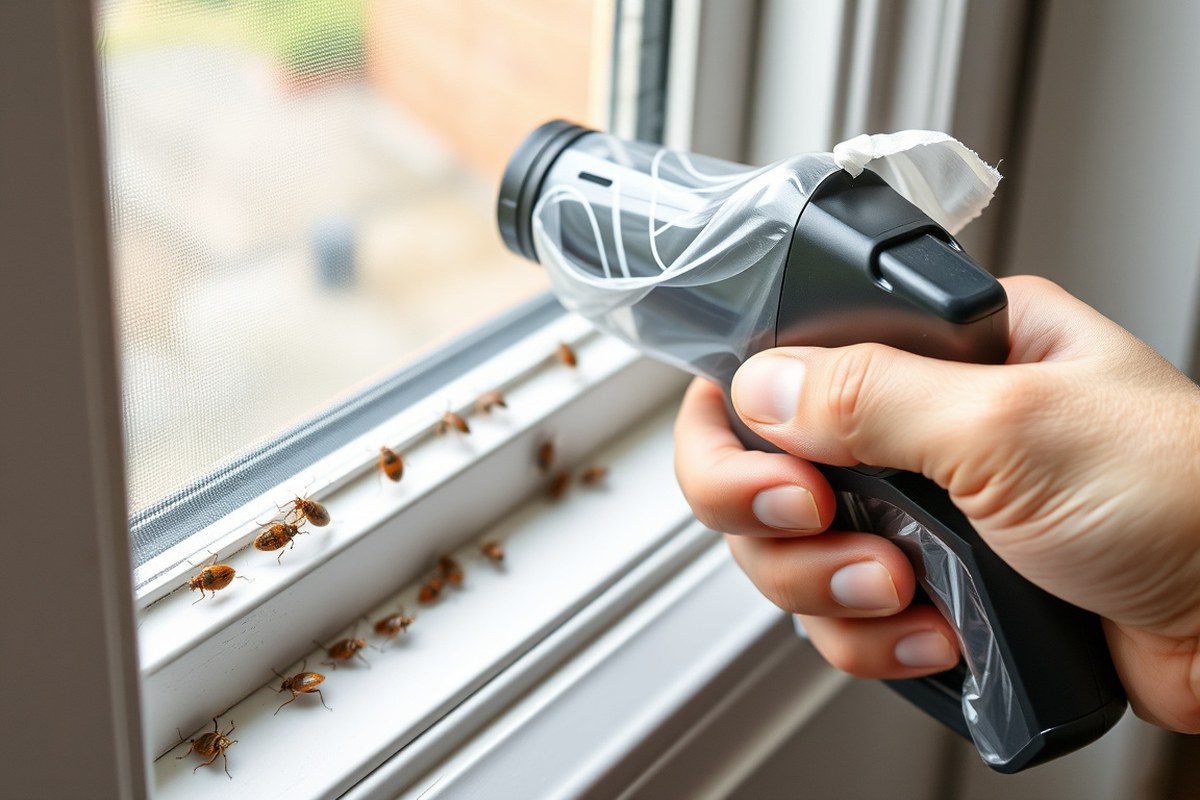
Removing stink bugs indoors quickly helps stop an infestation before it worsens. Using a vacuum cleaner with a bag is the safest immediate method to catch and remove stink bugs without releasing their strong, unpleasant odor. Avoid crushing stink bugs directly, as this can cause them to emit a potent smell that lingers and is difficult to eliminate. Instead, gently suck them up with a vacuum hose attachment. Once collected, remove the vacuum bag carefully and dispose of it outside your home to prevent any odor buildup. Another effective option is to spray stink bugs with soapy water or 91 percent rubbing alcohol, which kills them without crushing and reduces the chance of odor. Follow these steps to remove stink bugs indoors quickly and safely:
- Locate the stink bugs: Check walls, windows, light fixtures, and dark corners where stink bugs hide during daylight.
- Prepare your vacuum cleaner: Attach a hose or small nozzle and make sure it uses a disposable bag or a canister you can clean thoroughly afterward.
- Suck up the stink bugs gently: Use the vacuum attachment to collect bugs from walls or crevices without crushing them.
- Remove and seal the vacuum bag immediately: Carefully take out the vacuum bag to avoid releasing odors inside your home. Seal it in a plastic bag.
- Dispose of the sealed bag outdoors: Place the bag in an outdoor trash bin to prevent any residual odor from accumulating indoors.
- Clean your vacuum canister if using a bagless vacuum: Use soap and water to wash the inside thoroughly after collecting stink bugs.
- Use soapy water or rubbing alcohol spray on bugs in hard-to-vacuum areas: Spray affected areas to kill bugs without crushing, then wipe or sweep them up after they die.
Vacuuming stink bugs prevents the release of their defensive smell compared to crushing them. Crushing not only worsens odor problems but can also stain surfaces. Using a vacuum allows safe removal with minimal smell and faster cleanup. This method costs very little beyond the price of a vacuum and disposable bags, as most households already have these tools. Expect to see fewer stink bugs indoors promptly after removal, but repeated efforts may be necessary if many bugs remain or new ones enter.
2. How to Seal Your Home Against Stink Bug Entry
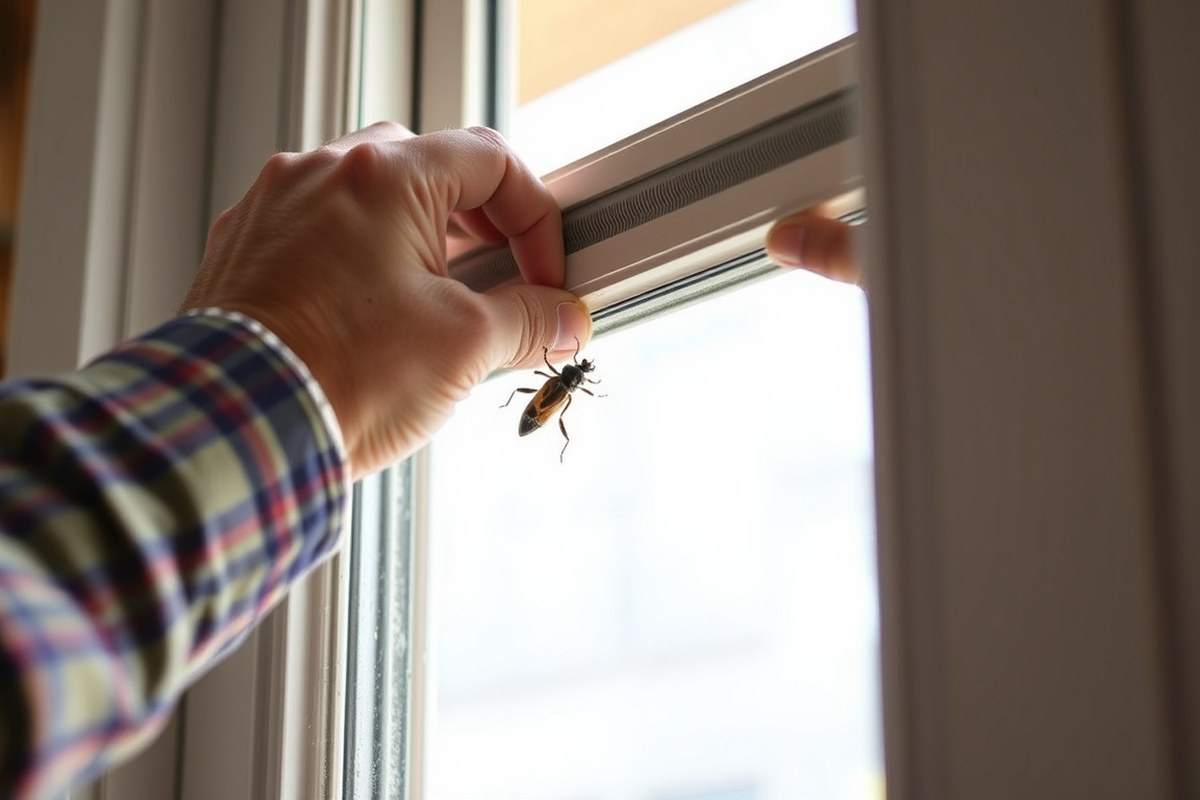
Sealing your home tightly can drastically reduce the number of stink bugs entering your living space. Focus on identifying common entry points and sealing them using appropriate materials like caulk, weather stripping, or foam sealant. This step-by-step checklist guides you through inspecting and sealing vulnerable areas to keep stink bugs outside.
Inspecting Windows and Door Frames
Start by checking all windows and door frames for gaps, cracks, or damaged seals. Stink bugs often squeeze through these small openings. Run your fingers carefully around window panes and door jambs to feel for drafts or openings. Pay close attention to areas where window frames meet siding or brick, as well as around sliding door tracks.
Use high-quality exterior-grade caulk to seal narrow gaps smaller than a quarter inch. For larger gaps or missing weather stripping, install new weather stripping designed for doors and windows. Properly sealing these entry points prevents bugs from crawling indoors and also improves your home’s energy efficiency.
Sealing Cracks Near Utility Lines
Utility penetrations for pipes, cables, and electrical lines create hidden access points. Check where these lines enter your home through walls, foundation, or siding. Look for old or cracked caulking that may have deteriorated over time.
Use a foam sealant for larger gaps around pipes and cables, as it expands and fills irregular spaces well. Smaller openings can be sealed with silicone caulk. This reduces the chance of stink bugs slipping through unnoticed. Don’t forget to inspect behind chimneys and under fascia boards, which often have cracks that stink bugs exploit.
Weather-Stripping Vulnerable Vents
Vents are high-risk locations for stink bug entry, especially attic and crawl space vents. Many vents have rigid screens but lack proper sealing around edges or show signs of rust or damage. Inspect vents for missing or loose weather stripping and damaged frames.
Apply HVAC-grade weather stripping around vent frames to close small gaps. For vents that open and close, like exhaust vents, ensure they have tight-fitting flaps that close when not in use. Sealing vents properly stops stink bugs from gaining access without blocking necessary airflow.
- Check soffit vents for loose edges
- Seal gaps around dryer and exhaust vents
- Replace torn or missing vent screens
- Add weather stripping between vent frame and wall
- Inspect vent covers for proper fit and closure
Keep ventilation intact, don’t seal vents completely airtight, as this can cause moisture problems inside your home.
Checking Attic and Basement Gaps
Attics and basements tend to have numerous small openings that stink bugs can use to enter. Check along roof eaves, soffits, and foundation walls for cracks, loose panels, or gaps. Even tiny spaces as small as 1/8 inch wide are enough for stink bugs to crawl through.
Apply high-quality exterior caulk or expandable foam to fill visible gaps. Replacing damaged siding or wood panels helps reduce entry points further. Inspect around chimney chases and where pipes poke through attic or basement walls, as these spots frequently go unnoticed but can harbor many tiny openings.
Using Mesh Screens on Vents
Adding fine mesh screens on attic, crawl space, and other outdoor vents creates a physical barrier to block stink bugs without affecting ventilation. Use stainless steel or aluminum mesh with mesh sizes small enough to exclude insects but allow airflow. Replace any damaged or missing mesh screens immediately.
Secure the mesh with staples or screws and seal edges with caulk to prevent bugs from bypassing the screen. This step is especially important for vents leading directly into attics or crawl spaces where stink bugs can accumulate. Regularly inspect screens to maintain protection during peak stink bug seasons.
3. Using Natural Remedies and DIY Traps to Repel Stink Bugs
You can repel and reduce stink bugs naturally using essential oils, homemade sprays, and simple light traps. Essential oils like clove, lemongrass, and spearmint can discourage stink bugs without harsh chemicals. DIY traps using light and soapy water attract and drown stink bugs, offering an effective eco-friendly control method.
Essential Oils That Repel Stink Bugs
Essential oils effectively repel stink bugs because these pests dislike strong scents. Clove, lemongrass, spearmint, and ylang-ylang oils are some of the best choices, backed by a 2013 study in the Journal of Applied Entomology. Mint, lavender, and citrus oils also work well for general prevention.
To use these oils, dilute about 15 to 20 drops of your chosen essential oil in a spray bottle filled with 2 cups of water. Spray this mixture around windows, doors, baseboards, and other areas where stink bugs are likely to enter or gather. Be cautious when applying essential oils around pets and children, as strong scents may cause irritation.
How to Make Homemade Soapy and Alcohol Sprays
Homemade sprays with soapy water or alcohol provide a natural pesticide effect by suffocating or killing stink bugs on contact. Mixing garlic powder into water adds an extra repellent effect, taking advantage of garlic’s strong odor to deter bugs. Follow these steps to create and use a natural stink bug spray:
- Mix 4 teaspoons of garlic powder into 2 cups of water inside a spray bottle.
- Add 1 to 2 teaspoons of mild liquid dish soap to the mixture and shake gently to blend.
- Alternatively, mix equal parts water and isopropyl (rubbing) alcohol with a few drops of dish soap for a stronger spray.
- Spray directly on stink bugs you see indoors or use it on areas where they gather.
- Shake the bottle well before each use to maintain effectiveness.
- Apply spray every few days or after cleaning to maintain a repellent barrier.
These sprays cost very little and use common household ingredients. Avoid spraying where food is prepared, and ensure good ventilation, especially with alcohol-based sprays.
Building and Using a DIY Light Trap
Stink bugs are attracted to light, which allows you to trap and eliminate them with a simple light trap. This method is non-toxic and can catch multiple bugs overnight without chemicals. Here’s how to make and operate an effective DIY light trap:
- Fill a shallow pan or wide dish with about 2 inches of soapy water (use a few drops of dish soap to reduce water tension).
- Place the pan on the floor or a stable surface in a dark room where stink bugs have been seen.
- Set a desk lamp or a UV light about 6 to 12 inches above or near the pan, pointing downward toward the water.
- Turn off all other lights in the room to maximize the trap’s attraction.
- Leave the trap running overnight for at least 12 hours.
- Check the pan in the morning and dispose of dead stink bugs by flushing or sealing the water in a bag.
- Clean and refill the trap for repeated use during infestation periods.
The light trap method costs around $10 to $30 if you already own a lamp, and it’s practical for indoor use. It’s important to keep the soapy water refreshed frequently to maintain trapping efficiency. The trap works best in dark, enclosed spaces like basements or bedrooms where stink bugs cluster at night.
4. Comparing Stink Bug Removal Methods: Pros, Cons, and Safety
Choosing the right method to remove stink bugs depends on balancing effectiveness, cost, odor risk, and safety, especially because these pests release a strong smell when threatened. Physical removal and traps tend to work better for ongoing control, while insecticides target bugs directly but have some drawbacks. Vacuuming offers a quick, odor-minimizing way to remove bugs without chemicals. Understanding these tradeoffs can help you pick the best approach for your situation.
| Method | Effectiveness | Cost | Odor Risk | Safety |
|---|---|---|---|---|
| Vacuuming | High for removal of indoor bugs | Low (vacuum already owned or $50, $150 for a handheld vacuum) | Low if bugs are kept intact (do not crush) | Very safe; no chemicals involved |
| Natural Sprays (homemade) | Moderate for repelling | Low (common household items like vinegar or essential oils) | Low to none | Safe but less effective at elimination |
| Traps (commercial or DIY) | Moderate to high outdoors; limited indoors | Moderate ($10, $30 per trap) | Low | Safe; avoid pesticides inside traps for indoor use |
| Insecticides (pyrethrin-based) | Effective if sprayed directly on bugs | Moderate ($10, $40 per spray) | Low to moderate; depends on spray formulation | Potential chemical exposure; follow label instructions carefully |
Pyrethrin-based insecticides kill stink bugs quickly when applied directly but usually aren’t the best first choice inside homes. Traditional sprays rarely stop hardier indoor stink bugs and could leave residue or risk chemical exposure. Vacuuming is a preferred physical removal method, preventing bugs from releasing their malodorous defense if you avoid crushing them. Traps catch bugs effectively outdoors but often perform less well inside despite their safety.
Natural sprays made from ingredients like essential oils or vinegar act more as repellents than killers and are safer around kids and pets but require frequent reapplication. Using vacuuming along with natural repellents can help reduce indoor numbers without chemical risks and foul smells. If choosing insecticides, always ensure direct contact with bugs, ventilate rooms well, and keep children and pets away during use to minimize hazards.
5. Managing Outdoor Landscaping to Minimize Stink Bug Attraction
Outdoor plants and landscaping play a key role in attracting stink bugs to your property. These bugs seek out plants for food and shelter, especially during fall when temperatures drop. Stink bugs favor gardens with fruit trees, vegetable patches, and dense shrubbery because these provide both nourishment and hiding spots. Overgrown plants with peeling bark or thick mulch near your home create natural refuge, encouraging stink bugs to settle close to your house. Reducing their habitat outside helps lower the chances they move indoors to overwinter.
Managing your landscaping starts with regular inspection and maintenance. Trim back bushes and shrubs so they are at least 2 feet away from the foundation of your home. Remove any dead leaves, fallen fruit, or dense ground cover where bugs can hide. Gardens should be checked weekly for stink bugs, wiping off leaves or using a strong spray from a garden hose to knock bugs off the plants. While hose water won’t kill them, it discourages feeding and laying eggs nearby.
Using neem oil spray on outdoor plants is an effective natural pest control method that disrupts stink bug development and egg laying. Apply neem oil every 7 to 14 days during growing seasons, focusing on the undersides of leaves. This reduces stink bug populations from building up and stops future infestations. Neem oil can cost about $10 to $20 per bottle, making it an affordable option for ongoing pest prevention.
Lighting around your home directly affects how many stink bugs approach at night. Since stink bugs are strongly attracted to bright white or blue-toned lights, switch outdoor bulbs to yellow LED or sodium vapor bulbs designed to minimize insect attraction. Keep outdoor lighting to essential areas only, and turn off unnecessary lights after dusk, particularly in the fall when bugs are most active. This simple change can reduce the number of stink bugs drawn near entry points.
Humidity levels outside also influence stink bug activity, as they avoid very dry conditions. While running a dehumidifier outdoors is not practical, improving airflow by pruning thick vegetation helps reduce moisture and makes your yard less inviting. Avoid excessive watering or water pooling near your foundation, which can increase humidity and attract bugs. Instead, aim for well-drained soil and spaced-out plants.
Keep outdoor lights to a minimum and replace white bulbs with yellow ones to significantly reduce stink bug attraction at night.
In yards with fruit trees or vegetable gardens, promptly remove fallen fruit and debris to cut down stink bug food sources. For heavy infestations, hand-picking bugs off plants early in the morning when they are sluggish helps control their numbers. Using a wet towel outside as a temporary gathering spot for stink bugs allows for easy collection and disposal before they reach your home.
Overall, landscaping that minimizes dense cover, reduces bright outdoor lighting, and employs targeted neem oil sprays can greatly decrease stink bug presence. These approaches take about 15 to 30 minutes weekly for upkeep and are low-cost compared to professional pest control. You want your yard to be less hospitable by depriving the bugs of food, shelter, and attraction cues to keep them outside and away from your home’s interior spaces.
6. Seasonal Guide to Treating and Preventing Stink Bugs Year-Round
The best time to treat your home for stink bugs is during the fall, just before they start seeking shelter indoors. Stink bugs enter homes to escape freezing temperatures, so addressing entry points in late summer and fall prevents infestations. Indoor stink bugs hibernate through winter and become active again in spring, when they leave to lay eggs outdoors. Treatment results depend on sealing and repeated inspections, with noticeable improvements typically within weeks after fall treatment.
Fall: Prevent Entry with Sealing
Treating the exterior of your home in the fall is important to stop stink bugs before they enter. Around late August through October, stink bugs increase activity as they look for warm places to overwinter. Thoroughly inspect your home’s exterior, especially walls, windows, doors, vents, and any crack wider than 1/8 inch. Seal these gaps using silicone or latex caulk, door sweeps, and weather stripping. External insecticide treatments can be applied to siding and around entry points as a barrier, but check label directions and local regulations. Take these steps by early fall to block stink bugs before they gather around your home:
- Inspect and seal cracks and gaps in siding, window frames, and doors
- Install or repair door sweeps on all exterior doors
- Repair torn window screens and seal vents with fine mesh
- Clear away vegetation and debris near foundation and walls
- Apply approved insecticidal dust or spray around foundation if desired
Sealing can take a few hours to a couple of days depending on home size and condition. Expect to see fewer stink bugs indoors once sealed and treated. Delaying increases infestation risk, requiring more intensive indoor removal.
Winter: Managing Indoor Stink Bug Behavior
Stink bugs inside your home during the colder months enter a dormant or hibernation-like state. They cluster in protected areas such as attics, wall voids, or behind furniture. They won’t reproduce or move much, but disturbing them can release their unpleasant odor. During winter, focus on removal of any visible bugs using vacuuming or gentle capture methods, as insecticides are generally ineffective indoors while bugs are inactive. You should:
- Vacuum or gently remove stink bugs when seen indoors
- Avoid crushing bugs to prevent odor release
- Maintain sealed entry points installed in fall
- Monitor for new activity near windows and doors
Indoor stink bug activity will remain low throughout winter. Effective fall sealing means few if any will remain active inside, reducing overwintering populations and making spring easier to manage.
Spring: Follow-Up and Outdoor Control
As days lengthen and temperatures rise above 60°F, stink bugs become active again. They exit winter hiding spots inside your home to mate and lay eggs outdoors, typically between March and May. Follow-up inspections help catch any missed entry points or early spring indoor sightings. Inspect and reseal if necessary to reduce late-season entries.
Perform outdoor treatments focused on early nymph stages emerging from eggs. Managing landscaping and removing weeds or debris around foundation can reduce favorable breeding sites. Pest control companies may recommend insecticidal sprays or dusts specifically timed for spring hatch.
Results from fall sealing typically show after 2-4 weeks, while spring follow-up minimizes the chance of re-infestation through early intervention. Consistent seasonal care helps keep stink bug numbers low year-round.
7. Common Mistakes and How to Handle Stink Bug Odor Safely
A common mistake when dealing with stink bugs is crushing them inside the house. Squashing a stink bug releases its defensive odor, which can linger and be difficult to remove. This smell not only creates an unpleasant indoor environment but might also attract more bugs. Instead of squashing, gently capture stink bugs using a glass jar or vacuum designed for pests, then release them outdoors far from your home.
Many people try to spray pesticides indoors to kill stink bugs, but these treatments often fail and pose health risks. Stink bugs are not highly vulnerable to common insecticides, and using chemicals inside your living space can expose you and your family to harmful residues. Focus on physical removal and prevention instead of indoor pesticide sprays.
After a stink bug infestation, residual odor can be hard to eliminate. Thorough cleaning is essential. Begin by ventilating the affected rooms well for several hours, opening windows or using fans to circulate fresh air. Next, wash any hard surfaces where stink bugs were present with a mixture of mild soap and warm water. For stubborn smells, white vinegar diluted in water is an effective deodorizer; mix one part vinegar to four parts water and wipe down surfaces carefully.
Carpets, upholstery, or curtains that caught the odor require special attention. Use a vacuum cleaner with a HEPA filter to remove any bug remains or debris. After vacuuming, sprinkle baking soda liberally over carpets or fabric furniture, let it sit for several hours, ideally a full day, and then vacuum it up. This absorbs odors without harsh chemicals. Professional carpet cleaning may be needed if the scent persists.
Porous materials such as ceiling tiles, cardboard boxes, or papers contaminated by stink bugs might retain the smell permanently. Discard these items responsibly to prevent ongoing odor. If the smell persists despite cleaning, consider using activated charcoal in open containers placed around the room; it can absorb odors over time but requires replacement every few weeks.
When handling the stink bug odor, avoid using strong-smelling sprays or air fresheners without cleaning first. These can mask the odor temporarily but often mix with it to make the scent worse. Focus on odor removal through ventilation, cleaning, and odor-neutralizing substances for lasting results.
Be aware that the cost of odor removal materials like vinegar, baking soda, or activated charcoal is relatively low, usually under $20 total. The main investment is time spent airing out and cleaning the space thoroughly. Immediate action after spotting stink bugs helps minimize odor issues and reduces the chance of prolonged indoor discomfort.
8. When to Call a Professional Exterminator for Stink Bug Infestations
Call a professional exterminator when your stink bug problem reaches a level you cannot manage effectively on your own. A common way to evaluate severity is to count the number of stink bugs you find inside your home daily. Consistently spotting dozens or more in multiple rooms despite regular removal efforts usually means the infestation requires expert help. Homeowners often start to feel overwhelmed when stink bugs appear in large groups, especially during cooler months when they seek shelter indoors.
Another sign you need a pro is persistent stink bug odor despite your cleaning and removal tries. When stink bugs are breeding behind walls or in hidden spaces, over-the-counter methods and natural remedies usually won’t stop the problem. Professionals have access to specialized insecticides and tools that can reach places DIY treatments can’t, offering a more thorough elimination.
Contacting a licensed pest control expert usually involves an initial inspection, which helps them assess how severe the infestation is and identify entry points in your home. This evaluation costs around $50 to $150 depending on where you live. Afterward, the exterminator will propose a treatment plan that might include sealing cracks, targeted pesticide use, and follow-up visits. Expect service costs between $200 and $500 for most stink bug infestations. Although pricier than DIY methods, professional treatment offers longer-lasting relief and can prevent repeated infestations.
Professionals also offer treatments that leave a pleasant scent, an advantage over many DIY methods that only remove bugs without addressing leftover odors. They use products approved for indoor use and apply them safely to protect your family and pets. Experts can advise on ongoing prevention tailored to your home’s specific vulnerabilities.
Manageable infestations respond well to non-chemical approaches like diatomaceous earth or electric bug zappers, which you can buy at hardware stores for about $30 to $80. When those tools and natural remedies fail, or the bug count overwhelms your daily cleaning efforts, seek professional help promptly. Delaying treatment risks larger infestations and more damage.
Keep track of the number of stink bugs you remove each day for a week; consistently finding 20 or more should prompt you to call a pest professional.
Step-by-Step Action Plan to Get Rid of Stink Bugs in Your House
Follow these practical steps to identify, remove, and prevent stink bugs indoors while minimizing odor and using safe, natural methods.
- Day 1: Identify and Remove Bugs Immediately – Use a vacuum with a bag to safely remove stink bugs without crushing them. Check window sills, door frames, and corners. You’ll know it worked when you stop seeing bugs inside for several days.
- Day 2: Seal Entry Points – Inspect your home’s exterior for cracks or gaps around windows, doors, and vents. Use silicone caulk and weatherstripping to close these openings. Success shows as fewer stink bugs coming inside over the next week.
- Week 1: Set Up Natural Traps and Remedies – Place DIY light traps in rooms where bugs gathered and spray a mixture of soapy water on suspect areas. A reduction in stink bug sightings means this step is effective.
- Week 2: Adjust Landscaping – Trim tree branches and remove nearby weeds or plants that attract stink bugs from your home’s perimeter. You’ll see fewer bugs near your foundation when landscaping changes are successful.
- Month 1: Maintain Routine Prevention – Regularly sweep window screens, reinstall door sweeps if worn, and reapply natural repellents monthly during bug season. Continued absence of stink bugs indoors confirms you’re on track.
- After Two Months: Monitor and Avoid Common Mistakes – Avoid squashing bugs to prevent odor and check for any new entry points or outdoor bug activity. No strong smells and minimal bug presence indicate proper management.
- As Needed: Know When to Call a Professional – Contact a licensed exterminator if infestations persist despite these measures, especially if you find large clusters or bugs in hard-to-reach areas. A professional must verify success through minimal indoor bugs after treatment.
Frequently Asked Questions
What Immediate Steps Can You Take to Lure Stink Bugs Out of Hiding?
Use light sources at night to attract stink bugs and vacuum them promptly to remove them before they settle again in hidden spots inside your home.
How Effective Is Garlic Powder as a Natural Stink Bug Pesticide?
Garlic powder mixed with water creates a spray that repels stink bugs due to its strong smell, but it works best as a preventive measure rather than a solution for large infestations.
Can Clutter Inside the House Increase Stink Bug Problems?
Yes, clutter provides hiding spots and warm areas that attract stink bugs, so keep your home clean and tidy to reduce their indoor appeal.
Does Repairing Window Screens Help Prevent Stink Bugs?
Absolutely, sealing cracks and fixing screens blocks common entry points, significantly reducing the chance of stink bugs entering your house.
How Does Landscaping Influence Stink Bug Invasions?
Stink bugs are attracted to certain plants, so maintaining your outdoor area and removing invasive vegetation helps reduce the bugs near your home’s perimeter.
What Role Does Seasonal Timing Play in Stink Bug Control?
Stink bugs try to enter homes mainly in fall to overwinter, so sealing and treating your house before this season can lessen infestations.
The Bottom Line
Getting rid of stink bugs in your house requires a mix of swift removal, sealing entry points, and ongoing care to keep them away for good. You can start immediately by inspecting and sealing cracks or gaps around windows and doors to block new bugs from coming inside. Taking this one step today can significantly reduce the stink bug problem and make your home less inviting to these pests.