How to Get Rid of Diarrhea Fast: Safe and Effective Ways That Work
To get rid of diarrhea fast, focus on staying hydrated, using safe over-the-counter medicines like loperamide, and following a gentle diet. These steps help ease symptoms quickly while preventing dehydration and discomfort. Most cases of acute diarrhea clear up within a few days without medical treatment, but taking the right actions can speed recovery and bring relief.
This advice is for adults and parents seeking practical ways to stop diarrhea fast at home. You’ll learn how to manage symptoms effectively, choose medicines safely, know when to see a doctor, and protect vulnerable groups like children and pregnant women. Understanding these points helps restore normal digestion and avoid complications efficiently.
Key Takeaways
- Stop diarrhea quickly by staying hydrated, resting your digestive system, and using over-the-counter medicines like loperamide carefully as directed.
- Use oral rehydration solutions for mild to moderate dehydration and avoid sugary or caffeinated drinks that can worsen diarrhea.
- Eat bland, easy-to-digest foods such as bananas, rice, applesauce, and toast while avoiding fatty, spicy, or dairy foods until recovery.
- Seek medical attention for diarrhea lasting over 2 days in adults or 24 hours in children, high fever above 102°F, or severe dehydration signs.
- Recognize that acute diarrhea usually lasts 1, 2 days and resolves on its own, but persistent or chronic diarrhea requires medical evaluation.
- Tailor care for children, pregnant women, and vulnerable groups by prioritizing hydration, avoiding certain medicines, and consulting healthcare providers early.
How to Stop Diarrhea Quickly at Home

Stopping diarrhea quickly at home involves a combination of managing symptoms and supporting your digestive system to restore normal stool consistency. Addressing diarrhea early reduces discomfort, limits the risk of dehydration, and helps you get back to your daily routine faster. Fast relief often depends on the cause, severity, and your overall health. For mild to moderate diarrhea, you can expect improvement within a few hours to a day after starting treatment, but more severe cases may take longer.
Follow these practical steps to reduce diarrhea episodes and firm stools safely at home. These steps include simple lifestyle changes and the use of safe remedies known for their quick action against diarrhea.
- Stop eating foods or drinks that trigger diarrhea. For example, avoid coffee if it usually causes loose stools. Cutting out triggers prevents further irritation and allows your gut to settle.
- Take an over-the-counter diarrhea medicine with loperamide. Loperamide products work fast by slowing down gut movement, giving your intestines more time to absorb water and form firmer stools. IMODIUM® is a common and effective option that can start relieving symptoms in less than an hour after one dose.
- Drink plenty of fluids to prevent dehydration. Water, oral rehydration solutions, or clear broths help replace lost fluids and electrolytes. Avoid sugary, caffeinated, or alcoholic beverages that can worsen diarrhea or dehydration.
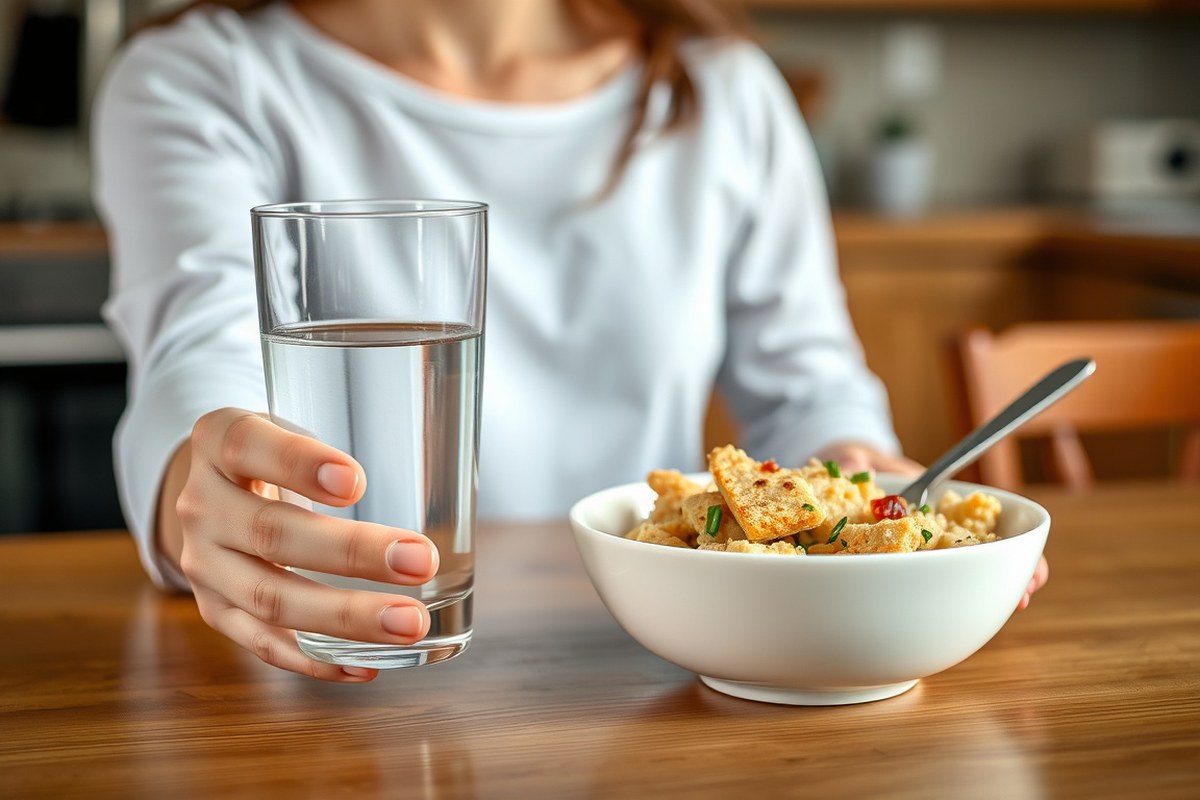
- Rest your digestive system by eating bland, easy-to-digest foods. Follow a simple diet like the BRAT diet, bananas, rice, applesauce, and toast, to firm stools and reduce irritation. Avoid fatty, spicy, or dairy foods during recovery.
- Use natural remedies cautiously. Some people find relief with probiotics, which may help balance gut bacteria, or chamomile tea that soothes the digestive tract. These may take longer to show effects and should complement, not replace, proven treatments.
- Monitor your symptoms closely. Improvement often occurs within 24 hours of starting treatment. If diarrhea lasts longer than 2 to 3 days, worsens, or includes blood, fever, or severe dehydration signs, consult a healthcare provider promptly.
This approach balances quick-acting interventions like loperamide with supportive measures to ease discomfort and prevent complications. Immediate steps are important for rapid control and to reduce interruption to your activities, while mindful diet and hydration support full recovery.
Choosing and Using Over-the-Counter Medicines Safely
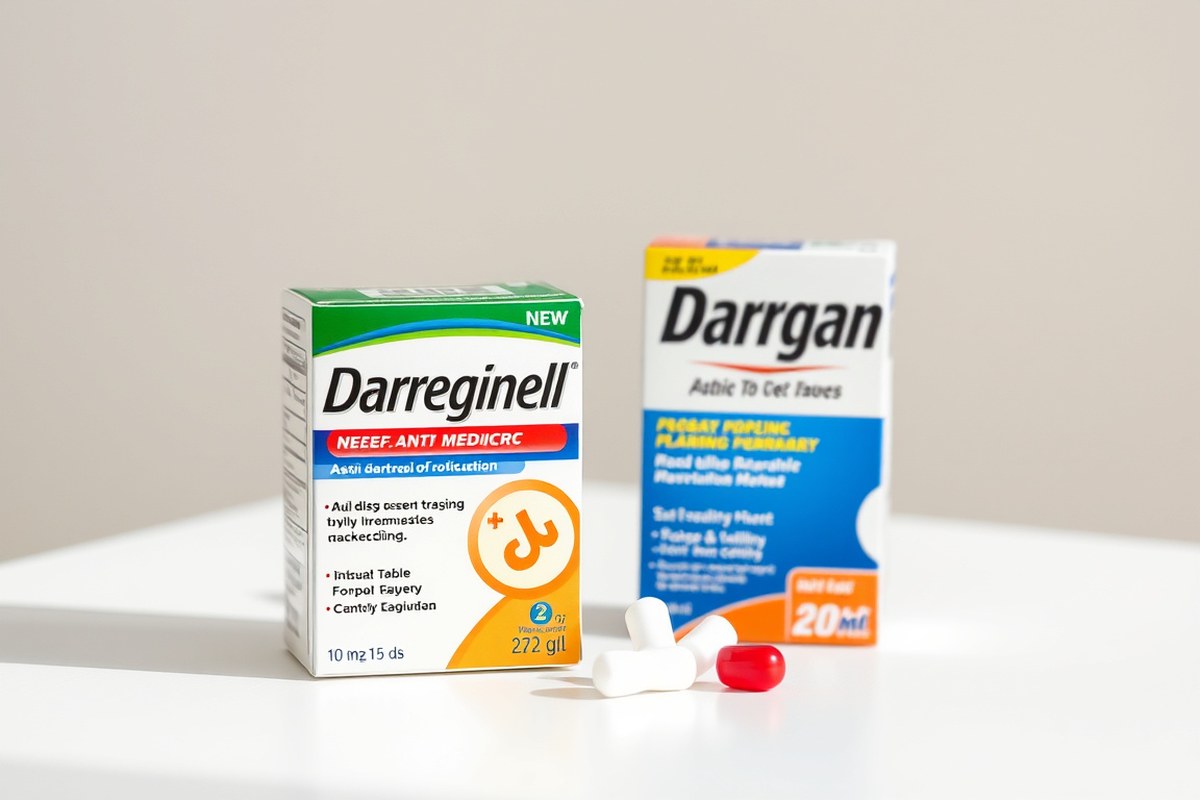
Over-the-counter (OTC) medicines can help reduce diarrhea symptoms quickly, but they usually do not stop diarrhea immediately. Two common OTC options are loperamide and bismuth subsalicylate. Loperamide (brand name Imodium) works by slowing intestinal movement, with effects often starting within an hour. Bismuth subsalicylate (Pepto-Bismol) reduces inflammation in the gut and also helps with nausea. These medications are generally safe for adults but should be used cautiously and not given to children unless advised by a doctor.
Children, especially those under two years old, usually should not take OTC anti-diarrheal medicines. Their bodies handle diarrhea differently, and dehydration is more dangerous for them. Instead, focus on hydration and see a healthcare provider if diarrhea lasts beyond 24 hours or worsens. Adults should stop using OTC anti-diarrheal drugs if diarrhea persists for more than two days, or if they develop a high fever or bloody stools. These signs could indicate a more serious condition requiring medical attention.
| Medicine | How It Works | Typical Onset | Age Limits | Dosage | Safety Precautions |
|---|---|---|---|---|---|
| Loperamide (Imodium) | Slows intestinal movement | About 1 hour | Not recommended for children under 2; consult doctor for older kids | Follow label; usually 2 mg after first loose stool, then 1 mg after each subsequent stool (max 8 mg/day) | Do not use with bloody diarrhea or fever; stop if no improvement after 2 days |
| Bismuth Subsalicylate (Pepto-Bismol) | Reduces gut inflammation, controls nausea | Several hours | Not recommended for children under 12 without doctor advice | Follow label; typically 2 tablets or 30 mL every 30-60 minutes, max 8 doses in 24 hours | Avoid if allergic to aspirin; do not use if pregnant without doctor consultation |
Proper dosing and awareness of safety information are important for effective and safe use of these medicines. OTC anti-diarrheals do not replace the need for hydration, which is essential to prevent dehydration caused by fluid loss. If you experience worsening symptoms like high fever, bloody stools, or if diarrhea lasts too long, seek medical care promptly. Young children and infants should avoid these medications unless prescribed by a healthcare provider, as they are more vulnerable to dehydration and complications.
Never give over-the-counter diarrhea medication to children under 2 years old without doctor approval, and monitor adults closely for worsening symptoms that require medical attention.
Diet and Hydration Tips to Manage Diarrhea Effectively
Eating the right foods and drinking properly during a bout of diarrhea can help reduce symptoms quickly and prevent dehydration. Sticking to bland, soluble-fiber-rich foods supports stool formation, while fluids with the right balance of electrolytes replace what your body loses. Avoiding irritants like caffeine and sugar also helps your gut recover faster.
Foods That Firm Up Stool Quickly
Bland foods containing soluble fiber are your best choice when trying to firm up loose stools. Soluble fiber absorbs water in the intestines, making stools thicker and less watery. Examples include peeled apples, bananas, cooked carrots, white rice, and oats. These foods also provide gentle nutrition without upsetting your digestive system further.
It’s wise to avoid dairy products like milk and ice cream because diarrhea can temporarily reduce lactase enzymes, leading to lactose intolerance and worsening symptoms. Fried, fatty, or spicy foods slow digestion and irritate the gut lining, extending recovery time. Sticking to simple, soft foods gives your digestive system a chance to heal.
Beverages That Rehydrate Efficiently
Replacing lost fluids quickly is important to prevent dehydration, especially if diarrhea is frequent or severe. Water alone helps but doesn’t replenish electrolytes like sodium and potassium, which your body also loses. Oral rehydration solutions (ORS) specially formulated with electrolytes, such as Pedialyte, offer the best option. Clear broths also aid hydration while providing some nutrients.
Avoid coffee, alcohol, and sugary drinks because caffeine and high sugar concentrations speed up gut motility or draw water into the intestines, worsening diarrhea. Room temperature or slightly warm drinks are generally easier on the stomach during diarrhea episodes.
Natural Remedies to Soothe the Gut
Natural foods and beverages can help soothe your digestive system alongside proper hydration and diet. Plain yogurt with live cultures may help restore good gut bacteria but only if your diarrhea has passed the initial acute phase. Ginger tea, made by steeping fresh ginger slices in hot water, can reduce nausea and intestinal cramping.
Avoid cold drinks or juices high in fructose or sorbitol because they can irritate the gut and increase stool frequency. Prioritize warm, mild fluids like chamomile or peppermint tea, which may calm your gut without adding to fluid loss.
Dietary Habits to Avoid Worsening Symptoms
Restart your normal diet gradually; eating too quickly can overload your recovering gut. Take small meals spaced throughout the day rather than large meals to reduce digestive stress. Rest is also important because physical activity can increase gut motility and dehydration risks during an active episode.
Remove high-fiber insoluble foods like raw vegetables and salads from your diet temporarily. These increase stool bulk and speed transit time, potentially worsening diarrhea. Similarly, avoid spicy foods and caffeine, both of which can irritate your gut lining and speed up digestion.
Homemade Oral Rehydration Solutions
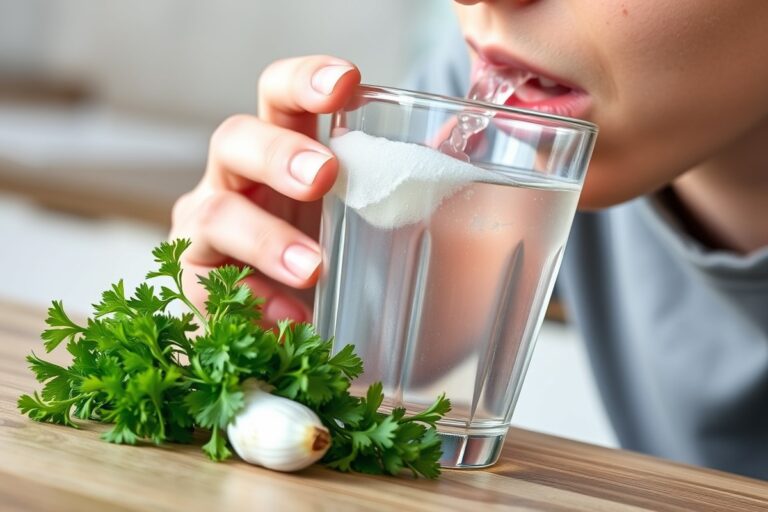
You can make an effective oral rehydration solution at home to prevent dehydration if commercial ORS isn’t available. The key is to balance water, salt, and sugar properly, which helps your intestines absorb fluids and electrolytes efficiently. Follow these steps to prepare an oral rehydration solution:
- Boil 1 liter (about 4¼ cups) of clean water and let it cool to room temperature.
- Add 6 teaspoons of sugar (about 30 grams) to the water and stir until dissolved.
- Add ½ teaspoon (around 2.5 grams) of table salt and stir well.
- Taste the solution; it should be slightly salty but bland, not salty or sweet.
- Store the solution in a clean container and drink in small sips throughout the day.
- Make fresh solution every 24 hours to avoid contamination.
- If vomiting occurs, sip slowly or try ice chips to keep hydrated.
Identifying When Diarrhea Needs Medical Attention
Severe diarrhea or complications demand prompt medical attention to avoid serious health risks like dehydration or infection. Watch for symptoms such as blood in stools, persistent vomiting, high fever, or severe abdominal pain. Use the checklist below to decide when to see a healthcare provider or seek emergency care.
Signs of Severe Dehydration
Severe dehydration from diarrhea can quickly become dangerous, especially for children and older adults. Look for dry mouth, dizziness, reduced urination, sunken eyes, and unusual sleepiness. Difficulty keeping down fluids or worsening weakness indicates dehydration that you cannot manage alone.
Check urine output by noting frequency and color; very dark or scant urine suggests dehydration. Dry, cracked lips or rapid heartbeat also signal a need for medical evaluation. Replace fluids early, but do not wait to seek care if these signs worsen or persist.
Duration Thresholds for Concern
Most episodes of acute diarrhea clear up within a few days with home care. Persistent diarrhea lasting more than 48 hours in young children or more than 3 to 5 days in adults should prompt a call to your healthcare provider. When diarrhea continues beyond two weeks, it signals chronic diarrhea that needs medical investigation for underlying causes.
Watch for worsening or new symptoms during diarrhea episodes. Should diarrhea last over a few days without improvement or return repeatedly, request testing like stool or blood analysis. Prompt early intervention can prevent complications.
High-Risk Groups Needing Immediate Care
Certain populations face increased risks from diarrhea and require faster medical assessment. Infants and toddlers dehydrate more rapidly and often need urgent care. Adults over 65 can have subtle signs of dehydration and complications that demand close monitoring.
Pregnant women must avoid dehydration and infections to protect both mother and baby. Immunocompromised individuals need evaluation early due to potential for serious infections. Also seek care if you are on medications that affect fluid balance or immunity, such as diuretics or chemotherapy.
Complications That Require Urgent Attention
Diarrhea paired with severe abdominal pain or continued vomiting increases the chance of complications like bowel obstruction or infection needing prompt treatment. High fever above 102°F (39°C) with diarrhea may indicate an infection needing antibiotics or other care.
Mixed blood and mucus in stool or a sudden change in mental status, such as drowsiness or confusion, require emergency evaluation. Persistent vomiting that prevents fluid intake and rapidly worsening symptoms can lead to severe dehydration needing intravenous fluids.
- Severe loss of fluids and electrolytes
- Signs of infection or sepsis
- Severe abdominal cramping or distention
- Confusion, lethargy, or unresponsiveness
- Blood in stools or vomit
- High-grade fever and chills
- Failure to retain fluids leading to ongoing dehydration
Do not delay getting evaluated if you see these red flags to prevent worsened outcomes.
Red Flags in Stool Appearance and Frequency
Regular watery stools lasting a day or two often do not need urgent care. Large increases in frequency, more than eight bowel movements in 24 hours, or stools mixed with blood or mucous call for prompt medical advice. Bloody or black stools may signal bleeding in the digestive tract.
Note stool color changes, like pale or greasy stools, which could indicate absorption issues or gallbladder problems. Persistent urgent diarrhea causing symptoms during sleep or affecting daily activities also warrants professional evaluation.
Common Causes and Types of Diarrhea in Adults and Children
Diarrhea varies in how long it lasts and the causes behind it, which matters for choosing the right approach to stop it quickly. Understanding the type of diarrhea, acute, persistent, or chronic, and the likely causes for adults versus children helps you act effectively. Infection signs also tell you if medical treatment like antibiotics might be needed.
Types of Diarrhea Explained
Acute diarrhea is the most common type, usually lasting from one to three days up to a week. It often clears up on its own without medication since it’s caused by mild infections or food poisoning. Most adults see improvement within a couple of days if they manage hydration and rest properly.
Persistent diarrhea lasts longer than two weeks but less than four weeks. This duration suggests that the cause might not resolve quickly without some intervention, especially if symptoms do not improve with initial home care. Chronic diarrhea is more serious, lasting four weeks or more, and can indicate ongoing infection or diseases like irritable bowel syndrome or inflammatory bowel disease.
Causes in Adults vs. Children
In adults, the most frequent causes include viral infections like norovirus, bacterial infections from contaminated food, and reactions to medication or stress. Food poisoning is common and typically leads to acute diarrhea that resolves quickly. In children, acute diarrhea often results from viral infections such as rotavirus, which tends to be more severe in young children and infants. Dehydration is a bigger risk in children and calls for careful monitoring.
Persistent or chronic diarrhea in adults might stem from underlying health issues, including chronic infections, parasites, or inflammatory diseases. In children, prolonged diarrhea can also signal parasitic infections or intolerance to certain foods. The difference in immune function and exposure risks between adults and children affects how diarrhea evolves and resolves.
Infections and Antibiotic Needs
Most cases of acute diarrhea caused by viruses or mild bacterial infections do not require antibiotics. The body often clears these infections naturally by allowing diarrhea to flush out the pathogens. However, antibiotics might be necessary if tests confirm bacterial infections like salmonella or campylobacter, or if diarrhea is severe and persistent with signs such as high fever, bloody stools, or dehydration.
Parasite-related infections are less frequent but can result in ongoing diarrhea if not treated, particularly affecting children and people with compromised immune systems. If symptoms and their length raise concerns, it’s important to consult a doctor who may request stool analysis. The healthcare professional will determine whether antibiotic or antiparasitic medication is necessary to address the infection.
Never use antibiotics for diarrhea without a doctor’s prescription, as misuse can worsen symptoms or cause resistance.
Tailored Care for Children, Pregnant Women, and Vulnerable Groups
Managing diarrhea safely in infants, pregnant women, elderly, and immunocompromised individuals requires extra care because these groups are more vulnerable to dehydration and complications. For infants, never give anti-diarrheal medicines unless a pediatrician explicitly recommends them. Instead, focus on rehydration with oral rehydration solutions (ORS) specially formulated for children. These solutions replace lost fluids and essential salts without causing harm. Watch for signs of dehydration such as dry mouth, fussiness, or fewer wet diapers, and contact a healthcare provider promptly if these appear.
Pregnant women should avoid over-the-counter anti-diarrheal medicines unless advised by their healthcare provider. Safe management usually involves careful hydration with water and electrolyte drinks and eating bland, easy-to-digest foods in small amounts. Monitoring symptoms is especially important because diarrhea and dehydration can affect both maternal and fetal health. Seeking medical advice early can help rule out infections or other causes specific to pregnancy.
For elderly or immunocompromised individuals, maintaining hydration with ORS or electrolyte drinks is critical since their bodies may not respond as well to illness, and dehydration can lead to serious health problems quickly. They may need closer monitoring for complications or underlying diseases. Prompt evaluation by a healthcare professional can guide appropriate medication use, as some common anti-diarrheal drugs may interact with other medications or worsen existing conditions.
- For infants, ensure complete vaccination against rotavirus by 8 months to reduce severe diarrhea risk.
- Use oral rehydration solutions designed for children; do not substitute with plain water or sports drinks.
- Pregnant women should consume small, frequent meals of bland foods such as rice, bananas, and toast.
- Avoid anti-diarrheal medications in infants and consult a doctor for pregnant women before use.
- Monitor elderly individuals for signs of dehydration: dizziness, weakness, or confusion require quick medical attention.
- Immunocompromised patients should seek medical advice early to address potential infections or medication adjustments.
- Keep a symptom diary including stool frequency, color, and other symptoms to report to a healthcare provider.
Children’s care differs from adults primarily in the priority of rehydration and close observation for dehydration. Infants and younger children lose fluids faster and cannot communicate how they feel, so caregivers should offer fluids regularly and watch for behavioral changes. If diarrhea lasts more than 24 hours in infants or if there is vomiting, fever, or blood in stool, contact a pediatrician immediately. For pregnant women, avoiding medications without advice helps protect the baby, and gentle dietary changes support recovery. Elderly and immunocompromised people benefit from timely professional evaluation to prevent worsening of symptoms or complications.
Preventing Diarrhea: Hygiene, Vaccines, and Lifestyle Tips
Maintaining proper handwashing habits is one of the easiest and most reliable methods to stop diarrhea. Cleaning your hands thoroughly with soap and water for at least 20 seconds effectively eliminates the germs responsible for diarrheal illnesses. This is important before meals, food handling, and after restroom use. When soap and water are unavailable, such as during travel or outdoor events, using an alcohol-based hand sanitizer is a good alternative.
Vaccinations help reduce diarrhea risk by protecting against infections like rotavirus, a common cause in children. Following vaccine schedules recommended by healthcare providers lowers the chance of these infections, which helps prevent diarrhea episodes. When traveling to developing countries, consider vaccines and preventive measures for travelers’ diarrhea and other infections, since contaminated food and water increase your risk.
Dietary choices play a key role. Eating bland, easy-to-digest foods such as bananas, rice, applesauce, and toast (often called the BRAT diet) reduces stress on your digestive system and lowers the chance of further upset. Avoid high-fat, spicy, or dairy-heavy foods during and shortly after an episode to help prevent recurrence. While traveling, stick to bottled water and thoroughly cooked foods to avoid exposure to harmful bacteria and viruses.
Stress and anxiety affect gut function and can trigger diarrhea, especially if you have irritable bowel syndrome or a hypersensitive digestive tract. Managing stress with deep breathing exercises, meditation, or calming activities reduces gut inflammation and helps control symptoms. Regular physical activity and enough sleep also support digestive health. When stress is a constant factor, talking to a healthcare professional can provide additional strategies.
Avoid home treatments that promise quick fixes but lack evidence or might worsen your condition. Do not use laxatives or anti-diarrheal medicines without consulting your doctor, especially for children or if you have an underlying health condition. Drinking plenty of fluids is key to preventing dehydration; oral rehydration solutions should be used if diarrhea is severe. Zinc supplements are recommended for children during diarrhea to reduce duration and severity, but only under healthcare guidance.
By keeping hands clean, following vaccination schedules, making helpful dietary changes, and managing stress, you create an environment that supports digestive health and lowers the chance of diarrhea returning. These steps require little more than soap, common foods, and time for stress relief but can make a significant difference in your comfort and well-being over time.
Relieving Discomfort and Preventing Complications
Rectal soreness often develops from frequent and loose bowel movements during diarrhea. To relieve this discomfort, start by keeping the area clean and dry. Gently wash with warm water, avoid harsh soaps or wipes that contain alcohol or fragrances, which can irritate sensitive skin. After cleansing, pat the area dry with a soft towel or use a hairdryer on a cool setting to avoid moisture that worsens irritation. Applying a low-dose hydrocortisone ointment (1.0%) can reduce inflammation and itching. Follow this with a protective barrier cream like Balmex™ or Desitin™ to shield the skin and promote healing. These creams are widely available over-the-counter for around $5 to $15 and should be used according to package instructions.
Using warm sitz baths for 10 to 15 minutes several times a day can also soothe rectal pain by increasing circulation and relaxation of the muscles. Avoid strenuous wiping after bowel movements; instead, gently blot or rinse. You might consider wearing breathable cotton underwear to decrease moisture buildup during the day. For children or those with sensitive skin, consult a healthcare provider before applying steroid ointments.
- Clean area gently with warm water after each bowel movement
- Apply hydrocortisone 1.0% ointment sparingly, no more than twice daily
- Use barrier creams like Balmex™ or Desitin™ after ointment application
- Take warm sitz baths to relieve soreness
- Wear loose, cotton underwear to reduce moisture
- Avoid harsh soaps or alcohol-based wipes
- Limit wiping to gentle patting or rinsing
Diarrhea can cause weight loss due to fluid depletion and reduced nutrient absorption. Mild diarrhea might cause about 5% weight loss along with mild dehydration but usually doesn’t disrupt eating habits much. Moderate diarrhea leads to 6% to 9% weight loss and moderate dehydration, often making eating difficult. Severe diarrhea causes over 10% weight loss and can signal serious health risks.
Prevent dehydration by drinking plenty of fluids, water, oral rehydration solutions, or clear broths. Nutritional intake should continue as tolerated to avoid malnutrition. If you notice persistent weight loss, inability to keep fluids down, or signs of dehydration like dry mouth, dizziness, or decreased urination, seek medical care immediately. Rapid weight loss or dehydration can lead to further complications, especially in children, older adults, or those with weakened immune systems.
Always replace lost fluids promptly and avoid sugary or caffeinated drinks that worsen diarrhea and dehydration.
Step-by-Step Action Plan to Stop Diarrhea Quickly and Stay Healthy
Follow these steps to manage diarrhea at home safely, relieve symptoms, and know when to get medical help.
- Immediately: Begin by drinking plenty of clear fluids like water, oral rehydration solutions, or broth to prevent dehydration. You’ll know this worked if you avoid signs of dehydration such as dry mouth or dizziness.
- Within the first few hours: Take an over-the-counter anti-diarrheal medicine like loperamide only if no fever or blood in stool is present. These can reduce bowel movements and make you feel better quickly.
- First day: Eat small amounts of bland foods like bananas, rice, applesauce, and toast (the BRAT diet). This will help your digestive system rest while easing diarrhea symptoms.
- Within 24 hours: Watch for warning signs such as severe abdominal pain, fever over 102°F, dehydration symptoms, or persistent diarrhea lasting more than 2 days. Seek medical care if you see any of these.
- Days 2-3: Continue staying hydrated and gradually return to a normal diet as your symptoms improve. Improvement means fewer bowel movements and less urgency or cramping.
- Ongoing: Practice good hand hygiene, avoid risky foods, and consider vaccines if you travel to high-risk areas to prevent future diarrhea episodes.
- For children and vulnerable individuals: Use oral rehydration solutions specifically designed for them, avoid anti-diarrheal medications unless advised by a healthcare provider, and contact a doctor sooner if symptoms worsen.
Frequently Asked Questions
What 12 Foods Stop Diarrhea?
Eating bland foods like bananas, rice, applesauce, and toast can help stop diarrhea by soothing your digestive system and reducing irritation. These foods are gentle and easy to digest, which may help your stool firm up faster.
What Settles a Really Bad Diarrhea Stomach?
Drinking clear fluids and consuming bland foods can settle a bad diarrhea stomach by preventing dehydration and easing irritation. Avoid spicy, fatty, or dairy foods because they can worsen symptoms.
What Can Harden Up Watery Poop?
Bland, low-fiber foods such as bananas and white rice can help harden watery stools by absorbing excess fluid and slowing bowel movements. Staying hydrated with small, frequent sips of water is important during this process.
How Long Until Liquid Diarrhea Goes Away?
Acute diarrhea typically resolves within 2 to 3 days and rarely lasts more than 14 days. If diarrhea persists beyond that, you should seek medical advice to rule out infections or other causes.
Can Probiotics Help Stop Diarrhea Fast?
Yes, probiotics can restore healthy gut bacteria and may shorten diarrhea duration. Look for products with Lactobacillus or Bifidobacterium strains; however, their effects vary and aren’t immediate.
Is It Safe to Take Anti-Diarrheal Medicine Every Day?
No, daily use of anti-diarrheal medicine is not recommended as it can mask symptoms of underlying conditions and cause side effects. Use only as directed and consult a healthcare provider for ongoing diarrhea.
The Bottom Line
Stopping diarrhea quickly depends on staying hydrated, using the right over-the-counter options, and eating a gentle diet. You can start today by drinking small sips of an oral rehydration solution to replace lost fluids and electrolytes. This step helps prevent dehydration and supports faster recovery, especially for you or any children in your care.