How to Get Rid of Belly Fat Quickly: A Complete Plan with Proven Steps
To get rid of belly fat quickly, focus on cutting about 500 calories a day while boosting your physical activity and improving sleep quality. Eating the right foods, managing stress, and maintaining a consistent calorie deficit are essential for shedding stubborn fat around your waist safely. Avoiding common pitfalls and tracking progress can speed up results and keep the fat off longer.
This plan suits adults concerned about excess belly fat who want effective, realistic steps to slim down fast. You’ll learn why belly fat is hard to lose, which foods and exercises actually work, and how sleep and stress affect fat loss. Practical tips will help you build a lifestyle that flips fat loss in your favor without gimmicks or surgery.
Key Takeaways
- Belly fat affects up to 91% of US adults, increasing health risks when waist measurements exceed 35 inches for women or 40 for men.
- Expect gradual belly fat loss, aiming for a safe calorie deficit of about 500 calories daily to reduce weight effectively and sustainably.
- Boost soluble fiber intake by 10 grams daily to reduce belly fat gain by 3.7% over five years, according to a large study.
- Combine 30 minutes of moderate to high-intensity aerobic exercise with resistance training for 12 weeks to significantly cut belly fat.
- Reduce stress and get more than five hours of sleep nightly to help prevent additional belly fat accumulation linked to poor rest.
- Incorporate 1, 2 tablespoons of vinegar daily as part of a balanced diet to aid reductions in belly fat and waist circumference.
What Is Belly Fat and Why Losing It Matters
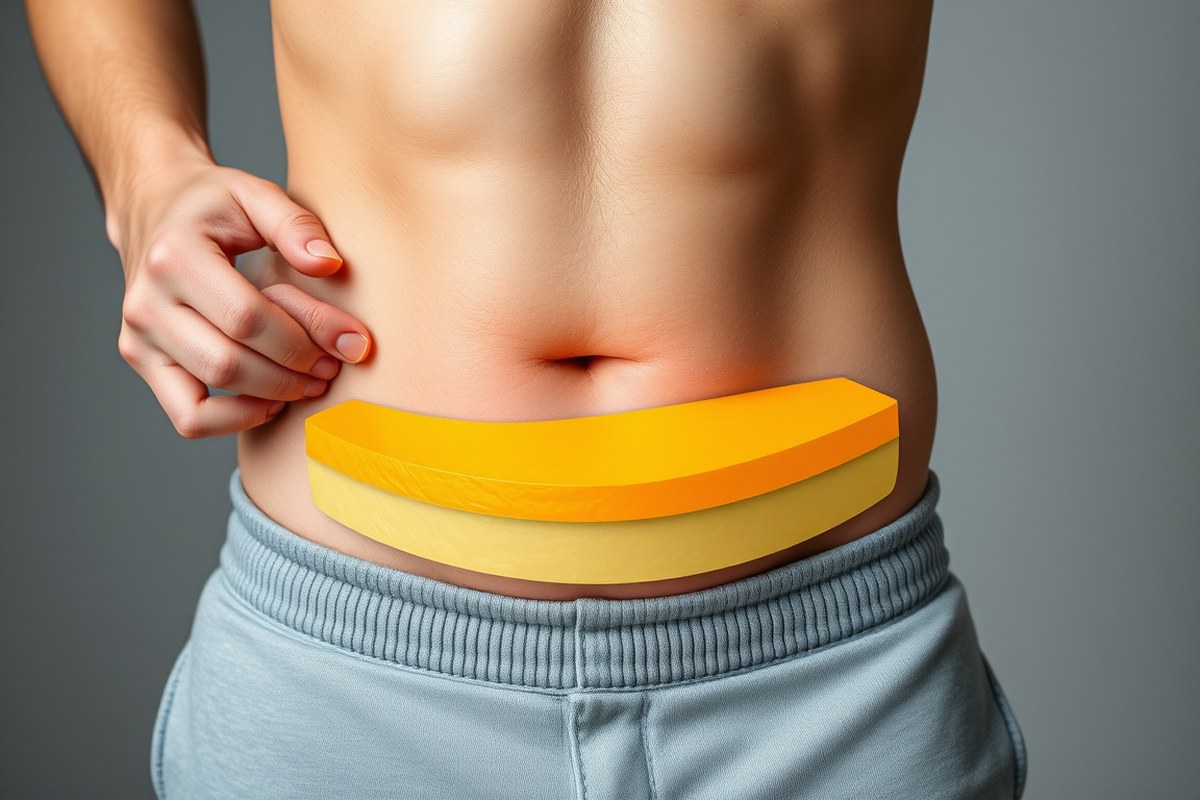
Belly fat refers to the fat stored around your abdomen and comes in two main types: subcutaneous fat and visceral fat. Subcutaneous fat sits just under the skin, which you can pinch, while visceral fat lies deeper inside, surrounding your internal organs like the liver and intestines. This visceral fat is often hidden and can be present even if your stomach looks flat. It is the type most linked to health risks.
Excess belly fat, especially visceral fat, is more than a cosmetic concern. It’s associated with a higher risk of heart disease, type 2 diabetes, and certain cancers. The American Heart Association and other health authorities highlight belly fat as a major factor in developing metabolic complications. Visceral fat produces inflammatory substances that can interfere with your body’s normal functions, and managing it is key to reducing those health risks.
Understanding which type of belly fat you have impacts your approach to losing it. Visceral fat tends to be harder to lose than subcutaneous fat because it’s more metabolically active and influenced by hormones and stress. Losing visceral fat lowers the risk for serious diseases even if it doesn’t immediately reduce your waist size. Subcutaneous fat loss is what you see as your belly getting smaller and is easier to target with diet and exercise.
Muscle loss, especially in men over 30, can complicate belly fat reduction. As men age, they may lose about 30% of their muscle mass, a condition known as sarcopenia. Less muscle means a slower metabolism, making it easier to accumulate visceral fat. Maintaining or building muscle through strength training helps increase calorie burn and supports visceral fat loss.
Losing belly fat requires sustained effort in diet and lifestyle changes. Start by eating fewer calories than your body needs to maintain weight, generally about a 500-calorie daily deficit leads to noticeable fat loss over weeks. Focus on whole foods rather than fad diets or supplements promising quick fixes, as those rarely target visceral fat effectively. Incorporating regular exercise that combines cardio and resistance training will also improve your chances of reducing the harmful fat around your organs.
Monitoring your progress includes watching both your waist measurement and overall health markers like blood sugar and cholesterol. Because visceral fat can’t be seen directly, improvements in these health indicators signal that dangerous belly fat is decreasing. Consulting with a healthcare provider can help tailor your plan and address specific health concerns tied to belly fat.
How Fast Can You Realistically Lose Belly Fat?

Realistic belly fat loss happens gradually, typically at a rate of about 1 to 2 pounds per week for most people. This pace aligns with expert recommendations for safe and sustainable fat loss. Rapid weight loss methods, like extreme calorie restriction below 1100 calories per day, can pose health risks and often result in muscle loss rather than fat loss. Very low-calorie diets rarely lead to lasting belly fat reduction because they are hard to maintain and may slow metabolism.
How quickly you lose belly fat depends on factors such as your starting weight, age, sex, muscle mass, diet quality, and exercise habits. For example, those with higher body fat levels may see faster initial loss compared to someone who is closer to their goal weight. Men often experience quicker fat loss than women, partly due to higher muscle mass, which burns more calories even at rest. As people approach middle age, muscle mass naturally declines, which can slow fat loss and require more focus on strength training to counteract.
A worked example helps clarify expectations. Suppose you create a calorie deficit of 500 calories daily through diet and exercise. This deficit equals about 3500 calories per week, the equivalent of losing approximately 1 pound of fat weekly. Over 12 weeks, this approach could result in a 12-pound weight loss, a portion of which will come from belly fat due to consistent physical activity and a healthy diet. Including resistance training with aerobic exercise improves muscle retention and contributes specifically to reducing belly fat, as muscle tissue increases metabolism.
Intermittent fasting has shown promise as a strategy to support fat loss, including belly fat, by limiting the eating window and potentially reducing total calorie intake without severe restriction. However, it requires consistency and does not guarantee rapid results. Hydration also supports fat loss, so drinking water or no-calorie beverages can help prevent overeating and maintain metabolic functions.
Avoid expecting quick belly fat loss in under a week, which is neither safe nor sustainable. Instead, focus on combining moderate calorie reduction with daily physical activity, including both cardio and strength workouts. This holistic approach leads to gradual fat loss in the belly and better long-term results.
Attempting to lose belly fat extremely fast with crash diets is unsafe and can lead to muscle loss and metabolic slowdown; aim for steady progress of 1 to 2 pounds per week instead.
Which Foods and Drinks Help Burn Belly Fat Faster?
Eating the right foods and avoiding certain others can speed up belly fat loss. Including soluble fiber, healthy fats, and probiotics in your diet helps reduce fat stored around your abdomen. Cutting back on added sugars, refined carbs, and unhealthy fats supports faster results while maintaining overall health.
Foods to Avoid for Faster Fat Loss
Avoiding foods high in added sugars and refined carbohydrates can help reduce belly fat. These foods cause rapid blood sugar spikes, leading to increased fat storage around your waist. Stay away from sugary drinks, sweets, white bread, and many processed snacks.
Trans fats, often found in margarine and some packaged baked goods, are especially harmful for belly fat increase. High intake of these fats can lead to inflammation and fat accumulation in the abdominal region. Limit or eliminate these to support your fat loss goals.
Foods and Nutrients That Support Belly Fat Loss
Foods rich in soluble fiber play a key role in belly fat loss. Research shows that increasing soluble fiber intake by just 10 grams daily leads to a 3.7% reduction in belly fat over five years. Soluble fiber slows digestion, keeps you full longer, and reduces calorie absorption.
Monounsaturated fats, found in olive oil, avocados, and nuts, may help reduce fat storage around your belly. Including these healthy fats supports metabolism and hormone balance related to fat loss. Whole grains like oats, quinoa, and brown rice provide both fiber and nutrients to assist belly fat reduction.
Fermented foods such as kimchi and sauerkraut supply probiotics that may improve gut health and aid fat loss. Emerging evidence suggests that probiotic consumption supports weight loss, particularly around the midsection.
Helpful Drinks and Supplements: What Works and What Doesn’t
Certain drinks can support belly fat loss alongside dietary efforts. Consuming 1 to 2 tablespoons (15-30 ml) of vinegar daily for 12 weeks was shown to reduce body weight, belly fat, and waist circumference. Green tea and liquids made with turmeric or ginger might help slightly boost fat burning due to their bioactive compounds.
Probiotic supplements can increase beneficial gut bacteria that assist in regulating metabolism and fat storage. To get started, add fermented foods or high-quality probiotic supplements to your daily routine.
Caution is advised with supplements claiming rapid belly fat burning, as most lack strong evidence. Prioritize whole foods and balanced eating for sustainable results. Follow these steps to adjust your diet for faster belly fat loss:
- Identify and reduce intake of sugary drinks, sweets, and refined carbohydrates.
- Incorporate at least 10 grams of soluble fiber daily by adding oats, beans, and fruits like apples or oranges.
- Use monounsaturated fats such as olive oil or avocado in meals instead of saturated or trans fats.
- Add fermented foods like kimchi or sauerkraut to your diet for natural probiotics.
- Try drinking 1-2 tablespoons of vinegar diluted in water daily, but consult your healthcare provider if you have acid reflux or stomach issues.
- Include green tea and spice-infused warm water (turmeric, ginger) to support metabolism.
- Choose probiotic supplements if fermented foods are not part of your regular diet, following product instructions.
- Track your food choices to maintain consistency and adjust as needed for sustained belly fat loss.
Exercise Strategies That Actually Burn Belly Fat
To burn belly fat effectively, combining aerobic exercise with strength training is best. Aerobic workouts help burn calories and reduce overall fat, while resistance training builds muscle that raises your resting metabolism. Neither method specifically targets belly fat alone, but together they lead to noticeable fat loss in that area over time.
Aerobic (Cardio) Exercise Benefits and Time Commitments
Aerobic exercise is the most effective single type of exercise for reducing fat throughout your body, including the belly. Activities like biking, brisk walking, or jogging raise your heart rate and increase calorie burn. Regular moderate-intensity sessions help shrink belly fat and improve heart health.
Experts often recommend 30 to 60 minutes of moderate aerobic exercise at least three days a week. The more aerobic exercise you do, the more belly fat you tend to lose, according to research reviews. Longer or more frequent sessions can accelerate results but balance with other exercise forms to avoid injury.
Resistance Training for Fat Loss and Muscle Maintenance
Resistance training, including weight lifting or bodyweight exercises, helps reduce belly fat by increasing muscle mass. Muscle tissue burns more calories than fat, even while resting, which boosts overall fat loss. One study showed 10 weeks of resistance training increased resting calorie burn by 7% and lowered body fat by about 4 pounds (1.8 kg).
Combining resistance training with aerobic exercise gives the best results. Strength training also prevents muscle loss during weight loss, maintaining your metabolism. Experts suggest doing weight training 2 to 3 times weekly targeting all major muscle groups. A study with middle-aged men found those who did daily 20-minute weight training gained less belly fat over time than those doing the same amount of aerobic exercise.
HIIT and Its Role in Belly Fat Reduction
High-Intensity Interval Training (HIIT) alternates short bursts of intense exercise with rest or low-intensity periods. This approach burns calories efficiently and can reduce body fat faster than steady-state cardio for some people. HIIT sessions usually range from 10 to 30 minutes.
HIIT programs that combine aerobic and resistance exercises improve muscle tone beneath belly fat and help speed fat loss. However, HIIT is more physically demanding and may not suit beginners or people with health issues. The table below compares key exercise types and their impact on belly fat loss:
| Exercise Type | Duration per Session | Frequency per Week | Fat Loss Focus | Additional Benefits |
|---|---|---|---|---|
| Aerobic (Cardio) | 30, 60 minutes | 3+ days | Reduces belly and total body fat | Improves cardiovascular health |
| Resistance Training | 20, 60 minutes | 2, 3 days | Preserves muscle, increases resting calorie burn | Builds muscle mass |
| HIIT | 10, 30 minutes | 2, 3 days | Burns calories rapidly, reduces fat | Improves muscle tone & metabolism |
The best strategy is combining these exercise types with a nutritious diet. Spot reduction of belly fat by only doing abdominal exercises isn’t supported by science. Instead, full-body fat loss through aerobic and strength work decreases belly fat along with other body fat. To see results, aim for at least 150 minutes of moderate aerobic activity weekly plus strength sessions and consider HIIT if your fitness level allows.
Sleep and Stress: Their Critical Role in Belly Fat Loss
Poor sleep and chronic stress both play a major role in increasing belly fat. Sleep of less than seven hours per night disrupts the balance of appetite hormones ghrelin and leptin, leading to increased hunger and cravings for unhealthy foods that promote belly fat. Research shows that insufficient sleep can reduce fat loss by as much as 55%, while boosting appetite, making it harder to lose weight, especially around the abdomen.
Stress triggers the release of cortisol, a hormone that promotes fat accumulation in the abdominal region. Improve cortisol boosts hunger and signals the body to store fat, mainly around the belly. Stress frequently interferes with sleep, reduces the desire to exercise, and may lead to habits such as drinking more alcohol, all of which contribute to gaining belly fat.
Improving both sleep and stress management is important. Aim for 7 to 9 hours of quality sleep every night by keeping a regular sleep schedule and creating a restful environment that is cool, dark, and quiet. Avoid screens and caffeine for at least an hour before bed. For stress, identify your main triggers and apply relaxation techniques such as deep breathing, meditation, or light activity like walking. Managing stress improves sleep quality, lowers cortisol, and helps regulate appetite and fat metabolism.
- Set consistent sleep and wake times to regulate your body clock
- Create a relaxing bedtime routine to signal your body to wind down
- Limit caffeine and alcohol intake, particularly afternoon and evening
- Practice daily stress-reduction techniques, for example, 10 minutes of meditation
- Engage in regular physical activity, but avoid vigorous exercise close to bedtime
- Consider journaling your stress and progress to identify patterns and improvements
- Seek professional help if stress or sleep problems persist or worsen
Focus on getting at least 7 hours of sleep nightly and practicing simple stress-reduction methods daily to cut cortisol levels and support belly fat loss.
Costs of better sleep and stress management are usually low and mostly require consistent habits rather than expensive tools. Results typically appear within a few weeks, with improvements in appetite control, energy for exercise, and reduced belly fat over time. Problems arise when poor sleep or stress remain unaddressed, which can block your fat-loss efforts despite dieting and workouts. Adjust your approach if progress stalls, and remember that ongoing lifestyle changes are key to lasting belly fat reduction.
Creating a Safe Calorie Deficit for Rapid Belly Fat Loss
To lose belly fat quickly and safely, creating a calorie deficit tailored to your body’s needs is essential. A calorie deficit happens when you consume fewer calories than your body burns, forcing it to tap into stored fat, including fat around your belly. Generally, losing 1 to 2 pounds per week is a safe rate that minimizes muscle loss and supports sustainable fat loss. One pound of fat roughly equals 3,500 calories, so to shed one pound weekly, you need to cut about 500 calories daily. For two pounds, a 1,000-calorie daily deficit is the target, but going higher than this risks nutrient deficiencies, fatigue, and muscle breakdown.
First, calculate your Total Daily Energy Expenditure (TDEE), which is the number of calories your body needs to maintain its current weight based on your age, sex, weight, height, and activity level. You can estimate this using online calculators or the Mifflin-St Jeor equation: for men, multiply 10 times weight in kilograms, add 6.25 times height in centimeters, subtract 5 times age, then add 5; for women, subtract 161 instead. Multiply your result by an activity factor (1.2 for sedentary, up to 1.725 for very active) to get your TDEE.
For example, if you are a 35-year-old woman weighing 180 pounds (82 kg), standing 5 feet 6 inches tall (168 cm), and moderately active, your calculation goes like this: 10 × 82 = 820, plus 6.25 × 168 = 1,050, minus 5 × 35 = 175, minus 161 = 1,534 calories. Multiply by 1.55 (moderate activity) to get approximately 2,375 calories per day to maintain your weight. Creating a 500-calorie deficit, you would aim to eat around 1,875 calories daily to lose about 1 pound per week.
Sticking to this deficit requires consistent meal planning and monitoring. Track your calorie intake using apps or food journals to avoid underestimating portions. Rapid weight loss attempts beyond a 1,000-calorie deficit can slow your metabolism, making it harder to lose fat long term and increasing the chance of muscle loss. Adjust your calorie target based on ongoing results and how you feel; too much hunger or fatigue indicates the deficit may be too aggressive.
In some cases, people have a slower metabolism due to genetics or past dieting history and may need to start with a smaller deficit, such as 250 to 350 calories daily, to avoid negative side effects. Combining a calorie deficit with strength training can help preserve muscle mass during fat loss. Drinking water before meals and focusing on whole foods can also support your body in this process by improving satiety without extra calories.
Remember that a calorie deficit impacts the whole body, not just belly fat. Reducing total body fat will gradually shrink belly fat as well. Keep regular track of your weight, measures around your waist, and energy levels. If progress stalls for more than a few weeks, reassess your intake and activity to ensure your calorie deficit remains effective for your current body size and lifestyle.
Avoiding Common Pitfalls That Ruin Belly Fat Loss
Many people trying to lose belly fat make mistakes that stall their progress. One common error is relying solely on cardio without including strength training. While cardio burns calories, strength training builds muscle, which increases your resting metabolism and helps burn fat more effectively. Incorporate 2 to 3 full-body strength workouts per week alongside cardio sessions to balance your routine.
Another frequent mistake involves inconsistent or inaccurate tracking of food intake and exercise. Not logging meals or underestimating portions can sabotage calorie control. Use a food tracking app to measure portions and calories consistently. Aim to review your daily totals each evening to make adjustments the next day.
Poor sleep habits can seriously disrupt fat loss efforts. Lack of sleep raises hunger hormones and cravings, leading to late-night snacking and poor food choices. Prioritize 7 to 9 hours of quality sleep per night by setting a consistent bedtime, avoiding bright screens before bed, and keeping your bedroom cool (between 60-67°F).
- Don’t skip strength training; add 30, 45 minutes twice weekly
- Track meals daily using a calorie app for accuracy
- Prioritize 7, 9 hours of sleep nightly to reduce cravings
- Balance cardio with strength for better overall fat loss
- Plan meals ahead to avoid unplanned snacking
- Check measurements or pictures monthly, not just scale weight
Neglecting recovery and stress management also reduces results. Stress can increase fat storage, especially around the belly. Use relaxation techniques like deep breathing or light stretching after workouts to support recovery and lower cortisol levels. Tracking progress beyond just weight, like using measurements or progress photos once every 2 to 4 weeks, helps you stay motivated and notice changes that scales may miss.
Addressing these pitfalls involves consistent habits rather than quick fixes. Commit to pairing balanced workouts with accurate tracking and good sleep. This approach will help you avoid plateaus and keep your belly fat loss journey on track. Remember that small lifestyle tweaks often have a bigger impact than drastic, short-term changes.
Tracking and Maintaining Belly Fat Loss Long Term
Tracking belly fat loss accurately helps you stay motivated and make informed adjustments. Preventing its return involves consistent lifestyle habits and understanding how age or health issues like diabetes and heart disease affect your body.
Methods to Track Belly Fat: Waist Circumference and More
Waist circumference is the simplest, most affordable way to measure belly fat changes. Use a flexible tape measure around your waist at the level of your belly button. Record this number weekly under consistent conditions: after waking, before eating or drinking. A waist measurement above 40 inches for men and 35 inches for women signals excess belly fat linked to health risks, according to the CDC.
More precise methods include body composition scales that estimate visceral fat percentage and skinfold calipers used by fitness professionals. While these tools provide detailed insights, they may require additional costs or expertise and show some variability.
Tracking weight alone is less reliable because muscle gain and water retention can distort results. Combining weight tracking with waist measurements and photos taken monthly gives a clearer picture of progress.
Adjusting Strategies for Aging and Hormonal Changes
As you age, especially post-menopause, hormonal shifts lower estrogen levels, slowing metabolism and encouraging abdominal fat storage. Muscle mass declines, reducing calorie burn, which makes belly fat harder to lose.
To adapt, increase protein intake to preserve muscle and adopt resistance training focused on major muscle groups at least two to three times per week. Adding moderate aerobic exercise helps combat fat gain. Avoid sugar-sweetened drinks that promote belly fat buildup, particularly important for those managing type 2 diabetes.
Consult your doctor when adjusting diets or exercise if you have heart disease or diabetes. Tailor your routine to avoid heart strain or blood sugar spikes, such as pacing activity, monitoring glucose levels, and emphasizing low-glycemic foods.
Long-Term Maintenance and Healthy Lifestyle Habits
Consistency is essential to keep belly fat off. Small changes sustained across months or years produce meaningful results. Maintain a balanced diet with plenty of vegetables, lean protein, and whole grains. Manage stress through mindfulness or relaxation techniques, as stress hormones can increase abdominal fat.
Getting at least seven hours of quality sleep supports hormone regulation and appetite control. Avoid quick-fix diets that cause rapid weight loss followed by regain. Instead, focus on lifestyle shifts you can maintain.
- Measure waist circumference weekly under the same conditions.
- Track weight and take monthly progress photos.
- Incorporate resistance training two to three times weekly.
- Limit sugar-sweetened beverages and high-glycemic foods.
- Manage stress with daily relaxation exercises.
- Prioritize seven or more hours of sleep per night.
- Consult healthcare providers to tailor plans for diabetes or heart disease.
- Adjust your diet and activity levels as you age to preserve muscle and metabolism.
Tip: Avoid sudden large calorie drops that cause muscle loss and slow metabolism, increasing belly fat rebound risk.
Quick-Start Plan to Reduce Belly Fat Safely and Effectively
Follow these steps to begin losing belly fat with proven diet, exercise, and lifestyle changes. Track progress to stay motivated and adjust as needed.
- Day 1: Calculate your daily calorie needs and create a 500-calorie deficit by adjusting your food intake. You’ll know it’s working if you stick to the deficit consistently and notice gradual weight loss on the scale after one week.
- Days 2-7: Incorporate 30 minutes of moderate-intensity cardio (like brisk walking or cycling) most days this week. Check your energy level and endurance improving, signaling your body is adapting.
- Week 2: Add two full-body strength training sessions to target belly fat by increasing muscle mass, which boosts metabolism. Track fat loss progress by measuring waist circumference every week to see reductions.
- Week 3: Adjust your diet to include more fiber-rich vegetables, lean protein, and replace sugary drinks with water or green tea. Notice reduced cravings and better digestion as signs you’re on the right track.
- Ongoing: Prioritize 7 to 8 hours of quality sleep each night and practice stress reduction techniques like meditation or deep breathing. Improved sleep and reduced stress hormones support belly fat loss, shown by less bloating and steady weight drop.
- Every 2 weeks: Review your calorie intake, exercise routine, and waist measurements. Adjust as needed by fine-tuning your calorie deficit or increasing activity to prevent plateaus.
- After 1 month: Maintain your new habits to support long-term belly fat loss. Celebrate progress but stay consistent, as lasting change requires ongoing effort.
Frequently Asked Questions
What Burns Stomach Fat the Most?
Burning stomach fat requires a combination of moderate to high-intensity exercise and a calorie deficit. Strength training is especially important since muscle burns more calories, which helps reduce belly fat faster than cardio alone.
What to Drink to Lose Belly Fat in 1 Week?
Green tea and lemon water are popular choices to support belly fat loss, but no drink alone will remove fat in a week. Drinking green tea each morning can help metabolism, while lemon water aids hydration, which supports your overall weight loss efforts.
How to Lose Belly Fat Faster in a Week?
To lose belly fat faster, create a calorie deficit by eating fewer calories and combining it with 30 minutes of daily moderate to high-intensity exercise. Focus on both cardio and strength training to maximize fat loss and muscle retention.
Why Am I Losing Weight but My Stomach Is Still Large?
Muscle loss and genetics can keep your stomach large even as you lose weight. Losing muscle mass, especially after age 30, lowers calorie burn, so focusing on strength training helps reduce belly fat and maintain a smaller waistline.
How Does Lemon Water Help?
Lemon water helps by keeping you hydrated and may support digestion, which is beneficial during weight loss. It doesn’t directly burn belly fat but replacing sugary drinks with lemon water reduces calorie intake, aiding fat loss.
Can Stress Cause Belly Fat to Increase?
Yes, high stress can raise cortisol levels, which promotes belly fat storage. Managing stress through sleep, relaxation, and exercise is important to reduce this risk.
Before You Go
Focusing on a balanced approach that combines focused exercise, mindful eating, and good sleep habits will help you reduce belly fat most effectively. Start today by tracking your meals and snacks for a few days to spot easy places to cut calories without feeling deprived. This small step can make a big difference in creating the calorie deficit needed for faster belly fat loss.