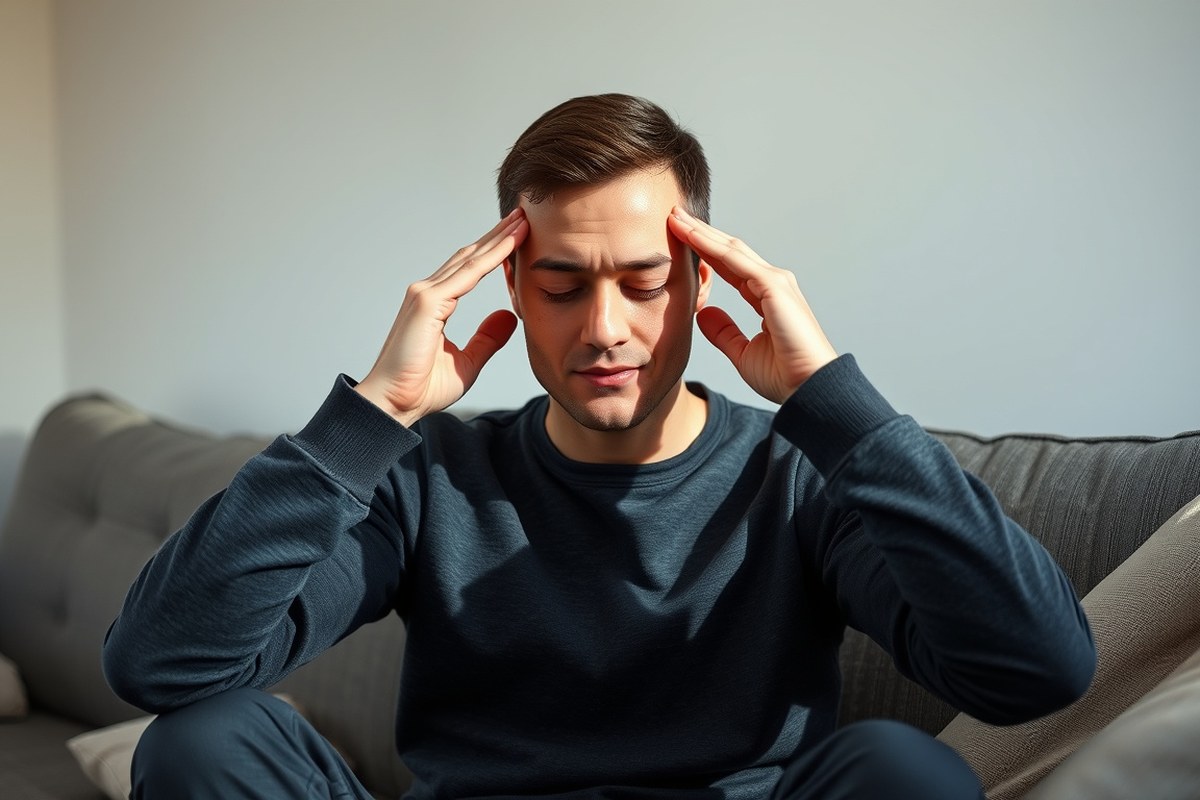
How to Get Rid of Headache Behind Eyes Fast: 8 Proven Relief Methods
To get rid of headache behind eyes fast, start by resting in a dark, quiet room and applying a cold compress to reduce inflammation and numb the pain. Drinking water, taking an over-the-counter pain reliever like ibuprofen or acetaminophen, and gently massaging your temples can also provide quick relief. These steps target the common sources of pain and help ease discomfort efficiently.
This information is for anyone experiencing headache pain behind the eyes who needs fast, effective relief. You’ll learn proven methods to relieve pain quickly, understand common causes like sinus pressure and eye strain, and find safe tips on medication use and preventive strategies to reduce headaches in the future.
Key Takeaways
- Use a cold compress and stay hydrated to relieve headaches behind the eyes within 30 to 60 minutes effectively.
- Identify causes like tension, eye strain, sinus pressure, migraines, or cluster headaches to target treatment appropriately.
- Clear sinus congestion with a saline rinse to reduce pressure behind the eyes in 15 to 30 minutes safely.
- Limit pain reliever use to under 10 to 15 days per month to avoid medication-overuse headaches.
- Massage specific pressure points around the eyes gently to ease tension and reduce headache pain quickly.
- Seek medical help immediately if headaches are severe, sudden, or accompanied by vision changes or high blood pressure.
1. Fast-Acting Ways to Relieve Headache Behind the Eyes

Getting fast relief from a headache behind the eyes involves a combination of quick, hands-on techniques aimed at reducing pain, inflammation, and tension. Applying a cold compress is one of the most effective first steps, as it numbs pain and decreases inflammation. Alongside this, resting in a quiet, dimly lit space can ease sensory overload. Gentle massage and hydration also help by improving circulation and reducing strain. When needed and safe for you, over-the-counter pain relievers can accelerate relief. Try the following step-by-step checklist to tackle the headache behind your eyes efficiently.
- Rest in a quiet, darkened room. Limit screen time and bright lights for at least 15 to 30 minutes. This reduces eye strain and sensory triggers that can worsen headache pain behind the eyes.
- Apply a cold compress. Use an ice pack or a cold, damp cloth on your forehead and over the eyes for 10 to 15 minutes. The cold temperature numbs the area and reduces inflammation, which relieves pain quickly. Avoid direct contact with skin; wrap the ice pack in a thin towel to prevent frostbite.
- Drink a glass of water. Dehydration can cause or worsen headaches, so drinking 8 to 12 ounces of water helps rehydrate you, which can reduce headache intensity.
- Perform gentle pressure point massage. Use your thumbs to press gently on the point between your eyebrows (the “third eye” point). Hold steady pressure for 30 seconds, then release slowly. Repeat 2 to 3 times. Next, massage your temples in small circular motions for 1 to 2 minutes to relieve tension and improve blood flow around the eyes.
- Use a warm compress if preferred. Applying a warm compress to your forehead and sinuses for 10 minutes can relieve sinus pressure contributing to pain behind your eyes, especially when sinus congestion accompanies the headache or a cold compress causes discomfort.
- Consider an over-the-counter pain reliever. When safe for you, take ibuprofen (200 to 400 mg) or acetaminophen (500 to 650 mg), following package instructions. These can reduce pain and inflammation within 30 to 60 minutes. Avoid taking more than the recommended dose and check for drug interactions if you use other medications.
- Practice slow, deep breathing. Sit calmly and breathe in deeply through your nose for four seconds, hold for four seconds, then exhale slowly through your mouth for six seconds. Repeat this cycle 5 to 10 times to help reduce headache-related stress and tension.
2. Common Causes and Types of Headaches Behind the Eyes
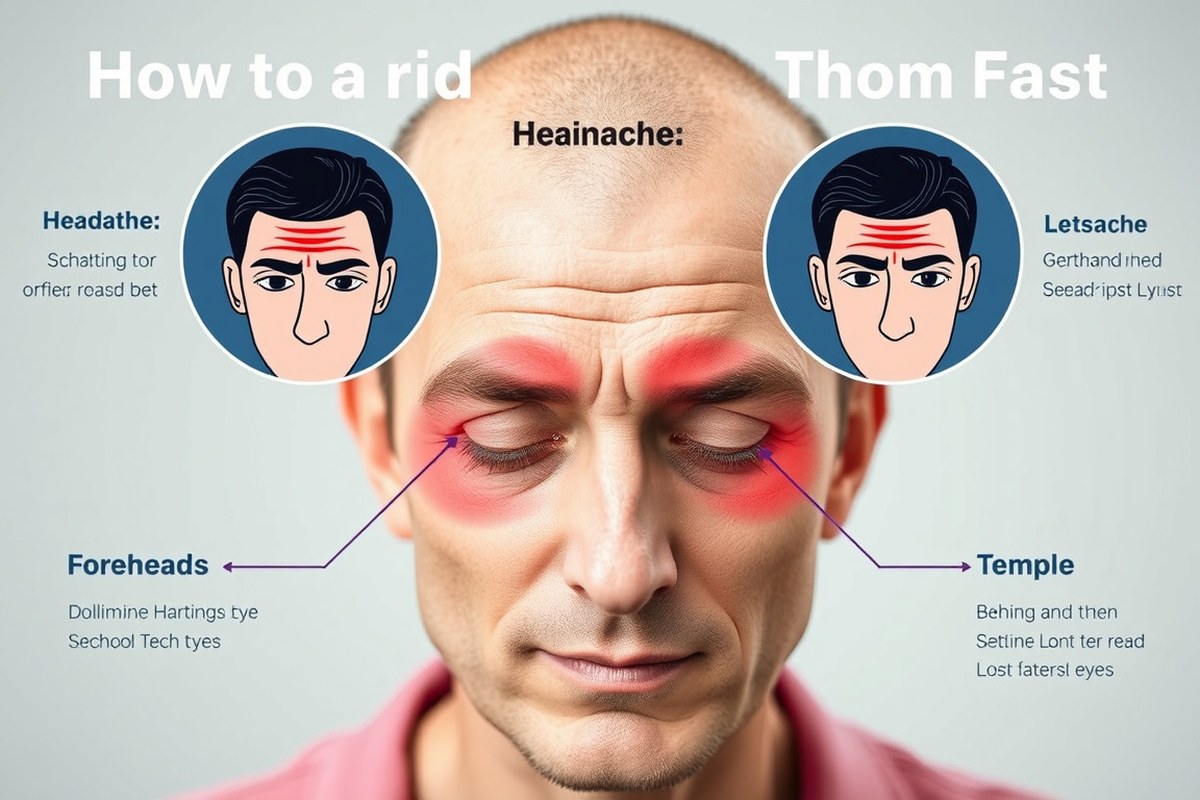
Headaches that cause pain behind the eyes can arise from several conditions, including migraines, tension headaches, cluster headaches, and sinus infections. Identifying the specific type is important because treatments and triggers differ. Migraines usually produce throbbing pain behind one eye, often accompanied by nausea and sensitivity to light. Tension headaches tend to cause a dull pressure behind both eyes, linked with neck pain and stress. Sinus-related headaches bring a feeling of pressure combined with facial congestion. Cluster headaches cause intense, sharp pain around one eye and may come with redness or tearing.
Eye strain, especially from prolonged screen use, can trigger headaches behind the eyes by forcing eye muscles to overwork, leading to tension and discomfort. Other factors like dehydration, caffeine withdrawal, and vision problems also contribute. Distinguishing these types relies on symptoms, duration, and triggers, all of which guide effective relief strategies.
| Type of Headache | Pain Type | Key Symptoms | Typical Duration | Common Triggers | Usual Treatments |
|---|---|---|---|---|---|
| Migraine | Throbbing | Nausea, light sensitivity, pain usually behind one eye | 4 to 72 hours | Stress, certain foods, hormonal changes | Rest, dark room, migraine-specific meds |
| Tension Headache | Dull pressure | Neck pain, muscle tightness, both eyes affected | 30 minutes to several hours | Eye strain, stress, poor posture | Over-the-counter pain relief, stretching, relaxation |
| Cluster Headache | Sharp, stabbing | Red eye, tearing, nasal congestion, pain behind one eye | 15 minutes to 3 hours | Alcohol, high altitudes, seasonal changes | Oxygen therapy, prescription medications |
| Sinus Headache | Pressure-like | Facial congestion, nasal discharge, pain behind eyes and cheeks | Hours to days | Colds, allergies, sinus infections | Decongestants, nasal sprays, antibiotics if bacterial |
To distinguish and treat headaches behind your eyes, note the pain type and accompanying symptoms. Migraines often show throbbing in one eye with additional symptoms like nausea, while tension headaches cause a steady pressure in both eyes with muscle tightness. Cluster headaches bring sharp pain and eye redness, lasting shorter but more intensely. Sinus headaches come with facial congestion and pressure that worsens when bending forward.
Track your headache patterns, pain location, and triggers precisely to pinpoint the type, which helps target the fastest relief method and avoid unnecessary treatments.
3. How Sinus Pressure and Eye Strain Trigger Headaches
Sinus pressure and eye strain can both cause pain behind the eyes by creating tension and inflammation in nearby tissues. Sinus pressure results from congestion that builds up in the sinus cavities, while eye strain often comes from prolonged screen use leading to muscle fatigue. Fast relief targets the root cause, clearing sinus passages or reducing eye fatigue.
Identifying Sinus Pressure Symptoms
Sinus pressure behind the eyes typically feels like a dull, throbbing pain or tightness that worsens when bending forward or lying down. This pain often accompanies other signs such as nasal congestion, runny nose, or facial tenderness around the cheeks and forehead. The pressure builds because sinuses become blocked with mucus, increasing internal pressure and causing discomfort directly behind the eyes.
Sinus-related pain most often affects both eyes or one side, depending on which sinus cavity is involved. Noticing a headache along with congestion and facial pressure suggests sinusitis rather than eye strain or migraine. If you have a fever or thick nasal discharge, it might indicate an infection requiring medical treatment.
Techniques to Relieve Sinus-Related Pain Quickly
To reduce sinus pressure fast, clearing the blocked passages is key. A saline nasal rinse, like a neti pot or saline spray, helps flush out mucus and irritants. Using this method for 15 to 30 minutes can significantly decrease pressure behind the eyes and ease headache symptoms.
Other quick steps include inhaling steam from a bowl of hot water or taking a warm shower to loosen mucus. Applying a warm compress on your face, especially over the sinus areas, encourages drainage and reduces pain. Over-the-counter decongestants also shrink swollen sinus tissues but should be used only for a few days to avoid rebound congestion.
- Use a saline nasal rinse (neti pot or spray) for 15-30 minutes to clear sinuses
- Inhale steam or take a warm shower to loosen mucus
- Apply a warm compress on your face over sinus areas for relief
- Use OTC decongestants sparingly and follow label instructions
- Improve your head while resting to help sinus drainage
Results typically appear within a half hour if the blockage is mild. Sinus pain that persists beyond a week or worsens after these self-care steps may require evaluation by a healthcare provider for possible infection or other causes.
Reducing Eye Strain from Digital Screens
Spending extended time looking at screens creates eye strain by tiring the muscles around your eyes, resulting in headaches felt behind the eyes. Signs include dryness, irritation, blurry vision, and trouble focusing. To reduce this strain, follow the 20-20-20 method: every 20 minutes, shift your gaze to an object 20 feet away for at least 20 seconds.
Adjusting screen settings also minimizes strain. Lowering brightness to match your room lighting, increasing font size, and reducing glare by repositioning your monitor or using an anti-glare screen can provide quick relief. Sitting about 20 to 28 inches away from the screen and taking regular breaks to blink fully keeps eyes moist and reduces discomfort.
- Follow the 20-20-20 rule: look away every 20 minutes for 20 seconds at something 20 feet away
- Adjust screen brightness to match ambient light
- Use larger fonts and reduce glare with screen filters or repositioning
- Maintain a 20-28 inch distance from your screen
- Blink fully and frequently to prevent dryness
- Take breaks every hour away from digital devices
Following these steps offers fast relief from headaches caused by eye strain. Persistent headaches despite these changes deserve a check-up to rule out underlying vision problems or other conditions.
4. Safe Use of Over-the-Counter Medications for Eye Area Headaches
Over-the-counter (OTC) pain medications can be effective for relieving headaches behind the eyes, such as those caused by tension or sinus pressure. Common choices include acetaminophen (Tylenol), ibuprofen (Advil, Motrin), and naproxen (Aleve). These medications work by reducing inflammation and pain signals, which often helps ease discomfort in the eye area. It’s best to take the recommended dose as indicated on the label, usually every 6 to 8 hours for ibuprofen or naproxen, and every 4 to 6 hours for acetaminophen, without exceeding the maximum daily limit. Following the package instructions closely reduces the risk of side effects.
Using OTC pain relief correctly means starting with the lowest effective dose and taking medication only when necessary. For fast relief, take the medication with food or water to avoid stomach upset. Avoid combining different types of painkillers unless approved by a healthcare provider, as this can increase risks. Keep track of how often you use these medications, especially if headaches behind your eyes recur frequently, to avoid overuse.
Medication overuse headaches (MOH) can develop when pain medications are used too frequently, usually over a period of three months or more. This condition often happens in people prone to headaches who take painkillers more than two or three times per week. MOH tends to worsen headache frequency and intensity, creating a cycle that’s harder to break. To prevent this, limit OTC pain medication to no more than two days per week unless directed otherwise by a doctor. If headaches persist despite treatment or worsen despite medication, it’s important to seek medical advice.
Some risks from frequent use of OTC pain medications include gastrointestinal issues like stomach ulcers or bleeding (more common with ibuprofen and naproxen), liver damage (a risk with high doses or prolonged use of acetaminophen), and kidney problems. Long-term use can also interfere with blood pressure and increase heart risks, especially in people with pre-existing health conditions. To stay safe, use the lowest effective dose for the shortest time needed and avoid taking medication daily without a doctor’s guidance.
When headaches consistently occur behind one eye and are accompanied by symptoms such as redness, tearing, or eye drooping, this could indicate a cluster headache, which requires evaluation by a healthcare provider rather than self-treatment with OTC drugs. In such cases, professional diagnosis and tailored treatment are essential to managing pain effectively.
Maintaining a headache diary can help you track medication use and headache patterns, providing valuable information for healthcare consultations. For quick management, combine medication use with other strategies like resting in a dark room or using a cool compress around the eyes to relieve pressure and reduce pain. These non-medication approaches help lower the amount of medication needed, reducing the risk of side effects and medication overuse headaches.
5. When to Seek Medical Help for Headaches Behind the Eyes
Headaches behind the eyes often respond well to home treatments, but some symptoms require prompt medical evaluation. You should seek medical help if your headache is sudden and severe, or if it comes with neurological signs such as dizziness, confusion, trouble speaking, weakness, or vision loss. These symptoms may indicate a stroke or other serious neurological conditions that need emergency care.
Headaches that persist despite home treatment, occurring frequently or worsening over time, also need professional assessment. Chronic headaches behind the eyes may point to underlying health issues such as glaucoma, thyroid eye disease, or hypertension. In these cases, a healthcare provider can diagnose and recommend targeted treatment. Paying close attention to accompanying signs will help guide your decision to seek care.
- Sudden, severe headache with dizziness or confusion
- Headache with vision changes, eye redness, or eye swelling
- Fever combined with stiff neck or sensitivity to light
- Headache following a recent head injury
- Recurring headaches resistant to over-the-counter medications
- Weakness, numbness, or difficulty speaking
- New headache in people over 50 or those with high blood pressure
Use this clear decision rule to decide when to seek medical care: If your headache behind the eye is accompanied by any of the above warning signs, go to the emergency room immediately. For headaches that last more than a few days or come back often despite home remedies, call your healthcare provider to schedule an evaluation. Routine headaches caused by eye strain or tension usually improve within hours after rest, hydration, and safe medication use.
Severe or sudden headaches with neurological symptoms demand immediate emergency care to prevent serious outcomes.
Recognizing these critical symptoms matters because early treatment can reduce risks and improve recovery. Severe headaches related to emergency conditions often come on more intensely than usual and do not respond to pain relievers. In contrast, mild to moderate headaches behind the eyes caused by strain, sinus pressure, or dehydration typically improve with rest and simple remedies. Tracking how long your headache lasts and noting any new or unusual symptoms can give you the information needed to decide on professional help promptly.
6. Practical Pressure Point and Massage Techniques to Ease Eye Area Headaches
Using pressure points and gentle massage can offer fast relief from headaches behind the eyes by easing muscle tension and improving blood flow. Targeting specific areas like the webbing between your thumb and index finger or the temples helps reduce pain caused by eye strain, sinus pressure, or tension. Here are detailed steps to locate these points and perform massages that can quickly ease your discomfort.
Locating Key Pressure Points
Identifying the correct pressure points is essential for effective relief. The primary pressure point for headaches behind the eyes is the webbing between your thumb and index finger, known as the Hegu point. Other helpful areas include your temples and the shoulder well point near the base of your neck. Applying firm yet comfortable pressure in these spots can reduce muscle stiffness and nerve tension contributing to your headache.
To find the Hegu point, look for the fleshy area on the back of your hand where your thumb and index finger meet. For temples, place your fingers just behind the bony ridge at the side of your eyes. The shoulder well point lies roughly halfway between your neck and shoulder, where muscles often become stiff from poor posture or stress.
Performing the Finger Trick for Immediate Relief
The finger trick involves pressing firmly on your Hegu point and massaging your temples to ease headache pain quickly. Applying pressure here may help block pain signals and promote relaxation in the head and neck muscles. Follow these step-by-step instructions for best results:
- Position your right thumb and index finger around the fleshy webbing between your left thumb and index finger.
- Press firmly but comfortably on this point using your right thumb for 1 to 2 minutes.
- Gently massage your temples with your middle and ring fingers using circular motions for about 30 seconds on each side.
- Apply firm pressure with your thumbs to the shoulder well point on each side of your neck for 30 seconds to relieve neck stiffness.
- Repeat the thumb webbing pressure on the opposite hand using your left thumb and index finger for 1 to 2 minutes.
- Finish by taking a few deep breaths to promote relaxation after the massage.
This routine typically takes 5 to 7 minutes and can be done anywhere you feel the headache coming on. Using both hands ensures balanced relief.
Recommended Duration and Repetition
For immediate headache relief, apply pressure to the Hegu point for 1 to 2 minutes per hand, repeating the entire finger trick massage twice if needed. You can safely perform this routine up to three times a day, spacing sessions by at least two hours. Overdoing pressure or duration may cause soreness but rarely causes harm.
Consistent use of these techniques throughout the day can reduce headache frequency caused by tension and eye strain. If you find that pressure point massage worsens your symptoms or does not improve them after several attempts, stop and consider consulting a healthcare provider.
7. Lifestyle Changes and Preventive Strategies to Avoid Eye Area Headaches
Dehydration can cause headaches behind the eyes by reducing blood volume and limiting oxygen delivery to the brain. Drinking six to eight 8-ounce glasses of water daily is a practical guideline to keep hydrated. Adjust this amount based on your activity level, climate, and health conditions. Staying hydrated helps maintain proper eye moisture and relieves tension that may contribute to headaches.
The 20-20-20 rule is an effective way to reduce eyestrain from screens, a common headache trigger. Every 20 minutes, look at an object 20 feet away for 20 seconds. This simple habit relaxes the eye muscles that tighten from constant focus at close distances, lowering the risk of eye strain headaches. Setting a timer on your phone or computer can help you remember to take these eye breaks consistently.
Getting quality sleep supports your nervous system and reduces headache frequency. Aim for 7 to 9 hours of uninterrupted sleep each night. Poor sleep leads to increased stress and muscle tension, which can contribute to uncomfortable pain behind the eyes. Good sleep hygiene, like consistent bedtimes and avoiding screens before sleep, improves sleep quality.
Posture impacts your neck and shoulder muscles, which connect to head and eye area tension. Sitting or standing with your back straight, shoulders relaxed, and head aligned prevents muscle strain. Taking frequent stretch breaks and adjusting your workstation ergonomics, such as monitor height and chair support, also helps avoid posture-related headaches.
Adjusting your diet can influence how often headaches occur. Reducing caffeine and alcohol intake prevents dehydration and nervous system stimulation that can provoke headaches. A plant-based, whole-food diet rich in fruits, vegetables, and whole grains provides nutrients that support nerve function and reduce inflammation, potentially lowering headache severity. Some people might benefit from supplements like magnesium or riboflavin, known to reduce migraine frequency, but consult a healthcare provider before starting new supplements.
- Drink 48 to 64 ounces of water daily, increasing with exercise or heat
- Practice the 20-20-20 rule every 20 minutes of screen time
- Get 7 to 9 hours of sleep nightly with consistent routines
- Maintain good posture with ergonomic workstation adjustments
- Limit caffeine and alcohol to avoid dehydration and nervous system triggers
- Eat a plant-based, whole-food diet rich in vitamins and minerals
- Talk to a doctor before using supplements such as magnesium or riboflavin
Building these habits takes time but can significantly reduce how often headaches behind your eyes occur and their intensity. Recognizing and managing stress, going for regular eye exams to update prescriptions, and tracking triggers improve your ability to prevent these headaches. These lifestyle changes are low cost and accessible ways to improve your daily comfort and eye health.
8. Tracking Headaches and Avoiding Common Self-Treatment Mistakes
Keeping a detailed headache diary helps you understand patterns, triggers, and treatment effectiveness for headaches behind the eyes. Avoiding common mistakes such as medication overuse or neglecting underlying causes improves your overall headache management and speeds relief.
Essential Headache Diary Elements
Track key details every time a headache occurs to spot trends and inform your healthcare provider. Record the date and time, headache intensity on a scale from 1 to 10, exact location including behind the eyes, duration, and any accompanying symptoms like nausea or vision changes. Note activities before the headache, foods eaten, stress levels, sleep quality, and medication or other treatments used along with their effects. Here is a simple headache diary template you can follow daily:
- Date and start/end time of headache
- Location and description of pain (e.g., pressure behind eyes, sharp pain)
- Severity rating (1 mild, 10 severe)
- Possible triggers (stress, eye strain, weather changes, foods)
- Medications or other treatments taken, dose, and timing
- Effectiveness of treatment (improved, unchanged, worsened)
- Additional symptoms (blurry vision, nasal congestion, fatigue)
Consistency matters: aim to fill the diary immediately after each headache or at the end of the day. Digital apps or simple notebooks work well and cost nothing except a few minutes of your time. Over weeks, look for patterns like headache frequency increasing after poor sleep or certain foods.
Common Self-Treatment Pitfalls
Many people try to ignore headaches behind the eyes or delay treatment until pain intensifies, which can prolong recovery. Another frequent mistake is relying solely on over-the-counter painkillers without addressing causes like eye strain, dehydration, or sinus issues.
Some use excessive screen time or poor lighting without breaks, worsening headaches. Others may not avoid known triggers such as caffeine, alcohol, or stress. Simply waiting out the pain or self-medicating without tracking can lead to more frequent or severe headaches.
Be proactive by managing triggers, using proper lighting, taking regular breaks from screens, and hydrating well. Taking notes on how lifestyle changes impact your headaches helps you adjust your routine.
Correcting Overuse of Medications and Ignoring Causes
Using pain medication more than two or three times a week for eye area headaches can lead to rebound headaches, worsening your condition. Stop frequent use and seek medical advice to develop safer strategies including preventive measures and alternative treatments.
Ignoring underlying issues such as sinus infections, high blood pressure, or vision problems may result in persistent or severe headaches. Addressing these problems with professional help avoids self-treatment pitfalls and improves outcomes.
When using medications, always follow label directions and avoid exceeding recommended doses. Track each dose in your diary to prevent accidental overuse and share this information with your healthcare provider. This approach provides a clearer picture of your response to treatment and lets you avoid worsening your symptoms.
Track every headache detail and treatment dose carefully to identify triggers and prevent medication overuse headaches.
Step-by-Step Action Plan for Fast Relief and Prevention of Headaches Behind the Eyes
Follow these clear steps to quickly ease your headache behind the eyes, pinpoint its cause, and start preventing future episodes.
- Right away: Apply a cold compress or practice gentle pressure point massage around your eyes. Notice if the pain lessens within 15 to 30 minutes to confirm relief.
- Within the hour: Take an over-the-counter pain reliever like ibuprofen or acetaminophen according to the label. Relief within 30 to 60 minutes indicates the medication is effective.
- Today: Check for common triggers such as recent eye strain from screens or nasal congestion. Adjust your environment or use a saline nasal spray to reduce sinus pressure, then monitor for improvement through the day.
- Over the next few days: Track your headaches by logging timing, intensity, and possible causes. Look for patterns that suggest sinus issues, eye strain, or other triggers.
- Within 1 week: Incorporate lifestyle changes like regular screen breaks, proper sleep, hydration, and stress management. Notice if headache frequency or severity decreases during this period.
- If headaches persist beyond 2 weeks or worsen: Schedule a visit with a healthcare provider to rule out serious causes. Seek immediate care if you experience vision changes, severe pain, or neurological symptoms.
Frequently Asked Questions
What Is the Finger Trick for Headaches?
The finger trick involves gently pressing specific pressure points around your eyes and temples. This can help reduce tension and improve blood flow, offering quick headache relief behind the eyes when done correctly.
What Causes a Headache Behind the Eyes?
Headaches behind the eyes often result from migraines, tension-type headaches, sinus congestion, or digital eye strain. Each cause affects nerves or blood vessels near the eyes differently, so identifying the source helps in choosing the best fast relief method.
Why Does Coke Help Migraines?
Coke may provide temporary relief due to its caffeine content, which can narrow blood vessels and reduce headache pain. However, caffeine’s effects vary, and using it often or in large amounts might worsen headaches later.
What Is the Fastest Way to Stop a Headache?
Resting in a dark room, applying a cold compress, staying hydrated, and taking over-the-counter pain relievers usually work fastest. These steps reduce inflammation and ease tension behind the eyes quickly for many people.
Can Headache Behind the Eyes Be Caused by Dehydration?
Yes, dehydration can trigger headaches behind the eyes because it reduces blood flow and irritates nerves in that area. Drinking water often helps relieve this type of headache fast.
Is Screen Time the Main Reason for Headaches Behind the Eyes?
Digital eye strain from prolonged screen use is a leading cause of headaches behind the eyes due to eye muscle fatigue and dry eyes. Taking breaks often helps reduce this type of headache.
The Bottom Line
Managing a headache behind your eyes quickly means combining safe relief methods with understanding your triggers. Try applying gentle pressure point massage near your temples today to see if it eases your discomfort. Keeping track of when your headaches occur and what activity or environment might have caused them will help you prevent future episodes effectively.