
How to Get Rid of Ticks on Dogs: Safe Removal & Prevention Tips
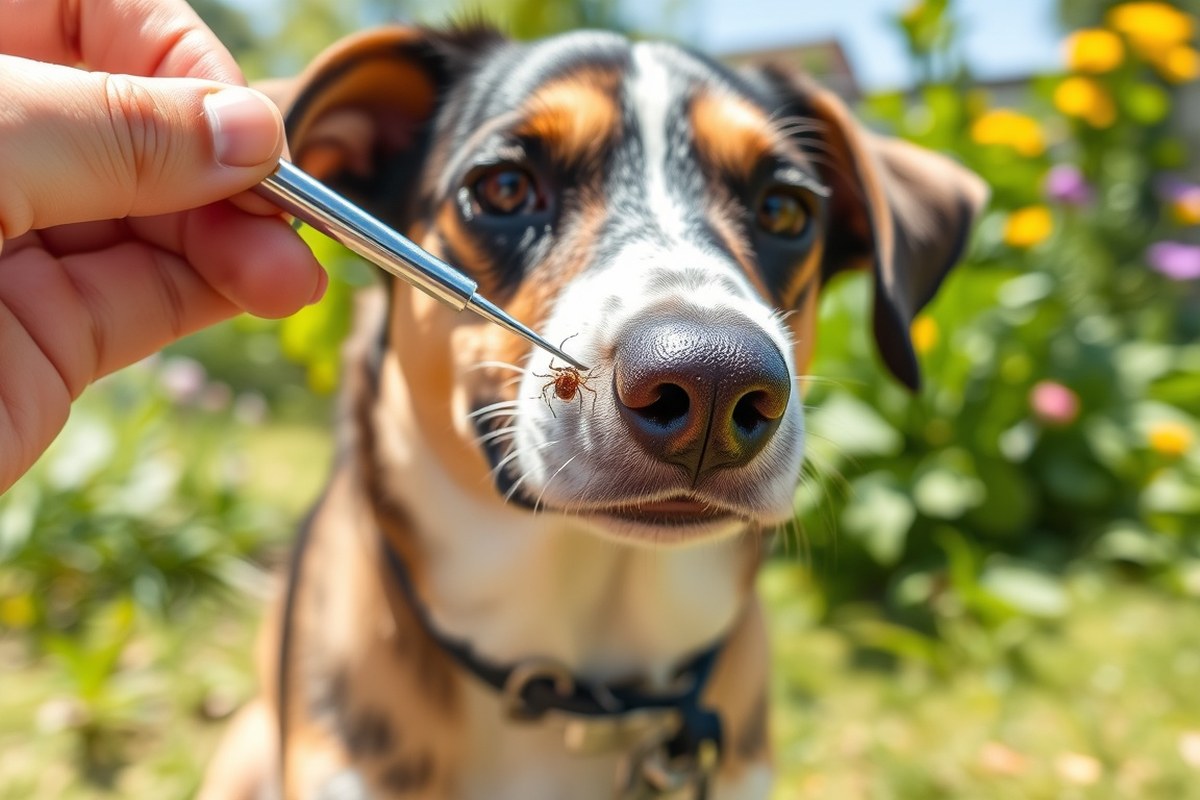
To get rid of ticks on dogs, remove them promptly using fine-tipped tweezers or a dedicated tick removal tool, grasping the tick close to the skin and pulling straight out without twisting. Prevent ticks by regularly checking your dog, especially in warm months and wooded areas, and use vet-recommended preventatives. Safe removal and prevention reduce the risk of tick-borne diseases your dog can catch in as little as 24 hours after a tick attaches.
This advice is for dog owners wanting effective ways to identify ticks, remove them safely, and prevent infestations at home. You’ll learn how to spot common tick attachment spots, recognize warning signs of illness, use natural and chemical preventatives, and care for your dog after removal.
Key Takeaways
- Remove ticks from your dog quickly using fine-tipped tweezers by grasping close to the skin and pulling steadily without twisting.
- Check common tick spots like around ears, neck, between toes, and under collars during and after outdoor activity.
- Watch for symptoms like lethargy, loss of appetite, swollen joints, or fever and consult a vet immediately if noticed.
- Avoid unsafe natural remedies like essential oils; safe options include vet-approved topical treatments and oral preventives.
- Use monthly vet-recommended chewables for tick control, protecting against paralysis and brown dog ticks effectively for a full month.
- Inspect your dog daily during warm months when temperatures are above 65°F, as tick activity peaks in this range.
Safe Step-by-Step Tick Removal from Your Dog

Removing a tick from your dog quickly and correctly is key to preventing disease transmission. You want to act immediately after spotting a tick since infectious agents can transfer in about 36 hours. Use fine-tipped tweezers or a special tick removal tool for the most effective and safe extraction. Avoid using fingers, petroleum jelly, nail polish, heat, or any home remedies that can cause the tick to regurgitate harmful saliva into your dog’s bloodstream. Here are the exact steps to follow for safe tick removal, including what to have on hand and how to protect yourself and your pet during the process.
- Prepare your tools and safety gear. Gather fine-tipped tweezers or a tick removal tool, gloves, antiseptic, and a small container with a lid (like a sealable plastic bag). Wear disposable gloves to avoid skin contact with the tick or pathogens.
- Calm your dog and locate the tick. Keep your dog still using gentle restraint. Use a fine-toothed comb or your fingers (with gloves) to find all ticks, paying close attention to common spots like ears, neck, and between toes.
- Grasp the tick close to your dog’s skin. Use the tweezers or tick remover to firmly grip the tick’s head or mouthparts. Avoid squeezing or crushing the tick’s body, which can release infectious material.
- Pull upward steadily and firmly. Remove the tick with a slow, steady motion without twisting or jerking. This helps ensure the mouthparts come out intact, preventing irritation or infection.
- Place the tick in the container. Seal the container for possible veterinary inspection if your dog shows symptoms later. Never crush the tick with your fingers.
- Clean the bite area and your hands. Disinfect the site with antiseptic and wash your hands thoroughly after removing gloves.
- Monitor your dog closely. Watch for any changes in behavior, appetite, or unusual symptoms for the following weeks. Consult your vet if you notice signs of tick-borne illness.
Never use petroleum jelly, heat, or nail polish to remove ticks. These methods may cause the tick to regurgitate saliva, increasing infection risk. Removing the entire tick quickly using tweezers or a tick remover is the safest approach. Regularly checking your dog and removing ticks promptly can significantly reduce the chance of disease transmission.
How to Identify Ticks and Their Common Attachment Spots
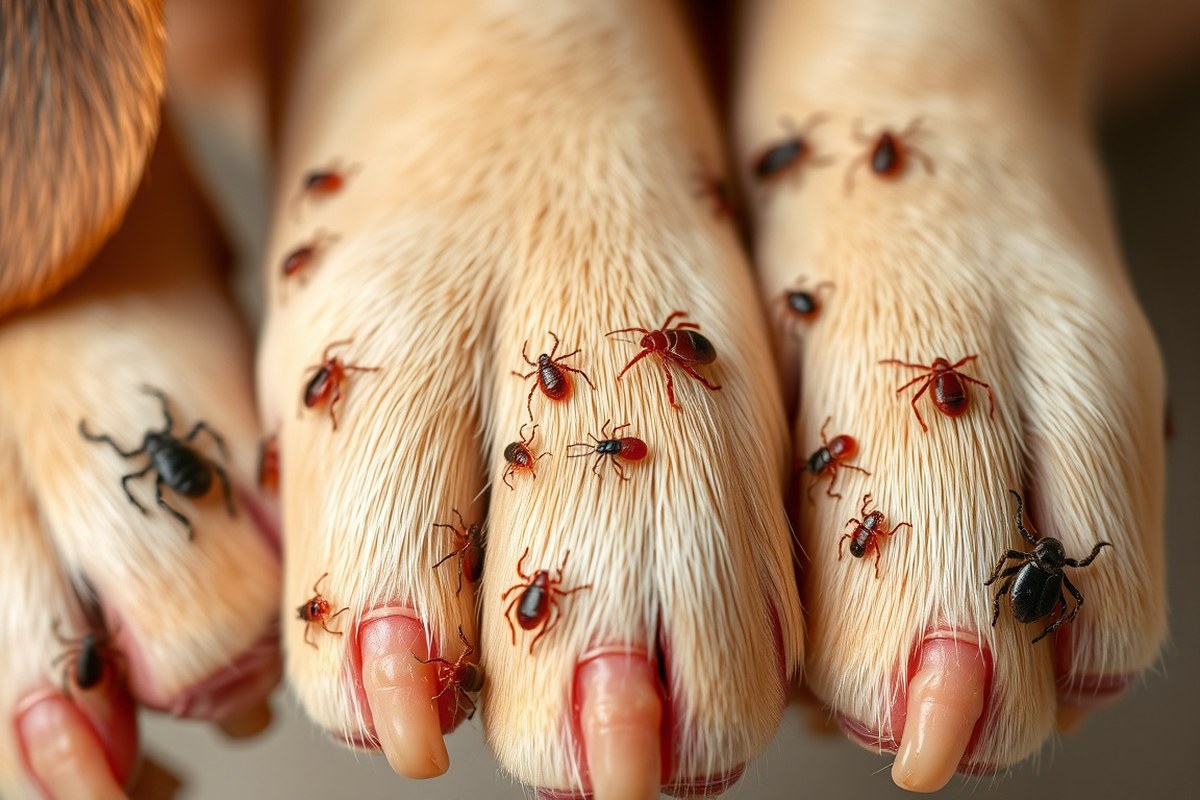
Ticks on dogs usually look like tiny bumps at first, often about the size of an apple seed before they feed. Their color changes depending on the species and whether they have fed; some common colors range from reddish-brown to dark brown or grayish. Identifying the type of tick matters because some, like the paralysis tick and brown dog tick, transmit different diseases and require more urgent removal and treatment.
Common species seen on dogs include the paralysis tick, which is especially dangerous and found mainly in certain regions; the brown dog tick, known for spreading diseases like Rocky Mountain Spotted Fever; and bush ticks, which also pose health risks. Each species varies slightly in size and preferred attachment site, but all embed themselves into the skin to feed on your dog’s blood.
Ticks tend to hide and attach in warm, protected areas on your dog’s body. Checking these locations closely increases your chances of spotting them early. Longer-haired dogs tend to harbor ticks more because the ticks can hide beneath thick fur, making it harder for you or your dog to notice and remove them.
- Inside and around the ears, ticks like hidden spots with soft skin
- Neck and between the toes, common spots that ticks find easy to attach
- Under the collar or around the chest where the skin is thin and warm
- Armpits and groin areas with less fur and more skin folds
- Between and under the tail, another hidden, warm area
After walks or playtime in wooded, grassy, or high-risk areas where temperatures exceed 65°F, thoroughly inspect your dog. Pay special attention to these common sites using your fingers to feel for small bumps that move or feel hard. Also, watch for excessive scratching, licking, or chewing, which can signal a tick infestation you haven’t noticed yet.
Check your dog’s coat within 24 hours of exposure to tick-heavy environments because ticks can transmit diseases so quickly after biting.
Knowing which ticks are common where you live can guide your prevention efforts. For example, the paralysis tick is more prevalent in coastal areas, while the brown dog tick is widespread across Australia. Recognizing the species can help you choose the right treatment or prevention products and know when to get veterinary help.
Recognizing Tick-Borne Disease Signs and When to Call the Vet
Signs of tick-borne diseases in dogs can take from one week up to three weeks or longer to appear after a tick bite. Noticing unusual symptoms like swollen joints, fatigue, or neurological problems warrants prompt contact with your veterinarian. Keep a record of the bite date and the tick’s appearance to help with diagnosis if symptoms develop.
Common Tick-Borne Diseases and Symptoms
Lyme disease is a common illness spread by deer ticks, especially in the Northeastern and Southeastern U.S. It frequently leads to symptoms such as swollen joints, fatigue, arthritis, enlarged lymph nodes, appetite loss, and neurological problems. Ehrlichiosis, primarily transmitted by brown dog ticks, presents with similar signs but varies in seriousness. Rocky Mountain spotted fever, carried by American dog ticks, can quickly become severe and life-threatening, with a mortality rate over 30%. Tick paralysis, caused by certain ticks, results in muscle weakness and can be fatal without prompt treatment.
Skin reactions at the bite site, such as abnormal redness or swelling, also indicate a potential infection or tick-borne illness. Paralysis ticks typically take three or more days to cause symptoms, which include weakness and loss of coordination. Some tick-borne diseases may also lead to anemia or secondary skin infections, worsening your dog’s condition.
Typical Symptom Onset Timelines
Most tick-borne diseases require the tick to be attached for 3 to 96 hours before transmitting pathogens. Lyme disease and Ehrlichiosis symptoms can appear anywhere from 7 to 21 days after the bite, sometimes even months later. Tick paralysis symptoms usually show up three days after attachment. Rocky Mountain spotted fever progresses quickly and may show signs within a few days, necessitating urgent care.
Because symptoms can be vague and develop slowly, monitoring your dog carefully for several weeks after discovering a tick is important. Keep detailed notes on when the tick was found and removed, the tick’s type or appearance, and any changes you see in your dog’s behavior or health.
Vet Consultation Decision Guide
You do not need to rush your dog to the veterinarian immediately after finding a tick if no symptoms are present. However, seek veterinary care as soon as you notice symptoms like swollen joints, lethargy, loss of appetite, neurological problems, or abnormal skin at the bite site. Muscle weakness or difficulty walking are signs of tick paralysis that require immediate veterinary attention since this condition can become life-threatening.
Keep the tick in a sealed container for up to a few weeks, as your vet may want to identify it to determine which diseases to test for. Taking your dog to the vet promptly when symptoms arise allows for early diagnosis and treatment, improving the chances of a full recovery and reducing complications. In cases of severe symptoms or rapid decline, do not wait, visit the vet right away.
Natural Remedies for Ticks: What Works and What’s Unsafe
Some natural remedies can help repel ticks and soothe your dog’s skin, but their effectiveness is limited and often anecdotal. Veterinary advice generally cautions against relying solely on these methods, especially for protecting against diseases ticks can carry. Using them safely alongside proven treatments and regular tick checks offers the best protection.
Safe Natural Methods and Their Limits
Apple cider vinegar (ACV) is often used as a natural tick repellent. You can either dilute it with an equal amount of water and apply it to your dog’s skin or add it to their bath. Its ability to repel ticks is limited and lacks scientific backing as a fully effective solution. Diatomaceous earth, a powder from fossilized algae, can kill some ticks by drying them out but may not be effective against all types. These options are affordable and simple but should not take the place of tick preventives recommended by a veterinarian.
Using natural remedies can help support tick control, especially when combined with regular inspection, prompt tick removal, and veterinary treatments. Keep in mind that natural methods may reduce tick presence but won’t eliminate the risk of tick-borne diseases. Regular monitoring and consultation with your veterinarian remain essential.
| Natural Remedy | How to Use | Effectiveness | Safety Notes |
|---|---|---|---|
| Apple Cider Vinegar | Apply diluted (1:1 with water) to skin or add to bath water | Mild tick repellent; anecdotal evidence | May irritate sensitive skin; avoid eyes and open wounds |
| Diatomaceous Earth | Sprinkle on dog’s coat or yard | Can dehydrate some ticks; variable effectiveness | Use food-grade only; avoid inhalation by pet or owner |
| Garlic | Rarely used; no proven effective application | Anecdotal tick repellent; no scientific support | Can be toxic to dogs in large amounts; not recommended |
Consult your vet before trying natural tick repellents on your dog. They can help you weigh the potential benefits against risks and advise on safe products and dosages tailored to your pet’s health.
Unsafe or Ineffective Remedies to Avoid
Home remedies such as using Vaseline or rubbing alcohol to kill ticks are not recommended. These substances can irritate your dog’s skin and may cause harm if absorbed or ingested. They also do not reliably kill ticks and may cause the tick to regurgitate, increasing the risk of disease transmission.
Avoid garlic as a treatment or prevention method for ticks. It has no scientific backing for tick control and can be toxic to dogs even in modest amounts. Relying solely on unproven home remedies can delay effective treatment and put your dog at risk of serious tick-borne infections.
Always prioritize veterinary-approved tick control and removal methods over unsafe or ineffective home treatments. Your dog’s safety and health depend on using methods that properly address both the ticks and the diseases they carry.
Using Essential Oils and Vinegar Safely
Essential oils are popular in natural pet care but should be used cautiously or avoided for tick control on dogs. Many essential oils can irritate your dog’s skin, cause allergic reactions, or be toxic if ingested. A veterinarian typically does not recommend essential oils for tick prevention or treatment.
Apple cider vinegar, unlike essential oils, is generally safer when diluted properly. Use a mixture of one part ACV to one part water and apply it with a spray bottle or cloth. Avoid applying it near your dog’s eyes, nose, or mucous membranes. If your dog has sensitive skin or irritated areas, test a small patch before general use.
Discuss any natural substance use with your vet before applying it to your dog. They can help you understand the risks based on your dog’s breed, age, and health. Combining safe natural methods like diluted ACV with professional tick prevention strategies offers a balanced approach.
Top Veterinary and Chemical Tick Prevention Options
Using veterinary-recommended tick prevention products like topical treatments, oral medications, and collars can protect your dog from ticks effectively. These options vary in how long they last, how they work, and their safety for puppies and different dog sizes. Consult your vet to find the best fit for your dog’s health and lifestyle.
Topical Treatments and Application Tips
Topical treatments usually come as spot-on products that you apply directly to your dog’s skin, often between the shoulder blades or along the back. These products contain active ingredients like fipronil or imidacloprid, which repel and kill ticks on contact. Typically, one application protects your dog for about a month, though you should check product labels for exact timing.
Apply topical treatments to a clean, dry area and avoid bathing or swimming your dog for 48 hours afterward to maintain effectiveness. These treatments are generally safe for puppies over eight weeks old and for dogs of all sizes, but dosing depends on weight, so measure carefully. Watch for any skin irritation or allergic reactions and contact your vet if you notice unusual symptoms.
Oral Medications Overview
Oral tick prevention options work systemically by killing ticks when they bite your dog. Medications like Nexgard (active ingredient afoxolaner) and Simparica (sarolaner) are taken once a month and protect against various ticks and fleas. These oral treatments protect your dog from tick-borne diseases by killing the parasites quickly after they attempt to feed.
Most oral medications are approved for puppies as young as 8 weeks and dosing depends on your dog’s weight. Because these medications circulate in your dog’s bloodstream, it’s important to follow the vet’s recommended schedule strictly, without skipping doses, to maintain constant protection.
Tick Collars: Types and Effectiveness
Tick collars provide continuous protection by releasing active ingredients like flumethrin that repel and kill ticks for up to 8 months. The Seresto collar is a popular choice among vets, known for its long-lasting effects and ease of use. These collars cover a broad area of your dog’s neck and surrounding skin, creating a protective barrier that ticks find hard to penetrate.
Tick collars are suitable for puppies over 7 weeks old, but selecting the correct size and type is important for safety and effectiveness. Check the collar regularly for fit and replace it once the effective duration ends, as expired collars offer no protection. Collars can be especially useful for dogs that spend a lot of time outdoors or in tick-prone areas.
| Product | Active Ingredient | Application | Duration of Protection | Safe for Puppies |
|---|---|---|---|---|
| Frontline Plus | Fipronil | Topical | 1 month | Yes, over 8 weeks |
| Advantix | Imidacloprid | Topical | 1 month | Yes, over 7 weeks |
| Nexgard | Afoxolaner | Oral | 1 month | Yes, over 8 weeks |
| Simparica | Sarolaner | Oral | 1 month | Yes, over 8 weeks |
| Seresto Collar | Flumethrin | Collar | Up to 8 months | Yes, over 7 weeks |
Selecting the right product depends on your dog’s age, weight, lifestyle, and your preference for application method. Follow label directions carefully and reapply or replace treatments promptly to maintain continuous tick protection. Consult your veterinarian to confirm product suitability and dosing for puppies or dogs with health conditions.
Do not use multiple tick prevention products at the same time without your vet’s advice, as this can increase the risk of side effects.
Effective Checking and Monitoring During High-Risk Seasons
Check your dog for ticks at least once daily during peak tick seasons, especially if you live in warmer regions or areas with tall grass and woods. In places where ticks remain active year-round, such as in warmer climates, inspecting your dog multiple times a day can be necessary. Ticks are generally found close to the ground, so thorough checks must include low-hanging body parts and hidden areas like between toes, inside ears, under collars, and around the tail base.
Use your fingers or a fine-toothed comb to part the fur and carefully feel for small bumps or bumps that may move. Don’t miss inside the ears; lift them gently to check the folds and creases. To check between toes, spread them apart and look carefully for ticks clinging near the skin or pads. Running your hand along the dog’s back from neck to tail helps detect ticks attached anywhere along the body.
- Check after outdoor activities, especially in wooded or grassy areas.
- Examine ears by lifting flaps and looking inside thoroughly.
- Spread toes and inspect between them carefully.
- Run fingers slowly through the coat, parting the fur to see skin clearly.
- Look around the neck, under the collar, and near the tail base.
- Use a fine-toothed comb for dense fur or hard-to-see areas.
Tick activity and risk vary by region and season. In northern states, ticks are most common from late spring through early fall, roughly April to October, when temperatures rise above 50°F (10°C). Southern states or warmer climates experience longer seasons, sometimes year-round. Australia, for example, sees ticks year-round but with peak risk in spring and summer. Local parks or backyards near woods and fields often host ticks, so regular checks should align with your area’s risk level and your dog’s exposure.
Routine grooming, such as weekly baths using tick-repellent shampoos, supports regular inspection while reducing tick attachment risk. Follow product instructions closely to avoid eye or ear irritation. Combining grooming with daily checks during high-risk periods provides early detection, minimizing risks of tick-borne diseases and ensuring timely removal.
Reducing Tick Populations in Home and Yard Safely
Reducing tick populations in your home and yard plays an important role in protecting your dog from infestations and tick-borne diseases. Ticks like the brown dog tick can survive and reproduce indoors if carried in on your dog, so indoor control is just as important as managing your yard. Normal household cleaning and laundry can help kill ticks but must be done thoroughly and correctly.
Inside your home, vacuum floors, carpets, and furniture regularly, especially areas your dog frequents. Vacuuming removes ticks and their eggs but dispose of the vacuum bag immediately or empty the canister outside to prevent reinfestation. Wash your dog’s bedding, blankets, and any fabric your pet contacts in hot water at a temperature of at least 130°F (54°C), which is hot enough to kill ticks. Dry these items on the highest heat setting for at least 10 minutes to ensure all ticks and eggs are eliminated.
For indoor infestations, steam cleaning carpets and upholstery can also be effective because ticks cannot survive high heat. Treating indoor areas with tick-specific sprays may be an option, but check product labels to ensure safety for pets and people. When in doubt, waiting for a professional pest control service that uses pet-safe methods can be the safest choice.
Outdoors, maintaining your yard carefully lowers tick presence and reduces the chance your dog will pick them up. Keep grass cut short and remove leaf litter, tall weeds, and brush around the edges of your yard. Ticks thrive in moist, shady environments, so clearing brush and trimming vegetation improves sunlight penetration and air circulation, which deters ticks. Create a gravel or wood chip barrier between wooded areas and your yard to reduce ticks migrating to your lawn.
Yards near wildlife like deer and rodents tend to have more ticks since these animals carry them. Fencing that restricts wildlife access can reduce tick numbers. Safe outdoor tick control products exist, but applying pesticides requires care to protect your dog and local ecosystem. Consult a veterinarian or licensed pest professional to decide on the best yard treatment plan.
Regularly check and groom your dog after outdoor activity, especially if you live in an area with bush ticks on the east or west coasts in Australia, or brown dog ticks common elsewhere. Combining routine grooming, indoor cleaning, and outdoor maintenance helps keep tick populations low, creating a safer environment for your dog. These steps require ongoing effort but can greatly reduce tick risks without relying solely on chemical treatments.
Post-Removal Care and When to Keep the Tick for Vet Diagnosis
After you’ve removed a tick from your dog, checking the bite site closely is essential to ensure the entire tick came out and prevent infection. Look for any leftover parts, such as the head or mouthparts, that might stay embedded. If part of the tick remains, avoid digging it out, which can cause further injury or infection. Instead, monitor the area carefully as it will often expel the remnants naturally over several days.
Keeping the tick can help your veterinarian identify the species and assess the risk of disease transmission. Store the tick in a small, sealable container with a damp cotton ball or paper towel to keep it from drying out. Label the container with the date and where on your dog the tick was found. This information is helpful if your dog shows signs of illness later.
To soothe your dog’s skin naturally after tick removal, gently wash the bite site with warm water and mild soap to remove any dirt or bacteria. Applying a small amount of veterinary-approved antibiotic ointment can reduce the risk of infection. Avoid using harsh chemicals or human antiseptics, as they can irritate your dog’s skin. Monitor the spot daily for redness, swelling, or discharge, and keep your dog from scratching or biting the area to prevent irritation. Follow these steps to take good care of the tick bite area and to safely store the tick for veterinary evaluation:
- Examine the bite site. Look carefully to confirm the tick’s body and head are fully removed and no parts remain embedded in the skin.
- Clean the area. Use warm water and mild soap to gently wash the bite site, removing any bacteria or debris.
- Apply a topical ointment. Spread a thin layer of vet-approved antibiotic ointment on the bite to reduce infection risk.
- Prevent irritation. Discourage your dog from scratching or licking the bite by using a cone or distraction if needed.
- Store the tick properly. Place the tick in a sealable container with a moistened cotton ball to keep it alive and label with date and location of the bite.
- Monitor your dog. Check daily for signs of infection at the bite site and watch for any changes in appetite, energy, or behavior that may indicate illness.
- Contact your veterinarian. Bring the stored tick and report any symptoms to help them decide if further testing or treatment is needed.
Avoid squeezing or twisting the tick during removal; this reduces the chance that mouthparts break off and stay embedded, lowering infection risk.
Step-by-Step Action Plan to Remove and Prevent Ticks on Your Dog
Follow this plan to safely remove ticks, prevent future infestations, and watch for any disease signs that need veterinary attention.
- Before You Start: Gather fine-tipped tweezers or a tick removal tool, gloves, antiseptic, and a sealable container. This ensures safe and thorough tick removal.
- Day 1: Perform a full-body tick check on your dog, focusing on ears, neck, armpits, between toes, and around the tail. Success means you find and remove all visible ticks carefully without squeezing the body.
- Immediately After Removal: Clean the bite area with antiseptic and save the tick in a sealed container for vet analysis if your dog shows symptoms later. Proper cleaning helps prevent local infection.
- Week 1: Begin using a recommended veterinary-approved tick prevention product according to the label instructions. Effective prevention reduces new tick attachments.
- Week 2 Onwards: Monitor your dog daily for symptoms like fever, lethargy, limping, or loss of appetite. Contact your vet promptly if these signs appear, indicating possible tick-borne illness.
- Monthly: Conduct thorough tick checks and reapply or replace your tick prevention method as directed. Consistent monitoring and treatment avoid large infestations.
- Seasonal Yard Maintenance: Keep your yard trimmed, remove leaf litter, and consider safe tick control treatments to reduce local tick populations. A well-maintained yard lowers your dog’s exposure risk.
Frequently Asked Questions
How Quickly Should I Remove a Tick from My Dog After Discovery?
You should remove a tick as soon as you find one on your dog because diseases can transmit in as little as 24 hours. Prompt removal reduces the chance of infection and complications.
Are There Specific Dog Breeds More Prone to Tick Infestations?
Longer-coated dogs tend to get ticks more often since ticks can attach and hide easier under thick fur. Grooming and regular tick checks are key for these breeds.
Can I Use Human Tick Removal Tools or Methods on My Dog?
It’s best to use tick removal tools designed for dogs to prevent injury and ensure complete removal. Human tools may not be safe or effective for pets.
How Often Should I Check My Dog for Ticks During High-Risk Seasons?
Check your dog daily in spring and summer, especially in regions with average temperatures above 65 degrees. Frequent checks catch ticks before disease transmission.
Does Bathing My Dog Help Prevent or Reduce Ticks?
Bathing can help remove unattached ticks but does not prevent them. Use vet-recommended tick treatments for effective prevention.
Are There Any Post-Removal Health Signs in Dogs That Should Prompt a Vet Visit?
Watch for swelling, redness, or lethargy within days after tick removal, which can indicate infection or tickborne disease. Contact a vet if symptoms appear.
Final Thoughts
Removing ticks promptly and carefully is key to protecting your dog’s health. Check your dog thoroughly after outdoor time, especially in high-risk areas, and keep a tick removal kit handy. Today, take a few minutes to inspect your dog’s common attachment spots so you know what to look for and can act quickly if you find a tick. Staying vigilant helps prevent tick-borne diseases and keeps your dog safe all year round.






One Comment