How to Get Rid of Psoriasis: 8 Effective Treatments and Lifestyle Strategies
To get rid of psoriasis, focus on treatments that reduce inflammation, control rapid skin cell turnover, and manage triggers. Options range from topical creams and phototherapy to systemic medications, tailored to your psoriasis severity and location. Adjusting your lifestyle and diet also helps ease symptoms and supports medical treatments.
This information is for anyone dealing with psoriasis or suspecting they have it. You’ll learn how to identify triggers, understand symptoms and types, explore treatment options including risks and benefits, and know when to seek urgent care. Guidance on working with healthcare providers and support networks is included to improve your psoriasis management.
Key Takeaways
- Identify and avoid your psoriasis triggers like stress, infections, and certain medications to help reduce flare-ups and skin cell overproduction.
- Recognize psoriasis by its red, scaly patches and understand severity levels to guide treatment choices effectively.
- Choose treatments based on psoriasis severity: topical creams for mild cases, phototherapy or systemic drugs for moderate to severe conditions.
- Use topical steroids daily for no more than 2-3 weeks per month to manage symptoms while minimizing side effects.
- Consider phototherapy and biologic treatments for extensive or stubborn psoriasis, but be aware of high costs and insurance requirements.
- Incorporate daily soothing baths and a balanced diet to support skin health alongside medical treatments.
1. What Causes Psoriasis and How to Identify Triggers

Psoriasis is a chronic autoimmune condition where your immune system mistakenly speeds up the growth of skin cells. Normally, skin cells take weeks to rise to the surface and shed, but psoriasis can accelerate this to just a few days. This causes patches of redness, scaling, itchiness, and dryness, typically on elbows, knees, scalp, and lower back. The root cause lies in immune dysfunction: your immune system becomes overactive and triggers ongoing inflammation in the skin.
Triggers can cause flare-ups or worsen existing psoriasis. Common factors include infections, physical skin injuries such as cuts or bug bites, cold weather, smoking, and certain medications. Stress triggers the immune system to release inflammatory chemicals, worsening symptoms. To help control stress-related flare-ups, try relaxation techniques like deep breathing, meditation, or gentle exercise for 20 to 30 minutes daily. Prioritize 7 to 9 hours of sleep nightly and avoid stimulants like caffeine in the afternoon.
Environmental and lifestyle factors influence flare-ups but don’t cause psoriasis alone. A cold, dry climate often worsens symptoms by drying the skin and promoting inflammation. Keeping your skin moisturized with creams applied twice daily can reduce dryness. Avoid harsh soaps and hot showers that strip natural oils, and use lukewarm water (around 90°F). Smoking damages immune function and increases psoriasis risk, so quitting smoking improves your skin over time.
Your diet also plays a role in managing psoriasis. While no diet cures it, cutting back on full-fat dairy and alcohol may reduce flare-ups for some people. Focus on a balanced diet with plenty of vegetables, fruits, lean proteins, and whole grains to support your immune system. Incorporate omega-3 fatty acids from sources like fish or flaxseed for their anti-inflammatory effects.
You may notice flare-ups occur after infections like strep throat, which activate your immune system further. If you develop psoriasis following an illness, promptly treating the infection can help reduce severity and prevent a long-lasting flare. Maintaining good hygiene and timely medical care for infections is a practical step to avoid worsening symptoms.
Psoriasis can start at any age, often first appearing between 15-25 or 50-60 years. Understanding your personal triggers is key. Keeping a symptom diary to record flare-up timing, diet, stress levels, and environmental changes provides valuable insight to avoid those triggers effectively. Tailoring your routine based on these observations can minimize flare-ups and improve day-to-day management.
2. Recognizing Psoriasis: Symptoms, Types, and Diagnosis
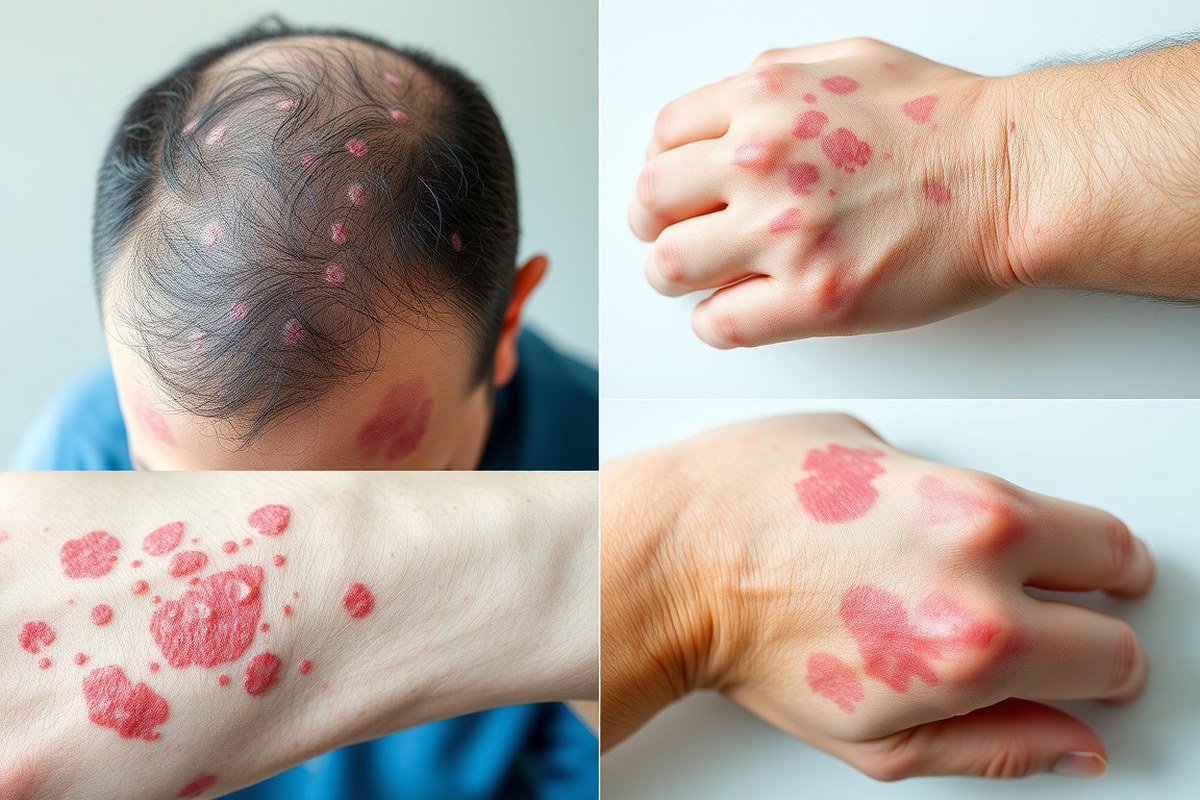
Psoriasis shows up as patches of skin that are dry, red, and scaly. The symptoms vary depending on the type you have, so knowing what to look for helps you and your doctor diagnose it. Visiting a specialist is important if symptoms worsen, don’t improve with initial treatment, or if you’re unsure whether it’s psoriasis or another condition.
Common Symptoms Across Types
Psoriasis usually causes distinct, raised patches of discolored skin covered with silvery-white scales. These patches can be dry, itchy, and sore, sometimes cracking and bleeding. The rapid growth of skin cells causes these issues, normally skin cells renew every 28, 30 days, but with psoriasis, this process accelerates to just 3, 7 days. Other common signs include:
- Itchy, burning, or painful areas on the skin
- Redness and inflammation around the affected patches
- Thick, pitted, or ridged nails
- Flaking or scaling on the scalp
- Dryness that worsens in cold weather
Symptoms can be more intense in some areas such as the elbows, knees, scalp, and lower back. Many people experience cycles of flare-ups and remissions, with symptoms coming and going for years.
Distinct Features of Major Psoriasis Types
The main types of psoriasis differ in appearance and sometimes in treatment needs. The most common is plaque psoriasis, which shows as thick, scaly patches on the skin. Guttate psoriasis causes small drop-shaped spots, often triggered by infections. Inverse psoriasis affects skin folds, causing smooth, red patches without scaling. Pustular psoriasis results in white pustules surrounded by red skin, and erythrodermic psoriasis is a rare, severe form covering nearly all of the body with red, peeling skin.
Each type requires tailored management, especially the severe forms like erythrodermic psoriasis, which can need hospital treatment. Psoriatic arthritis, found in about 30% of people with psoriasis, affects joints and requires a rheumatologist’s care.
- Plaque psoriasis: Raised, scaly patches mainly on elbows and knees
- Guttate psoriasis: Small, drop-shaped lesions primarily on the trunk and limbs
- Inverse psoriasis: Smooth red patches in skin folds such as under the breasts or armpits
- Pustular psoriasis: White pustules on red, inflamed skin
- Erythrodermic psoriasis: Widespread redness and peeling affecting most of the body
- Psoriatic arthritis: Joint pain and swelling along with skin symptoms
Diagnostic Process and Clinical Tests
Your doctor usually starts diagnosis by examining your skin, scalp, and nails for classic signs. Most plaque psoriasis cases are straightforward to identify this way. If the diagnosis is unclear or to exclude similar skin problems like eczema or fungal infections, a small skin sample might be taken for microscopic analysis, called a biopsy.
Early diagnosis is helpful because it allows treatment to start before symptoms worsen. A primary care doctor can help you connect with a specialist, such as a dermatologist or rheumatologist if joint symptoms occur.
See a doctor if you notice persistent red, scaly patches that itch or bleed, especially if they worsen or spread over time.
3. Step-by-Step Treatment Choices Based on Severity and Location
Choosing the right treatment for psoriasis depends on how severe your symptoms are and where the plaques appear on your body. Mild cases often improve with creams and ointments, while moderate to severe psoriasis may require stronger medications or light therapy. Targeted approaches are needed for areas like the scalp, face, or palms, where skin sensitivity and location affect treatment choices.
Mild Psoriasis: Topical Treatment Options
Mild psoriasis, with patches covering less than 3% of your skin, usually responds well to topical treatments. Common options include corticosteroid creams, which reduce inflammation, and vitamin D analogues that help slow skin cell growth. These treatments are applied directly to the affected areas once or twice daily as prescribed. Costs vary but topical steroids generally range from $20 to $100 per tube, depending on the brand and strength.
For mild cases, sticking to topical therapy avoids the side effects linked to more aggressive options. You should monitor your skin for signs of improvement within 2 to 4 weeks. If you don’t notice better control by then, consult your healthcare provider to adjust your treatment plan. Avoid exceeding recommended use durations for steroid creams to prevent skin thinning, especially on thin areas like the face or skin folds.
Moderate to Severe: Phototherapy and Systemic Choices
When psoriasis covers between 3% and 10% of your body or does not respond to topical treatments, phototherapy or systemic medications are often needed. Narrowband UVB phototherapy, typically administered at dermatology centers two to three times weekly over 8 to 24 weeks, has proven effective, especially in moderate disease. This treatment exposes your skin to controlled ultraviolet light to reduce inflammation and slow skin cell turnover.
For more extensive or persistent disease, oral or injected systemic drugs may be prescribed. These include medications approved for moderate to severe psoriasis that work throughout the body. They are generally considered after topical and phototherapy options fail or when rapid control is necessary. Your healthcare provider will weigh factors such as potential side effects, effectiveness, and cost. Systemic therapies can cost several hundred to thousands of dollars monthly without insurance, so discuss access and insurance coverage carefully.
Special Considerations for Scalp and Sensitive Areas
Scalp psoriasis requires specific shampoos or topical treatments formulated to penetrate thick hair and delicate scalp skin. Medicated shampoos containing coal tar, salicylic acid, or corticosteroids can relieve scaling and itching. Apply these according to instructions, often leaving the shampoo on for 5 to 10 minutes before rinsing. Long-term steroid use on the scalp should be limited to avoid side effects like skin thinning.
For sensitive areas such as the face, palms, or skin folds, mild hydrocortisone creams provide inflammation control with lower risk of irritation. Steroid-free options like calcineurin inhibitors may also be preferred to avoid skin damage in these regions. These therapies require careful application and monitoring by your provider. Combining treatments can be safe when done under medical supervision; for example, using phototherapy alongside topical steroids can improve results without increasing side effects significantly.
4. Comparison of Topical Treatments: Benefits, Risks, and Duration
Topical treatments are the first line of defense against psoriasis, offering targeted control of plaques, itching, and scaling with relatively low risk compared to systemic therapies. Choosing the right one depends on your psoriasis type, severity, and sensitivity, as well as treatment goals and potential side effects. Combining some topicals improve effectiveness, but watching for irritation or skin thinning is essential.
Here’s a side-by-side comparison of the most common topical treatments, corticosteroids, vitamin D analogues, coal tar, salicylic acid, and moisturizers, highlighting efficacy, typical onset of results, and associated risks. Your doctor can help tailor the choice based on your skin condition and lifestyle.
| Topical Treatment | What It Does | Time to See Improvement | Common Side Effects and Risks | Usage Notes |
|---|---|---|---|---|
| Corticosteroids | Reduce inflammation and itch | Within 1 to 2 weeks | Skin thinning, stretch marks, rebound flare with long use | Apply once or twice daily for up to 4 weeks; taper to avoid side effects |
| Vitamin D Analogues (Calcipotriene) | Slows skin cell growth | 2 to 4 weeks | Skin irritation, burning sensation | Use twice daily; combine with corticosteroids to reduce irritation |
| Coal Tar | Reduces scaling, itching, and inflammation | 4 to 6 weeks | Skin irritation, unpleasant odor, staining of clothes | Often used for scalp psoriasis; use regularly to maintain effect |
| Salicylic Acid | Softens and removes thick plaques | 3 to 7 days | Skin irritation, dryness; avoid excessive use on large areas | Often combined with corticosteroids; best after bathing |
| Moisturizers | Hydrate skin and improve barrier | Immediate relief of dryness; plaque improvement takes weeks | Rare; may cause mild irritation if scented or alcohol-based | Use daily, especially after bathing; complements all other treatments |
Topical corticosteroids are often the first choice due to their rapid action, but they should be used cautiously and usually not for more than a month continuously to avoid damage. Vitamin D analogues work slower but provide a safer long-term option, especially when combined with steroids. Coal tar remains effective, especially for scalp psoriasis, but its strong odor and staining make it less popular. Salicylic acid helps break down thick scales and can improve steroid penetration but may cause irritation if overused.
Moisturizers support all treatments by reducing dryness and scaling, improving skin healing, and lessening itching. Apply moisturizers immediately after showering to lock in moisture. Tailoring treatment frequency, combining mild agents, and following your healthcare provider’s directions minimize side effects while improving outcomes.
5. How Phototherapy and Systemic Treatments Work and When to Use Them
Phototherapy and systemic treatments offer options when topical creams alone don’t control your psoriasis. Phototherapy uses specific ultraviolet (UV) light to slow skin cell growth and reduce inflammation, while systemic medications, including biologics, work inside your body to target the immune system. Doctors usually recommend these therapies for moderate to severe psoriasis or when the disease affects large areas or is resistant to other treatments.
UVB vs PUVA Phototherapy Explained
UVB phototherapy uses either narrowband or broadband UVB light to treat psoriasis. Narrowband UVB, which emits light at a specific wavelength, tends to be more effective but may increase side effects like skin irritation and redness. Treatments typically take place in a clinic two to three times a week and last several weeks, with each session lasting just a few minutes. UVB can be helpful for localized patches and widespread psoriasis but is less effective for nail psoriasis due to the nail plate blocking UV rays.
PUVA therapy combines oral or topical psoralen, a drug that makes your skin more sensitive to UVA light, followed by exposure to UVA rays. This method penetrates deeper than UVB and can work better for thicker or stubborn plaques. PUVA sessions usually involve longer treatment times and carry a higher risk of side effects, including nausea from psoralen and increased long-term risk of skin aging or cancer. Because of this, doctors reserve PUVA for cases where UVB or topical treatments fail. Nail psoriasis also tends to respond better to systemic therapies than phototherapy.
Common Systemic Medications and Biologics
Systemic treatments include oral pills and injections that affect the immune system body-wide. Traditional systemic drugs include methotrexate and cyclosporine, usually prescribed for short courses due to potential serious side effects like liver damage and high blood pressure. These medications require regular blood tests to monitor your body’s response and prevent complications.
Biologics are a newer type of systemic drug that target specific immune system proteins involved in psoriasis, such as tumor necrosis factor or interleukins. They are usually injected or given by infusion and can provide significant improvement for moderate to severe psoriasis, including nail involvement. Deucravacitinib is an oral option targeting TYK2, a protein linked to inflammation in psoriasis. Because biologics suppress parts of your immune system, you may face higher infection risk, and they often cost several thousand dollars per month without insurance coverage.
Assessing Treatment Eligibility and Monitoring
Doctors decide if phototherapy or systemic treatment suits you based on psoriasis severity, location, impact on your life, and how well you respond to topical therapies. Treatments like narrowband UVB phototherapy require consistent clinic visits several times weekly for 6 to 8 weeks, while biologics involve injections every few weeks to months. You should expect regular follow-ups, including skin exams and lab tests, to monitor effectiveness and watch for side effects.
People eligible for biologics usually have moderate to severe psoriasis that covers more than 10% of their body or significantly affects joints or quality of life. Prior to starting systemic therapy, doctors screen for infections and check organ function due to the risk of immunosuppression. Phototherapy is contraindicated for those with a history of skin cancer or photosensitivity disorders. While these treatments often control symptoms well, relapse can occur if therapy stops or isn’t consistent.
Stick to your treatment schedule and attend all follow-ups to maximize benefits and catch side effects early, especially with systemic drugs and phototherapy.
6. Diet, Lifestyle, and Home Care to Complement Treatments
Adjusting your diet can reduce psoriasis symptoms by lowering overall inflammation in the body. Following an anti-inflammatory diet, such as the Mediterranean diet, is recommended because it emphasizes fatty fish, leafy greens, nuts, and whole grains. These foods provide antioxidants and omega-3 fatty acids, which may calm the immune response involved in psoriasis flare-ups. There is no one-size-fits-all diet, so track how specific foods affect your symptoms and avoid known triggers like excessive alcohol or processed foods.
Managing stress is critical since stress hormones can provoke or worsen flare-ups. Use relaxation techniques such as deep breathing exercises, meditation, or progressive muscle relaxation daily. Even 10 to 15 minutes per session can help lower cortisol levels and reduce symptom severity. Physical activity also helps manage stress, improves circulation to the skin, and supports overall health. Aim for 30 minutes of moderate exercise, like walking or swimming, most days of the week.
Proper skin care routines protect against irritation and infection. Moisturizing regularly with fragrance-free creams helps maintain the skin barrier and reduce scaling and itching. Use lukewarm water, not hot, when bathing or showering to prevent dryness, and avoid harsh soaps or scrubs. For some, applying topical agents like products containing Oregon grape may relieve psoriasis severity, but check with your dermatologist before adding herbal treatments.
- Eat anti-inflammatory foods: fatty fish (salmon, mackerel), leafy greens, nuts, and whole grains
- Practice daily stress reduction: meditation, deep breathing, or gentle yoga
- Maintain skin hydration with fragrance-free moisturizers applied twice daily
- Use lukewarm water and mild, soap-free cleansers to avoid skin dryness
- Get controlled sun exposure, 10 to 15 minutes several times per week, while avoiding sunburn
- Exercise regularly, aiming for at least 150 minutes of moderate activity per week
- Consult your doctor before trying herbal or alternative therapies like Oregon grape
Healthy lifestyle choices like diet and stress management complement medical treatments by reducing triggers and supporting immune balance. While the cost of healthy foods or wellness classes varies, most suggestions require modest investment and time, yet the payoff can include fewer flare-ups and improved quality of life. Results typically show as decreased redness, scaling, and itching over weeks to months. Avoid skipping skin care routines or neglecting stress, as these factors commonly worsen psoriasis symptoms and increase discomfort.
7. Signs of Complications and When to Seek Urgent Medical Help
Psoriatic arthritis is a common complication of psoriasis that causes joint pain, stiffness, and swelling. You may notice signs like swollen fingers or toes, pain in your lower back or neck, and morning stiffness lasting more than 30 minutes. Getting tested for psoriatic arthritis involves a clinical exam, blood tests, and imaging studies like X-rays or MRIs. Early diagnosis helps prevent joint damage, so consult your healthcare provider if you have any joint symptoms lasting more than a few weeks.
Severe psoriasis can increase risks to your overall health. People with extensive or long-lasting plaques may face higher chances of cardiovascular disease, diabetes, and other chronic conditions. Severe skin involvement can also cause infections or affect your ability to regulate body temperature, especially if large areas are inflamed. Because of these risks, regular screenings for related health problems are recommended when you have moderate to severe psoriasis. Knowing when to seek urgent medical care can protect you from serious complications. Immediate help is necessary if you experience:
- Sudden, severe joint pain or swelling indicating active psoriatic arthritis flare
- Signs of skin infection such as redness, warmth, pus, or fever
- Rapid spreading of skin rash or large blisters
- High fever accompanied by worsening psoriasis symptoms
- Difficulty breathing or chest pain, which may signal cardiovascular problems
Call emergency services if you notice these urgent signs. Severe infections or systemic inflammation can quickly become life-threatening without prompt treatment. In less urgent situations, schedule an appointment with your dermatologist or rheumatologist to discuss worsening symptoms or new joint pain.
Managing psoriasis requires attention to both skin and joint health. Report any new or worsening joint stiffness, pain, or swelling promptly. Your healthcare provider might recommend blood tests like ESR or CRP to assess inflammation and imaging to monitor joint damage. Treatments, including biologics or oral medications like methotrexate, can reduce inflammation and prevent progression when started early. Sticking to your treatment plan and monitoring symptoms closely help you maintain better quality of life and lower risks of complications.
8. Communicating with Doctors and Support Networks for Better Management
Talking openly with your doctors and family about psoriasis helps you get the support and care you need. To describe your condition to your doctor clearly, try this script: “I have patches of red, scaly skin that itch and sometimes crack. This affects my daily life, especially when the itching is severe. I want to explore treatment options that fit my lifestyle and symptoms.” Using specific examples like this guides your doctor to understand your experience and recommend tailored treatments.
Finding a specialist can improve your psoriasis management. Start with a referral from your primary care physician to a dermatologist experienced in psoriasis. You might also check resources like the National Psoriasis Foundation’s website, which lists dermatologists and specialists. For severe or joint-involved cases, look for a rheumatologist as well.
Avoid common treatment mistakes such as stopping medications too soon or not following through with light therapy sessions. Psoriasis treatments often take weeks to show results, so consistency is key. Applying topical treatments less or more often than prescribed can reduce their effectiveness or cause side effects. Never switch treatments without medical advice, because some psoriasis medications require monitoring for side effects or blood tests.
Explaining your condition to family can be challenging. Use straightforward language like, “Psoriasis is an autoimmune skin disease that causes redness and scaling. It’s not contagious, but the itch and appearance can be uncomfortable and affect my mood.” Encourage questions to help them understand your needs better. This opens up support and reduces misunderstandings.
Joining support groups offers emotional help and practical advice. Local hospitals, dermatology clinics, or psoriasis organizations often host groups where you can meet others with similar experiences. Online communities, such as forums on the National Psoriasis Foundation site or Facebook groups, provide access anytime and anywhere. These groups help reduce feelings of isolation, improve coping skills, and share information about new treatments.
When talking to your healthcare provider, prepare a list of your symptoms, any triggers you notice, past treatments you’ve tried, and questions you have. This preparation saves time and ensures important details aren’t missed. An example question could be, “Based on my symptoms, what treatments do you recommend for long-term control, and how will we monitor side effects?”
Avoid stopping prescribed treatments suddenly or changing doses without consulting your doctor, as this can worsen psoriasis or cause side effects.
Step-by-Step Action Plan to Manage Your Psoriasis
Use this plan to understand your condition, manage symptoms, and adjust your lifestyle for better control and relief.
- Before You Start: Identify potential psoriasis triggers by keeping a daily diary of your diet, stress levels, skin care products, and weather exposure. Notice if flare-ups follow specific events or exposures.
- Day 1: Confirm your diagnosis with a healthcare provider by sharing your symptoms and any family history. Knowing your psoriasis type and severity guides the right treatment.
- Week 1: Begin a prescribed topical treatment for your mild to moderate areas; apply as directed and watch for improvements in redness, scaling, or itching within two weeks.
- Week 3: Evaluate response to topical treatments; if limited improvement or widespread patches remain, discuss phototherapy or systemic options with your doctor to scale up care.
- Ongoing: Incorporate lifestyle changes such as a balanced diet low in processed foods, stress reduction techniques, and regular moisturizing. Track symptom changes to see which habits help control flares.
- After 1 Month: Monitor for signs of complications like joint pain or skin infection. Seek urgent medical help if these occur to prevent worsening conditions.
- Monthly: Maintain open communication with your healthcare team and consider joining support groups to share experiences and adjust your treatment plan effectively.
Frequently Asked Questions
What Triggers Psoriasis the Most?
Stress, infections, certain medications, and skin injuries are common triggers. You should track your flare-ups to identify personal triggers and avoid them as much as possible.
Can I Get Rid of Psoriasis on My Own?
You cannot completely get rid of psoriasis on your own, but managing symptoms is possible. Treating flare-ups early and avoiding triggers can reduce severity and improve your skin’s appearance.
Does Psoriasis Go Away?
Psoriasis is a chronic condition that usually does not go away completely. Treatments can control symptoms and lead to periods of remission, but ongoing management is often necessary.
What Food to Avoid for Psoriasis?
Avoid highly processed foods, added sugars, saturated fats, dairy, and refined carbs. These foods can increase inflammation and potentially worsen psoriasis flare-ups.
Can Psoriasis Cause Joint Pain and Swelling?
Yes, about 30% of people with psoriasis develop psoriatic arthritis, causing joint pain and swelling. Early diagnosis and treatment are important to prevent joint damage.
Is Psoriasis Contagious to Others?
No, psoriasis is not contagious and cannot be spread by touch or close contact. It is an autoimmune condition related to the immune system.
The Bottom Line
Managing psoriasis means combining proper treatment with smart lifestyle choices to keep flare-ups under control. You can begin today by tracking your symptoms and triggers in a journal, which helps you and your doctor tailor your care more effectively. Staying informed and proactive gives you a stronger chance to improve your skin and overall well-being.