
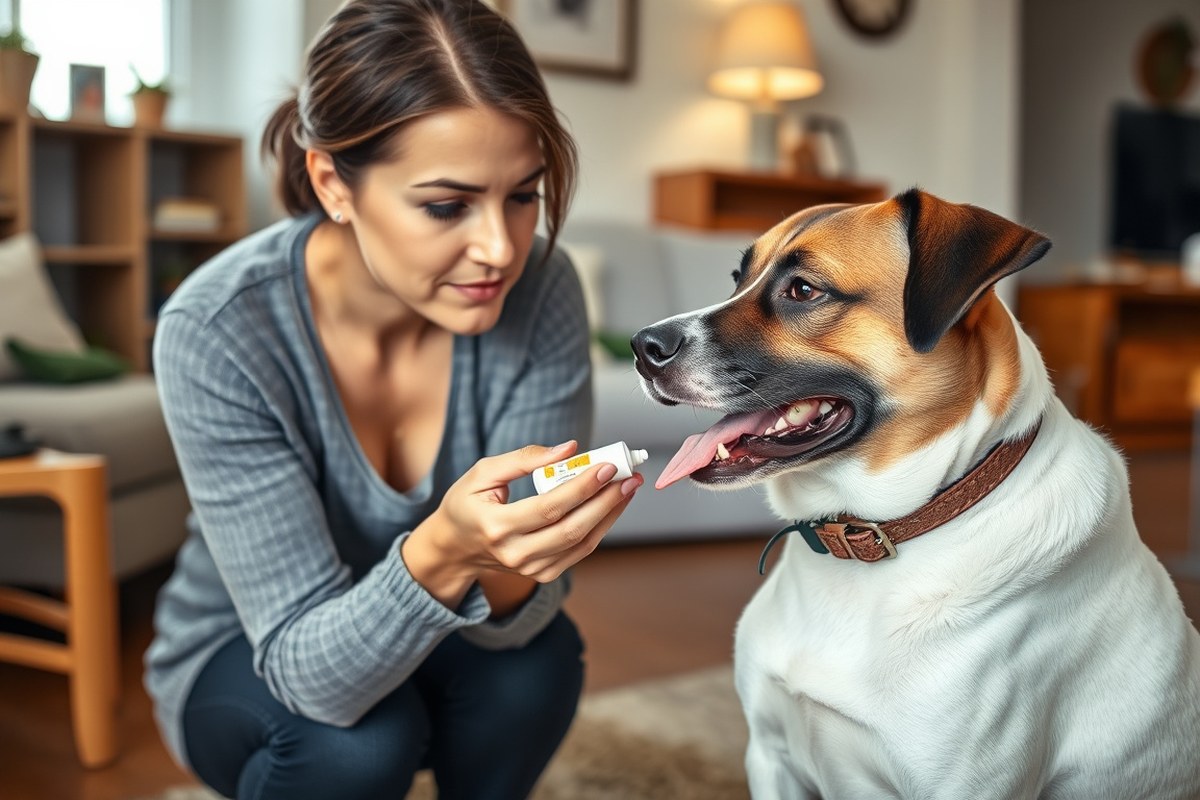
How to Get Rid of Worms in Dogs: A Complete Guide with Safe Treatment Steps
To get rid of worms in dogs, use veterinarian-prescribed deworming medications designed for your dog’s age and worm type. Effective monthly chewables like Interceptor Plus protect against major worms, while maintaining flea control helps prevent tapeworm infections. Natural remedies with ingredients like oleuropein and CoQ10 may support treatment but should never replace professional advice during emergencies.
This information helps dog owners who want to safely identify, treat, and prevent worm infestations. You will learn about common worm types, symptoms that require veterinary care, diagnostic methods, treatment options, and prevention strategies tailored to seasonal and regional risks. Understanding the right steps keeps your dog healthy and protects your family from parasite-related risks.
Key Takeaways
- Use monthly preventatives like Interceptor Plus or NexGard PLUS to protect puppies and dogs against major worms starting as early as 6, 8 weeks old.
- Identify worm types by symptoms such as segmented tapeworm pieces or digestive signs, then seek vet diagnosis for targeted treatment plans.
- Treat whipworms with medication every 3, 4 weeks initially, then repeat every 3, 4 months to prevent reinfestation effectively.
- Natural remedies high in oleuropein (at least 12%) may support worm elimination but should complement, not replace, vet-prescribed treatments.
- Practice strict hygiene, regular parasite prevention, and clean your dog’s environment to minimize worm infection risks year-round.
- Avoid common treatment mistakes by completing full dosages and consulting your vet promptly if symptoms persist or worsen.
How to Safely Identify and Treat Worms in Dogs at Home

Recognizing worms in your dog without a vet visit involves careful observation and sometimes simple home tests. Worms can cause symptoms like visible segments in stool, a bloated belly, itching around the rear, or changes in appetite and energy. However, many dogs carry worms with no clear signs, so visual inspection and monitoring alone are not enough. Since different worms require different treatments, identifying the specific type is key to effective and safe deworming.
Treating worms at home is possible but must be approached with caution. Over-the-counter remedies and natural treatments like pumpkin seeds or olive leaf extract (high in oleuropein with at least 12% concentration) might help with mild cases of common worms such as roundworms or hookworms. Still, home treatments lack the precision of vet diagnosis and might not fully clear the infection, possibly leading to worsening health or resistance. Puppies, older dogs, or those on other medications especially need veterinary advice before starting any treatment. To safely identify and begin treating worms in your dog at home, follow these steps. This approach helps you decide when home care is appropriate and when to seek professional help:
- Observe your dog for signs of worms: Watch for symptoms like diarrhea, vomiting, weight loss, a potbelly, scooting, or visible worms in feces or around the anus.
- Collect a stool sample carefully: Use a clean bag or container to pick up fresh stool to check for worm segments or report to a vet if needed.
- Use a home stool test kit: Purchase a kit for worm egg detection, which some online vet services provide along with remote advice. This can confirm the presence of worms without an immediate vet visit.
- Review your dog’s age, health status, and any medications: Some treatments are unsafe for puppies under 6 weeks or for older dogs with delicate health. Consult the vet before use if unsure.
- Choose a treatment based on the suspected worm type: For common worms like roundworms or hookworms, consider natural remedies such as pumpkin seeds (rich in cucurbitacin) or olive leaf extract, but only for mild cases and short durations.
- Administer the treatment according to product instructions: Follow dosage carefully, typically daily for a week or as specified, observing your dog’s response closely.
- Monitor your dog after treatment: Look for improvement in symptoms and check stool for the absence of worms. If symptoms persist beyond a week or worsen, seek vet care immediately.
- Schedule a veterinary visit if needed: Persistent infection or severe symptoms require professional diagnosis and prescription medications, which are the only safe and effective emergency treatments.
Using this checklist ensures you manage worm infections responsibly. Considering the cost, home kits and remedies vary in price: stool test kits can range from $20 to $50, while natural supplements may cost $10 to $30. Vet visits and prescription medications typically cost more but guarantee accurate diagnosis and effective treatment tailored to your dog’s situation. Safety and thoroughness protect your dog’s health and prevent reinfection.
Common Types of Worms Found in Dogs and How Infections Occur

Dogs can carry several types of worms that affect their health and risk spreading to humans. Key types include roundworms, hookworms, whipworms, tapeworms, and heartworms, each with distinct ways of infecting your dog. Understanding these worms and how infections happen helps you protect your pet effectively.
Roundworms, Hookworms and Whipworms Explained
Roundworms, hookworms, and whipworms are the most common intestinal parasites found in dogs across the United States. Roundworms are large, spaghetti-like worms that can live in your dog’s intestines. Puppies often get roundworms directly from their mothers, either before birth through the placenta or while nursing. Dogs also get roundworm eggs by eating or sniffing infected feces or contaminated soil.
Hookworms are tiny parasites that latch onto the walls of the intestines and suck blood. In contrast to roundworms, hookworm larvae can invade your dog by penetrating the skin, often through the paws, or by consuming contaminated soil. Whipworms live mostly in the large intestine and spread when dogs ingest eggs from dirty soil or feces.
- Roundworms often spread when puppies ingest eggs in their mother’s milk or contaminated stool
- Hookworms infect through skin contact with larvae in soil or by swallowing infected soil or prey
- Whipworms get passed on via ingestion of eggs from contaminated environments
- Feces in soil or areas where multiple dogs play amplify the risk of infection
Always pick up and dispose of your dog’s feces promptly to reduce the risk of roundworm, hookworm, and whipworm infections.
Tapeworm Life Cycle and Transmission
Tapeworms live in the intestines and look like flat segmented ribbons. Dogs typically eat infected fleas or small animals such as rodents carrying tapeworm larvae. Once inside your dog, the larvae develop into adult tapeworms, which shed segments full of eggs that get passed in the stool. These segments may look like grains of rice near your dog’s anus or in their bedding.
Fleas serve as an intermediate host, meaning your dog must ingest the flea (usually during grooming) to become infected with tapeworms. Preventing flea infestations is key to stopping tapeworm infections.
How Heartworms Spread Through Mosquitoes
Heartworms differ from the other worms because they live inside the heart and lungs, causing serious health problems. These parasites spread through mosquito bites. When a mosquito bites an infected dog, it picks up microscopic heartworm larvae, which then develop inside the mosquito. The mosquito can pass the larvae to another dog during its next bite.
Heartworm infection can be life-threatening if untreated. Monthly heartworm preventatives usually protect dogs by killing these larvae before they mature.
Common Infection Routes in Puppies and Adults
Dogs of all ages can get worms, but puppies often have higher risk due to immature immune systems and contact with their mother. Some infections happen before or just after birth, notably roundworms and hookworms. Adult dogs often pick up worms from contaminated environments, other animals, or parasites like fleas.
- Eating or sniffing infected feces or soil is a common source for roundworms, whipworms, and hookworms
- Skin contact with contaminated soil can allow hookworm larvae to enter through tiny cuts or paw pads
- Ingesting fleas causes tapeworm infection
- Mosquito bites transmit heartworms through blood
- Contact with wild animals or prey can introduce certain worms to dogs
- Places like dog parks, grooming facilities, and boarding kennels can increase exposure risks
Regular cleaning, parasite prevention medications, and controlling fleas help reduce these infection routes. Puppies should be dewormed starting at 2 weeks old and follow their vet’s schedule. Adult dogs benefit from monthly parasite control and avoiding environments known for heavy fecal contamination.
Recognizing Symptoms and When to Take Your Dog to a Vet Immediately
Common signs of worms in dogs include digestive problems like diarrhea and vomiting, visible worms in stool, and weight loss. Immediate veterinary attention is necessary if your dog shows signs like severe weakness, bloating, difficulty breathing, or persistent vomiting, as these can indicate serious complications.
Digestive Symptoms and Behavioral Changes
Look for changes in your dog’s digestion such as loose stools, diarrhea, or vomiting, which often indicate worm infestations. You might notice your dog scooting on the floor due to irritation around the rear end. A dog with worms may also lose appetite or show sudden weight loss despite eating normally.
Behavioral changes like lethargy, reluctance to play, or general sluggishness can accompany digestive symptoms. Some dogs with worms appear bloated, especially puppies. Keep an eye out for worms or worm segments in the feces or around your dog’s anus, which is a clear sign of infestation.
Signs of Severe or Emergency Worm Issues
Immediate veterinary care is needed if your dog shows any of the following severe signs related to worms:
- Extreme weakness or collapse
- Bloated or distended abdomen
- Difficulty breathing or coughing persistently
- Persistent, forceful vomiting or inability to keep food down
- Bloody or black tarry stools
- Pale or yellow gums indicating anemia
- Seizures or neurological symptoms
These symptoms can signal severe worm infestations causing internal blockages, anemia, or damage to organs. Waiting to see if mild symptoms improve risks your dog’s health worsening quickly.
How to Monitor Subtle Symptoms over Time
Because worms may not always cause obvious illness, you should track your dog’s behavior and physical condition regularly. Note changes in appetite, bowel habits, or energy levels, even if mild. Checking your dog’s stool frequently over several days helps detect intermittent worms or segments. Use a simple checklist weekly to spot early signs of infestation:
- Presence of worms in or around stool
- Changes in stool consistency or color
- Loss of weight without change in food intake
- Scooting or excessive licking of the rear area
- Lethargy or reduced playfulness
- Vomiting episodes
- Swollen belly or abdominal discomfort
Consistent monitoring helps you catch symptoms early. Consult a vet for a stool examination and appropriate tests if you note any signs, even subtle ones. Early treatment prevents serious health risks and complications.
How Vets Diagnose Worms and Choose the Right Treatment
Your vet identifies the exact type of worm by first collecting a stool sample or taking a blood test from your dog. These tests reveal which parasites are present, guiding the choice of medication. Accurate diagnosis matters because different worms respond to different treatments. Using the wrong drug can fail to eliminate the worms and delay recovery.
After confirming the worm type, your veterinarian selects the appropriate deworming medication. These come as tablets, liquids, or spot-on treatments to suit your dog’s needs. The treatment length varies, often depending on the worm species and your dog’s health status. Puppies usually require more frequent treatment schedules than adult dogs.
Dogs may have underlying health conditions that affect treatment choices, so professional guidance ensures the safest and most effective protocols. Some worms need repeated doses to target all life stages, while others are managed with a single treatment. Your vet will also consider your dog’s age, weight, and lifestyle to adjust medication and timing.
| Worm Type | Common Treatment Form | Typical Treatment Duration | Notes |
|---|---|---|---|
| Roundworms | Tablet or liquid dewormer | Usually single dose or repeated after 2-3 weeks | Common in puppies; frequent deworming recommended |
| Tapeworms | Tablet dewormer | Often single dose; may repeat if infestation persists | Requires treatment targeting specific tapeworm types |
| Hookworms | Tablet or liquid | Several days to a week | May cause anemia; prompt treatment needed |
| Whipworms | Tablet | Usually several days to weeks | Longer treatment needed due to lifecycle |
| Heartworms | Specialized injection(s) | Treatment over several months | Requires strict veterinary supervision |
Ensuring your dog completes the full course is key to effective parasite control. Results look like improved appetite, energy, and absence of worm signs such as visible segments or eggs in feces. If symptoms persist, your vet may order follow-up tests. Mistakes like skipping doses or guessing worm type can lead to treatment failure or resistance. Regular vet checkups and proper dosing schedules reduce these risks.
Effectiveness and Safe Usage of Natural and Home Remedies for Deworming
Natural remedies like pumpkin seeds, turmeric, and apple cider vinegar are often considered for deworming dogs, but their effectiveness and safety vary. Pumpkin seeds contain a compound that can help expel worms, but dosing must be cautious and appropriate. Turmeric and apple cider vinegar may support gut health but have limited proven effects against worms. Understanding proper dosages and limits is essential to avoid risks and ensure your dog stays healthy.
Pumpkin Seeds: Dosage and Toxicity Warnings
Pumpkin seeds are popular as a natural dewormer because they contain cucurbitacin, an amino acid thought to paralyze intestinal parasites and help your dog pass them. For safety, use only raw, unsalted, and unseasoned pumpkin seeds. Grind them finely to reduce choking risk and improve digestion. The typical dosage depends on your dog’s size: small dogs can have about 125 ml (roughly half a cup) of ground seeds per day, medium to large dogs around 250 ml (one cup), and giant breeds up to 500 ml (two cups) daily. This amount is meant as a preventive or mild treatment rather than a heavy load.
One good example is giving a 50-pound dog about 1 cup of ground pumpkin seeds mixed into their food once a day for five to seven days. Monitor your dog for any digestive upset, such as vomiting or diarrhea, and stop giving the seeds if adverse reactions occur. Avoid whole seeds because they can cause choking or intestinal blockage, especially in small dogs. Pumpkin seeds alone may not eliminate worm infestations, so careful observation and veterinary advice are necessary.
Always grind pumpkin seeds finely and introduce them gradually to your dog’s diet to prevent digestive issues.
Turmeric and Apple Cider Vinegar: Evidence and Limitations
Turmeric is praised for its anti-inflammatory properties but has no strong evidence to consistently treat worms in dogs. It may support overall gut health and immune response but does not replace veterinary anti-parasitic drugs. A typical dosage is about 1/8 to 1/4 teaspoon of turmeric powder per 10 pounds of body weight, mixed into food once daily, but consult a vet before use. Avoid high doses as turmeric can cause stomach upset or interfere with medications.
Apple cider vinegar (ACV) is believed to balance the pH in your dog’s gut, creating an environment less favorable for worm survival. Adding around 1 teaspoon of ACV per 20 pounds of body weight to your dog’s water or food daily is common among pet owners. This mild acidity may help prevent some parasite growth but has not been scientifically proven as an effective standalone dewormer. Overuse can upset your dog’s stomach or damage tooth enamel, so moderation is key.
When Natural Remedies Are Not Enough
Natural remedies should never replace veterinary-approved antiworm treatments, especially in cases of severe infestations or when symptoms are serious. Relying solely on home remedies risks delaying effective care and potentially allowing worms to cause more harm. Signs of heavy infestation include persistent diarrhea, weight loss, vomiting, and visible worms in stool, all of which require a vet’s diagnostic testing and prescription medication.
For emergency or confirmed worm infections, professional deworming drugs are the safest and fastest way to clear parasites completely. Using natural supplements might help support gut health after treatment but should not be the primary approach. Consult your vet before adding any natural remedies, especially if your dog is pregnant, nursing, very young, or has pre-existing health conditions.
Preventing Worms: Hygiene, Monthly Parasite Protection, and Environmental Care
Preventing worm infestations in dogs requires a mix of good hygiene, consistent parasite protection, and thorough environmental care. Monthly parasite preventives help block infections before they start, especially in areas where worms are common. Cleaning your dog’s living spaces likewise reduces the risk of re-infection from eggs or larvae in the environment. Effective prevention improves your dog’s health and limits the spread of parasites to your family.
Veterinarians often recommend regular parasite protection combined with proper hygiene and environmental management. Using monthly parasiticides, like those that also control fleas and ticks, interrupts the life cycle of parasites that cause worms, such as tapeworms transmitted through fleas. Maintaining a clean environment limits exposure to worm eggs that can survive in soil or bedding. These steps work together to keep your dog and home safer. Follow these practices regularly to prevent worm infestations:
- Administer monthly parasite prevention prescribed or recommended by your vet. Products like Credelio Quattro protect dogs from fleas, ticks, and intestinal worms by killing adult parasites and preventing new infestations. Give your dog the appropriate dose every 30 days regardless of symptoms to maintain effective protection.
- Keep your dog’s living areas clean. Wash dog bedding weekly in hot water (at least 130°F) to kill parasite eggs. Vacuum carpets and clean floors often to remove dirt and debris where eggs can hide.
- Remove feces promptly from your yard or common outdoor areas to prevent soil contamination with worm eggs. Dispose of dog waste in sealed bags to stop spread to other dogs and people.
- Control fleas and ticks on your dog and in your environment. Comb dogs regularly to check for fleas, and treat your home with appropriate flea control methods. Flea infestations increase the risk of tapeworm infections since dogs ingest fleas during grooming.
- Practice good personal hygiene by washing hands after handling pets, cleaning up after them, or working outside. Keeping children supervised and avoiding contact with potentially contaminated soil or dog feces lowers infection risk to your household.
- Schedule annual vet visits for parasite testing and health checks even if your dog seems healthy. Early detection helps catch any worm infections before they cause problems and allows updates to prevention plans.
- Consult your veterinarian promptly if your dog’s risk factors change, such as more outdoor activity or exposure to other animals. Your vet may adjust parasite prevention type or frequency accordingly.
Investing in these steps typically costs between $10 and $20 per month for effective parasite control products plus minimal time daily or weekly for cleaning and inspections. While good hygiene and prevention significantly reduce worm risk, lapses can allow reinfestations. Always follow your vet’s advice and product instructions closely for best results in protecting your dog and family from worms.
Troubleshooting Worm Treatment: Common Mistakes and How to Fix Them
Deworming your dog can fail if dosing is incorrect, the treatment isn’t long enough, or environmental factors are ignored. Giving your dog too little medicine or not following the recommended schedule means some worms can survive and multiply. Using the right product at the exact dose for your dog’s weight is key, so always check the label or vet instructions carefully. Under-dosing is a common error because some owners guess the dose or put off weighing their dog before treatment.
Not completing the full treatment length also reduces effectiveness. Some worms require a second or third dose several weeks apart to fully clear the infection, as immature stages of worms hatch after the first treatment. Consult your vet or product guide to know the exact timeline, which often spans 2 to 4 weeks for most worms. Skipping the follow-up dose leaves your dog vulnerable to reinfestation or resistance.
Ignoring the environment where your dog spends time creates another problem. Worm eggs can survive in soil, grass, or kennels for months. When you don’t clean up feces promptly and disinfect areas your dog frequents, your pet risks getting reinfected shortly after treatment. This risk is higher for dogs who spend time outdoors or in communal dog parks.
- Weigh your dog accurately before each treatment to dose correctly.
- Follow the entire recommended treatment course, including repeat doses.
- Pick a dewormer suitable for the specific type of worms diagnosed.
- Clean up dog stools immediately and dispose of them safely.
- Disinfect kennels, bedding, and toys regularly with pet-safe solutions.
- Keep your dog away from known contaminated areas during and after treatment.
- Consult your vet if worms persist after treatment or symptoms worsen.
When your dog’s first round of treatment doesn’t clear all the worms, return to your vet for a new diagnosis and possibly a different medication. Persistent worms might mean resistant parasites or an incorrect initial diagnosis. Avoid repeating the same medication without veterinary advice to prevent resistance. Tracking your dog’s stool for signs of worms a few weeks after treatment helps confirm success. You may spend between $20 and $50 for one treatment dose, and follow-ups vary by product and vet fees, but the cost is small compared to ongoing infection.
Seasonal and Regional Worm Risks and Adjusting Prevention Schedules
Worm infestation risks in dogs change with the seasons and local environment, so adjusting prevention schedules can improve protection. Warmer months, typically spring through fall, increase the risk of common intestinal worms like roundworms and hookworms because larvae and eggs survive and develop faster in moist, mild conditions. In colder seasons or northern regions where temperatures drop below freezing, these parasite eggs become less active, reducing transmission. However, indoor dogs or those in milder climates can face year-round exposure.
Environmental factors also influence worm risks. Dogs spending significant time outdoors, especially in areas with wet grass, soil, or where wildlife frequent, face higher chances of picking up tapeworms and other parasites. Urban dogs may have lower exposure but are not immune due to contact with other pets or contaminated areas. Rural and suburban zones with wildlife, such as raccoons and rodents, tend to show increased parasite presence. Dog owners should tailor worm-prevention routines based on these risks by increasing vigilance during warmer months or if their dog’s lifestyle involves frequent outdoor activity.
To adjust timing, start preventive deworming treatments early in the spring, around March or April, when temperatures consistently rise above 50°F and outdoor activity increases. Continue monthly parasite preventives through fall, around October or November, covering the full active season. In warmer climates with minimal winter frost, year-round prevention is safer because parasite development can continue uninterrupted. In contrast, in colder areas with long winters, some vets recommend reducing treatment frequency during the coldest months but restarting as soon as temperatures allow outdoor exposures without freezing.
Monitoring local conditions also helps. For example, after heavy rains or during wet seasons, increase preventive measures since moist environments favor parasite egg survival. Testing your dog periodically, especially if they are outdoor or high-risk, can detect early infections and help adjust timing. Discuss your dog’s lifestyle and local parasite trends with your veterinarian to customize schedules effectively. Preventive medications typically cost $30 to $60 per month depending on product and dog size, making consistent treatment a worthwhile investment in long-term health.
Keep in mind that missing doses during high-risk seasons can lead to reinfection and costly vet treatments later; sticking to a preventive schedule is key for controlling worm infestations.
In summary, consider your region’s climate, your dog’s outdoor habits, and seasonal patterns to decide when to begin and end worm prevention. Applying monthly dewormers from early spring to late fall in temperate zones or year-round in warm climates offers the best protection against common parasites. Being proactive and adjusting for environmental factors lowers the chance of infestation and keeps your dog healthier.
Step-by-Step Action Plan to Get Rid of Worms in Dogs
Follow this plan to identify, treat, and prevent worm infestations in your dog safely and effectively.
- Day 1: Observe and Identify Symptoms, Check your dog for signs like vomiting, diarrhea, weight loss, or visible worms in stool. Note these signs to decide if vet help is needed.
- Day 2: Collect a Stool Sample, Gather a fresh stool sample and either inspect at home for visible worms or prepare it to take to your vet for diagnosis. Diagnosis confirms the worm type and infection level.
- Day 3: Consult Your Veterinarian, Share symptom observations and stool sample results with your vet. Follow their advice on the right deworming medication and treatment schedule.
- Days 4, 10: Administer Deworming Treatment, Give your dog the full course of prescribed medication exactly as directed. Monitor your dog’s health and stool to ensure worms are passing and symptoms subside.
- Week 3: Recheck and Evaluate, Collect another stool sample after treatment ends and have it checked to confirm complete worm clearance. If worms persist, follow up with your vet.
- Month 1: Establish Preventive Routine, Start monthly parasite preventives as recommended by your vet. Maintain hygiene by cleaning your dog’s bedding, toys, and yard regularly.
- Ongoing: Monitor Season and Region Risks, Adjust preventive care based on seasonal changes and local worm risks. Increase vigilance during warmer months and in areas known for high parasite presence.
- Continuous: Avoid Common Treatment Mistakes, Stick to the vet’s dosing, avoid skipping treatments, and maintain clean environments. Correct mistakes promptly if symptoms return or worsen.
Frequently Asked Questions
How Can I Deworm My Dog at Home?
You can deworm your dog at home using vet-recommended medications or approved natural treatments. Always follow the dosage instructions carefully and consult your vet to pick the safest and most effective option for your dog’s age and type of worms.
What Are the Signs Your Dog Has Worms?
Signs include diarrhea, weight loss, vomiting, scooting, and sometimes visible worms in stool. Keep in mind, some dogs show no symptoms but still carry worms.
Can I Deworm My Dog Myself?
Yes, you can deworm your dog yourself with appropriate medications, but veterinary guidance ensures proper treatment and safety. Avoid over-the-counter products without vet approval to prevent ineffective or unsafe treatment.
Do I Need to Treat My House If My Dog Has Worms?
Treating your house isn’t usually necessary unless your dog has a specific infestation like tapeworms linked to fleas. Focus on cleaning bedding and vacuuming to reduce environmental egg exposure.
Can Homemade Deworming Remedies Harm My Dog?
Homemade remedies can be unsafe if not used properly and may not fully eliminate worms. Always check with a vet before trying them.
How Often Should I Deworm My Dog Preventively?
Most dogs benefit from monthly preventives, especially in high-risk areas; check with your vet for a schedule tailored to your dog’s lifestyle.
The Bottom Line
Getting rid of worms in your dog requires vigilance and proper care to keep your pet healthy and comfortable. Start by checking your dog regularly for any signs of infection and schedule a consultation with your veterinarian to confirm the diagnosis and discuss treatment options. Taking action today helps prevent serious health issues and protects your entire household from parasite risks.





2 Comments