How to Get Rid of Gnats Fast: 8 Proven Methods That Work Quickly
To get rid of gnats fast, focus on removing their breeding grounds and cleaning up organic waste quickly. Targeting damp areas where gnats lay eggs, like overwatered plants or drains, helps stop their rapid multiplication. Acting fast by tidying trash and sealing food can significantly reduce their numbers within 24 to 48 hours. Using natural remedies and adjusting plant care also supports quick control.
Homeowners, renters, and indoor gardeners dealing with gnat infestations will find practical tips here to handle gnats in houseplants, drains, and kitchen corners. The article covers identifying gnat types, fast-action methods, cleaning advice, prevention strategies, and when to seek professional help to keep your space gnat-free. Understanding common mistakes can help avoid ineffective treatments and control these pests efficiently.
Key Takeaways
- Identify fungus gnats by their dark color, long legs, and 2.5 mm size to target treatments accurately and reduce infestation faster.
- Use a combined approach of cleaning, reducing moisture, and natural remedies to see a major gnat decrease within 48 hours.
- Treat plant soil with diluted hydrogen peroxide (1:4 ratio) or BTI granules soaked in water to kill gnat larvae effectively.
- Avoid overwatering plants; check soil moisture 1 to 2 inches deep and let the top dry to disrupt gnat breeding.
- Clean drains, trash cans, and other moist areas to remove gnat breeding sites and limit population growth indoors.
- Maintain indoor humidity below 50-55% using a dehumidifier, especially in summer, to prevent gnat thriving conditions.
1. Identify the Type of Gnats to Target Them Effectively
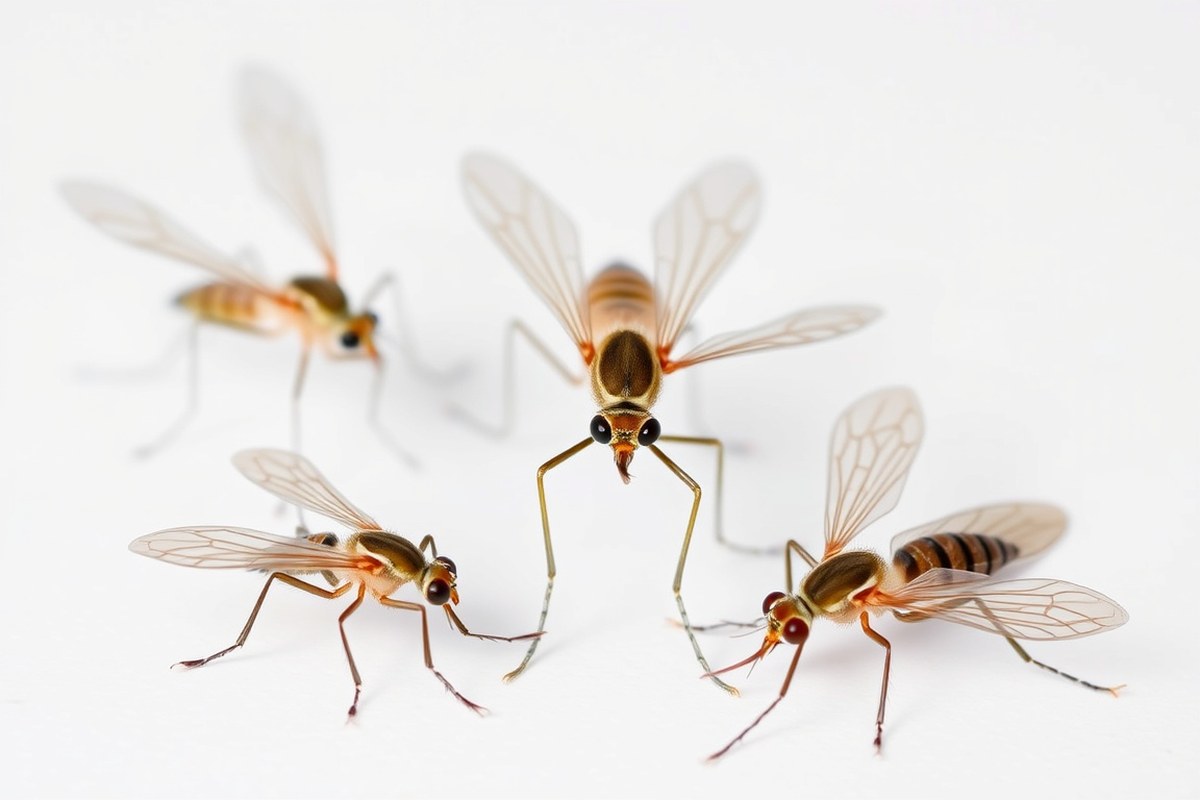
Identifying the type of gnats plaguing your home helps you choose the right treatment and get rid of them faster. Fungus gnats, fruit flies, and drain flies look similar but live and breed in different spots. Recognizing their appearance, preferred breeding sites, and behavior allows you to target both adults and larvae effectively.
Fungus Gnats: Appearance and Habits
Fungus gnats are tiny black insects about 1/8 inch long resembling small mosquitoes. They hover mainly around houseplants and wet soil. These gnats lay eggs in moist potting soil, where their larvae feed on organic matter and roots. Fungus gnats are most active near your plants, especially after watering when the soil stays damp.
Adult fungus gnats don’t cause much harm themselves, but their larvae can damage roots, especially to young plants. Treating fungus gnats requires letting the soil dry out slightly to disrupt their breeding and using yellow sticky traps to catch adults. Hydrogen peroxide soil treatments can kill larvae, but repeated applications may be needed until the soil stays dry.
Fruit Flies: How They Differ and Behave
Fruit flies are about the same size as fungus gnats but appear tan or brown with distinctive red eyes. They tend to swarm near overripe or rotting fruits, vegetables, and other food waste in kitchens. Unlike fungus gnats, which focus on soil, fruit flies lay eggs on fermenting organic material, attracting them to garbage bins, fruit bowls, and spills.
To control fruit flies, removing food sources and thoroughly cleaning kitchen surfaces are essential. Apple cider vinegar traps attract and kill flying adults, but these traps don’t affect larvae. Frequent cleaning and eliminating ripe or decaying fruits promptly are key to preventing new generations.
Drain Flies: Traits and Their Breeding Sites
Drain flies, also called moth flies, are about 1/8 inch in size but have fuzzy gray wings that give them a moth-like appearance. They breed in the organic buildup found inside drains, plumbing traps, and moist areas in bathrooms or kitchens. These gnats often appear near sinks, showers, or drains and flutter slowly around these spots.
Removing drain flies involves thoroughly cleaning drains to remove breeding material. Enzyme-based drain cleaners break down sludge and kill larvae but may take several days to weeks for complete control. Although adult drain flies can be reduced with aerosol sprays, treating the breeding site is necessary for long-term success.
Tailoring Treatment to Each Gnat Type
All gnats require killing adults flying around and the immature stages hidden in breeding sites. Fungus gnats respond well to drying out moist soil and using yellow sticky traps for adults. For larvae in soil, hydrogen peroxide diluted in water kills young gnats but must be repeated every few days until the problem resolves. Avoid overwatering plants to prevent future outbreaks.
Fruit flies need removal of rotting produce and regular cleaning. Homemade or store-bought vinegar traps attract and kill adults but don’t affect eggs or larvae hidden in food waste areas. Effective fruit fly control depends on eliminating breeding grounds instead of relying solely on traps.
Drain flies will persist unless you clean drains completely with enzyme cleaners designed to digest organic build-up. These products work slowly, so continue using them for 1 to 2 weeks. Combining drain treatments with aerosol sprays for adult flies speeds up relief but does not replace the need to treat breeding sites.
Gnats rarely die immediately from a single treatment because their eggs and larvae survive in hidden spots. Expect to repeat treatments weekly and maintain dry, clean conditions. Accurate identification of gnat types guides you to the right products and actions, saving time and effort while quickly shrinking the infestation.
2. Fast-Action Checklist to Reduce Gnats in 24-48 Hours
You can expect to see a noticeable drop in gnat activity within 24 to 48 hours after starting quick-action steps. Using a DIY vinegar trap combined with targeted indoor cleanup and controlling moisture gets rid of most gnats fast, although complete elimination may require repeating these steps over a few days. The key is to prioritize removing food and moisture sources while trapping the existing gnats to cut their numbers drastically.
Immediate Indoor Cleanup Tasks
Start by removing anything that attracts gnats to your home. Food scraps, spilled juices, and overripe fruits are common gnat magnets. Cleaning visible food debris and emptying garbage helps cut off their food supply immediately.
Tackling drains and trash around the house removes key breeding grounds. Drain scum can harbor gnat larvae, so scrubbing drains with a brush and a disinfectant reduces the population quickly.
- Throw away overripe fruits and vegetables in sealed bags.
- Wipe kitchen counters and floors to eliminate crumbs or spills.
- Take out the trash promptly, especially organic waste.
- Clean drains with hot water and a drain brush or baking soda and vinegar mix.
- Wash dishes and avoid leaving dirty plates overnight.
Cleaning up immediately cuts food access, sharply reducing gnat numbers in about 24 hours.
DIY Trap Setup and Placement
Create a simple and effective trap using apple cider vinegar, a drop of dish soap, and a bit of sugar in a small bowl. The sweet vinegar scent attracts gnats, and the soap reduces surface tension so they drown instead of escaping.
Place these traps near gnat-prone areas like kitchen sinks, houseplants, and garbage cans. Use multiple traps for larger infestations to catch adult gnats fast while indoor cleanup takes effect.
- Pour 1/2 cup apple cider vinegar into a shallow bowl.
- Add 1 teaspoon sugar and a few drops of dish soap, then stir gently.
- Set the trap on counters, near drains, and close to plants.
- Replace the vinegar solution every 1 to 2 days for best results.
DIY vinegar traps start catching adult gnats within hours and cut their adult population in 24 to 48 hours.
Moisture Reduction and Plant Care
Gnats thrive in moist environments, especially around overwatered houseplants. Reducing soil moisture and improving air circulation helps interrupt their life cycle quickly. Avoid watering plants for 2 to 3 days and remove excess water from saucers.
Running a dehumidifier to keep indoor humidity under 55% is another effective step, particularly during warm months. Dry conditions prevent gnat larvae from surviving, speeding up control.
- Check plant soil moisture daily and only water when dry at the top inch.
- Move plants away from kitchen counters or garbage areas.
- Empty water from plant saucers daily to eliminate standing moisture.
- Use a dehumidifier or fan to reduce humidity indoors, aiming for below 55% relative humidity.
Drying out plant soil and air disrupts gnat breeding and helps achieve faster eradication within 1 to 2 days.
3. Fast DIY Methods and Natural Remedies That Work
You can get rid of gnats fast without using commercial pesticides by combining natural and DIY methods that target both adults and larvae. Vinegar traps catch flying adults quickly, hydrogen peroxide treats larvae in the soil safely, and sticky traps catch and reduce the gnat population effectively. Knowing how to use each method properly will speed up results and reduce the chance of reinfestation.
Creating and Using Vinegar Traps Effectively
Apple cider vinegar traps work primarily by attracting adult gnats to the scent of fermenting fruit. To make one, pour about 1/4 cup of apple cider vinegar into a small container. Add a few drops of dish soap to break the surface tension so gnats sink and drown instead of landing on top. Cover the container loosely with plastic wrap and poke small holes to let gnats in but confuse their exit.
Place several traps near infested plants or fruit bowls where gnats gather. These traps can reduce adult numbers within a day or two. However, vinegar traps are more effective for fruit flies and less so for fungus gnats in soil, so they are best combined with other treatments. Replace traps every 2 to 3 days to keep them fresh and catching.
Hydrogen Peroxide Soil Treatment for Larvae
Hydrogen peroxide is a natural remedy that kills fungus gnat larvae in soil without harming most plants when used correctly. Mix one part 3% hydrogen peroxide with four parts water. Use enough mixture to saturate the top 2 to 3 inches of soil where fungus gnat larvae live. The bubbling action helps kill larvae and aerates the soil.
This treatment works quickly; you can expect larvae death within hours of application. Use the hydrogen peroxide drench once per week until gnats disappear. Avoid overuse, as repeated flooding can stress plants. Also, test this on sensitive plants first before applying broadly. This method is affordable, typically costing under $5 for enough hydrogen peroxide to treat several houseplants.
Sticky Traps and Other Physical Barriers
Yellow sticky traps are an effective physical control capturing adult gnats on contact, immediately reducing their numbers. Place these bright yellow cards near plant leaves and soil surface so gnats flying or resting are caught. For moderate infestations, use multiple traps to cover various locations in the room.
Along with sticky traps, adding a dry sand or perlite layer of about 1/2 inch on top of potting soil can prevent adult gnats from laying eggs. This barrier reduces larvae development as eggs fail to hatch in dry conditions. Sticky traps do not harm plants and serve as a monitoring tool to check gnat population levels.
Sticky cards typically cost $5 to $10 for a pack of 20. Replace them every 1 to 2 weeks or when covered with insects. Combining sticky traps with hydrogen peroxide treatments and moisture reduction in soil gives faster, more reliable control compared to any single method alone.
4. How Overwatering and Plant Care Affect Gnat Infestations
Houseplants commonly attract fungus gnats because their potting soil often stays moist enough for gnat larvae to thrive. These larvae feed on decaying roots and organic matter in damp soil, which overwatering frequently creates. Allowing the top 1 to 2 inches of soil in your pots to dry completely before watering again disrupts the larvae’s environment and discourages adult gnats from laying eggs. For most houseplants, drying the top inch between waterings is healthy and helps control gnats effectively.
Changing your watering habits means watering less often and only when the soil feels dry at the surface. This reduces the moisture level that fungus gnats depend on. Avoid letting water pool at the bottom of pots or saucers because stagnant water also supports gnat development. Using pots with good drainage helps prevent excess soil moisture. In cases where plants have persistent gnat problems, repotting in fresh, dry soil removes eggs and larvae already present.
Treating the soil directly is another way to eliminate gnat larvae. Applying Bacillus thuringiensis israelensis (BTI) granules or beneficial nematodes such as Steinernema feltiae kills larvae within 24 hours and is safe for the plants and household. Reapply treatments according to product instructions or when you detect new larvae. Sprinkling cinnamon on the surface of outdoor plant soil can also naturally suppress larvae by disrupting fungal growth that gnats rely on.
Gnat activity and control needs shift with seasons and regions. In spring and summer, gnats flourish due to more humidity and growing plants, so more frequent monitoring and soil drying are necessary. Cooler months generally slow gnat life cycles, but indoor heating can keep soil warm and moist enough for them year-round, especially in dry winter air. Homeowners in humid climates need to be extra vigilant with watering routines to prevent repeated infestations. To maintain healthy plant care while minimizing gnats, focus on consistent watering practices and occasional soil treatments tailored to your local environment and seasonal conditions.
5. Cleaning Drains, Trash, and Moist Areas to Eliminate Breeding
Gnats often breed in moist, organic-rich areas like drains, trash cans, and leaky spots around your home. You can usually tell their source by watching where they swarm: near sink drains for drain flies, around overwatered plants for fungus gnats, or close to food waste and trash bins. Cleaning these key areas removes food and moisture that attract gnats and prevents their eggs from developing.
Regular maintenance of drains and damp spaces interrupts the gnat life cycle. Fixing leaks and drying standing water reduces the moist habitats they need. Removing leftover food and sealing or emptying trash frequently cuts off their breeding grounds. Below is a step-by-step checklist to clean and maintain these areas effectively to get rid of gnats quickly.
- Remove food waste and trash: Dispose of all perishable food scraps in sealed bags and place them outdoors in a tightly closed bin. Empty kitchen trash daily if possible.
- Clean drains thoroughly: Pour half a cup of baking soda down each sink drain followed by half a cup of white vinegar. Let it fizz and sit for 15 minutes, then flush with boiling water to remove organic buildup where drain flies lay eggs.
- Scrub drain pipes: Use a wire brush or a toilet brush to physically remove grime inside the drain pipes at least once a week. This biofilm supports gnat larvae development.
- Fix leaks and dry wet spots: Check under sinks and around appliances for dripping pipes or pooling water. Use plumber’s tape or sealants to repair minor leaks, or hire a professional for larger plumbing issues.
- Use enzyme-based cleaner weekly: Apply enzymatic drain cleaners that break down organic matter to keep drains free of gnat-attracting debris.
- Keep the area dry: Use fans or dehumidifiers in rooms with high humidity and clean up spills or condensation promptly.
- Seal cracks and gaps: Close openings around drain pipes or plumbing that allow moist air or pests to enter.
- Monitor and repeat: Keep observing your home for new gnat activity. Repeat cleaning steps every 1-2 weeks until the infestation disappears.
Quickly emptying and sealing kitchen trash dramatically reduces gnat breeding, never leave food waste sitting overnight indoors.
6. Prevention Tips: Adjusting Humidity, Trash, and Plant Care
Controlling humidity and moisture levels indoors plays a major role in preventing gnats. These insects thrive in damp environments, such as moist houseplant soil or areas with standing water. Keep indoor humidity between 30% and 50% to discourage their growth. Using a dehumidifier can help achieve these levels, especially in basements or kitchens where moisture tends to build up. Avoid overwatering your plants by only watering when the top 1 to 2 inches of soil are dry. Allowing soil to dry completely between waterings disrupts the lifecycle of fungus gnats that lay eggs in moist soil.
Proper trash management also helps keep gnats at bay. These insects are attracted to rotting organic matter commonly found in garbage. Make sure to empty kitchen trash regularly, ideally every one to two days, and use sealed trash bins with tight-fitting lids. Rinse out food containers before recycling to reduce odor sources. Clean drains and garbage disposals weekly with bleach or a similar disinfectant to eliminate breeding spots.
Plant care adjustments can reduce gnats significantly. Bottom watering your houseplants limits wet soil surfaces, creating less attractive conditions for the larvae. You can also use mosquito bit tea as an occasional soil drench; it works as a natural treatment and preventative against gnats. Keep fruit bowls covered or stored in the refrigerator so ripe fruits don’t attract gnats.
- Use a dehumidifier to keep indoor humidity between 30% and 50%
- Water plants only when the top 1-2 inches of soil feel dry
- Empty kitchen trash every 1-2 days using sealed bins
- Rinse food containers before recycling to reduce odors
- Clean drains weekly with bleach to remove gnat breeding sites
- Consider bottom watering plants to leave surface soil drier
- Use mosquito bit tea occasionally as a soil drench for prevention
Expect to see fewer gnats shortly after these prevention steps, often within a week or two, as conditions become less hospitable. If gnats persist or return, recheck watering habits and humidity levels, as even small moisture increases can reignite infestations. Persistent or widespread problems may require professional pest control. Costs vary widely but typically range between $150 and $300 for a treatment focused on indoor insect pests. Licensed professionals can assess and treat hidden breeding sites you might miss.
7. Common Mistakes in Gnat Control and How to Avoid Them
One of the most common mistakes when trying to get rid of gnats is overwatering houseplants. Excess moisture creates the perfect breeding ground for gnats, especially fungus gnats, which thrive in damp soil. Pay attention to your plant care routine by allowing the top inch of soil to dry out completely between waterings. This simple adjustment not only helps prevent new gnats from hatching but also reduces the number of larvae living in your plants. For potted plants, water only when necessary and avoid leaving standing water in the saucers underneath.
Another frequent error involves the misuse or overuse of pesticides. Spraying chemical insecticides indoors can be ineffective or even harmful if not applied correctly. Many products require repeated applications and precise timing to disrupt the gnat life cycle, which lasts about two to three weeks. Relying solely on pesticides may not address breeding sites like drains or decaying organic matter, so combining treatments with thorough cleaning is important. When using pesticides, follow label directions carefully, limit use around edible plants, and ventilate the area well after application.
People often expect gnats to disappear immediately after treatment, but these insects have a brief lifecycle. Eggs laid before treatment can hatch days later, so multiple treatments or consistent traps are usually necessary. Use sticky traps or vinegar traps to monitor progress daily. Counting the trapped gnats helps you know if your strategy is working or if you should switch tactics. Should the number caught remain high after a week, reconsider factors like moisture levels, food sources, or plant health.
Seasonal and regional factors influence gnat activity and control. In warmer, humid climates, gnats can be active year-round, which means ongoing vigilance is needed. In cooler or drier regions, gnat problems often peak in spring and summer when humidity and temperatures rise. You might need to adjust watering schedules, increase ventilation, or change cleaning routines based on these seasonal shifts. For example, homes in the South may require more frequent soil drying or drainage cleaning to combat gnats during hot months.
Knowing if your treatment is effective involves regular inspection. Look for reduced soil moisture, fewer gnats on traps, and healthier plants without wilting or yellowing from overwatering. When gnats persist despite your efforts, consider whether hidden moisture sources like clogged sink drains or garbage areas contribute to the problem. Also, check for areas you might not have treated thoroughly, such as seldom-used flowerpots or potted plants near kitchen trash. Sometimes adding natural remedies like a cinnamon sprinkle on soil can complement your pest control for better outcomes.
A word on costs: the main investment lies in your time and small supplies, like sticky traps ($5 to $10 per pack) and cleaning products. Chemical treatments vary widely in price but should be used with caution. Adjusting plant watering takes only your attention and patience, but counts significantly toward success. Repeating treatments every 5 to 7 days for two to three cycles, combined with these corrections, often leads to noticeable improvement. Avoid rushing the process or using random sprays without targeting the source, as repeated mistakes waste resources and prolong infestations.
8. When to Call a Professional Pest Control Service
Consider calling a professional pest control service if gnats persist despite thorough cleaning, removing breeding sites, and using home treatments. When gnats keep returning or multiply even after repeated efforts, it signals the infestation may be more widespread or hidden than you can handle alone. Professionals can identify hard-to-find breeding spots and apply targeted treatments that aren’t available to the public. This is especially true if your home has moisture issues that are difficult to fix or if gnats are invading from outside.
Costs for professional treatments vary widely depending on your location, property size, and the extent of the infestation. Typical one-time services for gnats range from $150 to $400 according to the National Pest Management Association. Some companies offer single treatments with follow-ups if necessary, while others may recommend ongoing services to keep gnats under control. Always ask for a detailed estimate before hiring, including the number of visits, treatment methods, and any guarantees offered.
To decide if a professional approach is needed, track your gnat numbers after starting DIY control for about one to two weeks. Treatments should reduce gnats visibly within 3 to 7 days. If you see little or no decrease, or if gnats return quickly, it suggests the problem isn’t fully resolved. At this point, contact a pest control specialist and provide information on what you’ve tried so far. They will likely inspect for hidden moisture sources or breeding sites in drains, soil, and outside areas.
During a professional treatment, expect detailed inspection first. The pest control technician may apply insecticides in targeted areas like soil around plants or inside drains. Some treatments use growing medium drenches to kill larvae of fungus gnats. Outdoors, treatments focus on removing standing water and applying sprays to reduce adult populations. Follow any instructions given, such as ventilating areas after treatment or avoiding water for a specified time.
Proper follow-up is important. After treatment, monitor for gnats and report any continued activity to the company. Most professionals provide guidance on maintaining a gnat-free home, including moisture management and sanitation tips. Keep in mind treatments may require repeating until the infestation is fully eliminated, but a professional will help reduce this cycle and minimize the pesticide amount used.
Keep track of when you first notice gnats and the steps you’ve taken; this information helps professionals tailor their treatment plan more effectively.
Step-by-Step Action Plan to Get Rid of Gnats Fast
Follow these steps to identify, eliminate, and prevent gnats quickly using practical home methods. Check results regularly and adjust your approach as needed.
- Before You Start: Identify the type of gnats by inspecting where you see them most, near plants, drains, or trash. Knowing the type helps target your approach effectively.
- Day 1: Reduce moisture by watering plants only when the top inch of soil is dry. Remove any overwatered plants’ excess water to cut off breeding grounds. Check for fewer gnats around plants by the end of the day.
- Day 1: Clean kitchen drains and trash cans thoroughly with a brush and disinfectant. Snap traps or apple cider vinegar traps can be set nearby to catch adults. Expect fewer flying gnats near these spots within 24 hours.
- Day 2: Apply natural remedies such as neem oil spray on indoor plants or use sticky traps to catch remaining adults. Avoid chemical sprays indoors unless necessary, see fewer gnats in 48 hours.
- Day 3: Adjust room humidity with a dehumidifier or fan to make the environment less inviting for gnats. Confirm improvement if gnats remain low or absent after 72 hours.
- Week 1: Maintain regular plant care with proper watering schedules and remove decayed leaves or debris. Keep trash sealed and clean for ongoing gnat prevention. Monitor for any new gnat activity weekly.
- After 2 Weeks: If gnats persist despite your efforts, contact a licensed professional pest control service to assess and treat the infestation safely.
Frequently Asked Questions
What Is the Fastest Way to Stop Gnats from Multiplying Inside the House?
Remove their breeding grounds by cleaning up organic waste and drying damp areas quickly to interrupt their reproduction cycle.
Can Certain Plants Help Repel Gnats Effectively Indoors?
Some plants, like lavender and basil, can deter gnats, but they won’t solve infestations alone. Combine with other control methods.
Do DIY Homemade Sprays Work to Kill Gnats Immediately?
Homemade sprays can reduce gnat numbers but usually don’t kill all adults instantly; combine with habitat cleanup.
How Does Sealing Compost Bins Prevent Gnats?
Sealing bins stops gnats from accessing decaying material to lay eggs, reducing new hatchlings in your home.
Is Cinnamon Really Effective Against Gnats in Houseplants?
Cinnamon can inhibit gnat larvae in soil, making it a helpful natural treatment alongside watering adjustments.
Can Using Vinegar Traps Alone Eliminate a Gnat Problem Fast?
Vinegar traps attract and catch adult gnats but don’t address larvae, so use traps while also removing breeding sites.
Before You Go
Getting rid of gnats fast relies on quick action combined with steady prevention. Start by checking your houseplants and adjusting your watering habits to cut off their main breeding sites. Today, try setting up a simple vinegar trap near infested areas to catch adult gnats and reduce their numbers immediately. This small step can make a big difference while you work on long-term control.