

How to Get Rid of a Scratchy Throat: 8 Effective Remedies That Work
To get rid of a scratchy throat quickly, try resting your voice, staying hydrated, and using over-the-counter pain relievers like ibuprofen if you can tolerate it. Using a humidifier and avoiding irritants such as smoke also help soothe throat irritation. These simple steps often ease the discomfort within a day or two, especially when caused by common infections or dry air.
This advice fits anyone struggling with a scratchy or irritated throat due to colds, allergies, GERD, or excessive voice use. The article covers causes, effective home remedies, when you should seek medical care, and tips to prevent throat irritation from coming back. You’ll learn practical ways to relieve your scratchy throat and understand how long symptoms usually last under different conditions.
Key Takeaways
- Rest for 1 to 2 days with minimal talking to help stop a scratchy throat from getting worse during acute infections.
- Call your doctor if symptoms last over 10 days, worsen quickly, or come with a high fever or trouble breathing or swallowing.
- Scratchy throats often result from colds, flu, allergies, sinus infections, COVID-19, GERD, or overusing your voice.
- Stay hydrated, use a humidifier, and avoid smoke or strong irritants to soothe throat irritation effectively at home.
- Over-the-counter lozenges, favored by 67% of users, can relieve throat itchiness but follow package instructions carefully.
- Avoid giving honey to infants under 12 months old due to the risk of infant botulism despite its throat-soothing properties.
1. How to Get Rid of a Scratchy Throat Quickly at Home

To get rid of a scratchy throat quickly at home, use a warm saltwater gargle, honey, and throat lozenges. These remedies reduce swelling, soothe irritation, and numb pain, often providing noticeable relief within 15 minutes. Combining these methods safely can boost their effectiveness without much risk.
Step-By-Step Salt Water Gargle Instructions
A warm saltwater gargle helps reduce throat swelling and clears mucus, easing the scratchy sensation. To get the best results, follow a simple routine for gargling:
- Heat 8 ounces (about 1 cup) of water until warm but not hot (around 100°F to 110°F).
- Mix in 1/2 teaspoon of salt until fully dissolved.
- Take a small sip of the saltwater but do not swallow it.
- Tilt your head back slightly and gargle for 15 to 30 seconds.
- Spit out the saltwater completely into the sink.
- Repeat until you have used all the saltwater.
- Do this 2 to 3 times a day, especially after meals to clear any irritants or mucus.
Avoid swallowing saltwater to prevent excess salt intake. Using this method regularly for 2 to 3 days often helps soothe scratchiness and ease discomfort.
Choosing and Using Honey Safely
Honey can soothe a scratchy throat by coating and calming irritated tissue. Drinking warm tea with honey or swallowing a spoonful directly can provide quick relief. Its natural anti-inflammatory properties make it a popular remedy.
Use about 1 tablespoon of honey added to warm (not boiling) tea or water up to three times daily. Avoid giving honey to children under 1 year old due to the risk of botulism.
Honey works best when taken early in the scratchy phase and can be combined safely with saltwater gargles and lozenges. Staying hydrated alongside honey intake improves results.
Selecting Effective Throat Lozenges
Throat lozenges provide fast relief by directly numbing the throat’s irritated tissues. Look for ingredients like benzocaine or menthol, which work as mild anesthetics or soothing agents. Brands like Cepacol and Chloraseptic have these ingredients.
To use, slowly suck on one lozenge every 2 to 3 hours as needed, but do not exceed the package instructions to avoid side effects. Lozenges are especially helpful if pain or infection symptoms are present.
It is generally safe to combine lozenges with saltwater gargling and over-the-counter pain relievers like acetaminophen or ibuprofen. Follow all product labels carefully and avoid overlapping active ingredients in medications.
2. Common Causes and When to Worry About a Scratchy Throat
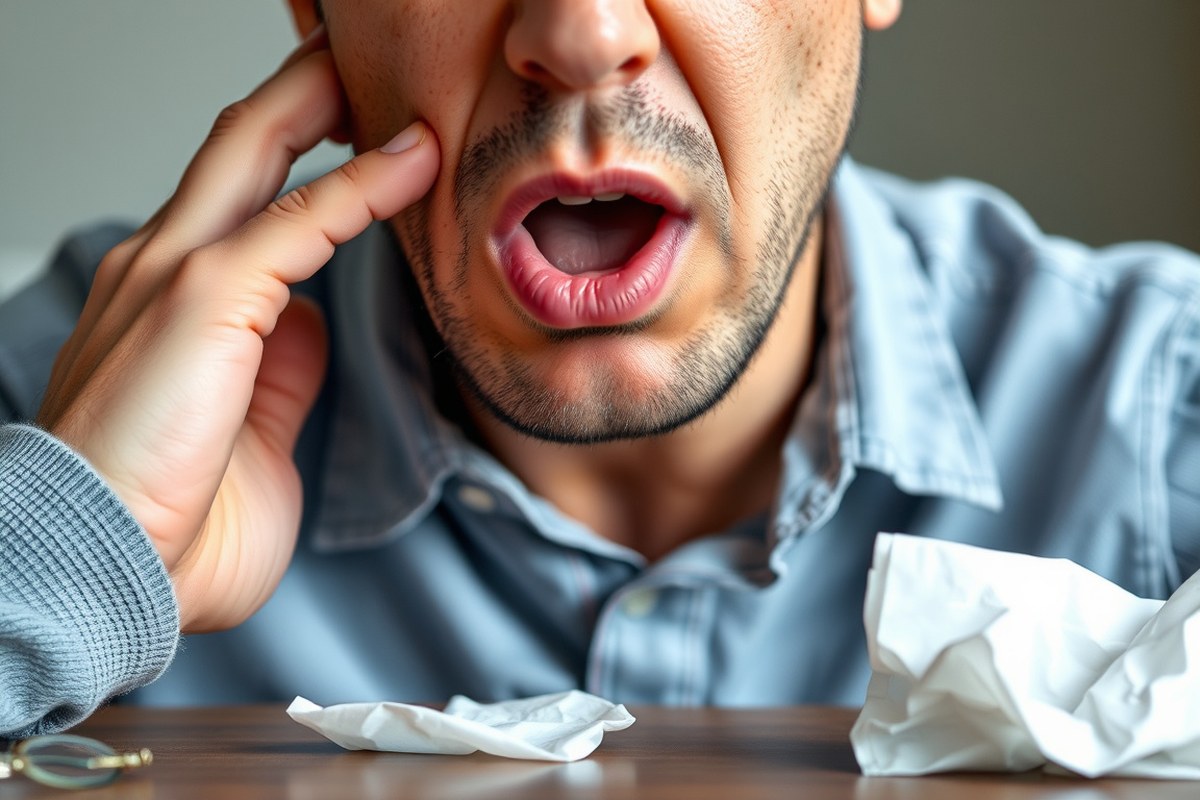
A scratchy throat can stem from several causes, ranging from common infections to allergies and irritants. Viral infections like colds, flu, and COVID-19 frequently trigger throat irritation accompanied by symptoms such as coughing, sneezing, fever, and body aches. Bacterial infections, particularly strep throat caused by Streptococcus pyogenes, are more common in children aged 5 to 15 and sometimes require antibiotics like penicillin or amoxicillin. Allergies to pollen, indoor molds, or dust mites often cause a scratchy throat alongside watery eyes, sneezing, and a runny nose. Reflux from the stomach (GERD) and excessive voice use can also irritate the throat.
Smoking and vaping introduce chemicals and heat that directly irritate the throat’s sensitive lining. This irritation can worsen existing scratchiness, cause dry throat sensations, or contribute to chronic inflammation. Avoiding tobacco and vaping products helps your throat heal faster and lowers the risk of persistent symptoms.
Some signs point to conditions needing prompt medical evaluation. A scratchy throat that worsens quickly or lasts longer than 10 days can signal more serious infections. A high fever over 101°F, difficulty swallowing, shortness of breath, or pus on the tonsils may indicate strep throat or another bacterial infection. Persistent throat irritation with hoarseness, unexplained weight loss, or coughing up blood could suggest throat cancer, especially if symptoms do not improve over weeks. Early detection of serious problems improves treatments and outcomes.
Deciding when to see a doctor involves a clear approach: monitor your symptoms closely for changes in severity or duration. Rest your voice and take 1 to 2 days of bed rest if the scratchiness is linked to a viral infection. Call your doctor if your throat pain intensifies, you develop a fever greater than 101°F, or your scratchy throat does not improve within 10 days. Seek immediate medical help if you experience difficulty breathing, swallowing, or notice blood in your cough.
Protect your throat by avoiding smoking and vaping, and watch carefully for worsening symptoms or persistent fever to know when to consult a healthcare provider.
3. How Long Will a Scratchy or Sore Throat Usually Last?
A scratchy or sore throat typically lasts between three to seven days, depending largely on its cause. Viral infections, such as the common cold or flu, are the most frequent reasons for throat irritation and usually improve within about one week with rest and home care. You can expect noticeable symptom relief after two to three days of consistent self-care, including hydration, rest, and soothing remedies.
Bacterial infections like strep throat may cause a sore throat that lasts longer if untreated. Without antibiotics, symptoms can persist or worsen beyond a week, potentially leading to complications. Starting treatment with prescribed antibiotics should lead to improvement within 48 hours. Follow your healthcare provider’s instructions carefully and complete the full course even if symptoms improve quickly.
Other causes, such as allergies, acid reflux, or voice overuse, may result in a scratchy throat lasting days to weeks. Managing underlying triggers is essential for relief. Continued irritation beyond two weeks, or worsening symptoms instead of improvement, signals a need for medical evaluation.
You can monitor your progress by observing changes in throat pain, scratchiness, and accompanying symptoms. Improvement often means gradual lessening of discomfort, less difficulty swallowing, and reduced redness or swelling. Watch for signs that indicate complications or a more serious infection, including fever over 101°F, persistent severe pain, difficulty breathing, or swollen lymph nodes. These symptoms call for prompt medical follow-up.
Timely evaluation is important if your sore throat remains severe beyond a week without improvement or shows signs of spreading infection. Keep in mind viral sore throats generally resolve on their own, so frequent worsening or new symptoms such as rash, joint pain, or high fever warrant professional care. Staying informed about expected timelines helps you decide when remedies are working and when it’s necessary to seek medical advice.
4. Managing Scratchy Throat Caused by Allergies, GERD, or Voice Overuse
Scratchy throats from allergies, acid reflux, or voice overuse need specific care based on their cause. Allergies often require antihistamines and avoiding triggers, reflux calls for dietary changes and medications, and vocal strain improves with rest and voice care. Tailoring your approach to these conditions helps ease irritation effectively.
Allergy-Related Throat Irritation Treatment
Allergies can trigger a scratchy throat by causing post-nasal drip that irritates your throat lining. Taking a daily antihistamine helps reduce these allergic responses, easing the itchiness. Avoiding known allergens such as pollen, dust, or pet dander prevents ongoing irritation.
Certain over-the-counter antihistamines cost between $10 and $30 and can be taken once daily for weeks during allergy seasons. Using a saline nasal spray can flush allergens from your nasal passages, lowering throat irritation. Staying indoors on peak pollen days and keeping windows closed also minimizes exposure that worsens throat symptoms.
Managing GERD-Related Scratchy Throat
Acid reflux causes stomach acid to travel up into your throat, irritating tissues and creating a scratchy sensation, often worse in the morning. Managing reflux by avoiding trigger foods like spicy, fatty meals, caffeine, and alcohol is essential. Reducing late-night eating and raising the head of your bed 6 to 8 inches can prevent acid from flowing backwards during sleep.
A doctor might recommend over-the-counter antacids or proton pump inhibitors costing between $15 and $50 for longer-term relief. Drinking water throughout the day helps wash acid from your throat. Symptoms lasting more than two weeks warrant evaluation by a healthcare professional, as untreated GERD can cause permanent damage.
Preventing Throat Strain from Excessive Voice Use
Using your voice extensively, especially in loud environments or without breaks, can inflame your vocal cords and produce a scratchy throat. Vocal strain is common among teachers, speakers, and singers who depend on their voice for work. Resting your voice regularly during the day and avoiding whispering, which strains cords more than normal speech, helps reduce irritation.
Keeping hydrated with water or non-caffeinated fluids lubricates your throat. Feeling hoarseness or tightness calls for taking at least a few hours’ break from speaking or singing. Voice training or working with a speech therapist can teach you safer vocal techniques, but resting your voice remains the primary step for healing.
Seasonal Prevention Strategies
Scratchy throats tend to spike in spring and fall due to pollen allergies and increased airborne irritants. During these seasons, using air purifiers with HEPA filters indoors can lower allergen levels. Wearing a mask outdoors on high pollen days further reduces exposure to throat-irritating particles.
In winter, dry heating air can worsen throat discomfort. Running a humidifier at 40% to 60% indoor humidity keeps your throat moist and less prone to irritation. Seasonal changes also affect reflux symptoms: cold weather may cause you to consume more hot drinks or heavy meals, so monitor how diet and environment impact your symptoms to adjust accordingly.
5. The Role of Hydration, Humidifiers, and Avoiding Irritants
Staying well hydrated plays a key role in soothing a scratchy throat and supporting its healing process. Drinking plenty of fluids, preferably water, keeps your throat tissues moist and helps flush out viruses or bacteria from your system. Aim for at least 8 cups (about 64 ounces) of fluid daily, adjusting for your activity level and environment. Cold or room-temperature fluids often provide soothing relief, while warm drinks like herbal tea with honey can offer added comfort. However, relying on water alone offers short-term relief; consistent hydration supports longer-term recovery by maintaining mucus production that protects the throat lining.
Humidifiers can help, especially if the air in your home is dry, which tends to worsen throat irritation. Using a cool-mist humidifier in your bedroom or living area adds moisture back into the air and helps prevent your throat from drying out, particularly if you breathe through your mouth during sleep. Set your humidifier to maintain indoor humidity between 30% and 50%. Too much humidity can promote mold growth, so monitor room levels with a hygrometer if possible. Running a humidifier overnight is usually beneficial, but it should not replace other care like hydration or resting your voice.
Avoiding irritants is important for managing and preventing a scratchy throat. Cigarette smoke and vaping release chemicals that inflame the throat lining, causing or worsening the scratchy sensation. Quitting smoking can significantly reduce throat discomfort and decrease risk of chronic throat problems. Likewise, exposure to air pollution or crowded environments with high microbial presence can exacerbate symptoms. Wearing a mask and limiting time in areas with smoke or pollutants helps protect your throat.
For example, when you tend to get a scratchy throat during the winter months when indoor heating dries out the air, use a cool-mist humidifier on a low setting overnight and keep a water bottle by your bed to sip from regularly. Reducing or stopping vaping allows inflammation to heal if it is causing your throat irritation. When living or working in crowded places, increase fluid intake and avoid shouting or excess talking to give your throat a chance to recover.
Keep your humidifier clean by following manufacturer instructions to prevent bacteria and mold buildup, which can irritate your throat further.
6. Over-the-Counter Pain Relievers and Their Effectiveness for a Scratchy Throat
Over-the-counter pain relievers can help reduce throat discomfort and inflammation. Acetaminophen (such as Tylenol) primarily lowers pain, while ibuprofen (Advil, Motrin) offers the added benefit of reducing both pain and inflammation, which often contributes to the scratchy sensation in your throat. Using these medications according to the package directions typically provides relief within a few hours.
Cold or flu medicines that include antihistamines like Benadryl, Zyrtec, or Claritin may also ease scratchy throat symptoms, especially if caused by allergies, by reducing irritation and swelling. However, these medications mainly target underlying causes such as allergies and are not direct pain relievers for the throat itself.
Combining remedies can be effective and generally safe if you follow recommended dosages and instructions. For example, using throat lozenges or numbing sprays alongside acetaminophen or ibuprofen helps with both pain relief and temporary numbing. Saltwater gargles can also complement these treatments by cleansing and soothing the throat. It is important to avoid exceeding the maximum daily doses and to wait 4 to 6 hours between doses of oral pain relievers.
The table below compares common over-the-counter options for managing a scratchy throat. It includes the type of relief offered, typical onset of effects, and any additional benefits or considerations.
| Medication/Remedy | Type of Relief | Onset of Action | Additional Benefits/Considerations |
|---|---|---|---|
| Acetaminophen (Tylenol) | Pain relief | 30-60 minutes | Good for pain; does not reduce inflammation; safe on stomach |
| Ibuprofen (Advil, Motrin) | Pain relief and reduces inflammation | 30-60 minutes | Addresses swelling; take with food to avoid stomach upset |
| Throat lozenges/drops | Temporary numbing and irritation relief | Within minutes | Does not heal throat but soothes pain; use as directed |
| Numbing throat sprays | Temporary numbing of throat | Within minutes | Short-term relief for severe discomfort; follow dosage instructions |
| Antihistamines (Benadryl, Zyrtec, Claritin) | Relieves irritation from allergies | 1-2 hours | Good if allergies cause throat symptoms; may cause drowsiness |
Use acetaminophen and ibuprofen as directed on the label, keeping in mind that ibuprofen should be taken with food to reduce stomach irritation. Avoid combining multiple products that contain the same active ingredient to prevent overdose. Lozenges and sprays can be used between pain reliever doses to help manage continuous discomfort. Saltwater gargles can be repeated every few hours to help flush irritants and reduce inflammation.
7. Foods, Drinks, and Natural Remedies That Soothe or Worsen a Scratchy Throat
What you eat and drink plays a clear role in soothing or worsening a scratchy throat. Drinking plenty of fluids, especially water, helps keep your throat moist and reduces irritation. Aim for at least 8 glasses of water a day to avoid dehydration, which reduces saliva production and dries out throat tissues. Some foods and drinks can soothe your throat by adding moisture and reducing inflammation, while others can irritate it further.
Warm herbal teas are popular natural remedies because of their soothing effect and anti-inflammatory properties. Teas made with ingredients like Echinacea can support your immune system, which may speed recovery. Lemon and honey added to hot tea can coat your throat, lessen itchiness, and provide antibacterial benefits. Other helpful herbal teas contain ginger, garlic, or clove, as these have natural compounds that reduce pain and swelling.
- Warm water with honey and lemon to coat and soothe the throat
- Herbal teas containing Echinacea, ginger, garlic, or clove for anti-inflammatory effects
- Ice pops or sucking on ice chips to numb throat irritation
- Warm soup for nutrition and gentle swallowing without irritating your throat
- Avoid hot toddies with alcohol, as alcohol can dry and irritate the throat
- Limit acidic or spicy foods like citrus fruits, tomatoes, and hot peppers that worsen irritation
- Stay away from rough, dry foods like chips or toast that can scrape a raw throat
Honey stands out for its ability to coat and relieve throat irritation quickly. Its antibacterial traits can help fight minor infection while soothing discomfort. Drinking warm liquids generally helps by increasing moisture and relaxing throat muscles, unlike cold or very hot drinks that might aggravate sensitivity depending on your comfort.
Dehydration worsens scratchy throat symptoms by reducing saliva, which normally protects and lubricates your throat lining. Some medications and recreational drug use can contribute to dehydration and dry throat. To keep your throat feeling better, focus on staying well-hydrated and choosing gentle, soothing foods and drinks that do not increase irritation or dryness.
8. Common Mistakes and When to Seek Medical Care for Scratchy Throat
Knowing when to manage a scratchy throat at home and when to seek professional care can prevent complications and improve recovery. Avoiding common home treatment mistakes helps prevent worsening symptoms, while attention to urgent signs ensures timely medical intervention. Careful monitoring of symptom changes supports appropriate decision-making during recovery.
Home Care Mistakes That Can Harm
Overdoing certain self-care methods or ignoring warning signs can delay healing or worsen your throat condition. Avoid relying solely on antibiotics without a confirmed bacterial infection, as unnecessary use can lead to resistance and side effects. Skipping hydration or using harsh throat lozenges may irritate the throat further instead of soothing it. Here are common errors to avoid when treating a scratchy throat at home:
- Using antibiotics without a doctor’s prescription or diagnosis
- Overusing throat sprays or lozenges with numbing agents, which can mask symptoms
- Ignoring persistent pain or worsening symptoms beyond a few days
- Continuing to smoke or exposing yourself to irritants like strong cleaning chemicals
- Failing to rest your voice or overusing it when inflamed
- Drinking very hot beverages that can increase throat irritation
- Neglecting hydration, which is important for throat tissue repair
Following label directions for over-the-counter remedies and maintaining gentle care supports healing without harmful effects. Spend on quality humidifiers or saline nasal sprays to create a comfortable environment that reduces dryness and irritation.
Warning Signs to See a Doctor Immediately
Some symptoms indicate a more serious condition needing urgent medical attention. Severe throat pain that prevents swallowing or sleeping, along with fever or difficulty breathing, requires prompt evaluation. Children aged 5 to 15 should be monitored closely, given their higher risk for strep throat, which needs antibiotic treatment to avoid rare complications. Seek immediate care if you experience:
- Severe sore throat or difficulty swallowing saliva
- High fever (above 101°F or 38.3°C) persisting beyond 48 hours
- Rapid onset of symptoms with swollen lymph nodes or white patches on tonsils
- Wheezing, shortness of breath, or tightness in the throat
- Hives, facial swelling, or signs of an allergic reaction
- Persistent hoarseness lasting over two weeks
- Unexplained weight loss or lumps in the neck
Do not delay seeing a doctor if swallowing is too painful or breathing is difficult, these symptoms can signal emergencies like severe infection or allergic reactions.
These signs warrant tests for strep throat, other infections, or further evaluation for conditions such as throat cancer.
Monitoring Symptom Progression at Home
Track your symptoms daily and note changes in pain, swallowing ability, voice, and fever. Mild scratchy throats usually improve within 3 to 7 days with supportive care. If symptoms linger beyond 10 days or significantly worsen, medical assessment is recommended. Use a simple journal or smartphone notes to record:
- Daily throat pain level on a scale of 1 to 10
- Presence of fever and its duration
- Ability to eat, drink, and swallow normally
- Any new symptoms such as rash, breathing difficulty, or ear pain
- Effectiveness of home remedies or medications used
Regularly reviewing these observations helps you decide if home care is sufficient or if you need to seek medical advice. Persistent or worsening symptoms, especially combined with systemic signs like fever or fatigue, call for professional evaluation to rule out infections or other serious causes.
Step-by-Step Action Plan for Soothing Your Scratchy Throat
Follow these clear steps to ease your scratchy throat quickly and know when to seek medical help if needed.
- First thing today: Drink plenty of water and use a humidifier or inhale steam to keep your throat moist. You’ll notice less dryness and irritation within a few hours.
- Within the first day: Avoid irritants like smoke, strong perfumes, and spicy foods that can worsen your throat. Relief comes as you stop adding to the irritation.
- As symptoms start: Take over-the-counter pain relievers such as acetaminophen or ibuprofen to reduce discomfort. Your throat should feel less sore after a dose.
- During the first two days: Soothe your throat with warm saltwater gargles and throat lozenges. You’ll feel less scratchiness after a few repeats throughout the day.
- When allergies or GERD cause symptoms: Use any prescribed allergy medications or avoid trigger foods. Improvement in your throat’s condition shows these steps are working.
- After three to five days: Evaluate your progress. Continuing self-care is appropriate when your scratchy throat is improving and staying mild. Contact a healthcare provider if symptoms worsen or you develop fever, swollen glands, or difficulty swallowing.
- Ongoing: Rest your voice if you overused it and maintain hydration. Your throat should gradually return to normal within one to two weeks.
Frequently Asked Questions
Can Resting Help Heal a Scratchy Throat?
Yes, resting quietly and minimizing talking for 1 to 2 days can reduce irritation and help your throat heal faster.
Is Vaping Linked to a Persistent Scratchy Throat?
Vaping often causes throat irritation and does not improve with lozenges or tea; quitting may be necessary.
Can I Prevent a Scratchy Throat from Dry Air?
Yes, using a humidifier adds moisture to dry air, which helps keep your throat from becoming dry and scratchy.
Do Medicated Lozenges Work Faster Than Other Remedies?
Yes, medicated lozenges act quickly by delivering active ingredients directly to the irritated throat tissues.
Are Scratchy Throats More Common During Allergies or Infections?
Most scratchy throats result from viral infections, but allergies are also a frequent cause, especially in certain seasons.
Can GERD Medications Reduce Throat Irritation?
Yes, GERD treatments like antacids and proton pump inhibitors help by reducing acid reflux that irritates the throat.
Before You Go
Getting rid of a scratchy throat often starts with simple steps like staying hydrated and avoiding irritants you can control. Try drinking a warm saltwater gargle today to soothe your throat and reduce discomfort. Keep an eye on your symptoms, and if your throat worsens or lasts more than a week, consult a healthcare professional to rule out more serious issues.



One Comment