How to Get Rid of Headache on Top of Head: 8 Proven Relief Methods
To get rid of a headache on the top of your head, try resting in a quiet room, drinking water, and taking over-the-counter pain relievers like ibuprofen or acetaminophen. Applying a cool compress and practicing gentle self-massage or acupressure can quickly ease your discomfort. These methods target common causes such as tension, dehydration, or sinus issues that often trigger this type of headache.
This information is for anyone dealing with pain focused on the crown of their head. You’ll learn about specific triggers, fast relief techniques, safe medication use, lifestyle changes to prevent headaches, and when to seek medical care. Tracking your headaches with a diary can also help you understand patterns and find the best prevention strategies for lasting relief.
Key Takeaways
- Dehydration often causes headaches on top of the head, so drinking water can relieve pain within 30 minutes to two hours.
- Use gentle self-massage and acupressure on the scalp to ease tension headaches that produce pain on the top of your head.
- Over-the-counter pain relievers like ibuprofen or acetaminophen can reduce headache symptoms if used according to the package instructions.
- Regular exercise, such as 30 to 60 minutes of activity three to five times weekly, helps prevent headaches on the top of the head.
- Track headache patterns, triggers, and symptoms in a diary to better understand causes and improve management strategies.
- Seek medical attention if your headache is sudden, extremely painful, lasts longer than 72 hours, or follows a recent head injury.
1. What Causes a Headache on the Top of the Head?
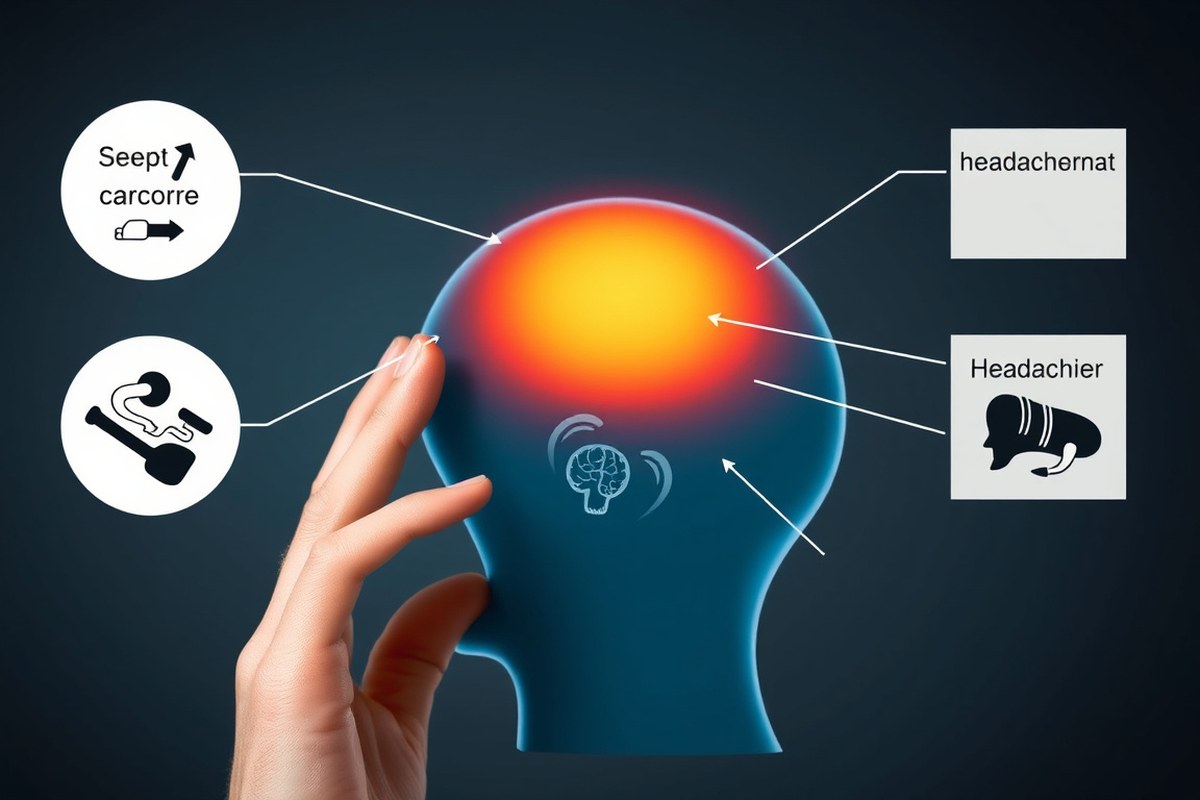
Headaches on the top of the head often result from tension in the muscles connecting the back of your neck to your skull. This tension can create a sensation of tightness or steady pressure that radiates upward. Many times, poor posture or prolonged sitting in one position strains these muscles, causing or worsening the headache. Dehydration and sleep issues like sleep deprivation or disturbances also commonly lead to this type of headache by stressing the nervous system and reducing pain tolerance.
Sinus infections or respiratory illnesses typically cause headaches near the forehead, around the eyes, or the bridge of the nose. However, these infections can sometimes trigger a headache on top of the head that worsens when leaning forward, as increased sinus pressure irritates nearby nerves. You might notice additional symptoms such as congestion, fever, and coughing in these cases.
Tension headaches, which affect the top of the head frequently, feel like a tight band or pressure. These contrast with migraines, which are often more intense, throbbing, and might involve nausea or sensitivity to light and sound. Migraines can also be linked to food allergies or specific triggers. Occasionally, irritation of nerves running from the spine up to the scalp, known as occipital neuralgia, causes sharp or shooting pain at the top of the head. This is less common but worth considering when you experience sudden, stabbing headaches.
Headaches focused on the top of the head usually do not indicate serious health problems. In uncommon situations, they could point to more severe issues like brain tumors or aneurysms, especially if accompanied by symptoms such as changes in vision, weakness, or pain that steadily worsens. These headaches may sometimes feel like discomfort in the eyes or sinuses but do not improve with standard treatments. For common headaches caused by tension or dehydration, drinking water, resting, and maintaining good posture often relieve the pain.
To identify the cause of your headache, consider your symptoms alongside common triggers. Experiencing a tight, pressing sensation without other systemic symptoms often points to muscle tension or dehydration. The presence of sinus pressure and cold symptoms alongside your headache suggests a sinus infection might be causing it. Sharp, shooting pain indicates nerve involvement. Tracking your pain’s pattern, intensity, and associated signs helps narrow down the cause and informs treatment choices. For muscle-related headaches, improving posture and applying gentle neck stretches can reduce tension. Address dehydration by drinking at least 64 ounces of water a day, and improve sleep quality by maintaining a consistent sleep schedule. Persistent or worsening headaches require evaluation by a healthcare professional to rule out more serious conditions.
2. How to Quickly Relieve a Headache on the Top of Your Head
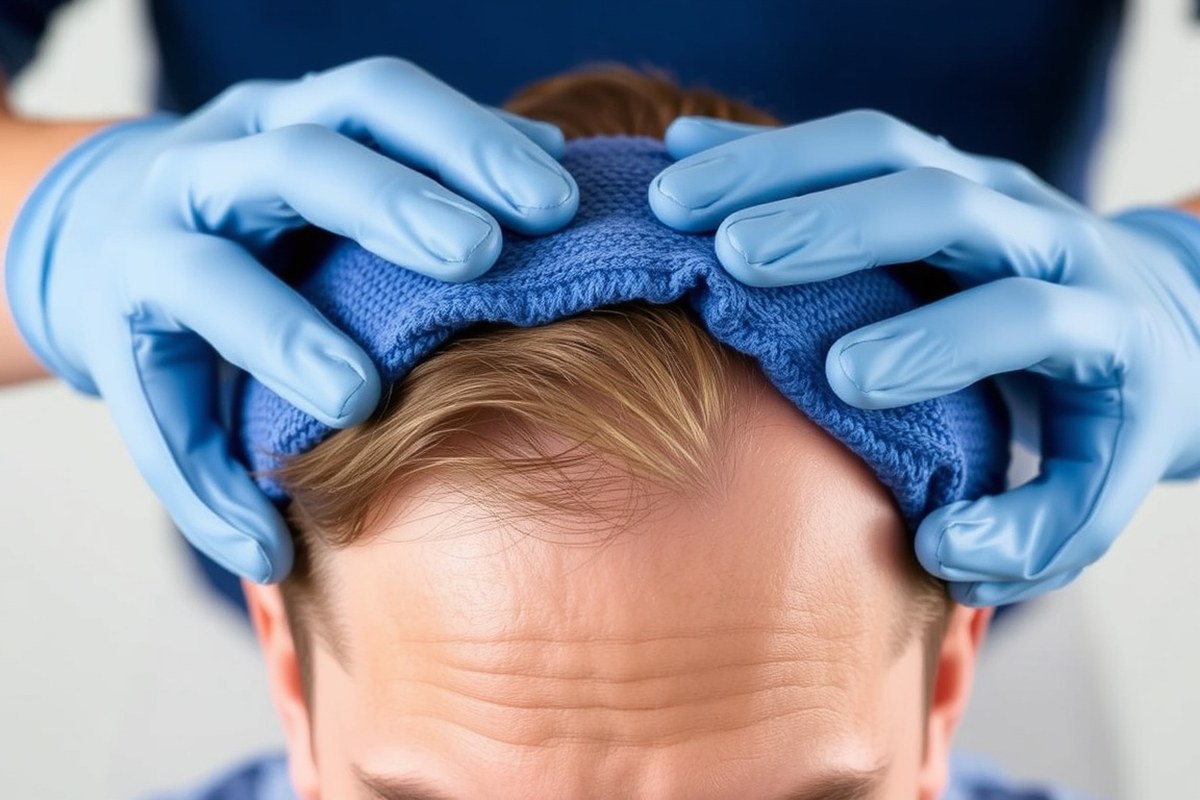
Drinking a large glass of water immediately can help relieve a headache on top of your head, especially if dehydration is a factor. Dehydration often causes or worsens tension headaches, so rehydrating is a key initial step. Cold compresses applied to your head or neck within the first signs of pain can reduce inflammation and numb the area, potentially stopping the headache before it intensifies. Alternatively, a warm compress helps relax tense muscles if your headache arises from muscle strain or poor posture. Moderate caffeine intake might also ease headaches, but avoid excess caffeine since withdrawal headaches can develop if you suddenly cut back.
Targeted pressure point massage or acupressure is another safe approach. Press the webbing between your thumb and index finger firmly for about 1-2 minutes. Repeat on the other hand. This can help relieve headache symptoms linked to muscle tension and stress. Combining these home remedies early offers better chances of halting the headache’s progression.
| Method | What It Is | How to Do It | Time & Temperature | Cost & Accessibility | Expected Results | Risks or Cautions |
|---|---|---|---|---|---|---|
| Cold Compress | Ice pack or cold cloth | Apply to the top of the head or neck | 15-20 minutes at 50°F to 59°F (10°C to 15°C) | Low cost, use ice or frozen towel | Reduces inflammation; numbs pain; works best early | Avoid direct ice on skin; not for cold sensitivity |
| Hot Compress | Warm towel or heating pad | Apply to head, neck, or shoulders | 10-15 minutes at 104°F to 113°F (40°C to 45°C) | Low cost, use towel and warm water or pad | Relaxes muscles; eases tension headaches | Avoid burns; don’t use if inflamed or swollen |
| OTC Medications | Pain relievers like ibuprofen or acetaminophen | Follow label dosage instructions | Onset within 30 minutes to 1 hour | Costs vary, $5 to $15 per package | Dulls pain; effective for mild to moderate headaches | Follow dosage; avoid frequent use to prevent rebound headaches |
| Pressure Points (Acupressure) | Manual finger pressure on specific points | Press webbing between thumb and index for 1-2 minutes | Any time as needed | Free, requires no equipment | Reduces muscle tension; relieves headache pain | Do not press too hard; stop if pain worsens |
Applying a cold compress can be most effective within the first 30 minutes of headache onset, especially if caught early. Hydrating while using cold therapy may prevent the headache from worsening over the next hour or two. Hot compresses work better when muscle tightness or poor sleep quality contributes to the pain. Over-the-counter pain medications provide relief but should only be used according to instructions to avoid potential side effects or rebound headaches. Pressure point massage acts as a non-drug option to ease symptoms and is safe to try alongside other methods.
Tip: Drink a large glass of water immediately upon headache onset to address dehydration, then apply a cold compress if the pain is sharp or sudden.
3. Step-by-Step Self-Massage and Acupressure for Top-of-Head Headaches
Self-massage and acupressure can provide effective relief for headaches on the top of your head by targeting muscle tension in your scalp and neck. Using specific pressure points and gentle massage techniques improves blood flow and relaxes tight muscles, easing pain. Applying correct pressure with proper timing improve results and avoids making the headache worse.
Identifying Key Acupressure Points
Locating the right acupressure points focuses your efforts where they will work best. A main point to target is the webbing between your thumb and index finger, known as LI4, which relates to head and facial pain relief. Another important area is at the base of your skull where your neck muscles meet your scalp, often tight in tension headaches. Pressing these spots triggers muscle relaxation and can shift headache pain away from the top of your head.
Apply firm pressure to the skin between your thumb and index finger for one to two minutes. You may start to feel the pain shift or ease after about 45 to 60 seconds. This approach helps block pain signals and loosens tight muscles nearby. Another option is to softly rub the base of your neck in circular patterns to ease tension in your scalp.
How to Perform Scalp Massage Safely
Scalp massage targets tightness causing headaches but must be done gently to avoid aggravating pain. Use your fingertips to apply light to medium pressure in slow, circular motions across the top of your head and temples. This increases blood flow and signals relaxation from sensory nerves in the skin. Follow these steps for a safe, effective scalp massage:
- Find a quiet, comfortable place to sit or lie down.
- Place your fingertips at the center of your scalp near the hairline.
- Apply gentle, circular pressure with your fingertips, moving outward toward your temples and back of the head.
- Continue for 3 to 5 minutes, breathing deeply and relaxing your neck and shoulders.
- Optionally, massage your temples with your fingertips in small circles to further ease tension.
This massage should feel relaxing but not painful. Stop if pressure causes discomfort, and never rub vigorously as that can worsen inflammation or pain.
Common Errors and How to Avoid Them
One common mistake is pressing too hard, which can increase muscle tension instead of relaxing it. Use steady, firm but not painful pressure. Another error is rushing through the massage or acupressure steps; these techniques work best with steady, consistent timing.
Avoid using nails or hard objects on your scalp to prevent skin irritation. Also, do not apply acupressure to broken or inflamed skin, or if you have a headache caused by an underlying medical condition. Avoid holding your breath or tensing your body during massage, as this counters relaxation efforts.
Best Timing and Pressure Guidelines
Apply pressure steadily for about 1 to 2 minutes on acupressure points like the thumb-index webbing. For scalp massage, spend 3 to 5 minutes moving slowly across the top of your head. Repeat sessions every few hours or at the first sign of headache onset for best effect.
Maintain medium pressure that is firm enough to feel but not so strong that it causes pain or bruising. Allow about 45 to 60 seconds per pressure point for pain referral to ease, and then move on to the next area. Relax your breathing and neck muscles during every session for best results.
4. Over-the-Counter Medications and Their Proper Use
Over-the-counter medications like ibuprofen, acetaminophen, and aspirin are commonly used to reduce headaches on the top of the head. Ibuprofen (brands such as Advil or Motrin IB) and acetaminophen (Tylenol) are often recommended for their effectiveness in relieving mild to moderate headache pain. Ibuprofen is a nonsteroidal anti-inflammatory drug (NSAID) that reduces inflammation and pain, while acetaminophen mainly works by blocking pain signals in the brain.
For adults, the typical ibuprofen dose is 200 to 400 mg every 4 to 6 hours as needed, not exceeding 1,200 mg per day without doctor supervision. Acetaminophen doses usually range from 500 to 1,000 mg every 6 hours, with a maximum of 3,000 to 4,000 mg per day depending on brand and individual health factors. It’s important to read the label and confirm dosing, especially when taking other medications containing acetaminophen to avoid unintentional overdose. For aspirin, adults can take 325 to 650 mg every 4 to 6 hours, not exceeding 4,000 mg per day. Children should not take aspirin for headaches because of the risk of Reye’s syndrome.
People often make mistakes that reduce these medications’ effectiveness or cause harm. Taking higher doses than recommended or using them too frequently can lead to medication overuse headaches, kidney damage, or stomach bleeding, especially with ibuprofen and aspirin. To avoid this, limit use to no more than 2 to 3 days a week unless directed by a healthcare provider. Taking medications with food can help protect your stomach lining and reduce side effects. Also, avoid mixing different headache medications without consulting a doctor, as combinations of acetaminophen and NSAIDs might increase the risk of side effects.
Those with certain medical conditions, such as liver disease, kidney problems, or stomach ulcers, should check with a healthcare professional before using these drugs. Pregnant or breastfeeding individuals should also seek medical advice before taking any over-the-counter pain relievers. Proper dosing and timing matter; start with the lowest effective dose at the first sign of headache pain and wait sufficient time between doses to monitor effects.
When used correctly, over-the-counter medications can provide fast relief for headaches on the top of the head. However, they do not treat the underlying cause, so combining medication with healthy habits like good hydration, proper sleep, and stress management improves results. If headaches persist or worsen despite proper use of these medications, medical evaluation is advised to rule out more serious issues or consider prescription options.
5. Lifestyle Factors That Influence Headaches on the Top of the Head
Stress, poor sleep, dehydration, bad posture, excess screen time, caffeine habits, and jaw tension all contribute to headaches on the top of your head by tightening muscles or irritating nerves. Managing these factors helps reduce the frequency and severity of these headaches.
Getting 7 to 9 hours of quality sleep nightly is key. Sleep deprivation often triggers tension in your head and neck muscles, causing or worsening headaches. Set a consistent bedtime, avoid screens at least 30 minutes before bed, and keep your room cool and dark to improve sleep quality. A short nap of about an hour can also help reset your brain and ease headache symptoms.
Posture affects muscle strain in your neck and shoulders, which can radiate pain to the top of your head. Sitting for long periods with a forward head position stresses these muscles. To fix this, keep your computer screen at eye level, sit with feet flat on the floor, and take breaks every 30 to 60 minutes to stretch. Lying with your head turned sideways may also tighten neck muscles and trigger headaches, so try to lie with your head centered.
Staring at screens causes eye strain, which sometimes leads to headaches. The 20-20-20 rule reduces this strain: every 20 minutes, look at something 20 feet away for 20 seconds. Lower screen brightness and use anti-glare filters or blue light glasses, especially if you work under artificial lighting or have windows with bright sunlight.
Jaw tension from gum chewing, clenching, or teeth grinding can produce muscle tightness that triggers headaches on the top of the head. Try to notice these habits and reduce gum chewing to short periods, practice relaxation techniques for your jaw, or use a mouthguard if jaw clenching is frequent.
Caffeine affects headaches both ways. Moderate intake may relieve headache symptoms by constricting blood vessels, but sudden caffeine withdrawal or excessive consumption can trigger or worsen headaches. Limit caffeine to 200, 300 mg daily (about 2, 3 cups of coffee) and avoid abrupt changes in your intake.
- Manage stress through relaxation, deep breathing, or meditation to lower muscle tension.
- Ensure hydration by drinking at least 64 ounces (about 2 liters) of water daily.
- Keep good posture, especially when sitting or working at a desk.
- Follow the 20-20-20 rule to reduce screen-related eye strain.
- Limit gum chewing and be aware of jaw clenching habits.
- Moderate caffeine consumption and avoid sudden withdrawal.
- Establish a regular sleep schedule and create a restful sleep environment.
When dealing with a tension headache, placing a heating pad on the back of your head or neck can soothe tight muscles and help you relax.
Combining these lifestyle changes helps release muscle tension, calm nerve irritation, and maintain your body’s balance, lowering the chance of headaches on the top of your head. If these habits don’t improve your symptoms, consider consulting a healthcare provider to explore other causes or treatments.
6. When to Seek Medical Attention for a Top-of-Head Headache
Seek medical attention immediately if you experience warning signs such as sudden weakness on one side of your body, slurred speech, confusion, seizures, or loss of consciousness along with the headache on top of your head. These symptoms can indicate serious conditions like stroke or brain injury that require urgent evaluation. Persistent vomiting after a head injury is another sign that you need prompt professional care.
Your headache requires prompt evaluation if it is new, severe, or unusually different from past headaches. The American Headache Society points out that headaches linked to secondary disorders often come with red flags like neurological changes or systemic symptoms, including fever or stiff neck. These signs suggest infections or other serious underlying illnesses.
To decide how urgently you should see a doctor, start by assessing whether your headache started suddenly and if it feels different in intensity or character. Next, check for additional symptoms: vomiting, seizures, vision problems, weakness, or confusion increase the urgency. Finally, consider if the headache followed a head trauma. For example, a mild tension headache often resolves with rest and over-the-counter pain pills and usually does not come with these severe symptoms.
Use this simple decision approach: if your headache is mild and improves with common treatments within a day or two, monitor it at home. Watch closely for any red flags or worsening symptoms, or if your headache occurs frequently and resists standard remedies, schedule a medical evaluation. Some secondary headaches require imaging tests or treatment that only a professional can determine.
Costs vary depending on your healthcare coverage and local facilities. An urgent care visit may range from $100 to $300 without insurance, while emergency department visits can cost substantially more. Quick response to warning signs can prevent complications that lead to higher expenses and longer recovery times.
7. Preventing Headaches on Top of the Head with Healthy Habits
Preventing headaches on top of the head starts with consistent healthy habits. Hydrating properly, exercising regularly, maintaining good sleep hygiene, managing stress, and watching for environmental triggers reduces how often these headaches occur. Building a daily routine that supports your overall wellbeing helps keep headaches at bay.
Daily Hydration and Nutrition Tips
Staying well hydrated is essential to prevent headaches. Aim to drink about 64 ounces (around 2 liters) of water throughout the day, as dehydration is a common headache trigger. Eating regular meals and snacks that include magnesium-rich foods such as nuts and seeds can reduce headache frequency. Magnesium supports muscle relaxation and nerve function, which helps prevent tension headaches often felt at the top of the head.
Skipping meals or irregular eating schedules can trigger headaches by causing blood sugar drops. It’s helpful to maintain steady glucose levels by having small, balanced meals every 3 to 4 hours. Avoiding known food triggers such as excessive caffeine, processed foods, or artificial sweeteners also plays a role in prevention.
- Drink 8 glasses (64 oz) of water daily
- Include magnesium-rich nuts and seeds in your diet
- Eat balanced meals every 3 to 4 hours to maintain stable blood sugar
- Limit caffeine and avoid processed food triggers
- Keep a food diary to identify potential dietary headache triggers
Exercises and Stretches for Neck and Shoulders
Regular physical activity, 30 to 60 minutes, 3 to 5 times per week, helps reduce headache frequency by improving circulation and reducing muscle stiffness in the neck and shoulders. Low-impact exercises like walking, cycling, or swimming can be particularly effective. Consistency matters more than intensity, so choose activities you enjoy to keep moving regularly. Targeted stretches relieve tension at muscles that can cause headaches on top of the head. For example, try these neck stretches:
- Slowly tilt your head to one side, holding for 15 to 30 seconds, then switch sides.
- Turn your head gently to look over each shoulder, holding for 15 seconds each side.
- Lower your chin to your chest, hold for 15 seconds, then lift your head back to neutral.
Perform these stretches 2 to 3 times daily, especially if you work at a desk or use screens. Good posture during these activities also helps, keeping your shoulders relaxed and head aligned over your spine.
Sleep Hygiene and Stress Reduction Techniques
Maintaining a consistent sleep schedule supports headache prevention. Try to go to bed and wake up at the same times every day, aiming for 7 to 9 hours of restful sleep. Avoid screens and bright lights 30 minutes before bedtime to improve sleep quality.
Stress is a common headache trigger that can increase muscle tension. Techniques to reduce stress include slow, deep breathing exercises, progressive muscle relaxation, and mindfulness meditation. Even 10 minutes of daily relaxation practice can make headaches less frequent and severe.
- Stick to a regular sleep schedule with 7 to 9 hours nightly
- Practice slow, deep breathing or progressive muscle relaxation daily
- Limit screen time before bed to improve sleep quality
- Use guided meditation or quiet time to manage daily stress
Managing Environmental and Seasonal Triggers
Weather changes, such as shifts in barometric pressure or seasonal temperature fluctuations, can trigger headaches in some people. Tracking when headaches occur in relation to weather helps identify patterns. On days with high headache risk, adjusting your routine by staying hydrated and resting more can reduce chances of headache onset.
Bright sunlight, glare, or noise can also contribute to headaches. Wearing sunglasses outdoors and taking breaks from noisy environments helps reduce sensory overload. Taking frequent screen breaks, at least 5 minutes every hour, prevents eye strain and neck tension linked to headaches.
- Note headaches related to weather or seasonal changes
- Adjust activities on high-risk days by resting and hydrating
- Wear sunglasses to reduce light sensitivity
- Take screen breaks every hour to lower eye strain
- Create a quiet, comfortable work environment to minimize noise stress
8. Tracking and Understanding Your Headaches with a Diary
Keeping a headache diary helps you track headaches on top of your head to identify triggers, monitor symptoms, and evaluate treatment results. Logging details daily allows you and your healthcare provider to spot patterns and adjust your care effectively. It requires little time daily but offers valuable insights for long-term relief.
What Information to Record Daily
Record the date and time your headache begins and ends. Note the intensity of the pain using a simple scale from 1 to 10, with 10 being the worst pain imaginable. Include any symptoms like nausea, light sensitivity, or dizziness that accompany your headache.
Track your sleep quality, meals, hydration, and activities before the headache started. Jot down any medications or remedies you use and how effective they are. This daily information builds a full picture of your headache pattern.
How to Note Triggers and Relief Methods
Write down possible headache triggers such as stress, bright lights, loud noises, certain foods, or specific activities. For diet, note ingredients and timing of meals to spot food-related headache causes. Recording environmental factors such as lighting and sound helps determine their impact.
Log every relief strategy you try, such as taking ibuprofen, doing a self-massage, or drinking ginger tea. Record the time, method, and how much it reduces the headache. This helps you understand which treatments work best.
Using the Diary to Spot Patterns and Progress
Review your headache diary weekly or monthly to detect common triggers or symptom changes. Look for correlations between headaches and sleep, diet, or stress. This can guide you to avoid certain triggers or adjust lifestyle habits.
Share your diary with your healthcare provider to help them tailor your treatment. Tracking headache frequency, intensity, and treatment response can show whether your current plan is effective or needs modification. Use the following steps to keep a helpful headache diary:
- Create or download a diary template that includes fields for date, time, pain level, symptoms, possible triggers, treatments used, and effectiveness.
- Fill out the diary immediately when a headache starts and again when it ends, adding any relief methods in between.
- Note daily lifestyle details such as sleep hours, diet, hydration, and stress levels each evening.
- Highlight or mark severe headaches or unusual symptoms to discuss with your doctor.
- Set a reminder on your phone or calendar to complete diary entries consistently.
- Review your diary once a week to spot early patterns and prepare notes for medical appointments.
- Update your relief strategies section as you try new remedies, noting both successes and failures.
- Keep the diary accessible, using a physical notebook or a digital app that fits your preference.
Consistency matters more than detail, record every headache and relevant detail daily to uncover meaningful patterns over time.
Example headache diary entry:
| Date | Start Time | End Time | Pain Level | Symptoms | Possible Triggers | Treatment & Effectiveness |
|---|---|---|---|---|---|---|
| 4/15/24 | 8:00 AM | 10:00 AM | 6/10 | Light sensitivity, mild nausea | Skipped breakfast, bright office lights | Ibuprofen 400mg at 8:30 AM; pain down to 3 by 9:00 AM |
Step-by-Step Action Plan for Relieving and Preventing Headaches on Top of Your Head
Follow this practical plan to quickly ease your headache on the top of your head and reduce their frequency over time. Track your progress and adjust as needed.
- Right Now: Use gentle self-massage or acupressure on your scalp and temples to relieve tension. You’ll know it worked when your headache feels less intense within 10 to 15 minutes.
- Within 30 Minutes: Take an over-the-counter pain reliever like acetaminophen or ibuprofen according to the label instructions. Relief should begin within an hour if the medication is effective.
- That Day: Drink plenty of water and avoid caffeine or alcohol, which can worsen headaches. Check if hydration reduces headache frequency or intensity over the next few hours.
- Next 3 Days: Adjust lifestyle factors by ensuring you get enough sleep, manage stress with relaxation techniques, and maintain a balanced diet. Track your headaches in a diary to identify any triggers or improvements.
- After 1 Week: Review your headache diary to spot patterns or lifestyle factors linked to your headaches. Modify behaviors that seem to trigger your headaches, such as poor posture or skipping meals.
- Ongoing: Continue practicing daily relaxation, regular exercise, and healthy sleep habits to prevent headaches. Notice a reduction in frequency or severity over several weeks as these habits take effect.
- Immediately if: You experience sudden severe headaches, neurological symptoms, or your headache pattern changes significantly. Seek medical care to rule out serious conditions.
Frequently Asked Questions
What Are Some Effective Home Remedies to Relieve a Headache on Top of Your Head?
Drinking water, resting in a quiet room, and applying a cold compress can help ease a headache on top of your head. Gentle neck stretches may also relieve tension causing the pain.
Can Dehydration Cause a Headache on the Top of the Head?
Yes, dehydration often leads to headaches on the top of the head. Drinking plenty of fluids throughout the day can prevent this type of headache.
Can Overexertion Cause a Headache on Top of the Head?
Intense physical activity or overexertion can trigger headaches felt on the top or both sides of your head. Taking breaks and staying hydrated during exercise helps reduce this risk.
Is a Headache on Top of the Head Always a Tension Headache?
Not always; while many are tension-type, headaches on top of the head can also result from infections, nerve irritation, or other causes. Proper diagnosis is important for effective treatment.
What Is Occipital Neuralgia and How Does It Relate to Top-Of-Head Headaches?
Occipital neuralgia occurs when nerves from the spine to the top of the head become irritated, causing sharp headaches in that area. Medical evaluation is advised for persistent symptoms.
Can Sinus Infections Cause Headaches on the Top of the Head?
Yes, sinus infections sometimes cause top-of-head headaches due to pressure in the sinuses. Treating the infection typically relieves the headache.
Before You Go
Getting rid of a headache on the top of your head usually starts with recognizing the cause and choosing the right relief method. Try the self-massage or acupressure techniques described earlier as your next step to ease tension quickly at home. Tracking your headaches daily can help you spot patterns and prevent future episodes more effectively.