How to Get Rid of a Fever Blister Fast: 8 Proven Ways for Quick Relief
You can’t get rid of a fever blister in 24 hours, but acting quickly can help reduce pain and speed healing. How to get rid of a fever blister fast involves starting treatment early, using effective medications or home remedies, and managing symptoms to prevent spreading. While fever blisters typically last up to two weeks, these steps can ease discomfort and shorten the outbreak.
This information is for anyone dealing with cold sores who wants fast relief and practical options. You’ll learn about early treatments, types of medications, safe home remedies, pain management, prevention tips, and when to see a doctor to handle fever blisters with confidence.
Key Takeaways
- You cannot completely get rid of a fever blister within 24 hours, but early treatment can reduce its visibility and speed healing.
- Start topical or antiviral treatments within 24 to 48 hours of symptoms to maximize effectiveness and shorten healing time.
- Over-the-counter creams ease pain and itching, while prescription antivirals more effectively reduce outbreak duration and viral spread.
- Home remedies like ice or aloe vera can relieve symptoms but should be used cautiously to avoid irritation or infection.
- Manage pain and swelling with topical anesthetics and keep the area clean to prevent viral spread to others or other body parts.
- Seek medical advice if your cold sore lasts longer than 14 days, worsens, or causes severe pain or multiple outbreaks.
1. Can You Get Rid of a Fever Blister in 24 Hours?
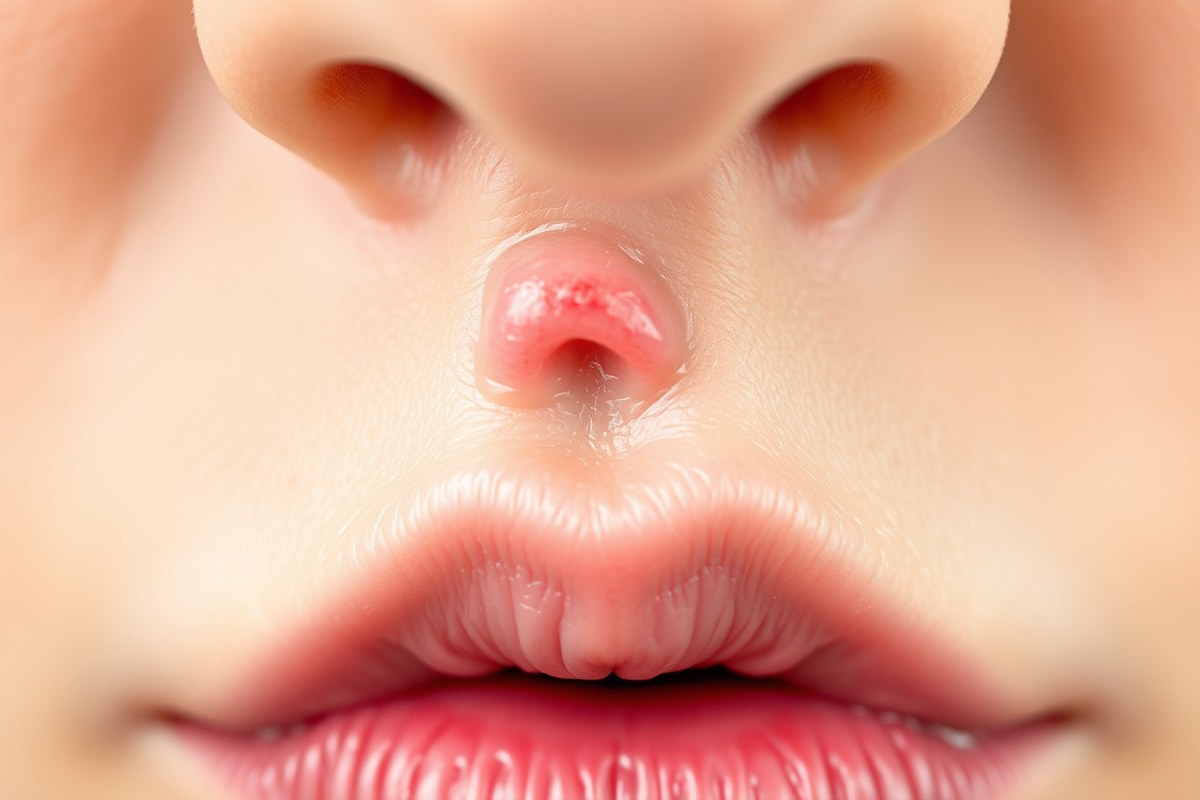
Completely eliminating a fever blister within a 24-hour timeframe is not achievable according to medical knowledge. Fever blisters, or cold sores, result from the herpes simplex virus and emerge as groups of small blisters filled with fluid on or near the lips. These sores move through several phases: starting with tingling, then forming blisters, breaking open, and finally crusting before the skin heals. Normally, the entire healing process lasts about 7 to 10 days and can extend up to two weeks if left untreated.
The first 24 hours are critical because that’s when you may feel the initial tingling, itching, or burning, signs that a cold sore is about to form. Starting antiviral treatment during this early stage can help reduce the overall duration of the cold sore by about one to two days. For example, taking antiviral medication within the first 24 to 48 hours of symptom onset can speed healing. This means instead of lasting 10 to 14 days untreated, you might see faster resolution around 7 to 10 days, or sometimes as few as 5 days with timely care.
Without treatment, fever blisters will inevitably run their course, usually lasting close to two weeks. Antiviral creams or pills, applied or taken at the first sign of a cold sore, work by slowing the virus’s activity. This can reduce symptoms like pain and swelling and help the blister heal faster. However, these treatments won’t make a cold sore disappear overnight. You can expect to reduce healing time rather than eliminate the sore within a single day.
Reducing discomfort and appearance is still possible within 24 hours. Over-the-counter creams or cold compresses can lessen swelling and redness quickly, making the blister less noticeable and easing pain. Staying hydrated and avoiding picking at the sore helps prevent complications and promotes faster healing. Costs for antiviral creams vary but typically range from $10 to $30, while prescription antivirals might cost more depending on your insurance coverage.
One important point is that cold sores are highly contagious during the blister phase. Taking early treatment steps helps not only with your healing but also lowers the risk of spreading the virus to others. Since cold sores tend to recur, managing outbreaks quickly can improve your quality of life and reduce the frequency of flare-ups over time.
2. Early Treatment Checklist to Speed Healing
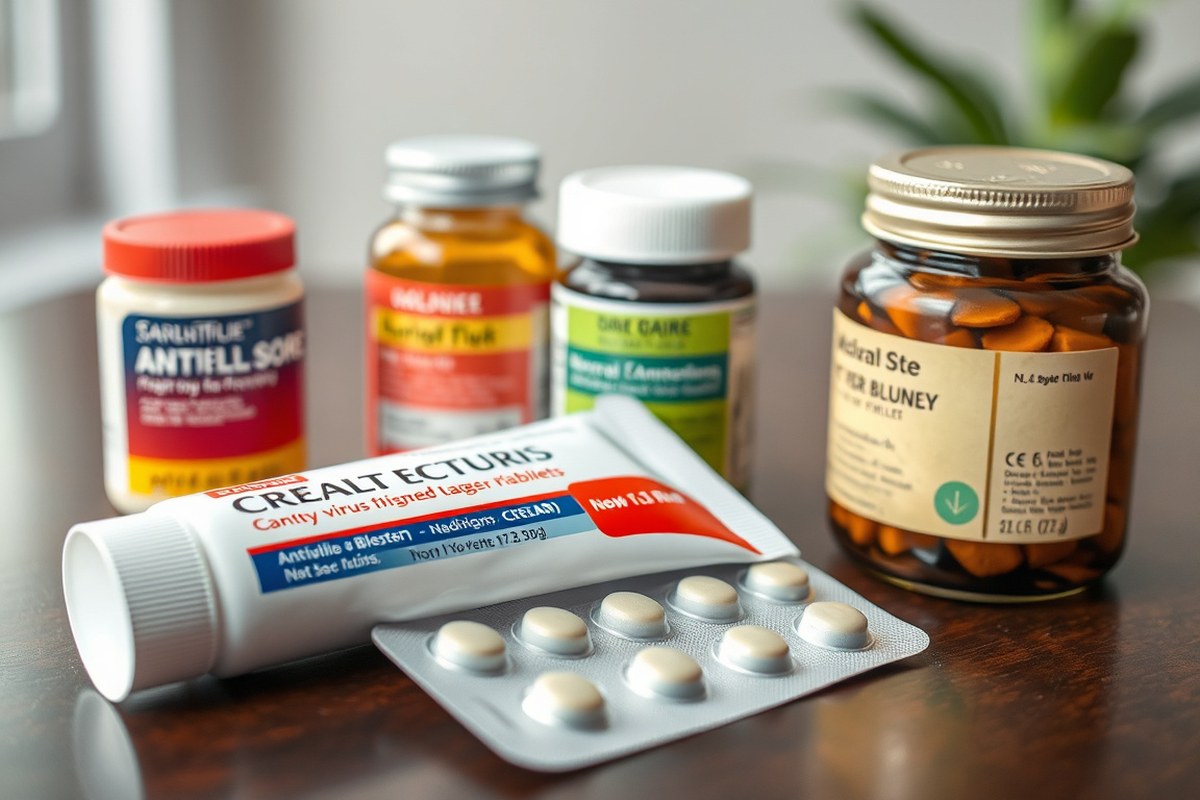
Start treatment at the very first sign of a fever blister to reduce severity and speed healing. Use antiviral creams or oral medications promptly, applying or taking them as directed. Support these treatments with safe home remedies to help soothe symptoms and aid recovery.
Initiating Treatment at Prodrome Stage
The prodrome stage is when you first notice tingling, itching, or redness before the blister appears. This is the best time to start treatment because antiviral drugs work most effectively during this early phase. Applying an antiviral cream such as docosanol (Abreva) within the first 24 hours can shorten healing time and decrease pain.
Waiting until the blister fully forms often means the virus has spread more extensively, making treatment less effective. Starting at this stage typically reduces the outbreak duration from about 10-14 days to nearer 7-10 days. Early treatment also lowers the chance of spreading the virus to others.
Combining Oral and Topical Antivirals
Using both oral and topical antivirals can help speed healing, especially for frequent or severe outbreaks. Oral medications like valacyclovir or famciclovir offer systemic treatment to reduce viral activity, while topical creams provide direct relief on the sore to reduce discomfort and speed healing.
Apply topical antiviral creams 5 times a day until the sore heals. Follow the oral antiviral prescription exactly, usually taken 2 to 3 times daily for 5 days. Combining these methods during the first day of symptoms provides the best chance to clear the blister fast.
Integrating Safe Home Remedies Early
Some home remedies can ease symptoms and support healing when used alongside antiviral medications. Applying a cold compress reduces swelling and pain. Taking lysine supplements or using topical lysine cream may prevent worsening and help shorten healing time.
Lemon balm extract is another option shown to reduce cold sore severity when applied early. Avoid irritants like harsh toothpaste or picking at the sores to prevent delays in healing or infection. Use home remedies only as supportive care, not as replacements for antiviral treatment.
- Recognize early symptoms such as tingling or itching around the lip before blisters appear.
- Apply an FDA-approved antiviral cream like docosanol immediately during the prodrome stage.
- Take prescribed oral antiviral medication if outbreaks are frequent or severe.
- Apply topical medication consistently, around five times daily until healing completes.
- Use safely recommended home remedies such as cold compresses or lemon balm extract.
- Take oral lysine supplements or apply topical lysine cream to improve healing speed.
- Avoid touching, picking, or irritating the sore to prevent delays or spreading.
- Maintain good hygiene and wash your hands thoroughly after any contact with the sore.
Tip: Start antiviral treatment at the first sign of tingling and follow the full course even if symptoms improve quickly to ensure faster healing and reduce the risk of spreading the virus.
3. Comparing OTC and Prescription Cold Sore Treatments
Treating fever blisters effectively depends on how quickly you start and which option you use. Prescription antiviral medications like acyclovir, valacyclovir, famciclovir, and penciclovir offer the fastest results. They can shorten healing time by about one day and often reduce pain and swelling more efficiently than over-the-counter (OTC) products. However, if you can’t get a prescription immediately, OTC creams like docosanol (Abreva) are a solid alternative with proven effectiveness.
Many OTC creams work best when applied at the earliest sign of a cold sore, such as tingling or itching. They generally require multiple applications a day and might take longer to show effects compared to prescription drugs. Prescription options may require fewer daily doses but usually need a doctor’s approval. Both types have mild side effects, but prescription antivirals can sometimes cause headaches or nausea, while OTC treatments rarely present severe reactions.
| Treatment | Effectiveness | Onset Time | Application Frequency | Cost Range (USD) | Common Side Effects |
|---|---|---|---|---|---|
| Prescription antivirals (acyclovir, valacyclovir, famciclovir, penciclovir) | High; can shorten healing by ~1 day | Within 24 hours of first applied dose | Typically 2-5 times per day (oral or topical) | $30, $150 depending on insurance and dosage | Headache, nausea, mild skin irritation |
| Docosanol (Abreva, OTC) | Moderate; proven to speed healing (slower than prescription) | 1, 2 days with consistent use | Apply 5 times daily until healed | $15, $30 per tube | Rare skin irritation |
| Herbal supplements and medical-grade honey (e.g., L, Mesitran) | Variable; can reduce healing time and relieve symptoms | Varies; may take several days | Apply as directed, often 1-3 times daily | $10, $40 | Possible allergic reactions; stop if irritation occurs |
Using prescription antivirals is the preferred route for the fastest recovery, especially if you get frequent cold sores or need quick results for social or work events. Starting treatment once you notice the first symptoms is important. Over-the-counter options like docosanol can help if you do not have immediate access to prescription medication. They tend to require more frequent application, which may be less convenient but still effective.
Herbal remedies such as medical-grade honey may soothe symptoms and help hydrate the skin but vary in speed and strength. Always pause use if you develop any side effects, and be aware that supplements might interact with other medications you take. Consulting a healthcare provider is advisable before mixing treatments. Balancing cost, convenience, and speed will guide your best choice for cold sore treatment.
4. Effective Home Remedies and Their Safety
Natural home remedies like lemon balm, tea tree oil, and apple cider vinegar may help reduce the healing time and discomfort of fever blisters. These options work by targeting the virus or soothing symptoms, but their effectiveness varies and safety precautions are necessary. Using these remedies properly can support healing without causing skin irritation or other side effects.
Lemon Balm Benefits and Application
Lemon balm contains antiviral compounds that may reduce the severity and duration of HSV-1 outbreaks. Applying lemon balm in gel or cream form directly to the fever blister can soothe symptoms and encourage faster healing. Look for lemon balm products designed for cold sores, often available at drugstores or health food stores for around $10 to $15.
Use a clean cotton swab to gently dab the gel onto the affected site up to four times a day. Avoid licking or touching the area afterward to prevent spreading the virus. Although more research is needed, early application at the first sign of a tingling or burning sensation can provide the most benefit. Do not use lemon balm on open wounds or broken skin beyond the blister itself to reduce the risk of irritation.
Tea Tree Oil Usage Guidelines
Tea tree oil has antiviral and antiseptic properties that might help control cold sore outbreaks. Because it is a potent essential oil, it should never be applied directly to the skin without dilution. Mix one part tea tree oil with at least ten parts of a carrier oil such as coconut, olive, or almond oil before use.
Apply the diluted mixture gently with a cotton swab to the fever blister up to three times daily. Overuse or applying undiluted oil may lead to redness, burning, or peeling skin. Stop using tea tree oil if you notice excessive irritation or swelling. People with sensitive skin should test a small area first before applying it to the cold sore.
Apple Cider Vinegar Precautions
Some people use apple cider vinegar (ACV) for fever blisters because it has mild antiviral and antibacterial qualities. However, ACV is acidic and can burn or irritate delicate skin around the lips. It should be used cautiously and only in diluted form.
To apply, dilute one tablespoon of ACV in at least three tablespoons of water. Dab the solution carefully onto the cold sore area with a cotton ball once or twice a day. Rinse the area with water immediately and discontinue use if burning or discomfort occurs. Avoid using ACV on cracked, bleeding, or severely inflamed fever blisters, as it may worsen symptoms.
Assessing Remedy Safety for Sensitive Skin
Fever blisters often cause skin sensitivity and sometimes swelling, so products applied to these spots must be gentle and non-irritating. Essential oils like tea tree and peppermint have antiviral effects but can trigger allergic reactions or chemical burns if concentrated or overused. Lemon balm tends to be milder, but skin reactions still can occur.
Always perform a patch test before regular use. Apply a small amount of the diluted remedy to the inside of your wrist or forearm and wait 24 hours for any reaction. Discontinue use if redness, itching, or swelling develops. People with eczema, psoriasis, or other skin conditions around the mouth should consult a healthcare provider before trying essential oils or acidic treatments.
Proper Dosage and Frequency of Use
Consistency matters when using natural remedies for fever blisters. Applying treatments like lemon balm gel or diluted tea tree oil at regular intervals, typically two to four times daily, helps maintain antiviral effects. Using them too infrequently may limit benefits, while overuse can irritate the skin.
Keep applications brief and avoid rubbing the cold sore harshly. Use a clean cotton swab every time to reduce infection risk. Should you not see improvement within six days or symptoms worsen, stop home remedies and consult a medical professional. Combine these natural options with over-the-counter treatments or doctor-recommended medications for the best results in managing and healing fever blisters.
5. How to Manage Pain, Swelling, and Prevent Spread
Managing pain and swelling while preventing the spread of a fever blister requires careful daily habits and targeted treatments. Using cold compresses and topical pain relievers can reduce discomfort quickly. Maintaining strict hygiene and avoiding certain behaviors helps limit spreading the virus to others or worsening the lesion.
Pain and Swelling Relief Techniques
Cold compresses are effective for reducing swelling and numbing pain. Apply an ice pack or wrapped ice cube directly to the cold sore for 10 to 15 minutes up to several times daily. Over-the-counter topical anesthetics containing lidocaine or benzocaine can also soothe painful lesions when applied as directed.
Specialized cold sore patches, like those from COMPEED®, protect the blister, speed healing, and relieve pain by creating a moist barrier. Use these early in the outbreak for best results. Taking non-prescription pain relievers such as ibuprofen or acetaminophen can help manage general pain and inflammation associated with the sore.
Daily Hygiene and Moisture Care
Effective hygiene prevents virus spread and promotes healing. Avoid touching the sore with your fingers. If necessary, use a cotton swab to apply treatments instead of your hands. Wash your hands thoroughly with soap and water after any contact with the cold sore or affected area.
Do not share personal items like utensils, lip balms, towels, or drinking glasses during an outbreak. These objects can transfer the herpes simplex virus type 1 (HSV-1) from your blister to others. Applying a moisturizing lip balm without fragrances or irritants prevents drying and cracking of blisters, which can worsen symptoms and delay healing.
Avoiding Common Healing Mistakes
Avoid picking, scratching, or peeling your cold sore as this can make the area more painful, increase the risk of scarring, and potentially spread the virus to other parts of your body or other people. It’s important to keep the sore clean but don’t wash it excessively, since overcleaning can slow down the healing process.
Stay away from triggers such as excessive sunlight and stress to reduce the risk of worsening or prolonging the outbreak. Wearing sunscreen on your lips during outdoor exposure helps prevent UV light from aggravating lesions. Manage stress through regular exercise or relaxation techniques, as stress can reactivate the virus. Follow these steps to manage pain, swelling, and reduce the chance of spreading your fever blister:
- Apply a cold compress for 10 to 15 minutes several times daily to reduce swelling and numb pain.
- Use over-the-counter topical anesthetics (lidocaine or benzocaine) carefully to soothe pain.
- Protect the sore with an appropriate cold sore patch early on to promote healing and reduce discomfort.
- Wash your hands with soap and water every time you touch the affected area or apply treatment.
- Avoid sharing lip balms, utensils, towels, or drinking vessels during outbreaks.
- Keep the sore moist with a fragrance-free lip balm to prevent cracking and excessive dryness.
- Do not pick, scratch, or peel the blister to prevent spreading and scarring.
- Protect lips from sunlight with sunscreen and manage stress levels to support healing.
Avoid touching your cold sore directly; use clean cotton swabs instead to apply ointments and prevent spreading HSV-1.
6. Recognizing Cold Sores and When to See a Doctor
Cold sores, also known as fever blisters, typically emerge as small clusters of fluid-filled blisters around the lips. They are caused by the herpes simplex virus type 1 (HSV-1), which is widespread globally. You can recognize a cold sore by its usual sequence: a tingling or itching feeling on the skin, followed by red bumps, then clear blister clusters that break open and form crusts before healing completely in about 7 to 10 days. This pattern helps differentiate cold sores from other lip issues like angular cheilitis, allergic reactions, or bacterial infections, which tend to have different symptoms like prolonged redness, deep fissures, or extensive swelling.
Recognizing when a cold sore might require a doctor’s care is important. Medical advice should be sought if the sore persists longer than two weeks without healing, if it spreads broadly beyond the lip area, or if high fever, severe pain, or swollen glands develop alongside the cold sore. People with weakened immune systems, including those undergoing cancer treatment or living with HIV, should see a healthcare provider promptly for cold sore symptoms because their bodies may have difficulty controlling the virus and preventing complications. A healthcare provider can confirm the diagnosis and recommend antiviral medications, which can speed healing and reduce pain when started early.
Infections occur when bacteria invade the cold sore, which can complicate healing. Signs of an infected cold sore include increased redness, warmth, swelling, pus drainage, or worsening pain around the sore, along with possible fever. Immediate medical attention is needed when these symptoms appear. The doctor might prescribe antibiotics alongside antiviral drugs to manage both viral and bacterial infection.
Using a simple decision framework can help you respond appropriately: notice a tingling or itching area on or near your lip, watch for the classic blister stage within 24 to 48 hours, and monitor healing progress over the next week. Blisters that form and crust within 10 days without severe symptoms can be treated with over-the-counter remedies or home care. Consult a healthcare provider if the sore grows, worsens, persists beyond two weeks, or is accompanied by systemic symptoms like high fever or swollen lymph nodes.
Prescription medications for cold sores, such as topical or oral antivirals, are typically available through a healthcare provider and, depending on your insurance and location, might cost between $20 and $100 per treatment course. Early treatment is key for better outcomes, so obtaining professional advice quickly can limit the duration and severity of outbreaks. Taking prompt action also reduces the risk of transmitting the virus to others, as cold sores are contagious from the first sensation until completely healed. When in doubt about the cause or seriousness of a lip lesion, consult your healthcare provider rather than self-diagnosing.
7. Preventing Outbreaks and Reducing Recurrence
Preventing cold sore outbreaks starts with managing triggers and protecting your skin. Stress is a common cause because it weakens your immune system and disrupts the balance your body needs to keep the herpes simplex virus dormant. Reducing stress can cut down how often you get cold sores. Try daily deep breathing exercises or short walks outside to calm your mind. Avoid stressful situations when you can, and maintain a regular sleep schedule to support immune health.
Sunlight can also spark outbreaks by damaging the skin barrier and activating the virus. Use a sunscreen lip balm with at least SPF 30 every day, even in winter or on cloudy days. Reapply every two hours when you’re outside. A lip balm with zinc oxide is helpful because zinc supports healing and protects the skin. About $5 to $10 a tube is typical, and it’s an easy habit that can make a big difference over time.
Diet influences cold sore frequency too. Amino acids arginine and lysine affect the virus replication cycle. Arginine, found in nuts and chocolate, encourages the virus, while lysine, present in dairy, fish, and meat, may prevent outbreaks by counteracting arginine’s effect. Taking lysine supplements of around 1 gram daily could reduce how often your cold sores come back. During an outbreak, increasing lysine to 3 grams daily might help lessen the severity and speed healing. Vitamin C supplements also boost your immune system, supporting your body’s fight against the virus. Zinc supplements between 15 and 30 mg daily may reduce outbreak severity and promote faster recovery, but avoid doses above 40 mg to prevent side effects.
Other lifestyle changes that reduce your risk include protecting your lips from cold wind and avoiding biting or picking sores, which can worsen symptoms or cause new breaks. If you notice a pattern with hormonal changes, like during your menstrual cycle, prepare with extra protective lip balm and stress management in those times. Cold sore outbreaks often lessen in severity and frequency over time with consistent preventive measures. Remember that no medication or vaccine can completely eliminate the virus, so these steps help you keep outbreaks manageable and less frequent.
8. Special Considerations for Children, Pregnant Women, and Frequent Cases
Treating fever blisters in children and pregnant women requires extra care to ensure safety while still providing relief. For children, over-the-counter topical creams should be used sparingly and only after checking with a pediatrician, as some ingredients may cause irritation or allergic reactions. Gentle options that contain ingredients like docosanol can be safer but should be applied in small amounts and not swallowed. If cold sores are severe or persistent in children, a healthcare provider can prescribe antiviral medication, which is generally safe under medical supervision.
Pregnant women should avoid self-medicating with antiviral drugs or strong topical treatments without consulting their doctor. Some prescription antivirals like acyclovir are commonly used during pregnancy but require a healthcare provider’s guidance to balance risks and benefits. Good hygiene and avoiding cold sore triggers remain important preventive steps during pregnancy, since fever blisters can potentially spread the virus to the baby during childbirth in rare cases.
People who suffer from frequent or severe cold sore outbreaks, such as having five or more episodes per year, may need more than just topical treatments. Consulting a healthcare professional is recommended to develop a personalized treatment plan that may include prescription antiviral medications taken at the first sign of an outbreak or even daily suppressive therapy to reduce the number and severity of flare-ups. These prescriptions often cost between $50 and $200 per month depending on insurance coverage and drug choice.
In cases where cold sores cause significant pain or social discomfort, additional therapies like cold sore laser treatment may be an option. This treatment uses focused light to speed healing and reduce pain, and it can be cost-effective depending on the provider. Discussing all treatment options with your healthcare provider ensures that you find an approach tailored to how often cold sores occur and how severe they are.
Maintaining good personal hygiene, avoiding touching the sores, and minimizing exposure to triggers like UV rays and stress also supports treatment effectiveness across all groups. Early treatment remains key to shortening outbreak duration and severity. For anyone with ongoing issues, regular communication with a healthcare provider helps monitor for complications and adjust treatment plans.
Always check with a healthcare provider before using antiviral medications on children or during pregnancy to avoid harmful side effects or ineffective treatments.
Step-by-Step Action Plan for Fast Fever Blister Relief
Follow these clear steps to treat your fever blister quickly, reduce pain, and prevent spreading while knowing when to seek medical advice.
- At the First Sign (Tingling or Itching): Apply an antiviral cream or ointment immediately, such as docosanol or a prescription antiviral if you have one. You’ll know it’s helping if the blister doesn’t fully develop or stays smaller than usual.
- Within 24 Hours: Take an oral antiviral medication if prescribed and continue topical treatment. This can shorten healing time. Improvement looks like reduced redness and less discomfort.
- During the Blister Stage: Keep the area clean and dry, avoid touching it, and use over-the-counter pain relievers like ibuprofen to control swelling and pain. When pain decreases and swelling goes down, your management is working.
- While the Blister is Healing: Use safe home remedies like applying a cold compress to soothe pain but avoid irritants like lemon juice. Healing progress includes the blister drying and forming a crust without infection.
- After the Sore Heals: Practice good hygiene, avoid sharing personal items, and use sunscreen on your lips to prevent recurrence. You’ll notice fewer outbreaks when these habits are consistent.
- If Blisters Worsen or Multiply: Reach out to a healthcare provider especially if you have frequent outbreaks, are pregnant, or have a weakened immune system. Seeing a doctor ensures safe, stronger treatments and prevents complications.
Frequently Asked Questions
Can You Get Rid of a Cold Sore in 24 Hours?
No, fever blisters cannot be eliminated in 24 hours, but early treatment can speed healing and reduce discomfort. Starting antiviral medication within 24 to 48 hours of symptoms helps the most.
What Is a Good Home Remedy for Cold Sores?
Applying a cold, damp cloth or using over-the-counter creams like docosanol can ease pain and speed healing. Avoid acidic or spicy foods that may irritate the sore.
How Do Amish Treat Cold Sores?
Amish communities typically use natural remedies like herbal salves, cold compresses, and rest to manage cold sore symptoms, focusing on soothing and supporting healing without harsh chemicals.
Will Rubbing Alcohol Dry Out a Fever Blister?
Rubbing alcohol can dry out a fever blister but may also irritate the skin and slow healing. Gentle cleaning with mild soap and water is safer for managing the area.
Can Stress Trigger a Fever Blister Outbreak?
Yes, stress is a common trigger for cold sore outbreaks by weakening your immune system and activating the dormant virus. Managing stress can reduce frequency.
Does Sunscreen Help Prevent Cold Sores on the Lips?
Yes, applying lip balm with sunscreen protects your lips from UV rays, which can trigger cold sore outbreaks in sensitive individuals.
Before You Go
Getting rid of a fever blister in 24 hours isn’t realistic, but starting treatment right at the first sign can significantly speed up healing. Applying an antiviral cream as soon as you feel tingling or itching can reduce the blister’s duration and severity. Today, check your medicine cabinet or visit a pharmacy to pick up an approved antiviral ointment if you notice early symptoms of a cold sore.