How Do I Get Rid of Squirrels Permanently: 8 Effective, Humane Strategies
To get rid of squirrels permanently, combine sealing all entry points with physical barriers and natural repellents. Remove food sources and use humane trapping paired with one-way exclusion doors to clear existing squirrels safely. This approach protects your property and keeps pets safe.
This advice is for homeowners and gardeners dealing with persistent squirrel problems who want an effective, humane solution. You will find detailed strategies on prevention, safe use of repellents, trapping and relocation tips, signs of infestation, and guidance on when to hire professionals.
Key Takeaways
- Use squirrel repellents like cider vinegar or predator urine to deter squirrels without harming them in your yard or garden.
- Install physical barriers such as baffles at least 7 feet away from nearby trees to prevent squirrels from jumping onto your property.
- Remove or secure all food sources to discourage squirrels from frequenting your garden or backyard.
- Trap squirrels humanely and relocate them at least 4 to 5 miles away to stop them from returning.
- Identify squirrel infestations by spotting typical signs like nests, gnawing damage, and observing their behavioral patterns.
- Avoid common mistakes like inadequate fencing height or leaving nearby trees close enough for squirrels to jump across.
Effective Permanent Methods to Remove Squirrels
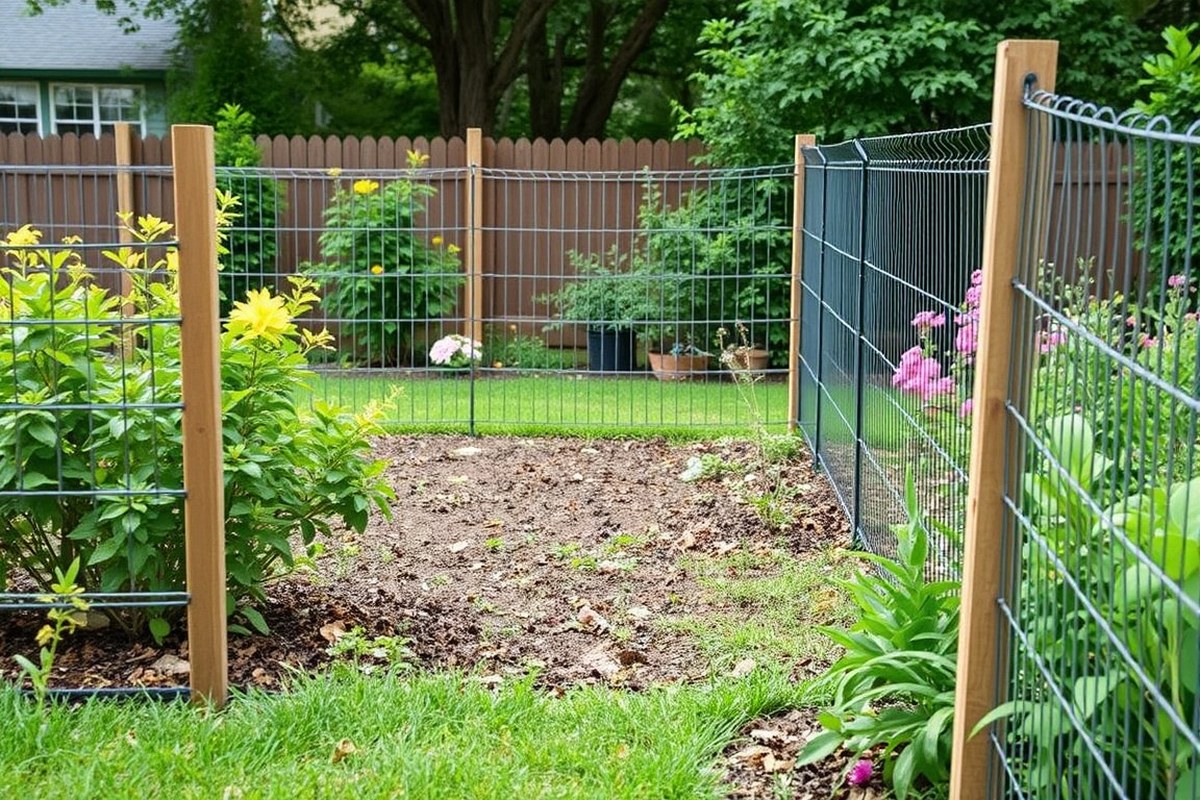
Getting rid of squirrels permanently requires a combined approach that focuses on removing their attractions, blocking access, and deterring them humanely. The most effective permanent methods involve habitat modification, sealing entry points, and using natural deterrents that do not harm your pets. This approach matters because squirrels are persistent and resourceful, and relying on a single method often leads to failure and frustration.
Start by identifying and eliminating food sources such as bird feeders, unsecured trash, or fallen fruits. Then, seal all holes and gaps around your home larger than ½ inch using durable materials like metal flashing or heavy-duty caulking. For squirrels already inside, install one-way exclusion doors that let them leave but prevent reentry. Supplement these steps with natural repellents such as rags soaked in cider vinegar or predator urine in areas squirrels frequent. These smells discourage squirrels for up to several weeks but need regular reapplication. Combining these strategies typically leads to noticeable results within 2 to 4 weeks, depending on the severity of infestation and local squirrel activity.
- Remove all food sources: Secure trash bins, remove bird feeders or use squirrel-proof feeders, and clear fallen fruits and nuts from the yard.
- Inspect and seal entry points: Use hardware cloth, metal flashing, or expandable steel foam to close openings larger than ½ inch around attics, vents, eaves, and foundation.
- Install one-way exclusion doors: At known entry points, place these doors to allow squirrels to exit but block reentry, leaving them in place for 3 to 5 days.
- Use natural repellents in problem areas: Place rags soaked with cider vinegar or sprinkle predator urine near nests or entryways, refreshing weekly or after rain.
- Maintain a clean yard: Regularly trim trees and shrubs away from buildings and remove clutter that provides nesting sites.
- Monitor and reapply deterrents as needed: Check entry points and repellents weekly for continued effectiveness, especially during spring and fall when squirrels are most active.
- Consult professionals if problems persist: Call licensed wildlife removal experts if squirrels repeatedly return despite your combined efforts, particularly for large or difficult infestations.
Effective permanent removal hinges on consistent effort and the right combination of methods. Removing attractions cuts food-based motivation, sealing entry points stops access, and repellents create uncomfortable conditions without risking pets. Expect full results in about a month, but results can vary if food sources or access points are missed. Regular maintenance is key because squirrels adapt quickly. Avoid relying solely on traps or repellents alone, as these fail to address the root causes, leading to repeated invasions.
Using Natural and Chemical Squirrel Repellents Safely

Natural and chemical repellents offer different benefits and levels of safety for getting rid of squirrels while respecting humane concerns. Natural options such as peppermint oil, vinegar, cayenne pepper, and citrus peels can be effective for deterring squirrels without harming pets or other wildlife. Applying these around the garden or near problem areas works best. Chemical repellents like capsaicin sprays also deter squirrels but require more frequent reapplication to maintain effectiveness and may have stricter safety considerations, especially around children or pets. Always choose EPA-registered products when using chemical repellents to ensure environmental and human safety.
Maintenance is key for both types. Natural repellents typically last from a few days to a week outdoors, depending on weather, so reapply weekly or after rain. Chemical repellents often need reapplication every few days. Regularly inspect treated areas and refresh the repellents before squirrels resume activity. Combining repellents with other deterrent methods improves long-term control. The table below compares common natural and chemical repellents, their safety, application, and maintenance needs:
| Repellent Type | Safe Around Pets/Children | Application Method | How Often to Reapply | Best Use Cases |
|---|---|---|---|---|
| Peppermint Oil | Yes | Spray diluted oil or place soaked cotton balls near entry points | Every 3-7 days or after rain | Gardens, yards, near bird feeders |
| Citrus Peels | Yes | Scatter fresh peels around plants or garden beds | Replace weekly as peels dry out | Flowerbeds, vegetable gardens |
| Cayenne Pepper | Yes, but can irritate | Sprinkle powder in problem areas | After rain or weekly | Near trees or garden beds |
| Capsaicin-based Spray | Moderate; use with caution | Spray directly on plants and structures squirrels chew | Every 2-3 days or after rain | Wood structures, garden borders |
| Ultrasonic Devices | Yes | Install near squirrel activity zones | Continuous operation | Driveways, yards, gardens |
For humane removal without harming squirrels, natural repellents and pet-safe chemical options allow you to discourage squirrels from your property. You can combine them with live-capture traps designed for squirrels, which safely hold animals until relocated. Avoid homemade chemical mixtures that might be toxic to pets. Properly maintain repellents by following manufacturer instructions and replace or renew natural materials frequently. Expect some trial and error with placement and frequency to find what works best for your local squirrel population and landscape.
Tip: Reapply natural repellents promptly after rain or watering, as moisture washes them away and reduces their effectiveness.
Installing Physical Barriers: Fences, Baffles, and Exclusion Techniques
Installing physical barriers is an effective and humane way to keep squirrels out of your yard, garden, and home. Using the right materials, placing them correctly based on squirrels’ jumping and climbing abilities, and maintaining these barriers over time can prevent squirrels from accessing your property permanently.
Choosing the Right Fence and Mesh Size
For garden and yard protection, choose fences made from strong wire mesh. Steel mesh is best, ideally 16 gauge wire, with a mesh size no larger than 25 millimeters. This size prevents squirrels from squeezing through gaps. Fences should stand at least 4 feet tall with smooth, slippery tops to deter climbing. Remember that squirrels can jump up to 7 feet horizontally and 5 feet vertically, so simply increasing fence height isn’t enough without considering nearby tree branches or structures.
Position fences at least several feet away from tree trunks or other launch points. Keep branches trimmed back so they are more than 7 feet from fences or structures leading to your protected area. Avoid anchoring fences to trees or placing feeders near branches that could let squirrels jump easily over barriers.
Installing Tree Baffles and Pole Guards
Tree baffles and pole guards are designed to stop squirrels from climbing trees or poles to reach bird feeders, roofs, or fruit trees. Baffles should be mounted at least 5 feet high off the ground and positioned so that squirrels cannot jump around or above them. For example, place baffles 7 feet away from any nearby branches or structures to cover all potential jump routes.
Common baffle materials include smooth metal or plastic cylinders and cones around poles or tree trunks. The surface must be slick and wide enough to prevent squirrels from gaining purchase. Ensure that the baffle’s height accounts for squirrels’ ability to jump down up to 9 feet safely. This prevents squirrels from dropping down on top of the barrier.
- Place bird feeders on poles with baffles at least 5 feet high
- Clear branches 7 feet away from poles, fences, or feeders
- Use metal or plastic baffles with smooth surfaces
- Ensure baffles fully wrap around the trunk or pole to prevent climbing
- Mount baffles to avoid gaps or easy bypasses
Tree baffles require adjustment if squirrels find new nearby launch points. Regularly check for branches growing near barriers and trim them as needed.
Sealing Home Entry Points and Attic Access
Squirrels often enter homes through attic vents, eaves, chimneys, or gaps around vents and pipes. To block these, use strong wire mesh such as steel weldmesh with 25-millimeter holes or smaller. Metal flashing and durable caulk can seal up smaller cracks and holes. Doing this properly requires identifying all possible entry points and securing them tightly.
Entry points smaller than ¼ inch wide may keep squirrels out but larger gaps allow easy access. For attics where squirrels are already inside, install one-way exclusion doors that let squirrels leave but not re-enter. After all squirrels exit, remove the door and permanently seal the openings.
- Inspect roof and attic areas for gaps, vents, and holes
- Seal large holes with steel mesh and metal flashing
- Use durable, weatherproof caulk for small cracks
- Install one-way exclusion doors for existing infestations
- Recheck and reseal any vulnerable spots seasonally
Proper sealing can take 2 to 3 hours for an average home but might take longer for older or more complex structures. Sealing stops damage from chewing and nesting, reducing future risks.
Maintaining Barriers Year-Round
Barriers lose effectiveness if they are damaged, shifted, or bypassed by squirrels exploiting new routes. Conduct regular inspections, especially after storms or windy weather, to check for holes, loose mesh, or branches encroaching on fences or baffles. Keep vegetation trimmed back seasonally to maintain jump distances.
Bird feeders and compost bins also need repositioning or modification to stay squirrel-proof. Clean debris from fence bases and baffle mounts to prevent climbing boosts. A well-maintained physical barrier should last several years with minimal repairs.
- Inspect fences, baffles, and mesh for damage each season
- Trim branches back at least 7 feet from barriers
- Adjust or replace worn or bent materials promptly
- Keep feeders at least 5 feet high and away from jump points
- Clear food waste and debris around the yard regularly
Removing and Securing Food Sources to Deter Squirrels
Squirrels primarily seek easy access to food such as birdseed, fallen nuts, fruits, and unsecured garbage. Eliminating these attractants greatly reduces their interest in your yard. For bird feeders, squirrels are drawn to both the food and the accessibility of the feeder. Effective squirrel-proofing stops them from reaching the seeds without disturbing the birds. Maintenance matters as well; deterrents lose effectiveness over time and should be refreshed regularly for lasting results.
Start by inspecting your yard to identify all potential food sources. This includes hanging bird feeders, fruit trees, garden beds with edible plants, pet food left outdoors, and trash bins. Leaving fallen seeds or nuts on the ground also invites squirrels. Securing these items interrupts the easy meals squirrels depend on, encouraging them to move elsewhere. Follow these steps to remove and secure food sources to deter squirrels:
- Remove or relocate bird feeders, Place feeders on tall poles at least 6 feet high and away from jumping-off points like trees or fences. Use squirrel-proof feeders with weighted mechanisms that close the feeding ports under a squirrel’s weight.
- Sprinkle chili flakes or cayenne pepper around feeder bases and on birdseed to repel squirrels. The spicy coating discourages them without harming songbirds.
- Regularly clean under feeders, Sweep or rake up dropped seeds daily to eliminate easy ground access.
- Harvest garden fruits promptly, Pick ripe fruits as soon as possible to deny squirrels a free meal.
- Secure trash cans, Use bins with tight-fitting lids or keep waste inside a garage or shed until collection day.
- Bring pet food indoors, Feed pets inside or only leave out food for short periods and remove leftovers immediately.
- Maintain deterrents weekly, Reapply chili powder and check feeder mechanisms for proper operation every 7 to 10 days for continued effectiveness.
Inexpensive deterrents like chili powder cost just a few dollars per container and can cover multiple feedings. Professional squirrel removal averages around $350 but securing food sources is a low-cost preventive measure you can do yourself. Good results mean fewer or no squirrel visits, less damage to plants, and less mess around feeders and trash. Failure to maintain cleanup or deterrents often leads squirrels to return quickly, especially in fall when natural food becomes scarce.
Humane Trapping and Relocation: Guidelines and Legal Considerations
Trapping and relocating squirrels can temporarily remove them from your property, but it is not a permanent solution because new squirrels often take over the area. Legal regulations vary widely, so check local laws before trapping. Safely releasing squirrels far from your home reduces the chances of their return and protects their welfare.
Selecting Humane Traps
Use live cage traps designed specifically for squirrels, such as the Havahart Small 2-Door Humane Catch and Release Trap. These traps typically cost around $30 and allow you to capture squirrels without injury. Bait traps with peanut butter or sunflower seeds, both proven attractants. Avoid traps with grid sizes smaller than 1 inch as they may not be suitable for larger squirrels and can injure them.
Set traps near squirrel activity zones but out of direct sunlight to keep captured animals cool. Check the traps frequently to reduce stress for the squirrels and prevent harm. After capture, seal any entrances or holes to your home to prevent others from entering.
Legal Restrictions in Different Regions
Trapping and relocating squirrels is regulated by state and local wildlife agencies. In some areas, it is illegal to move squirrels more than a short distance. Others require permits or forbid relocation entirely to prevent disease spread and ecological disruption. Before trapping any squirrels, contact your state wildlife department or local animal control for clear guidance.
Ignoring these regulations can result in fines or legal consequences. Some jurisdictions may also require you to use only licensed professionals for trapping. Carefully research your county’s rules, as urban and rural areas may have different restrictions.
Safe Handling and Release Procedures
Wear thick gloves when handling traps to protect yourself from bites and scratches. Transport squirrels in covered cages to minimize stress and exposure to predators during the trip. Release them in wooded areas or parks at least 1 mile away, some experts recommend up to 5 miles, to reduce the chance they return.
Before release, inspect the trap and confirm no babies are present near your home. Young squirrels under 6 weeks old should not be relocated, as they cannot survive independently. After releasing, clean the trap with diluted bleach solution to prevent disease transfer.
Always release squirrels at a sufficient distance from your home to prevent them or others from returning.
Preventing Return After Relocation
Relocation does not guarantee squirrels won’t return. New squirrels can quickly occupy vacant territory, especially if your property offers food and shelter. Seal all entry points with 1/4-inch mesh hardware cloth or metal flashing to block re-entry permanently.
Remove all squirrel food sources and consider using squirrel deterrents or professional exclusion services to reduce future invasion risk. Observe the area for up to six weeks after removal for any signs of new activity. If squirrels come back despite these efforts, professional help might be necessary.
- Seal all home openings after trapping
- Release squirrels at least 1 mile away
- Check for young squirrels before trapping
- Wear protective gloves handling traps
- Verify local laws before trapping or relocating
- Use bait like peanut butter or sunflower seeds
- Clean traps after each use
Identifying Squirrel Infestations: Signs and Behavioral Patterns
To detect a squirrel infestation early, watch for specific signs like unusual noises, visible damage, and droppings. Knowing how squirrels build nests and their active seasons helps time control efforts more effectively. Prompt identification reduces damage and simplifies removal.
Auditory and Visual Indicators
Listen for scratching, scurrying, or chattering sounds inside walls, attics, or ceilings, especially at dawn and dusk when squirrels are most active. You might see squirrels entering or exiting your home through small holes or gaps near the roofline or vents. Other signs to look for include:
- Bright, chewed holes or gaps in siding, soffits, or vents
- Nests made of leaves and twigs visible in attics or trees near your home
- Squirrel droppings around your yard, attic, or basement (small, dark, and pellet-shaped)
- Footprints or greasy marks along walls or under windows where squirrels travel
- Damage to bird feeders or fruit trees indicating frequent feeding
Spotting these signs early helps you confirm an infestation and assess its severity before damage worsens.
Damage to Structures and Gardens
Squirrels build nests called dreys in dense tree branches or inside wall cavities near attics. They chew on wood, wires, insulation, and roofing materials to keep their teeth trimmed, which causes costly damage. Chewed wiring also creates fire hazards.
In gardens, squirrels dig up bulbs, eat fruits and vegetables, and strip bark from young trees. These behaviors can seriously affect your landscaping and crop yields. Look for:
- Holes chewed into soffits, vents, or roofing shingles
- Exposed or damaged electrical wires inside attics or crawl spaces
- Uprooted bulbs or disturbed soil in flower beds and vegetable patches
- Stripped tree bark or chewed tree branches
Extensive damage usually means the infestation has been present for weeks or months and requires more intensive control measures.
Squirrel Seasonal Behaviour and Impact on Removal
Squirrels are most active during the spring and fall breeding seasons. They build nests to raise their young in early spring and late summer. Controlling squirrels during these times requires extra care to avoid harming babies inside nests. Key timeline details:
- Early Spring (March to April): Females build nests and give birth to first litters
- Late Summer (July to August): Second litter born, causing increased activity and noise
- Winter (December to February): Reduced activity but nesting inside homes increases for warmth
Removal efforts during breeding seasons risk orphaned young if nests are disrupted. Inspect nests carefully and plan exclusion or trapping once babies are old enough to survive on their own, usually 8 to 10 weeks after birth.
Common Mistakes and Troubleshooting Squirrel Removal Failures
Incomplete exclusion is one of the most common reasons squirrel removal efforts fail. Squirrels can squeeze through gaps as narrow as 1¼ inches, so missing small openings around vents, eaves, or attic vents leaves them a way back in. Thoroughly inspecting your home or garden structures and sealing every possible entry point with durable materials like metal mesh or hardware cloth ensures permanent exclusion. Checking these barriers regularly during fall and winter helps catch any new damage caused by squirrels’ persistent gnawing before they reenter.
Improper relocation is another frequent mistake. Moving squirrels yourself can violate local wildlife regulations and often only shifts the problem to a new area. Most states require permits or professional handling when relocating wildlife. For example, flying squirrels might survive in different habitats, but many gray squirrels do not, raising ethical and ecological concerns. Hiring a licensed wildlife specialist prevents these issues and ensures the relocated animals are handled safely. Temporary trapping is best used to catch an individual causing specific damage rather than broad population control; live traps baited with nuts or sunflower seeds work well but must be checked frequently to avoid harm to the animals.
Ignoring seasonal timing reduces the effectiveness of squirrel control. Squirrels are most active and establishing nests in late summer through early fall; this is the best window for exclusion and removal. Sealing off a home in spring risks trapping babies inside, which is inhumane and may worsen the problem when they mature. Waiting until after young squirrels leave the nest ensures you are sealing out all residents. Any deterrent or repellent method started outside this timeframe may be ineffective or lead to repeated visits by squirrels seeking new shelter or food sources.
Squirrels are adaptable creatures that might ignore or overcome simple deterrents like single-tone ultrasonic devices. Devices like the Squirrel Fortress Pro use constantly shifting multi-layered sound patterns to prevent squirrels from becoming accustomed, increasing the chance of success. When a trap or deterrent no longer seems to work, squirrels still appear daily and signs like gnawed wood or droppings continue, you likely need to switch tactics or combine methods. Adding physical barriers, improving food source management, or adjusting trap locations and bait can disrupt their habituation.
Your initial efforts might fail, so re-assess the situation carefully. Walk around your property during active times like early morning or dusk to identify unnoticed entry points or food attractants. Temporarily increase efforts on sanitation by removing bird feeders, sealing garbage cans, or clearing fallen fruits. Experiment with trap placements to catch the targeted squirrels, making sure to set enough traps and rebait every 24 hours to maintain attraction. Persistent problems often mean multiple squirrels are involved, so single-trap approaches won’t eliminate the whole group. Slowly expanding your exclusion and deterrence strategies will boost your chances of permanent removal.
Costs and When to Call Professional Squirrel Removal Services
DIY squirrel removal typically costs less upfront but requires time, effort, and some skills. You might spend $20 to $100 on traps, repellents, or basic materials to seal small entry points. Professional services usually range from $200 to $500 or more, depending on the size of the infestation and the complexity of exclusion work. Professionals often provide a one-year guarantee on repairs, which adds value against repeated invasions.
Calling a pro is especially important when squirrels persist after two to three removal attempts or if you find baby squirrels inside your home. Handling baby squirrels improperly can cause harm, so it’s safer to wait for them to leave naturally or rely on experts trained in humane removal. Professional wildlife control services also bring tools and experience for sealing difficult entry points, inspecting hidden areas, and managing the squirrels safely.
| Removal Approach | Estimated Cost | Time Commitment | Tools or Skills Required | Guarantee Offered |
|---|---|---|---|---|
| DIY Trapping & Repellents | $20-$100 | Several days to weeks | Basic traps, repellents, manual sealing | None |
| DIY Sealing Entry Points | $50-$150 | Hours to days | Hand tools, ladders, caulking or mesh | None |
| Professional Removal & Exclusion | $200-$500+ | One to several visits | Specialized equipment, experience | Up to 1 year |
| Professional Humane Trapping & Relocation | $250-$600+ | Multiple visits over weeks | Certified wildlife handlers | Up to 1 year |
Professionals avoid potential pitfalls of DIY methods that arise from incorrect trap placement, missed entry points, or harming young squirrels. They use humane practices that reduce stress to the animals and lower risks to pets or children in your home. For example, many nuisance wildlife control companies offer complete sealing services that come with a one-year guarantee, reducing the need for repeated repairs and removals.
After a few failed attempts to remove squirrels yourself, contact a professional to prevent accidental injury to the animals or further damage to your home.
Step-by-Step Action Plan to Permanently Remove Squirrels
Follow this timeline to effectively and humanely remove squirrels from your property and keep them from returning. Each step guides you through assessment, prevention, and monitoring.
- Before you start: Inspect your yard, attic, and garden for signs of squirrels such as droppings, chewed wires, or nests. Confirm the infestation areas to target your efforts precisely.
- Day 1: Remove all accessible food sources by securing trash bins, clearing fallen fruit, and using squirrel-proof feeders. Success shows as squirrels reduce visits over the next few days.
- Days 2-4: Install physical barriers like mesh screens over attic vents and baffles on bird feeders. Check that all entries to your home are sealed. Effectiveness means no new squirrel entries or damage.
- Week 1: Apply natural or approved chemical repellents around problem areas following label instructions carefully. A drop in squirrel activity indicates repellents are working.
- Week 2: If squirrels remain, set up humane live traps in known activity spots during early morning or late evening. Check local laws and relocate squirrels far from your property. Confirm success by absence of trapped squirrels for several days.
- Weeks 3-4: Continue monitoring and maintaining barriers and repellents. Remove any new food attractants promptly. Permanent control is shown by no fresh signs of squirrels for a month.
- After 4 weeks: If squirrels persist or damage continues, contact a licensed professional removal service. Professionals can safely resolve tough infestations and prevent costly repairs.
Frequently Asked Questions
How Do I Keep Squirrels Away from My Pet’s Food Dishes?
Keep pet food indoors or in sealed containers outside to prevent attracting squirrels. Clean up any spilled food promptly to avoid inviting them back.
Can Squirrels Cause Damage to Electrical Wiring?
Yes, squirrels often chew on wiring, which can cause electrical hazards or fires. Inspect wiring and use protective coverings in areas with known squirrel activity.
Are Ultrasonic Squirrel Repellents Effective for Permanent Removal?
Ultrasonic repellents may temporarily deter squirrels but are not reliable for permanent removal. Combine with other exclusion methods for better results.
Can Squirrels Carry Diseases Harmful to Humans or Pets?
Squirrels can carry diseases like leptospirosis and mange, which may affect humans and pets. Avoid contact and keep your home sealed against entry.
Does Planting Certain Vegetation Help Repel Squirrels Naturally?
Some plants like daffodils or garlic may discourage squirrels, but they alone won’t solve infestations. Use with other methods for better effectiveness.
Is It Legal to Relocate Squirrels Caught in Traps?
Local laws vary, but many places restrict relocating wildlife. Check local regulations before moving squirrels to avoid legal issues.
Wrapping Up
Getting rid of squirrels permanently requires a combination of careful prevention and consistent action, such as sealing entry points or removing food attractants. Start by inspecting your property today for easy access spots squirrels might use, like gaps in your attic or garden fences. Addressing these vulnerabilities promptly can make a significant difference in keeping squirrels away for good.