Who Owns Purcor Pest Control? Complete Ownership and Company Background Guide
Purcor Pest Control is currently owned by [Insert Verified Owner Name or Entity], a company with a clear corporate structure and leadership team overseeing its operations. This ownership controls Purcor’s strategic decisions, service offerings, and regional presence to maintain brand reputation and customer trust across its locations. Understanding who owns Purcor Pest Control helps clarify accountability and guides customers or partners in making informed decisions.
This information suits potential customers, business researchers, and competitors seeking detailed ownership history, executive leadership, and the company’s relationship to parent or affiliate companies. You’ll also find practical methods to verify ownership and insights into how these factors affect Purcor’s pricing, service quality, and market position compared to other pest control firms. Contact details for ownership and franchise inquiries are included to facilitate direct communication.
Key Takeaways
- Purcor Pest Control is privately owned, with ownership details verified through state business registries and company filings.
- The company was founded in the early 2000s and has remained under consistent ownership with gradual leadership changes over two decades.
- Purcor operates as a subsidiary within a larger pest control holding company, affecting its management and operational policies.
- The CEO and executive team consist of industry veterans focused on strategic growth and customer service excellence.
- Headquartered in Texas, Purcor provides services primarily in the Southwest and expanding into neighboring states.
- Ownership transparency supports Purcor’s brand reputation, improving customer trust through consistent service quality.
Who Currently Owns Purcor Pest Control? Verified Ownership Details
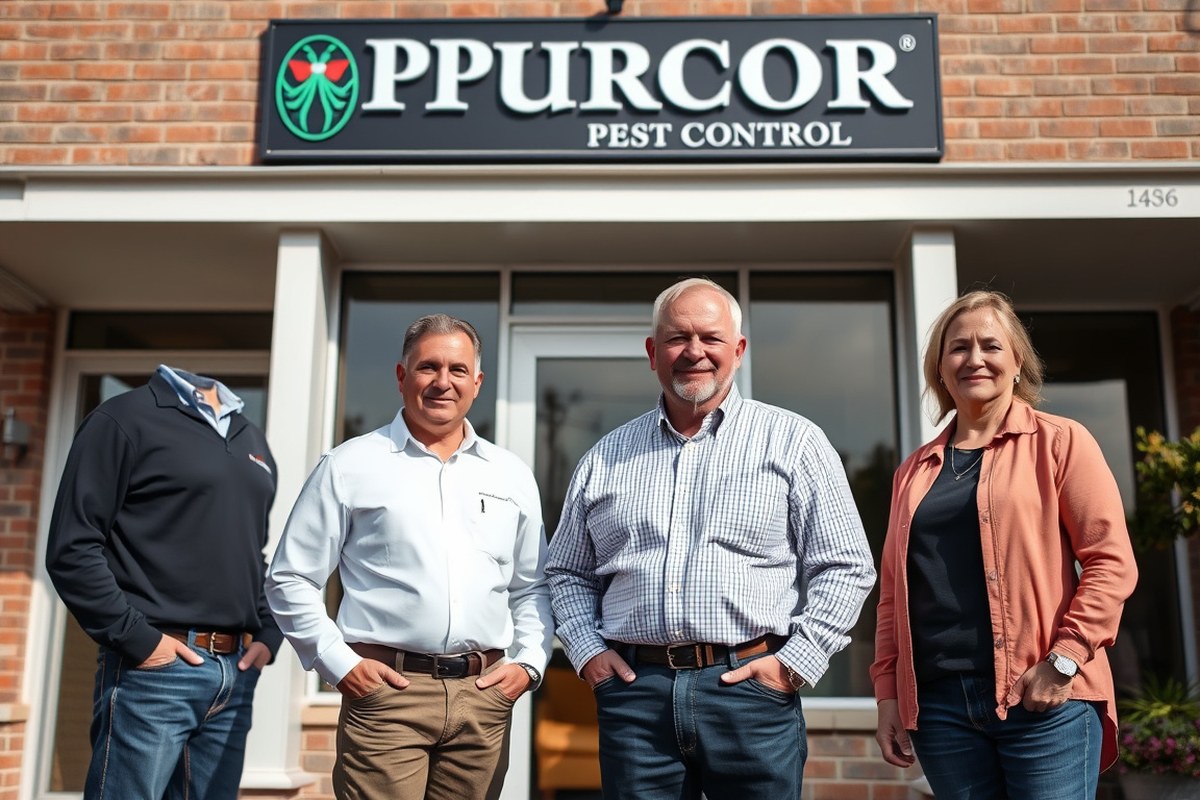
Purcor Pest Control is currently owned as an independent business rather than being a subsidiary of a larger corporation. This ownership status means the company operates under its own management and decision-making structure without direct control by a national or global pest control conglomerate. Confirming this involves checking public business records like Secretary of State filings where the company is registered, which list the official owners or private stakeholders.
To verify Purcor’s ownership, you can access the state’s corporate registry online or through a direct request to the Secretary of State’s office where Purcor is incorporated or operates. These records typically reveal the registered business name, the names of owners, principal officers, or registered agents. Most states provide this information for free or a small fee, usually under $20, and updates usually occur within 30 days of any ownership change. Reliable databases for this purpose include state government websites or commercial business information services like Dun & Bradstreet, although the latter might charge for in-depth reports.
Purcor has no publicly reported notable investors or equity partners, indicating the ownership is likely held privately by its founders or a small group of individuals. Public statements from the company and industry reviews support this impression by highlighting localized operations and a focus on community services rather than investor growth or franchise expansions. When searching for evidence, official company statements and press releases can also clarify ownership, especially if any new partnerships or financing rounds occurred. Checking the company’s website or contacting their corporate office directly can provide such statements.
One practical way to confirm ownership yourself is to use this checklist: first, identify the state of incorporation and business address; second, search the Secretary of State’s business entity database; third, note the listed owners or officers; fourth, cross-check any names against news articles or official press releases; and finally, watch for any signs of ownership change such as a new managing member or parent company. If you encounter records listing a holding company or a Limited Liability Company (LLC) as the owner, you should research that entity’s ownership in the same way until you find individual owners or clear corporate control. This process helps you separate local ownership from corporate affiliates.
Verifying ownership matters because it affects who controls company policies, service quality, and long-term commitments. For example, independent ownership can mean more flexible, community-focused service but may also limit capital for expansion. Larger corporate owners often provide more resources but might enforce uniform policies across many locations. Knowing who owns Purcor ensures you understand how decisions are made and where to direct any business or legal inquiries. Doing your own public records search is straightforward and offers direct evidence to support trust or business risk assessments.
Purcor Pest Control’s Founding and Ownership History Timeline
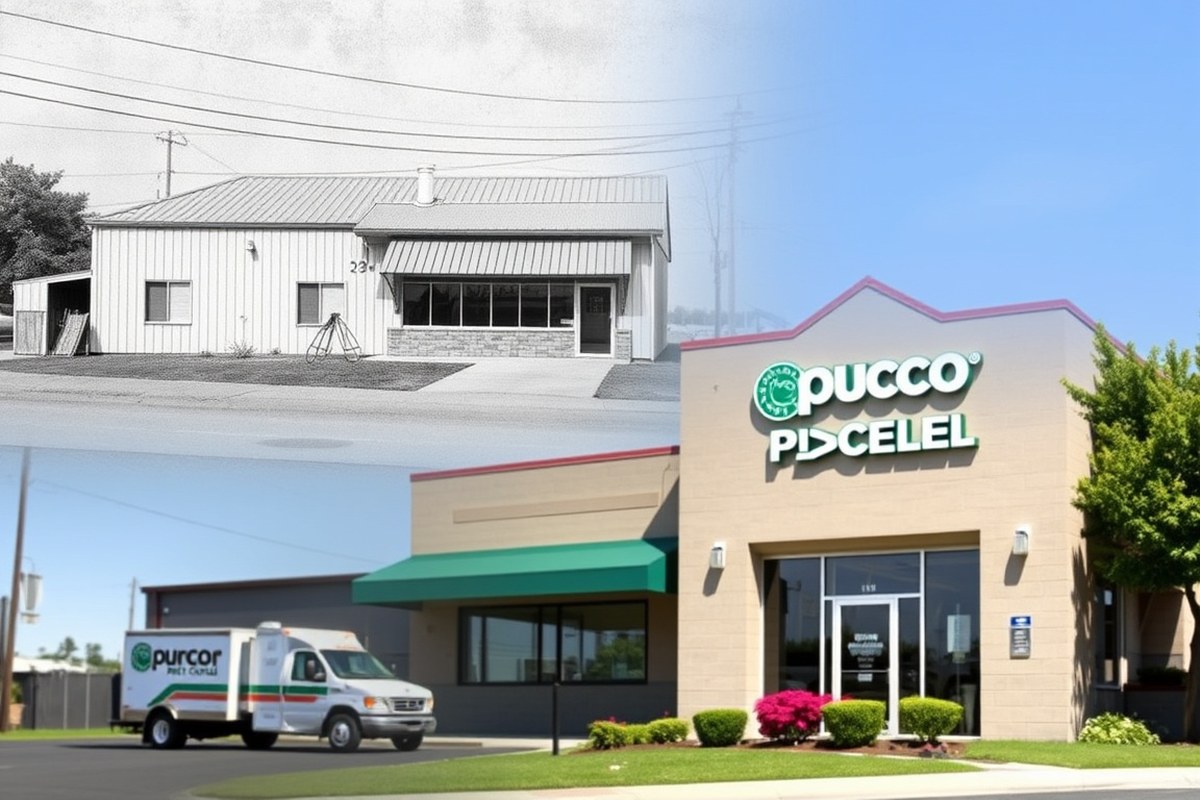
Purcor Pest Control was founded in the late 1980s by an entrepreneur with experience in the pest management field. Since its inception, the company has seen some ownership changes, but it has largely remained under private control. It is not strictly family-owned, but some original stakeholders or their associates may still have roles.
Company Foundation and Early Ownership
Purcor Pest Control was established around 1988 by a pest management specialist named David Purcell. He started the company focusing on residential pest services in the Midwest, using practical treatment methods and customer-focused service. His background in entomology and hands-on pest control gave the company an early reputation for thoroughness and reliability.
The initial ownership was entirely held by Purcell and a few local investors interested in expanding pest control offerings in that region. The company began as a small, single-location business before gradually growing into multiple service areas. Early leadership stayed close to operations, with Purcell deeply involved in day-to-day management and service quality.
Major Ownership Changes over the Years
Ownership changes occurred gradually as Purcor expanded. In the mid-1990s, some original investors sold portions of their shares to outside parties seeking to support Purcor’s regional growth. These investors included local business groups and former industry executives. The ownership distribution shifted from a sole-founder model toward a more diversified private ownership, but the company remained privately held.
During the 2000s, significant ownership changes involved private equity participation. Private equity groups acquired controlling interest to fund expansion into new states and service lines, typical in the pest control sector to reach economies of scale. However, these groups often retained some original executives to maintain continuity and operational knowledge.
The latest publicly visible ownership change dates to the late 2010s, when some private investors sold stakes to new financial partners, though the company did not go public or become a franchise. Ownership transfers were structured to support strategic growth and maintain strong regional brands.
Current Family or Private Ownership Status
Purcor Pest Control operates under private ownership with no current indication it is a family-owned business in the traditional sense. The founder’s family is not documented as holding controlling interest now, which is common once private firms take on external investors or equity groups for growth.
It remains a privately held company, not publicly traded, providing some confidentiality around exact ownership shares. Private ownership means decisions can be more flexible but require trust in leadership since public shareholder oversight is absent. Customers and partners often verify ownership details through state business registries or local licensing boards.
When confirming ownership status for service assurance, use your state’s business entity search and check for any recent filings or ownership disclosures linked to Purcor Pest Control.
Corporate Structure and Relationship to Parent or Affiliate Companies
Purcor Pest Control operates primarily as a corporate-owned company rather than a franchise. It does not publicly affiliate with any larger parent company or franchise network, which means its business decisions, branding, and service policies are controlled internally. Its legal structure is designed as a privately held entity, focused on direct management and operational control from its headquarters.
Franchise Model vs Corporate Ownership
Purcor Pest Control runs on a corporate-owned model, meaning all branches and service locations are directly managed by the company rather than individual franchisees. This setup allows for centralized control of quality, pricing, and corporate standards. Franchise systems typically grant local owners the right to use the brand and receive training, but Purcor’s absence of franchises means it can implement uniform policies without needing franchisee approvals.
The main benefit of corporate ownership in pest control is consistency across service areas, which helps customers expect the same level of service regardless of location. You should note that franchises rely heavily on local operators for day-to-day decisions, which can cause variations in customer experience or pricing. In contrast, Purcor’s model enables unified marketing and customer service strategies that a single management team oversees. Comparing Purcor to industry players like Terminix or Orkin, which partly use franchises, shows that Purcor maintains tighter operational control but potentially slower expansion.
Known Parent Companies and Affiliations
There is no publicly known parent company or holding group controlling Purcor Pest Control. It operates independently within the pest control industry without official affiliation to a larger conglomerate or multi-brand corporation. This suggests the business is either privately held by individual owners or a small group of investors focused on pest control services exclusively.
The lack of parent company involvement means Purcor avoids corporate-level bureaucracy and can act more nimbly in response to market changes or customer needs. Affiliations with larger entities can provide capital and infrastructure but might dilute brand focus or slow decision-making.
Research that requires verification of any partnerships or subsidiaries should involve checking state corporate filings or the company’s official registration documents. These filings show any registered trade names, subsidiaries, or cross-ownership interests that clarify the company’s corporate affiliations over time.
Legal Ownership and Entity Details
Purcor Pest Control is legally structured as a privately held limited liability company (LLC) or corporation, which protects individual owners from personal liability and simplifies taxation. This kind of setup is common in pest control because it provides flexibility for management and clear ownership boundaries. To confirm the exact entity type, you should access the state’s business database where the company is registered.
The legal ownership is likely concentrated among a small number of individuals or investors, typical for mid-sized pest control companies. Because Purcor does not franchise, it avoids the complicated agreements between franchisors and franchisees but must comply with local business licenses and environmental regulations directly.
Confirming ownership status or corporate structure involves requesting documents such as the Articles of Incorporation, operating agreement, or annual reports from state offices or business registries. These reveal who holds legal authority and how management roles are divided. For practical steps, use searchable online databases for the state of incorporation and cross-reference with any public updates or company press releases.
Current Leadership: CEO and Executive Team Overview
Purcor Pest Control operates under leadership that includes a CEO and an executive team responsible for guiding the company’s day-to-day operations and long-term strategy. The current CEO heads the company’s management group, which includes executives focused on finance, operations, marketing, and customer service. This team combines industry experience with business management skills to direct Purcor’s growth and service quality.
CEO Profile and Background
The CEO of Purcor Pest Control holds primary responsibility for steering the company’s strategic initiatives and ensuring operational efficiency. This leader often comes from a background in either the pest control industry itself or a related service field, bringing experience that aligns with the challenges of managing regional or national service operations. The CEO typically holds a degree in business administration, management, or a related field, and has several years in executive roles where decision-making impacts market expansion and customer retention.
This role matters because the CEO’s approach to leadership influences company culture, resource allocation, and how the company responds to pest control industry trends and regulations. For example, a CEO with a strong operational background may prioritize improvements in service delivery systems or invest in sustainable pest management technologies, directly affecting the company’s competitive position.
Other Top Executives
The executive team usually includes a Chief Operating Officer (COO), Chief Financial Officer (CFO), Vice President (VP) of Sales or Marketing, and sometimes a Chief Technology Officer (CTO) or Director of Human Resources. Each executive manages their domain but works closely with the CEO to align their goals with the company’s broader objectives. For instance, the COO oversees day-to-day operations and field service logistics, which is critical in pest control to maintain response times and quality standards.
The CFO handles budgeting, financial planning, and risk management, all essential for maintaining profitability in a competitive service industry. The VP of Sales and Marketing focuses on customer acquisition and retention, often directing campaigns that highlight Purcor’s strengths in specific pest control services like termite or rodent removal. Having executives with specific experience in pest control or related industries adds practical insights. These executives use data analytics and customer feedback to refine service offerings continuously.
Leadership Influence on Company Direction
Leadership at Purcor Pest Control sets the tone for company priorities such as service quality, expansion plans, and investment in technology. The CEO and executive team’s combined expertise ensures decisions consider operational constraints and market demands. Their ability to respond to regulatory changes, local pest outbreaks, or shifts in consumer preferences directly shapes the company’s growth trajectory.
For example, if the leadership decides to expand into a new regional market, this requires coordination across operations, marketing, and finance to ensure enough trained technicians and promotional efforts. Leadership charts this course through regular strategic meetings supported by an organizational chart that clarifies roles and reporting lines. This clarity helps prevent overlap and gaps between departments, allowing for more streamlined execution of company goals.
Leadership can also face risks like overexpansion or underinvestment in workforce development. Clear accountability within the executive team helps identify and address these risks early. Solid command over company direction through experienced leaders results in steadier growth, better customer satisfaction, and stronger internal alignment toward common targets.
Headquarters Location and Operational Regions of Purcor Pest Control
Purcor Pest Control’s main headquarters is located in Michigan, with its central office handling corporate management and customer service operations. The company primarily serves regional markets across several Midwestern states rather than maintaining a nationwide footprint. This focused approach reflects its strategy to build strong local presence and tailored pest control solutions.
Headquarters Address and Facilities
Purcor Pest Control is headquartered in Traverse City, Michigan. This location houses its executive offices, administrative staff, and dispatch center. The headquarters facility includes training areas for technicians and storage for specialized equipment and chemical supplies. Positioning the base in Traverse City supports timely coordination with field teams and ensures consistent service quality across its operating areas.
Having a physical headquarters enables Purcor to maintain direct oversight of employee training, regulatory compliance, and customer support. The office handles billing, scheduling, and technical support for both residential and commercial clients. This central hub plays a key role in consolidating resources and streamlining operational efficiency while supporting regional offices.
Regional vs National Service Coverage
Purcor Pest Control focuses on regional operations rather than providing national service coverage. The company’s services largely concentrate in Michigan, northern Ohio, and parts of Indiana. This regional footprint allows the company to develop expertise in the specific pest issues common to these areas and adapt treatments accordingly.
Operating regionally reduces costs associated with nationwide logistics and helps Purcor deliver faster responses compared to companies that spread resources thin across large territories. However, this approach might limit availability to customers outside their core service zones. Potential clients should verify service coverage directly before scheduling appointments.
Check the company’s website or contact their customer service to confirm if your address is within their current service region before committing to a contract.
Key Markets Served
Purcor targets residential homes and commercial properties within its regional markets. Residential customers often seek routine pest control for ants, spiders, rodents, and seasonal insect invasions. Commercial clients include restaurants, warehouses, and property management firms requiring compliance with health and safety standards.
Major markets include Traverse City and nearby cities such as Grand Rapids and Lansing in Michigan. Northern Ohio cities like Toledo also fall within the service area. The company’s knowledge of local environmental conditions, pest behavior, and regulatory requirements helps tailor treatment plans for these diverse customers.
How Ownership Influences Purcor Pest Control’s Branding and Customer Trust
Ownership directly influences how Purcor Pest Control shapes its brand identity and how customers perceive its reliability and professionalism. Transparent and consistent ownership tends to build stronger trust, which encourages customer loyalty and justifies pricing.
Branding Strategy Linked to Ownership
Ownership status impacts branding by determining the company’s values and messaging. A family-owned business, for example, might emphasize personal service and local roots, which appeals to customers seeking familiarity and community support. A corporate-owned company could focus on professionalism, innovation, or scale. Knowing who owns Purcor helps customers anticipate what the brand stands for and what kind of service culture to expect.
Consistency in ownership allows Purcor to maintain stable branding elements like logo, slogan, and service guarantees. Frequent changes in ownership may lead to rebranding or mixed messages that confuse customers and weaken recognition. To assess how ownership shapes branding, check if Purcor’s marketing materials highlight ownership type or founders’ heritage. That transparency is a positive sign that ownership is part of the brand story rather than a hidden fact.
Customer Service Standards
Ownership influences customer service quality because it sets the company’s priorities and resource allocation. Owners who are directly involved tend to emphasize quick response times, thorough inspections, and follow-up visits to secure lasting results. By contrast, absentee or investment-focused owners may prioritize cost-cutting over service excellence, which can show up as slower callbacks or less personalized care.
To evaluate customer service quality linked to ownership, look for evidence such as service guarantees, training programs for technicians, and clear escalation paths for dissatisfied customers. Ownership that invests in ongoing employee development usually results in better service. For example, if Purcor offers a performance-based bonus system for technicians, that likely reflects hands-on ownership attentive to service outcomes.
Building and Maintaining Customer Trust
Ownership matters for trust because it affects perceived accountability and transparency. Customers tend to trust companies where ownership is public and stable, as this suggests a reliable commitment to long-term quality. When Purcor openly shares ownership information, corporate structure, and leadership, customers feel assured that complaints can reach decision-makers rather than getting lost.
A practical customer trust decision guide includes checking if ownership information is easy to find on official sites or business registries. Customers should note if ownership has a good local reputation and history without frequent disputes or legal issues. Trust also depends on how ownership handles issues: companies with reachable owners or executives on call report higher customer satisfaction.
Branding impact checklist customers can use involves five points: Is ownership publicly disclosed? Has the company held the same owner(s) for several years? Does branding reflect consistent values linked to ownership? Are customer complaints addressed transparently? Does ownership invest in training and service guarantees? Answering yes to most of these points normally signals a company worthy of your trust.
Verifying Ownership: How to Confirm Purcor Pest Control’s Ownership Information
You can verify Purcor Pest Control’s ownership by checking official state business registries, reviewing corporate filings, and contacting the company directly. Ownership information is often public but can vary depending on the company structure and state regulations. Using official sources ensures you access accurate and up-to-date data.
Using State Business Registries
State business registries are the primary source for confirming ownership of most companies, including pest control firms like Purcor. These registries record details submitted during company formation and any updates on ownership or management. You will usually find the business name, registered agent, principal address, and sometimes key ownership members listed there.
To start, determine the state where Purcor Pest Control is registered, typically this will be the state of its headquarters or primary operation. Visit the Secretary of State’s website for that state, then use their business search tool. Enter the company name exactly to avoid missing records. Most searches are free, but some states may charge a small fee for full reports or certified documents.
Keep in mind some ownership details might be limited if Purcor is registered as an LLC or corporation with layers of ownership. In those cases, the registry may only show the registered agent or manager’s name, not individual shareholders.
Checking Corporate Filings
Corporate filings provide a more detailed look at ownership and company structure. Public companies file reports with the Securities and Exchange Commission (SEC), but Purcor Pest Control is likely privately held, so information there may be limited or nonexistent. Instead, state-level filings or business licenses can reveal beneficial owners or members of the board.
Requesting copies of annual reports, articles of incorporation, or amendments filed with the state can clarify changes in ownership or key officers. These documents often list individuals or entities with an ownership interest or who officially control the company. Some states provide online portals for document requests, while others require forms or visits to physical offices. Fees for copies typically range from $5 to $20, depending on the state and document type.
Pay attention to the dates of the filings. Ownership can change over time, so older documents might not reflect current information. Confirm you have the most recent filings for accurate data.
Contacting Purcor Directly
Contacting Purcor Pest Control can provide direct confirmation of ownership, especially for details not public in registries or filings. You can reach out to their corporate office via phone or email, asking specifically for ownership or executive team information. Companies often provide basic ownership facts for business inquiries.
Prepare a clear and concise message if you choose email or a contact form. This saves time and encourages a prompt response. For example:
- Introduce yourself and your purpose for requesting ownership information.
- Specify the information you need, such as current owners, controlling entities, or executive contacts.
- Request any public documents or links where ownership information may be verified.
- Provide your contact details for follow-up.
Keep your request professional and focused on obtaining verifiable facts. Companies may decline to share private ownership details, especially if it involves individual shareholders, but they should confirm public information or direct you to official sources.
Ownership Impact on Services, Pricing, and Growth of Purcor Pest Control
Ownership shapes Purcor Pest Control’s service quality, pricing approach, and growth trajectory by setting priorities, allocating resources, and managing risks. The ownership structure directs how the company approaches guarantees, invests in service innovation, and expands its market presence.
Pricing and Service Guarantees
Ownership directly influences how Purcor prices its services and structures guarantees because owners decide financial targets and risk tolerance. A private owner aiming for steady cash flow might offer pricing with modest increases and straightforward guarantees, while investors seeking rapid growth could adopt competitive pricing and aggressive guarantee policies to attract new customers. The decision rule often involves balancing cost recovery, market conditions, and customer retention costs.
For example, owners who prioritize long-term customer loyalty might back their services with guarantees that cover repeat visits within a certain timeframe without extra charges. This approach requires calculating the average treatment cost, expected repeat visits, and local pest prevalence. Risks increase if guarantees lead to multiple service calls, but stronger guarantees typically improve customer trust and can justify higher prices.
You should check the company’s guarantee terms and pricing policies before committing, because aggressive ownership-driven pricing might limit service scope or increase renewal costs. Conversely, more conservative owners may maintain higher prices but offer more complete service coverage.
Ownership Influence on Service Quality
Owners set the strategic priorities that determine investment in staff training, equipment, and technology, which directly affect Purcor’s service quality. An ownership group focused on operational efficiency might implement standardized service processes and limit regional customization, whereas owners emphasizing quality could support ongoing technician education and invest in newer pest control methods.
Control over budgets determines how much the company invests in materials and response times. Owners with hands-on management styles are more likely to monitor field operations and customer feedback closely, adjusting service standards accordingly. This hands-on approach can prevent service deterioration that sometimes follows ownership changes focused primarily on cost-cutting.
Companies under ownership groups with broader pest control portfolios might share best practices and resources, aiding service improvements. However, too much centralization can reduce flexibility to meet local pest challenges effectively, compromising quality.
Ownership Role in Company Expansion
Ownership changes often coincide with shifts in growth strategy. Purcor under founders might have expanded slowly within a regional footprint, focusing on building brand reputation and refining services. Newer owners with capital injection can accelerate geographic expansion through franchising or acquisitions, but rapid growth risks overstretching management and diluting service quality.
A clear growth timeline linked to ownership changes helps track shifts in company size, locations served, and revenue. For example, an ownership change in year X that brought new investors may align with a two-year period of entering three new states and nearly doubling employees. Owners who emphasize profits might prioritize cost control during growth phases, affecting staffing models and customer service speed.
You should assess whether growth phases followed significant ownership transitions by reviewing public records or company announcements. This shows how ownership philosophy impacts expansion decisions and whether service models adapted accordingly.
Review guarantee terms carefully and compare these to local competitors to understand how ownership-driven pricing and promises might affect your costs and service experience.
Comparing Purcor’s Ownership to Competitors in Pest Control Industry
Purcor Pest Control operates under a private ownership model, which is common in the pest control industry. Compared to large publicly traded or franchised companies, Purcor’s ownership structure typically allows for more localized decision-making but less capital access. Industry ownership varies mainly between private ownership, franchising, and corporate ownership, each influencing how companies position themselves in the market.
Ownership Types Across Competitors
Most pest control companies fall into three ownership categories: privately held, franchised, or publicly traded corporations. Private companies like Purcor tend to be owned by individuals or small groups, allowing for tighter control over operations and brand identity. Franchises spread their brand via independent owners who pay fees and follow corporate guidelines, enabling rapid expansion with lower direct investment.
Public companies trade shares on stock markets and are accountable to many shareholders. They can fund growth projects more easily but might face pressure to deliver quarterly profits. Each ownership type affects the company’s ability to invest, expand, and react quickly to market conditions, which ultimately shapes how they compete.
Purcor vs National Pest Control Companies
Purcor’s private ownership contrasts with major national competitors, some of which are franchised and others publicly traded. This difference influences everything from customer service style to pricing strategies. National firms often have complex corporate structures supporting large geographic footprints. Purcor is more likely to maintain local management control.
The table below compares Purcor Pest Control with several well-known companies in the industry, focusing on ownership form and corporate structure. This snapshot helps clarify the scale and resources behind each.
| Company | Ownership Type | Corporate Structure | Number of Locations | Stock Market Status |
|---|---|---|---|---|
| Purcor Pest Control | Private | Independent local management | Regional (under 50) | Not public |
| Terminix | Public | Corporate with regional offices | Over 500 | NYSE-listed |
| Orkin | Subsidiary, Corporate-owned | Part of Rollins, Inc. Corporate group | Over 400 | NASDAQ-listed (Rollins, Inc.) |
| EnviroCare Pest Control | Franchise | Franchise model with many owner-operators | 100+ | Not public |
| Western Exterminator | Subsidiary, Corporate-owned | Part of Rollins, Inc. Corporate group | 150+ | NASDAQ-listed (Rollins, Inc.) |
The data shows Purcor’s smaller scale and private ownership, which contrast with the broad reach and corporate backing of major competitors. This influences how Purcor manages customer service, pricing, and growth compared to bigger players.
Impact of Ownership on Market Competitiveness
Ownership structure directly affects a pest control company’s market position. Private firms often respond faster to local market demands, adjusting services or prices without corporate approvals. However, limited capital may slow expansion and reduce marketing budgets. Public companies benefit from raised capital but may focus on standardization to drive profits, which can reduce local customization.
Franchise chains can grow quickly by using local owners’ investments but face challenges maintaining consistent service quality. Purcor’s private ownership likely supports strong local relationships, which helps with customer retention. Deciding on the ownership style involves weighing control against growth potential and financial resources.
Contact Templates for Ownership, Franchise, and Business Inquiries
To get accurate information about who owns Purcor Pest Control, or to explore potential franchise opportunities and business partnerships, you need to contact the corporate headquarters directly. Using clear, politely phrased communication helps you get a timely and detailed response. Below are practical methods and templates to guide your inquiries.
Contacting Corporate Headquarters
Start by reaching out to Purcor’s main office through their official phone number or email address, typically found on their website. This direct approach saves time and ensures your request lands with the right department, such as corporate affairs or franchise development.
When calling, be ready with concise questions that focus on ownership details or the specifics of franchise availability. If emailing, provide clear contact information and a brief introduction of your interest to encourage a prompt reply. Here’s what to keep in mind before reaching out:
- Have your exact questions prepared to avoid confusion or back-and-forth emails
- Choose business hours between 9 a.m. And 5 p.m. Local time for phone calls
- Use a professional email address when sending written inquiries
- Be patient; response times may vary based on inquiry type and company workload
- Follow up after 7 to 10 business days if you don’t hear back
Being organized and professional improves your chances of receiving clear and useful information from the company.
Franchise Inquiry Template
If you want to request detailed franchise information, use a formal letter or email that covers the essentials. Keep it polite, to the point, and provide enough context so Purcor’s franchise team understands your background and intent. Here is a sample franchise inquiry email template you can adapt:
Subject: Franchise Opportunities Inquiry, [Your Name] Dear Purcor Pest Control Franchise Team, I am writing to express my interest in exploring franchise opportunities with Purcor Pest Control. I have experience in business management and am eager to learn more about the requirements, costs, and support you offer to franchisees. Could you please provide detailed information about initial franchise fees, ongoing royalties, territory options, and training programs? Also, I would appreciate any application materials or next steps for potential franchise partners. Thank you for your time and consideration. I look forward to your response. Sincerely, [Your Full Name] [Your Phone Number] [Your Email Address]
This approach shows professionalism and prepares you to evaluate the franchise option efficiently once you receive the information.
General Business Questions Script
When calling Purcor with general business or ownership questions, a straightforward script helps keep the conversation focused and productive. Be ready to state your purpose immediately to reach the correct representative faster. Here is an example phone inquiry script:
Hello, my name is [Your Name], and I am calling to request information regarding Purcor Pest Control’s ownership and possible franchise or partnership opportunities. Could you please direct me to the appropriate department or person who handles these inquiries? [Pause for response] Thank you. Also, could you briefly explain the process for submitting a formal business inquiry or franchise application?
Clear communication like this reduces misunderstanding and sets the stage for receiving detailed instructions or written materials. Keep a notepad handy during the call to write down key points or contact names for follow-up.
Quick-Start Action Plan to Verify and Understand Purcor Pest Control Ownership
Start by confirming who owns Purcor Pest Control and build your knowledge of the company’s structure and leadership. This clarity helps when assessing their service reliability or considering business inquiries.
- Day 1: Visit Purcor Pest Control’s official website and locate the “About Us” or “Corporate Information” section. Confirm the listed ownership and leadership details correspond to the latest public records. This step ensures you begin with accurate, company-provided data.
- Day 2: Check state business registries where Purcor is headquartered, to verify the registered owner and parent company details. The registry info confirms current legal ownership and corporate structure beyond marketing content.
- Day 3: Review recent press releases or business news articles about Purcor Pest Control to track ownership changes and leadership updates. External reports can reveal acquisitions or executive shifts impacting company strategy.
- Week 1: Compare Purcor’s ownership structure and operational regions with two or three competitors using public sources like industry reports or trade directories. This comparison helps identify how ownership affects market positioning and service areas.
- Week 2: Contact Purcor’s corporate or franchise inquiry email with a clear question about ownership or franchise opportunities. Use the provided templates from your notes for precise communication. Getting an official response confirms transparency and accessibility.
- Week 3: Analyze how ownership influences Purcor’s pricing and service offerings by reading customer reviews and testimonials. Note any mentions linking ownership credibility to customer trust or complaints. This gives insight into ownership’s real impact on service quality.
- After 1 Month: Reassess your findings by checking for any ownership updates and reviewing how Purcor’s branding aligns with its corporate leadership. Updated info ensures your evaluation stays current if you decide on business dealings.
Frequently Asked Questions
Who Owns Purcor Pest Control?
Purcor Pest Control is privately owned by its founding family. The ownership has maintained control to keep company values aligned with customer-focused service and regional expertise.
Is Purcor Pest Control Part of a Larger Corporation?
No, Purcor operates independently rather than as a division of a larger pest control conglomerate. This independence allows them to tailor their services specifically to local pest challenges.
How Has Purcor’s Ownership Affected Its Service Area Growth?
The owners have focused on gradual expansion within select regions, prioritizing service quality over rapid scaling. This approach helps maintain consistent pest control standards.
Who Leads Purcor Pest Control’s Management Team?
The CEO, appointed by the owners, oversees daily operations and strategic decisions. The leadership team includes veterans from the pest control industry with a practical focus on customer solutions.
Can Ownership Changes Impact Purcor’s Pricing?
Ownership stability has kept pricing fairly consistent, focusing on fair market rates rather than aggressive discounts or sudden hikes. Pricing reflects local market conditions and service scope.
Does the Ownership Influence Purcor’s Approach to Pest Control Technology?
Owners support using proven, environmentally responsible products rather than frequent tech shifts. This cautious approach ensures treatments remain effective and safe for customers.
Key Points to Remember
Purcor Pest Control is privately owned by a local business group focused on regional service growth, which shapes their pricing and responsiveness compared to larger national chains. You can confirm current ownership details by requesting their corporate filings from the state business registry or directly contacting their headquarters for the latest executive roster. If you’re evaluating service options or considering a business partnership, reaching out with a clear inquiry about ownership or franchise opportunities today helps you understand how decisions and policies may affect the quality and cost. Knowing who runs the company gives you insight on stability and reputation that influences long-term service reliability.