
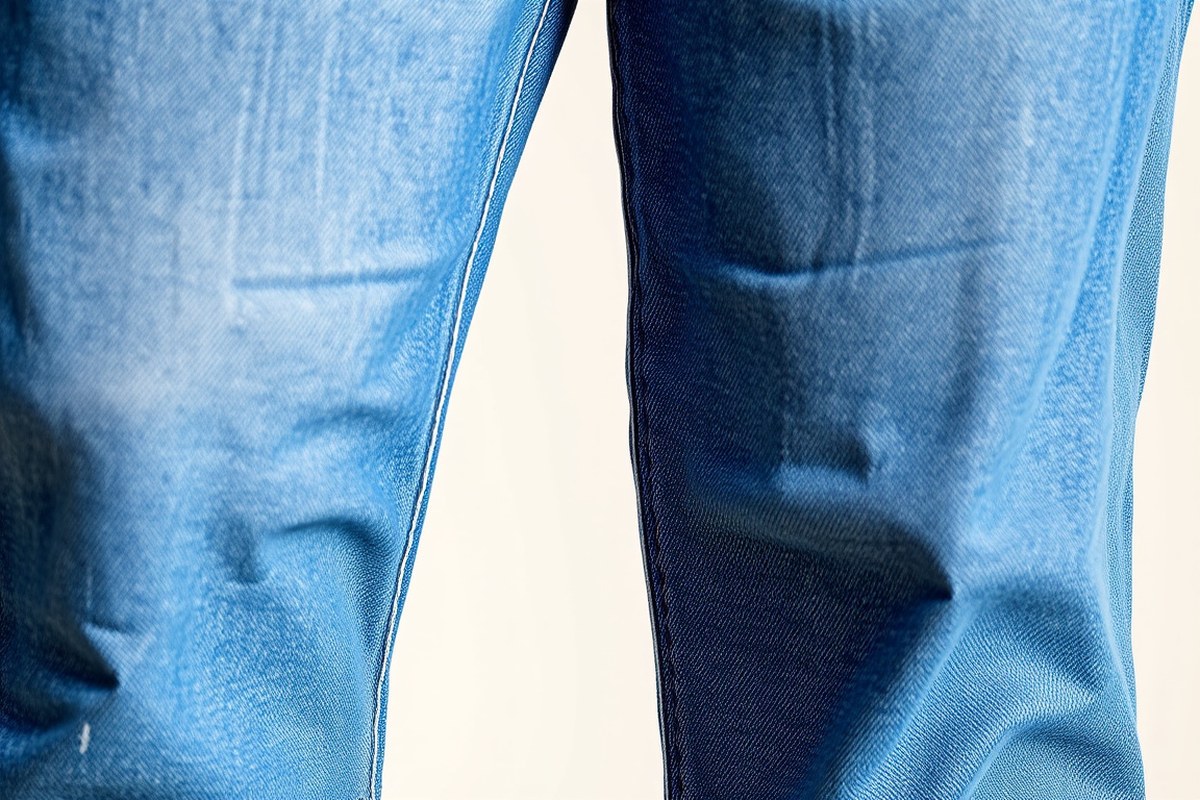
How to Get Rid of Stress Marks in Jeans: 8 Proven Methods That Work
To get rid of stress marks in jeans, use gentle washing methods, targeted at-home treatments like careful cutting or distressing, and proper drying techniques that prevent further creasing. Avoid tightly packing jeans where they can’t breathe, as that causes permanent creases. Stretch jeans might show stress marks more easily, but 100% cotton jeans hold up best to repair and weathering efforts.
This is for anyone who owns jeans and wants to restore or maintain their look, whether you’re new to denim care or enjoy customizing your jeans yourself. You’ll find proven ways to reduce marks, prevent new ones, and even repair or mask damage using tools and strategies suitable for home use.
Key Takeaways
- Stress marks form from fabric strain and are often permanent but can be softened or minimized with proper care techniques.
- Choose 100% cotton jeans or those with 2% or less spandex to reduce stress marks and improve denim durability.
- Wash jeans gently in cold water and air dry to prevent worsening stress marks and fabric damage.
- Use safe at-home methods like steaming, gentle ironing, or spot cleaning to reduce visible stress marks.
- Rotate jeans, spot treat stains, and store them flat or properly hung to prevent new stress marks.
- Repair stress marks by sewing small rips or adding intentional distressing for a stylish, lived-in look.
1. What Causes Stress Marks in Jeans and Are They Permanent?
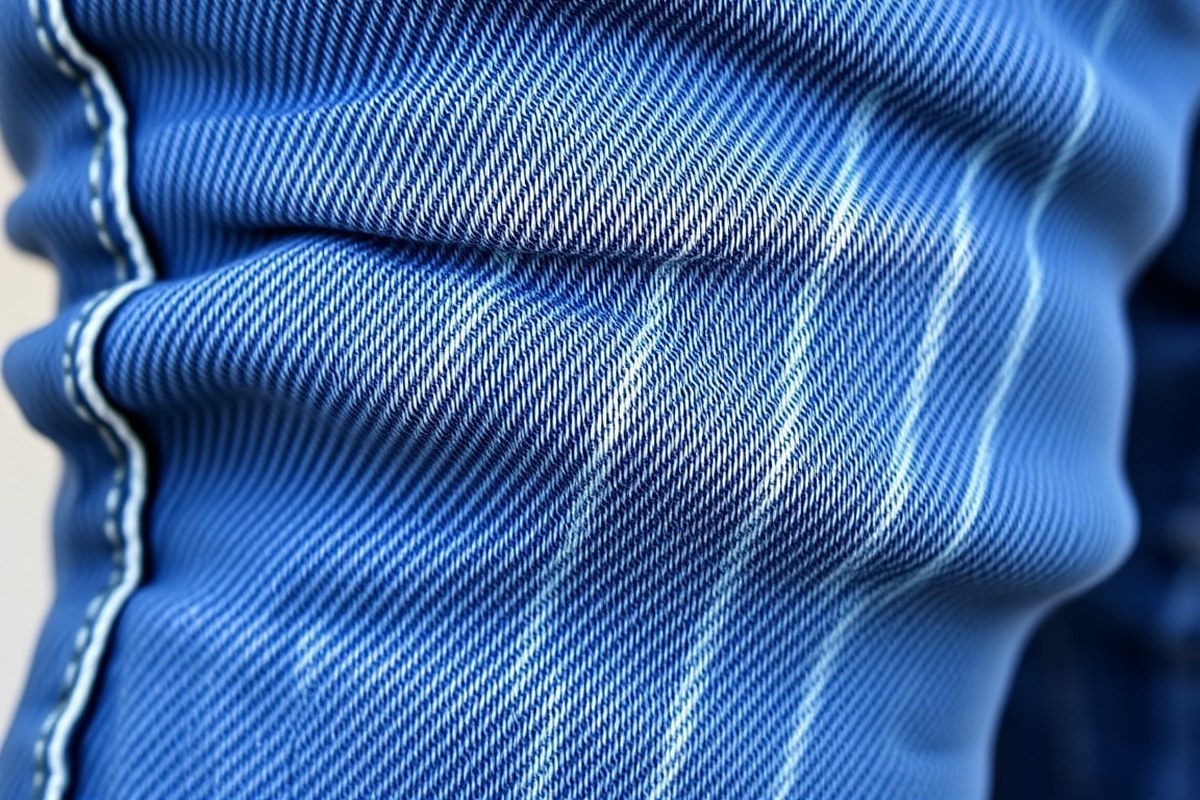
Stress marks in jeans are visible lines or creases where the fabric has been weakened due to repeated bending, folding, or pressure. These marks often appear in high-movement areas like the knees, thighs, or back of the legs. They happen because denim fibers and dye break down over time under mechanical stress, causing the indigo color to fade at those points. You’ll notice stress marks as lighter lines or creases that even washing may not fully erase.
Stress marks form when jeans are tightly compressed, bent sharply, or worn through continuous movement. For example, cramming jeans into a drawer without allowing them to breathe traps moisture and creates permanent creases. Ironing your jeans often can also damage the fabric, adding to stress marks. Dirt rubbing against the fabric contributes to fading by breaking down dye molecules. Denim made from raw, unwashed fabric will fade more noticeably as the dye loosens with wear. Low-quality denim tends to develop stress marks more quickly due to weaker fibers and looser dye fixation.
Completely removing stress marks is unlikely because these lines show structural damage to the denim and permanent dye loss. Some fading and creases may lighten over weeks of gentle washing and correct drying, especially if the denim isn’t heavily worn or overloaded with moisture. However, heat from dryers or tight folding can harden these creases, making them last longer. Avoiding tight storage and heat exposure helps reduce new stress marks but won’t erase existing ones entirely.
Good results come from careful handling: wash jeans inside out with cold water and mild detergent to minimize further dye loss, and let them air dry flat or folded loosely rather than strained. For fresh stress marks, stretching the fabric gently and steaming the creased areas can reduce their sharpness. Expect the most improvement in regular or washed denim, while raw denim shows stress marks more boldly and needs extended wear to soften. Jeans with reinforced stitching and higher-weight fabrics resist stress marks better, preserving their look for longer.
Trying to iron out stress marks often backfires, increasing fabric damage or setting creases permanently. Instead, allow denim to relax naturally and avoid cramming your jeans into tight spaces. Though fading and stress marks add character for some styles, they do signal weakening fabric that could eventually lead to tears or holes, especially in worn areas like knees. Managing stress marks means balancing wear and care to extend the life of your jeans without losing their appearance to permanent creases and fading.
2. How Fabric Composition Influences Stress Marks in Jeans
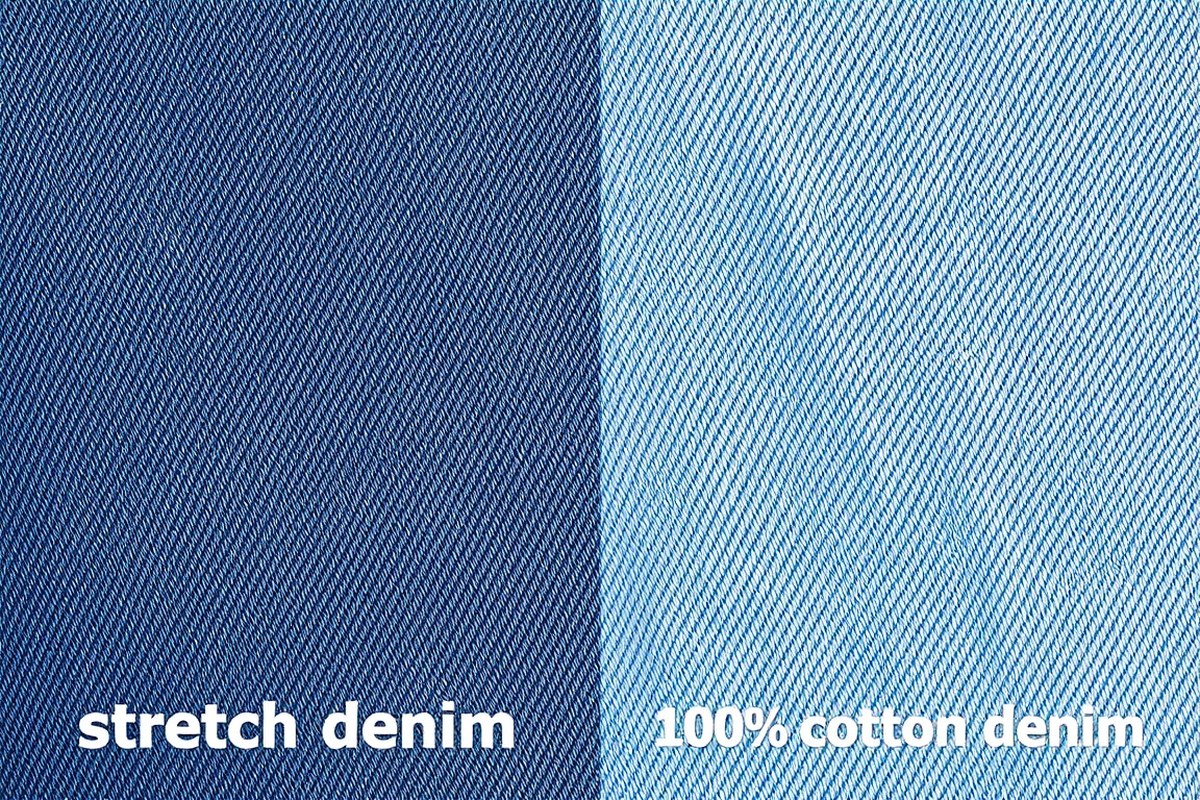
Stress marks can appear on all denim types but how they form and how easily they’re treated depends a lot on the fabric composition. Jeans made of 100% cotton resist stress marks best because this fabric doesn’t stretch much, so it avoids rippling. Stretch blends, like denim with 1% to 2% spandex or elastane, are more prone to stress marks since the stretch fibers can lose elasticity over time and cause visible marks where the fabric pulls. Raw denim, which is untreated and often made from vintage shuttle looms, behaves differently because it hasn’t been pre-shrunk or washed, making it stiffer and more likely to show stress marks initially, but many enthusiasts prefer these marks as part of the jean’s character.
Fabric composition matters because it influences how the denim stretches, recovers, and reacts to washing or treating. For example, comfort stretch denim with about 1% spandex loses its “snappy comeback” after washing, leading to more noticeable stress marks or fading. On the other hand, 100% cotton denim holds up well against wear and weathering and rarely ripples, so stress marks remain minimal.
| Fabric Type | Stress Mark Formation | Treatment Considerations | Recommended Care Methods |
|---|---|---|---|
| 100% Cotton | Minimal; no rippling, very durable | Withstands gentle hand washing and normal home distressing well | Hand wash or machine wash inside out with cold water; avoid fabric softener |
| Stretch Denim (e.g., Cotton + 1-2% Spandex) | More prone; stress marks appear due to loss of elasticity | Use mild treatments; high heat or rough washing accelerates damage | Hand wash preferred; avoid hot water and fabric softener; gentle drying |
| Raw Denim (Untreated, often vintage shuttle loom) | Prone initially due to stiffness; marks often seen as desired patina | Requires careful hand washing; avoid over-washing to preserve color and fiber | Hand wash cold, soak briefly; air dry; slow break-in over weeks |
Choosing jeans with a fabric type suited to your needs can reduce the chance of stress marks forming. For example, if you want durable jeans that naturally resist marks, prioritize 100% cotton options. If you prefer stretch jeans for comfort, keep in mind they may show marks easier and need gentler care. Raw denim requires patience but rewards you with unique fading patterns where stress marks are part of the style.
Skip fabric softeners on stretch denim since they coat fibers and reduce stretch recovery, making stress marks worse.
Understanding fabric composition lets you tailor your approach to treating or preventing stress marks. Stretch jeans benefit from hand washing and cold water, while raw denim demands an even gentler routine with minimal wash frequency. 100% cotton jeans tolerate more traditional washing but still do best with cold, gentle cycles and careful drying to keep them looking their best.
3. Gentle Washing and Drying Tips to Prevent or Improve Stress Marks
Stress marks often become more visible after washing your jeans because wet denim stretches and contracts as it dries. Water temperature, drying method, and washing frequency directly affect how much your jeans flex and fade, which influences these marks. Adjusting these factors can either prevent new marks from forming or improve existing ones, keeping your jeans looking closer to their original finish.
Ideal Water Temperature for Denim
Using cold water to wash your jeans helps preserve the fabric’s strength and color, which can reduce the appearance of stress marks. Warm or hot water causes denim fibers to shrink unevenly and lose dye faster, making stress marks and wrinkles more obvious.
Cold water also prevents excessive bleeding, especially important for dark or black denim. When your jeans are extremely soiled with grease, sweat, or strong odors, you may consider a warm water wash on non-stretch denim, but keep this to a minimum to avoid weakening the fabric and increasing stress marks.
Best Detergents to Use
Choosing a gentle detergent formulated specifically for denim or dark colors protects the fabric and dye during washing. Harsh detergents strip away dye and weaken fibers, which worsens stress lines. Mild detergents keep the denim softer and reduce fabric brittleness that leads to stress marks.
Detergents without bleach, optical brighteners, or strong enzymes work best to maintain your jeans’ look. Turning your jeans inside out before washing also minimizes abrasion on the outer surface, reducing fading and new stress marks caused by friction with other clothes or the washer drum.
Choosing the Right Drying Technique
Air drying your jeans is the best way to prevent or improve stress marks created by heated drying. High heat in dryers causes denim fibers to shrink unevenly and harden, setting wrinkles and stress lines permanently. Instead, hang your jeans by the waistband in a shaded, ventilated area away from direct sunlight to stop fading.
To achieve a tighter fit or when you’re in a hurry, use the dryer on a low or no-heat setting for 10 to 15 minutes only, followed immediately by air drying. This method reduces stiff wrinkles but limits heat damage that strengthens stress marks.
- Hang jeans inside out by the waistband to dry
- Avoid direct sunlight to prevent fading
- Use dryer on low/no heat just 10-15 minutes if needed
- Remove jeans from the dryer while slightly damp to reshape
- Do not use high heat or tumble dry long periods
- Iron jeans inside out and hang immediately after for smoothness
Hanging jeans right after ironing or drying encourages fibers to relax and reduces the chance new stress marks develop during cooling.
Frequency of Washing Jeans
Washing your jeans fewer times places less stress on the fabric, helping avoid new marks. For casual or fashion wear, washing every 5 to 10 wears is typical, unless they become visibly dirty or smell. Heavily worn jeans, especially from outdoor or manual labor, may require washing every 2 to 3 wears.
Airing your jeans by hanging them in fresh air between washes can refresh scent and reduce the need for machine washing. Spot cleaning stains with a mild detergent or hand washing affected areas helps avoid full washes and preserves the denim’s shape and color.
Avoiding Harsh Washing Cycles
Delicate or gentle cycles use slower agitation and shorter wash times, reducing mechanical stress on denim fibers that causes stress marks. Heavy-duty or normal cycles aggressively twist and rub your jeans and should be avoided.
Close all zippers, fasten buttons, and turn your jeans inside out before washing to minimize friction and surface wear. Washing jeans separately or only with similar colors prevents dye transfer and fabric abrasion, both contributors to visible stress lines.
- Use gentle or delicate cycle on your washing machine
- Turn jeans inside out and close all fastenings
- Wash separately or with like colors, especially dark denim
- Limit the use of bleach or strong stain removers
- Choose mild denim detergents to protect fabric integrity
These steps reduce fiber damage and fabric deformation, which keeps stress marks from worsening during washing.
4. Safe At-Home Techniques to Reduce or Remove Stress Marks
At-home methods to reduce or remove stress marks in jeans focus on gentle heat application and moisture to relax and reshape the denim fibers. Safe techniques include careful ironing with a protective cloth, steaming to restore fabric texture, and household remedies like damp cloth pressing. Avoiding excessive heat and following a step-by-step process will improve results without causing new damage.
Preparing Your Jeans for Treatment
Start by assessing the stress marks and cleaning your jeans if needed. Treating stress marks on dirty denim may lock in grime and make marks harder to remove. It’s best to work on clean, slightly damp fabric because moisture helps relax stiff denim fibers.
Allow your jeans to air dry until they are just barely damp. You can dampen dry areas with a spray bottle filled with water if necessary. Avoid soaking your jeans, as too much water can cause shrinking or fabric wear, especially in unsanforized denim.
Using Heat Safely: Ironing and Steaming
Heat is essential for relaxing denim fibers but must be controlled to prevent worsening stress marks. Use a low to medium heat setting on your iron, ideally set to the cotton or denim setting but never to high. Always iron jeans inside out with a thin cotton or linen pressing cloth between the iron and fabric.
Steam treatments also work well to soften stress marks. Use a garment steamer or the steam burst function on your iron held a few inches away from the fabric. Steam helps rehydrate and reshape denim without direct pressure or high heat.
After ironing or steaming, let your jeans air dry fully flat or hung to maintain the shape you’ve smoothed. Avoid placing them in a hot dryer immediately, as intense heat can reintroduce stiffness and new stress lines.
Household Products That Help Reduce Stress Marks
Simple items around the house can assist in reducing stress marks. Using a spray bottle with water or a mix of water and a small amount of fabric softener helps relax tight fibers. Apply lightly to the marked areas before ironing or steaming.
Some DIY enthusiasts recommend a small amount of white vinegar diluted with water to help soften denim, but this should be tested on an inconspicuous area first to avoid any colour changes. Avoid harsh chemicals or stain removers that aren’t designed for denim.
Always pat the area gently with a clean cloth after treatment and let jeans dry naturally. This helps the fabric settle evenly and reduces the chance of new marks forming.
Avoiding Common Ironing Mistakes
Never iron jeans when they are too wet or completely dry and stiff. Excess moisture or dryness increases the risk of creating new stress marks. Avoid using the highest heat settings or leaving the iron in one spot too long, which can scorch denim.
Don’t press directly on the stress marks without a protective cloth, as direct contact can worsen the damage. Also, skip ironing over rivets, buttons, or thick seams to prevent uneven pressure that may deform the fabric.
Remove jeans from the dryer while they’re still slightly damp if you use one. Then perform ironing or steaming treatments. This method preserves the denim’s shape and prevents future stress marks caused by overdrying.
- Inspect your jeans and spot clean if necessary.
- Allow jeans to air dry until slightly damp, or lightly spray with water.
- Turn jeans inside out and lay them on an ironing board.
- Place a thin cotton cloth over the stressed areas.
- Set the iron to a low or medium heat suitable for cotton or denim.
- Iron over the cloth gently, moving continuously for 3 to 5 minutes per section.
- Alternatively, hold a steamer or use an iron’s steam burst 2 to 3 inches from fabric for 2 to 3 minutes.
- Hang jeans to air dry fully in a well-ventilated area away from direct sunlight.
5. Preventing Stress Marks: Wearing, Washing, and Storage Strategies
Stress marks develop mainly because of repeated bending and pressure, so how you wear and store your jeans plays a big role in preventing them. Giving your jeans enough time between wears helps fibers relax and reduces visible creasing. Most jeans can handle 5 to 10 wears before washing, which means you avoid unnecessary fiber breakdown caused by frequent washing.
Washing at the right frequency and with care also matters. Use cold water and a gentle cycle to protect the fabric and colour. Turn jeans inside out during washing to shield the outer surface from friction and detergent, which helps maintain the denim’s original tone and integrity. Adding half a cup of distilled white vinegar during the first wash can set the dye, lowering the chance of fading and helping prevent premature stress markings.
- Wear your jeans multiple times before washing to preserve fabric strength.
- Wash on a gentle cycle with cold water, mild detergent, and inside out.
- Use half a cup of distilled white vinegar in the first wash of dark wash jeans.
- Store jeans folded along their natural creases in a cool, dry place.
- Let workwear jeans dry completely before storing to avoid fabric stress from moisture.
- Freeze jeans overnight to reduce odors without washing frequently, especially if you’re between wears.
- Wash white jeans separately to prevent discoloration and fabric damage.
Storage impacts stress marks by influencing how the denim fibers hold creases. Folding jeans along natural creases instead of crumpling them avoids adding extra pressure points that turn into permanent marks. Keeping jeans dry before folding prevents mildew and fabric weakening, so make sure they are fully dry after washing, especially workwear jeans that might absorb more moisture.
Avoid washing jeans too frequently; over-washing breaks down fibers and worsens stress marks over time.
Season and climate also affect denim care. In humid climates, allow jeans to air-dry fully to prevent moisture-related damage. Cold or dry climates might require less frequent washing since your jeans won’t develop odors or bacteria as quickly. Proper airflow during storage is important year-round to keep jeans fresh and maintain their shape without adding new stress lines.
6. Repairing and Masking Stress Marks: From Sewing to Distressing
Stress marks on jeans can be repaired or disguised using several handy techniques such as sewing, patching, and intentional distressing. Your choice depends heavily on where the stress marks appear and how severe they are. Combining these methods lets you either restore your jeans subtly or give them a trendy worn look that blends the affected area smooth.
Assessing the Stress Mark Location and Severity
Begin by carefully examining the stress marks to decide on the best repair approach. Marks on high-movement areas like knees or thighs usually need stronger reinforcement, while marks near seams or pockets might be easier to conceal. Small, faint marks might respond well to mild distressing, whereas larger or deeper stress marks may require patching or stitching to prevent tearing.
Use natural light and good visibility to check both sides of the fabric. Press the jeans flat and note any weak or thinning spots. This assessment guides whether simple sewing will suffice or if you need to apply patches or distress around the marks creatively.
DIY Sewing and Patching Techniques
Sewing and patching can strengthen the fabric around stress marks and improve their appearance. For small tears or thin areas, a sturdy stitch using thick denim thread can prevent further damage while blending with the fabric.
Prepare the area by trimming loose threads and cleaning any dirt. You might want to stabilize the fabric first with a fusible interfacing patch inside the jeans. For larger holes, patching with denim or fabric scraps offers better durability. Follow this step-by-step guide for sewing and patching stress marks:
- Place your jeans on a flat surface and turn them inside out to work from the back for less visible repairs.
- Cut a denim piece slightly larger than the damaged area, about 1/2 inch overlap all around.
- Pin or iron on the patch inside the garment, using fusible interfacing if available.
- Thread a needle with heavy-duty denim or upholstery thread, matching the jeans’ color if possible.
- Sew around the patch edge using a tight running stitch or a zigzag stitch if you have a sewing machine.
- Optionally sew some reinforcement lines across the patch for added strength on high-stress zones like knees.
- Turn jeans right side out, trim any extra threads, and gently press the area with a warm iron (cotton setting without steam).
Machine sewing is best for extensive damage or thick denim, offering a stronger and more professional finish. Hand sewing is quicker for small or low-stress repairs but might not last as long under heavy wear.
Using Sandpaper and Razors to Distress Strategically
Intentional distressing works well to mask faint stress marks by blending them into a worn look, especially if you want to keep your jeans trendy. Sandpaper can create a raw, vintage fade, while scissors and tweezers allow more precision for controlled rips or frays.
Applying these techniques requires caution to avoid over-distressing and weakening your jeans further. Mark exact spots on your jeans with chalk before you begin to maintain symmetry and style consistency. Use the following steps for safe, stylish DIY distressing:
- Put your jeans on and mark the stress marks or spots you want to distress using chalk for accurate placement.
- Lay the jeans flat on a sturdy surface and rub medium-grit sandpaper gently over the marked areas, focusing on stress marks and surrounding fabric.
- For controlled tears, use scissors to make small horizontal cuts over stress marks.
- Use tweezers to carefully pull horizontal threads away, revealing white weft threads underneath for a frayed effect.
- Lightly rub sandpaper around cuts and frayed edges to soften and blend them naturally.
- Optionally apply a small amount of diluted bleach with a brush for faded accents, but test on an inconspicuous area first.
- Wash your jeans inside out in cool water to preserve your distressing work and prevent over-fading.
This method works best on medium to light denim and locations where distressing naturally occurs, like knees, thighs, and hems. Avoid heavy distress on dark or rigid denim without pre-washing.
Matching Repair Style to Your Jeans Type
The structure and fabric of your jeans dictate which repair techniques will look and hold best. For example, rigid raw denim benefits from subtle sewing repairs to preserve the fabric’s sharp lines and lasting colour. In contrast, pre-washed or stretchy denim can handle visible distressing and patchwork that suits a lived-in style.
Skinny and slim-fit jeans require minimal bulk in patching to maintain their silhouette. Thin patches or hand-stitched repairs work well here. Relaxed or straight-leg jeans offer more room for layered fabric patches and larger distressing without affecting comfort. Remember, patches and sewn repairs look more natural near pockets, knees, or belt loops, areas where jeans naturally experience wear.
7. Common Mistakes to Avoid When Treating Stress Marks at Home
Using high heat when ironing or washing your jeans is a frequent mistake that worsens stress marks. Heat can break down the fibers, especially if your jeans contain polyester or spandex. Avoid ironing jeans on high heat and never use hot water to wash them. Stick to low or medium heat settings or better yet, use steam without direct contact. Cold water washing and air drying preserve the fabric’s elasticity and reduce color fading.
Over-distressing or excessive stretching during repair attempts can cause new holes or fabric puckering. Stretching the denim while sewing or ironing may lead to uneven tension, which damages the weave and leaves the area weaker. If you want to repair stress marks by sewing, keep the fabric flat and relaxed. Similarly, don’t aggressively sand or distress areas beyond their current damage, as this can create tears. Gentle hand sanding or laser methods cause less harm but require care.
- Never wash jeans in hot water to prevent fading and fabric breakdown.
- Avoid bleach and harsh detergents that damage fibers and cause yellowing.
- Do not iron jeans at high heat or while stretched; use low heat or steaming instead.
- Keep the fabric flat and unstretched when sewing or patching stress marks to avoid puckering.
- Avoid frequent washing to reduce fiber stress and color loss.
- Use hand sanding or laser distressing with caution to prevent holes.
- Dry jeans on low heat or air dry, never use the hot dryer repeatedly.
Repeated washing or stretching after repairing stress marks can speed up damage and fading. Each wash in hot water or drying on high heat reduces the durability of the fabric’s stretch components, which may cause the stress marks to reappear or worsen. Your repairs will last longer if you limit washing frequency, choose cold water, and avoid heat. Keep stress marks from worsening by treating the fabric gently and avoiding excessive mechanical stress during wear or repair.
8. Knowing When to Seek Professional Help for Stress Marks
Professional repair or dry cleaning can be effective options for stress marks that are severe, widespread, or combined with structural damage. When stress marks have weakened the fabric to the point of visible tears or loss of stretch, a denim repair specialist can reinforce the material with industry-grade threads like Mara 70, which offer better durability than standard retail store threads. They can also perform expert distressing that preserves the jeans’ look while removing or blending out unwanted marks. Dry cleaning may help lift some marks, but it generally has limited effect on deeply ingrained or fading-related stress marks.
You should consider taking your jeans to a specialist if at-home treatments, such as gentle washing, fabric softeners, or light distressing, do not noticeably improve the marks after several wash cycles. Also, if your jeans show signs of fabric thinning, holes developing, or permanent loss of elasticity, professional reinforcement will help extend their life. Repair services usually cost between $30 and $100, depending on the complexity of patches or stitching involved. Expect a turnaround time of a few days to a couple of weeks, depending on the repair shop’s workload.
Brands that use higher-quality cotton blends or incorporate a mix of durable fibers tend to show fewer stress marks and require less maintenance. Denim with minimal or no stretch, tightly woven fabrics, and pre-washed finishes also resist creasing and fading better. Stretch jeans with elastane or spandex fibers are more prone to permanent damage if overstretched, so handle those carefully and avoid heavy prolonged wear without breaks. In these cases, professional help is the only option once the fabric loses elasticity beyond repair.
A simple rule to decide between DIY treatments and professional care is to assess the fabric condition and mark severity. For light-to-moderate stress marks without fabric damage, try gentle washing, air drying, and targeted at-home distressing for up to three wash cycles. If marks persist or worsen, or if the fabric feels thin, brittle, or fragile, schedule a consultation with a repair specialist. Attempting advanced repairs at home risks worsening irreversible damage or uneven results.
Good professional repair results include smooth, reinforced patches that align with your jeans’ original style, stabilized fabric preventing further tears, and stress marks that visually blend into surrounding areas. Poor results often stem from rushed patching, mismatched thread colors, or chemical treatments that distort denim texture. Reliable shops will discuss their approach upfront and may offer customized distressing to maintain or improve your jeans’ look.
Take care not to overload your washing machine or use hot water, as excessive agitation and heat can deepen stress marks and damage denim fibers beyond repair.
Step-by-Step Action Plan to Reduce Stress Marks in Jeans
Follow these practical steps to start minimizing stress marks in your jeans today, prevent new ones, and decide if you need extra help.
- Before You Start: Examine your jeans to identify stress mark areas and check the fabric type. Knowing whether your jeans have elastane or are 100% cotton helps choose the best approach.
- Day 1: Hand-wash your jeans gently in cold water with mild detergent, avoiding harsh scrubbing. Let them air dry flat or hang them inside out to see if marks lighten after drying.
- Day 2: Use a warm iron on the stress marks with a damp cloth between the iron and fabric. Check if the marks soften or fade after the first try without overheating.
- Week 1: Wear jeans with care, avoiding tight bending at stressed spots. Rotate wearing during the week to give the fabric time to recover.
- Week 2: Try gentle at-home distressing methods like light sanding or fabric-safe marker touch-ups if marks remain. Evaluate if appearance improves without damaging the fabric.
- After 2 Weeks: Store jeans by folding them loosely instead of crumpling or hanging by the belt loops to prevent new stress marks. Notice if fewer new marks develop over time.
- After 3 Weeks: Assess overall improvement and durability of repairs. If marks persist or widen, consider consulting a professional tailor experienced with denim care.
Frequently Asked Questions
How to Get Rid of Stress Marks in Jeans?
You can reduce stress marks by gently steaming the fabric and stretching it slightly to relax the fibers. Avoid harsh washing and drying as these actions can worsen the marks.
Can You Make Stress Marks Go Away?
Stress marks can often be diminished but not completely removed because they weaken the fabric. Treating them early and using fabric softening methods helps lessen their appearance.
How to Make Distressed Jeans Look Natural?
Create small, uneven cuts and frays by removing only some blue threads, leaving white horizontal threads intact. This gives a worn look without appearing overly neat or artificial.
Can You Fix Distressed Jeans?
Minor distressing can be repaired by sewing or patching beneath rips to maintain strength. Heavier damage might require professional repair or creative distressing to mask flaws.
How to Fix Distressed Jeans Without a Patch?
Use fabric glue or hand stitching on the inside to secure frayed edges and prevent further tearing without adding visible patches. Stretch the area gently after repair for a smooth finish.
Are Stress Marks in Jeans More Common with Stretchy Fabric?
Yes, denim with more than 2% spandex tends to show stress marks sooner because stretch reduces fabric sturdiness and increases wear in those areas.
Final Thoughts
Addressing stress marks in your jeans is possible with the right care and techniques tailored to your fabric type. Start today by checking your wash routine and switching to gentler settings that protect your jeans’ fibers. This simple step can prevent new marks and help maintain the quality of your favorite pair.


