How to Get Rid of Hangover Nausea: 8 Proven Remedies That Work Fast
You can get rid of hangover nausea fast by taking immediate steps like hydrating with water and electrolytes, resting, and eating bland foods that soothe your stomach. Safe supplements and over-the-counter remedies also help ease nausea quickly, along with avoiding common myths that might make things worse. These methods target the key causes of nausea after drinking, such as dehydration, low blood sugar, and irritation of your digestive system.
This advice is for anyone who’s suffering from the awful nausea that comes after a night of heavy drinking and wants practical, proven solutions to feel better fast. You’ll learn how hydration, food choices, rest, and safe medications can relieve your symptoms, what to avoid, and when it’s necessary to seek medical help for hangover nausea.
Key Takeaways
- Start hangover nausea relief by sipping small amounts of water or electrolyte drinks to avoid dehydration and ease stomach upset.
- Hangover nausea mainly results from dehydration, inflammation, and toxins from alcohol metabolism that irritate the stomach lining and brain.
- Electrolyte drinks often relieve nausea better than plain water by restoring sodium and potassium lost after drinking alcohol.
- Consuming honey every two hours and inhaling peppermint essential oil can naturally reduce nausea and soothe hangover symptoms.
- Supplements like prickly pear extract, Phyllanthus amarus, and L-cysteine have shown promise for lowering nausea and other hangover effects.
- Getting rest, regulating blood sugar with light meals, and avoiding stimulants like coffee help your body recover from nausea faster.
1. Immediate Steps to Relieve Hangover Nausea at Home
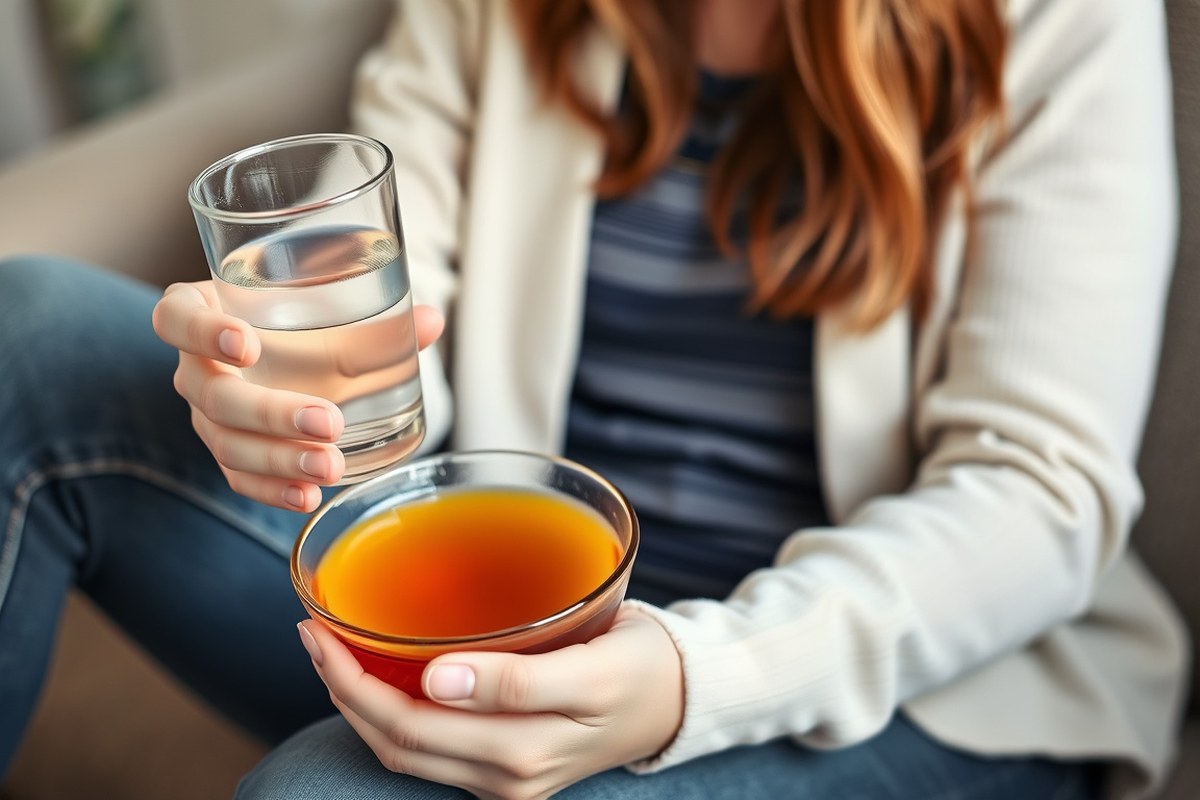
To quickly reduce hangover nausea at home, start by addressing dehydration and stomach irritation, then introduce gentle foods and natural remedies that calm the digestive system. Drinking fluids in measured amounts helps avoid overwhelming your stomach, and consuming specific foods or supplements can shorten nausea duration. Acting in the right order and timing supports faster relief.
- Drink small sips of water or coconut water every 10 to 15 minutes. Aim for about 8 to 12 ounces within the first hour, then continue sipping slowly to total at least 1 to 2 liters throughout the day. Hydration flushes toxins and eases nausea by replenishing lost fluids and electrolytes.
- Try peppermint tea or suck on peppermint candy after initial rehydration. Peppermint calms your stomach muscles and reduces nausea. Brew a cup of warm peppermint tea and sip it slowly over 10, 15 minutes, or have a few peppermint candies to stimulate settling effects.
- Eat a small, bland meal when you feel ready. Start with easy-to-digest foods like plain toast, crackers, or oatmeal. Add a teaspoon of honey for its natural sugars that aid detoxification and provide gentle energy, helping to reduce nausea and support recovery.
- Use ginger tea or chew on a small piece of fresh ginger root. Ginger is a traditional anti-nausea remedy with anti-inflammatory properties that may lessen your hangover symptoms. Sip ginger tea warm or chew about half an inch of fresh ginger slowly to soothe your stomach.
- Take an over-the-counter antacid if acid reflux worsens nausea. Follow label directions carefully, typically dissolving two tablets in water and drinking promptly. This reduces stomach acid irritation that can contribute to nausea.
- Avoid coffee and caffeinated beverages. These can increase stomach acid and worsen nausea or dehydration. Stick to caffeine-free fluids and teas until symptoms improve.
Following these steps closely helps you manage nausea safely and effectively in the hours after drinking. Drinking fluids slowly prevents stomach upset, while peppermint and ginger provide calming effects without harsh chemicals. Eating bland foods gently restores blood sugar and nutrient levels. Antacids may relieve acid-related nausea but should be used as directed. Avoiding caffeine prevents aggravating your symptoms. If nausea persists beyond 24 hours or worsens, consult a healthcare professional.
2. Why Does Hangover Nausea Happen? Key Causes Explained
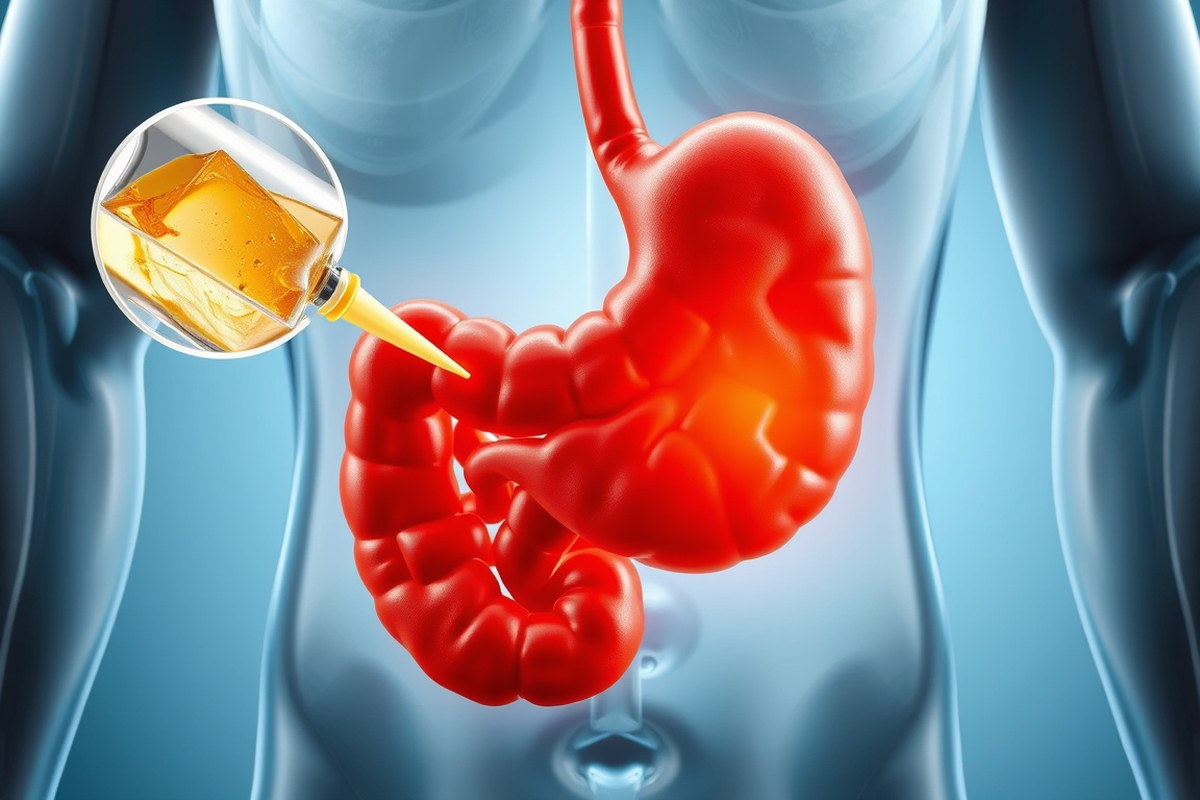
Hangover nausea happens because of several biological and chemical changes in your body after drinking alcohol. Dehydration plays a significant role since alcohol is a diuretic. It makes you urinate more, which leads to fluid loss. Losing fluids causes symptoms like dryness in your mouth, dizziness, headache, and nausea. Replenishing lost fluids helps your body recover, but dehydration alone isn’t the only cause of nausea. Your blood sugar levels also drop after drinking, which worsens nausea, fatigue, and weakness. Alcohol disrupts glucose metabolism, so your brain may not get enough fuel, increasing how sick you feel.
Another factor causing hangover nausea is stomach irritation. Alcohol increases the production of stomach acid and slows digestion, which can cause discomfort, cramps, and nausea. This irritation makes it tough for you to keep food down or even enjoy anything you eat. Eating a bland breakfast with easy-to-digest foods can soothe your stomach and help raise your blood sugar to more normal levels, which in turn reduces nausea.
Congeners, chemical by-products found in darker alcoholic drinks like whiskey, brandy, and red wine, also contribute to hangover symptoms. These substances add to the toxic load your liver must process, creating more acetaldehyde, a toxic compound that worsens nausea and other hangover symptoms. Lighter drinks like vodka tend to have fewer congeners and might cause less severe hangovers. Your genetics can affect how you process congeners and acetaldehyde; about 45% of hangover frequency differences among people come from genetic differences.
The combined effect of dehydration, low blood sugar, stomach irritation, and congeners is why hangover nausea can be so unpleasant. While drinking water helps with dehydration, you also need to restore blood sugar by eating a decent breakfast with carbohydrates and vitamins. Avoid greasy or heavy food because it can further upset your irritated stomach. Instead, choose bland, mild foods and drinks like ginger tea or peppermint that can help calm nausea. Paying attention to these factors offers a clear path to easing nausea during a hangover.
Never take NSAIDs or acetaminophen to treat hangover nausea; they can worsen stomach irritation and make nausea worse.
3. Hydration for Hangover Nausea: Water vs Electrolytes
To reduce hangover nausea, aim to drink at least 8 to 12 cups (about 2 to 3 liters) of fluids over the course of the day, starting as soon as you feel able to tolerate liquids. Plain water is essential for rehydrating your body, which alcohol depletes during drinking. Dehydration commonly worsens nausea, so drinking water steadily helps stabilize your system. When the taste or nausea makes plain water unappealing, adding a few slices of lemon or a small amount of lemon juice can make it easier to sip and add a slight refreshing tang.
Electrolyte drinks often work better than plain water to ease hangover nausea because they replace not only lost fluids but also the essential minerals like sodium, potassium, and magnesium that alcohol causes you to lose. These minerals are important for nerve function, muscle control, and balancing fluids inside and outside your cells. Sports drinks, oral rehydration solutions, or fruit juices such as pear or orange juice contain electrolytes and small amounts of sugar, which your body also needs during recovery. Drinking an electrolyte beverage when you feel faint, weak, or dizzy offers quicker relief than water alone because it replenishes both fluids and salts more effectively and restores energy.
To maintain proper electrolyte balance during and after drinking, alternate each alcoholic drink with a glass of water or electrolyte-containing beverage. For example, after a beer or cocktail, drink at least 8 ounces (about 240 ml) of water or a sports drink. This not only slows your overall alcohol intake but also prevents dehydration in real time. Upon waking with nausea, begin by sipping an electrolyte beverage slowly every 15 to 20 minutes. This gradual intake minimizes stomach upset and supports hydration without overwhelming your digestive system.
In some cases, natural juices rich in potassium such as orange juice or diluted fruit juices can be a good option to help replenish electrolytes along with water. Eating potassium-rich foods like bananas or leafy greens during your hangover recovery also supports this balance. When nausea is severe and you can only manage small sips, try 2 to 4 ounces of an electrolyte drink every 30 minutes rather than large amounts at once to avoid vomiting, which would worsen dehydration.
Keep in mind that electrolyte drinks vary in cost, typically ranging from $1 to $3 per serving at most retail stores, while oral rehydration solutions may cost slightly more. Plain water is free if you have access to tap or filtered water, but it won’t restore electrolytes on its own. Between costs and effectiveness, many find sports drinks or natural fruit juices a reasonably priced and practical solution. Avoid sugary sodas or caffeinated beverages, which can dehydrate you further.
4. Best Foods and Natural Remedies That Calm Hangover Nausea
Liquids and bland foods are your best options for calming hangover nausea. Ginger and peppermint stand out as natural remedies that target an upset stomach effectively. Preparing ginger tea or using peppermint tea and oil properly can speed up your relief while keeping your stomach settled.
Preparing Ginger for Nausea Relief
Ginger helps reduce nausea by accelerating the elimination of alcohol from your body and calming your digestive tract. Drinking ginger tea or chewing a small amount of dried ginger can ease your stomach discomfort during a hangover. Preparing it correctly ensures you get the most benefit without irritating your stomach further. Follow these steps to make ginger tea that soothes hangover nausea:
- Peel and slice a 1- to 2-inch piece of fresh ginger root into thin pieces.
- Boil 2 cups of water and pour it over the ginger slices in a cup or teapot.
- Allow it to steep for 10 to 15 minutes to extract the active compounds fully.
- Strain the tea into another cup to remove the ginger pieces.
- Let the tea cool to a warm, comfortable temperature (around 100°F to 110°F) to avoid irritating your stomach.
- Optionally, add a teaspoon of honey to help with sweetness and additional anti-inflammatory effects.
- Sip slowly over 20 to 30 minutes as needed to ease nausea.
For a quick alternative, chew on a small piece (about 1 gram) of dried ginger, but avoid overdoing it to prevent stomach irritation. Ginger is safe for most people and can be taken multiple times throughout the day if nausea persists.
Using Peppermint Tea and Oil Safely
Peppermint is well-known for its calming effects on the stomach and can help relieve nausea caused by a hangover. Studies show inhaling peppermint essential oil reduces nausea symptoms significantly within an hour. Peppermint tea also replenishes fluids gently while soothing your digestive system. To use peppermint for hangover nausea, consider these tips:
- Steep 1 teaspoon of dried peppermint leaves or 1 peppermint tea bag in 1 cup of hot water for 7 to 10 minutes.
- Let the tea cool to room temperature or slightly warm before sipping slowly.
- Drink in small sips every 20 to 30 minutes as nausea improves.
- For inhalation, place 2 to 3 drops of peppermint essential oil on a tissue or cotton ball.
- Breathe deeply through your nose for 5 to 10 minutes to help reduce nausea symptoms.
- Avoid ingesting undiluted peppermint oil, which can cause irritation or allergic reactions.
- Check with a healthcare professional before using peppermint oil if you have acid reflux or other digestive conditions.
Using peppermint tea and oil in these ways helps ease nausea without disrupting your hydration or digestion.
Soothing Foods to Eat When Nauseous
Bland, easy-to-digest foods help settle your stomach without adding stress when you feel nauseous from a hangover. Toast, crackers, and plain starches provide gentle nourishment and may restore low potassium levels after drinking. Other good options include:
- Plain white rice or boiled potatoes.
- Bananas, which contain potassium that alcohol depletes.
- Applesauce and other unsweetened fruit purees.
- Warm broth or mild soups to keep you hydrated and provide electrolytes.
Introduce these foods gradually in small amounts and avoid greasy, spicy, or heavy meals that can worsen nausea. Drinking lukewarm water or diluted fruit juice alongside these foods helps maintain hydration and supports recovery.
5. Supplements and Medications: What Helps Hangover Nausea Safely?
Supplements like prickly pear extract and red ginseng show some promise in reducing hangover nausea, while over-the-counter (OTC) pain relievers such as ibuprofen can ease headaches but must be used with caution. Choosing the right supplement or medication depends on your symptoms and stomach condition. Knowing when to use each option helps you manage nausea safely and effectively.
Comparing Popular Supplements for Nausea
Prickly pear extract, red ginseng, and related herbal supplements have been studied for relieving hangover symptoms including nausea. Prickly pear extract taken about five hours before drinking lowered the risk of severe hangovers by 62% in a study with 55 young adults. Early research also found it reduced multiple hangover symptoms.
Red ginseng works partly as an antioxidant that neutralizes harmful free radicals caused by alcohol metabolism, which can lessen hangover effects. Clinical trials with healthy men showed red ginseng reduced blood alcohol levels and lessened hangover severity. Eleuthero (Siberian ginseng) similarly decreased hangover symptom severity in some studies.
Other supplements, like ginger and vitamin B or C, may help but evidence is inconsistent, and these tend to support overall wellness more than target nausea directly. Supplements typically require dosing a few hours before alcohol intake for best results and may cost anywhere from $15 to $40 per bottle depending on brand and concentration.
| Supplement | Effectiveness | How to Use | Cost Range |
|---|---|---|---|
| Prickly Pear Extract | Reduces severe hangover risk by 62% | Take 5 hours before drinking | $20 – $40 |
| Red Ginseng | Lowers blood alcohol and symptoms | Supplement before or after drinking | $15 – $35 |
| Eleuthero (Siberian Ginseng) | Decreases symptom severity | Use as daily supplement | $15 – $30 |
| Ginger | May reduce nausea (general) | Supplement before or after | $10 – $20 |
| B and C Vitamins | Inconsistent evidence | Daily supplementation | $10 – $25 |
Supplements could support reducing hangover nausea if taken properly, but none replace staying hydrated or pacing alcohol intake. Results vary by individual and timing. Using supplements prior to drinking seems more effective than after symptoms start.
When to Choose Ibuprofen vs Acetaminophen
Ibuprofen and acetaminophen are common OTC pain relievers that might reduce headaches or body aches from a hangover but approach them carefully with nausea. Ibuprofen is an NSAID that helps reduce inflammation linked to hangover headaches.
For headache relief, ibuprofen (Advil, Motrin) is generally better than acetaminophen (Tylenol) because it also addresses inflammation. However, avoid ibuprofen if you have stomach pain or nausea already, as it can irritate your stomach lining and worsen discomfort.
Acetaminophen may be gentler on your stomach but poses a risk to your liver, especially after heavy drinking. Excess alcohol and acetaminophen both stress the liver. Use a low dose (no more than 1,000 mg in 24 hours) and avoid combining it with alcohol to reduce risk.
Warnings and Contraindications for Hangover Medications
Medicines like ibuprofen can irritate the digestive tract and cause stomach pain or bleeding if taken during nausea or upset stomach. Do not take NSAIDs if you already feel stomach discomfort or have a history of ulcers. Consider waiting until nausea lessens before using.
Acetaminophen, while less likely to cause stomach issues, must be used cautiously because drinking alcohol taxes your liver. Using acetaminophen soon after drinking can increase the chance of liver damage, particularly in large doses. Always read and follow label directions closely.
Tip: Avoid taking any OTC pain relievers on an empty stomach or while nauseated to prevent worsening stomach irritation.
Both medications typically provide relief for 4 to 6 hours but do not treat nausea directly. If nausea persists or worsens, seek medical advice rather than increasing medication doses.
6. Rest, Sleep, and Blood Sugar: How They Affect Nausea Recovery
Low blood sugar can worsen nausea during a hangover because it limits the energy available to your brain and body. Alcohol causes your liver to focus on breaking down the alcohol instead of keeping your blood sugar steady, which may lead to low blood sugar levels. This decline can bring on symptoms such as dizziness, sweating, shakiness, and nausea. To keep your blood sugar stable without upsetting your stomach, opt for gentle foods. Instead of heavy or greasy options, try a fruit smoothie blending 1 cup of frozen berries, half a frozen banana, ¾ cup of Greek yogurt, 1 tablespoon of nut butter, and 1 cup of almond milk. This combination delivers natural sugars, protein, and healthy fats to help raise blood sugar slowly and soothe your stomach.
Eating solid food is often safe when feeling nauseous, but start slowly with small portions to avoid overwhelming your digestive system. If you can’t handle solids right away, liquids like fruit juices or broth can offer some nutrients and hydration. Pear juice, in particular, may help lower blood alcohol levels and ease some hangover symptoms, so sipping on a small glass might reduce nausea. However, avoid heavy spicy, fatty, or very sweet foods at first because these can worsen nausea. Aim for bland, easy-to-digest options like toast, crackers, or bananas once you feel ready.
Sleep and rest are critical to recovering from hangover nausea. Alcohol may help you fall asleep faster, but it reduces sleep quality, leaving you tired and irritable the next day. Resting allows your body to repair and your digestive system to stabilize, which can reduce nausea. Taking a nap or going back to bed for a few hours can provide relief, but pay attention to how long you sleep. Excessive sleeping can sometimes lead to grogginess or worsen headaches. Plan for a 1 to 2-hour nap or a longer rest period if your schedule allows. Avoid bright screens and stressful activities during rest periods to maximize recovery benefits.
In situations where you need to get up and function, such as parenting while dealing with a hangover, focus on short naps combined with light, blood sugar-stabilizing snacks. A few bites of toast with nut butter or a small fruit smoothie can give you enough energy to stay alert. When you can’t sleep, sitting or lying quietly in a dark, quiet room can still help reduce nausea symptoms. Avoid forcing food if nausea is severe; instead, prioritize fluids and rest until you feel ready.
Ensuring a meal before drinking alcohol in the future helps slow alcohol absorption and prevents blood sugar dips that trigger nausea the next day. Planning moderate drinks with food and hydration reduces the chance of severe hangover nausea linked to low blood sugar in the first place. Rest, blood sugar, and sleep work together to help your body recover, give yourself gentle support in these areas to ease hangover nausea safely and effectively.
7. Common Myths and Harmful Hangover Remedies to Avoid
The idea of drinking more alcohol the next day, often called “hair of the dog,” is a popular but risky myth. Although it may provide short-term relief by delaying hangover symptoms, it can increase overall toxicity and worsen your condition later. Drinking more alcohol inhibits the body’s ability to clear the toxic byproducts of your initial drinking session, causing prolonged nausea, fatigue, and brain fog. Also, relying on this method repeatedly may lead to unhealthy drinking patterns or alcohol dependence.
Coffee and other caffeinated drinks are often suggested to cure hangover nausea, but caffeine is a double-edged sword. While one cup of strong black coffee might help by improving alertness, caffeine can also contribute to dehydration and irritate your stomach lining, which might make nausea worse. If you already feel dehydrated or sensitive, moderate coffee consumption is safer than large amounts. Avoid caffeine if your stomach feels very upset.
Some remedies marketed for hangovers can either have no real effect or cause harm. Anti-inflammatory medicines like ibuprofen might relieve headaches but can irritate the stomach, increasing nausea or causing ulcers if taken on an empty stomach or in excess. Avoid acetaminophen, as it can strain your liver when combined with alcohol toxins. Energy drinks and supplements promising rapid recovery often contain stimulants or high sugar levels that no scientific evidence supports for treating hangover nausea.
- Do not use “hair of the dog”, drinking more alcohol delays recovery and risks dependence
- Limit coffee to one cup of strong black coffee early in the morning if you tolerate caffeine
- Avoid anti-inflammatory drugs on an empty stomach to prevent worsening nausea or ulcers
- Do not take acetaminophen; it can harm the liver after alcohol consumption
- Skip energy drinks or unproven supplements that claim to cure hangovers
- Focus on hydration with water or electrolyte drinks as a safer way to support recovery
- Eat light, bland foods and rest to naturally reduce nausea over time
Choosing safer remedies involves listening to your body and avoiding quick fixes that disrupt your metabolism or digestive system. Drinking water slowly, replacing electrolytes, resting, and eating simple foods support your body as it processes and recovers from alcohol effects. Avoid approaches that mask symptoms temporarily but increase damage or discomfort later.
8. When to Seek Medical Help for Hangover Nausea
Nausea from a hangover usually improves within 24 hours without medical treatment. Vomiting that continues beyond this timeframe or severe symptoms like fainting or confusion means it’s time to seek medical help immediately. Paying attention to individual health factors like age, existing conditions, or acid reflux can change how you should respond and manage symptoms safely.
Warning Signs That Need Medical Attention
Severe vomiting that persists longer than 24 hours is a strong signal to get medical care. Vomiting can lead to dangerous dehydration or electrolyte imbalances if not treated. Other urgent warning signs include fainting, episodes of confusion, trouble breathing, or any severe dehydration symptoms such as extreme thirst, dizziness, or rapid heartbeat. Alcohol poisoning symptoms require immediate emergency care rather than home remedies.
Doctors also recommend seeking help if nausea is accompanied by a high fever, severe headache that doesn’t go away, chest pain, or bloody vomit. These symptoms may indicate complications beyond a typical hangover and warrant prompt evaluation.
How Severity Guides Home Care vs Doctor Visit
For mild to moderate nausea, rest, hydration with water or electrolyte drinks, and bland foods usually suffice. Monitoring symptom severity over time helps decide when to escalate care. If nausea scales to frequent vomiting preventing hydration, or lasts beyond a full day despite standard at-home measures, professional assessment becomes necessary.
Use a simple symptom severity scale: mild nausea means occasional queasiness without vomiting; moderate is repeated nausea with some vomiting but able to drink fluids; severe involves continuous vomiting, inability to keep fluids down, or signs of dehydration. Severe symptoms require medical attention to prevent complications like electrolyte imbalances or kidney strain.
Adjusting Care for Individual Health Conditions
Age over 65 and a history of liver disease or gastrointestinal conditions, including acid reflux, increase risks associated with hangover nausea. These factors can worsen symptom severity and prolong recovery, so cautious monitoring and earlier medical intervention are advised. For example, acid reflux may need different medications than typical anti-nausea remedies to avoid worsening symptoms or reflux injury.
Chronic health issues may also affect hydration needs and medication safety. Always inform your healthcare provider about existing conditions before trying new supplements or medications for hangover symptoms. Personalized care is essential when risk factors are present to avoid complications.
Persistent vomiting beyond 24 hours or symptoms like fainting require immediate medical help, never delay in these cases.
Step-by-Step Action Plan to Get Rid of Hangover Nausea
Follow these clear steps to relieve hangover nausea quickly and safely, so you can feel better without guesswork or delay.
- Immediately after waking: Sip plain water or an electrolyte drink slowly to begin rehydrating. You’ll know it’s working if your mouth feels less dry and nausea starts to ease within 30 minutes.
- Within the first hour: Eat a small bland snack like crackers or a banana to stabilize your blood sugar. When your nausea reduces and you can keep the food down, this step is effective.
- After 1, 2 hours: Take an over-the-counter anti-nausea medication such as meclizine if allowed on the label and no allergies exist. Improvement in nausea within an hour indicates it’s working.
- Throughout the morning: Rest or lie down in a quiet, dim room. Better nausea control and less dizziness show this is helping your recovery.
- Midday: Drink more fluids with electrolytes and try a light meal containing easy-to-digest protein. When nausea stays mild and you feel less weak, continue this pattern.
- Later in the day: Avoid caffeine, alcohol, and greasy foods that can worsen nausea. Sustained improvement means you’re on the right track.
- If nausea worsens or lasts beyond 24 hours: Reach out to a healthcare provider. Severe or persistent symptoms may require professional care.
Frequently Asked Questions
How Quickly Can I Expect Hangover Nausea to Improve with Home Remedies?
You can often reduce hangover nausea within a few hours using hydration, rest, and light food. Consistently sipping water or an electrolyte drink helps speed up toxin elimination and ease symptoms.
Can Eating Certain Foods Worsen Hangover Nausea Instead of Helping?
Yes, greasy or spicy foods can irritate your stomach and make nausea worse. Stick to bland options like toast or bananas until you feel steadier.
Is It Safe to Use Over-The-Counter Anti-Nausea Medication for Hangovers?
Some anti-nausea medicines are safe, but check labels and avoid if you have liver issues. Consult a healthcare provider before combining them with other remedies.
Does Drinking Coffee Help with Hangover Nausea?
For most, coffee can worsen nausea or acid reflux during a hangover, especially if you don’t usually drink it. Better to avoid it until nausea subsides.
What Role Does Blood Sugar Play in Hangover Nausea?
Low blood sugar can increase nausea and fatigue, so eating small, frequent meals helps stabilize blood sugar and ease symptoms.
Is It Helpful to Use the “Hair of the Dog” Method to Cure Hangover Nausea?
Drinking more alcohol the next day is a myth that prolongs recovery and can worsen symptoms. Rest and hydration work better.
Key Points to Remember
Relieving hangover nausea starts with simple steps like staying hydrated, eating light foods, and resting properly. Pay attention to how your body feels and avoid remedies that might make symptoms worse. Tonight, try sipping an electrolyte drink slowly while resting to calm your stomach and replenish fluids safely.