How Long Do Ultrasonic Pest Repellers Last? A Complete Guide for Homeowners
Ultrasonic pest repellers usually last several years as electronic devices, but their effectiveness tends to decline over time. Most models emit high-frequency sound waves above 20 kHz to repel pests, yet pests often get used to the noise, making long-term control unlikely. How long do ultrasonic pest repellers last depends on factors like build quality and maintenance, but their ability to prevent chronic pest problems diminishes after weeks or months.
This article helps homeowners, renters, and pet owners understand which pests respond best to these devices, how to spot if yours is working, and what common issues cause them to fail prematurely. You’ll also learn safety concerns for pets and humans, best placement tips, and how these devices compare to traditional pest control methods for practical home use.
Key Takeaways
- Ultrasonic pest repellers typically last several years but can fail prematurely due to poor quality or internal electronic issues.
- Pests can habituate to ultrasonic sounds, reducing long-term effectiveness despite initial avoidance behaviors.
- Rodents and some insects may respond to ultrasonic repellers, though scientific evidence of consistent pest control is lacking.
- Continued pest activity after 2 to 3 weeks indicates the device is not working and alternative pest control methods are needed.
- Common causes of early failure include power surges, faulty components, and exposure to moisture or dust.
- Ultrasonic pest repellers are generally safe for humans, cats, and dogs but may distress small pets like hamsters or guinea pigs.
How Long Does an Ultrasonic Pest Repeller Usually Last?
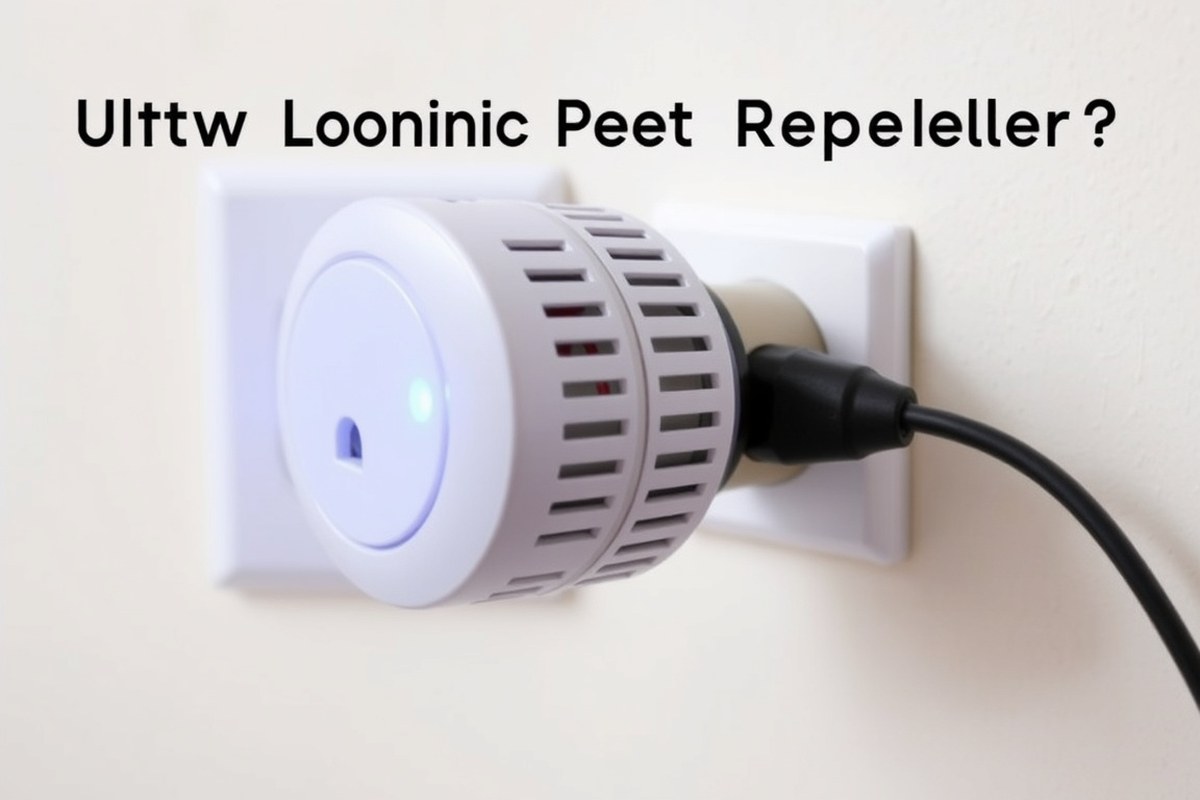
Ultrasonic pest repellers typically last between 3 and 5 years before the electronics or ultrasonic emitter start to fail. The main components are the circuit board and the piezoelectric emitter that generates the high-frequency sound waves usually ranging from 20 kHz up to 65 kHz. These parts gradually degrade due to continuous electrical stress and exposure to environmental factors like humidity and dust. Higher quality devices with sealed housings and better components may approach the upper end of this lifespan.
Signs that an ultrasonic pest repeller is aging or failing include a noticeable drop in the sound frequency or volume, intermittent operation, or the device no longer lights up if it has indicator LEDs. You might detect these problems by placing a smartphone or specialized frequency app near the device to measure if it emits the expected ultrasound tone. If you start seeing persistent signs of pests after 2 to 3 weeks of uninterrupted use, the device may have stopped working effectively due to component failure rather than pest habituation.
Regular maintenance can help extend the device’s functional life. Keeping the unit dry, cleaning dust off air vents or openings, and inspecting the power cord or battery (for battery-powered units) can prevent some common causes of premature failure. Despite maintenance, it is wise to plan on replacing your ultrasonic pest repeller every 3 to 5 years for continuous use. After this period, the emitter’s ability to produce consistent ultrasonic waves tends to decline, reducing its impact on pests.
Replacing your ultrasonic pest repeller on a regular schedule matters because older devices may give a false sense of protection. Defective emitters can produce distorted or weak signals that pests quickly ignore. To check your device’s condition periodically, note any pest activity in the treated area and test the sound output with an app designed to detect ultrasonic frequencies. When you notice signs of wear or ineffective pest control despite proper placement and operation, it’s time to invest in a new unit.
Do Ultrasonic Pest Repellers Remain Effective over Time or Do Pests Habituate?
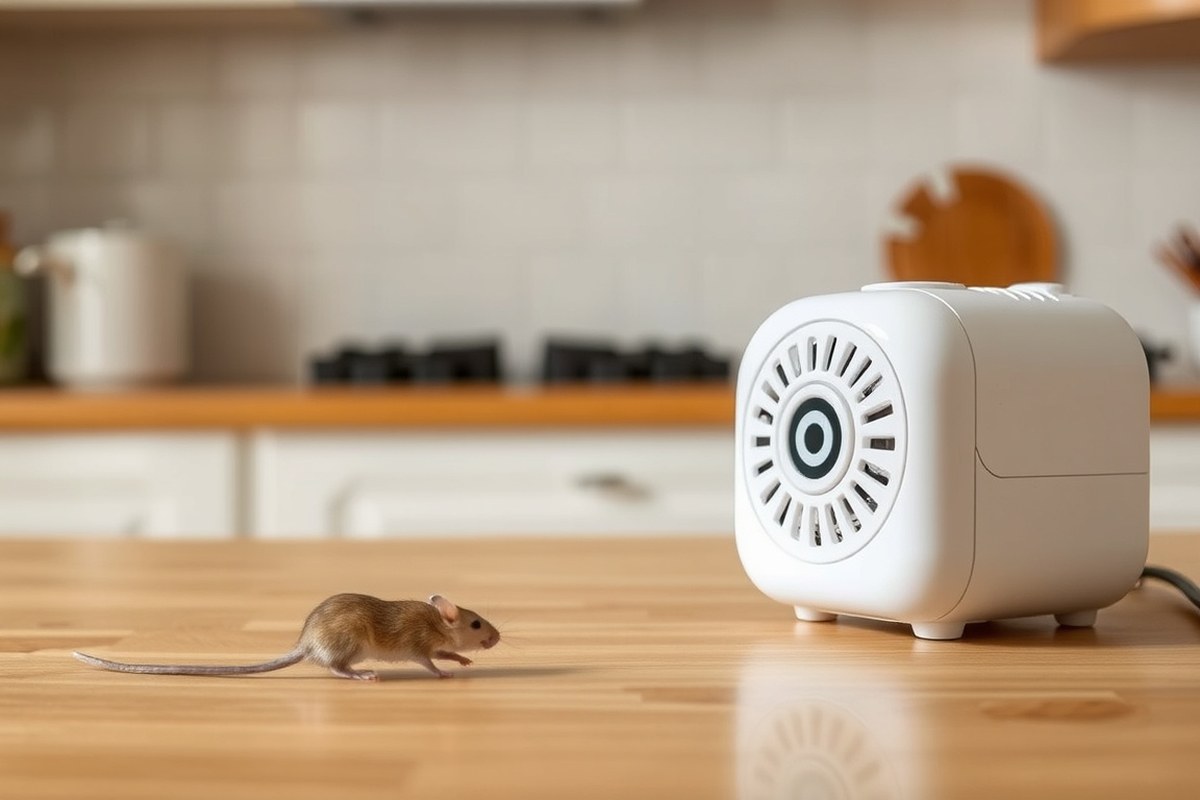
Ultrasonic pest repellers typically lose effectiveness over time because pests often become habituated to the sound. You might start to see some pest activity reduction within days or a few weeks, but these devices generally serve as temporary deterrents rather than permanent solutions.
How Pest Habituation Develops over Time
Pests such as rodents can quickly get used to the ultrasonic sound emitted at around 65,000 Hz. This sound is meant to irritate or disorient them, but research shows rodents and other pests often adapt within weeks, reducing the device’s impact. Habituation happens because the sound is a constant signal; once pests learn it doesn’t signal real danger, they start ignoring it.
The inability of ultrasonic waves to pass through walls or other solid objects also limits the exposure pests get, which can accelerate habituation if the pests only encounter the sound intermittently or weakly. This means pests in hidden areas or behind furniture may not be affected initially, allowing populations to maintain or recover after some time.
Typical Timeline for Noticing Pest Reduction
Results from ultrasonic pest repellers, if any, usually show up between several days to a few weeks after installation. Some users report noticing fewer pests within a week, but others may not observe any change for 3 to 4 weeks. This delay happens because pests first need to react to the new environment and either leave or become less active.
While the devices begin working immediately once plugged in, part of the uncertainty comes from pest behavior and population size. Larger or established infestations often require more time and additional control measures, as ultrasonic waves alone don’t physically eliminate pests or their nests.
Temporary Versus Long-Term Pest Control Effects
Ultrasonic pest repellers at best provide a short-term reduction in pest activity. The sound waves disrupt pests initially, but over time, many pests will become accustomed, resulting in a return of normal pest presence. This means these devices should not be relied on as your only or long-lasting pest control method.
Permanent pest control depends on eliminating attraction factors and entry points for pests, which ultrasonic repellers do not address. Steps like sealing cracks, removing food sources, and sanitation create conditions unfavorable to pests and provide lasting results. Professional control services typically use these combined methods rather than ultrasonic devices alone.
Do not expect an ultrasonic pest repeller to solve serious infestations or provide ongoing control; use it only as a supplementary measure alongside traditional pest management practices.
Which Pests Respond Best to Ultrasonic Pest Repellers?
Ultrasonic pest repellers affect some pests more than others, with rodents showing the most noticeable short-term reactions and many insects showing little to no response. Ultrasonic sound waves have limited ability to penetrate walls and furniture, so the environment and placement significantly influence their effectiveness.
Pests Most Susceptible to Ultrasonic Frequencies
Rodents such as mice and rats tend to respond to ultrasonic frequencies in the range of 15,000 to 65,000 Hz. These high-pitched sounds create discomfort or confusion, causing them to avoid the source temporarily. Some studies in controlled environments observe avoidance behavior from rodents within days after exposure. However, rodents can habituate quickly, reducing long-term effectiveness. Ultrasonic repellers may also affect some types of cockroaches and spiders, but these responses are less consistent and vary by species.
Short-term success depends on correctly placing the device in areas where rodents travel, such as near entry points or hidden corners. Since the device emits sound waves at specific frequencies, higher-quality models that allow frequency adjustment might improve results for particular pests. Still, ultrasonic pest repellers alone rarely eliminate infestations without additional control methods like traps or sealing entry points.
Pests Typically Unaffected or Resistant
Many common insects, including ants, bed bugs, termites, and flying insects like mosquitoes and flies, do not respond to ultrasonic pest repellers. Their nervous systems and hearing ranges differ markedly from those of rodents, making them largely insensitive to high-frequency sound. Most insects cannot detect ultrasonic frequencies, so the repellers do not influence their behavior or presence.
Ultrasonic devices also do not impact pests living primarily outside your home, like wasps or larger wildlife. This limits repeller usefulness to indoor pest issues. You should focus on targeted pest control solutions specific to the species you’re dealing with since ultrasonic waves don’t provide broad-spectrum pest management.
Environmental Barriers and Sound Penetration
Ultrasound waves cannot travel through walls, furniture, or soft furnishings, which drastically limits their effective coverage area. A device advertised to cover 150 square meters will not function equally in a cluttered room with partitions compared to an open space. Placing a repeller behind furniture or blocking it with objects reduces its reach as sound waves dissipate quickly.
Room size, layout, and furnishings matter greatly, larger rooms require multiple devices placed strategically for even coverage. Ultrasonic waves reflect poorly off surfaces like curtains and carpets, further reducing the sound’s travel distance. For the best chance of effect, position the device in a high-traffic pest area with a clear line of sight and minimal obstacles.
Using ultrasonic repellers in multi-room homes often means pests simply move to untreated areas. Managing this requires combining ultrasonic units spaced evenly and supplementing with physical traps or sealants. Realistically, no ultrasonic device works through walls or closed doors, so expect limited influence beyond the immediate room where the device is plugged in.
How Can I Tell If My Ultrasonic Pest Repeller Is Actually Working?
You can tell if your ultrasonic pest repeller is working by testing whether it is emitting the ultrasonic sound and by observing changes in pest activity or behavior. Confirming device operation matters because many units either stop working or don’t produce the claimed frequency, leading you to think the pest problem persists despite the device running. Monitoring pests for signs like reduced presence or agitation helps verify if the repeller makes a difference.
Testing the Ultrasonic Emission
Ultrasonic frequencies are beyond human hearing, but you can check if the repeller is functioning using a few straightforward methods. First, plug the device into an outlet in a quiet room away from other electronics. A reliable ultrasonic repeller, such as the Ever Pest unit, typically has a power indicator light to show it’s on. When your model doesn’t have one, listen closely for a very faint high-pitched sound or use a smartphone app designed to detect ultrasonic waves; these apps convert ultrasonic vibrations to audible tones you can hear. Conduct this test in a dark room with the device close to the microphone to improve sensitivity.
Should the device emit no sound or the indicator light fail to turn on, unplug it and try a different outlet. Consistent inactivity usually means the device has failed and needs replacement or repair. Check the user manual for any reset instructions or troubleshooting steps such as cleaning the device or ensuring there is no physical damage or dust blocking ultrasonic emitters.
Signs of Device Failure
Device failure often shows as no indicator lights, no static sound from the unit, or physical issues like cracked housing or loose parts. Some units may intermittently turn off if they have internal defects or damaged circuit boards. A simple test is to plug the repeller into a different outlet and listen or scan for ultrasonic output again. Persistent silence suggests the unit is broken.
Failures may also come from electrical surges or moisture damage, so inspect the device for signs of corrosion or water exposure, especially if used in basements or near sinks. Remember, a repeller that isn’t working can waste energy and give a false sense of pest control, so it’s better to replace a faulty unit rather than try to fix complex electronics yourself.
Observing Pest Behavior Changes
Pests do not always show clear or immediate behavioral changes with ultrasonic repellers, but some signs can indicate effectiveness. Rats or mice may appear more agitated, avoid areas near the device, or reduce their active times in spaces where the repeller is placed. Look for fewer droppings, less chewing damage, or reduced sightings over a two- to four-week period. However, many scientific reviews, including a 2007 Journal of Economic Entomology study, found minimal evidence that ultrasonic sound consistently alters pest behavior.
Pests might habituate or ignore the sound, so use these devices as part of a broader pest management approach rather than your only method. Observe pets, too; if they become restless near the device, they might be sensing the ultrasonic waves, which can signal the repeller is active. Use a pest activity log noting changes before and after the device is installed to evaluate if the repeller coincides with any decline in pests.
Common Causes of Premature Ultrasonic Pest Repeller Failure
Ultrasonic pest repellers often fail prematurely due to common user errors, electrical problems, environmental conditions, and poor upkeep. Understanding these issues helps you avoid unnecessary replacements and maintain the device’s effectiveness longer.
Improper Placement and Environmental Stress
Placing the repeller incorrectly is one of the biggest reasons devices stop working early. Ultrasonic waves require a clear path; obstructed signals from furniture, walls, or clutter reduce coverage and can cause the unit to seem ineffective. Outdoor models face additional challenges, like rain, dust, and extreme temperatures, which shorten their lifespan.
Certain environments accelerate wear as well. High humidity or exposure to direct sunlight damages electronic components inside the device. Over time, chemical residues, such as pesticides or cleaning agents, also corrode internal parts and decrease the unit’s durability.
- Avoid placing devices behind furniture or inside cabinets
- Keep outdoor units sheltered from rain and direct sun
- Install in dry areas with stable room temperatures between 50°F and 85°F
- Use weatherproof models if deploying outside
- Regularly check for dust buildup on speaker surfaces
- Keep away from chemicals or cleaning sprays
Place ultrasonic pest repellers high enough and unobstructed to ensure sound waves can travel freely across the target area.
Power Supply and Electrical Issues
Frequent plugging and unplugging, power surges, and unstable electricity can damage the internal circuitry of ultrasonic pest repellers. Sudden power interruptions stress the electronic components, potentially causing short circuits or component failure. Using an unreliable power source or cheap adapters further increases risk.
Devices designed for indoor use may not tolerate outdoor power conditions well, especially solar or battery models that don’t recharge consistently. Routine power cycling also prevents the device from producing a continuous ultrasonic signal, which some pests may habituate to as the signal stops and starts.
- Connect to stable power outlets with surge protection
- Avoid frequently unplugging the device unless for maintenance
- Use manufacturer-recommended power adapters
- Outdoor units should use weather-rated power sources or solar panels in good condition
- Check power cables monthly for wear and tear
Use a surge protector to safeguard your ultrasonic pest repeller from electrical spikes that can cause early failure.
Lack of Maintenance and Cleaning
Ignoring regular cleaning allows dust and grime to accumulate on the ultrasonic speaker and vents, which blocks sound waves and strains internal components. Dust buildup also traps moisture, accelerating corrosion. Cleaning the unit every 3 to 6 months helps maintain clear signal transmission.
Failing to follow manufacturer instructions for routine checks can lead to unnoticed problems. For example, battery units should have their batteries replaced before they run low to prevent leakage or power loss. Moisture inside the housing, if unchecked, can cause rust and circuit damage.
- Wipe the device’s surface and speaker holes gently with a dry cloth
- Replace batteries as recommended, usually annually
- Inspect for cracks or signs of moisture inside the unit
- Perform visual checks of cables and plugs every few months
Set a calendar reminder to clean and inspect your pest repeller twice a year to avoid silent performance drops.
Physical Damage and Wear
Dropping the device or exposing it to heavy knocks leads to broken internal components, loose connections, or cracked casing. Physical damage is a frequent cause of early failure, especially in households with children or pets. The vibration from the ultrasonic emitter itself can loosen parts over time if the device is poor quality or mounted improperly.
Materials used in cheaper models may degrade faster under normal use. UV exposure and temperature fluctuations cause plastic parts to become brittle. Devices installed in areas with heavy foot traffic or vibration from appliances should be secured firmly and handled carefully to prevent accelerating wear.
- Place the unit out of reach of children and pets
- Avoid locations where the device might be bumped or dropped
- Choose sturdy housings for outdoor or rough environment use
- Secure mounted devices with screws or stable brackets to reduce vibration impact
Check your ultrasonic pest repeller’s housing for cracks or loose parts monthly and replace units showing physical damage promptly.
Safety, Side Effects, and Longevity Concerns for Pets and Humans
Ultrasonic pest repellers pose minimal long-term safety risks for most humans and pets when used correctly, but some animals may show short-lived discomfort or avoidance behaviors. Side effects in both pets and humans usually subside within hours to days after stopping use. Device aging can affect the frequency output, potentially reducing effectiveness without introducing new safety hazards but requiring regular checks to maintain performance and minimize unintended pet distress.
Common Pet Reactions and Sensitivities
Ultrasonic pest repellers emit high-frequency sound waves intended to deter pests, but some household pets, especially rodents, rabbits, and certain small mammals, may detect these sounds and experience startle or avoidance responses. These effects generally last a few minutes to a few hours after first exposure. Cats and dogs typically show little to no reaction, as their hearing sensitivity differs from pest species.
Pets with heightened hearing, like hamsters or guinea pigs, can be more sensitive. If your pet shows signs of stress, such as hiding, vocalizing, or decreased appetite, while using an ultrasonic device, turn it off immediately. Most pets adjust quickly once the device is removed. To reduce discomfort, limit daily exposure time and keep the device out of areas where highly sensitive pets spend most of their time.
Human Exposure and Safety Studies
Ultrasonic pest repellers operate at frequencies generally above 20 kHz, which are mostly inaudible to humans. Scientific studies have found no credible evidence of long-term health effects from typical household ultrasonic exposure at recommended distances. Short-term effects like mild headaches or ear discomfort have been reported rarely and usually occur with very close or prolonged contact.
Maintaining the device at least a few feet away from where people spend most of their time helps avoid these transient issues. People with certain hearing disorders or heightened sensitivity to high-frequency sounds should monitor for any discomfort and discontinue use if any symptoms occur. Following manufacturer instructions for placement and operation helps ensure safe use indoors.
Impact of Device Aging on Frequency and Safety
Over time, the electronic components inside ultrasonic pest repellers can degrade, causing changes in the emitted frequency and intensity. This reduction in frequency accuracy usually means the device becomes less effective at deterring pests rather than more hazardous to pets or humans. For example, worn transducers might output weaker or shifted frequencies after several years of continuous use.
To maintain safety and performance, check your device annually for physical damage, unusual noises, or reduced sound output. Replacing units every 3 to 5 years aligns with common electronic device lifespans. Avoid extended use of malfunctioning or broken devices, as irregular ultrasonic signals could cause unintended irritation to sensitive pets. Proper maintenance and timely replacement contribute to consistent, safe operation.
Comparing Ultrasonic Pest Repellers to Traditional Pest Control Methods
Ultrasonic pest repellers offer a chemical-free and easy-to-install solution but often fall short on lasting effectiveness compared to traditional methods like traps and chemical treatments. Established methods typically provide more consistent pest reduction over time, with physical traps and targeted chemicals addressing infestations directly. Weighing the initial investment, maintenance, and effectiveness duration helps determine the best choice for your situation.
Effectiveness Duration Comparison
Traditional pest control methods, such as traps and chemical treatments, generally produce more reliable and longer-lasting results than ultrasonic pest repellers. Most scientific research shows ultrasonic devices deliver minimal pest control benefits and rarely eliminate infestations. On the other hand, traps physically remove pests, and chemicals can reduce populations over weeks or months, depending on application frequency.
Ultrasonic devices mainly deter pests temporarily but may lose effectiveness either because pests habituate to the sounds or because the devices cover only limited areas. Traditional methods focus on killing or trapping pests, thereby reducing numbers over time. Combining these physical or chemical interventions with environmental management prevents reinfestations.
| Method | Effective Duration | Type of Pest Control | Primary Mechanism | Reliability |
|---|---|---|---|---|
| Ultrasonic Repellers | Weeks to months, often less | Repellent | High-frequency sound waves | Generally low, inconsistent results |
| Traps (snap/trap cages) | Immediate and ongoing with resets | Physical removal | Capturing/killing pests | Moderate to high, depending on monitoring |
| Chemical Treatments (baits, sprays) | Weeks to months with repeat use | Population reduction | Poison and toxicity | High when used properly |
Those who expect complete pest elimination should lean on traps and chemicals due to their proven efficiency. Ultrasonic repellers may serve as supplemental tools but do not replace these methods.
Cost and Maintenance Considerations
Ultrasonic pest repellers typically cost less upfront and require minimal maintenance since they plug into outlets and operate continuously. However, their low reliability means the initial investment often yields little pest reduction, leading to additional spending on other control measures. DIY traps and chemical products usually require purchasing consumable supplies and periodic replacement but offer clearer success when used correctly.
Traps need regular checking and resetting, which impacts time investment but allows you to track pest activity directly. Chemical treatments demand careful handling, adherence to safety guidelines, and possible repeat applications every few weeks, depending on pest severity. Ultrasonic devices do not need much upkeep but could fail prematurely due to electronic faults, requiring replacement within 1 to 3 years.
Overall, costs of traditional pest control vary but tend to provide a better return on investment by effectively reducing infestations. Ultrasonic pest repellers may seem inexpensive but often lead to higher overall costs because they rarely solve pest problems alone.
When to Use Ultrasonic Repellers Versus Traditional Options
Ultrasonic repellers work best as part of a multi-pronged pest control strategy rather than the sole method. Use them if you want a chemical-free, low-maintenance deterrent in low-level pest situations or to complement traps and sanitation efforts. Avoid relying on ultrasonic devices when facing active infestations, as they rarely eliminate pests effectively.
Choose traps or chemical treatments when you need proven, targeted pest reduction. For example, use snap traps for rodents in attics or bait stations for ants and cockroaches where infestation is established. This approach often yields faster, diagnosable results and reduces pest numbers. Here is a simple decision framework you can follow:
- Assess pest severity: minor presence may allow you to try ultrasonic devices temporarily.
- Prioritize proven solutions if you have an active infestation requiring quick reduction.
- Combine methods: block entry points, maintain cleanliness, then add traps or chemical treatments.
- Use ultrasonic repellers as supplemental deterrents only after other control steps are in place.
This approach balances cost, effort, and expected results, reducing the chance of wasted resources or worsened pest conditions.
Best Practices for Placing and Maintaining Ultrasonic Pest Repellers
Proper placement and regular maintenance of ultrasonic pest repellers are essential to keep them functioning for as long as possible. Environmental factors and seasonal changes affect their operation, so adjusting placement and upkeep routines can help prolong their service life and maintain coverage.
Optimal Locations for Maximum Coverage
Position ultrasonic pest repellers where pests enter or frequent, such as near doorways, windows, and along baseboards. Avoid placing the devices behind furniture, curtains, or inside cluttered areas because ultrasonic waves require a clear path to travel and reflect effectively. Consider that open spaces without obstacles increase coverage. A single device usually covers a 1,000 to 1,500 square foot indoor area; larger homes need multiple units spaced evenly for consistent results.
Outdoor devices should be mounted at least 6 feet off the ground and shielded from direct rain or excessive dust. Electrical outlets near these locations help avoid risky extension cords, which could shorten device life or create fire hazards. Keep repellers away from thick foliage or walls that absorb sound waves.
- Place repellers 3 to 6 feet above floor level inside homes
- Avoid blocking devices with furniture or household items
- Use multiple devices for large or multi-room areas
- Mount outdoor units under eaves or weatherproof covers
- Keep devices at least 10 feet apart in larger spaces
- Do not place near sound-absorbing materials like heavy curtains
Ensure the ultrasonic waves have a clear path; even partial obstructions reduce effectiveness.
Cleaning and Routine Maintenance Steps
Dust and dirt can accumulate on the speaker grills of the repellers, reducing their ability to emit ultrasonic waves at full strength. Clean the surface gently every two weeks with a soft, dry cloth or a lightly dampened microfiber cloth for stubborn dirt. Avoid using harsh chemicals or spraying liquid directly on the device to prevent damage to internal components.
Check electrical connections monthly to confirm they are secure and free from corrosion or wear. Replace batteries in battery-powered models every 3 to 6 months depending on usage. For plug-in units, monitor any signs of overheating or unusual noises as early warning signs of failure. Unplug devices during thunderstorms to protect electronics from power surges.
- Wipe device surfaces every two weeks to remove dust
- Inspect power cords and plugs monthly for wear
- Change batteries every 3-6 months if applicable
- Store indoors or in sheltered outdoor areas when not in use
- Unplug during severe weather to avoid electrical damage
Neglecting to clean the device regularly can shorten its effective lifespan significantly.
Adjusting for Seasonal and Environmental Changes
Temperature extremes affect electronic components, so move outdoor repellers to sheltered locations during winter and remove them if temperatures drop below 32°F for extended periods. Moisture buildup during humid summer months can also degrade the device’s electronics; consider adding waterproof covers if none are provided by the manufacturer.
Seasonal pest behavior shifts mean repositioning devices might be necessary. For instance, pests often invade indoors in cooler months, so relocating repellers closer to interior entry points in fall and winter can improve coverage. Conversely, outdoor placement works better in warmer months when insects and rodents are more active outside.
- Relocate outdoor units to shaded, covered areas in winter
- Use waterproof cases or covers when humidity is high
- Move devices closer to indoor entry points during colder months
- Space units farther apart outdoors during warm seasons
- Regularly inspect units after storms or freezing nights
Seasonal repositioning and protection help avoid damage and maintain pest-repelling efficiency year-round.
Step-by-Step Action Plan for Using Ultrasonic Pest Repellers
Ultrasonic pest repellers typically last between 3 to 5 years, but their effectiveness varies with pest type and device placement. Follow this plan to evaluate their performance and decide if they suit your pest control needs.
- Before You Buy: Research devices with documented lifespans and user reviews noting reliability past 3 years. Choosing a model with a visible power indicator helps you track if it’s working without guesswork.
- Day 1, Installation: Place the device in an open area near pest entry points or activity zones, avoiding furniture or walls blocking the signal. Proper placement maximizes sound coverage and reduces chances pests can avoid the frequencies.
- Week 1, Initial Monitoring: Check for decreased pest signs such as fewer droppings or no new damage. Keep in mind that ultrasonic repellers work best on pests like rodents and cockroaches, not on termites or bedbugs, so adjust expectations accordingly.
- After 2 Weeks, Evaluate Effectiveness: Inspect different locations in the treated area to confirm consistent pest reduction. If pests seem unaffected, test device functionality by listening for the faint ultrasonic tone or using a smartphone app designed to detect ultrasonic frequencies.
- Month 1, Address Habituation Risks: Rotate devices to new positions every 3 to 4 weeks since some pests may habituate or avoid constant frequencies. Alternating placement helps maintain effectiveness over time.
- Every 6 Months, Perform Maintenance: Clean the device and check power connections to prevent premature failure. Dust buildup or loose plugs reduce ultrasonic output and shorten the unit’s lifespan.
- Yearly, Assess Device Condition: Test the repeller’s output with a frequency detector and look for signs of aging like dim power lights or odd noises. Replace units older than 3 to 5 years, as effectiveness typically declines and internal components wear out.
- Continuous, Consider Safety: Ensure pets that rely on hearing (e.g., dogs, cats) show no signs of distress, as some animals can be sensitive to ultrasonic waves. Stop or relocate devices near sensitive pets if any adverse behavior is noticed.
Frequently Asked Questions
Do Any Ultrasonic Pest Repellers Really Work?
Most ultrasonic pest repellers do not work reliably to control pests. Scientific studies over decades show they fail to drive pests away consistently, so they shouldn’t replace proven pest control methods. Use them cautiously and expect limited results.
How to Know If an Ultrasonic Pest Repeller Is Working?
You can tell if an ultrasonic pest repeller might be working by observing a clear, consistent drop in pest activity shortly after installation. Since pests often return or ignore the sound, lack of ongoing pest presence over weeks suggests possible effectiveness.
Do Mice Not Like Ultrasonic Pest Repellers?
Mice can sometimes be startled by ultrasonic frequencies, but they often habituate quickly and ignore the repeller. This makes mice avoidance unreliable as a long-term solution, so expect minimal impact from ultrasonic devices on mouse infestations.
Are There Downsides to Using Ultrasonic Repellers?
Ultrasonic pest repellers don’t reach pests behind walls, under furniture, or outdoors effectively, and pests may get used to the sound. They can also disturb sensitive pets like hamsters or guinea pigs, so check your pet’s hearing sensitivity before use.
How Long Does It Take for an Ultrasonic Pest Repeller to Show Results?
These devices may take days to a couple of weeks to show any effect, but results vary widely and often wear off as pests get used to the sound. Use other methods if pests persist beyond two weeks.
Can Ultrasonic Pest Repellers Harm Household Pets?
Most common pets like cats and dogs are safe since they don’t hear ultrasonic frequencies well, but small pets with sensitive hearing, such as hamsters or guinea pigs, can be stressed or harmed by these devices.
The Bottom Line
Ultrasonic pest repellers typically last between 3 to 7 years, depending mostly on build quality and how you maintain them. To extend their lifespan and ensure they keep working effectively, check the device regularly for dust buildup or damage and replace batteries or power sources as needed. Today, take a few minutes to inspect your repeller’s placement and clean it gently with a dry cloth to avoid any blockages that reduce ultrasonic waves reaching pests.