How Long for Pest Control Spray to Dry: A Complete Guide for Safe and Effective Use
Typically, pest control spray takes between 30 minutes to 2 hours to dry, depending on the type of spray, the surface, and environmental conditions. Knowing how long for pest control spray to dry is essential for ensuring safety and effectiveness before re-entering treated spaces or resuming activities. This timing helps prevent exposure to harmful chemicals and maximizes pest control results.
Homeowners, renters, and property managers need clear guidance on drying times tailored to indoor and outdoor use, variations by temperature and humidity, and recommendations for keeping children and pets safe. You will also find practical tips to confirm when the spray is fully dry and ways to speed up the drying process, avoiding common mistakes that can reduce effectiveness.
Key Takeaways
- Indoor pest control sprays typically dry within 30 minutes, while outdoor sprays may take 1 to 2 hours depending on conditions.
- Higher temperature and lower humidity speed up drying times, while porous surfaces absorb sprays and extend drying duration.
- Water-based sprays dry faster than oil-based ones, and sprays targeting flying insects often dry quicker than those for crawling pests.
- Wait at least 2 to 4 hours before re-entering treated areas, following label instructions for safe timing and activity resumption.
- Keep pets and children away from sprayed zones until surfaces are completely dry to avoid exposure to harmful chemicals.
- Check for a dry, non-sticky surface and lack of spray smell as signs that pest control spray is fully dried and effective.
Typical Drying Times for Indoor and Outdoor Pest Control Sprays

Pest control sprays typically dry faster outdoors than indoors due to greater air circulation and exposure to sunlight. Inside your home, you can expect sprays to dry within 20 to 60 minutes depending on the spray formula and surface type. Outdoor drying times range up to a few hours but are usually shorter on sunny and breezy days.
Indoor pest control sprays often use water or oil-based formulas, and drying time depends on room temperature, humidity, and how porous the surface is. Non-porous materials like tile or glass dry within 20 to 30 minutes, while porous surfaces such as carpets or wood may take closer to 45 to 60 minutes. Outdoor surfaces vary more because of weather; a warm, dry day can reduce drying to 15 to 30 minutes on concrete or vinyl siding, while cooler, shaded areas may stay damp for 1 to 3 hours.
Knowing the typical drying time matters because wet sprays can transfer to hands, fabrics, or pets, increasing exposure risk and reducing effectiveness against pests. Allow the spray to dry fully before touching treated surfaces or re-entering the area for non-professional applications.
| Location | Surface Type | Typical Drying Time |
|---|---|---|
| Indoors | Non-porous (tile, glass) | 20 to 30 minutes |
| Indoors | Porous (carpet, wood) | 45 to 60 minutes |
| Outdoors | Hard surfaces (concrete, vinyl) | 15 to 30 minutes (warm, dry conditions) |
| Outdoors | Shaded/cool surfaces | 1 to 3 hours |
After applying the spray, verify dryness by lightly touching a small treated spot with a clean finger. It should feel dry without any residue or wetness. Avoid wiping or rubbing to preserve the treatment layer. If a surface is not dry within these typical time frames, check ventilation and temperature to improve conditions. Using fans or opening windows indoors can speed up drying, but avoid re-entry until the surface feels fully dry to protect your family and pets.
In some situations, such as high humidity or heavy applications, drying may take longer and require extra caution before resuming normal activities. Always follow label instructions and wait at least the minimum recommended drying and re-entry times. This practice ensures the spray works effectively and reduces the risk of irritation or chemical exposure for occupants.
How Temperature, Humidity, and Surface Type Affect Drying Time
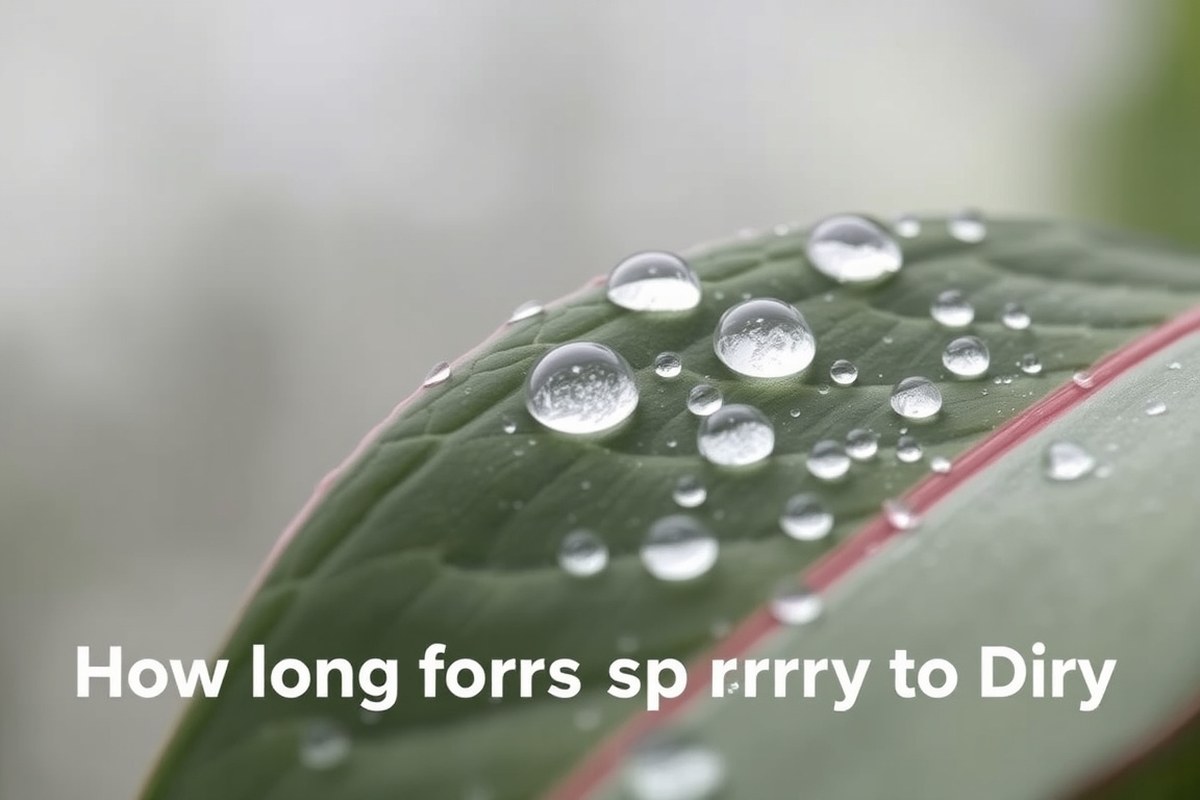
Temperature significantly impacts how quickly pest control sprays dry. Higher temperatures speed up evaporation, often cutting drying time in half compared to cold conditions. For example, a spray that takes 30 minutes to dry at 60°F might dry in 15 minutes at 85°F. Low temperatures slow evaporation, leaving surfaces wet longer, which can reduce spray effectiveness if pests come into contact too soon.
Humidity also plays a major role because moisture in the air slows drying. At high humidity levels, water in the spray evaporates more slowly, extending the drying time by 20 to 50 percent or more. When humidity rises above 70 percent, sprays can stay wet for an hour or longer, especially indoors or in shaded areas. Lower humidity, below 40 percent, helps sprays dry faster and reduces the risk of pests walking through wet residues.
Surface type changes drying rates too. Porous materials like untreated wood, fabric, or plant leaves absorb moisture from the spray. This causes the liquid to be drawn into the surface, extending drying time compared to hard surfaces. For instance, wooden decks or outdoor furniture can keep sprays wet 20 to 40 percent longer than concrete or metal. Smooth, non-porous surfaces like painted wood, glass, tile, or sealed concrete let sprays dry rapidly, often within 15 to 30 minutes under good temperature and humidity conditions.
Rain or water exposure after spraying outdoors affects both drying time and effectiveness. Rain within an hour of application can wash off or dilute wet sprays, reducing pest control performance. It’s best to check weather forecasts and apply treatments during dry periods that allow at least 2 to 4 hours of drying. Water contacting a freshly sprayed area might cause it to remain wet longer, delaying when it’s safe to touch and when the spray is fully active.
Apply pest control sprays when temperatures are between 65°F and 85°F with low humidity, and avoid spraying before rain to ensure faster drying and better results.
Drying Differences by Spray Type and Pest Target
Drying times for pest control sprays vary significantly depending on the type of spray and the targeted pest. Insecticides often dry faster than repellents because many insecticides use solvents designed for quick evaporation to maximize immediate effectiveness. Residual sprays, formulated to leave a longer-lasting layer on surfaces, usually take longer to dry as they need to remain active over time to control pests like ants or cockroaches.
The specific pest targeted affects the formulation and, consequently, the drying time. For example, sprays aimed at flying insects like mosquitoes often require quick drying to allow safe re-entry and reduce irritation. Sprays for crawling insects may include more oil-based ingredients, slowing the drying process to ensure continuous pest contact. Aerosol sprays generally dry faster due to fine mist dispersion, while liquid sprays, especially those with heavier carriers or emulsifiers, can stay wet longer.
| Spray Type | Typical Drying Time | Pest Target | Notes |
|---|---|---|---|
| Insecticide (Liquid) | 15-30 minutes | Crawling insects (ants, roaches) | Moderate drying time due to solvent base |
| Repellent (Liquid) | 30-60 minutes | Mosquitoes, biting flies | Often oil- or alcohol-based; slower drying to maintain repellency |
| Residual Spray | 30-90 minutes | Various household pests | Formulated to leave a protective layer; longer drying needed |
| Aerosol Insecticide | 5-15 minutes | Flying insects (flies, mosquitoes) | Fast-drying fine mist |
| Oil-Based Spray | 45-90 minutes | Certain pests (spider mites, scales) | Slower evaporation; thicker residues |
Knowing how long a specific spray takes to dry helps plan safe re-entry times and proper household preparations. Faster drying sprays reduce downtime but may not provide lasting control, while slower drying sprays increase protection duration but require longer before you can safely return. Your choice depends on pest type, treatment location, and how soon you need to use the area again.
When Is It Safe to Re-Enter and Resume Activities After Spraying?
You can safely re-enter a room or outdoor area once the pest control spray is fully dry and any recommended waiting periods have passed. Avoid touching sprayed surfaces until the chemical has dried completely to minimize exposure. Taking a few precautionary steps during and after spraying helps ensure the safety of everyone in your home.
Symptoms of Complete Drying
Complete drying means the spray surface no longer feels wet or tacky and has returned to its normal texture. This can take from 30 minutes up to several hours depending on factors like humidity and surface type. Surfaces should appear dry to the touch, without any visible residue or sheen from the spray.
Besides looking dry, you should not smell a strong chemical odor near the treated area. A lingering smell often indicates the spray remains active and may still be harmful if touched or inhaled. Checking these signs helps you decide if it’s safe to come back inside.
Recommended Waiting Periods
Waiting times before re-entry vary based on the product and application method but generally range from 30 minutes to 4 hours. Indoor sprays typically require less time than outdoor treatments because outdoor areas dry faster and disperse chemicals more quickly. Follow instructions on the product label for exact times.
Keep in mind these times only apply after the surface appears completely dry. Extended waiting reduces risk of contact with wet pesticide and inhaling chemical fumes. When unsure, it’s better to wait longer to protect children, pets, and sensitive individuals.
Precaution Checklist for Re-Entry
Use this checklist to decide when it’s okay to re-enter and resume activities in treated areas:
- Confirm the treated surfaces are dry and free of stickiness or wetness.
- Verify recommended waiting period on the pesticide label has expired.
- Ventilate the area by opening windows and doors for at least 30 minutes.
- Keep children and pets out until drying and ventilation are complete.
- Wear gloves if you need to touch treated surfaces immediately after re-entry.
- Avoid cleaning or wiping sprayed surfaces for 24 to 48 hours unless label says otherwise.
- Wash hands thoroughly after handling any area touched soon after spraying.
Following this checklist helps you limit contact with residual chemicals and allows pesticides to work effectively on pests. When there is a strong odor or irritation after returning, leave the area again and increase ventilation. Contact a licensed professional for advice if symptoms persist.
Keeping Pets and Children Safe After Pest Control Application
Keep pets and children out of treated areas for at least 3 to 4 hours or until the spray has completely dried. This waiting period reduces their risk of exposure to toxic chemicals and ensures that the treatment is effective and safe. Always follow the product label or pest control professional’s specific instructions for re-entry times.
Pet Safety Guidelines
Pets are often more sensitive to pest control chemicals due to their smaller size and grooming habits, which can lead to ingestion of residues. Restrict access to rooms or outdoor areas right after spraying until you confirm surfaces are dry. For indoor treatments, wait a minimum of 3 to 4 hours before allowing pets to return, but this can extend if the product label recommends a longer wait.
For outdoor applications, keep pets away until the spray has dried completely, this can take several hours depending on weather conditions like temperature and humidity. Bring pets indoors or leash them during this time to prevent contact. Clean pet bowls, toys, and bedding after treatment to avoid residue ingestion.
- Isolate pets from treated rooms or areas immediately after spraying
- Keep outdoor pets indoors or on a leash until treated surfaces dry
- Remove pet food, water dishes, and toys from treatment zones
- Check product label for specific re-entry times for pets
- Clean pet items after exposure to treated areas
- Contact a veterinarian if pets show signs of distress after return
Err on the side of caution for highly sensitive pets like kittens, puppies, or older animals, as they may require longer exclusion from treated spaces.
Child Safety Recommendations
Children are at greater risk from pest control sprays since they often crawl, put objects in their mouths, and have developing immune systems. Maintain a strict no-entry rule for treated areas until sprays have dried thoroughly, usually 3 to 4 hours, or as specified on the pesticide label. This prevents skin contact and accidental ingestion of residues.
For homes with infants or toddlers, remove toys, bedding, and play mats before spraying and wash all soft items after treatment. Keep windows and doors open during and after application to improve ventilation and reduce chemical buildup.
- Keep children out of treated rooms for at least 3 to 4 hours
- Remove toys and soft materials before spraying
- Ventilate treated spaces thoroughly
- Wash children’s hands and skin if contact with treated surfaces is suspected
- Supervise children closely when allowing re-entry
- Refer to product labels for any specific child safety instructions
Children with asthma or chemical sensitivities may need extended exclusion or professional advice to avoid respiratory irritation after treatment.
Signs Animals Are Safe to Return
Pets and children can safely re-enter treated areas once all spray residue is dry and no chemical odors remain. Dryness indicates that volatile compounds have evaporated and the likelihood of skin or respiratory irritation is low. When in doubt, physically touch treated surfaces to ensure there is no dampness or stickiness that could transfer chemicals.
Observe your pets and children carefully during their first hour back for any unusual symptoms such as coughing, sneezing, skin redness, or lethargy. These can indicate irritation or sensitivity to residual chemicals. Having a veterinarian or pediatrician’s contact handy can help address concerns quickly.
Never allow pets or children on treated surfaces until you have confirmed the spray is dry, premature contact increases the risk of poisoning or allergic reactions.
Maintaining strict waiting times and checking for dryness helps protect your family while ensuring your pest control efforts are successful.
How to Confirm Pest Control Spray Is Fully Dry and Effective
You can tell pest control spray is fully dry when the surface feels dry to the touch and shows no visible wet spots or shininess. Confirming dryness ensures the spray has settled and is effective, protecting you and others from chemical exposure. Checking for dryness is a simple process you can do with visual and tactile methods.
Visual and Tactile Checks
Look closely at the treated area for any glossy or damp spots that indicate moisture. A dry surface will appear matte or uniform in color without any wet streaks. Gently touch the area with a clean finger or paper towel; it should feel dry, not sticky or tacky. Surfaces like wood or fabric may take longer and might retain a slight dampness, so focus on texture changes rather than just appearance. Follow these steps to verify pest control spray is completely dry:
- Observe the surface for any shine or wet patches under good lighting.
- Lightly press a clean finger or soft tissue onto the surface.
- Check if the tissue picks up moisture or residue.
- Repeat the touch test in several spots for consistency.
- Note any areas that feel sticky or damp despite drying time.
Once all spots feel dry and look matte, the spray is ready for contact.
Handling Sticky or Wet Residues
When the spray remains sticky or wet after the expected drying time, the cause may be excessive spray application, high humidity, or surface porosity. Avoid wiping the area immediately, as this can reduce the spray’s effectiveness. Allow extra drying time, ideally in an open, well-ventilated space to speed evaporation. You can gently increase air circulation with a fan, but avoid harsh heat that can degrade the product.
Persistent wetness on porous or textured surfaces can take longer to dry. For sticky spots, lightly blot with a dry cloth once the surface is no longer tacky but still slightly damp. When stickiness lasts more than 24 hours, contact your pest control provider for advice as it might indicate over-application or a different product was used.
Timing for Cleaning Treated Surfaces
Cleaning or wiping surfaces before the spray is fully dry can wash away the active ingredients and reduce pest control effectiveness. Generally, wait at least 24 to 48 hours after application before cleaning, but follow label instructions specifically. Indoor treatments on countertops or floors usually require less drying time than outdoor applications on rough surfaces.
After the recommended drying period, cleaning should be gentle. Use a damp cloth with mild soap rather than harsh chemicals to avoid interfering with the remaining residue. For areas with heavy pest activity, minimizing cleaning frequency supports longer lasting protection. Here’s how to clean treated surfaces safely, step by step:
- Confirm the spray has dried fully using visual and tactile checks.
- Gather mild cleaning supplies: soft cloth and gentle soap.
- Dampen the cloth slightly, avoiding soaking.
- Gently wipe the treated area without scrubbing hard.
- Allow the surface to air dry completely afterward.
- Avoid cleaning again too soon to preserve spray effectiveness.
Tips to Speed Up Pest Control Spray Drying and Maximize Effectiveness
You can speed up the drying time of pest control spray by improving air circulation and controlling environmental factors like temperature and humidity. Faster drying not only reduces the time you need to stay out of treated areas but also helps the spray work more efficiently against pests. When the spray dries quickly, it adheres better to surfaces and pests, which can improve pest control results.
Ventilation plays a key role in drying time. Opening windows and doors creates a flow of fresh air, helping moisture evaporate faster. Using fans to increase air movement near the sprayed areas also helps lower drying time by circulating air directly over the surfaces. Avoid turning on humidifiers or steam-producing devices in these spaces, as higher humidity slows down evaporation.
The drying time affects effectiveness because pests contact the sprayed surface when it is dry or semi-dry. Prolonged wet spray or wiping it away prematurely can prevent the pesticide from sticking properly, which reduces its impact. Ensuring a quick yet thorough dry lets the active ingredients remain where pests will contact them and receive the intended dose.
- Use a portable fan or ceiling fan to boost air circulation in indoor areas without strong natural airflow.
- Increase room temperature moderately with a heater during cold weather to help evaporation but avoid overheating.
- Open windows and doors on opposite sides to create cross-ventilation.
- For outdoor spraying, choose a warm, dry day with low humidity for faster drying.
- Remove clutter and cover absorbent materials like carpets or fabric before spraying to prevent slow drying spots.
- Avoid spraying thick coats; apply thin, even layers to speed drying while maintaining coverage.
- Gently wipe or blot excess wet spray from non-target surfaces to speed drying without removing treatment when allowed by the product label.
In humid or cold environments, drying will naturally take longer, so plan your spray timing accordingly and allow extra time before re-entry. Outdoors, direct sunlight exposure speeds drying but avoid windy, dusty conditions that can degrade the pesticide. Balancing these factors helps you get the most effective pest control with the shortest waiting time.
Common Mistakes with Spray Drying and How Professionals Differ
Re-entering a treated area before the pest control spray is fully dry can cause several issues. You might inhale or come into contact with wet chemicals, leading to potential health risks or skin irritation. Disturbing the spray early often reduces its effectiveness because the product hasn’t settled or bonded to the surfaces properly. This can result in pests returning sooner or surviving the treatment.
Professional pest control services typically use formulations that dry faster or are better suited for the specific environment compared to many DIY products. These professionals also apply sprays in carefully controlled amounts with equipment that creates an even and thin layer, promoting quicker drying. In contrast, DIY sprays might be applied too heavily or unevenly, leading to longer drying times and a greater chance of residue buildup or spotting. Also, professionals often ensure optimal ventilation or adjust temperature and humidity settings during or after treatment to speed drying.
Special instructions vary between brands and product types, so following them precisely matters. Some sprays require keeping windows open or fans running for a certain time, while others ask that you avoid touching treated areas or running air conditioners until dry. Ignoring these guidelines can extend drying time or impact safety. Common mistakes to avoid include:
- Re-entering rooms immediately after spraying
- Failing to ventilate properly or seal off treated spaces
- Using too much spray, which slows drying and wastes product
- Not reading or following label directions for drying and re-entry times
- Touching or wiping treated surfaces before dry
Wait at least the minimum time indicated on the product label before re-entering and always ensure good airflow during drying to protect your health and maximize the spray’s effectiveness.
Following instructions carefully, waiting the recommended re-entry period, and ensuring proper air circulation are key steps to avoid premature disturbance. Professionals typically complete these steps quickly due to their experience, equipment, and knowledge of products. You can adopt similar practices by controlling room conditions and respecting timing. If conditions are cooler or more humid, drying will take longer than usual, making patience essential.
Step-by-Step Action Plan for Pest Control Spray Drying and Safe Re-Entry
Follow these key steps to ensure your pest control spray dries properly, keeping your home safe and treatment effective.
- Before You Spray: Check the weather forecast and indoor conditions. Aim to apply pest control sprays when humidity is low and temperatures are moderate to speed drying. Confirm surface type to choose the right spray.
- Immediately After Spraying: Keep children and pets out of treated areas. Close windows or doors if outdoors to reduce humidity exposure, which slows drying.
- Within 30 Minutes to 2 Hours: Monitor the sprayed surfaces. Use touch to confirm dryness: the surface should feel dry with no sticky or wet residue. This marks initial effectiveness.
- 2 to 4 Hours Post-Application: If indoors, ventilate the area to help final drying. Avoid walking or placing objects on treated surfaces until fully dry to prevent disturbing the spray.
- 4 to 6 Hours Post-Application: Confirm full drying; the surface should no longer transfer residue onto your hand. This indicates it’s safe for you, children, and pets to resume normal activity.
- Day After Spraying: Inspect for residual spray effectiveness by checking pest activity. If pests persist, consult label directions before considering reapplication.
- Ongoing: Maintain recommended environmental conditions. Avoid over-wetting treated surfaces during cleaning to preserve treatment results.
Frequently Asked Questions
How Long Does Pest Control Spray Take to Dry on Fabrics?
Pest control spray on fabrics typically takes 1 to 2 hours to dry, depending on material thickness and ventilation. Avoid touching or using treated fabrics until fully dry to prevent skin irritation or transfer of chemicals.
Can Rain Affect the Drying Time of Outdoor Pest Control Spray?
Yes, rain can significantly delay outdoor spray drying and reduce effectiveness. It’s best to apply sprays during dry weather for at least 24 hours to ensure proper drying and pest control.
Does Air Circulation Speed Up Pest Control Spray Drying Indoors?
Air circulation can reduce drying time by helping sprays evaporate faster. Use fans or open windows to improve airflow after spraying indoors for quicker drying and safer re-entry.
How Does the Type of Pest Control Spray Nozzle Impact Drying Time?
Different nozzles produce varying droplet sizes, affecting drying speed. Fine mist nozzles dry faster but cover less area, while coarse sprays take longer to dry but provide better surface coverage.
Is It Safe to Vacuum Immediately After Pest Control Spray Application?
Vacuuming right after spraying isn’t recommended as it can spread chemicals and disturb drying. Wait until the spray is fully dry and follow label instructions to avoid health risks and maintain effectiveness.
Can Sealing Windows and Doors During Spraying Affect Drying Time?
Yes, sealing windows and doors reduces airflow, increasing drying time indoors. Allow some ventilation post-application for faster drying and to minimize indoor air contamination.
Key Points to Remember
Allowing pest control spray to fully dry, which usually takes between 30 minutes to a few hours depending on conditions, is essential for safety and effectiveness. Check the treated areas before re-entering, and keep children and pets away until the surface feels dry to the touch. Today, take a few minutes to review the product label on your pest spray and note the recommended drying and re-entry times for your specific situation.