How to Get Rid of Foot Odor: 8 Proven Methods That Work
To get rid of foot odor effectively, focus on daily foot hygiene, using odor-fighting powders, choosing the right socks and shoes, and trying occasional foot soaks. Combining prevention and treatment is the most effective approach. You can also use antiperspirants or medical treatments if needed, and tailor care based on your climate and activity level.
This information is useful for anyone struggling with foot odor or wanting to prevent it. You’ll find proven methods that cover causes, daily habits, home remedies, and when to seek medical advice, helping you manage odor and keep your feet fresh with practical steps.
Key Takeaways
- Foot odor happens when sweat and bacteria mix, affecting 10% to 15% of people with naturally smellier feet.
- Wash and dry your feet daily, changing socks to reduce moisture and stop odor-causing bacteria growth.
- Use foot soaks with a 1:1 white vinegar and water mix for 20-30 minutes weekly, avoiding open wounds.
- Apply powders like baking soda or cornstarch after drying feet to absorb sweat and neutralize odors.
- Choose breathable socks and shoes made of natural materials to minimize sweat buildup and foot odor.
- Try clinical antiperspirants with aluminum chloride if daily care fails, and see a doctor after 3-4 weeks of persistent odor.
1. What Causes Foot Odor and Why It Happens to Some More Than Others

Foot odor develops when bacteria on your skin break down sweat, creating a smelly compound called isovaleric acid. Sweat itself doesn’t have an odor but provides moisture that allows bacteria to grow. As these bacteria consume sweat and dead skin cells, they produce this acid, which results in the unpleasant smell known as foot odor or bromodosis.
People who sweat more on their feet are more likely to develop foot odor. Sweaty feet create wet, warm conditions that encourage bacterial growth. Wearing closed shoes for long periods can trap sweat and increase moisture levels. This makes it easier for bacteria to multiply and produce odor. According to experts, this combination of sweat and bacteria is the biggest cause of foot odor. Dry feet have fewer bacteria and usually smell less.
Some people produce more sweat than others, and their bacterial populations may differ as well. This is why only some people have really smelly feet. Individual factors like genetics, hormone levels, and health conditions influence how much you sweat and the types of bacteria on your skin. A person with naturally sweaty feet or an environment that stays moist will likely experience stronger foot odor. Closed footwear, synthetic socks, and poor hygiene also contribute to the problem by increasing moisture and bacteria growth.
In addition to sweat and bacteria, fungal infections can sometimes worsen foot odor. Fungi grow in moist, warm areas and can increase smell and discomfort. If bacterial action is not the cause, fungi may be responsible for persistent odor. Keeping your feet dry and clean reduces both bacteria and fungi, which helps limit odor.
To address foot odor effectively, it’s necessary to break this cycle of sweat and bacteria growth. You can focus on reducing foot moisture, washing feet regularly with antibacterial soap, and wearing breathable shoes and socks. Removing dead skin cells through exfoliation also decreases the places bacteria can live. Simple practices like these interrupt what bacteria need to produce odor.
Bacteria living on your feet feed on sweat, creating acids that cause foul smells. By understanding exactly how sweat and bacteria interact, you can target the root causes of smelly feet rather than just masking the odor temporarily. This knowledge is key to managing foot odor over time.
2. Daily Foot Hygiene Habits to Prevent and Reduce Odor
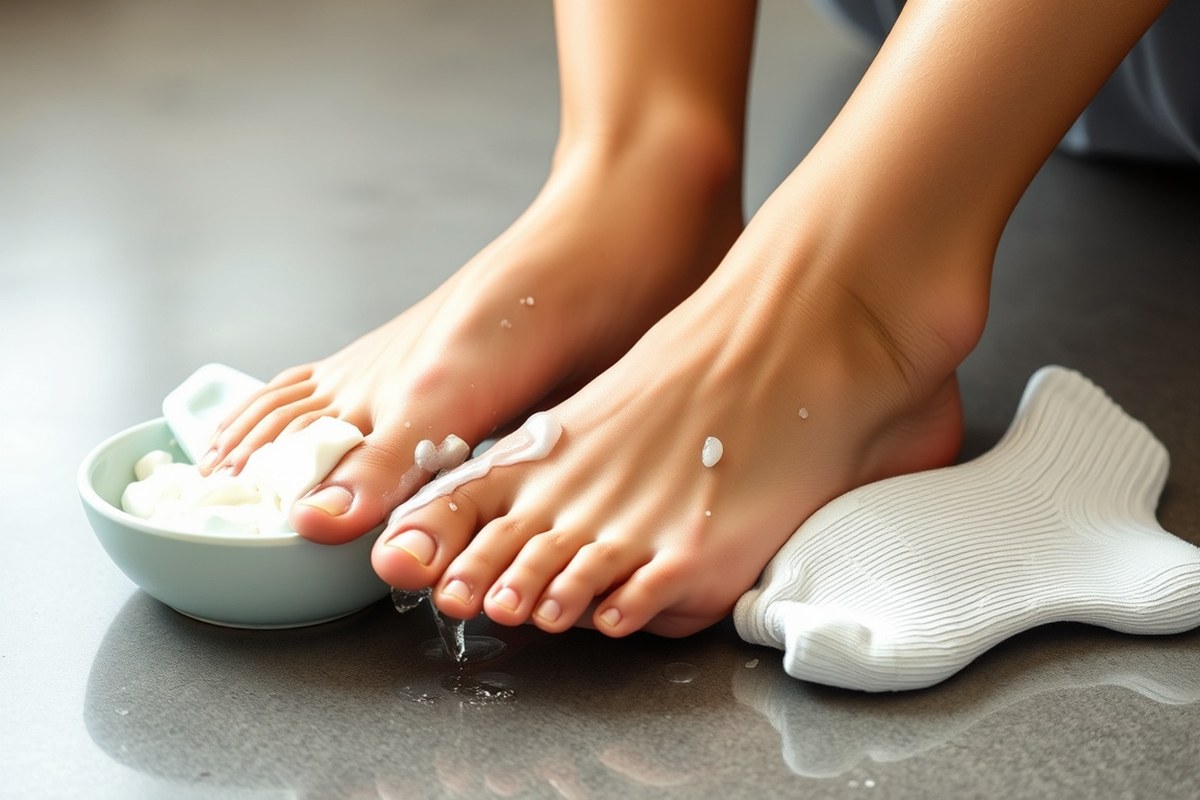
Consistent daily foot hygiene is the most practical way to prevent and reduce foot odor. By washing your feet correctly, drying them thoroughly, trimming nails, and exfoliating dead skin, you remove the sweat, bacteria, and debris that cause the odor. With regular care, you can expect to see noticeable improvements within a week. Incorporating these habits helps control moisture and bacteria buildup, which are the main triggers of foot odor. Follow these exact steps every day for the best results:
- Wash your feet with warm water and mild soap. Cleanse each foot carefully, focusing on the spaces between toes. Warm water helps open pores, allowing dirt and odor-causing bacteria to wash away. Use a soap that fights bacteria, but avoid harsh scrubs that can irritate skin. Spend at least 2 to 3 minutes washing to ensure thorough cleaning.
- Dry your feet completely. Moisture trapped between toes promotes bacteria growth. Use a clean towel to dry all surfaces, especially between toes. Consider using a hairdryer on a cool setting if your feet feel damp after towel drying.
- Trim your toenails regularly. Keep nails short and clean to reduce places for dirt and bacteria to accumulate. Cut straight across and avoid cutting too close to the skin to prevent infection or ingrown nails that can worsen odor.
- Exfoliate once or twice a week. Use a gentle foot scrub or a pumice stone to remove dead skin cells. Dead skin traps sweat and bacteria. Focus on heels, balls of the feet, and sides where buildup occurs. Avoid over-exfoliating to prevent skin damage.
- Wear clean, moisture-wicking socks daily. Change socks every day, or more frequently if your feet sweat heavily. Socks made of synthetic blends or wool manage moisture better than cotton, helping keep feet dry and less prone to odor.
- Alternate your footwear and choose insoles that fight odor. Don’t wear the same shoes two days in a row. Give your shoes time to air out and dry completely between uses. Insoles made to absorb moisture and block smells can help lower odor inside your shoes.
- Apply a foot deodorant or antiperspirant if needed. Some people benefit from using these specially formulated products on clean, dry feet to reduce sweating and odor, especially on days with heavy activity or warm weather.
Make sure your feet are fully dry before putting on socks and shoes; damp feet create the perfect environment for odor-causing bacteria.
3. Effective Foot Soaks: Ingredients, Frequency, and Safety Tips
Foot soaks with ingredients like vinegar, baking soda, tea tree oil, black tea, and Epsom salt are practical home remedies that help reduce foot odor by attacking odor-causing bacteria and fungi. These soaks create an environment that slows bacterial growth or directly eliminates the microorganisms. To get the best results, soak your feet for 15 to 30 minutes depending on the ingredients, frequency, and your skin sensitivity, then dry your feet thoroughly before applying any powders or lotions. Avoid overuse, especially with acidic or strong substances, to prevent skin irritation. Here’s a step-by-step guide to preparing and using effective foot soaks along with safety tips:
- Choose a soak ingredient based on your needs: Use 1/4 cup baking soda for neutralizing odors, 1/2 cup Epsom salt to reduce swelling and soothe soreness, 1/2 cup apple cider vinegar or white vinegar for antibacterial action, or 2-3 black tea bags brewed and cooled for a natural tannin soak.
- Prepare warm water: Fill a basin or tub with warm water, about 90 to 100 °F (32 to 38 °C). Too hot water can irritate or dry your skin.
- Add the chosen ingredient: Stir well to dissolve powders or distribute liquids evenly. For vinegar soaks, use a 1:2 water-to-vinegar ratio to reduce skin irritation risk.
- Soak your feet: Immerse your feet for 15 to 30 minutes, baking soda and black tea soaks can be daily for 1-2 weeks if needed, while vinegar soaks are better limited to a few times per week due to acidity.
- Dry feet completely: Pat your feet dry with a clean towel, especially between toes, to avoid trapping moisture that promotes bacteria growth.
- Apply additional treatments as desired: After drying, you can apply a foot powder or a tea tree oil spray. Use tea tree oil cautiously, only after dilution and not if redness, itching, or blisters occur.
- Repeat on a schedule: For active odor, foot soaks can be done daily for up to two weeks. Afterwards, reduce to 2-3 times a week to maintain odor control without irritating the skin.
- Observe skin reactions: Stop use and rinse feet immediately if you develop redness, burning, itching, or blisters. Consult a healthcare professional for persistent or worsening symptoms.
Tea tree oil adds antifungal and antibacterial benefits but should never be used undiluted on skin or in soaks. Dissolve 3-5 drops in the soak after mixing the other ingredients. Baking soda’s alkaline nature helps neutralize odor-causing acids but can dry skin if used too frequently. Alternate soaks with soothing options like Epsom salt to balance treatment and skin health. Black tea’s tannins can reduce sweating and bacterial growth, making it a gentle daily option during odor flare-ups.
Costs for these ingredients are generally low, with basic items like baking soda and tea bags costing a few dollars per supply that can last months. Vinegar is inexpensive but should be diluted to avoid burns or dryness. Using these remedies carefully and consistently offers a natural way to manage foot odor without relying on harsh chemicals or expensive products.
4. Using Powders Like Baking Soda and Cornstarch to Control Odor
Powders like baking soda and cornstarch help control foot odor by reducing moisture and absorbing sweat. This is important because damp environments encourage the growth of bacteria that cause odor. Applying these powders after washing and thoroughly drying your feet creates a drier surface that limits bacterial activity and can also provide a slight astringent effect, tightening the skin and reducing sweating.
To apply powders effectively, first wash your feet with soap and water, then dry them completely, focusing on spaces between the toes. Lightly dust your feet with baking soda, cornstarch, or arrowroot powder. You can sprinkle a small amount into your shoes as well to absorb moisture throughout the day. Using about half a teaspoon per foot and shoe usually suffices. Avoid using too much powder, which can cake and irritate the skin or clog shoe materials.
- Apply powder only to clean, dry feet to prevent trapping moisture
- Use a clean makeup brush or powder puff for even distribution without clumps
- Reapply daily or after activities that cause heavy sweating
- For sensitive skin, test on a small area first to check for irritation
- Rotate shoes daily to allow them to dry and reduce bacterial build-up
Repeated use of powders can sometimes cause dryness or mild irritation, especially if you have sensitive skin or cracks between toes. Signs of irritation include redness, itching, or peeling skin. To reduce this risk, avoid applying powder to broken skin and limit use to once a day. If dryness occurs, moisturizing with a gentle, fragrance-free lotion can help, but do not apply lotion immediately after powder to avoid trapping moisture. Also, powders containing added fragrances or antifungals may have a higher risk of irritation.
Powders generally cost a few dollars per container and are available at drugstores and supermarkets. Homemade mixtures combining cornstarch with a few drops of natural essential oils like tea tree or lavender can also provide antimicrobial benefits. Keep in mind that while powders help manage moisture and odor, they work best alongside other hygiene practices and proper footwear choices to achieve noticeable results.
5. Choosing the Right Socks and Shoes to Minimize Odor and Sweat
Wear moisture-wicking socks made of natural or technical fibers to reduce sweat and odor. Keep shoes dry, clean, and well-ventilated by rotating pairs, drying insoles thoroughly, and disinfecting when needed. Avoid synthetic socks and damp shoes to prevent the bacteria buildup that causes odor.
Best Sock Materials for Breathability
Socks that breathe well and wick moisture away from your feet help reduce sweat and limit odor-causing bacteria. Cotton socks are a reliable choice for everyday use because they absorb sweat and allow airflow. Wool socks, especially merino wool, also work well, they keep feet dry by moving moisture away and are naturally odor-resistant.
Athletic socks often mix synthetic fibers like polyester or nylon with natural materials. These combinations help draw sweat away from your skin and dry quickly. For persistent foot odor, pick socks labeled “moisture-wicking” or “breathable” to keep your feet dryer.
- Cotton or merino wool socks for daily wear
- Moisture-wicking blends (polyester with natural fibers) for athletic or heavy activity
- Socks with antimicrobial treatments to slow bacterial growth
- Replace socks daily or more often if your feet sweat heavily
- Avoid wearing socks twice before washing
- Choose socks that fit well without bunching or tight elastic
Avoid thick socks on hot days since they trap heat and sweat, making odor worse.
Avoiding Synthetic and Damp Footwear
Shoes made entirely of synthetic materials or that lack ventilation trap moisture around your feet and create the perfect environment for bacteria. Plastic boots and non-leather shoes that do not breathe well increase sweat buildup and worsen odor.
Choose shoes made with leather, canvas, or mesh uppers that allow air circulation. Open designs like sandals or shoes with perforations help keep feet dry by releasing moisture. Avoid wearing closed-toe shoes made from non-breathable materials for long periods, especially during hot weather or intense activity.
Wearing synthetic socks or plastic shoes daily can cause persistent foot odor even if you maintain good foot hygiene.
Keep your feet dry by changing out of damp shoes or socks as soon as possible. Use foot powders or antiperspirants designed for feet to reduce sweating before wearing closed shoes.
Proper Shoe Drying and Disinfecting Techniques
Dry shoes completely between wears to prevent moisture buildup. Remove insoles and let them air dry separately. Use a fan or place shoes in a well-ventilated area rather than sealing them in a dark closet. Avoid putting shoes in direct sunlight too often, as this can degrade materials.
Disinfect shoes and insoles to reduce bacteria. Spraying with a mixture of water and white vinegar or using commercial shoe disinfectants can help. Washing removable insoles in warm water and detergent every few weeks also reduces odors.
- Remove insoles and let air dry separately after each use
- Spray inside shoes with shoe disinfectant or diluted white vinegar weekly
- Wash removable insoles in warm, soapy water monthly
- Stuff shoes with dryer sheets or newspaper overnight to absorb moisture
- Avoid sealing shoes in plastic bags; breathe is essential
- Consider using activated charcoal or baking soda inserts to absorb odors
Replacing insoles every 3, 6 months can make a noticeable difference in reducing shoe odor and improving comfort.
Rotating Shoes for Odor Prevention
Wearing the same pair of shoes every day doesn’t give them enough time to dry out and leads to trapped sweat and bacterial growth. Rotate between at least two pairs of shoes, wearing one pair per day. This rotation gives at least 24 hours for shoes to air out fully before being worn again.
If you have more than two pairs, cycle through them for maximum drying time. The longer the drying period, the less likely odor will develop. This practice is especially important if you wear closed or non-breathable shoes.
- Own at least two pairs of shoes for daily rotation
- Leave shoes in a ventilated area to dry after wearing
- Remove insoles to dry separately during rotation
- Avoid wearing damp shoes or socks
- Check shoes for odor and consider additional cleaning if smell persists
6. When to Try Antiperspirants, Medical Treatments, and See a Doctor
You should consider using antiperspirants or prescription treatments for foot odor if home remedies and standard hygiene practices don’t improve the smell. Aluminum chloride, the active ingredient in many prescription antiperspirants, works by reducing sweat, which lowers the moisture bacteria need to thrive. Foot odor can also result from infections like athlete’s foot, which require specific antifungal treatment rather than just odor control products. Seeing a doctor is the best next step if you notice persistent or worsening odor along with signs of infection or if the odor suddenly changes in intensity or character.
Signs to Use Antiperspirants or Prescription Options
Antiperspirants can effectively reduce foot sweat, which is often a major cause of foot odor because bacteria multiply in moist environments. Over-the-counter antiperspirants containing aluminum-based compounds usually work for mild to moderate sweating. However, if you experience excessive sweating, known as hyperhidrosis, or if the odor doesn’t improve after consistent use of basic hygiene measures, stronger prescription options are available that contain higher concentrations of aluminum chloride. Consider antiperspirants or prescription treatments if you notice:
- Persistent foot odor despite regular washing and use of powders or sprays
- Excessive sweating that dampens shoes and socks quickly
- Discomfort or embarrassment due to foot odor in social or work settings
- Failure of home remedies after three to four weeks of consistent use
- Need for stronger formulations recommended by a healthcare professional
Prescription antiperspirants typically require applying the product to clean, dry feet once daily, preferably at night, for up to a week or two. You should follow the instructions carefully to avoid irritation. Continued use may be necessary for maintenance.
Understanding Aluminum Chloride Safety
Aluminum chloride works by temporarily blocking sweat glands, thus reducing the moisture that bacteria feed on to produce odor. Concentrations in prescription antiperspirants range from 10% to 20%, which is more potent than most store-bought products that usually contain around 15%. Applying aluminum chloride can cause skin irritation, redness, or itching in some people, especially when used on broken or damaged skin. To minimize side effects:
- Apply to completely dry, clean feet, preferably after a shower at night
- Use a small amount and avoid broken or irritated skin
- Wash off in the morning after application
- Stop use and consult a doctor if persistent irritation occurs
- Avoid use if you have diabetes or reduced foot sensation without medical advice
People with diabetes or circulation problems should consult their healthcare provider before starting aluminium chloride treatments, as foot skin sensitivity and healing capacity vary. Prescription options may require a doctor’s supervision and follow-up.
Identifying Fungal or Bacterial Infections
Foot odor can sometimes signal an underlying infection, most commonly athlete’s foot, a fungal infection that also causes itching, redness, flaking, or white patches on the feet. This type of infection creates a distinctive foot smell because the fungus and bacteria produce waste that worsens odor. Signs your foot odor might be caused by an infection include:
- Itching, burning, or stinging sensations
- Peeling, cracking, or excessively dry skin
- White or lighter patches on the soles or between toes
- Small pits or indentations in the skin surface
- Foul or particularly strong odor that does not improve
Treating these infections usually requires antifungal creams, sprays, or powders. Apple cider vinegar foot soaks can sometimes help combat fungal infections at home, but persistent or spreading infections need medical treatment.
Deciding When to Consult a Healthcare Professional
Seek professional advice if you have tried hygiene and home treatments consistently for three to four weeks without improvement. Consult your healthcare provider sooner if you notice sudden or significant changes in foot odor or experience additional symptoms like pain, swelling, or skin breakdown. You should see a doctor if:
- Foot odor is accompanied by visible infection signs, such as redness, swelling, or open sores
- You have underlying health conditions like diabetes that affect foot health
- The odor returns quickly after treating or greatly worsens suddenly
- You experience excessive sweating unresponsive to over-the-counter antiperspirants
- You have concerns about skin sensitivity, irritation, or possible allergic reactions
Medical professionals can prescribe stronger antiperspirants, antifungal medications, or other treatments tailored to your condition. A podiatrist visit may also help develop a complete plan that includes lifestyle adjustments and medical interventions when necessary.
7. Combining Remedies: A Step-by-Step Weekly Plan for Best Results
Combining different methods to address foot odor helps tackle the problem from multiple angles, making your treatment more effective. Establishing a weekly plan lets you see which remedies improve your condition and when to consider other options. Many people start noticing significant improvement within two to three weeks, but continuing care keeps odor at bay.
The process involves daily hygiene, regular soaks, use of powders or sprays, proper footwear management, and escalating treatments if necessary. Tracking your progress allows you to tell if a remedy works: look for less odor, dryer skin, and no irritation. Stop or adjust treatments if you develop rash, discomfort, or no improvement after two weeks. Persistent symptoms can mean a medical condition requiring professional care.
- Clean your feet daily: Wash feet with warm water and a gentle soap each morning and evening. Dry thoroughly, especially between toes, to reduce bacteria that cause odor.
- Soak your feet 2-3 times per week: Use an effective soak such as a mixture of warm water with ½ cup of vinegar or Epsom salts for 15-20 minutes. This limits bacteria and soothes skin. Avoid daily soaks to prevent dryness or irritation.
- Apply foot powders or deodorant sprays daily: After feet are fully dry, apply powders like baking soda or corn starch or a specialized deodorant foot spray. These absorb moisture and neutralize odor.
- Switch your shoes regularly and let them air out: Avoid wearing the same pair two days consecutively. Allow your shoes to dry fully in a ventilated spot for at least 24 hours before wearing again to reduce bacterial growth.
- Wear moisture-wicking socks every day: Choose socks made of wool blends or synthetic fibers to control sweat better than cotton. Change socks at least once daily or more often if feet sweat heavily.
- Monitor your foot condition weekly: Check for signs of reduced odor or dryness. If your feet remain odorous, itchy, or develop rash or cracks after 2 weeks, reduce soak frequency and consult a healthcare provider.
- Consider antiperspirants or medical treatments: If odor persists beyond 3 weeks despite consistent care, try over-the-counter antiperspirants designed for feet or discuss prescription options with a doctor. Use these products according to label instructions to avoid skin irritation.
8. Tailoring Foot Odor Solutions Based on Climate and Activity Levels
Managing foot odor depends heavily on both the climate you live in and your activity level. Hot, humid environments increase sweat and bacteria growth, which drive stronger odors, while cold, dry climates require different strategies to keep feet healthy and fresh. Adjusting your routine to match these conditions helps control odor more effectively.
Humidity and Heat Considerations
Foot sweat is more problematic in hot, humid areas since moisture encourages bacteria that cause odors. Wearing breathable footwear made from natural materials such as leather or mesh helps limit sweat accumulation. Change your socks once each day or twice if very active to keep feet dry. Synthetic moisture-wicking socks can pull sweat away from the skin. Applying antiperspirant to feet at night and in the morning can significantly reduce sweat production.
Ventilating your shoes by letting them air out for 24 to 48 hours between wearings is essential. You can also rotate multiple pairs of shoes to avoid wearing damp pairs. Foot powders with antibacterial properties, such as those containing baking soda or cornstarch, help absorb moisture and neutralize odor during humid months.
Cold and Dry Climate Adjustments
Cold, dry weather reduces sweating but can cause dry, cracked skin that traps odor-causing bacteria. Hydrating your feet with a moisturizing lotion or foot cream after washing prevents dryness and irritation. Wearing socks made of wool or insulated synthetic blends preserves warmth without encouraging moisture buildup. Avoid overly tight footwear, which restricts airflow and can increase sweating even in colder temperatures.
Because you sweat less in cold climates, frequent shoe changes and antiperspirants may not be necessary. Focus instead on daily foot hygiene and moisturizing. When feet become excessively dry, exfoliate gently once a week to remove dead skin where odor bacteria can lodge.
Activity Level and Sweat Management
Higher activity levels increase sweat production no matter the climate, making foot odor harder to control. For active people, changing into dry socks immediately after exercise prevents moisture from lingering on the skin. Use breathable athletic footwear designed to dry quickly and vent heat. Washing feet thoroughly post-activity with antimicrobial soap reduces bacteria, which cause odor when sweat interacts with them.
Deodorizing foot sprays or powders after exercise also help. Low-activity individuals may only need daily washing and sock changes to keep odor in check. Paying attention to diet can contribute to odor management; cutting back on spicy foods for a week or two may reduce sweat intensity and smell.
Indoor Barefoot Pros and Cons
Going barefoot indoors can help air out your feet and reduce sweat accumulation, which supports odor prevention. Being barefoot allows feet to dry faster and avoids trapping moisture inside socks and shoes. However, walking barefoot in stagnant, humid indoor environments or on carpeted floors can let bacteria linger and grow, worsening odor over time.
For those prone to foot odor, wearing clean, breathable slippers indoors can protect feet while still allowing airflow. Regularly washing these slippers is necessary to prevent odor buildup. Balance barefoot time with good foot hygiene and dry conditions to avoid worsening odor issues.
Letting shoes dry completely before wearing again prevents bacteria and fungi from thriving, a key step for controlling foot odor in any climate.
Step-by-Step Action Plan to Get Rid of Foot Odor
Follow this plan to tackle foot odor effectively by improving hygiene, using treatments, and adjusting habits over time. Track your progress to know what works for you.
- Day 1: Start with daily foot hygiene by washing your feet thoroughly with soap and water, drying completely between toes. Notice less dampness and discomfort by the end of the day.
- Day 2: Try a foot soak using warm water mixed with a tablespoon of baking soda or vinegar for 15 minutes. Your feet should feel fresher and less sweaty afterward.
- Day 3: Apply baking soda or cornstarch powder to dry feet before putting on socks to absorb moisture. Socks should feel dry and less sticky throughout the day.
- Week 1: Wear socks made of moisture-wicking materials like cotton or wool and rotate shoes daily to allow drying. Shoes should start to smell less and feel less clammy.
- Week 2: Introduce a clinical-strength antiperspirant on clean, dry feet at night if odor persists. You’ll notice reduced sweating and odor by the following morning.
- After 2 weeks: Adjust your routine based on climate and activities, use lighter socks in hot weather and change shoes after exercise. Track changes in odor during different conditions.
- After 3 weeks: If odor continues despite these efforts, consult a healthcare provider to explore medical treatments. Improvement or referral will confirm effective care.
Frequently Asked Questions
How Can I Get Rid of Foot Odor Quickly at Home?
You can quickly reduce foot odor by thoroughly washing your feet with antibacterial soap and drying them well. Using odor-fighting powders or insoles also offers fast relief between thorough cleanings.
Can Diet Affect Foot Odor?
Yes, certain foods like onions, garlic, and spicy dishes can increase body odor, including foot odor. Drinking plenty of water helps flush out toxins and may reduce the smell.
Will Changing My Laundry Detergent Help Foot Odor in Socks?
Changing to a detergent that removes bacteria and sweat better can reduce odor-causing residues in socks. Avoid fabric softeners that trap smells; opt for antibacterial detergents instead.
Are There Any Safe Essential Oils for Foot Odor Treatment?
Tea tree and lavender oils have antibacterial properties and can help reduce foot odor. Dilute essential oils before applying to avoid skin irritation.
Is Foot Odor Contagious?
Foot odor itself isn’t contagious, but infections like athlete’s foot causing odor can spread through direct contact or shared surfaces. Practice good hygiene to prevent transmission.
How Often Should I Replace Shoes to Prevent Foot Odor?
Replacing shoes every 6 to 12 months helps prevent odor buildup from bacteria and sweat. Allow shoes to dry and air out between wears to extend their lifespan.
Key Points to Remember
Managing foot odor takes consistent care and thoughtful choices tailored to your lifestyle and environment. Start by inspecting your current footwear and socks to ensure they allow your feet to breathe and stay dry throughout the day. Taking this simple step today can significantly reduce sweat buildup, setting you on the right path toward fresher, more comfortable feet.