

How to Get Rid of Hard Water Stains: 8 Effective Cleaning and Prevention Tips
To get rid of hard water stains, use common household items like white vinegar and baking soda for effective cleaning. These ingredients break down mineral deposits on surfaces like sinks and showerheads. Hydrogen peroxide and even toothpaste also target stains safely when used correctly. Regular removal stops buildup and protects plumbing from damage.
This advice suits homeowners and renters dealing with stains in kitchens, bathrooms, or on appliances. You’ll find step-by-step instructions for different surfaces, tips on prevention, comparisons of home remedies versus commercial products, and guidance on when to call a professional to handle stubborn stains safely.
Key Takeaways
- Apply white vinegar or a vinegar-baking soda mixture to hard water stains and let sit for 15 to 30 minutes before scrubbing.
- Use hydrogen peroxide to remove both hard water stains and soap scum by spraying and letting it sit for 15 to 30 minutes.
- Toothpaste can be spread on stains and left for about 30 minutes before scrubbing to help break down hard water deposits.
- Prevent hard water stains by regularly drying surfaces and considering a water softener system if stains persist frequently.
- Choose commercial calcium, lime, and rust removers for tough stains or delicate historic surfaces that don’t respond to home remedies.
- Avoid DIY cleaners on porous or sensitive materials, and hire a professional when stains damage glass, tile, or fixtures.
What Are Hard Water Stains and How Do They Form?
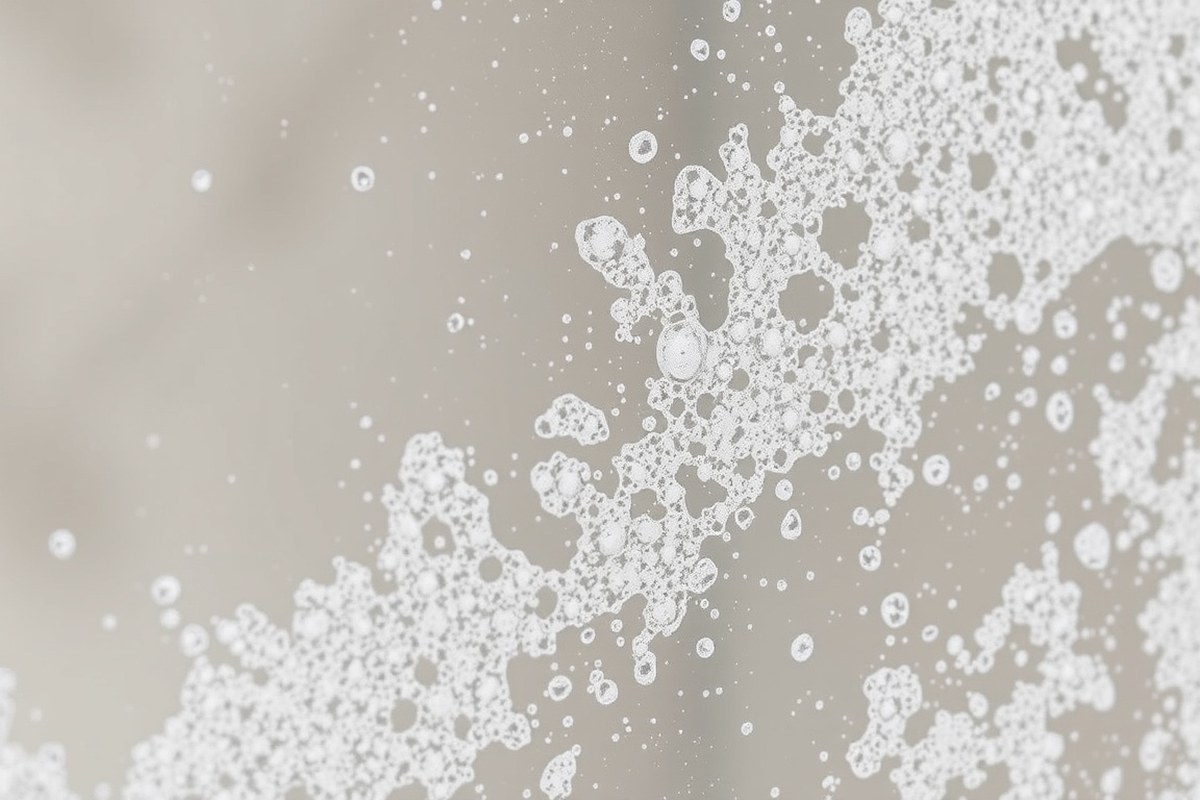
Hard water stains form when water containing high levels of minerals like calcium, magnesium, and iron evaporates, leaving behind mineral deposits on surfaces. These minerals do not dissolve easily in water and become visible as white, chalky, or sometimes rusty spots. This buildup is commonly found around faucets, showerheads, sinks, and inside toilets, where water frequently dries on the surface. Over time, repeated mineral deposits harden into stains that simple soap and water cannot remove.
The chemical nature of hard water stains is alkaline due to calcium and magnesium carbonates. When water droplets evaporate, these carbonate minerals settle and bond tightly to the surface material. This is why acidic cleaners like white vinegar effectively dissolve these stains by chemically reacting with the alkaline mineral deposits, breaking them down into forms that rinse off easily. Without treatment, mineral buildup can cause clogs in plumbing fixtures or damage finishes on metal and porcelain surfaces, eventually leading to costly repairs.
Regional water hardness levels directly influence how quickly and severely these stains develop. Water hardness depends on the concentration of dissolved minerals, usually measured in milligrams per liter (mg/L) or grains per gallon. For example, water with more than 7 grains per gallon (approximately 120 mg/L) is considered hard. Homes in regions with hard water will notice stains forming faster and may require more frequent cleaning. A water softening system can physically remove hard minerals before the water reaches taps, replacing them with sodium ions that don’t cause staining, reducing the rate of buildup.
Preventing hard water stains starts with understanding your area’s water quality and responding accordingly with regular maintenance. Cleaning mineral deposits should happen weekly or biweekly in hard water areas to stop noticeable stains. Waiting too long risks the mineral scaling becoming thicker and tougher to remove, increasing cleaning time and the need for stronger cleaners or professional intervention. Properly identifying the mineral composition of your water through local water authority reports or home testing kits helps you assess the risk and choose the best prevention and removal methods for your surfaces.
How White Vinegar and Baking Soda Effectively Remove Stains
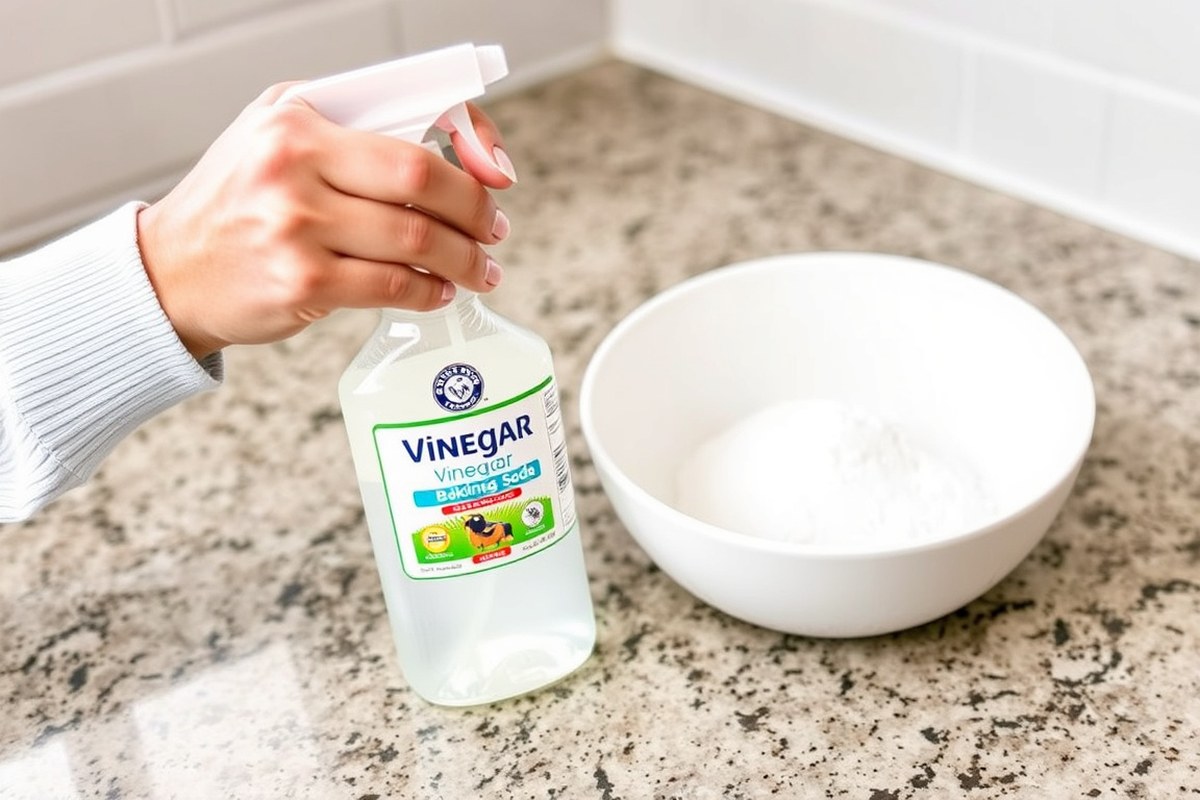
White vinegar and baking soda are among the most effective household products for removing hard water stains because of how they interact chemically with mineral deposits. White distilled vinegar has a high acidity, typically a pH between 1 and 2, which allows it to dissolve the calcium carbonate and other minerals that make up hard water stains. When you apply vinegar directly to a stained surface, it breaks down the mineral build-up over a period of about 10 to 15 minutes. For light to moderate stains, soaking a cloth or paper towel in vinegar and pressing it against the stain can speed up the process.
Baking soda plays a dual role in cleaning hard water stains. As a mildly abrasive agent, it physically scrubs away deposits when formed into a paste. Chemically, baking soda (sodium bicarbonate) reacts with the acetic acid in vinegar in a fizzing, bubbling reaction that helps lift and loosen stubborn mineral layers. This reaction produces carbon dioxide gas and water, which aid in breaking up deposits while remaining safe for most household surfaces. To harness this, sprinkle baking soda onto the stain, then spray or pour enough vinegar to create a foaming paste.
The application process is straightforward but requires some timing for best results. After combining vinegar and baking soda on a stain, let the mixture sit for 10 to 15 minutes. For more persistent stains, extend the waiting period up to 30 minutes but avoid leaving it on delicate materials longer, as the acid could cause damage or discoloration. Once the time has passed, gently scrub the area with a soft brush or sponge. Rinse thoroughly with water to remove any residue, which prevents new mineral deposits.
For different surfaces, adjustments help protect your fixtures while maximizing cleaning. On glass shower doors or chrome faucets, vinegar alone often works well without baking soda since the abrasive nature of baking soda paste might scratch those surfaces. On porcelain sinks or tough toilet stains, the vinegar-baking soda paste technique is especially useful. Using plain vinegar to soak small metal shower heads or faucet aerators for an hour can dissolve mineral concentrates inside, restoring water flow.
Always avoid mixing vinegar and baking soda in a closed container, as the gas produced can build up pressure and cause spills or damage.
Safe Usage of Hydrogen Peroxide and Toothpaste on Stains
Hydrogen peroxide and toothpaste can both help remove hard water stains effectively, but each works best on specific surfaces and requires caution. Hydrogen peroxide is a mild acid suitable for tougher mineral deposits on non-delicate surfaces, while toothpaste offers gentle abrasion for sensitive fixtures. Avoid using acidic or abrasive cleaners on porous or easily damaged materials.
Using Hydrogen Peroxide for Mineral Deposits
Hydrogen peroxide’s mildly acidic properties allow it to break down and dissolve mineral deposits from hard water stains. It works well on surfaces like toilet bowls, bathtubs, and metal fixtures where the stains are often tough and built-up. This makes hydrogen peroxide a solid choice when you want something stronger than vinegar but gentler than harsh commercial products. To apply hydrogen peroxide safely and effectively, follow these steps on clean, non-porous surfaces such as porcelain and stainless steel:
- Wear gloves to protect your skin and ventilate the area adequately.
- Pour or spray 3% hydrogen peroxide directly onto the stained area.
- Allow it to sit for 5 to 10 minutes to penetrate the mineral deposits.
- Use a soft scrubbing brush or sponge to gently scrub the stain, focusing on stained spots.
- Rinse the surface thoroughly with clean water to remove all residue.
- Dry with a soft cloth to prevent any new water spots from forming.
Using hydrogen peroxide costs roughly $5 to $10 per bottle (typically 16 ounces), making it an affordable option. Avoid leaving it on too long on sensitive finishes, as it may cause slight discoloration or fading.
Applying Toothpaste to Delicate Fixtures
Toothpaste, especially whitening types with mild abrasives, can remove hard water stains gently without damaging delicate surfaces such as chrome faucets, glass shower doors, or porcelain sinks. Its mild abrasive action scrubs away stubborn mineral buildup without harsh chemicals. Follow these steps to safely use toothpaste on sensitive areas:
- Choose a non-gel, white toothpaste without added dyes or strong whitening agents.
- Apply a small amount of toothpaste directly on a damp cloth or soft toothbrush.
- Gently rub the stained area in circular motions for 2 to 3 minutes, avoiding excessive pressure.
- Let it sit for a couple of minutes if stains are more stubborn.
- Rinse with warm water thoroughly to remove all toothpaste residue.
- Dry the surface with a clean towel to minimize water spotting.
This method usually costs just a few cents per use if you already have toothpaste at home. It works best on fresh or light stains, as older stains may require multiple applications or stronger cleaners.
Surfaces to Avoid with Acidic or Abrasive Cleaners
Acidic and abrasive cleaners like hydrogen peroxide or toothpaste can damage certain surfaces. Avoid using them on natural stone such as granite, marble, or limestone. The acid can etch and dull these porous materials, and abrasives may scratch the finish.
Wood surfaces and painted finishes can also suffer damage from acidic or abrasive agents, leading to discoloration, peeling, or weakening of protective coatings. Instead, use cleaners specifically designed for these materials.
Stick to mild soap and water or consult a professional for delicate or valuable fixtures. Test any cleaner on a small, hidden area first to check for adverse reactions before applying it widely.
Step-by-Step Hard Water Stain Removal for Common Surfaces
Removing hard water stains requires a surface-specific approach that balances effectiveness with care to avoid damage. The right tools and cleaning agents depend on the surface material and stain severity. Follow exact preparation, treatment, scrubbing, rinsing, and drying steps for the best results without scratches or residue.
Cleaning Glass Shower Doors Without Scratches
Glass shower doors often collect cloudy hard water stains that dull their appearance. Use soft materials and acidic cleaners like white vinegar for stain removal. Avoid abrasive scrubbers that can scratch and worsen damage. Follow these steps to clean your glass shower doors safely and effectively:
- Close the bathroom door or window to minimize draft so the cleaning solution can work without drying too quickly.
- Spray undiluted white vinegar evenly over the glass door surface, focusing on the stained areas.
- Allow the vinegar to sit for 10 to 15 minutes to break down mineral deposits.
- Use a soft microfiber cloth or a non-scratch sponge to gently scrub the stains in circular motions.
- Rinse the glass thoroughly with warm water to remove all vinegar and loosened deposits.
- Dry the glass with a clean, dry microfiber or waffle weave cloth to prevent new water spots.
- Repeat once more for stubborn stains but avoid excessive scrubbing to protect the glass.
This process costs very little and mainly requires vinegar and a microfiber cloth, both affordable and easily found. Avoid using Magic Erasers excessively as they contain mildly abrasive materials; occasional use is fine on tough spots without scratching.
Removing Stains from Toilets and Sinks
Hard water stains inside toilets and sinks appear as chalky white or brown rings. These surfaces are durable but benefit from acidic treatments and specific scrubbing tools. Use tools that prevent surface scratching such as nylon scrub brushes or pumice stones made for toilet cleaning. Here’s a step-by-step method for toilets and sinks:
- Apply white vinegar or a commercial limescale remover directly onto stained areas.
- Let the solution sit for 15 to 20 minutes to dissolve minerals.
- Scrub stains using a soft nylon brush for sinks or a pumice stone specifically designed for toilets to avoid scratching porcelain.
- Flush or rinse the surface with clean water to wash away loosened deposits.
- Dry the area with a clean cloth or paper towel, especially around faucets and rim edges.
Regular maintenance by wiping after use can reduce buildup and extend the time between deep cleanings. Different toilet materials may react differently; always test your cleaner in an inconspicuous spot first.
Restoring Faucets and Showerheads Gently
Faucets and showerheads often show persistent hard water stains and mineral buildup. Their metal or chrome finishes require delicate handling to avoid damage while removing deposits. Avoid abrasive pads, opting for soft cloths or gentle brushes instead. Use this checklist to clean faucets and showerheads without impairing their finish:
- Dampen a cloth with white vinegar, then fasten it around the showerhead or faucet using a rubber band or some plastic wrap.
- Leave the cloth in place for 30 minutes to allow the vinegar to dissolve mineral buildup.
- Remove the cloth and use a soft toothbrush or a non-scratch sponge to gently scrub the loosened deposits.
- Rinse thoroughly with warm water to remove all residue.
- Wipe dry immediately with a microfiber cloth to prevent new spots from forming.
- Repeat biweekly if mineral deposits reappear quickly.
This method costs under $5 for vinegar and uses common household supplies. Avoid harsh chemical cleaners that can strip finishes or clog plumbing components.
Comparing Home Remedies and Commercial Products for Hard Water Stains
Choosing between home remedies and commercial products for hard water stains depends on your surface type, budget, time, and safety preferences. Home remedies like vinegar and baking soda cost less and are gentler on surfaces but may require more time and effort. Commercial options such as Calcium, Lime, & Rust Remover often deliver faster and stronger results, especially on stubborn stains, but they come at a higher price and need careful handling because of toxicity risks.
| Method | Effectiveness | Surface Compatibility | Cost (Approx.) | Time Required | Safety Considerations |
|---|---|---|---|---|---|
| White Vinegar & Baking Soda | Moderate for light to moderate stains | Safe on most kitchen and bathroom fixtures | Low ($5 or less) | 15, 30 minutes per treatment | Generally safe; avoid on natural stone |
| Toothpaste & Hydrogen Peroxide | Moderate, good for spot cleaning | Safe on ceramic and porcelain | Low (under $5) | About 30 minutes soak time | Non-toxic, but test first to avoid surface damage |
| Calcium, Lime & Rust Remover | High; effective on tough and old stains | Compatible with most hard surfaces, but check label | Medium ($10, 15 per bottle) | 5, 10 minutes per application | Use gloves and ventilate well; toxic fumes possible |
| BioClean Hard Water Stain Remover | Moderate to high; good for maintenance | Safe for regular use on most surfaces | Medium ($10, 15) | Requires 2, 3 treatments per year | Non-toxic; safe for home use |
| Coca-Cola | Low to moderate; sugar can limit effectiveness | Limited; best on metal fixtures | Low ($1 per can) | 30 minutes or more | Sticky residue left behind, rinse thoroughly |
Commercial products often reduce cleaning time to under 10 minutes per treatment, offering a noticeable advantage over home remedies that need 15 to 30 minutes or multiple applications. For instance, Calcium, Lime, & Rust Remover breaks down mineral deposits faster but requires wearing gloves and ensuring good ventilation to avoid toxic fumes. On the other hand, vinegar and baking soda cost little and pose minimal risks but may not remove very old or heavy stains as effectively.
Always test any cleaner on a small, hidden area before full use to prevent surface damage or discoloration.
Choosing the right method means balancing effectiveness, safety, and the type of surface you’re treating. For softer materials like natural stone, home remedies are safer. For tougher buildup on metals or porcelain, commercial acidic cleaners provide quicker relief but demand careful use. Regular maintenance with non-toxic products such as BioClean can keep stains manageable and reduce the need for harsh treatments.
How to Prevent Hard Water Stains from Coming Back
Preventing hard water stains is possible by adopting a few practical habits that limit mineral buildup on your kitchen and bathroom surfaces. Drying surfaces immediately after they get wet stops minerals in hard water from evaporating and leaving stains. Use a soft cloth or squeegee to remove water from sinks, faucets, shower doors, and tiles. This simple step only takes a minute but makes a big difference over time.
Water softening can reduce the mineral content in your water supply, which helps prevent stains altogether. Installing a whole-house water softener installed at the main water line can remove calcium and magnesium ions from all the water entering your home. These systems typically cost between $400 and $2,500 depending on capacity and installation complexity. A salt-based ion exchange softener is common and usually requires adding salt every 6 to 8 weeks. This upfront investment saves cleaning time and extends the lifespan of appliances by reducing scale buildup.
Regular cleaning keeps any mineral residue from hardening into tough stains. Use mild vinegar or commercial cleaners made to remove mineral deposits once a week or at least bi-weekly in high-use areas. Avoid harsh scrubbing which could damage surface finishes. Consistency is key, leaving small amounts of buildup untreated will grow into more visible stains.
- Wipe down wet surfaces with a microfiber cloth after use
- Use a handheld squeegee to remove water from shower doors
- Install a salt-based water softener for whole-home treatment
- Add a point-of-use water filter in the kitchen for drinking water spots
- Clean sinks and faucets weekly with diluted white vinegar
- Apply a protective wax or sealant on stone or glass surfaces to reduce mineral adhesion
- Inspect and replace water softener salt every 1 to 2 months
Drying and softening complement each other because drying tackles stains at the source by preventing deposits, while softening changes the water chemistry to reduce minerals. Softening alone can be less effective on fixtures already covered with scale, which is why regular cleaning and immediate drying remain important. For renters or those on a budget, sticking to drying and weekly vinegar cleaning provides a cost-effective way to keep hard water stains from recurring.
Effective prevention results in shiny faucets, clear shower glass, and spotless sinks that stay that way longer after each cleaning. Ignoring these steps lets mineral deposits build into white, crusty stains that require more intensive scrubbing, risking damage to finishes and requiring stronger cleaners. Consistent upkeep is the best way to maintain your home’s cleanliness with less effort and expense.
When to Avoid DIY Methods and Call a Professional
Hard water stains can often be removed with household products and some patience. However, persistent or thick scale buildup may not respond well to repeated DIY cleaning. A chalky white crust that doesn’t come off with multiple treatments of vinegar or baking soda, or stains hardened into a thick deposit, indicate professional help might be necessary.
Leaving hard water stains untreated can cause permanent damage to surfaces and plumbing. Minerals in hard water gradually wear down fixtures, causing corrosion or surface pitting. Faucets with stubborn white crusts may weaken over time, leading to leaks and costly repairs. When cleaning efforts fail after several rounds, such as applying remedies two or three times over a week and the mineral deposits remain hard and widespread, contacting a plumbing or cleaning professional is advisable. Professionals have access to stronger acid-based treatments and tools like high-pressure washing or ultrasonic cleaners that remove buildup without harming surfaces.
Avoid abrasive scrubbing pads or harsh chemicals beyond recommended household remedies. These can scratch glass, dull metal finishes, or erode grout. Scratching a shower door or sink while removing stains creates spots where minerals collect more easily, worsening the problem. Also, do not mix acidic cleaners like vinegar with bleach or ammonia, which produces toxic fumes. Always follow label instructions carefully and wear gloves.
Hard water stains become increasingly difficult to remove after months or years. Mineral deposits harden into scale that bonds tightly to surfaces. After three or more unsuccessful cleaning attempts using common home remedies spaced a few days apart, the buildup is likely too advanced. At this stage, professional cleaning typically costs between $100 and $300 depending on the surface area and method needed. Professionals ensure your plumbing or fixtures aren’t damaged during cleaning and can advise if replacement is necessary.
Identify signs of persistent buildup by checking areas prone to stains: faucet bases, showerheads, sinks, and toilet bowls. When a cloudy film, rough texture, or visible deposits remain after cleaning, consider scheduling a service. Early attention helps prevent permanent damage, reduces replacement costs, and maintains the look and function of your home’s fixtures.
Troubleshooting Stubborn Stains and Safety Precautions
Stubborn hard water stains sometimes resist initial cleaning attempts. Avoid mixing cleaners without guidance, as that can cause harmful reactions or damage surfaces. Recognizing the stain type helps choose the right approach, and cleaning all related fixtures regularly reduces stain return and buildup.
Safe Mixing of Household Cleaners
Mixing vinegar with other cleaners is generally unsafe unless the product label specifically says it’s okay. Vinegar is acidic and reacts badly with bleach, ammonia, or products containing those ingredients, potentially releasing toxic gases. Stick to one cleaner at a time and rinse surfaces thoroughly between different treatments to prevent chemical reactions and surface damage. For hard water stains, vinegar alone or with baking soda is most effective and safe.
Always read product instructions carefully and never combine commercial cleaners unless permitted. Using gloves, proper ventilation, and eye protection also helps prevent accidents while working with chemicals.
Never mix vinegar with bleach or ammonia to avoid harmful fumes.
Identifying Hard Water Scale Versus Rust or Soap Scum
Hard water scale appears as white or slightly off-white crusts or spots, often chalky and rough to the touch. Rust stains are reddish-brown, while soap scum tends to form a filmy layer that can be softer and slippery. A simple test is to apply a small amount of vinegar to the stain: scale will fizz or dissolve slightly after 10 to 15 minutes, rust will not react, and soap scum may soften but not fizz.
Knowing the stain type matters because some rust removers or calcium dissolvers work better on certain materials and stains. For example, acidic solutions like vinegar target calcium and lime scale but won’t remove rust effectively, which may need a rust-specific cleaner. Soap scum usually requires alkaline cleaners or scrubbing combined with detergents.
Effective Cleaning Frequency Strategies
Spot-cleaning only the most visible hard water stains rarely prevents new buildup because minerals deposit across all fixtures exposed to hard water. You should clean all affected surfaces periodically to stop buildup from becoming thick and harder to remove. For kitchens and bathrooms, a good rule is to wipe fixtures weekly and do a deeper cleaning with vinegar or a scale remover every 1 to 2 months.
Areas with heavy water use or visible scale might need more frequent attention. Using soft cloths or nonabrasive sponges protects surfaces during cleaning. Avoid steel wool or harsh scrubbing, as they can scratch materials and worsen stain visibility.
- Weekly wiping of faucets, showerheads, and sinks
- Monthly vinegar soak or vinegar spray with 15-minute dwell time
- Quarterly use of commercial calcium-lime-rust remover for persistent stains
- Rinse thoroughly after every treatment to remove residues
- Avoid abrasive tools; use soft scrub brushes or cloths
- Dry surfaces with a soft cloth to minimize water spots
- Keep bathroom fans or windows open to reduce humidity and speed drying
Seasonal and Temperature Effects on Stains
Hard water stains can develop faster in warmer months because heat accelerates mineral precipitation as water evaporates. During colder months, slower evaporation may reduce visible staining but not the underlying buildup. Temperature also affects cleaning effectiveness; warm vinegar solutions (around 100°F) improve calcium scale dissolving power.
Using warm water mixed with vinegar when removing stains can shorten cleaning time. In cold weather, allow vinegar to sit longer on the surface, up to 30 minutes, to compensate for slower chemical action. Dry surfaces quickly after cleaning, regardless of season, to prevent minerals from redepositing as water evaporates.
Step-by-Step Action Plan for Removing and Preventing Hard Water Stains
Follow these clear steps to remove hard water stains from your kitchen, bathroom, and household items effectively, while setting up habits to keep them from coming back.
- Before you start: Gather white vinegar, baking soda, hydrogen peroxide, and toothpaste for testing. Choose a small, inconspicuous area on the stained surface and apply your chosen cleaner. If there is no damage or discoloration after 5 minutes, it’s safe to proceed.
- Day 1: Apply white vinegar to hard water stains on glass, tile, or chrome using a spray bottle or cloth. Let it sit for 10 to 15 minutes, then scrub gently with a soft brush or sponge. Rinse with water, successful removal shows reduced cloudiness or residue.
- Day 2: For tougher stains, sprinkle baking soda over the vinegar-treated surface to create a fizzing reaction. Scrub with a damp brush, then rinse thoroughly. Effective cleaning results in stains fading significantly or disappearing.
- Day 3: Use hydrogen peroxide or toothpaste on stubborn stains on porcelain or plastic surfaces. Apply a small amount, let it sit for 5 minutes, then scrub and rinse. An unchanged or improved appearance means the stain is lifting.
- After cleaning: Dry all surfaces completely with a microfiber cloth to prevent new stains from forming. Check daily for water spots and wipe them off promptly to maintain cleanliness.
- Week 1: Install a water softener or use water conditioning products if hard water is recurring. Monitor your faucets and appliances weekly for signs of new mineral deposits.
- Ongoing: Avoid abrasive cleaners or harsh chemicals that can damage surfaces. Call a professional if stains remain after repeated treatments or if sensitive materials like natural stone are involved.
- Monthly: Repeat vinegar or baking soda treatments on prone areas to keep stains at bay before they build up. Keeping a regular schedule ensures easier maintenance and clearer surfaces.
Frequently Asked Questions
Can Toothpaste Effectively Remove Hard Water Stains?
Yes, toothpaste with fluoride can clean hard water stains. Apply it, rub gently, then rinse for a simple, everyday solution.
How Does Hydrogen Peroxide Help with Hard Water Stains?
Hydrogen peroxide removes hard water stains and soap scum. Apply it and let it sit for 15 minutes before wiping clean for better results.
What’s the Best Way to Clean Hard Water Stains on Shower Heads?
Soaking shower heads in vinegar dissolves mineral buildup. Detach if possible and soak for easier removal.
Can Baking Soda and Vinegar Clean Hard Water Stains from Sinks?
Yes, their reaction lifts stains and residue safely. Apply baking soda first, then spray vinegar for effective cleaning.
Is Vinegar Safe to Use on All Kitchen and Bathroom Surfaces?
Vinegar works well but avoid it on natural stone like marble. Test small areas first to protect your surfaces.
How Can I Prevent Hard Water Stains from Returning Quickly?
Wipe surfaces dry after use to stop mineral deposits from forming. This reduces buildup without extra chemicals.
The Bottom Line
Removing hard water stains requires using the right method based on the surface and severity of the stains. Start by trying a vinegar soak on a small area of your kitchen sink or bathroom tiles to see how well it dissolves the build-up. Keep safety in mind, and if stubborn stains remain or your fixtures are delicate, consider contacting a professional for advice or service to avoid damage.


2 Comments