
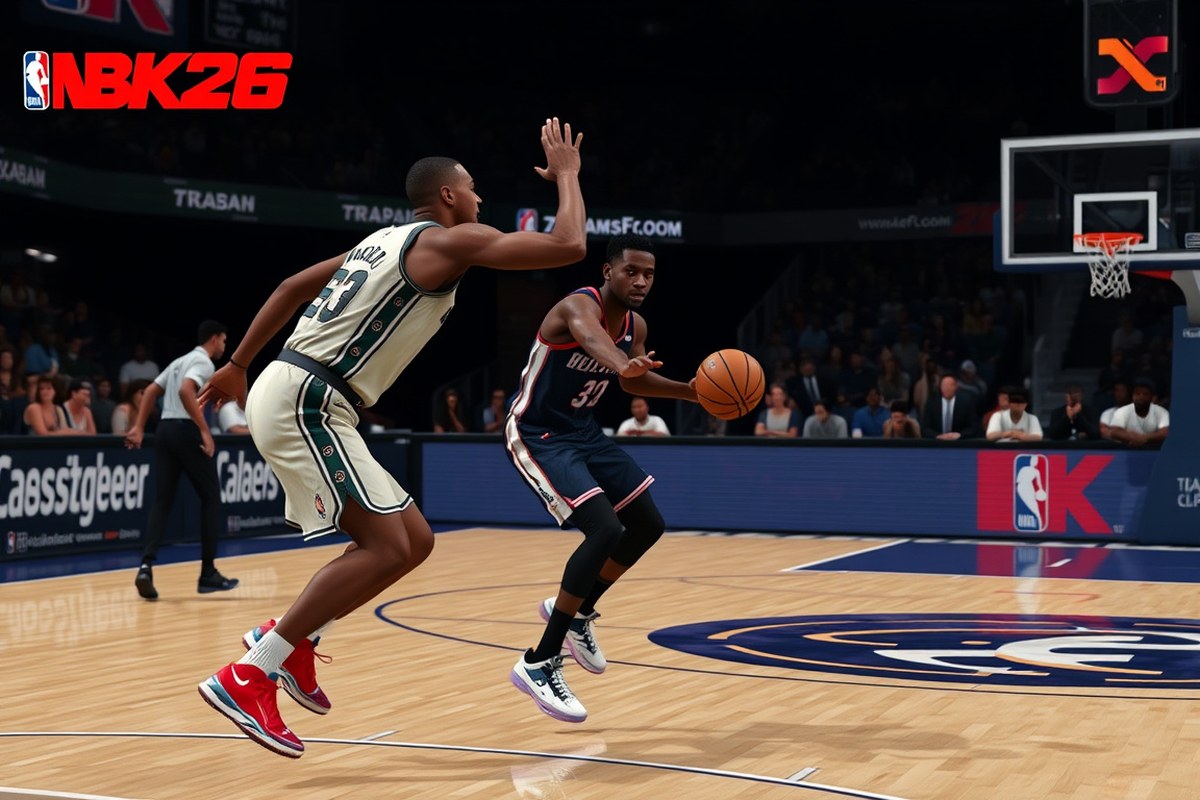
Is Off Ball Pest Good 2K26? A Complete Guide to Defensive Success
Off ball pest can be an effective defensive strategy in NBA 2K26, especially for disrupting passing lanes and tiring opponents over time. It applies pressure away from the ball, forcing mistakes and contested shots, but it requires careful timing and awareness to avoid leaving gaps in your defense. This approach suits players who prefer a more aggressive, team-focused defense rather than relying solely on on-ball pressure.
You’ll find practical advice here on when to use off ball pest, how to activate it with 2K26 controls, and which player attributes and badges maximize its effectiveness. The article also covers common mistakes to avoid, how to counter it when playing offense, and how it fits into different game modes and coaching tactics. This helps you decide if off ball pest fits your defensive style and how to apply it for consistent results.
Key Takeaways
- Off Ball Pest increases defensive pressure by aggressively contesting screens and passing lanes away from the ball handler in NBA 2K26.
- Unlike on-ball defense, Off Ball Pest focuses on disrupting off-ball movement and forcing turnovers without directly guarding the ball carrier.
- Advantages include creating turnovers and frustrating opponents, while disadvantages involve higher stamina consumption and risk of defensive breakdowns.
- Activate Off Ball Pest by holding the L2/LT button and using the right stick to apply pressure on off-ball players during defensive plays.
- Use Off Ball Pest selectively in late shot clock or critical moments to increase defensive intensity without sacrificing team coverage.
- Counter Off Ball Pest on offense by using quick screens, off-ball cuts, and spacing to exploit gaps created by aggressive defenders.
Is Off Ball Pest an Effective Defensive Strategy in NBA 2K26?

Off-ball pest in NBA 2K26 means aggressively defending opponents who do not have the ball. You constantly pressure these players with quick lateral movements and contest passing lanes, making it harder for the offense to find open shots or easy passes. This tactic forces turnovers by disrupting the offense’s rhythm off the ball rather than just reacting to the ball handler’s actions.
Effectiveness of off-ball pest depends on your timing and stamina management. It works well because it increases defensive pressure across the court, not just on the player currently holding the ball. By staying very close and moving rapidly to deny screens or cut off passing options, you can force bad passes and reduce open looks. However, it requires good anticipation and awareness to avoid getting beat on backdoor cuts or screens.
You enable off-ball pest by holding the left trigger (LT) or left L2 button on controller platforms for defensive stance, combined with using the right stick to jockey and stay close to your man without ball possession. Ideally, you constantly move laterally while lightly tapping the sprint button to mimic pest-like movement without burning all your player’s stamina. This aggressive positioning demands you stay alert for quick changes in offensive movement.
Off-ball pest adds cost in terms of stamina consumption. If you overuse it, your player tires faster, which lowers defensive effectiveness and reaction speed later in the game. Use it selectively on key offensive threats or when the opposing team relies heavily on off-ball movement for open shots. Applying off-ball pest on weaker shooters or less mobile players often wastes stamina without much payoff.
Good results from off-ball pest show up as disrupted offensive sets, more forced turnovers, and limiting open three-point attempts. Your defender will stick close during catch attempts and contest every cut or screen, making it harder for the offense to execute plays smoothly. Mistakes usually occur when players overcommit or lose track of their man after a screen, allowing easy baskets or open shots behind the defense.
Variations of off-ball pest depend on game situations. Against a team with strong shooters, stay closer and be more aggressive to deny catch-and-shoot opportunities. When facing pass-heavy offenses, focus on anticipating passing lanes to intercept or deflect the ball. In transition defense, ease off pest mode slightly to avoid giving your defender worse recovery speed. Adjust your pest pressure when facing mismatch situations so you don’t get exploited easily on switches.
How Off Ball Pest Differs from On-Ball Defense in NBA 2K26

Off ball pest defense in NBA 2K26 focuses on applying pressure to the opponent’s player without the ball, contrasting sharply with on-ball defense where you guard the ball carrier directly. Off ball pest requires controlling a defender to stick closely, disrupting passing lanes and timing, whereas on-ball defense involves positioning to contest shots or drives. The main differences lie in which defender you control, the mechanics used to stay close or force turnovers, and the tradeoffs in risking defensive breakdowns or fouling.
Defensive Mechanics Explained
Off ball pest relies on specific actions like jockeying, hand-checking, and poking the ball away to interrupt an off-ball player’s movement or catch attempts. You move your defender aggressively trying to shadow the opposition’s cutter or shooter, often using the right stick to contest passes and attempting steals without ball pressure. On-ball defense mechanics prioritize maintaining space from the ball handler, using lateral movement, block attempts, or timely contesting when they shoot or drive. Off ball pest demands more active toggling between defensive stances and attention to off-ball player animations. You frequently switch your defender manually or trigger defensive assists to interrupt screens or cuts.
Controlling a pest defender often means balancing close proximity without fouling or losing positioning. You’ll use the L2/LT button for defensive stance combined with right-stick swipes to make it harder for the offensive player to catch or establish a shot. Unlike on-ball defense where footwork and anticipation of dribble moves dominate, off ball pest focuses on body positioning relative to the offensive player’s path and timing to disrupt passes.
User Control vs AI Control
When playing on-ball defense, you directly manage the defender guarding the ball handler. This control feels more intuitive because your visual focus is on that player, allowing immediate reactions to dribbles, drives, or shots. In off ball pest, you control a non-ball defender, which requires constantly tracking the ball and reading both your defender’s and the ball handler’s positions. This split attention makes off ball pest mechanically harder to execute well for many players.
The AI handles off-ball defenders by default, positioning them semi-intelligently to deny passing lanes and contest cuts. Taking control allows you to exploit weak offensive reads or abuse rough passing timing, but it demands quick reactions and precise manual positioning. The AI lacks the precision to pressure certain shooters consistently, which off ball pest lets you accomplish by forcing tougher catch attempts or creating steals.
Maintain awareness of the ball and your defender’s place simultaneously to avoid leaving open angles or making unnecessary fouls.
Key Tradeoffs Between Both
Off ball pest offers greater chance to force turnovers and disrupt rhythm but carries higher risk of defensive lapses if you misposition. Moving your pest defender out of place can open easy scoring opportunities on cuts or screens that the AI might have guarded better. On-ball defense trades potential for direct pressure on the ball handler for steadier, less risky guarding focused on containing drives and contesting shots.
Off ball pest demands more player skill and multitasking. You invest user attention into managing two areas at once: the ball and an off-ball threat. This often slows your reaction to the ball handler’s moves unless you practice extensively. Conversely, on-ball defense lets you stick with one player, requiring faster individual responses but less broad awareness. Both have fouling risks, but pest defenders may foul more due to aggressive hand-checking near catch points.
Choosing between these depends on your defensive style, team strategy, and opponent tendencies. Off ball pest can dominate if timed well, particularly against teams reliant on catch-and-shoot plays or frequent off-ball movement. On-ball defense builds consistent pressure on primary scoring options but can be vulnerable to off-ball screens and cuts if not combined with smart help defense. Balancing these approaches improves overall team defense without sacrificing stability.
Advantages and Disadvantages of Using Off Ball Pest Defense
Off ball pest defense in NBA 2K26 offers unique benefits like pressuring passing lanes and forcing mistakes off the ball. However, it risks higher stamina consumption and more fouls if overused or poorly timed. Balancing its use with the game situation and knowing when to engage or back off is key to making the strategy effective.
Key Advantages
Using off ball pest defense aggressively disrupts the offensive flow by closely shadowing the ball handler’s teammates, especially potential pass recipients. This pressure forces opponents to rush passes or commit errors, increasing steal opportunities without directly engaging the ball handler. You can capitalize more easily on bad passes for fast break chances, particularly if your defender has high defensive awareness and steal ratings.
The tactic also compensates for weaker on-ball defenders by controlling off-ball threats, keeping shooters and cutters from getting open looks. In pick-and-roll situations, pestering the screener’s defender can delay or disrupt screens, altering the offensive rhythm. This defensive pressure works best in tight man-to-man setups, where each defender maintains close proximity to their assignment while anticipating passes.
You can adjust pest intensity based on the opponent’s tendencies. Against teams reliant on quick passing, increasing pest pressure tightens passing windows and forces contested options. Use pest selectively on key perimeter players to limit their impact without spreading your defense thin.
Potential Disadvantages
The main drawbacks of off ball pest include increased chances of foul calls and the risk of defensive breakdowns if you lose position. Pressuring too aggressively off ball often leads to reaching fouls or illegal screens. These fouls can put your players in foul trouble earlier, limiting rotation and forcing cautious defense later in the game.
Overcommitting to pest defense can leave your player out of position to contest shots or defend cuts. This vulnerability emerges if your focus on stealing or disrupting passes causes you to abandon proper spacing. Opponents may exploit this by speeding past your defender or using quick screens to create open shots. The tactic demands precise timing and good anticipation, or you risk being caught flat-footed.
Another downside is predictability. Experienced players recognize pest patterns and counter them by pumping faking passes or using ball screens strategically. Continuous pest attempts without varied defensive approaches can become easy to bypass once the opponent adapts.
Impact on Stamina and Fouls
Off ball pest defense generally drains stamina faster than holding a standard off-ball position. Constant movement to shadow, reach, and disrupt passing lanes demands more energy than passive coverage. This effect is especially notable if your defender lacks key stamina-boosting badges or attributes. Stamina depletion reduces later defensive effectiveness, leading to slower reactions and missed rotations.
Pest defense also raises the foul risk because of aggressive hand-checking or reaching. Players who attempt frequent steals off ball without precise timing risk unnecessary contact. This contact can result in fouls that stack up quickly, forcing substitutions or weakening your defensive presence with foul-troubled players.
To manage stamina and avoid foul problems, use off ball pest selectively during critical stretches or when matching up against key offensive threats. Combine pest with regular repositioning or momentary backing off to let your energy recover. Timing pest attempts when the offensive player is less likely to react quickly, like after screens or when preparing to pass, reduces foul chances.
Activating and Executing Off Ball Pest Using 2K26 Controls
To activate off-ball pest defense in NBA 2K26, you must manually control the defender away from the ball to pressure the offensive player without the ball. This requires switching to the off-ball defender, using specific control inputs to stick close, and timing your actions to avoid fouls and maintain defensive positioning.
Control Inputs
You start by switching to the defender you want to use for off-ball pesting, typically by pressing the right stick (R3) or the icon passing button nearest the target defender. Once you control that defender, hold the left trigger (L2 on PlayStation or LT on Xbox) to engage the defensive stance. While holding the trigger, use the left stick to move closer to the offensive player you want to pressure. Tap the circle or B button lightly to contest passes and shots or tap the square or X button for a steal attempt off the ball.
A common mistake is holding the steal button too long, which often results in a foul or getting beaten off the dribble. Instead, use quick taps timed to the offensive player’s dribble rhythm or passing motion. Also, avoid focusing solely on staying glued; move dynamically using small left-stick movements to cut passing lanes. This control scheme lets you shadow the ballhandler’s passing options while still ready to react if the offensive player tries to cut past you.
Execution Timing
Timing plays a major role in executing off-ball pest effectively. Activate pest right after the ballhandler picks up the dribble or as the offensive player tries to set a screen. This timing lets you anticipate passes and apply pressure before the offense gets set. Holding the defensive stance (L2/LT) for too long can drain stamina, so release it briefly when the offense resets or if you must reposition quickly.
For steal attempts, tap the steal button just as the offensive player collects the ball during a pass or prepares to catch it. Pressing steal too early or late will fail and often leave you out of position. Also, when the offensive player receives the ball and starts moving, quickly shift back into defensive stance to avoid blowing past. Switching stance on and off based on ball possession and player movement helps keep the pressure intense without committing unnecessary fouls.
Best Moments to Activate
Use off-ball pest when you anticipate the ball will move around frequently and when the opposing player is prone to making risky passes or dribble moves. It is most effective against cutters and skilled perimeter players who rely on quick passes and off-ball movement. Turning on pest too early in set offenses where players are spaced out can leave you exposed or fatigued. Pest works better in transition or half-court sets where you can disrupt passing lanes and cause turnovers.
Do not use off-ball pest if your player has low stamina or against opponents who excel at screen use, since pest defenders can get caught or lose position. Starting pest near key passing points, like the wing or top of the key, can pressure potential receivers and force the offense into mistakes. However, if the offense adapts by running pick and rolls or quick ball reversals, drop pest temporarily to maintain solid team defense alignment.
When to Use Off Ball Pest: Situational Recommendations
Off ball pest works best when you need to pressure off-ball players who are a threat to your defense without neglecting your primary on-ball responsibilities. Use it selectively during fast breaks, against teams with strong off-ball movement, or when you want to disrupt shooters off the ball. Avoid it in crowded defensive setups or when facing teams that excel at quick passing, as it can leave gaps that opposing players exploit.
Against Pick and Roll
Applying off ball pest defense during pick and roll situations requires careful timing and positioning. Pest defense can disrupt the screener’s ability to slip or roll quickly to the basket, forcing less efficient options. You should activate pest on the screener just as the ball handler approaches the screen, ensuring your defender stays tight without drifting too far and losing sight of their man. Overcommitting off ball here can create open lanes for the ball handler or secondary pass targets, so monitor spacing and be ready to switch back to on-ball defense instantly if needed.
Check for how the opposing team sets screens: if they use a lot of pick and pops, pest can be more effective since the defender on the screener can contest the pop shot better while still pressuring the off-ball movement. In contrast, if the opponent’s pick and roll mainly targets quick cuts to the rim, off ball pest risks leaving your primary defender isolated.
Activate off ball pest on screeners only after the ball handler commits, and keep an eye on your on-ball defender’s positioning to avoid getting caught out of sync.
Versus Isolation Plays
Isolation plays often focus on a single scorer with minimal off-ball movement, so off ball pest is less beneficial here. The primary goal against isolation is on-ball containment and help defense rather than pestering off-ball players who rarely move or shoot. Use pest sparingly in these spots, only if the isolated player uses off-ball screens or if teammates try to set shooters loose for catch-and-shoot opportunities during the isolation.
Consider transitioning off ball pest moments after the ball is passed out of isolation. This way, pest defense can disrupt a quick swing pass to an open shooter or a cutter, but it stays off when the ball is in the hands of the isolator. Adjusting dynamically to the opponent’s playstyle helps maintain defensive integrity without over-committing.
Save off ball pest for moments following isolation passes, as pressing off-ball nonstop during isolation wastes defensive effort.
Defending Spot-Up Shooters
Off ball pest shines against teams relying heavily on spot-up shooting by pressing the shooters aggressively and denying clean touches. Use pest on known sharpshooters, especially around the three-point line, to increase contested shots and force them to move off their spots. Positioning matters here: your defender should stay close enough to prevent easy catches but avoid fouling or being knocked off balance.
This strategy works best when your team can rotate quickly to cover the original man if the pest defender gets screened out. Use pest selectively on high-value shooters and back off on less threatening scorers to conserve stamina and avoid defensive breakdowns. In slower-paced games, pest can help dictate the rhythm by frustrating sharpshooters and reducing their confidence.
Use off ball pest selectively on key shooters and watch for screens; rotating defenders must cover swiftly to prevent open looks.
How to Counter Off Ball Pest When on Offense in NBA 2K26
Countering off-ball pest defense effectively requires disrupting the defender’s ability to stick tightly without causing fouls or turnovers. By using smart screens, precise passing, and targeted player movement, you can create space, force mistakes, or open shooting lanes against pest defenders. These actions rely on timing, positioning, and reading the defender’s tendencies during a possession.
Using Screens to Escape Pressure
Screens are one of the most direct ways to neutralize off-ball pest defenders. Set a solid on-ball or off-ball screen near the defender shadowing your player to momentarily free them from harassment. For example, if a pest defender is pressing tightly on a wing shooter, initiate a flare screen by a big man to create separation quickly. The screen forces the defender to decide between fighting through contact or going over the screen, giving you a split second to receive a pass open for a catch-and-shoot opportunity.
Use step-back or curl cuts off screens to change angles and evade the pest defender’s reach. Offensively, timing your cuts to coincide with when the defender commits to a screen or momentarily loses track of you can be the difference between a successful drive or getting boxed out. Screens work best when combined with off-ball movement, as they make pest defenders hesitate and open up passing lanes.
Passing and Movement Strategies
Quick, crisp passing breaks down pest defense by forcing the defender to constantly close gaps without the chance to trap. Use skip passes and rapid ball reversals to shift the pest defender and create open space at the weak side. For instance, swinging the ball from the corner to the opposite wing in two passes can stretch pest defenders thin and generate open looks.
In addition to passing, maintain constant off-ball movement. V-cuts, backdoor cuts, and curl cuts against the baseline or free-throw line area help players shake off tight pest defenders. Avoid lingering in one spot; pest defenders thrive when targets are stationary. Instead, move purposefully toward the ball or cut through areas with screens to create separation.
When running plays, focus on motion sets that emphasize reading defender reactions rather than fixed spots. This dynamic movement makes it harder for pest defenders to anticipate and react, reducing their pressure effectiveness. Timing passes perfectly during these movement sequences can lead to fouls on pest defenders or open shots.
Forcing Defensive Mistakes
Forcing pest defenders into mistakes involves exploiting their aggressive tendencies. Initiate fakes like shot fakes or pass fakes right before receiving the ball to make pest defenders bite and lose defensive positioning. For example, using a pump fake when catching near the paint often causes pest defenders to jump or reach, leading to offensive fouls or easy drives.
Drawing fouls is a common goal against pest defenders since their hyper-aggressiveness can lead to costly contact. Attack pest defenders by driving hard into their space after ball reversals or screens, especially if they lack lateral quickness. Use hesitation dribbles to pause just long enough for the defender to commit before making a decisive move.
In late shot clock situations, patience combined with subtle movements can bait pest defenders into premature jumps or overplay. Maintaining composure on offense forces them to gamble, increasing the chance of defensive errors or leaving open teammates. Avoid risky passes or moves that expose your ball handler to turnovers, which pest defenders can capitalize on quickly.
Best Badges and Player Attributes for improving Off Ball Pest
Badges like Pogo Stick, Clamps, and Pick Dodger make off-ball pest defense much tougher to shake. Attributes such as lateral quickness and defensive IQ help you move and react quickly to close passing lanes or intercept passes. Archetypes influence how well your player performs these roles, especially those designed for defense or lockdown perimeter guarding.
Top Defensive Badges
Pogo Stick is one of the most valuable badges for off-ball pest defense because it lets you jump to contest passes or rebounds more effectively, increasing your chance to disrupt the opponent’s rhythm. Clamps improves your player’s ability to stick close to offensive players off the ball, making it harder for them to receive easy passes or cut to the basket. Pick Dodger helps you slip off screens quickly, preventing your assigned player from getting free, which is essential when you’re focused on denying off-ball movement.
Interceptor is another badge that adds value by boosting your ability to anticipate and steal passes while off the ball. You’ll want Distance Defender to keep up with shooters and snatch the ball on longer passing plays. Having a combination of these badges raises your defensive presence even when you’re not directly guarding the ball handler.
Key Player Attributes
Lateral quickness and Speed are key attributes for an effective off-ball pest player. They let you react instantly to passes and cutoffs, closing gaps before your opponent finds an open look. Defensive IQ is also critical since it governs your player’s positioning and decision-making on defense, helping you anticipate where the ball is going or recognize offensive patterns.
Hand Strength and Steal ratings support your ability to poke the ball loose or intercept passes while tangled in off-ball pressure. Attributes that improve your jumping ability and vertical tend to help contest lob passes and rebounds when screens or slips occur away from the ball. Balancing these attributes creates a defender that can pressure passing lanes and stay attached to their assignment efficiently.
Ideal Archetypes for Pest Defense
Defensive stopper or lockdown defender archetypes fit best with the off-ball pest. These build strong defensive attributes and badges, focusing on agility, strength, and intelligence that improve off-ball pressure. Small forwards and shooting guards with these archetypes often excel at disrupting passing lanes and maintaining off-ball positioning due to their size and speed combination.
Playmaking defenders or two-way wings can also do well because they offer good lateral quickness paired with solid steal and intercept ratings, making it easier to trigger interceptions off the ball. Avoid big man archetypes in this role unless you want to use off-ball pest specifically in the post; their lower speed and lateral quickness hamper effectiveness on the perimeter where most off-ball pest action occurs.
Common Mistakes Using Off Ball Pest and How to Avoid Them
Players new to off-ball pest often struggle with fouling too much, leaving teammates out of position, and running out of stamina too quickly. These mistakes reduce the effectiveness of the strategy and can lead to defensive breakdowns. Addressing these errors requires conscious control of positioning, timing, and stamina management.
Overcommitting and Fouling
One common mistake is applying too much pressure on the offensive player without the ball, resulting in frequent fouls. Off-ball pest relies on persistent hand-checking and bumping, which tends to trigger calls if done excessively. To avoid this, focus on timing your defensive actions precisely, using quick pokes and light contact rather than aggressive grabs. Only contest when you see a clear chance to disrupt the opponent’s movement without risking contact that the game marks as a foul.
You should also avoid holding the defensive stick toward the player all the time. Instead, tap and reposition often to maintain close proximity without constant physical contact. Practicing restraint is key to staying active without pushing the foul meter. If you notice your defender accumulating fouls early, back off slightly to prevent your player from fouling out and weakening your defense.
Use controlled stick movement and short bursts of pressure to minimize fouls while keeping your defender close.
Ignoring Defensive Rotations
Focusing solely on the off-ball player without coordinating with teammates causes problems on the defensive end. Off-ball pest can force turnovers and bad passes but leaves openings if you neglect rotations when screens or drives occur. After applying pressure on your target, quickly shift your defender back to a proper position aligned with the team’s defense scheme. Anticipate cuts and screens so you can help teammates without abandoning your original assignment for long.
Missing rotations often happens because players stay glued to the off-ball pest role without monitoring the ball handler or potential passes. To fix this, glance at the radar constantly and communicate with your AI teammates if possible. Switching off or temporarily dropping off pesting during fast breaks or screens helps maintain proper team shape. Off-ball pest works best when it complements solid rotations, not replaces them.
Do not fixate on one player; watch the ball and move dynamically with your teammates to maintain coverage.
Misjudging Stamina Usage
Off-ball pest requires agility and quick movements to keep pressure, which drains stamina rapidly if managed poorly. Many players attack full-court relentlessly without pacing themselves, leaving defenders gassed when critical moments arise. You can preserve stamina by balancing moments of high pressure with short periods of less aggressive positioning. Use the sprint burst sparingly and rely on controlled movements to stay fresh longer.
Keep an eye on your defender’s stamina bar and pull back the pesting intensity when stamina drops below midway. Lower stamina means slower reactions and increased likelihood of missing rotations or fouling. During quarters or close games, plan your pesting efforts in bursts, step up pressure on key possessions and relax slightly in less critical plays. This pacing helps maintain effectiveness throughout the game.
Manage off-ball pest intensity based on stamina; avoid constant sprinting and pressure to keep defenders active deeper into the game.
Off Ball Pest’s Impact Across NBA 2K26 Game Modes and Difficulty Levels
Off ball pest defense works differently based on the game mode and difficulty in NBA 2K26. It is generally more effective in MyCareer and MyTeam because the AI reacts predictably, while online opponents often exploit its weaknesses swiftly. Higher difficulty levels increase AI responsiveness, making off-ball pest plays harder to succeed but still useful as part of a mixed defensive approach.
MyCareer vs MyTeam Usage
In MyCareer, off ball pest can be a reliable tactic because the AI teammates and opponents follow programmed tendencies. While controlling a single defender, you can use the off-ball pest feature to force turnovers by aggressively cycling between passing lanes and poking the ball away. The AI typically reacts slower and commits more often to risky passes, so timed defensive steals or deflections succeed more frequently. However, relying exclusively on pest defense risks leaving open gaps if AI teammates don’t cover properly, so combining it with on-ball pressure is necessary.
In MyTeam, the dynamic changes slightly due to the wider variety of AI-controlled players with custom badges and stats that influence defensive aggressiveness. Off ball pest is effective for disrupting specific offensive patterns, especially on lower difficulty settings where AI decisions remain exploitable. As difficulty rises, AI opponents pass more intelligently, reducing pest’s success rate. Since MyTeam modes emphasize strategic roster building, players can pick defenders with higher perimeter steal and lateral quickness ratings to improve pest efficiency. This investment pays off when you need to disturb the opponent’s ball movement without always switching defenders on ball.
Online Competitions
Off ball pest is less reliable in online play because human players adapt faster than AI to defensive pressure. Experienced users recognize when you toggle pest defense and will counter by quick passes or off-ball screens to free up passing lanes. Online opponents exploit the momentary defensive slowdown caused by pest toggling to create open shots or drive lanes more frequently than in single-player modes. Therefore, pest defense online can serve as a situational disruptor rather than a constant strategy.
To use pest effectively online, you must time your off-ball defense toggle for moments when the opponent shows weaker ball control or is prone to turnovers. Avoid pesting constantly, as predictable behavior invites counters like screens and quick ball rotations. Instead, mix pest with on-ball pressure and team defensive settings to keep opponents guessing. Pest works best here when combined with solid team switching or contesting shots aggressively after forcing a turnover, restoring momentum fast.
Difficulty Level Effects
As you raise the difficulty in NBA 2K26, the AI offenses become more precise with passing, dribble moves, and spatial awareness. This shift reduces the direct effectiveness of pest defense, because the opponent AI will typically pass out of the range of your pest defender or use pass fakes to bait steal attempts. On lower difficulties like Pro or below, pest can generate multiple steals or forced turnovers per game as the AI makes more predictable passes.
Higher difficulty settings require a more nuanced approach. Pest defense still has value but only when you combine it with good positioning, anticipation of passing lanes, and backup help from teammates. Relying solely on toggling pest on a random ball handler often leads to defensive breakdowns, leaving your defenders out of place. The time and effort spent toggling pest also cost you in reaction speed to sudden offensive changes. Smart players use pest sparingly at higher difficulties to conserve defensive integrity, relying more on team settings like help defense and switching schemes.
Integrating Off Ball Pest with Team Defense and Coaching Strategies
Off ball pest can fit well within team defensive strategies when used with balanced help defense and proper coaching settings. It requires maintaining defensive discipline to avoid leaving gaps while disrupting off-ball movement. This approach influences team rebounding and demands careful coordination with defensive roles and tactics to avoid weaknesses.
Combining Pest with Team Defense
Off ball pest works best when integrated as part of a broader defensive scheme that includes both on-ball pressure and help coverage. You’ll want to combine pesting with zone or man-to-man defensive sets that support quick rotations. For example, when one defender applies pest pressure, teammates must be ready to cover passing lanes and intercept cuts without overcommitting. Using pest alone without a proper team setup can leave your defense exposed to quick passes or screens.
Execution involves setting your defensive assignments to prioritize balanced spacing. Use the defensive settings menu to adjust help defense sliders and player tendencies so teammates don’t sag too far off their assignments chasing the puck. You can also set defenders to keep a moderate off-ball distance while engaging in stick pokes and body positioning to disrupt cuts. This keeps your defense compact enough to prevent easy penetration while still applying pest pressure.
Effects on Help and Rebounds
Off ball pest can strain your team’s help defense if players aggressively chase off-ball movement without spatial awareness. When defenders focus too much on pesky off-ball actions, they might leave their man open for a quick pass or drive. This creates gaps that require immediate help rotations, which can be tough to execute consistently in fast-paced 2K26 gameplay. This leads to higher chances of defensive breakdowns if your teammates’ help defense ratings or tendencies are low.
Rebounding can also suffer due to pesting, especially if defenders overcommit or lose positioning while chasing. Effective pest tactics must balance disrupting the offense with maintaining box-out responsibilities after a shot goes up. You should avoid toggling pest aggressively on all defenders at once to keep rebounders in ideal spots. For example, pick pest offenders who can quickly snap back to boxing out, while other defenders focus more on rebounding roles. This approach helps minimize second-chance points against your team.
Role of Defensive Coaching Settings
Coaching settings have a direct impact on how pest tactics perform within your team defense framework. Defensive coaching sliders influence how tightly teammates stick to their assignments, when they provide help, and how they react to off-ball movement. Adjusting help defense aggression and frequency can help control how often your team collapses toward potential threats when pest pressure forces offensive shifts.
For example, turning down help defense pressure slightly allows your pest defenders to harass opponents without triggering risky rotations too often. Meanwhile, keeping help defense awareness high helps teammates close out on shooters or cut off passing lanes quickly. Coaching parameters for rebounding also matter here; emphasizing box-out priorities over crash-the-glass tendencies keeps rebounders more disciplined when pesting distracts defenders from their original spots.
Tweaking these settings to accommodate pest play requires testing your lineup’s defensive strengths and adjusting to how your players respond. Some rosters handle aggressive pesting better due to higher defensive IQ or stamina. Customize your coaching strategy to support pest without sacrificing defensive balance or rebounding fundamentals.
Quick-Start Plan for Using and Countering Off Ball Pest Defense in NBA 2K26
Off ball pest can disrupt opponents by aggressively guarding off-ball players, but it demands precise timing and player settings to avoid leaving gaps. This plan helps you test its effectiveness, apply it properly, and counter it when needed.
- Before your first game: Assign your best perimeter defenders with high Steal and Defensive Consistency badges to off-ball pest roles. Monitor opponent movement and your defenders’ ability to force turnovers or contested shots for initial effectiveness.
- During early matches: Activate off ball pest by holding the designated sprint and proximity buttons while controlling an off-ball defender. Observe if your defenders stay close without wide open lanes appearing; effective pesting means forcing hurried passes or mistakes.
- After 2 to 3 games: Review situations where pest defense fails, especially against screens or faster players. Reduce over-pestering in these scenarios to avoid losing defensive positioning, which is a common mistake when using off ball pest.
- Within your third week of play: Integrate off ball pest with team defensive settings like help defense and switching options to cover weaknesses created by aggressive off-ball pressure. Success here shows balanced team defense without easy baskets from cuts or screens.
- When facing skilled offenses: Recognize and practice counters such as quick off-ball cuts, screens, and passing to bait your pest defenders into fouls or missteps. The pest’s disadvantage reveals itself if you see too many defensive breakdowns or fouls in your games.
- Ongoing: Adjust your badge setup and player assignments based on play mode and difficulty; harder difficulties may require more reliable defenders and better badges like Interceptor or Clamps for off ball pest to remain efficient.
- After one month of experimentation: Decide on off ball pest’s role in your defense by balancing its disruptive benefits against risks like giving up open shots. Track defensive efficiency stats and opponent field goal percentages when pest is active to guide your long-term usage.
Frequently Asked Questions
Is Off Ball Pest Viable for High-Level Competitive Play in NBA 2K26?
Off Ball Pest can be effective in high-level play but requires precise timing and quick switching. It’s less forgiving against experienced players who exploit its commonly repeated patterns or run plays to isolate the ball handler instead. Balance it with on-ball pressure to avoid giving up easy space.
Does Off Ball Pest Increase Player Fatigue Faster in NBA 2K26?
Yes, Off Ball Pest raises player energy consumption more than passive defense since constant movement and tight marking tire players quickly. Managing your rotation and using stamina-boosting badges become more important when you rely heavily on this tactic through full games.
Can Off Ball Pest Be Automated with Defensive Settings in NBA 2K26?
Defensive settings do not fully automate Off Ball Pest since it demands manual switching and anticipation to maintain close pressure on off-ball opponents. You can set moderate defensive intensity, but the best results come from hands-on control to react to spacing and cuts.
Is Off Ball Pest More Effective on Certain Court Zones in NBA 2K26?
Off Ball Pest works best near the perimeter and around the three-point line where shooters operate. Pressuring off-ball players in paint areas risks poor positioning and fouls. Target shooters staying behind the arc to limit open looks and force catch-and-shoot fatigue.
Does Off Ball Pest Synergy Improve with Specific Team Playstyles in NBA 2K26?
Off Ball Pest pairs well with teams that prioritize switching defense and quick recoveries. When teammates anticipate double teams or rotate instantly, Off Ball Pest creates turnover chances without leaving gaps. It clashes with slow, zone-heavy defenses that can’t cover wide spaces.
Are Off Ball Pest Counters Equally Effective Across All NBA 2K26 Difficulty Levels?
Off Ball Pest counters depend heavily on AI or opponent skill level. Lower difficulties tend to be more vulnerable due to predictable movements, while higher levels require smarter passing and timing to bypass the pressure. Adjust your aggressiveness based on difficulty to avoid easy breakdowns.
The Bottom Line
Off ball pest can be a valuable add-on to your defensive strategy in NBA 2K26, especially in moments when you want to disrupt passing lanes or pressure off-ball shooters without overcommitting your on-ball defender. You should focus on activating it selectively against teams that rely on off-ball movement to create open looks, since using it continuously increases your risk of being beaten off the dribble or leaving your own assignment wide open. Practicing the timing and control inputs for off ball pest today will sharpen your defense and help you react faster in live play, reducing common errors like poor positioning or stamina depletion that weaken this tactic.


