
How to Get Rid of Spider Veins: A Complete Guide with Proven Treatments
To get rid of spider veins, you can use daily massage and lifestyle changes for mild cases, but proven removal requires professional treatments like sclerotherapy or laser therapy. Natural remedies might reduce their appearance but won’t eliminate spider veins completely. Visiting a dermatologist offers the most effective results, especially for facial veins. Understanding when to choose home methods versus medical procedures helps you manage these common cosmetic concerns safely.
This information suits anyone wanting clear guidance on how to get rid of spider veins, including natural options, effective clinical treatments, and prevention tips. You’ll learn about causes, treatment timelines, risks, costs, and how to avoid common mistakes to make the best choice for your vein care needs.
Key Takeaways
- Spider veins appear as small, thin blood vessels unlike bulging varicose veins, which are larger and raised under the skin.
- Age, family history, and gender raise spider vein risk; over 41% of women above 50 develop them.
- Daily leg massages for three minutes may reduce spider veins naturally when combined with targeted topical applications left for 20-30 minutes.
- Professional treatments like sclerotherapy or laser therapy effectively clear spider veins but may cause side effects such as telangiectatic matting in 15-20% of patients.
- Spider veins typically fade within 3 to 6 weeks after treatment; larger veins can take 1 to 3 months to disappear.
- Improve legs twice daily for 30 minutes each, keeping them above heart level to improve circulation and prevent new spider veins.
What Are Spider Veins and How Do They Differ from Varicose Veins?
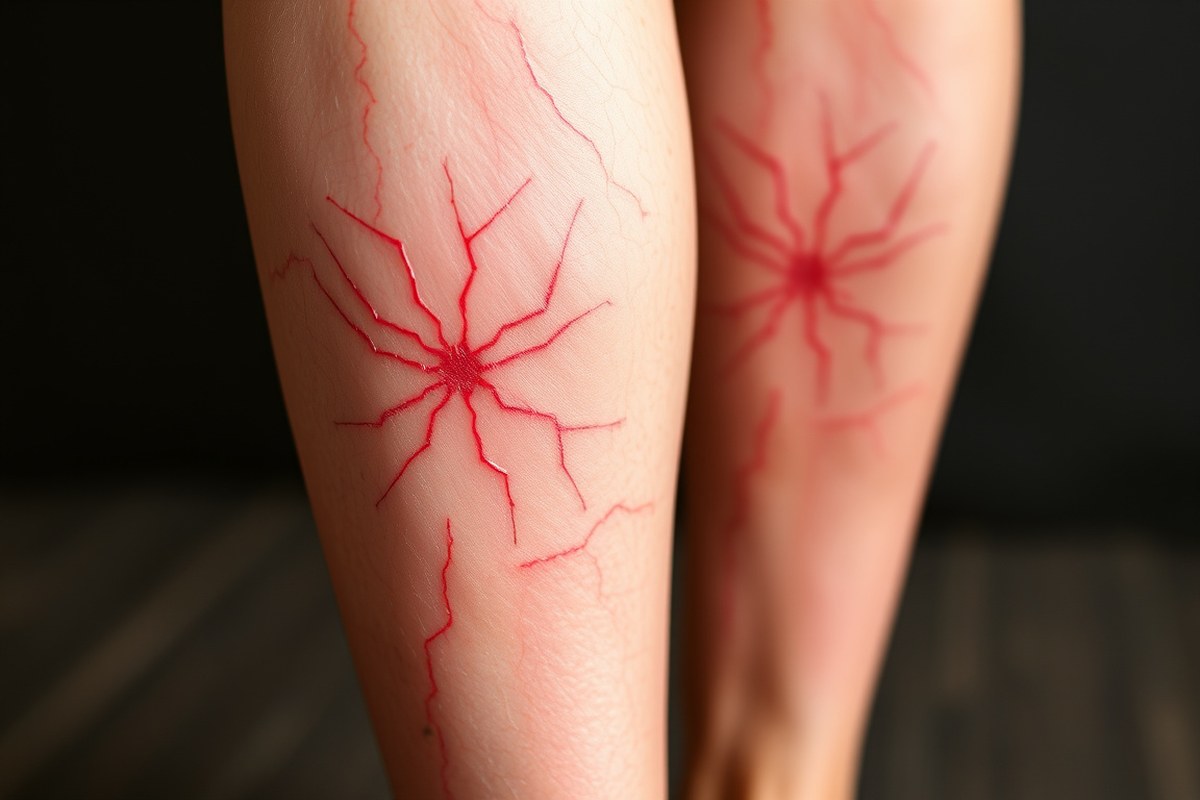
Spider veins are small clusters of visible blood vessels located just beneath the skin surface. They typically appear as thin red, blue, or purple lines that resemble a spider web or tree branches. These veins are usually less than 1 millimeter wide and spread in irregular patterns, most often on the legs and face. Varicose veins differ in size and shape; they are larger, swollen, and knotty veins that bulge above the skin, often looking rope-like. While spider veins can have colors including red, blue, or purple, varicose veins may look darker and raised, sometimes causing aching or discomfort.
Visually recognizing spider veins involves looking for clusters of fine lines that spread out from a central point, following thin branches beneath the skin’s surface. Unlike varicose veins, spider veins do not usually cause pain or swelling. You might notice them mostly on the thighs, calves, or around the nose. Varicose veins are more prominent, they bulge and feel heavy or tender, especially after standing for long periods. Spider veins generally do not have these symptoms and are mostly a cosmetic concern.
Spider veins are largely harmless, causing minimal or no physical symptoms. Their appearance tends to be the main issue, prompting many people to seek treatments for cosmetic reasons. However, they may sometimes indicate venous insufficiency or other vein problems that can lead to varicose veins over time. It is common for varicose vein patients to also have spider veins. Spider veins themselves rarely cause complications but persistent discomfort or skin changes around them warrant a medical evaluation.
Completing self-care approaches can help prevent new spider veins but do little to remove ones already present. Home remedies like daily gentle massage for a few minutes may improve the veins’ appearance temporarily. For lasting removal, treatments such as sclerotherapy or laser therapy performed by a dermatologist are most effective. These medical options will cause the spider veins to fade as the damaged vessels collapse and are absorbed by the body, with improvement usually visible within one to three months. Larger or deeper veins like varicose veins often require more intensive care and take longer to resolve.
Understanding that spider veins mainly affect your skin’s look and are usually painless helps set realistic expectations about treatment. While they can be bothersome, choosing the right approach depends on the vein type, size, your health history, and personal goals for appearance. Consulting a dermatologist is the best way to identify the veins correctly and determine a safe and effective removal plan tailored for you.
Why Spider Veins Form: Causes and Who Is Most at Risk

Spider veins form when tiny valves inside your veins struggle to push blood efficiently back to your heart, causing blood to pool and the veins to swell and become visible beneath your skin. A mix of genetic, hormonal, lifestyle, and environmental factors influences this process. Genetics sets the groundwork; if your parents or close relatives have spider veins or deep vein thrombosis, your risk increases. Hormonal changes tied to pregnancy, menopause, or birth-control pills also play a significant role by weakening vein walls or affecting circulation. That’s why spider veins often first show up during these life stages.
Your lifestyle impacts spider vein development, especially occupations requiring long periods of standing or sitting in one position, like teaching, retail, or desk jobs. Prolonged pressure in the legs can strain veins, leading to valve damage and visible veins. Carrying extra weight adds similar pressure on your vein walls, raising your risk further. Regularly moving and taking breaks to improve your legs can ease this strain, but if these veins appear despite such actions, genetics or hormonal causes are often key contributors.
Environmental factors such as sun exposure can cause facial spider veins by damaging small surface blood vessels, especially in fair-skinned individuals. The thinning of skin with age also makes spider veins more visible, adding to the effects of circulation issues. Spider veins can appear anywhere, but they are commonly found on the legs and face due to thinner skin and higher exposure to environmental triggers there.
Improve your legs for 15 minutes several times a day if you stand or sit for long periods; it helps reduce vein pressure and slows spider vein formation.
Pregnancy shifts hormone levels and increases blood volume, swelling veins and relaxing vein walls. Though many pregnancy-related spider veins fade after childbirth, some persist without treatment. Hormonal birth control and menopause also involve similar hormonal fluctuations affecting vein health. Women are generally at higher risk than men because of these hormonal impacts combined with genetic and lifestyle factors.
In rare cases, spider veins can indicate underlying vein diseases or other health conditions. Most often, though, they are a cosmetic concern and rarely cause symptoms. Their visibility can affect self-confidence, especially on the face or lower legs. Maintaining a healthy weight, staying active, and protecting your skin from sun damage are practical steps to limit the development or worsening of spider veins.
Choosing Between Home Remedies and Professional Treatments
Spider veins rarely go away on their own. Natural remedies like exercise, cold compresses, or apple cider vinegar can improve circulation or ease discomfort, but they won’t completely remove spider veins. Professional treatment is usually required for lasting results, especially for larger or more visible veins.
Choosing between home remedies and professional treatment depends on your symptoms, vein size, location, and skin type. Small spider veins located on the legs or face with no significant symptoms may respond well to lifestyle changes and at-home care. However, veins that are larger than 1 to 3 millimeters, painful, or part of chronic venous insufficiency, with symptoms such as swelling or skin changes, likely need medical evaluation and treatment like sclerotherapy or laser therapy.
Vein size and location influence the type of treatment effective for spider veins. Facial spider veins often respond well to laser therapy tailored to skin type, while leg veins may require sclerotherapy plus compression stockings. Larger or deeper veins may require multiple sessions and follow-up treatments to fade completely. People with sensitive or reactive skin may also need customized professional care to avoid irritation or worsening pigmentation. The table below compares home remedies and professional treatments to guide your decision based on your specific vein characteristics and symptom severity.
| Factor | Home Remedies | Professional Treatments |
|---|---|---|
| Vein Size | Small veins under 1 mm may improve with lifestyle changes; do not expect removal. | Best for veins 1, 3 mm or larger; may require multiple sessions for full removal. |
| Location | Leg veins can benefit from exercise and elevation; facial veins difficult to treat at home. | Laser works well on facial veins; sclerotherapy preferred for leg veins. |
| Symptoms | Suitable for asymptomatic veins; temporary relief of discomfort. | Needed if veins cause pain, swelling, or skin changes indicating venous insufficiency. |
| Skin Type | May help circulation but no removal effect; risk of irritation is low. | Treatments adjusted for skin tone to minimize pigmentation or scarring risks. |
| Cost | Low; mainly time and minimal expense for home supplies. | Varies widely; session costs typically range $200, $500 depending on vein extent. |
| Result Speed | Slow improvement; often subtle and incomplete. | Visible fading usually starts within 1-2 weeks; full results after several sessions. |
Following this decision guide helps you set realistic expectations. Starting with home care can improve vein appearance and prevent worsening, but professional treatment is the only way to fully remove spider veins. Getting a diagnosis from a healthcare provider ensures you pick treatments suited to your skin and medical history, reducing risks like scarring or pigment changes.
Effective Home Treatments and Lifestyle Changes
Home treatments and lifestyle changes can help manage spider veins by reducing symptoms and slowing their progression, though they typically won’t make existing veins disappear. Wearing compression stockings, exercising regularly, elevating your legs, and applying certain topical creams or supplements all contribute to improved circulation and vein health. These strategies work best when combined and used consistently.
How to Use Compression Stockings Correctly
Compression stockings support your veins by applying gentle pressure that helps blood flow back toward the heart. They can reduce discomfort, swelling, and prevent new spider veins from forming but usually don’t eliminate current spider veins. Look for stockings labeled with mild to moderate compression, around 15-20 mmHg, which is typical for managing spider veins.
Wear compression stockings daily, especially if you spend long periods standing or sitting. Put them on first thing in the morning before swelling begins, and keep them on during the day. You can remove them before bed unless advised otherwise by a healthcare provider. They can be challenging to put on at first, so consider using rubber gloves to improve your grip or purchasing stockings with zippers or open toes for easier wear.
- Choose knee-high or thigh-high stockings based on your spider vein location
- Put them on while lying down or sitting to make it easier
- Wear them every day during active hours, about 8-12 hours
- Replace stockings every 3-6 months as elasticity fades
- Consult a professional if compression causes pain or numbness
Compression stockings cost between $20 and $60 per pair, depending on quality and brand. Although they don’t remove spider veins, they relieve symptoms and can prevent worsening if worn properly and consistently.
Best Exercises for Spider Veins
Improving blood circulation in your legs through regular exercise helps reduce pressure on your veins. Low-impact activities like walking, swimming, and cycling are especially effective because they promote venous return without putting too much strain on your legs.
Try a daily routine of 30 minutes to an hour of moderate exercise. Stretching and strengthening your calf muscles also aids the venous pumping mechanism, which pushes blood upward. Avoid prolonged sitting or standing without movement, and take breaks to walk or stretch every hour.
- Walking briskly for 30 minutes most days
- Swimming for gentle, full-body circulation
- Cycling outdoors or on a stationary bike
- Raising and lowering calves while seated
- Leg lifts or ankle pumps to activate circulation
Consistent exercise can reduce symptoms like aching or heaviness in your legs and help prevent new spider veins. Weight loss through exercise also decreases vein pressure, benefiting overall vein health.
Safe Use of Topical and Oral Remedies
Topical creams and supplements may ease spider vein symptoms or improve circulation but won’t erase visible veins. Creams containing ingredients like horse chestnut extract or vitamin K can reduce inflammation and strengthen vessel walls when applied as directed, typically twice daily to clean, dry skin.
Natural remedies such as apple cider vinegar are used by some to reduce visibility; however, evidence is limited. If you try these, apply vinegar diluted with water once or twice a day to avoid irritation. Herbal supplements like horse chestnut or grape seed extract have shown some benefit in improving vein tone and reducing swelling, though follow dosages on product labels and consult your doctor if you take medications or have health conditions.
- Apply horse chestnut cream twice daily to affected areas
- Use vitamin K cream to support capillary health
- Diluted apple cider vinegar applied with a cotton ball once daily
- Take horse chestnut or grape seed supplements as directed
- Stop use if skin irritation or allergic reaction occurs
These remedies cost between $10 and $30 for creams and $15 to $40 for supplements. They’re most effective as part of a routine that includes compression and exercise. Avoid relying solely on topical or oral treatments for spider veins, especially if symptoms worsen or new veins develop rapidly.
Professional Treatments: Sclerotherapy, Laser Therapy, and When to Choose Each
Professional treatments for spider veins mainly include sclerotherapy and laser therapy, each suited to different vein locations and types. Sclerotherapy is the preferred method for spider veins on the legs, while laser therapy often works best for veins on the face. The number of treatment sessions varies but usually falls between three to six for noticeable improvement.
Sclerotherapy Procedure and Suitability
Sclerotherapy involves injecting a chemical solution, typically a saline or detergent-based agent, directly into spider veins. This causes the veins to collapse and fade over weeks. The procedure is minimally invasive and usually performed in a doctor’s office. It is most effective for spider veins and reticular veins on the legs, especially when veins are larger or clustered.
Results typically appear after a few weeks, but several sessions spaced about three to six weeks apart are often needed to treat all visible veins. Sclerotherapy treats larger reticular veins feeding spider veins in the same session, providing complete improvement. It’s less recommended for spider veins on the face due to the delicate skin and risk of pigment changes.
Laser Therapy Options and Uses
Laser therapy uses concentrated light energy to target and heat spider veins, causing them to collapse and disappear. For spider veins on the face, lasers are usually the first choice as they reduce the risk of skin damage and discoloration. Different laser types, such as pulsed dye lasers, treat the small surface vessels safely and effectively.
The number of laser treatment sessions varies by vein size and extent but often ranges from three to six. Treatments last just minutes and generally cause mild redness or swelling that fades quickly. Leg veins typically respond less well to laser therapy alone. However, newer technologies like Veinwave use microwave energy for certain facial veins.
Treatment Plans by Vein Location
Spider veins on the legs usually respond best to sclerotherapy because it can treat both spider veins and nearby reticular veins in a single session. You should expect two to four treatment sessions spaced each month for significant clearance. Larger veins or extensive areas may require additional treatments or a combination approach.
For spider veins on the face, laser therapy or microwave treatment is preferred to avoid the injection risks and potential hyperpigmentation linked with sclerotherapy. These treatments require multiple sessions as well, with three to six visits spaced about a month apart. Your provider might combine therapies when you have veins spread across different body areas.
| Treatment | Best For | Number of Sessions | Typical Procedure Time | Common Side Effects |
|---|---|---|---|---|
| Sclerotherapy | Leg spider and reticular veins | 2, 4 | 15, 30 minutes | Bruising, mild discomfort, pigmentation changes |
| Laser Therapy | Facial spider veins, small surface veins | 3, 6 | 10, 20 minutes | Redness, swelling, temporary discoloration |
Avoid sun exposure before and after laser treatments to reduce the risk of skin discoloration and improve healing.
What to Expect: Treatment Timelines, Side Effects, and Risks
Visible improvement after spider vein treatments typically takes several weeks. For sclerotherapy, expect to see changes within 3 to 6 weeks for smaller veins, while larger veins may require up to 3 months. Laser therapy results can vary but often show improvement after 4 to 6 weeks, with multiple sessions sometimes needed. Home remedies like compression stockings or topical treatments may reduce the prominence of veins gradually over several months but seldom eliminate them entirely.
Common side effects depend on the treatment type. Sclerotherapy may cause redness, mild swelling, bruising, or tiny blood clots that usually resolve within days to weeks. Laser treatments can lead to temporary skin discoloration, redness, or irritation in the treated area. Rare complications include inflammation or changes in skin texture. Home treatments usually have minimal risk but can cause skin irritation if essential oils or creams are used excessively or improperly.
Managing risks and preventing recurrence requires a careful aftercare routine. Compression stockings are often recommended after professional treatments to improve circulation and decrease swelling. Avoiding prolonged standing or sitting, keeping legs improve when possible, and maintaining a healthy weight support vein health and reduce new spider vein formation. Some spider veins return or worsen because underlying venous insufficiency remains untreated, or new veins develop from lifestyle factors or genetics.
- Wear compression stockings daily for 1 to 3 weeks post-treatment to maximize results
- Avoid sun exposure and hot baths for at least 2 weeks to prevent skin discoloration
- Follow up with your healthcare provider to monitor progress and discuss additional treatment if needed
- Maintain a regular walking routine and avoid long periods of immobility
- Apply gentle moisturizers to soothe skin but avoid harsh products on treated areas
Precautions such as protecting treated skin from sun and heat help minimize side effects like hyperpigmentation. Adhering to the provider’s instructions boosts treatment success and reduces the risk of new veins. Since spider veins are often linked to hereditary and lifestyle factors, ongoing care and occasional retreatment might be necessary for sustained improvement. Long-term results depend on consistent aftercare combined with addressing any underlying venous issues identified during medical evaluation.
Cost, Insurance, and When Medical Evaluation Is Needed
Professional treatments for spider veins can vary widely in cost, typically ranging from $300 to $8,000 depending on the treatment type, the number of sessions needed, and the severity of the veins. Most insurance plans do not cover spider vein removal when it is purely for cosmetic reasons. However, if spider veins are associated with deeper venous problems, such as varicose veins causing symptoms like pain or swelling, insurance may cover part or all of the treatment. Coverage depends on thorough documentation from a healthcare provider confirming medical necessity.
Spider veins themselves are usually harmless and more of a cosmetic concern, but they can sometimes signal more serious venous issues. Larger varicose veins that bulge, cause discomfort, or skin changes often indicate underlying vein valve problems or poor blood flow that require medical evaluation. Spider veins on the legs may be connected to reticular veins or incompetent perforating veins, which can worsen venous circulation over time. Addressing these deeper vein problems first can prevent further vascular complications and improve overall outcomes.
You should seek medical evaluation if you notice symptoms beyond small, flat spider veins. Key signs to watch for include aching, heaviness, swelling, skin discoloration, or ulcers near visible veins. Persistent pain or rapid progression of spider veins also warrant professional assessment. A vein specialist can perform diagnostic tests such as duplex ultrasound to identify any venous insufficiency or obstruction that needs treatment. Early evaluation helps determine if insurance coverage applies and guides the safest, most effective treatment plan.
| Situation | Recommended Action | Typical Cost Range | Insurance Coverage? |
|---|---|---|---|
| Flat, cosmetic spider veins only | Consider home remedies or cosmetic coverage products; professional sclerotherapy or laser for cosmetic removal | $300 to $1,000 per session | Usually no |
| Spider veins with pain, swelling, or varicose veins | See a vein specialist for evaluation and possible treatment of underlying venous disease | $1,000 to $8,000 depending on extent | Often yes, with documentation |
| Spider veins appearing rapidly or with skin changes | Urgent medical evaluation recommended | Varies | May be covered |
Using body makeup designed to cover spider veins can provide a low-cost, non-invasive way to manage appearance without medical procedures, especially if you are self-conscious. While effective for concealing purple clusters temporarily, makeup does not treat the underlying veins. Professional treatments like sclerotherapy and laser therapy provide more lasting results but come at higher costs and potential side effects, so weighing benefits against your budget and medical situation is important.
Regular monitoring and knowing when to escalate care are important. If your spider veins remain stable and painless, home care and cosmetic options may suffice. Worsening symptoms or new venous discomfort require professional evaluation to rule out or treat venous insufficiency early, improving your long-term vein health and comfort.
Preventing Spider Veins and Avoiding Common Treatment Mistakes
Spider veins can often be prevented by making lifestyle changes that improve circulation and reduce pressure on your veins. Understanding and avoiding common treatment mistakes, whether at home or with professional care, helps protect your skin and improve results. Pregnancy and hormones add special considerations to prevention and treatment.
Effective Prevention Strategies
Prevention focuses on reducing factors that cause vein stress and inflammation. Regular exercise like walking or swimming boosts blood flow and keeps veins healthy. Maintaining a healthy weight reduces vein pressure, lowering the chance of new spider veins. Elevating your legs when resting helps blood flow back to the heart and prevents pooling that worsens spider veins.
For sun-induced spider veins on the face, consistent use of a broad-spectrum sunscreen with SPF 30 or higher is the most reliable prevention, especially if you have fair skin. Wear protective clothing or hats when in the sun to further reduce risk. Here’s a checklist to support vein health:
- Exercise moderately at least 3, 5 times per week for 30 minutes
- Maintain a body mass index (BMI) within the healthy range
- Improve legs above heart level for 15 minutes daily
- Wear compression stockings if you stand or sit for long periods
- Avoid tight clothing that restricts circulation
- Use sunscreen daily on face and neck
- Limit salt intake to reduce swelling and inflammation
Debunking Common Myths
Many people say apple cider vinegar helps remove spider veins, but no scientific studies confirm it works, whether applied on the skin or taken by mouth. Overuse might irritate your skin without solving vein problems underneath. Horse chestnut seed extract might help ease symptoms and discomfort, but more research is required to prove it can actually get rid of spider veins.
It’s a common misunderstanding that spider veins don’t need treatment or that home remedies can quickly cure them. Treating new spider veins once or twice each year may slow their development, but treatments mostly improve how they look rather than fully cure them. Factors like pregnancy, hormonal shifts, and weight changes can cause new veins, so prevention and treatment should change with your situation.
Many believe spider veins will go away without intervention during pregnancy. Spider veins can improve postpartum but often require care. Wearing compression stockings and avoiding prolonged standing help manage symptoms safely during pregnancy.
Correct Use of Home Remedies
Some natural herbs like bilberry and horse chestnut have been found helpful and safe for improving vein symptoms. Use these in recommended doses as supplements or creams, but avoid relying on them as sole treatments for visible spider veins. Anti-inflammatory herbs like witch hazel may ease inflammation but won’t dissolve veins.
For hormonal balance that affects vein health, consider natural essential oils cautiously and consult a healthcare provider first. Treatments should be part of a broader lifestyle approach that includes diet and exercise.
Do not apply apple cider vinegar directly on broken or sensitive skin to avoid irritation.
Consistency is key with home remedies and lifestyle changes. Expect at least several months of daily application or routine changes before seeing improvement. Avoid common mistakes such as overusing topical agents, ignoring professional advice when veins worsen, or skipping sunscreen on the face.
Step-by-Step Action Plan to Get Rid of Spider Veins
Follow this plan to understand, treat, and prevent spider veins using the right methods for your situation.
- Before You Start: Learn the difference between spider veins and varicose veins and identify your risk factors, such as family history or prolonged standing. Knowing this helps you choose the safest and most effective treatment.
- Day 1: Begin simple home treatments like wearing compression stockings and elevating your legs daily. Notice reduced leg heaviness or swelling as early signs they are working.
- Week 1: Add lifestyle changes such as regular low-impact exercise and weight management. Check for improvements in skin appearance and comfort.
- Week 2: Apply topical remedies like vitamin K cream consistently, tracking any fading of visible veins after a couple of weeks.
- After 3 Weeks: Evaluate whether home care sufficiently reduces your spider veins. If not, consult a dermatologist or vein specialist for professional options like sclerotherapy or laser therapy.
- After Professional Consultation: Choose the treatment suited to your vein size and skin type, balancing cost and potential side effects. Confirm you understand the expected timeline and risks.
- Post-Treatment: Follow all aftercare instructions diligently, such as avoiding sun exposure and wearing compression stockings, to optimize results and minimize side effects.
- Ongoing: Maintain preventive habits including leg elevation, staying active, and wearing compression stockings during risk periods to avoid new spider veins.
Frequently Asked Questions
Can Daily Massage Really Help Reduce Spider Veins?
Yes, daily massage can improve circulation and reduce spider vein appearance. It’s a simple home remedy that improves vein health but won’t completely remove them.
Is Surgery a Common Method to Remove Spider Veins?
Surgery is rarely used and usually reserved for severe cases. Most people prefer less invasive treatments like sclerotherapy or laser therapy.
Can Certain Foods Help Prevent or Reduce Spider Veins?
Eating foods high in antioxidants and flavonoids supports vein health. This can slow progression but won’t eliminate existing spider veins.
Why Do Spider Veins Appear More on the Face Sometimes?
Facial spider veins often result from sun damage or broken blood vessels. Dermatological treatments offer the best removal options for facial veins.
Are Natural Remedies Effective for Permanent Spider Vein Removal?
Natural remedies may ease symptoms but don’t permanently remove spider veins. Professional treatments are necessary for complete removal.
What Is the Fastest Way to Improve Spider Vein Appearance at Home?
Applying natural topical treatments and massaging daily can quickly reduce visibility. However, these methods mostly offer short-term improvement.
Final Thoughts
Spider veins can improve with the right approach, blending home care and professional treatment as needed. Starting today, examine your daily habits and try wearing compression stockings during long periods of standing or sitting to help reduce vein pressure. This small step supports vein health and may limit the development or worsening of spider veins while you explore other options.





One Comment