
How to Get Rid of Calluses on Feet: 8 Effective Methods with Safety Tips
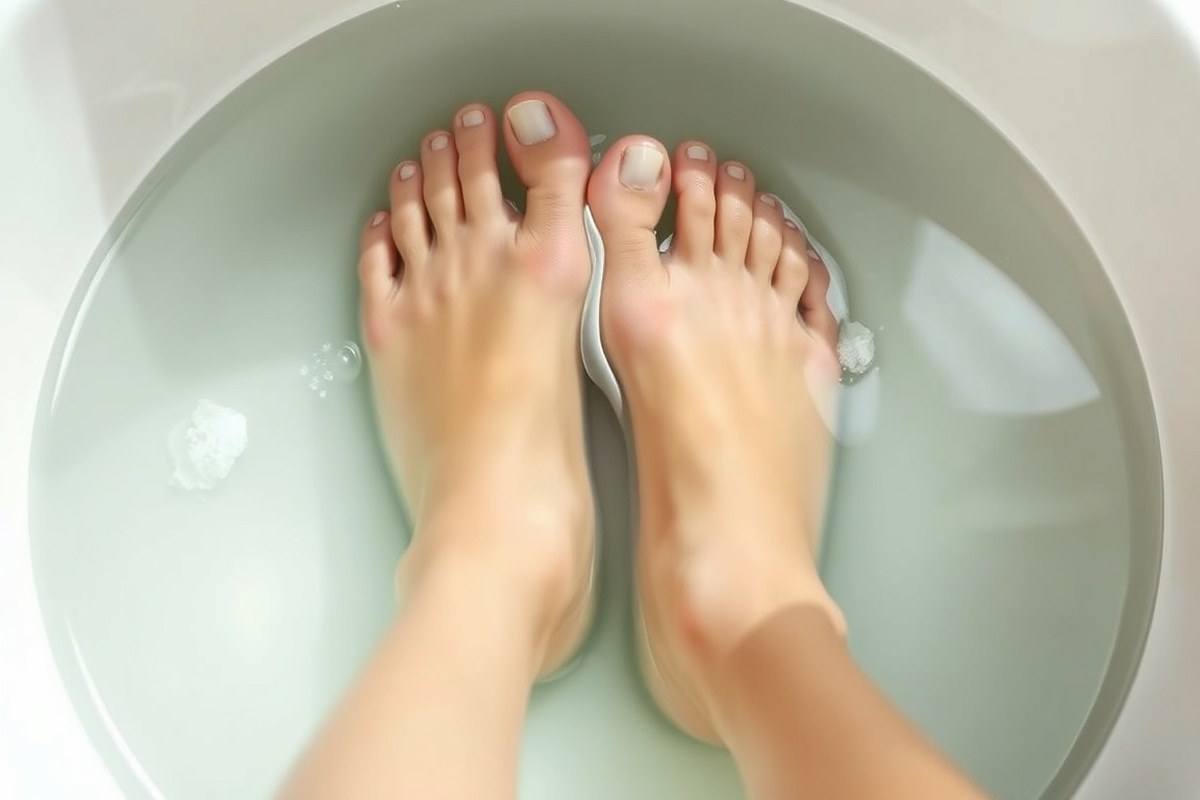
To eliminate calluses on your feet, soak them in warm, soapy water for 10 to 15 minutes to soften the tough skin. After soaking, gently use a pumice stone or foot file to exfoliate the area. Consistently moisturizing your feet and wearing shoes that fit well and aren’t too tight can prevent new calluses from forming. This method lowers pain and supports foot health.
This information is useful for people experiencing calluses, runners, those frequently on their feet, and individuals with sensitive skin or medical conditions like diabetes. You’ll find practical, safe methods of removal, tips for prevention, plus advice on when to seek professional care to protect your foot health long-term.
Key Takeaways
- Soak your feet in warm, soapy water for 10 to 15 minutes before gently filing calluses to effectively soften and remove thick skin.
- Choose chemical exfoliants by skin sensitivity: 20, 25% strength for sensitive skin and 40% for thicker calluses, using them as directed.
- Use ammonium lactate 12% lotion or urea 20% cream regularly to soften calluses and prevent their recurrence.
- Avoid aggressive scrubbing or cutting calluses yourself to reduce the risk of infection or injury, especially with diabetes or sensitive skin.
- See a doctor if you experience pain, bleeding, infection signs, or have diabetes before attempting callus removal at home.
- Adjust callus treatment based on location, as heel calluses often need stronger exfoliants than those on toes or ball of the foot.
1. What Are Calluses and How Do They Form on Feet?
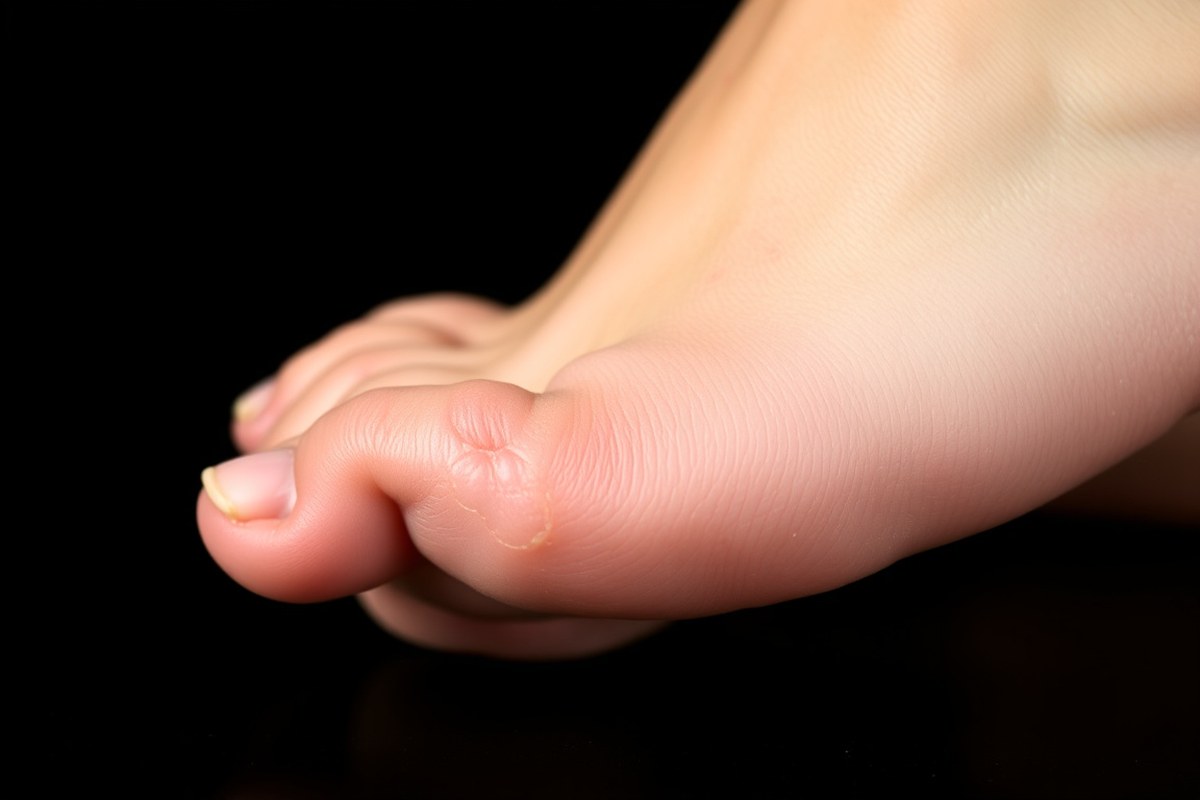
A callus is a thickened, rough patch of skin that forms in response to repeated pressure or friction, most commonly on the feet. This buildup happens as your skin tries to protect itself from irritation caused by activities like walking, running, or even standing for long periods. The skin cells multiply and harden, resulting in a tough layer that can vary in size and thickness depending on how much pressure the area experiences.
Calluses typically develop over bony, weight-bearing areas such as the heels, balls of the feet, or the sides of toes. Factors like poorly fitting shoes, high-impact activities, or unusual walking patterns contribute to their formation. For example, runners often build calluses on the underside of their toes or the balls of their feet due to repetitive impact and friction inside their shoes. Footwear that is either too tight or too loose can cause rubbing that triggers callus formation. Structural issues like high arches or flat feet also increase pressure in certain spots, making callus development more likely.
Calluses generally aren’t harmful and mostly cause cosmetic concerns or mild discomfort. However, they can thicken over time and become painful, especially if untreated. The hardened skin loses some sensitivity, which might mask injuries or infections beneath. Signs to watch for include dry, rough patches that may feel slightly raised or hardened compared to the surrounding skin. When a callus becomes painful or cracked, it may require treatment to prevent complications.
Differentiating calluses from corns is important since treatment approaches can vary. Calluses tend to be larger and less defined with a broader area of thickened skin. They appear where there is consistent pressure on flatter, weight-bearing parts of the foot. Corns are smaller, more defined, and have a central core that can press into deeper layers of skin. They usually form on the tops or sides of toes or under the foot in spots where bones create concentrated pressure. Corns often cause more localized pain than calluses.
Understanding these differences helps you recognize when simple home care like soaking your feet for 10 to 15 minutes in warm, soapy water and gently filing down the softened skin might work. For example, hitting the callus with a pumice stone after soaking softens the thick skin and reduces discomfort. Persistent or painful calluses that do not improve after a few weeks of home treatment should be evaluated by a healthcare provider. They can check for underlying issues and suggest appropriate medical or podiatric options.
2. Safe Step-by-Step Home Treatment to Remove Calluses
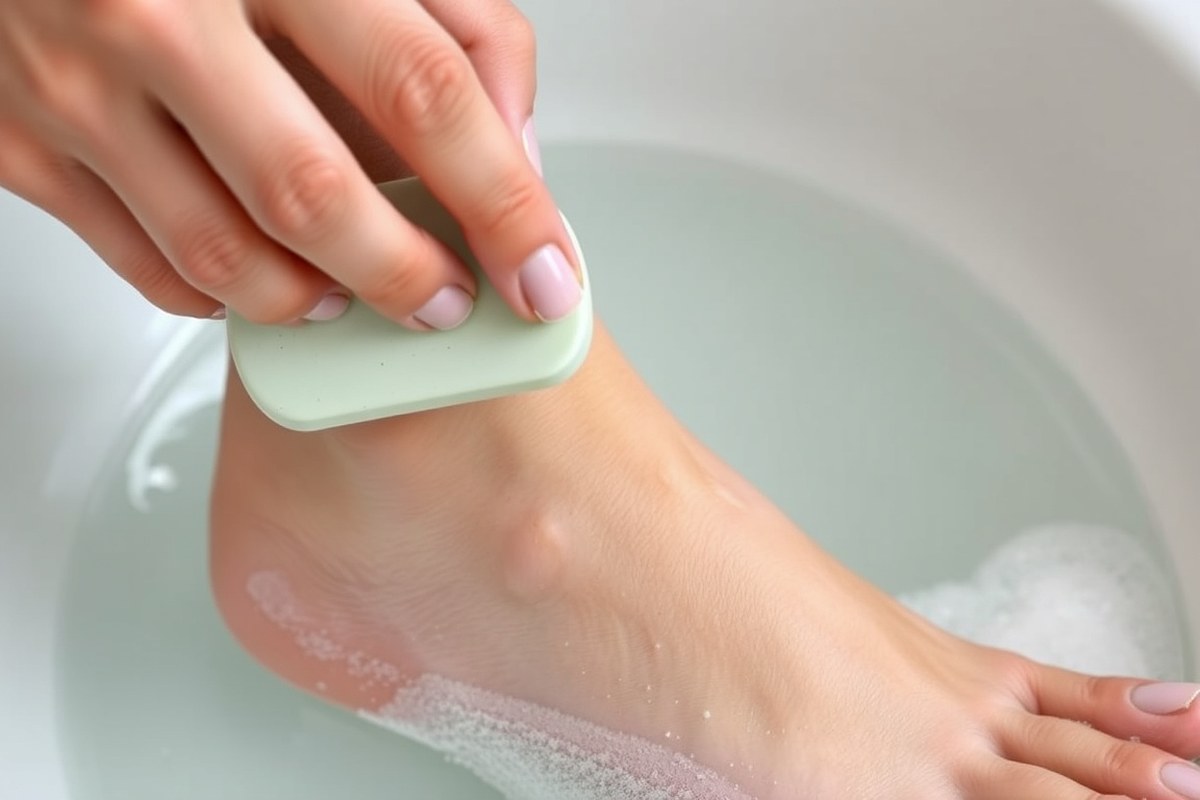
To safely remove calluses at home, follow a consistent routine that includes soaking your feet, gently exfoliating with the right tools, and applying moisturizers to seal in softness. This approach helps reduce thickened skin without causing pain or damage. Pay attention to timing and product use to avoid irritation and promote healing.
How Long and How Often to Soak Feet
Begin by immersing your feet in warm, soapy water for 10 to 15 minutes to loosen hardened skin, making removal easier and safer. Limiting soaking to once or twice weekly prevents dry skin, as soaking more frequently might strip natural oils. Sticking to a regular, moderate routine proves better than longer or more frequent soaks.
Use water around 92°F to 100°F to avoid skin irritation or burns. Add mild soap or bath salts for gentle cleansing, but avoid harsh chemicals or very hot water that can cause dryness or discomfort.
Choosing and Using Tools Safely
After soaking, use a pumice stone, foot file, or stainless-steel foot rasp with disposable abrasive stickers to gently exfoliate dead skin. Pumice stones suit most users as they’re gentle and easy to control, but avoid using sharp blades or metal razors that pose a risk of cuts and infections. Limit exfoliation to 1 or 2 times per week to prevent skin damage.
Light pressure is key: rub the callused area gently in circular motions to remove small layers of dead skin at a time. Stop if you feel pain or see redness. Rinse tools after each use and allow them to dry thoroughly to prevent bacteria buildup.
Applying Chemical Exfoliants and Moisturizers
Chemical exfoliants containing urea (20, 40%), ammonium lactate, or glycolic acid can be effective as part of your callus care routine. Apply these lotions after soaking and gentle filing, according to package directions. These acids soften thick skin gradually without scraping, but use them only as often as recommended, usually once daily or every other day.
Seal in moisture with a thick cream or petroleum jelly like Vaseline. Applying petroleum jelly around the callus before using medicated pads can protect surrounding healthy skin. Moisturizing daily keeps skin supple and prevents callus buildup by reducing friction.
- Soak your feet in warm, soapy water for 10, 15 minutes.
- Pat your feet dry gently with a towel.
- Use a pumice stone or foot file to lightly exfoliate the callused areas.
- Rinse feet again to remove loose skin.
- Apply a chemical exfoliant lotion containing urea, ammonium lactate, or glycolic acid if desired, following product instructions.
- Moisturize thoroughly with a thick cream or petroleum jelly.
- Wear well-fitting shoes and consider protective padding to reduce pressure.
- Repeat this routine once or twice a week.
Tip: Avoid removing too much skin at once; over-exfoliating can cause pain, irritation, or infection.
3. Comparing Callus Removal Methods: Manual, Chemical, and Professional
Manual, chemical, and professional callus removal methods each have their place depending on your skin sensitivity, health conditions, time, and budget. Manual filing is a low-cost, immediate option best for mild cases. Chemical treatments use acids to dissolve dead skin slowly, while professional removal by a podiatrist offers a safe and precise solution for thick, stubborn calluses or those with medical concerns.
| Method | Pros | Cons | Time Required | Cost Range | Safety for Sensitive Skin/Diabetes |
|---|---|---|---|---|---|
| Manual Filing (Pumice Stone, Foot File) | Low cost; Immediate results; Good for mild calluses | Risk of irritation or injury if applied too aggressively; May tire hands | 5, 15 minutes per session | Under $15 for tools | Use gently; avoid if circulation or sensation is poor |
| Chemical Removers (Acid Masks, OTC Peels) | Penetrates thick skin gradually; Low effort; Can improve skin texture | Requires patience (days to clear callus); Possible skin irritation; Careful dosing needed (20, 40% acid strength) | Daily or nightly application over several days | $10, $30 per product | Start with lower acid concentrations (20, 25%) for sensitive skin; consult a doctor if diabetic |
| Professional Removal (Podiatrist) | Safe and precise for thick or infected calluses; Reduces infection risk; Tailored advice | Higher cost; Need appointment; Not immediate, may require several visits | 20, 60 minutes per visit | $50, $150+ per session | Recommended for diabetes or poor circulation; safest option |
Manual filing works best if you want quick softening and removal of light calluses. Use a pumice stone or electric foot file gently after soaking feet to avoid skin damage. Avoid aggressive scraping which can leave your skin vulnerable to infection. Chemical treatments employ acids that loosen dead skin over days. Choose an acid strength appropriate for your skin, 20 to 25 percent for sensitive skin and about 40 percent for thick calluses if tolerated. These products let you relax while they work but watch for redness or irritation. If you have diabetes or reduced foot sensation, use lower strengths only after consulting a healthcare provider, as skin can be more vulnerable.
Professional callus removal is the safest for thick or painful calluses, especially if you have conditions like diabetes. A podiatrist will remove the callus carefully, preventing injury or infection that aggressive home treatments might cause. Professional sessions cost more but reduce long-term risks and often include personalized advice to prevent recurrence. Schedule visits every few weeks depending on callus severity. Avoid home blades or graters altogether since they remove too many skin layers at once.
For sensitive skin, start with gentle manual filing and moisturising with oils like coconut oil. Use low-concentration acids if needed. People with medical conditions that affect circulation or sensation should prioritize professional treatments and avoid aggressive home methods. Regular foot inspection helps catch calluses early for safer, effective management.
4. How to Prevent Calluses and Protect Your Feet Long-Term
Preventing calluses means reducing the friction and pressure that cause them. Wearing well-fitted shoes, using protective padding, choosing the right socks, and following a consistent daily foot care routine help keep your feet healthy and callus-free over the long term.
Choosing Properly Fitted Shoes
Proper footwear should have a roomy toe box to stop your toes from cramping and rubbing together. Shoes that fit too tightly or lack cushioning create pressure points that can cause calluses. Look for arch support to spread pressure across your foot evenly, which limits concentrated friction in specific spots.
Choose footwear made of breathable materials like leather or mesh, which reduce moisture buildup and lower the risk of skin irritation that can lead to thickened areas. Avoid shoes with stiff seams or tight straps pressing against your feet.
When buying shoes, try them on at the end of the day when feet tend to be slightly swollen. Make sure there’s about a half-inch of space between your longest toe and the end of the shoe. Walk around the store to assess both comfort and support. Replace worn-out shoes before the cushioning breaks down, often after 300 to 500 miles of walking or running.
Using Protective Insoles and Pads
Adding insoles or cushioned pads can reduce pressure and friction on sensitive areas prone to calluses. Gel or foam insoles cushion your entire foot, which lowers friction with the shoe. Targeted protective pads or moleskin stick to callus-prone spots to shield them from constant rubbing.
Use extra-thick cushions in shoes when you expect longer periods of standing or walking. Brands like Scholl’s offer medicated callus removers combined with thick cushions that protect irritated skin. Remember to replace insoles as they compress or wear out, usually every 6 to 12 months depending on use.
- Gel or foam insoles for overall cushioning
- Targeted moleskin or felt pads for callus-prone areas
- Extra-thick gel cushions for high-pressure spots
- Replace insoles after signs of wear or every 6 to 12 months
- Use medicated callus pads when recommended
Applying padding not only reduces discomfort but also helps your skin heal by lowering continual pressure. This allows callus removal efforts to last longer and prevents new calluses from forming.
Selecting Breathable, Moisture-Wicking Socks
Wearing the right socks is essential to limit friction and keep your feet dry. Moisture-wicking socks made from cotton blends or wool pull sweat away from your skin, reducing the wetness that softens and weakens skin, which can lead to calluses.
Thicker, cushioned socks offer extra padding between your foot and shoe, lowering friction. For people highly active or who spend hours standing, invest in socks designed for sports or work with reinforced heels and toes. Change your socks daily or more often if your feet sweat excessively.
Establishing a Regular Foot Care Routine
Daily foot care prevents calluses from forming by keeping skin soft and reducing pressure points. Wash your feet with warm water and gentle soap, dry them thoroughly especially between toes, and apply a rich foot cream at least once a day. Creams containing urea, lactic acid, or salicylic acid soften callused skin by increasing hydration.
After soaking your feet in warm water for about 10 minutes once or twice a week, carefully exfoliate thickened skin using a pumice stone or foot file. Avoid scrubbing too hard, since excessive friction can irritate the skin and cause calluses to worsen.
- Wash and dry feet thoroughly every day
- Apply moisturizing cream daily, focusing on callused areas
- Soak feet in warm water for 10 minutes weekly to soften skin
- Gently remove dead skin with a pumice stone or foot file
- Avoid walking barefoot on hard surfaces to reduce pressure
Maintaining this routine delays thickened skin buildup and keeps your feet feeling comfortable. Pay extra attention during seasonal changes or in dry climates, when skin tends to dry out more quickly.
5. When to See a Doctor: Signs You Need Professional Help
See a podiatrist if your calluses cause persistent pain or tenderness that home treatments have not relieved within about three weeks. Ongoing discomfort, difficulty walking, or signs of infection such as redness, warmth, or drainage can indicate that the callus may have deeper issues like abnormal pressure points or foot deformities. A professional evaluation can uncover these problems and recommend treatment to prevent worsening symptoms.
Your diabetes status is critical in deciding when to seek professional care. People with diabetes, neuropathy, or poor circulation should avoid self-treating calluses and consult a healthcare provider promptly. Reduced sensation means you might not notice injuries or infections that can escalate quickly, so medical supervision is necessary. A podiatrist can provide safer removal, monitor healing, and offer preventive strategies based on your condition.
Look for improvements within a typical home treatment timeline, calluses should soften, shrink, or at least stop growing within two to three weeks. If you don’t see progress or if the callus worsens, professional care is needed. A podiatrist will examine your feet, check your gait, and assess your footwear. Treatment may include custom orthotics, padding, bracing, or medication to address pain and inflammation. In some cases, surgical options may be discussed to correct structural problems causing recurring calluses.
Persistent or frequently recurring calluses can signal underlying medical issues like foot deformities or chronic conditions causing excessive friction. A specialist can identify whether bunions, hammertoes, or high arches contribute to your problem and suggest appropriate interventions. Managing these causes helps reduce callus formation and improves overall foot comfort and function.
Professional podiatric care can vary in cost depending on the services needed, from basic consultations averaging $100 to more extensive treatment plans. Many insurance plans cover medically necessary visits, especially for people with diabetes. Early intervention reduces the risk of infections, ulcers, or other complications that can be much more costly and dangerous to treat later.
Don’t ignore calluses if you have diabetes or notice persistent pain; prompt professional care can prevent serious foot problems.
6. Special Considerations for Sensitive Skin, Diabetes, and Deep Calluses
Calluses often return if the pressure or friction that caused them isn’t eliminated. For permanent removal, addressing the underlying cause, like ill-fitting shoes or repetitive stress, is necessary. When calluses become painful or very thick, they require special care. Deep calluses carry a higher risk of cracking, discomfort, and infection, especially if you have sensitive skin or health conditions such as diabetes.
For people with diabetes or poor circulation, self-treatment of calluses can be risky because reduced sensation and slower healing make the skin prone to injury. Avoid sharp tools like razors or callus shavers, which can easily cut too deeply and cause wounds. Instead, use gentle methods: soak your feet for 5 to 10 minutes in warm water to soften the hardened skin, then carefully rub with a pumice stone to remove surface layers without causing bleeding. Pat your feet dry afterward and apply a moisturizer to keep the skin supple.
When a callus becomes deep and painful, or if you have diabetes, neuropathy, or poor circulation, consulting a podiatrist is essential. A professional can safely trim thickened skin, prescribe medicated treatments such as creams containing 30% glycolic acid and taurine, and recommend custom orthotics to relieve pressure points. Podiatrists can also monitor for infections, which are a serious risk if foot skin breaks down.
People with sensitive skin should avoid overusing chemical exfoliants or harsh scrubbing, as these can worsen irritation. Use milder products and give your skin time to adjust. Wearing well-padded socks and supportive, properly fitting shoes reduces friction, which is key to preventing painful calluses from developing or worsening. Take breaks to rest your feet during long standing periods to limit pressure buildup.
Integrating essential oils like eucalyptus, lavender, or lemon in your foot care routine may improve circulation slightly, promoting healthier skin, though these are not substitutes for proper footwear or medical care. Regularly check your feet for signs of redness, swelling, or cracks. Any of these changes, especially with diabetes or circulation problems, should prompt a call to a healthcare provider promptly. Avoid attempting to cut or dig out calluses yourself to prevent injuries that could lead to serious infections.
7. Common Mistakes When Removing Calluses and How to Avoid Them
One common mistake when removing calluses at home is over-filing. Excessive filing or scraping can damage healthy skin, causing soreness and increasing the risk of infection. It’s best to gently file calluses once or twice a week with a pumice stone or foot file, stopping as soon as the skin feels smoother. Avoid aggressive scrubbing, which often leads to raw skin and discomfort.
Improper use of chemical treatments is another frequent error. Products containing salicylic acid are effective at breaking down thickened skin layers, but overuse or applying them to healthy skin can irritate and even open the area up to infection. People with diabetes or circulation problems should be especially cautious, as their skin is more vulnerable to damage. Always follow the instructions on the label, using only the recommended amount and frequency.
- Do not use sharp tools like razors or metal files, which can cause cuts and infections.
- Apply salicylic acid treatments only to the callused area, avoiding cracks or surrounding healthy skin.
- Limit the use of acid products to several times per week as directed, daily use often leads to irritation.
- Keep feet clean and dry before and after treatment to reduce infection risk.
- Avoid self-treatment on inflamed, bleeding, or painful calluses; consult a healthcare provider instead.
- Wear comfortable, well-fitting shoes to prevent new calluses.
- Moisturize regularly with products containing ammonium lactate 12% or urea 20% to soften skin and aid healing.
Ignoring signs of infection or skin breakdown is risky. If you notice redness, swelling, warmth, or pus around treated areas, seek medical advice rather than continuing home removal attempts. These signs mean bacteria could have entered broken skin, requiring professional care.
Taking time to clean tools before and after use, applying moisturizers to keep skin supple, and pacing treatment sessions will help protect your feet while improving calluses. Treatments that are too aggressive or careless often prolong recovery and can lead to more painful foot problems.
8. Differences in Treating Calluses Based on Location on the Foot
Callus treatment varies significantly depending on where the callus is located on your foot. The thickness, pressure, and skin sensitivity differ on heels, toes, and sides of the feet, requiring tailored care to safely and effectively reduce the hardened skin. Removing calluses overnight is unlikely, but consistent care using appropriate methods can soften and gradually diminish them without causing harm.
Heel Callus Treatment Tips
The heel bears a lot of your body weight, so calluses there tend to be thick and tough. Start by soaking your feet in warm water for about 10 to 15 minutes to soften the skin. After soaking, gently use a pumice stone or foot file in circular or side-to-side motions to smooth the callus without overdoing it. Making this part of your routine two to three times a week helps reduce thickness over time.
Using a deep moisturizer with ingredients like urea or salicylic acid after exfoliation can improve skin hydration and prevent cracking. Avoid scrubbing too hard, which can cause irritation or worsen calluses. Wearing cushioned insoles or heel pads reduces pressure and friction while standing or walking.
Big Toe and Ball of Foot Care
Calluses around the big toe and the ball of your foot often result from repeated pressure or friction during walking or activity. For mild to moderate calluses here, soaking your feet followed by careful filing helps manage buildup. Using a foot cream formulated for callused skin softens these areas and makes removal easier over several sessions.
A callus on the outer side of your big toe could be related to a bunion or toe misalignment, so minimizing friction is key. Using a toe sleeve or placing a small cushion between your big toe and the second toe helps reduce pressure and prevent aggravation. Wearing shoes with a roomy toe box also lowers rubbing and discomfort.
Over-the-counter foot peels and chemical treatments may work for mild calluses on the ball or big toe edges, but they need to be used with caution. Follow product instructions closely and avoid overnight use unless the label explicitly allows it. These peels soften skin gradually rather than removing calluses instantly.
Side of Foot and Lesser Toe Approaches
Calluses on the sides of your feet and lesser toes often develop from uneven pressure, foot shape, or tight footwear. Unlike broad calluses on heels, these are usually smaller and more localized. Frequent soaking and gentle filing can soften the skin, but mechanical removal should be very gentle to avoid skin damage.
Using protective padding, such as felt pads or silicone toe caps, shifts pressure away from callused spots. This helps healing and prevents new calluses from forming. Keep footwear flexible and roomy around the sides of toes to reduce friction.
Persistent or painful calluses in these areas may require a podiatrist’s evaluation to check for underlying deformities like hammertoes, which change pressure points. Professional treatments may include custom orthotics or targeted removal in-office to safely address the problem without increasing risk of injury.
Do not attempt to remove thick or painful calluses overnight; gradual softening combined with protective padding and proper footwear leads to safer, more lasting results.
Step-by-Step Action Plan for Getting Rid of Calluses on Your Feet
Follow this practical plan to safely remove calluses, protect your feet, and know when to seek professional care.
- Day 1: Soften Your Calluses, Soak your feet in warm water for 10 to 15 minutes to soften the thick skin. You’ll know it worked when the callused areas feel softer to the touch.
- Day 1: Gently Remove Dead Skin, After soaking, use a pumice stone or foot file to gently exfoliate the callus. Stop as soon as you feel the hard skin thinning, not red or tender.
- Day 1: Moisturize Thoroughly, Apply a thick moisturizer containing urea or salicylic acid to keep the skin soft. Calluses should feel less rough and dry after moisturizing.
- Week 1: Repeat Softening and Exfoliating, Soak, gently file, and moisturize every other day for one week. The callus should gradually become flatter and less noticeable.
- Week 2: Adjust Footwear and Padding, Wear well-fitting shoes with cushioning or use protective pads on pressure points to prevent new calluses. Your feet should feel more comfortable walking with less pressure on callus-prone areas.
- Week 3: Monitor Skin and Seek Help if Needed, Check for any signs of infection, pain, or cracks that do not improve. Consult a healthcare professional if calluses are deep, painful, or if you have diabetes or sensitive skin.
- Ongoing: Maintain Foot Care Routine, Moisturize daily, keep nails trimmed, and avoid walking barefoot on hard surfaces. Calluses should stay manageable or disappear with continued care.
Frequently Asked Questions
How Do You Permanently Get Rid of Calluses?
Permanent removal of calluses often requires regular care, proper footwear, and sometimes minor podiatric procedures. Routine exfoliation and pressure reduction can prevent them from returning.
Does Vaseline Get Rid of Calluses?
Vaseline helps soften calluses but doesn’t remove them. Use it after soaking and filing calluses to lock in moisture and improve skin softness.
What’s the Best Callus Remover?
The best callus remover depends on skin sensitivity and severity, but products with salicylic acid or an electric callus file with a vacuum system are effective options.
What Causes Calluses on Your Feet?
Calluses form due to repeated friction and pressure from footwear, walking patterns, or activities like running that rub the skin until it thickens.
Can I Use a Razor Blade to Remove Calluses at Home?
Using a razor blade is unsafe and can cause injury or infection; gentle filing after soaking is safer.
How Often Should I Exfoliate to Prevent Calluses?
Exfoliate your feet 1 to 2 times a week to remove dead skin before it hardens into calluses.
Final Thoughts
Getting rid of calluses on your feet starts with gentle, consistent care tailored to your skin type and foot health. Today, begin by soaking your feet in warm water for 10 minutes to soften the skin, then gently use a pumice stone to reduce rough patches. This simple step can start you on the path to smoother, healthier feet and help prevent future calluses from forming.





3 Comments