
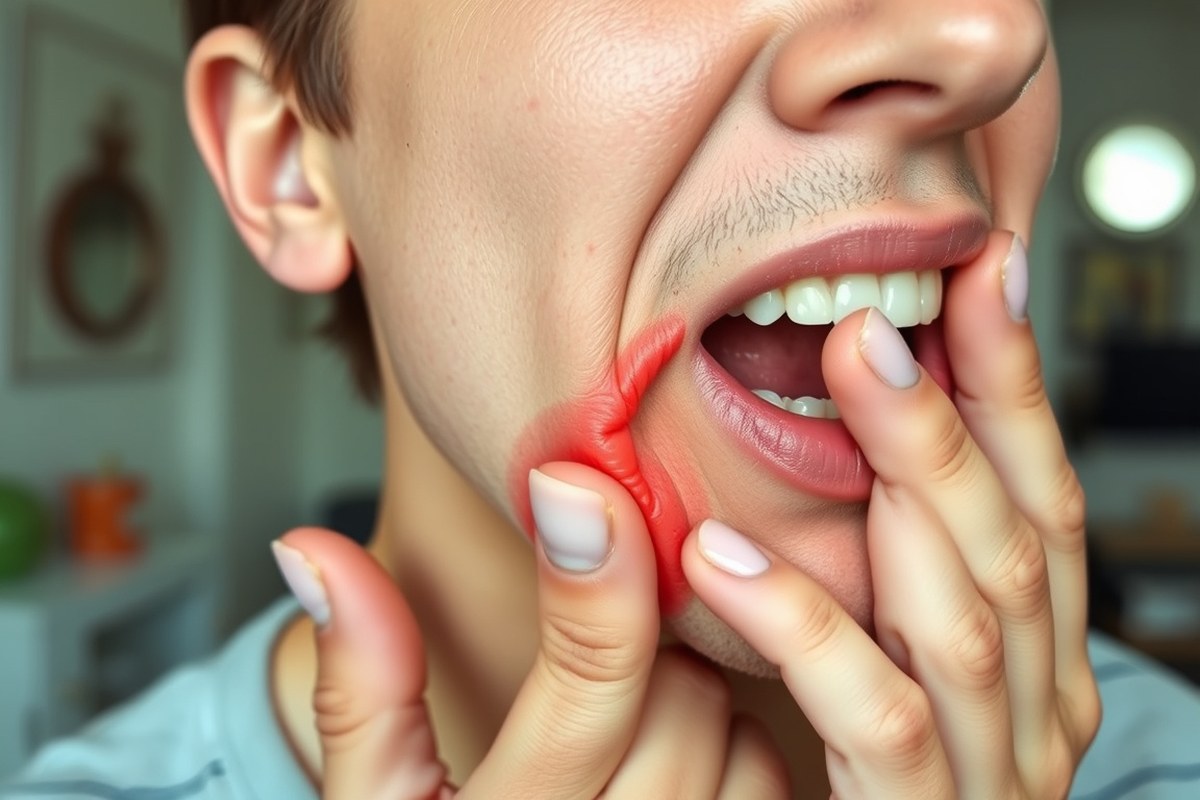
How to Get Rid of a Tooth Abscess Without Going to the Dentist: Safe Home Remedies and Warning Signs
Getting rid of a tooth abscess requires a visit to the dentist. A dental professional must treat the infection, typically through antibiotics and specific dental procedures. Home remedies may ease pain temporarily but cannot eliminate the underlying infection causing the abscess.
This guide is for those looking to manage a tooth abscess without immediate dental care. You’ll discover effective home methods to relieve pain, advice on maintaining oral cleanliness and diet while waiting, signs indicating urgent care is needed, and what you might expect during a dental visit.
Key Takeaways
- You cannot get rid of a tooth abscess without a dentist because home remedies cannot eliminate the infection’s source.
- Safe home remedies like warm saltwater rinses and diluted hydrogen peroxide can temporarily relieve abscess pain for 3, 5 minutes per application.
- Maintain oral hygiene by gently brushing, flossing, and avoiding sugary or acidic foods to reduce irritation while awaiting dental treatment.
- Seek emergency dental care immediately if you experience fever, facial swelling, or spreading pain beyond 24 to 48 hours.
- Avoid common mistakes like delaying treatment, self-draining an abscess, or using harsh chemicals, which can worsen the infection.
- Professional treatment involves drainage, root canal, or extraction, with full healing typically taking 1 to 2 weeks afterward.
Can You Get Rid of a Tooth Abscess Without a Dentist?

You cannot permanently get rid of a tooth abscess without professional dental treatment. A tooth abscess is a pocket of infection usually caused by bacteria entering the tooth’s inner pulp or the surrounding gum tissue. This infection leads to a buildup of pus and swelling, which causes pain and can spread if left untreated. Home care methods can only temporarily relieve pain and reduce inflammation, but they do not remove the infection itself or fix the underlying cause.
The reason dental care is necessary is that the abscess forms within the tooth or gum where regular oral hygiene and home treatments can’t reach effectively. A dentist will need to drain the abscess, remove infected tissue, and often prescribe antibiotics to fight the bacteria. Sometimes, root canal treatment or tooth extraction is required to fully heal the area. Without this professional intervention, the infection may continue to spread and worsen over days or weeks, potentially leading to serious complications.
Home remedies like rinsing with warm salt water, applying cold compresses, or taking over-the-counter pain relievers can help reduce pain and swelling in the short term. These measures should be employed to manage symptoms but never as a substitute for seeing a dentist. Delaying treatment can allow the infection to spread to other parts of the body, including the jaw, sinuses, or bloodstream, posing significant health risks.
A tooth abscess will not heal on its own because the infected tissue inside the tooth or gum cannot be cleaned by rinsing or topical applications. The abscess is physically sealed off within the tissue, so bacteria remain protected and continue to multiply unless mechanically or chemically removed. Professional treatments such as draining the pus and removing the infected source through a root canal or extraction are necessary steps to resolve it completely. Healing typically takes one to two weeks after proper treatment.
To sum up, home care can only complement professional dental treatment by alleviating pain and reducing inflammation temporarily. There is no method to cure a tooth abscess without a dentist’s help. Scheduling a dental visit as soon as you suspect a tooth abscess helps prevent worsening infection and complications. Using home remedies while waiting for dental care can make the symptoms more bearable but will not eliminate the problem or replace antibiotics or surgical intervention provided by a dentist.
Safe Home Remedies to Temporarily Relieve Tooth Abscess Pain
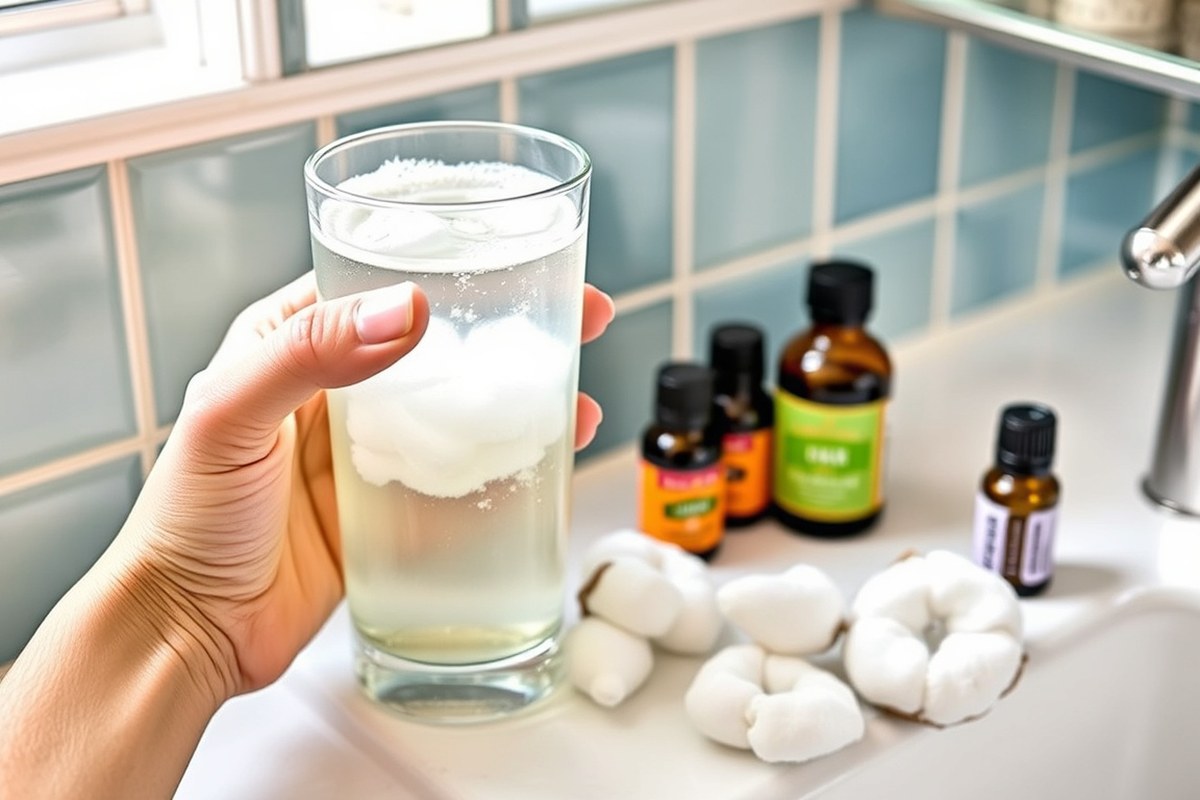
Several home remedies can temporarily reduce pain and swelling caused by a tooth abscess. Using saltwater rinses, cold compresses, and gentle natural treatments like essential oils or garlic may ease symptoms until professional care is possible. Applying these remedies safely and following proper techniques ensures maximum relief without worsening the infection.
Saltwater Rinse Technique and Frequency
Saltwater rinses are among the quickest and most effective home remedies to manage tooth abscess pain and bacterial growth. Mixing 1/2 cup of warm water with about 1/2 teaspoon of salt creates a solution that helps flush out bacteria and soothe irritated gums. Rinse your mouth gently by swishing the solution around the affected area for 30 seconds, then spit it out. Repeat this rinse two to three times daily, especially after meals, to maintain oral cleanliness and reduce discomfort.
Warm water temperature is key, too hot can irritate sensitive tissue, while cold may not dissolve the salt properly. Saltwater rinses also support healing in the early “pimple on the gum” stage of abscess formation by minimizing inflammation.
| Remedy | Purpose | How to Use | Frequency |
|---|---|---|---|
| Saltwater rinse | Reduces bacteria and soothes discomfort | 1/2 tsp salt in 1/2 cup warm water, swish 30 sec | 2-3 times daily |
| Cold compress | Decreases swelling and pain | Apply outside cheek for 15-20 minutes | As needed, several times a day |
| Baking soda rinse | Reduces plaque and fights bacteria | 1/4 tsp baking soda in 1/2 cup warm water, rinse mouth | 1-2 times daily |
| Garlic paste | Anti-inflammatory and antibacterial | Crush clove and apply directly to tooth or gum | Apply briefly; rinse off after few minutes |
| Essential oils (e.g. Clove) | Analgesic and antibacterial | Dilute drops in carrier oil, apply with cotton swab | 1-2 times daily |
| Hydrogen peroxide rinse | Disinfects and reduces bacteria | Dilute 3% solution with equal parts water, rinse | Once daily only |
Combining these remedies often provides better relief than using one alone. For example, pairing saltwater rinses with a cold compress and an over-the-counter pain reliever can reduce pain quickly.
Essential Oils: Types, Uses, and Safety
Essential oils like clove oil have natural pain-relieving and antibacterial effects. To use, dilute two to three drops of oil in about a teaspoon of a carrier oil such as coconut or olive oil. Apply the mixture gently to the affected tooth or gum area with a cotton swab. This method may help lower swelling and numb pain temporarily.
Essential oils can irritate if used undiluted or swallowed, so never apply pure oil directly into the mouth, and avoid excessive usage. Limiting application to once or twice a day helps reduce the risk of irritation or allergic reactions.
Other Remedies: Baking Soda, Garlic, Hydrogen Peroxide
Rinsing with baking soda can aid oral health by lowering plaque and offering mild antibacterial benefits. Combine 1/4 teaspoon baking soda with 1/2 cup warm water, gently swish for about 30 seconds, then spit it out. Doing this once or twice a day can support saltwater rinses in easing abscess-related discomfort.
Garlic has strong anti-inflammatory and antibacterial properties. Crush a fresh garlic clove into a paste and apply it directly to the abscessed area for a few minutes to relieve pain. Avoid leaving garlic on for too long because it can burn sensitive tissue. Rinse your mouth afterward to prevent irritation.
Hydrogen peroxide helps disinfect the area around the abscess. Dilute a 3% hydrogen peroxide solution with equal parts water and use it as a mouth rinse once daily. Overuse may damage mouth tissue and should be avoided. Do not swallow the mixture, and stop use if irritation occurs.
Use cold compresses on your cheek for 15 to 20 minutes to reduce swelling, but never apply ice directly to the skin to avoid frostbite.
How to Manage Oral Hygiene and Diet with a Tooth Abscess
Maintaining oral hygiene and choosing the right foods can help manage a tooth abscess without causing further irritation. Cleaning the affected area gently, staying well hydrated, and avoiding foods that worsen pain or swelling all play important roles in managing symptoms until you can see a dentist.
Effective Brushing Techniques for Sensitive Areas
Keep brushing twice daily to reduce bacteria buildup but be gentle around the abscessed tooth to avoid aggravating the infection. Use a soft-bristled toothbrush and brush with light pressure in small circular motions instead of harsh back-and-forth scrubbing. Avoid touching the swollen gum or the abscess itself directly with the brush to prevent irritation or bleeding.
Rinse your mouth with warm salt water after brushing to help cleanse the area and reduce inflammation. Mix half a teaspoon of salt in 8 ounces of warm water and swish gently for 30 seconds before spitting it out. This simple rinse can be done two to three times a day to help keep the infected area cleaner.
Safe Flossing Practices Around Abscess
Flossing is important to clear food particles that can feed bacteria, but be careful when cleaning near an abscess. Avoid forcing floss into painful spaces or under swollen gums, as this can worsen swelling or cause bleeding. Instead, gently slide the floss between teeth away from the affected area.
Consider using floss picks or interdental brushes designed to be gentle. If flossing causes significant discomfort, pause and focus on other cleaning methods like rinsing to maintain oral hygiene without increasing pain.
Hydration’s Role in Infection Control
Drinking plenty of water helps flush out bacteria and keeps your mouth moist, which aids in healing and reduces pain. Staying hydrated supports your immune system’s effort to control the infection and prevents dry mouth, which can worsen symptoms.
Aim to drink at least 8 cups (64 ounces) of water daily, adjusting for activity level and climate. Avoid sugary drinks and excessive caffeine, as they can dry out your mouth or feed harmful bacteria around the abscess.
Foods That Minimize Inflammation
Choosing soft, bland foods reduces chewing pain and irritation around the abscess. Foods easy to swallow and unlikely to irritate the gums or increase swelling help you maintain nutrition and comfort.
- Soft cooked vegetables like carrots or zucchini
- Mashed potatoes or sweet potatoes
- Oatmeal or cream of wheat
- Yogurt without added sugar
- Scrambled or soft-boiled eggs
- Soups at lukewarm temperatures
- Smoothies with no seeds or nuts
These choices provide nutrients your body needs without putting additional pressure or irritation on the affected tooth and gums.
Items to Avoid That Aggravate Symptoms
Certain foods and drinks increase pain, swelling, or bacterial growth in the abscess area, so avoiding them is important. Hard, crunchy, or spicy foods can scrape or irritate the gums. Extremely hot or cold items may trigger sharp pain due to sensitivity around the abscess. Here is a list of things to stay away from:
- Crunchy snacks like chips or nuts
- Sticky or chewy candies
- Spicy or acidic foods such as citrus fruits and tomato-based sauces
- Very hot coffee, tea, or soup
- Alcoholic beverages
- Sugary sodas and energy drinks
- Hard breads or crusty pizza edges
Avoiding these can reduce irritation and prevent making the infection worse while you manage symptoms at home.
Signs It’s Time to Stop Home Remedies and Seek Emergency Dental Care
Recognizing when home remedies are no longer enough is critical because a tooth abscess is a serious bacterial infection that can worsen quickly. Should symptoms intensify or new warning signs develop, professional dental care is necessary immediately to stop the infection from spreading to your jaw, face, or even bloodstream. Delay in proper treatment can lead to severe complications, including life-threatening conditions.
You should seek professional dental care as soon as possible once you identify these red flags. The decision rule is simple: if your symptoms progress beyond mild pain and swelling, or if you experience any systemic signs, get emergency care without delay. Mild discomfort or a small localized abscess might be managed temporarily with home care, but worsening symptoms demand urgent attention.
- Difficulty breathing or swallowing
- Rapidly spreading facial or neck swelling
- High fever (above 101°F) with chills
- Severe, unrelenting tooth or jaw pain
- Persistent bad taste or foul smell in the mouth
- Swelling that causes your eyes to close or your jaw to lock
- Confusion, dizziness, or light-headedness
Use this checklist to monitor your condition multiple times daily while waiting to see a dentist. Note if pain worsens or becomes constant instead of improving, or if swelling grows beyond your tooth line. Fever and chills usually indicate the infection is spreading and fighting it off without antibiotics becomes unlikely. Should you notice difficulty swallowing or breathing, immediately call an emergency service or go to the nearest hospital.
Despite attempts to reduce discomfort with warm saltwater rinses or over-the-counter painkillers, professional care is essential for full resolution. Dental treatment often involves draining the abscess, root canal therapy, or tooth extraction to remove the infection source. Antibiotics alone cannot eliminate the abscess; they help control infection only during and after dental procedures. Expect to pay a few hundred dollars to over a thousand, depending on your treatment and insurance coverage.
Early intervention limits complications, lowers treatment costs, and improves outcomes. Ignoring warning signs can lead to serious risks such as cellulitis, Ludwig’s angina, or sepsis. Home remedies serve to ease symptoms but do not replace the need for a dental professional’s diagnosis and treatment plan. Always act quickly if your condition deteriorates or if you have concerns beyond mild discomfort.
Risks and Common Mistakes When Trying to Treat a Tooth Abscess at Home
Attempting to drain a tooth abscess yourself is risky and can worsen the infection. The abscess contains pus that builds up under pressure, causing pain and swelling. Without proper sterile tools and professional knowledge, trying to pop or drain it can push bacteria deeper into your tissue or bloodstream, increasing the chance of serious complications like cellulitis or sepsis. Unlike a dentist, you won’t be able to remove the infected tissue inside the tooth root, which is necessary to fully clear the infection.
Home remedies like using essential oils or hydrogen peroxide are often misused for tooth abscess care. Applying essential oils directly to the abscess can irritate sensitive gum tissue or cause allergic reactions, especially if used undiluted. Hydrogen peroxide, though an antiseptic, should be diluted to about 3% and used only as a mouth rinse for no more than 30 seconds. Rinsing too frequently or swallowing it can damage healthy cells and disrupt the natural balance of oral bacteria, possibly worsening the infection. Avoid pouring any substance directly into the abscess or onto open sores.
Common mistakes include skipping professional antibiotics and relying solely on home treatments to eliminate the abscess. Abscesses require antibiotics prescribed by a dentist or doctor to stop bacterial growth; home remedies only help reduce pain temporarily. Trying to manage the infection with painkillers alone or ignoring worsening symptoms increases risk of spreading the bacteria to nearby areas like your jawbone or sinuses. Using sharp objects to poke or squeeze the swollen area can cause more tissue damage and pain.
Instead of risky attempts to drain an abscess at home, focus on safer alternatives that reduce discomfort while waiting for care. Gently rinse your mouth with warm salt water several times a day; this helps keep the area clean without harming tissues. Taking over-the-counter pain relievers as directed can also ease pain. Maintain good oral hygiene by brushing and flossing around the affected tooth without aggressive scrubbing. Monitor your symptoms carefully. If pus continues to drain or swelling increases, seek dental treatment promptly for professional drainage, antibiotics, and, if needed, procedures to remove infected tissue or extract the tooth.
Never try to pop or drain an abscess yourself; it can push infection deeper and lead to serious health risks.
Typical Professional Treatments and What to Expect After Dental Care
Professional treatment is necessary to cure a tooth abscess. Dentists commonly address the infection by first prescribing antibiotics to control the bacterial growth, especially if it has spread beyond the abscessed area. However, antibiotics alone rarely eliminate the source of infection, so additional procedures are often required. For abscesses confined to the tooth pulp, root canal therapy is a typical option. This procedure involves removing the infected tissue inside the tooth, cleaning and disinfecting the canals, and then sealing them to save the tooth and prevent further infection.
When an abscess has caused a significant buildup of pus, the dentist might perform an incision and drainage. This involves making a small cut near the abscess to allow the pus to drain out, relieving pressure and pain immediately. In more severe cases or when the tooth is too damaged to be saved, tooth extraction may be necessary. Removing the infected tooth stops the infection from spreading further and allows the area to heal properly.
Healing usually begins soon after treatment, but it can take several days to a couple of weeks for the swelling and discomfort to subside completely. After a root canal or extraction, expect some soreness around the site for 2 to 3 days. Using a wedge pillow to keep your head improve can reduce swelling and improve comfort during the first 48 hours. Dentists often recommend over-the-counter pain relievers like ibuprofen to manage discomfort, along with following specific aftercare instructions to prevent complications.
Follow-up care is essential to ensure the abscess heals properly. Avoid chewing on the treated side until healing is well underway, and maintain good oral hygiene by gently brushing and rinsing with a mild antiseptic mouthwash. If prescribed, complete the full course of antibiotics even if symptoms improve quickly. Failure to fully treat the infection can lead to abscess recurrence or spreading of infection to other areas, which may require more extensive medical intervention.
Costs vary depending on the treatment needed and your location. For example, root canals generally cost more than incision and drainage, with prices ranging from a few hundred dollars to over a thousand dollars. Tooth extraction tends to be less expensive but involves additional considerations if you need a replacement tooth later. Insurance may cover some or all of these treatments, but it’s best to check your coverage beforehand.
Effective Over-the-Counter Pain Relief for Tooth Abscess Symptoms
Over-the-counter (OTC) painkillers are effective for managing tooth abscess pain when used properly. Nonsteroidal anti-inflammatory drugs (NSAIDs) like ibuprofen typically provide the best relief because they reduce inflammation and pain simultaneously. Acetaminophen is another option if you cannot take NSAIDs due to allergies or stomach issues. It is important to follow the dosing instructions exactly on the label to avoid overdose or side effects.
For adults, ibuprofen usually comes in 200 mg tablets. You can take 1 to 2 tablets every 4 to 6 hours, with a maximum of 1200 mg per day from OTC products unless directed otherwise by a doctor. For acetaminophen, the dose for pain relief is 500 to 1000 mg every 6 hours, up to 3000 mg in 24 hours. Avoid exceeding these limits. Children’s doses vary by weight and age, so use a pediatric formulation and follow package directions carefully.
Combining OTC painkillers with home remedies like salt water rinses or cold compresses can help control pain more effectively without increasing risk. Salt water rinses help clean the area and reduce bacteria, while a cold compress applied outside the cheek can numb pain and minimize swelling. Clove oil applied cautiously to the sore area sometimes provides temporary relief due to its mild numbing effect, but it should be used sparingly and never swallowed.
- Take ibuprofen 200-400 mg every 4-6 hours, max 1200 mg/day without prescription
- Use acetaminophen 500-1000 mg every 6 hours, max 3000 mg/day
- Do not combine ibuprofen and acetaminophen at exactly the same time; space doses for continuous pain relief
- Rinse your mouth gently with warm salt water (1/2 teaspoon salt in 8 oz water) 2-3 times daily
- Apply a cold compress outside your cheek for 15 minutes on, 15 minutes off
- Use clove oil only in very small amounts and never swallow it
- Consult a pharmacist if you take other medications to check for interactions
Avoid using aspirin for children or teenagers with viral infections due to the risk of Reye’s syndrome. Taking multiple pain relievers at once without guidance can increase the chance of harmful effects or mask worsening symptoms. Always read the product labels for any contraindications related to your health and other medications. OTC pain relief does not treat the infection itself; it only helps manage discomfort while you arrange dental care. Persistent or severe pain should never be ignored, as untreated abscesses can lead to serious complications.
Step-by-Step Daily Home Care Checklist While Awaiting Dental Treatment
Managing a tooth abscess at home requires a careful daily routine that balances cleaning, pain relief, and monitoring for any changes. Following consistent steps each day helps control discomfort and prevents the infection from worsening while you wait for professional dental care.
Morning Routine: Cleaning and Rinsing
Start your day by gently cleaning your mouth to remove food particles and reduce bacteria around the abscess site. Use a soft-bristled toothbrush and avoid pressing hard near the affected tooth to minimize pain and irritation.
After brushing, rinse your mouth with a saltwater solution made by dissolving 1/2 teaspoon of salt in 8 ounces (about 240 ml) of warm water. This rinse helps reduce swelling and fights bacteria without irritating the sore area.
Afternoon Actions: Pain Relief and Monitoring
During the day, manage pain by using over-the-counter painkillers like ibuprofen or acetaminophen as directed on the package, typically every 4 to 6 hours. These medicines not only reduce pain but can lower inflammation caused by the abscess.
Keep track of any changes such as increased swelling, fever, or spreading redness. Monitor your temperature if you feel feverish, noting that a persistent fever above 100.4°F (38°C) can signal infection spreading and requires urgent care.
Evening Care: Soothing and Symptom Tracking
At night, repeat careful tooth brushing followed by a saltwater rinse to keep your mouth clean and reduce pain. Using a cold compress on your cheek near the abscess can lessen swelling and numb the area for up to 20 minutes per use.
Before bed, record your symptoms in a simple log noting pain levels, swelling, and any new signs like difficulty swallowing or breathing. Keeping this record helps communicate your condition clearly to the dentist when you visit.
- Brush gently twice daily with a soft toothbrush, avoiding direct pressure on the abscessed tooth.
- Floss carefully once daily to avoid irritating the infected area.
- Use a saltwater rinse (1/2 teaspoon salt in 8 oz warm water) after brushing to reduce bacteria and swelling.
- Take recommended doses of pain relievers every 4-6 hours, following label instructions.
- Apply a cold compress on the cheek for 15-20 minutes as needed to ease pain and swelling.
- Check your temperature daily if you feel feverish and watch for signs of spreading infection.
- Keep a symptom log noting pain intensity, swelling, and any new symptoms.
- Contact a dentist immediately if symptoms worsen or signs of systemic infection appear.
Do not apply aspirin or other painkillers directly on the gum or tooth; this can cause tissue damage. Always take medication by mouth following the dosage instructions.
Step-by-Step Action Plan for Managing a Tooth Abscess at Home
Use this plan to relieve pain and reduce infection symptoms safely while arranging professional dental care. Monitor your condition closely and seek emergency help if needed.
- Immediately: Rinse your mouth gently with warm salt water several times a day to reduce bacteria and swelling. You’ll know it works when you feel less irritation and mild pain relief.
- Within the first 24 hours: Take over-the-counter painkillers like ibuprofen or acetaminophen as directed to control pain and inflammation. Relief from throbbing or sharp pain signals that this step is effective.
- Daily: Maintain good oral hygiene by brushing gently around the sore area twice a day and flossing carefully. Reduced swelling and cleaner mouth sensation indicate progress.
- Daily: Avoid very hot, cold, sugary, or hard foods that irritate the abscess. Eating soft, bland foods helps minimize discomfort and prevents worsening.
- Check symptoms twice a day: Watch for worsening pain, fever, swelling spreading to the face or neck, difficulty swallowing or breathing. These signs mean stop home care and get emergency dental or medical attention immediately.
- Within 48 hours: Arrange a dental appointment even if symptoms improve, since a tooth abscess rarely clears without professional treatment. Confirmation of appointment ensures you’re following the safest route.
- Until your dental visit: Continue salt water rinses, pain relief, and gentle oral care. Notice any reduction in pain or swelling as signs your temporary measures are helping.
Frequently Asked Questions
Can You Treat a Tooth Abscess at Home Without Antibiotics?
No, antibiotics prescribed by a dentist are necessary to eliminate the infection causing a tooth abscess. Home care can only temporarily ease pain and swelling until professional treatment is possible.
Is Rinsing with Salt Water Enough to Cure a Tooth Abscess?
Rinsing with salt water helps reduce bacteria and ease discomfort but does not cure the abscess. Dental care is required to remove the infection source.
How Soon Should You See a Dentist After Noticing a Tooth Abscess?
You should see a dentist within a few days to prevent the infection from worsening. Delays can lead to serious complications like spreading infection.
Can a Tooth Abscess Heal on Its Own Without Treatment?
A tooth abscess will not heal on its own without treatment because the infection remains. Professional dental care is essential to fully resolve it.
What Are the Dangers of Trying to Drain a Tooth Abscess at Home?
Attempting to drain a tooth abscess yourself risks worsening the infection or causing further injury. Only a dentist should perform drainage safely.
Are Antibiotics Alone Enough to Fully Treat a Tooth Abscess?
Antibiotics alone may control infection temporarily, but dental procedures like drainage or root canal are usually necessary to fully treat a tooth abscess.
Final Thoughts
A tooth abscess usually requires professional dental treatment to fully resolve, but you can take steps at home today to reduce pain and avoid worsening the infection. Start by using a warm saltwater rinse several times daily to help reduce bacteria and soothe discomfort. Keep monitoring your symptoms closely, and schedule a dental appointment as soon as possible to prevent serious complications. Ignoring the problem or relying solely on home remedies can lead to more severe infections and health risks.





4 Comments