How to Get Rid of Crickets: 8 Effective Methods That Actually Work
To get rid of crickets, start by identifying where they hide and what attracts them indoors. Reducing moisture, sealing entry points, and using natural repellents like chili powder can be very effective. Combining traps, vacuuming, and safe chemical treatments helps eliminate them quickly and prevents future infestations.
This advice is for homeowners and renters dealing with cricket problems inside or outside their homes. You’ll learn steps to find crickets, remove them naturally or chemically, manage your environment, and know when to call a pest control professional.
Key Takeaways
- Locate crickets indoors by searching cracks, crevices, floorboards, and hidden warm spots between 80 and 90 degrees Fahrenheit.
- Seal entry points such as window wells, crawl space vents, and weep holes to prevent crickets from entering your home.
- Use diatomaceous earth dust along suspected entry areas and reapply every 1 to 2 weeks for ongoing control.
- Set bait traps near wood piles at least 20 feet from your house to reduce outdoor cricket populations.
- Manage indoor moisture and maintain about 50% humidity to create less attractive conditions for crickets.
- Vacuum crickets to quickly remove them, but avoid food prep areas unless equipment is fully protected from contamination.
1. Identify and Locate Crickets in Your Home
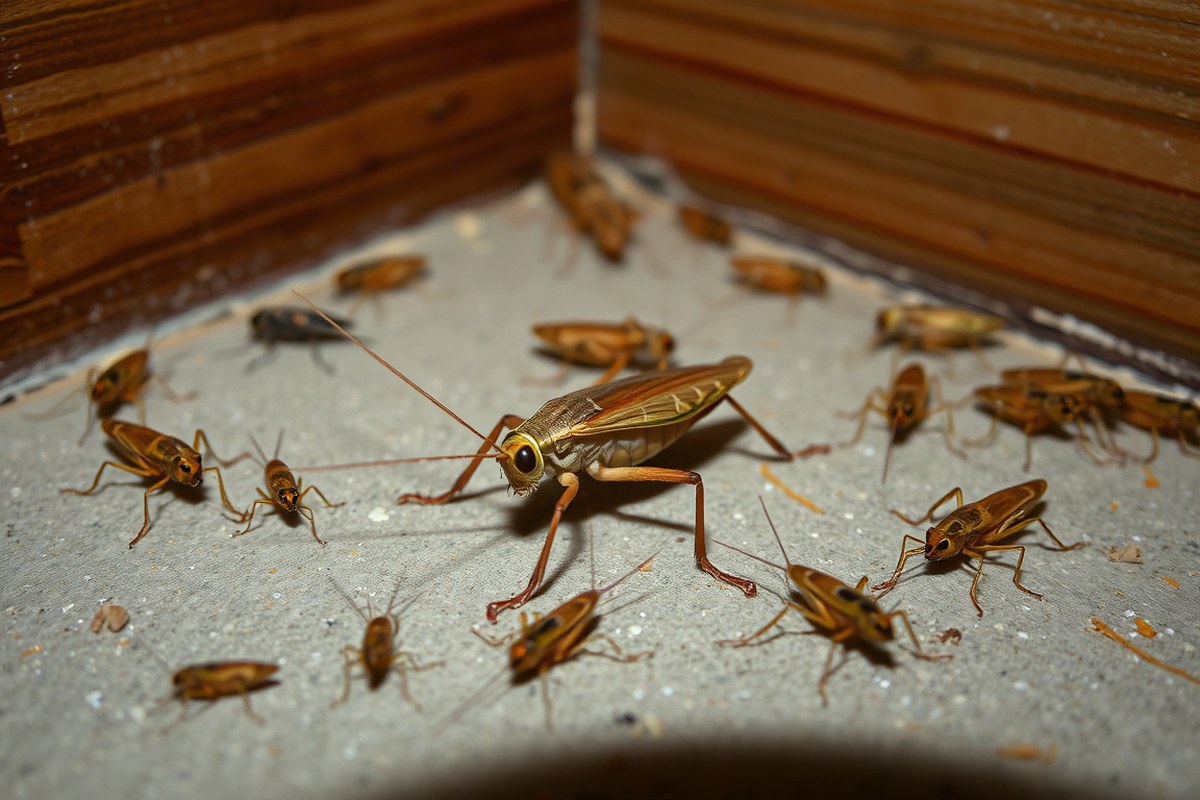
Crickets are most active at night and often give away their presence with a persistent, chirping sound. You can identify an infestation by spotting live crickets, hearing their calls between dusk and dawn, or noticing small black droppings similar to ground pepper. These droppings can carry bacteria, so it’s essential to address infestations promptly. The three common indoor cricket species are house crickets, field crickets, and camel crickets, each differing slightly in appearance and behavior.
House crickets are usually light brown or tan, about ¾ inch long, and attracted to warmth and moisture. They typically seek dark, damp areas such as basements, closets, or storage rooms. Field crickets are a bit larger, up to 1¼ inches, often black or brownish, and also drawn to warmth, frequently found near water heaters, furnaces, and other heat sources. Camel crickets, recognized by their humpbacked shape and long legs, prefer cool, damp environments like basements, crawl spaces, and garages. Unlike the other two, camel crickets don’t chirp and are more active during the day. Knowing where crickets tend to hide can help you locate and target them effectively. Inside your home, check these spots first:
- Near heat sources such as furnaces, water heaters, or appliances
- Dark, quiet spaces like closets, basements, or under furniture
- Damp areas including bathrooms, laundry rooms, or around pipes
- Under carpets or along baseboards and window sills
- Storage areas with clutter or cardboard boxes
Crickets often gather outdoors in wood piles, compost heaps, grass clippings, and thick plants. To limit their hiding places and breeding areas, keep these items at least 20 feet away from your house’s foundation. Cut back vegetation and remove ivy climbing on walls or near entryways since crickets can climb these surfaces to get inside. Check for gaps or cracks around doors and windows that could allow crickets to enter.
Identifying crickets early lets you act before they multiply indoors. Look for live insects or listen for chirping to confirm their presence. Pay attention to areas with warmth and moisture, and use the checklist to methodically search both inside and outside your home. Persistent infestation signs include frequent evening chirping and numerous droppings on floors or shelves. Taking these steps can save time and reduce the effort needed to get rid of crickets effectively.
2. How Crickets Enter and What Attracts Them Indoors
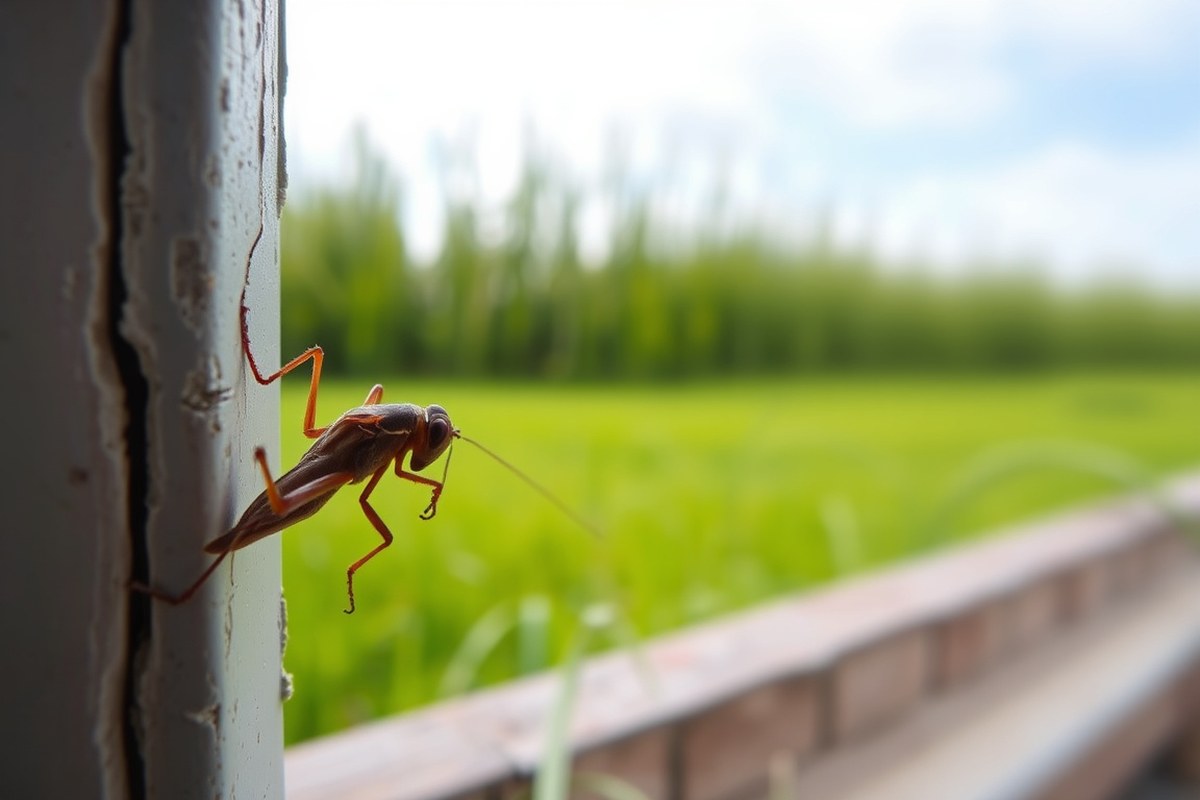
Crickets enter homes primarily through small cracks, gaps around windows and doors, open vents, and pet doors. These openings provide easy pathways for crickets to come indoors. You may not notice these entry points during your normal daily routines, but crickets take advantage of even tiny spaces since they are slender and agile. Checking your home’s exterior for any openings wider than ¼ inch and sealing them with weatherstripping or caulk can significantly reduce cricket intrusion. Pest control professionals often recommend inspecting entry points during cooler months when crickets seek warm shelter.
Moisture inside your home strongly attracts crickets. They are drawn to damp areas such as basements, bathrooms, and kitchens where humidity levels tend to be higher. Running a dehumidifier can help reduce indoor moisture, making your home less inviting to crickets. These insects need water to survive, so fixing leaks and improving ventilation in moisture-prone areas plays a important role. Keeping your home dry not only deters crickets but also prevents other pests and mold growth.
Outdoor lighting near doors and windows is another factor that pulls crickets close to your home. Bright white lights attract crickets at night, increasing the chances they’ll find a way inside. Switching to yellow “bug lights,” which cost about $10 to $15 each and are widely available at hardware stores, can reduce the allure. Turning off unnecessary outdoor lights after dark is an easy step that costs nothing and cuts down cricket activity around your house.
A tidy yard and clean surroundings also matter since overgrown plants, piles of wood or leaves, and unkempt grass create ideal hiding spots right outside your door. Crickets spend daytime hours in moist, shaded places outdoors, so reducing clutter minimizes their presence near your home. Keeping grass trimmed below 3 inches and moving firewood stacks away from the house reduces the cricket population close by and reduces the odds they’ll venture indoors.
Reducing outdoor lighting and switching to yellow bug lights near entry points can cut cricket attraction by up to 70 percent during peak activity months.
Crickets are most active in the evening and seek shelter indoors to escape cold or dry outdoor conditions. Once inside, they rely on available food, water, and shelter to survive and can remain for months without being noticed. Taking proactive measures to limit both their access points and what draws them in ensures fewer crickets find your home appealing in the first place.
3. Natural and Homemade Methods to Remove Crickets
Using natural and homemade methods to remove crickets is a safe and effective alternative to chemical treatments. Options like molasses baits, essential oils, and diatomaceous earth attract or repel crickets while posing no harm to humans, pets, or the environment. These approaches allow you to manage cricket problems inside and around your home using simple ingredients and easy-to-follow steps.
Creating Molasses and Soap Baits
Molasses traps lure crickets with their sweet scent, making them one of the best homemade bait options. Mixing molasses with water and soap creates a sticky trap that captures crickets without toxic chemicals. These traps work well indoors near common cricket hiding spots like basements, closets, or near doors. Follow these steps to create homemade molasses and soap baits:
- Fill a jar about one-third full with molasses.
- Add water to the jar in a 1:10 ratio (for example, 1 cup molasses to 10 cups water).
- Pour 1 tablespoon of liquid dish soap into the mixture; this breaks surface tension so crickets sink and drown.
- Stir the mixture gently to combine all ingredients without creating bubbles.
- Place the jar near suspected cricket infestations or where you’ve heard chirping, such as by walls or dark corners.
- Check the bait every two to three days and replace it if clouded or full of insects.
Molasses is inexpensive and easily found in grocery stores, and the bait should start attracting crickets within hours. Keep traps out of reach of pets to avoid accidental ingestion.
Using Essential Oils for Repelling Crickets
Crickets dislike the smell of certain essential oils like peppermint, lavender, citronella, and eucalyptus. These oils act as natural repellents by irritating cricket sensory organs, discouraging them from entering treated spaces. Sprays made with these oils can be applied indoors and outdoors to keep crickets away from entry points and areas where they hide.
To make an essential oil cricket repellent spray, mix 10 to 15 drops of your chosen essential oil with 2 cups of water in a spray bottle. Shake well before each use and spray along baseboards, door frames, windowsills, and any cracks inside rooms or outside near foundations. Reapply every 3 to 4 days or after rain for outdoor use. Using a combination of oils can be more effective than a single scent alone.
Applying Diatomaceous Earth Safely
Diatomaceous earth (DE) is a natural powder made from fossilized algae that kills crickets by damaging their exoskeletons, causing them to dehydrate. Food-grade DE is non-toxic to humans and pets and can be safely applied indoors and outdoors around your home. It offers a passive method of cricket control that lasts until wiped away.
Apply a thin layer of DE along baseboards, cracks, crevices, and under furniture where crickets have been spotted. You can also spread it around door thresholds, window sills, and landscaping beds to reduce cricket activity outside. Reapply every 1 to 2 weeks or after cleaning or rain. Avoid inhaling the dust, and wear a mask when applying.
4. Using Traps, Vacuuming, and Chemical Treatments Effectively
To get rid of crickets effectively, set traps like sticky pads in strategic locations, vacuum visible crickets and eggs regularly, and apply insecticides carefully following product instructions. Each method targets different parts of a cricket problem and works best when combined with good placement, timing, and safety practices.
Different Trap Types and Placement Tips
Sticky traps and glue strips are among the best options for catching crickets quickly and without chemicals. Place these traps near cricket-prone areas such as baseboards, corners, windowsills, and behind appliances. Molasses traps are another effective, natural option, made by mixing molasses and water to attract and drown crickets.
Change or empty traps once or twice a week, depending on cricket activity, until no more insects are caught. Using traps is non-toxic, hands-off, and serves as a monitoring tool for ongoing cricket presence. Granular bait traps, while often used for cockroaches, can also help reduce cricket populations by attracting them to pesticide-laced bait.
| Trap Type | How It Works | Placement Tips | Maintenance |
|---|---|---|---|
| Sticky Traps / Glue Strips | Crickets get stuck on the adhesive surface | Near baseboards, windowsills, dark corners, behind appliances | Replace or dispose once full or weekly |
| Molasses Traps | Crickets attracted to sweetness, then trapped in liquid | Low, quiet areas with cricket activity | Refresh liquid every few days |
| Granular Bait Traps | Pesticide bait attracts crickets, causing death after ingestion | Outdoor lawn, garden edges, early summer application recommended | Reapply according to product label, usually monthly |
Vacuuming Crickets: Dos and Don’ts
Vacuuming works well to remove live crickets, dead insects, and eggs visible in your home. It can quickly reduce numbers especially if you spot cricket clusters. Use a vacuum with strong suction and a narrow nozzle to reach corners and baseboards where crickets hide.
Do vacuum daily or every few days during active cricket periods to disrupt their life cycle. Empty the vacuum bag or canister outdoors immediately after to prevent crickets from escaping back inside. Avoid using vacuum cleaners that release exhaust air indoors if they lack proper filtration.
Chemical Options: Safety and Effectiveness
Insecticides are effective for quickly reducing cricket populations both inside and outside your home. Treat outdoor areas with lawn insecticides or sprays during early summer when crickets begin to emerge. Inside, use insecticidal sprays around corners, windowsills, and baseboards to repel or eliminate crickets that come indoors.
Follow all label instructions carefully to ensure safe and proper application. Avoid spraying where children, pets, or food are exposed. Boric acid powder offers a lower-toxicity option indoors when applied in cracks and crevices, but avoid inhaling dust or contaminating surfaces. Below is a checklist of best practices when using chemical treatments:
- Wear gloves and ventilate the area well during and after application.
- Apply only recommended amounts evenly on targeted surfaces.
- Keep children and pets out of treated areas until product dries or settles.
- Store leftover insecticides out of reach and follow disposal instructions.
- Combine chemical use with traps and vacuuming to maximize results.
Using insecticides without care risks exposure and can kill beneficial insects or predators of crickets that help control their numbers naturally.
5. Manage Moisture and Environmental Factors to Deter Crickets
Moisture and humidity create ideal conditions for crickets to thrive, as they prefer damp environments with about 50% humidity and temperatures near 85 degrees Fahrenheit. Reducing moisture around your home can significantly lower cricket presence. Start by cleaning gutters regularly to prevent water buildup and empty any standing water in the yard, such as in birdbaths, plant saucers, or clogged drains. Inside the home, especially in basements or crawl spaces, using a dehumidifier or improving ventilation can help keep humidity levels down and make these spots less hospitable to crickets.
Yard maintenance plays a critical role in deterring crickets. Keep your lawn well-trimmed and free of dense vegetation, leaf piles, or clutter where crickets can hide and breed. Removing debris and mowing grass regularly denies crickets the shelter and food they seek outdoors. Consider sprinkling a fine line of diatomaceous earth around yard clutter or garden edges, as this natural powder creates a barrier crickets prefer to avoid. For mole crickets, which are larger and burrow underground, maintaining bare soil and addressing underground tunnels may be necessary, but these rarely enter homes.
Lighting choices also influence cricket attraction. Bright white or blue-toned lights draw crickets and other insects toward your house. Switching to warm-toned LED or amber bulbs, available at retailers like Walmart, can reduce insect presence by providing adequate lighting without inviting crickets in. Position outdoor lights away from doorways and windows to lessen their pull indoors. Regularly inspecting and adjusting your outdoor lighting setup during peak cricket seasons, often in late summer and early fall, can help manage their numbers.
For a systematic approach, first assess moisture sources inside and outside your home, targeting gutters, irrigation systems, and indoor damp areas. Follow by clearing yard debris and maintaining short, well-groomed grass. Replace harsh outdoor lights with warm LEDs and reposition existing fixtures to minimize cricket attraction. These steps require modest time and costs: gutter cleaning supplies and a dehumidifier range from $30 to $150, basic lawn mowing tools may already be on hand, and LED bulbs typically cost between $5 and $15 each.
Successful moisture control and yard management reduce cricket activity by eliminating their preferred habitats and food sources. Signs of good results include fewer cricket calls at night around your home and a noticeable drop in indoor sightings. Problems often arise if moisture continues unchecked or the yard remains cluttered, which can sustain or increase cricket populations despite other treatments.
Monitor humidity levels in basements and crawl spaces with a hygrometer; keeping it under 50% can prevent cricket infestations.
6. Seal Entry Points and Create Physical Barriers
Sealing entry points is one of the most effective ways to stop crickets from entering your home. You want to focus on cracks, gaps, and crevices around doors, windows, vents, and foundations. Using materials like silicone caulk and weatherstripping creates physical barriers that block their access.
Inspecting Common Entry Points
Start by thoroughly checking the exterior and interior of your home for potential entry points. Key areas include door frames, window sills, baseboards, and places where pipes or wires enter the structure. Crickets often squeeze through very small cracks and gaps, so a detailed inspection matters.
Look closely at basement walls, crawl spaces, and vents since these areas frequently have openings that are easy to overlook. Check around your kitchen and behind appliances as well, since crickets seek shelter in warm, dark spots. Use a flashlight and a small mirror if needed to see hard-to-reach places.
Materials to Seal Cracks and Gaps
To effectively seal entry points, use silicone caulk for narrow cracks and smaller gaps. Caulk is flexible, waterproof, and easy to apply, making it ideal for filling crevices in masonry, wood, or around window and door frames. For wider openings, replace or install weatherstripping on doors and windows to ensure a tight seal when closed.
Mesh screens are useful for vents, crawl space openings, and weep holes in brick walls. These physical barriers prevent crickets from crawling inside while still allowing airflow. Diatomaceous earth can also be sprinkled in cracks before sealing to help deter crickets because it damages their exoskeletons.
Maintaining Seals over Time
Sealing entry points is best done as an ongoing maintenance task. Conduct monthly inspections of your home’s exterior to catch new cracks or gaps early. Check that weatherstripping remains in good condition and replace it if it becomes worn or damaged.
Apply silicone caulk during warmer months when temperatures are above 40°F for best adhesion and curing. Avoid sealing during rainy or very cold weather to prevent surface damage or poor bonding. Also, maintain clean, dry surfaces before application to maximize effectiveness.
- Inspect all doors, windows, vents, foundation cracks, and pipe entrances for gaps or damaged seals.
- Clean surfaces with a brush or damp cloth to remove dirt, debris, or loose material that can prevent adhesion.
- Apply silicone caulk along narrow cracks and crevices, smoothing it with a gloved finger or caulk tool for complete coverage.
- Install or replace weatherstripping on door and window frames, pressing firmly to eliminate gaps when closed.
- Cover vent openings with fine mesh screens secured by staples or screws to block cricket entry without restricting airflow.
- Sprinkle diatomaceous earth inside cracks before sealing for added insect deterrence, especially in basements and crawl spaces.
- Keep doors and windows closed or ensure screens are in place, especially at night when crickets are most active.
- Schedule routine monthly inspections to spot new vulnerabilities and reseal as needed.
7. Proper Disposal and Handling of Trapped or Vacuumed Crickets
Properly disposing of trapped or vacuumed crickets is essential to avoid reinfestation and maintain a clean home. Crickets can jump up to 3 feet and may escape if not securely contained, leading to another round of pest problems. Handling them safely also reduces the risk of spreading contaminants or droppings that could cause sanitation issues.
Start by sealing captured crickets in a disposable container or bag immediately after trapping or vacuuming. Use thick plastic bags that you can tie securely or airtight containers with a lid. This prevents escape during disposal or temporary storage. Next, follow these steps to ensure safe and effective disposal:
- Wear disposable gloves to avoid direct contact with crickets or their residues.
- Place the vacuum bag or contents from traps into a sealed plastic bag.
- Tie the bag tightly and place it in an outdoor trash bin with a secure lid to prevent animals from opening it.
- Clean the vacuum and traps with a disinfectant detergent after use to remove any egg residues or droppings that might attract more crickets.
- Wash your hands thoroughly after disposal even if gloves were worn.
Due to cricket eggs possibly remaining in vacuums or traps, thorough cleaning after each use is critical. Vacuum bags with live crickets or eggs should be discarded promptly; reusing them risks future hatching inside your home. Cleaning traps and vacuum components with a mild bleach solution or detergent helps eliminate any remaining eggs or bacteria.
In some cases, freezing the sealed container or vacuum bag for 24 to 48 hours can kill any surviving eggs or nymphs before disposal. This step adds extra protection against reinfestation but requires freezer space and planning.
If you rely on natural traps filled with liquids like molasses and water, dispose of the liquid carefully to avoid spills that attract other pests. Dump the liquid outside, away from your home’s foundation, and rinse the container well before reuse or disposal.
Costs for proper disposal are minimal, generally limited to purchasing heavy-duty trash bags and gloves. The effort and supplies help prevent repeated cricket problems and avoid increased cleaning or pesticide expenses later.
8. When to Call Professionals and Expectation for Costs
Contact a professional pest control service if you cannot locate the source of the cricket infestation, or crickets keep entering your home despite your efforts. Persistent or large infestations often require expert treatment to fully eliminate the problem. Professionals have access to targeted treatments and know how to use equipment safely and effectively, which can make a significant difference, especially with hard-to-reach or damaging cricket species like spider crickets.
Expect a thorough inspection first, to identify entry points and nesting areas. The service typically includes applying insecticides in strategic indoor and outdoor locations, sealing potential entry points when possible, and providing advice on long-term prevention. Follow-up visits might be suggested for ongoing issues, as cricket populations can rebound if conditions like moisture and access points are not controlled.
Cost for professional cricket control varies by location and infestation severity. On average, you can expect to pay between $175 and $325 for treatment of a typical home. Larger or more complex infestations may increase costs. It’s wise to get a detailed estimate before service begins and confirm what is included, such as the number of visits or guarantees of effectiveness. Decide to call a pro based on a simple rule:
- You have tried DIY traps, sealing, and moisture control with no reduction in cricket numbers after two weeks.
- Crickets appear repeatedly despite cleanup and home maintenance efforts.
- You see damage or notice harmful species like spider crickets that may require specialized handling.
| Decision Factor | Action | Cost Range |
|---|---|---|
| Invisible or hidden infestation source | Call professional pest control | $175 – $325 for typical home |
| Repeated cricket appearances after DIY attempts | Schedule inspection and treatment | $175 – $325, possible follow-up |
| Presence of spider crickets or heavy damage | Professional removal recommended ASAP | Variable, may increase |
| Minor signs and minimal cricket presence | Continue with traps and moisture control | Low to no cost DIY |
Professional pest control services help identify the source of infestations and apply treatments that are safer and more effective than most DIY methods. Long-term success depends on following their recommendations for home maintenance, such as sealing gaps and managing moisture. Since crickets can reinvade, ongoing vigilance is necessary to keep them away permanently. For persistent problems, schedule regular inspections or treatments tailored to your situation.
Make sure to follow all safety instructions provided by professionals and avoid using over-the-counter pesticides near food prep areas unless fully contained.
Step-by-Step Action Plan to Get Rid of Crickets
This plan guides you through identifying, eliminating, and preventing crickets in your home using safe and practical methods.
- Day 1: Inspect and Identify, Look for crickets in dark, damp places like basements, closets, and under furniture. Confirm their presence by hearing their chirping or spotting them at night with a flashlight.
- Day 2: Reduce Attractants and Moisture, Fix leaks, use a dehumidifier, and remove debris or standing water near your home. You’ll know this worked if cricket activity starts to decrease within a few days.
- Day 3: Seal Entry Points, Use caulk or weatherstripping to close cracks, gaps around doors, windows, and vents. Successful sealing means you no longer see crickets coming inside after a week.
- Day 4: Set Traps or Vacuum, Place sticky traps near suspected cricket paths and vacuum visible crickets daily. Traps catching crickets or no new crickets found during vacuuming shows progress.
- Day 7: Use Natural or Chemical Treatments, Apply natural repellents like essential oils or, if needed, select chemical treatments following label instructions precisely. Effective treatment is indicated by a continued drop in cricket sightings.
- Week 2: Dispose and Clean, Properly remove and discard trapped or vacuumed crickets outside your property to avoid attracting others. Keep cleaning regularly to prevent reinfestation.
- After 2 Weeks: Reassess and Call a Professional if Needed, If crickets persist despite your efforts, contact a licensed pest control service. Expect an inspection and a tailored treatment plan with associated costs explained upfront.
Frequently Asked Questions
What Natural Scents Repel Crickets Effectively?
Crickets dislike spicy scents, so sprinkling chili powder around entry points can help keep them away naturally. This non-toxic method works well alongside other prevention steps.
Can Crickets Survive Indoors Without Moisture?
Crickets need moisture to survive indoors, so reducing humidity levels in your home makes it less hospitable and helps drive them out. Use dehumidifiers and fix leaks to limit moisture.
Does Removing Yard Predators Affect Cricket Populations?
Yes, removing spiders and lizards can increase cricket numbers since these predators naturally control them. Letting predators thrive outdoors helps keep cricket populations down.
Are All Crickets Equally Attracted to Homes?
No, house, field, and camel crickets all behave differently but commonly seek shelter indoors, especially in damp or cluttered areas. Knowing their habits helps target control measures.
Can Regular Lawn Maintenance Reduce Cricket Infestations?
Maintaining a mowed lawn and trimming plants reduces nesting sites for crickets, making your yard less inviting and lowering the chances they’ll enter your home.
Is Vinegar Safe to Use for Cricket Control?
Vinegar is a safe, natural, and inexpensive way to repel crickets when sprayed in problem areas. It irritates them and discourages returning without harmful chemicals.
Wrapping Up
Getting rid of crickets involves a combination of removing what attracts them and blocking their access to your home. Start today by checking your doors, windows, and vents for small gaps and sealing them with weatherstripping or caulk. This simple step reduces entry points and can make a noticeable difference in preventing more crickets from coming inside.