How to Get Rid of Fleas in Bed: A Complete Guide with Proven Steps
To get rid of fleas in bed, start by washing all your bedding in water at least 130°F and drying it on high heat for at least 30 minutes. Vacuum your mattress and surrounding areas thoroughly, then treat pets and upholstery to stop the flea cycle. Following these steps will help you eliminate fleas quickly and prevent them from returning.
This advice is for anyone facing a flea infestation in their bedroom, especially pet owners. You’ll learn how to identify fleas, understand how they invade your bed, use washing and vacuuming techniques properly, treat mattresses and carpets, and know when professional help is needed. These proven steps cover everything you need to get your bed flea-free and keep it that way.
Key Takeaways
- Wash all your bedding using water heated to no less than 130°F and dry it on the highest setting for at least 30 minutes to ensure all fleas are eradicated.
- Vacuum mattresses, upholstery, and floors thoroughly to remove adult fleas, eggs, and larvae from your sleeping area.
- Treat pets promptly with flea medication to kill adult fleas within 24 to 48 hours and prevent reinfestation.
- Use steam cleaning on mattresses and carpets to kill fleas at temperatures above 200°F safely and effectively.
- Identify flea entry points by checking pets, furniture, and possible cracks where fleas may enter and lay eggs.
- Regularly clean bedding and maintain pet flea prevention to break the flea life cycle and avoid re-infestation.
How to Identify and Confirm Fleas in Your Bed
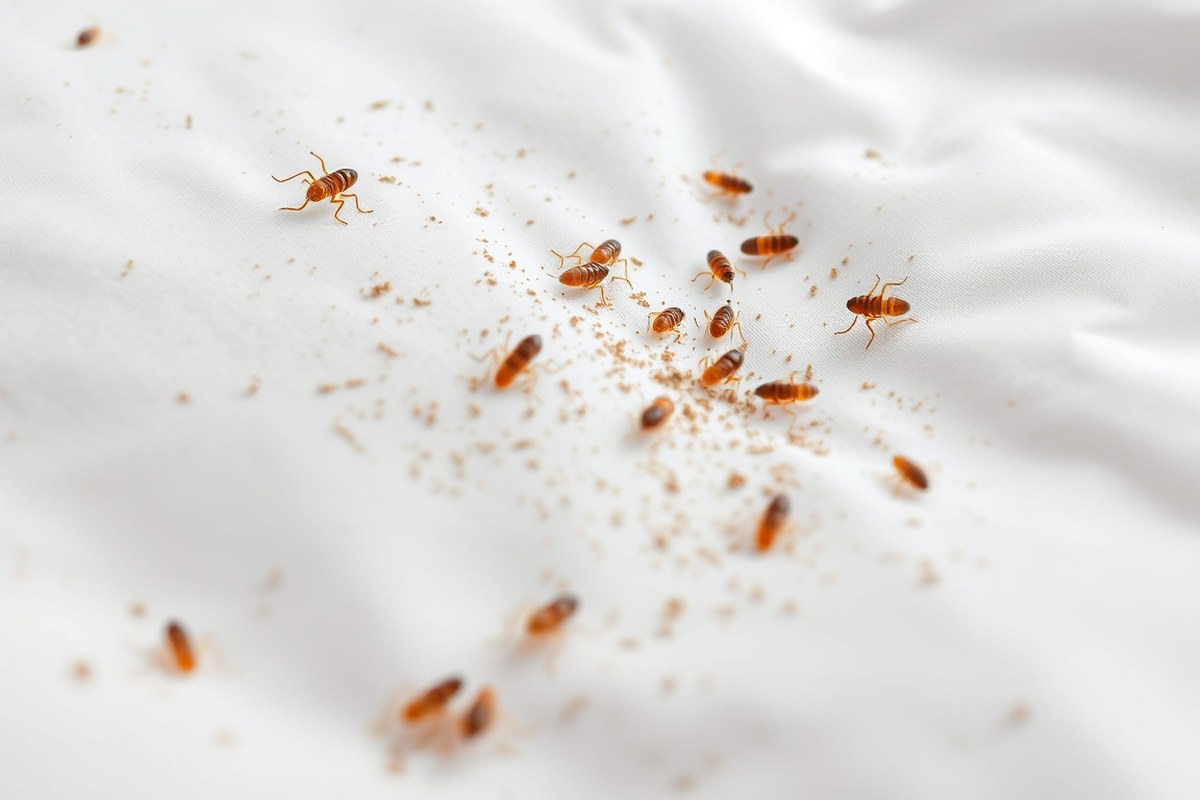
Recognizing fleas in your bed starts with spotting tiny, dark bugs about 1.5 to 3.3 millimeters long that jump rather than crawl or fly. Unlike bed bugs, which are flat and reddish-brown, fleas are smaller, dark brown or black, and often hard to see because they hide in bedding or on pets. You might notice live fleas hopping around your mattress or sheets, especially near where your pet sleeps.
Flea dirt is another key sign. It looks like small black pepper-like specks scattered on your bedding or furniture. To confirm you’re dealing with flea dirt and not regular dirt or pepper, place some on a damp white paper towel. Flea dirt will dissolve into a reddish stain because it’s actually flea feces containing digested blood. This simple test helps differentiate flea dirt from harmless debris.
Fleas also leave behind eggs and larvae. Eggs are tiny, white, and oval-shaped, usually hidden deep within bedding folds or seams. Larvae appear as tiny, wormlike, whitish creatures that avoid light, often found inside mattress seams or near baseboards. Spotting any eggs or larvae means you have an active flea infestation that needs attention.
Flea bites commonly appear as small, red, itchy spots clustered around the lower legs, ankles, and feet, areas exposed while sleeping or sitting. In contrast, bed bug bites tend to form lines or clusters on exposed upper body parts like arms, neck, and face. Flea bites often feel more scattered and might be mistaken for mosquito bites initially, but their location and the presence of flea dirt can confirm the real cause.
Distinguishing fleas from bed bugs is important because flea infestations usually originate from pets, while bed bugs spread through transported household items like luggage, furniture, or clothing. Fleas live mostly on animals but invade your bed to feed, while bed bugs prefer mattress seams and cracks in furniture. Expect fleas to be hopping around, and bed bugs to be stationary or slow-moving.
Start by inspecting your pet. Detecting fleas on your animals means they’re likely transferring to your bedding. Check areas pets frequent and use a fine-toothed flea comb to catch jumping insects, which confirms the infestation source. Locating flea dirt or live fleas in bed points to your pet and surrounding floors where flea larvae might be nesting in carpet fibers as the infestation source.
Costs or efforts to identify flea infestation are low but require attention to detail. Use a flashlight and magnifying glass to examine mattress seams and bedding crevices carefully. Testing suspicious black specks on damp paper towels is a no-cost step that saves confusion. Successful identification means you can act quickly to treat pets and bedding, preventing bites and infestation spread.
Signs you may mistake for flea dirt include lint, pepper, or dirt tracked inside, but these won’t leave a reddish stain on wet paper. Bed bugs leave brownish blood spots and shed skins but do not produce flea dirt. Paying attention to bite location, movement patterns of insects, and physical evidence like flea dirt helps you accurately identify the pest before treatment.
How Fleas Infest Beds: Common Sources and Entry Points

Fleas usually get into your bed through your pets. Pets pick up fleas when they go outside, especially in grassy or wooded areas where fleas are more common. These fleas jump onto your pet’s fur and can easily transfer to your bedding when your pet rests or sleeps on your bed. Flea eggs, which are tiny and white, often fall off your pet into the seams of your mattress and sheets, starting an infestation right in your sleeping area.
Even without pets, fleas can still enter your bed from the environment. Flea larvae and eggs can hitch a ride on clothing, shoes, or furniture that previously was in a flea-infested place. Fleas can also travel through small cracks or gaps near windows and doors, or move into your home from neighboring infested areas. While the number of fleas that can survive from these sources without pets is much lower, they can still lay eggs in your bedding, making it important to check for signs of fleas if you experience bites or see flea dirt in your sheets.
Season and location influence flea problems. Warmer months from spring through early fall usually bring more fleas because they thrive in temperatures between 70°F and 85°F and moderate humidity. Regions with milder winters or higher humidity tend to have a longer flea season. For example, homes in southern states face flea activity much of the year, compared to northern areas where flea populations drop in winter but surge again in warmer seasons. Understanding this helps you prepare and treat your bed accordingly during higher-risk times.
Fleas spread in your home by laying eggs not only in bedding but also in carpets, upholstery, and cracks in the floor. These eggs hatch into larvae that feed on flea dirt, which are the droppings of adult fleas, and can survive for weeks without a host. Pupae can remain dormant until conditions are right, making it easy for fleas to reappear even after initial cleaning. If you keep your pets away from the bed, you reduce the primary source of new fleas, but controlling the full flea life cycle requires treating your entire living space and pets simultaneously.
Start flea control immediately after finding flea bites or signs; delaying can cause rapid infestation growth that’s much harder to manage.
Washing and Drying Bedding Correctly to Kill Fleas Completely
To kill fleas, their eggs, and larvae on bedding effectively, wash all items in water heated to at least 130°F. Follow this by drying on a high heat cycle for at least 30 minutes. Fleas can survive up to six weeks without a host in bedding, so thorough washing and drying are essential to break their life cycle and prevent reinfestation.
Set Washing Machine to High Temperature
Use the hottest water setting your washing machine can reach, aiming for no less than 130°F to reliably kill fleas and their eggs. Hot water denatures proteins and disrupts the delicate life stages of fleas. Washing at lower temperatures can remove dirt but won’t reliably kill flea eggs or larvae, which can survive and hatch later.
Remove all bedding, including sheets, pillowcases, blankets, and comforters. Avoid overloading the machine to allow water and detergent to circulate freely. Use your regular laundry detergent and a full wash cycle. The heat and detergent together help kill and wash away fleas at all stages.
Select Hot Dryer Cycle to Kill Fleas
After washing, immediately transfer bedding to the dryer. Set it to the highest heat setting for a minimum of 30 minutes. Drying kills any flea eggs and larvae that survive the wash. Fleas die at temperatures hotter than 95°F, and dryer temperatures often exceed 130°F, making this step critical to full eradication.
Don’t skip drying or use air-dry or low-heat settings. High heat and sustained drying time ensure no flea eggs hatch after washing. Once dry, fold or store bedding away from pets until the flea situation is fully under control.
Handling Bedding Too Large for Machines
Large items like mattresses, heavy comforters, or pet beds may not fit in washing machines or dryers. These need different approaches to eliminate fleas. Consider using a steam cleaner that reaches at least 220°F to kill fleas, larvae, and eggs effectively on these surfaces without soaking or shrinking.
If professional laundering isn’t available, place these items in sealed plastic bags after treatment to starve any remaining fleas. Keep the bags sealed for a minimum of six weeks since fleas can survive on bedding without a host during that time. Alternatively, use targeted flea sprays intended for upholstery or mattresses but follow all safety directions carefully.
- Strip all bedding, including sheets, pillowcases, blankets, and comforters.
- Set the washing machine to the hottest water temperature available, aiming for at least 130°F.
- Use a standard detergent and run a full wash cycle without overloading.
- Transfer bedding immediately to the dryer and select the highest heat setting.
- Dry for at least 30 minutes to kill remaining flea eggs and larvae.
- For items too large for machines, use a high-temperature steam cleaner or treat with flea-specific sprays following product instructions.
- Seal untreated large items in plastic bags for six weeks to starve leftover fleas, if needed.
Vacuuming Strategies to Remove Fleas from Mattresses and Rooms
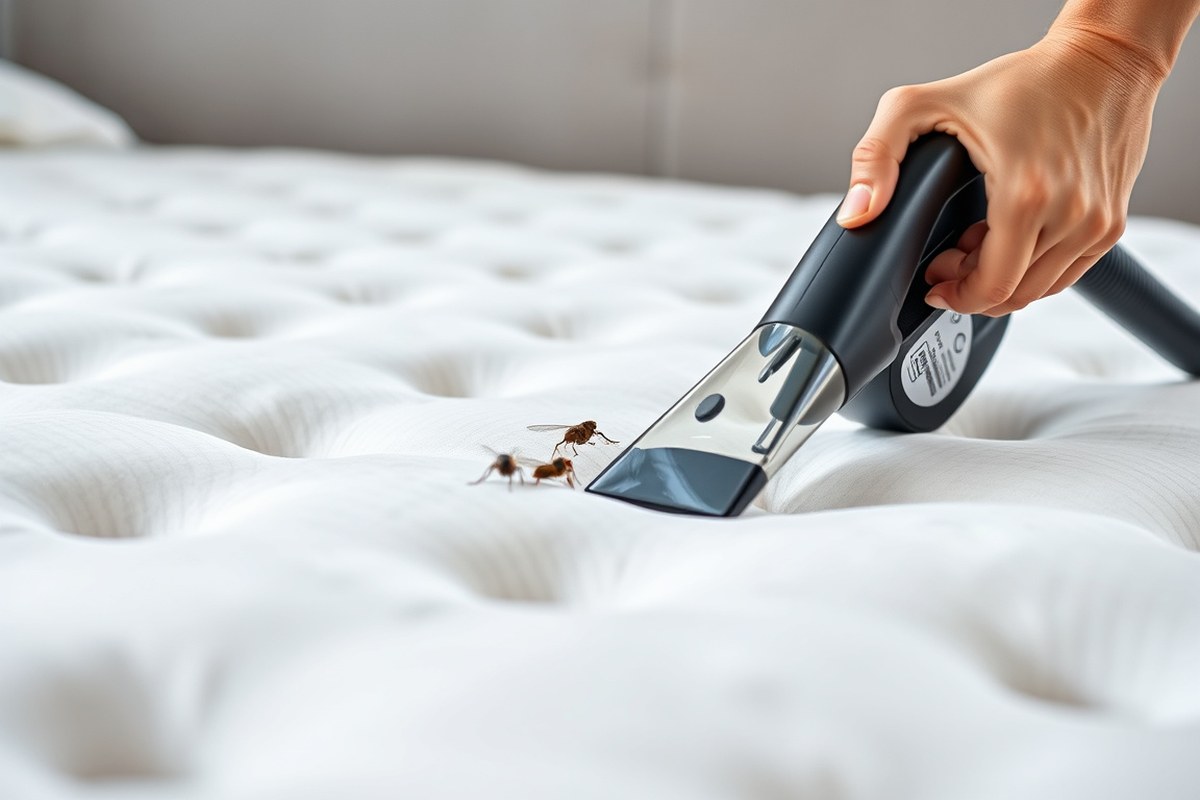
Vacuuming is a critical step in removing fleas, their eggs, and larvae from mattresses and bedroom floors. Fleas lay eggs in hidden areas, often in tiny cracks and crevices, so thorough and frequent vacuuming helps break their life cycle. Pay close attention to the entire mattress surface including seams and edges, as well as underneath the mattress and bed frame. Carpets, rugs, and upholstered furniture in the bedroom also need regular vacuuming since fleas can hide there and spread back to your bed.
For best results, vacuum your home every day for a minimum of two weeks to catch fleas as they hatch before they can reproduce. After this period, vacuuming twice weekly helps keep flea numbers down. Choose a vacuum that offers strong suction and comes with a rotating brush to improve flea removal. After vacuuming, promptly discard the bag or empty the canister outside to stop fleas from getting back inside.
- Vacuum mattress surface thoroughly, including seams and edges
- Vacuum under the mattress and the bed frame
- Vacuum all carpets, rugs, and upholstered furniture in the bedroom
- Focus on dark corners and areas beneath furniture
- Dispose of vacuum contents immediately in an outdoor trash can
- Vacuum daily during the first 2 weeks, then twice weekly
- Use flea powder on mattresses before vacuuming to boost results
Using flea powders or sprays on the mattress before vacuuming can improve the removal, targeting eggs and larvae that hide in fabrics. However, vacuuming alone rarely eliminates an infestation entirely, because flea eggs and larvae may persist in places the vacuum cannot reach well, like cracks, pet bedding, or deeper in carpets. Combining vacuuming with washing bedding at high temperatures (above 130°F) and treating pets and room areas with appropriate insecticides yields better results.
In situations where you have carpet, rugs, or heavily upholstered furniture in your bedroom, do not skip vacuuming these areas. Fleas hide well in soft, shaded places like cushions or carpet fibers. Vacuuming corners and under furniture is just as important as the mattress because eggs or larvae can easily re-infest your bed if left untreated there. The cost of regular vacuuming is minimal, requiring only your vacuuming effort and time, but it significantly reduces the flea population and improves the success of other control methods.
Treating Mattresses, Upholstery, and Carpets for Fleas Safely and Effectively
Use steam cleaning, appropriate insecticides, flea powders, and insect growth regulators to treat mattresses, upholstery, and carpets effectively. Each method targets fleas at different life stages and on various surfaces. Applying these treatments carefully and in combination can help eliminate fleas in the bedroom environment without harming you or your pets.
Steam Cleaning: Temperature and Duration
Steam cleaning kills fleas and their eggs on contact by applying high heat and moisture to infested surfaces. For best results, use a steam cleaner that reaches temperatures of at least 130°F (54°C). Maintain the steam on each area for 10 to 15 seconds to ensure effective flea elimination. This method is safe for mattresses, upholstery, and carpets, helping sanitize and reduce flea numbers without chemicals.
Repeat steam cleaning regularly during the weeks following flea treatment, because flea eggs can hatch over time. Steam cleaning your mattress, carpets, and furniture at the same time prevents fleas hiding nearby from quickly reinfesting your bed.
Chemical Treatments: Types and Safety Considerations
Chemical treatments include sprays with adulticides, powders, and insect growth regulators (IGRs) like methoprene or pyriproxyfen. Sprays kill adult fleas on contact, while IGRs disrupt the flea life cycle by preventing eggs and larvae from developing. Flea powders containing similar agents can be applied to carpets and upholstery but require careful handling and vacuuming afterward.
Use chemical treatments only in well-ventilated rooms and avoid sprays during pregnancy or in rooms frequently used by children. Always follow label instructions to minimize health risks and maximize flea control. Combining insecticides with IGRs is more effective than using one alone.
Using Flea Powders and Insect Growth Regulators
Flea powders are practical for treating carpets and upholstery since they cling to fabric fibers and deliver prolonged flea control. Lightly sprinkle powder across the infested area, then leave it undisturbed for at least 24 hours before vacuuming thoroughly. Repeat applications may be necessary for heavy infestations.
Insect growth regulators can be applied as sprays or powders on mattresses and nearby surfaces to stop the flea life cycle. These treatments do not kill adult fleas immediately but prevent new generations from emerging, reducing reinfestation over time. Regular use with steam cleaning and vacuuming improves overall results. Below is a comparison of common treatment options for bedroom flea infestations:
| Treatment Method | Effectiveness | Safety Notes | Cost Range | Application Frequency |
|---|---|---|---|---|
| Steam Cleaning | Kills adult fleas and eggs on contact | Safe when used correctly | $50, $150 per cleaning or rental | Repeat weekly for 2, 3 weeks |
| Flea Sprays (Adulticides) | Kills adult fleas quickly | Avoid in pregnancy, keep pets away until dry | $10, $30 per bottle | As directed, usually one or two applications |
| Insect Growth Regulators (IGRs) | Stops egg and larval development | Generally low toxicity, follow label | $15, $40 per treatment | Repeat every 2, 4 weeks as needed |
| Flea Powders | Prolonged control in carpet and upholstery | Use gloves; vacuum before re-application | $10, $25 per container | Apply every 2 weeks until fleas controlled |
Choosing the right method depends on your situation. Steam cleaning suits mattresses and furniture needing thorough sanitation. Sprays and powders work well in carpets, but pets and children should not be exposed during and shortly after treatment. Combining steam cleaning with IGRs improves long-term flea control by killing adults and blocking new generations.
Always allow treated surfaces to dry completely and ventilate rooms well before spending extended time in them, especially after using chemical treatments.
Stopping the Flea Cycle: Pet Treatments and Preventive Measures
To prevent fleas from reinfesting your bed, treating your pets regularly is essential. Flea treatments for pets come in various options including topical solutions, oral medications, flea collars, and shampoos. These products work differently; for example, topical treatments often kill fleas on contact and prevent eggs from hatching, while oral medications target fleas after they bite your pet.
Most flea treatments require regular reapplication to maintain their effectiveness and break the flea life cycle. An effective schedule is to apply treatments once a month for six weeks or longer, depending on the product instructions. Repeating treatments every two weeks can help control fleas more aggressively if your pet is heavily infested.
| Flea Treatment Type | How It Works | Reapplication Timing | Typical Cost Range (per month) | Notes |
|---|---|---|---|---|
| Topical Spot-On | Kills adult fleas; interrupts egg hatching | Apply monthly | $10 – $25 | Effective for most pets; water exposure can reduce efficacy |
| Oral Medication | Kills fleas after biting the pet | Monthly or every 12 weeks, depending on product | $20 – $50 | Fast-acting; good for pets that don’t tolerate topical treatments |
| Flea Collars | Repels and kills fleas over time | Replace every 3 to 8 months | $15 – $40 | Convenient; slower to act than other methods |
| Flea Shampoo | Kills fleas on contact | Use weekly if infestation is heavy | $8 – $20 | Good for quick relief; no long-term protection |
Resistance to flea treatments can occur, especially if the same product is used repeatedly without consulting your veterinarian. Some flea populations have developed resistance to certain insecticides, which can result in less effective control and persistent infestations. To avoid this, rotate flea treatment types and discuss alternative options with your vet if you notice fleas after treatment.
Timing your treatments is key to controlling flea populations. Start treating all pets in your household simultaneously, even if only one has fleas. Treating a single pet can allow fleas to spread from untreated animals. Repeat the treatment every week for about six weeks or until you see no fleas on any pets or in your home. Washing pet bedding and vacuuming areas where pets rest will also reduce flea eggs and larvae in your environment.
Follow-Up Cleaning and When to Call Professional Pest Control
Getting rid of fleas in your bed requires ongoing effort that can take several weeks. You should stick to a regular cleaning and treatment schedule for at least 3 to 4 weeks to break the flea life cycle fully. Call a professional pest control service if you see continuing flea activity after consistent treatment or if the infestation covers multiple rooms or the entire home.
Schedule and Repeat Cleaning Steps
Fleas lay eggs that can hatch over days or weeks, so one cleaning session will not be enough. Establish a cleaning routine to target flea eggs, larvae, and adults consistently for effective control. Follow this cleaning schedule:
- Vacuum daily: Vacuum carpets, upholstery, and mattresses every day for at least two weeks, focusing on seams and edges where fleas hide.
- Wash bedding often: Wash all bed linens, pillow covers, and blankets in hot water (130°F or higher) twice a week during treatment.
- Treat pets: Use vet-approved flea treatment on pets weekly or as directed if they sleep in the bedroom.
- Apply flea sprays or powders: Use flea insecticides safely according to the label instructions every 7 to 10 days to kill fleas on bedding and furniture.
- Dispose of vacuum contents: Seal and discard vacuum bags or empty containers immediately after use to prevent reinfestation.
- Repeat the cycle: Continue this routine for at least 3 to 4 weeks to cover the flea life cycle and prevent reemergence.
This schedule targets all flea stages and stops them from reestablishing. Missing treatments or cleaning steps can extend how long fleas remain in your bed.
Signs Treatment Is Not Working
Watch for these signs that you may need a stronger approach or professional help:
- You continue to see flea bites or live fleas on bedding or pets after 3 to 4 weeks of cleaning and treatment.
- Multiple household members experience persistent flea bites.
- Fleas appear in multiple rooms or areas beyond the bedroom, indicating a widespread infestation.
- DIY treatments cause allergies or irritation for you or pets, making them unsafe to continue.
If fleas persist despite following proper cleaning, washing, vacuuming, and using vet-approved pet treatments, it’s time to call in experts. Delay could allow fleas to spread further, making eradication more difficult and costly.
How Professionals Treat Flea Infestations Differently
Pest control professionals use a combination of advanced tools and treatments to eliminate fleas more efficiently. They can inspect broader areas, including attics, basements, and outdoor spaces, where fleas might hide. Typical methods include:
- Industrial-grade insecticides with longer residual effects and safer application techniques.
- Integrated pest management plans that address flea sources in the yard and pet areas.
- Use of flea growth regulators (FGRs) to disrupt flea development cycles.
Professional treatments often require fewer repeat applications and can cost anywhere from $150 to $400 depending on home size and severity. They provide peace of mind with guarantees or follow-up visits. For severe or persistent infestations, this approach can save time and reduce ongoing discomfort.
Common Mistakes, Troubleshooting, and Preventing Flea Re-Infestations
One common mistake is treating only the bed without addressing the whole environment. Fleas easily move from pets, carpets, and furniture to your bedding, so targeting a single area won’t eliminate them. You need a complete approach, treat your pets, wash bedding and pet beds at 130°F or higher, and clean carpets and upholstery with appropriate insecticides or flea bombs. Leaving pets untreated lets fleas continually reinfest your bed, prolonging the problem. When using flea bombs, remove pets temporarily, like taking them to a groomer for a flea bath, to avoid harm and improve results.
Another error involves improper washing or drying of bedding. Flea eggs, larvae, and adults can survive washing with cold water or air drying. Hot water, at least 130°F, and high heat for drying are necessary to kill all flea stages. Follow washing instructions carefully and run bedding through multiple drying cycles if needed. Vacuuming mattresses and surrounding floors daily during treatment helps remove flea eggs and dirt but remember to discard vacuum bags or empty canisters outdoors to prevent re-infestation.
People often underestimate how long treatment takes. Flea eggs can hatch for weeks after initial cleaning, so repeat treatments every 7 to 10 days for at least three cycles are important. This practice breaks the flea life cycle effectively. Use insect growth regulators (IGRs) during chemical treatment to stop eggs from maturing, but keep pets away from treated areas until they are dry and ventilation is restored. Sleeping in a bed during treatment depends on the products used; some require the area to remain vacant for hours to ensure safety. Always follow label directions and consider sleeping elsewhere if strong insecticides are involved.
Preventing fleas from returning means maintaining good pet hygiene and regular cleaning habits. Bath your pets with flea treatments recommended by your vet and use preventative collars or spot-on treatments year-round. Wash pet beds weekly and keep pets off your bed, especially if they spend time outdoors. Regular vacuuming and occasional treatment of your living areas during peak flea season reduce risks. Sealing cracks and keeping clutter to a minimum also limits flea hiding spots.
Troubleshooting persistent flea problems starts with checking if all pets and household areas are treated. Observe if pets still scratch excessively or you notice flea bites after treatment. This may indicate untreated spots or resistance to certain insecticides. Changing products or consulting a professional may be necessary for severe infestations. Monitoring pets and bedding frequently ensures fleas don’t re-establish.
Always follow label instructions for flea products and avoid sleeping in treated beds until the area is fully dry and ventilated to prevent exposure to harmful chemicals.
Step-by-Step Action Plan for Flea Removal in Your Bed
Follow these steps to identify, eliminate, and prevent fleas in your bed and surrounding areas effectively.
- Day 1: Confirm the Flea Presence, Inspect your bedding and pets carefully for small, jumping insects and flea dirt (tiny black specks). Use a flea comb on pets if you have them. Successful identification means you can proceed with targeted treatment.
- Day 1: Remove and Wash All Bedding, Strip sheets, pillowcases, and mattress covers, then wash them in hot water (at least 130°F) and dry on high heat for 30 minutes. Wash and dry pet bedding the same way. Knowing it worked comes from eliminating live fleas and eggs from fabric.
- Day 1: Vacuum Thoroughly, Vacuum the mattress, bed frame, bedroom floors, carpets, and upholstery. Dispose of the vacuum bag or empty the canister outside immediately. Success is no visible fleas on vacuumed surfaces and cleaner debris.
- Day 2: Treat Mattress and Surrounding Areas, Use a flea spray or powder specifically labeled safe for mattresses and carpets. Apply according to product instructions, focusing on seams, folds, and edges. Effectiveness shows when flea activity visibly decreases within 48 hours.
- Day 3: Treat Your Pets, Use veterinarian-recommended flea treatments like topical medications or oral pills on all pets simultaneously. Confirm success by reduced flea bites on pets and fleas caught in a comb over the next week.
- Week 2: Repeat Cleaning and Inspection, Wash bedding again and vacuum all affected areas thoroughly to catch surviving eggs or larvae. Check pets and bed regularly. A lack of new flea bites or sightings indicates control is improving.
- After 2 Weeks: Prevent Re-Infestation, Maintain weekly washing of bedding and vacuuming. Keep pets on a continuous flea prevention program. Inspect regularly for new flea activity to avoid starting over.
- Week 3: Call Professionals if Needed, If fleas persist despite diligent treatment and cleaning, consult a licensed pest control professional. Their expertise and stronger treatments can resolve tough infestations promptly.
Frequently Asked Questions
Can Flea Infestations in Bed Cause Allergic Reactions?
Yes, flea bites can cause allergic reactions that result in itching, redness, and swelling. Those prone to allergies should treat infestations promptly to avoid skin irritation and secondary infections.
How Long Do Flea Eggs Survive in Bedding Without Treatment?
Flea eggs can survive in bedding for up to two weeks without treatment. Regular washing and vacuuming are essential to break their life cycle before they hatch.
Can Flea Infestations in Beds Spread to Other Parts of the Home?
Yes, fleas can move from your bed to carpets, furniture, and pet resting areas. Treating only the bed won’t fully solve the problem; a whole-room approach is necessary.
Is Using Flea Sprays on Mattresses Safe for Humans?
Some flea sprays are safe to use on mattresses if used according to label instructions. Always ventilate the room well and avoid direct skin contact with treated surfaces.
Do Flea Traps Help Reduce Flea Numbers in Beds?
Flea traps can catch some adult fleas but don’t eliminate an infestation alone. They work best as a supplement to washing, vacuuming, and pet treatments.
How Soon After Treatment Can You Sleep on a Treated Bed?
Wait at least a few hours after treatment before sleeping on the bed to allow insecticides to dry and reduce exposure. Follow product instructions for specific timing.
Final Thoughts
Getting rid of fleas in your bed starts with thorough cleaning and targeted treatments that interrupt their life cycle. Start today by washing all your bedding in hot water and drying it on high heat to kill any fleas and their eggs. Staying consistent with this step helps you avoid prolonged infestations and keeps your sleeping area safe and comfortable.